Yemen Visa RequirementsFor United States passport holders
US citizens require a visa to visit Yemen. The US State Department has issued a Level 4 "Do Not Travel" advisory for Yemen due to ongoing civil war, terrorism, and the risk of kidnapping, arbitrary detention, and armed conflict.
United States passport holders require a visa to enter Yemen.
Obtaining a Yemen visa is effectively impossible for US citizens under current conditions. There is no Yemeni Embassy fully operational in the US, and the conflict government has limited capacity for consular functions. The US Embassy in Sanaa has been closed since 2015. US citizen services are provided from Riyadh (Saudi Arabia) or Djibouti. Travel is strongly discouraged.


Entry Requirements
Passport Validity
6 months beyond date of entry
Blank Pages
2 blank pages required
Multiple Entry
Single entry only
Work Permitted
No - requires work visa
Entry Conditions
Visa required - TRAVEL NOT RECOMMENDED due to ongoing civil war and extreme danger. Embassy visa services may be suspended.
Required Documents
Valid US Passport
Must be valid for at least 6 months beyond your planned stay with at least 2 blank pages for visa stamps
Completed Visa Application Form
Fill out the official visa application form from the embassy or consulate
Passport-size Photos
Two recent color photos (2x2 inches or 35x45mm) with white background, taken within last 6 months
Proof of Accommodation
Hotel reservations, rental agreement, or invitation letter with host address
Proof of Sufficient Funds
Recent bank statements (last 3 months), credit card statements, or sponsorship letter
Round-trip Flight Itinerary
Confirmed return or onward flight booking showing departure from the country
Employment or Business Letter
Letter from employer stating position, salary, and approved leave dates, or business registration documents
Travel Insurance Recommended
Comprehensive travel insurance covering medical expenses and emergency evacuation
Cover Letter Recommended
Personal letter explaining purpose of visit, itinerary, and ties to home country
Travel Essentials
Health & Safety
Safety Rating
Vaccinations
Hepatitis A, Hepatitis B, Typhoid, Rabies, Cholera, Polio
Tap Water
Bottled water recommended
Safety Tips
Yemen has been in civil war since 2014, creating one of the world's worst humanitarian crises. Armed conflict, airstrikes, terrorism, kidnapping, and lack of services make it extremely dangerous. All travel is strongly advised against. Most embassies have evacuated. Socotra Island may have slightly different conditions but is still risky.
Money & Costs
Currency
﷼ Yemeni Rial (YER)
Daily Budget (USD)
Budget: $30 · Mid: $70 · Luxury: $150+
Tipping
Not applicable as tourism does not exist.
Practical Info
Power
Type A, D, G, 230V 50Hz
Driving
Right side
Emergency
No reliable emergency services.
Getting There
Main Airports
Aden (ADE) · Sana'a (SAH)
Culture & Travel Tips
Best Time to Visit
IMPORTANT: Yemen has been experiencing severe civil war and humanitarian crisis since 2014. Travel is extremely dangerous and not recommended. Most governments maintain do-not-travel advisories. Historically, the best time to visit was October to March when temperatures were moderate (15-25°C/59-77°F) and conditions pleasant for exploring the historic cities and Socotra Island. Summer brought extreme heat to the lowlands. The unique Socotra Island had more stable conditions but flights were limited. Until the conflict is resolved and the country stabilized, tourism remains impossible.
Cultural Notes
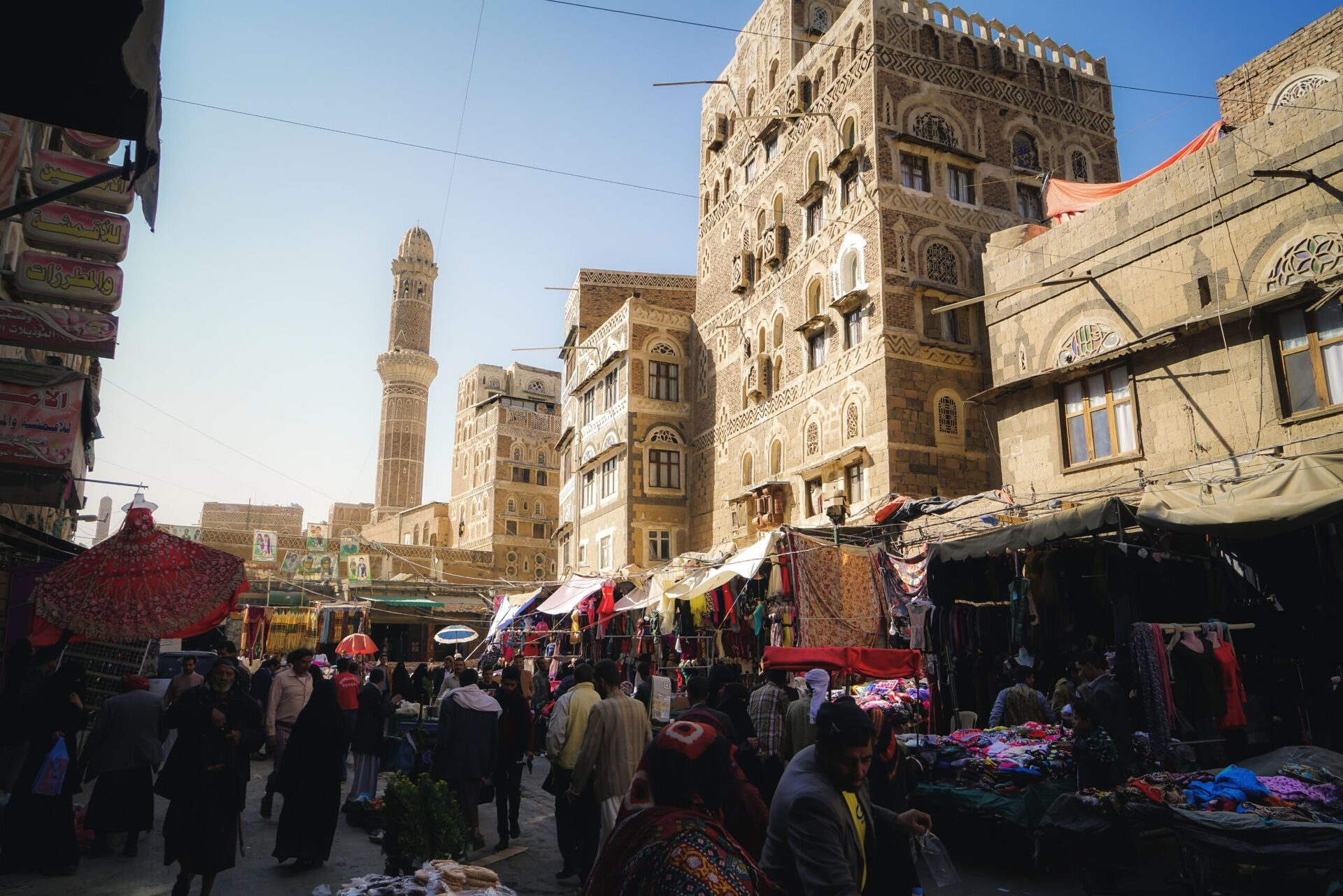
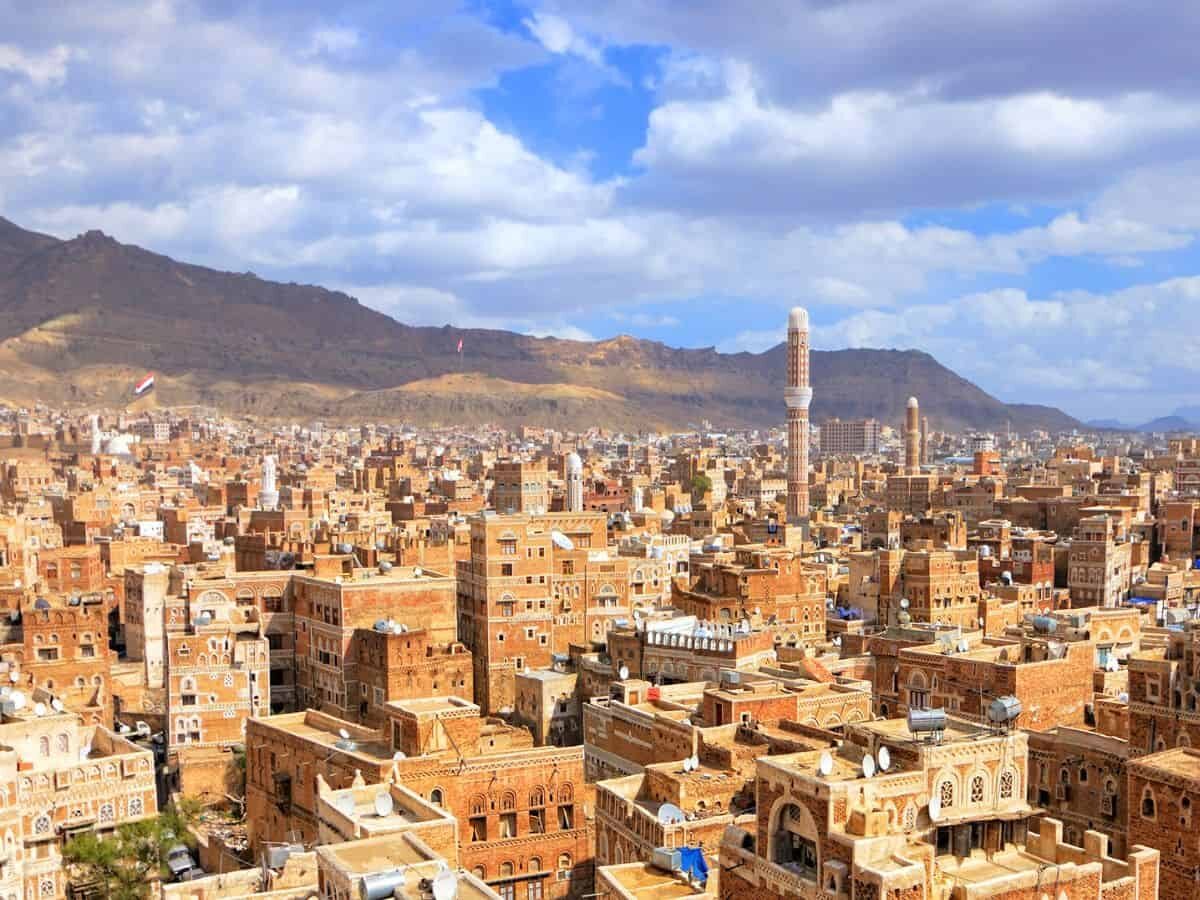
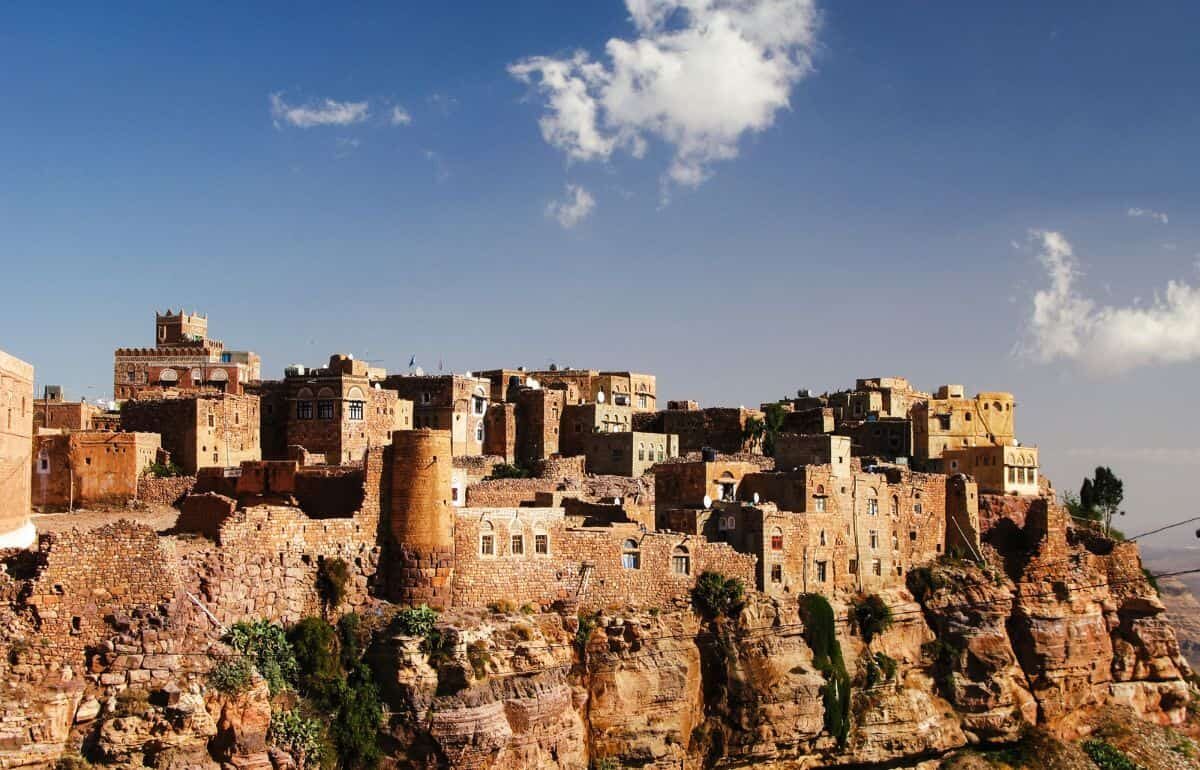
Yemeni culture is among the most traditional in Arabia, with ancient tribal customs, distinctive architecture, and the oldest continuously inhabited cities in the region. Sana old town, with mud-brick tower houses decorated in white geometric patterns, is architecturally unique. The chewing of qat leaves (a mild stimulant) is a daily social ritual that dominates afternoon life. Yemeni society is tribal and conservative, with women typically fully veiled. The ongoing civil war since 2014 has created one of the worlds worst humanitarian disasters, with millions facing famine. The conflict involves regional powers including Saudi Arabia and Iran. Yemenis in exile and diaspora communities maintain hope for peace and reconstruction.
Insider Tips
WARNING: Yemen is currently experiencing active civil war, severe humanitarian crisis, and widespread insecurity. Tourism is not possible, and travel is strongly advised against by all governments. Commercial flights are extremely limited. Foreigners face kidnapping and other serious risks. This information is for historical reference only. Pre-war, Yemen offered extraordinary attractions: the ancient mud skyscrapers of Shibam and Sana old city (both UNESCO World Heritage Sites), the unique biodiversity of Socotra Island, and Mocha - the origin of coffee exported to the world. The Yemeni people were known for remarkable hospitality. Until peace and stability return, these treasures remain inaccessible.
Current Travel Situation
United States to Yemen: What You Need to Know
Yemen has been in civil war since 2015, when a Saudi Arabia-led coalition intervened against the Houthi movement that had seized the capital Sanaa and was advancing south. The conflict has caused one of the world's worst humanitarian crises: over 150,000 battle-related deaths and millions facing famine. The country is divided between Houthi-controlled northwest (including Sanaa) and a Saudi/UAE-backed Internationally Recognized Government in the south and east. Starting in late 2023, Houthis began attacking commercial shipping in the Red Sea and launched drone/missile attacks on Israel in solidarity with Gaza. Aden International Airport (ADE) and Sana'a International Airport (SAH) have extremely limited operations.
How to Get There
Before the 2015 conflict, Yemen was connected to Addis Ababa, Djibouti, Cairo, Dubai, and other regional hubs. Under current conditions, limited humanitarian and government flights operate to Aden and Seiyun from Riyadh, Cairo, and Amman. These are not available to tourists.
Money & Banking
Yemen uses the Yemeni Rial (YER). The financial system is severely disrupted by the civil war. USD cash is essential for any transactions in Yemen.
Practical Tips
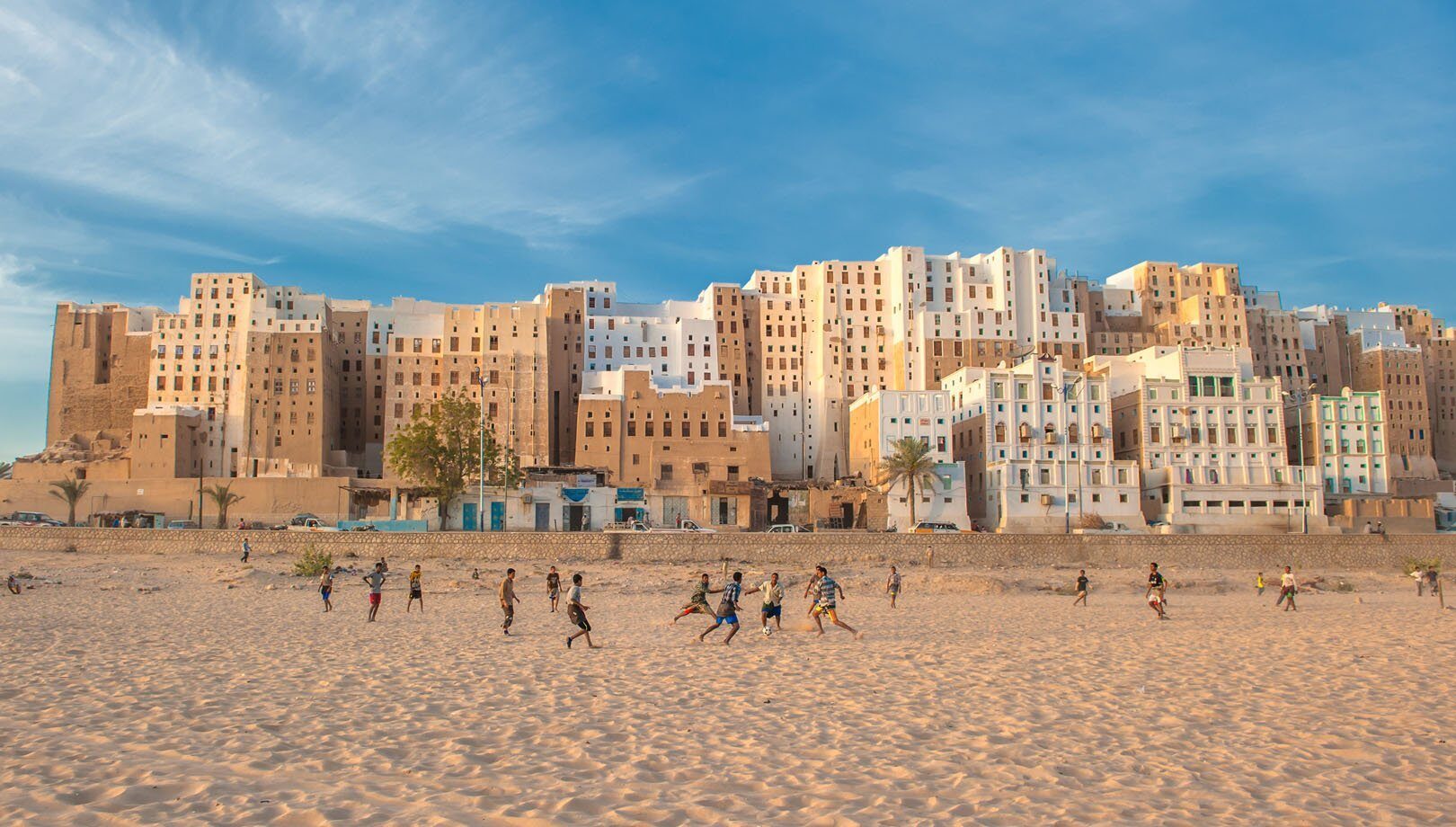
Travel to Yemen is strongly discouraged. Yemen has extraordinary historical heritage: the ancient walled city of Shibam ("Manhattan of the Desert," UNESCO, 500-year-old mud skyscrapers), the historic city of Zabid (UNESCO), the Old City of Sanaa (UNESCO, with extraordinary tower houses and souqs), and the unique island of Socotra (UNESCO biosphere reserve, known as the "Galapagos of the Indian Ocean" for its alien-looking Dragon Blood Trees and other endemic species). All are inaccessible under current conditions. Socotra has been visited by a very small number of adventure travelers via charter flights, but the security environment makes this extremely risky.
Frequently Asked Questions
What is Socotra Island?
Socotra is a Yemeni island in the Arabian Sea sometimes called the "Galapagos of the Indian Ocean" for its extraordinary endemic biodiversity. Over 300 plant species are found nowhere else on Earth, including the iconic Dragon Blood Tree (with its mushroom-shaped canopy) and the Bottle Tree. The island was a UNESCO World Heritage Site. Before the civil war, Socotra attracted a small number of adventurous travelers via chartered flights from Abu Dhabi. It remains inaccessible safely.
What is the Shibam "Manhattan of the Desert"?
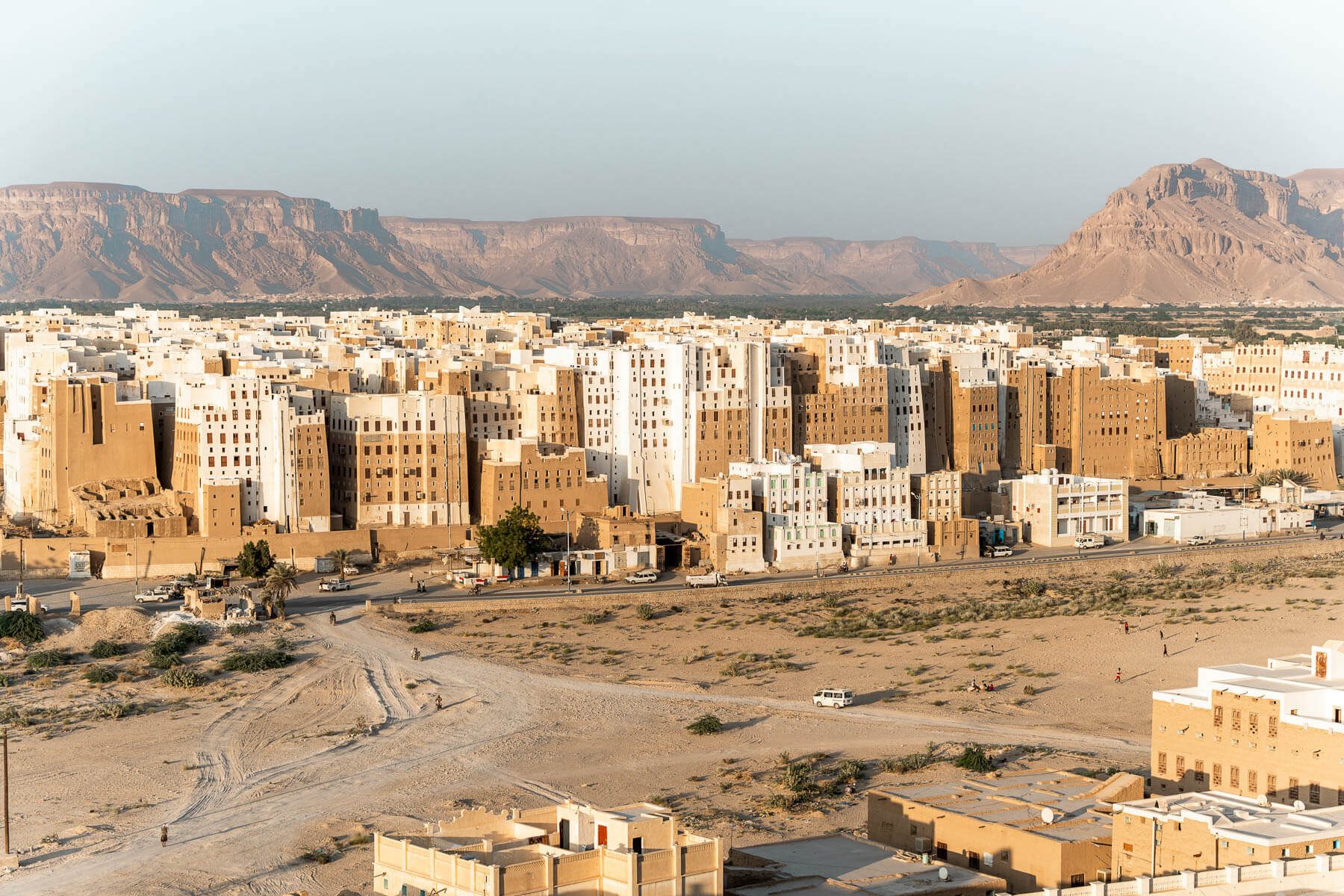
Shibam (UNESCO World Heritage Site) in the Hadramawt Valley of eastern Yemen is a walled city of approximately 500 mud-brick tower houses rising 5-11 stories -- among the world's tallest ancient mud-brick structures. Built primarily in the 16th century, it is a remarkable feat of traditional engineering in an arid environment. The Hadramawt region has been less affected by the civil war than the Houthi-controlled northwest, but all travel to Yemen remains dangerous.
Why are Houthis attacking ships in the Red Sea?
The Houthi movement (Ansar Allah) controls northwestern Yemen including the port of Hodeidah on the Red Sea. Starting in late 2023, the Houthis began targeting commercial shipping in the Red Sea, claiming solidarity with Palestinians in Gaza. The attacks disrupted international shipping lanes (the Suez Canal route handles 12-15% of global trade). The US and UK launched airstrikes against Houthi military infrastructure in Yemen in response. The conflict has expanded the Yemen crisis into a regional maritime security threat.