Argentina Visa RequirementsFor United States passport holders
American citizens can visit Argentina visa-free for up to 90 days. There is no reciprocity fee for Americans since 2016. Argentina is South America's second-largest country, offering cosmopolitan Buenos Aires, spectacular Patagonian landscapes, Iguazu Falls, and the world's best Malbec wine country in Mendoza.
Great news! United States passport holders can enter Argentina without a visa for tourism or business purposes. You can stay up to 90 days.
No visa required for US passport holders visiting Argentina for up to 90 days. No reciprocity fee. Ensure your US passport is valid for the duration of your stay. On arrival, you receive a 90-day tourist stamp that can typically be extended once for another 90 days at the Argentine immigration office (Dirección Nacional de Migraciones) in Buenos Aires. No special documents beyond passport and return ticket are required.
Entry Requirements
Passport Validity
6 months beyond date of entry
Blank Pages
2 blank pages required
Multiple Entry
Allowed
Work Permitted
No - requires work visa
Entry Conditions
Valid passport. Proof of accommodation and return ticket may be requested. No reciprocity fee since 2016.
Required Documents
Valid US Passport
Must be valid for at least 3-6 months beyond your planned departure date (varies by country)
Valid US passport
Return or Onward Ticket
Proof of departure from the country, such as a return flight or onward travel booking
Return or onward flight ticket Recommended
Proof of Accommodation Recommended
Hotel reservation, Airbnb booking, or address where you will be staying
Proof of accommodation Recommended
Proof of Sufficient Funds Recommended
Credit cards, bank statements, or cash to cover expenses during your stay
Travel Insurance Recommended
Recommended for all international travel covering medical emergencies
Travel Essentials
Health & Safety
Safety Rating
Vaccinations
Hepatitis A, Typhoid, COVID-19. Yellow fever if visiting Iguazu.
Tap Water
Safe to drink
Safety Tips
Exercise increased caution in Argentina, particularly Buenos Aires. Petty crime including pickpocketing and muggings occur, especially in tourist areas and on public transport. Don't display expensive items. Use radio taxis or ride apps rather than hailing cabs. Avoid carrying large amounts of cash despite the exchange situation. Avoid protests.
Money & Costs
Currency
$ Argentine Peso (ARS)
Daily Budget (USD)
Budget: $50 · Mid: $100 · Luxury: $250+
Cards & ATMs
Cards accepted in tourist areas but cash often preferred due to currency issues.
Tipping
Tipping 10% is standard in restaurants - don't leave more as it can seem ostentatious. Tip in pesos. Porters and hotel staff appreciate small tips. Tour guides receive 10-15% of tour cost. Taxi drivers don't expect tips but rounding up is common. Café waiters appreciate leaving coins.
Practical Info
Power
Type C, I, 220V, 50Hz
Driving
Right side
Emergency
Emergency: 911
Police: 101
Ambulance: 107
Fire: 100
Mobile/SIM
Buy a SIM card from Personal, Movistar, or Claro - stores are everywhere and airports have kiosks. Plans cost AR$3000-6000 for 10-30GB. Registration with passport required. Coverage in cities is excellent, variable in Patagonia. WhatsApp is universal for communication.
Getting There
Main Airports
Buenos Aires (AEP) · Buenos Aires (EZE)
Airport Transfers
Buenos Aires Ezeiza (EZE): International flights arrive here, 35km from city. Bus 8 or Tienda León to center (AR$5000-8000, 1-1.5 hours). Taxi/transfer ~$40-50 USD. Aeroparque (AEP): Domestic flights, much closer - taxi to Palermo ~$15 USD (15-20 minutes). Manuel Tienda León connects both airports.
Local Transport
Buenos Aires has an extensive Subte (metro) system and buses. SUBE card required - buy and load at kiosks. Long-distance buses are excellent and comfortable - book through Plataforma 10 or Busbud. Domestic flights with Aerolíneas Argentinas or Flybondi connect distant destinations. Renting a car is useful for Patagonia.
Culture & Travel Tips
Best Time to Visit
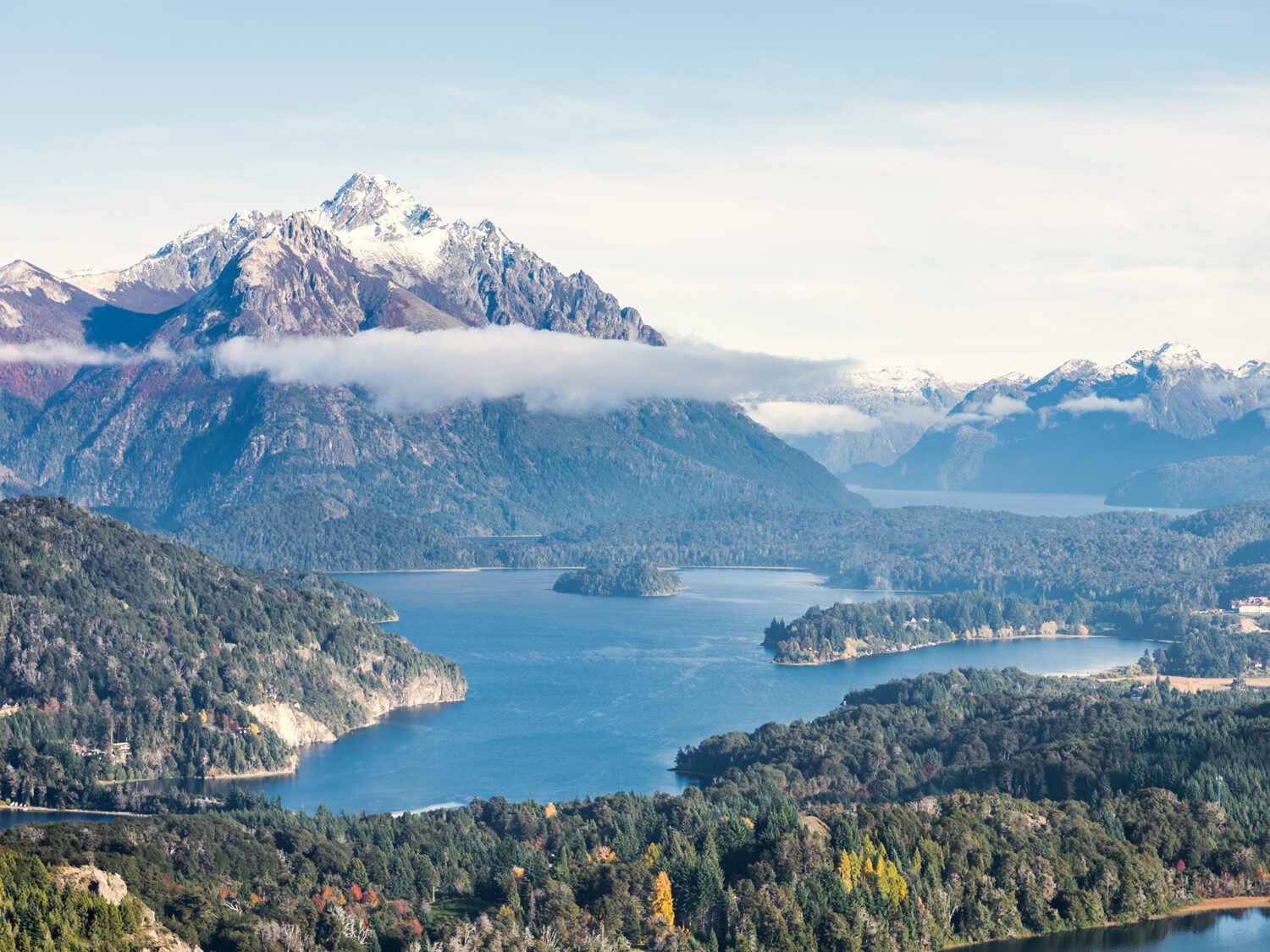
Argentina spans from subtropical north to subantarctic south, so timing depends on your destination. Buenos Aires and the Pampas are pleasant year-round, though spring (September-November) and fall (March-May) offer mild temperatures and fewer crowds. Patagonia and glacier regions are accessible November to March, with December-February being peak summer. Visit Iguazu Falls April to September to avoid intense heat and heavy rains. Mendoza wine country shines during harvest (February-April). Ski season in Bariloche and the Andes runs June to September. The shoulder seasons often provide the best balance of weather, crowds, and prices.
Cultural Notes
Argentine culture blends European (especially Italian and Spanish) influences with indigenous traditions and the gaucho heritage of the Pampas. Tango is more than music - it represents the passionate, melancholic soul of Buenos Aires. Argentines are famously proud, opinionated, and love lengthy conversations over mate (herbal tea), coffee, or wine. Greetings involve a kiss on the cheek, even for first meetings. Soccer (futbol) inspires fierce devotion - attending a Boca Juniors or River Plate match is an unforgettable experience. The pace of life is relaxed; meals and gatherings stretch for hours. Psychoanalysis is hugely popular; Buenos Aires has the highest concentration of psychologists per capita in the world.
Insider Tips
Argentina offers incredible diversity - from cosmopolitan Buenos Aires to the dramatic landscapes of Patagonia. Long-distance buses are comfortable and affordable for covering vast distances, with "cama" (sleeper) class worth the extra cost on overnight routes. Domestic flights can be expensive but save days of travel. The peso fluctuates, and the "blue dollar" parallel exchange rate often offers better value - ask locally for current rates. Beef and wine are exceptional and affordable; try asado, empanadas, and Malbec. Tipping 10% is customary. Porteños (Buenos Aires residents) eat dinner late, starting around 9-10pm. Learn some Spanish as English is limited outside tourist centers.
Dress Code
Casual dress fine. Buenos Aires is fashion-conscious. Smart casual for upscale venues.
Current Travel Situation
United States to Argentina: What You Need to Know
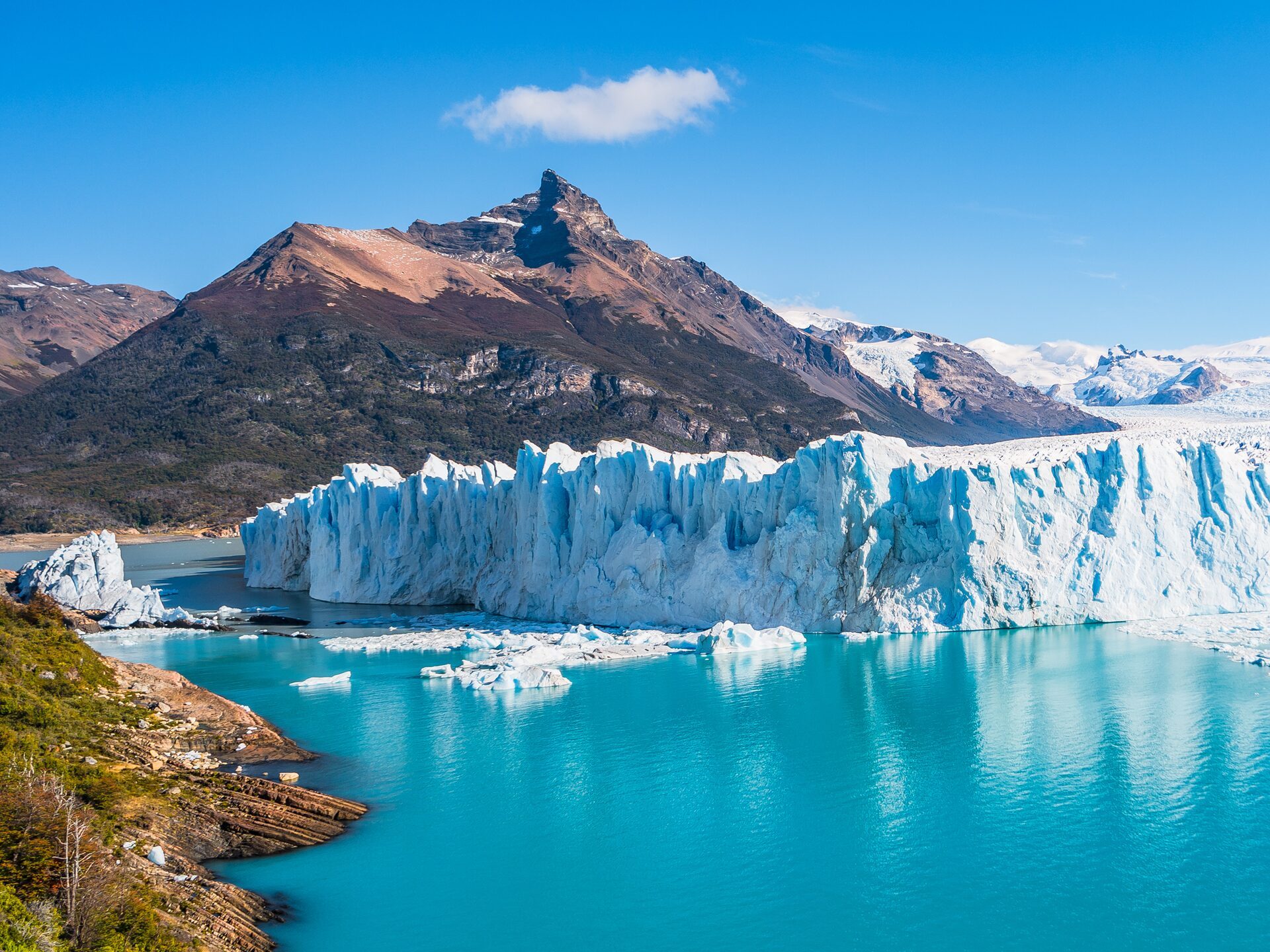
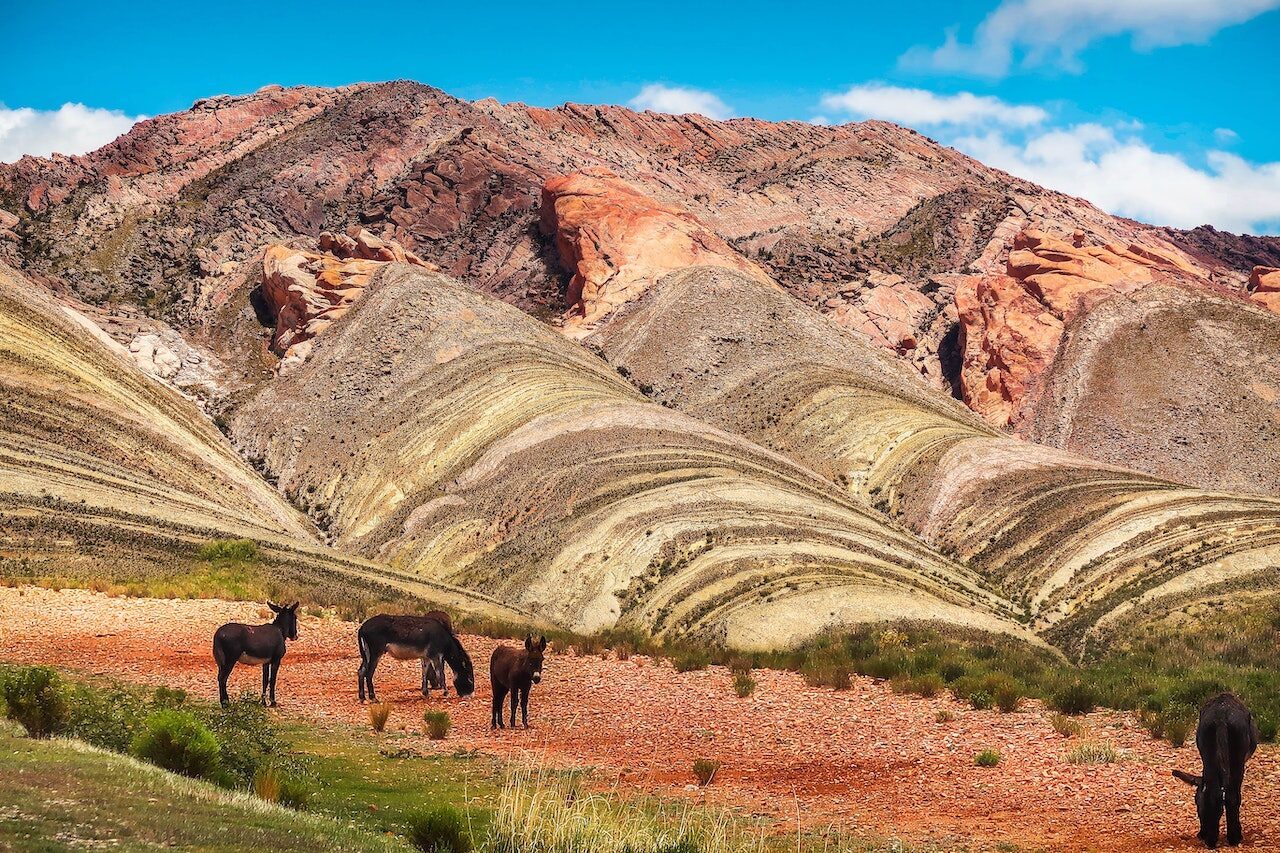
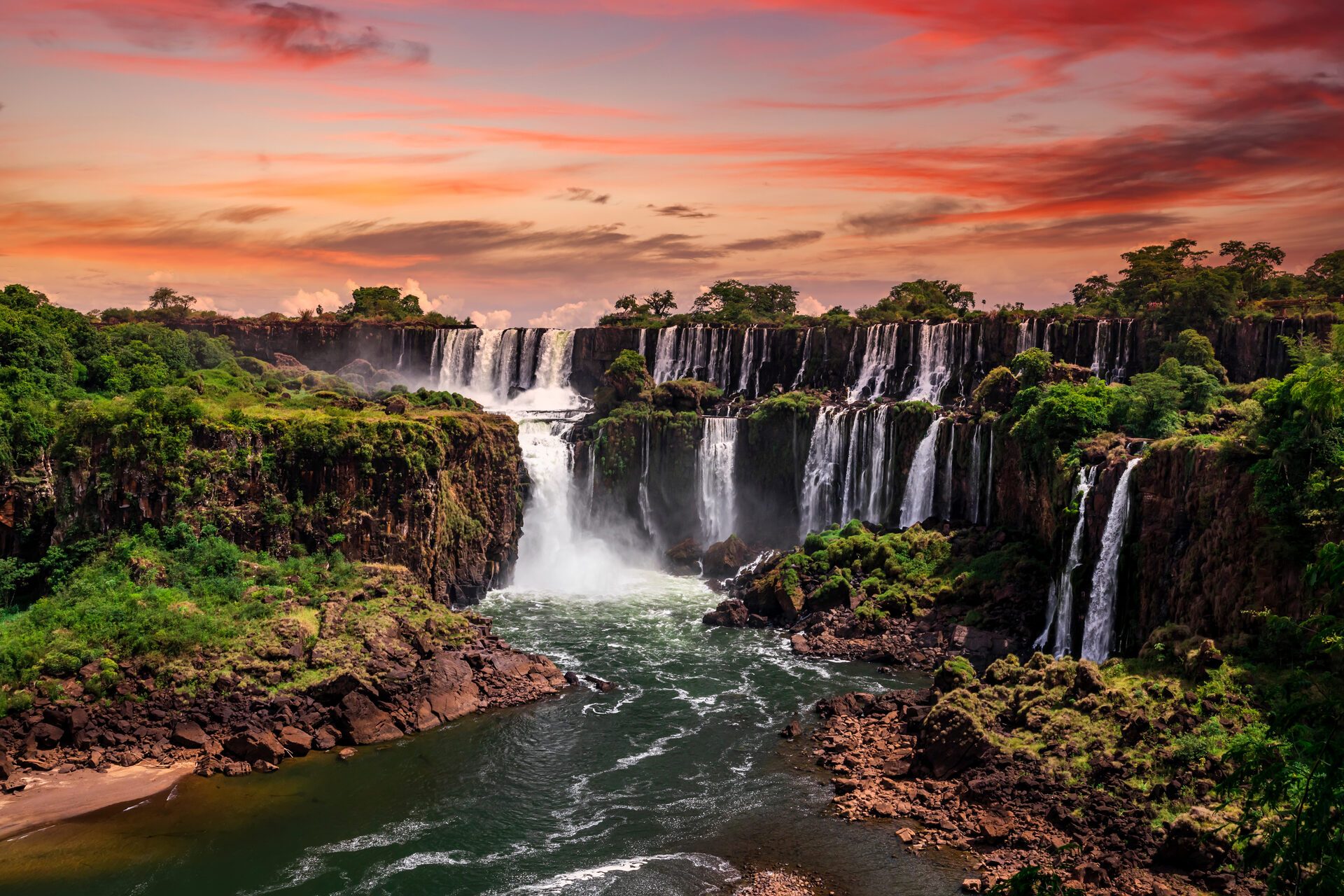
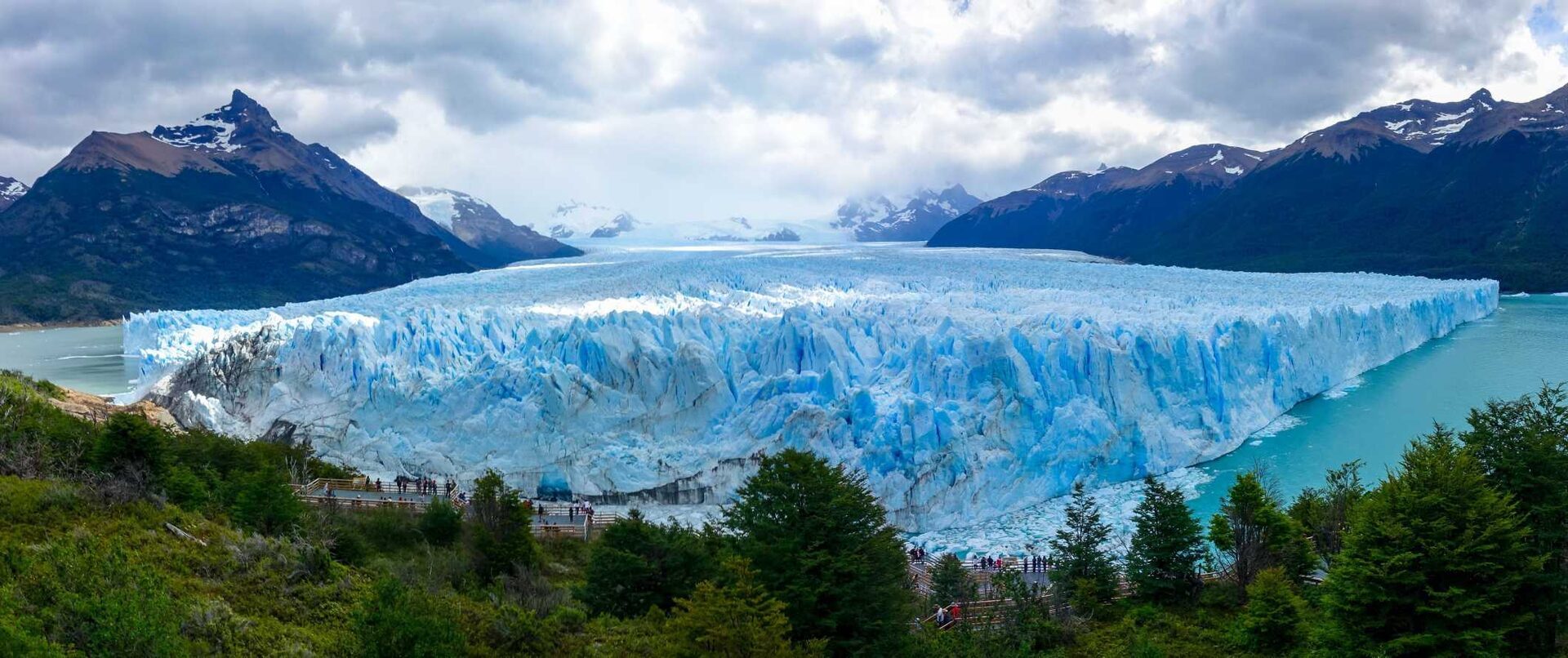
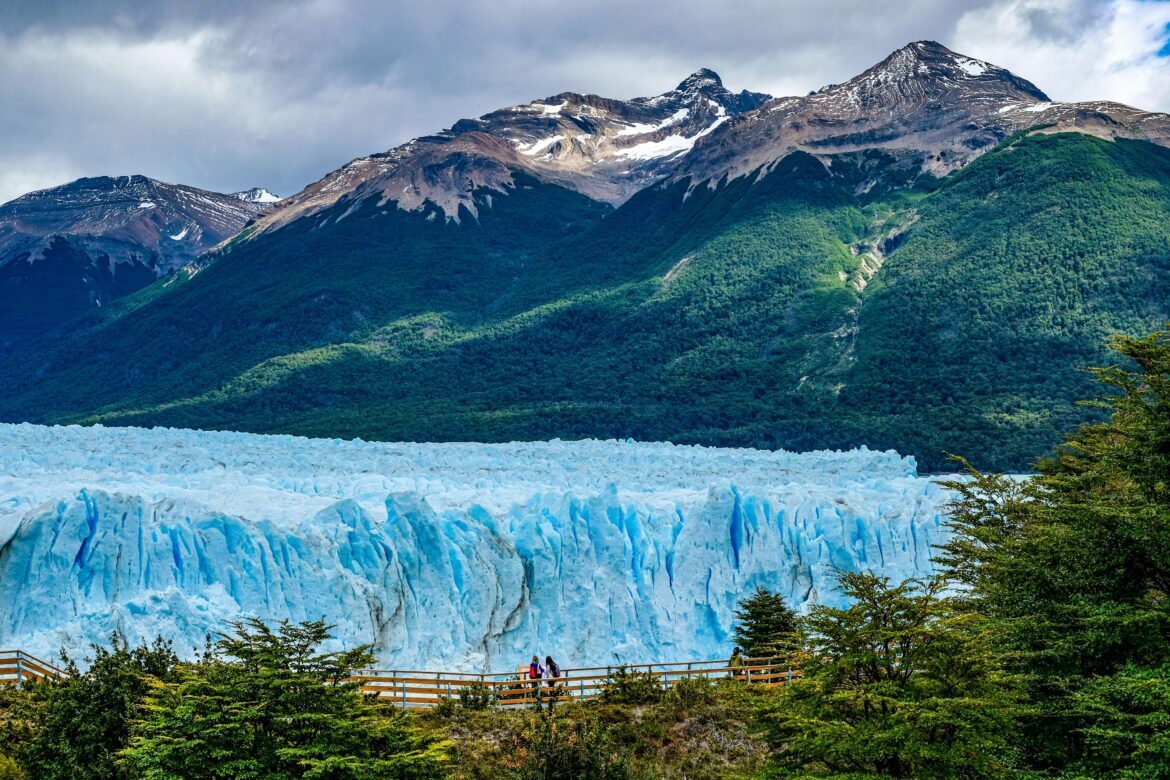
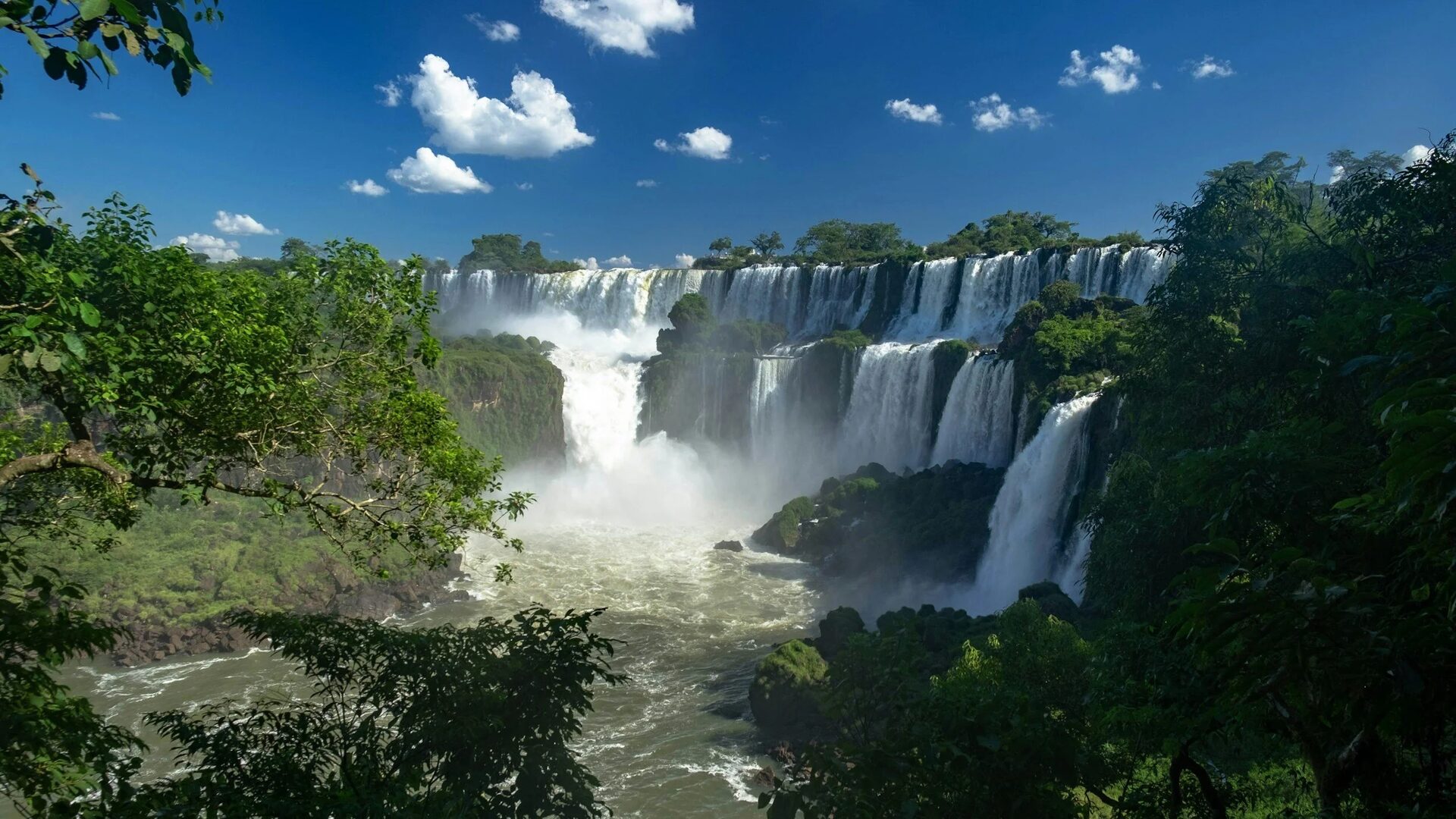
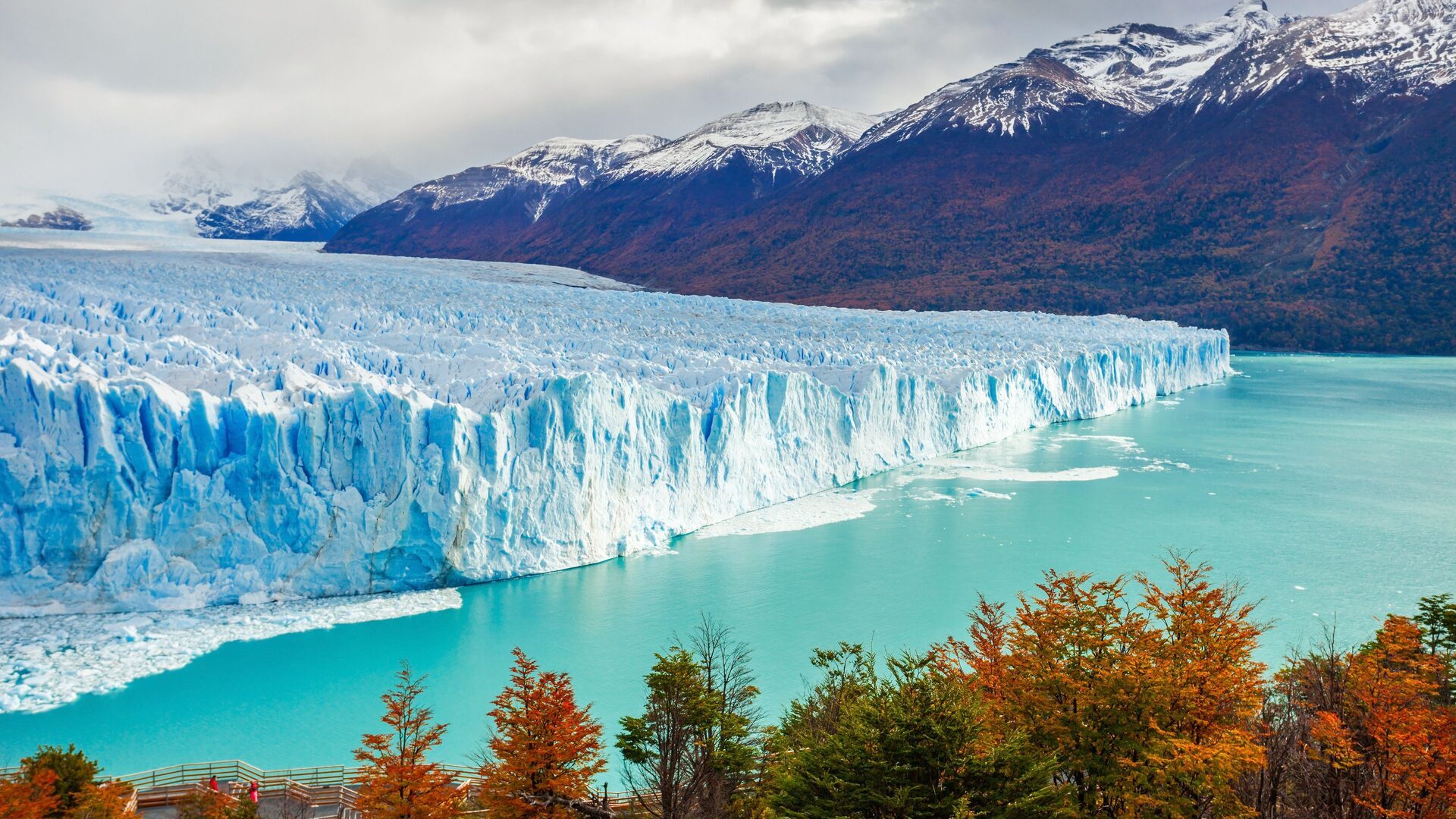
Argentina eliminated the visa reciprocity fee for American citizens in March 2016, when then-President Macri removed the $160 entry fee that had been levied in response to US visa fees charged to Argentine nationals. Since then, Americans can enter Argentina freely with just their passport. Argentina is Latin America's most European-influenced country: Buenos Aires, nicknamed "The Paris of South America," has a distinctly European urban character shaped by waves of Italian, Spanish, German, and Jewish immigration. Argentina is also a world-class destination for nature travellers: Patagonia's Torres del Paine, the Perito Moreno Glacier, Iguazu Falls (one of the world's most spectacular waterfalls), and the Quebrada de Humahuaca canyon in the northwest.
How to Get There
American Airlines, United, Delta, LATAM, and Aerolineas Argentinas operate direct flights from Miami (MIA), New York (JFK), and other US cities to Buenos Aires Ezeiza (EZE). American Airlines serves EZE from Miami (10 hours), New York (12 hours), Dallas, and Los Angeles. LATAM offers connections via Lima or Sao Paulo. Budget carriers sometimes offer competitive fares. Note: Ezeiza (EZE) is for international arrivals; Buenos Aires also has Jorge Newbery Airport (AEP) for domestic flights.
Money & Banking
Argentina uses the Argentine peso (ARS). Argentina has had significant economic instability and high inflation. Exchange rates are a critical consideration: the official exchange rate and the "blue dollar" (informal exchange rate) can differ significantly. Many businesses accept USD cash at favorable unofficial rates. International credit cards typically receive the official exchange rate; withdrawing USD from US bank accounts and exchanging locally often provides better value. Mid-range Buenos Aires accommodation and restaurant meals in USD are very affordable.
Practical Tips
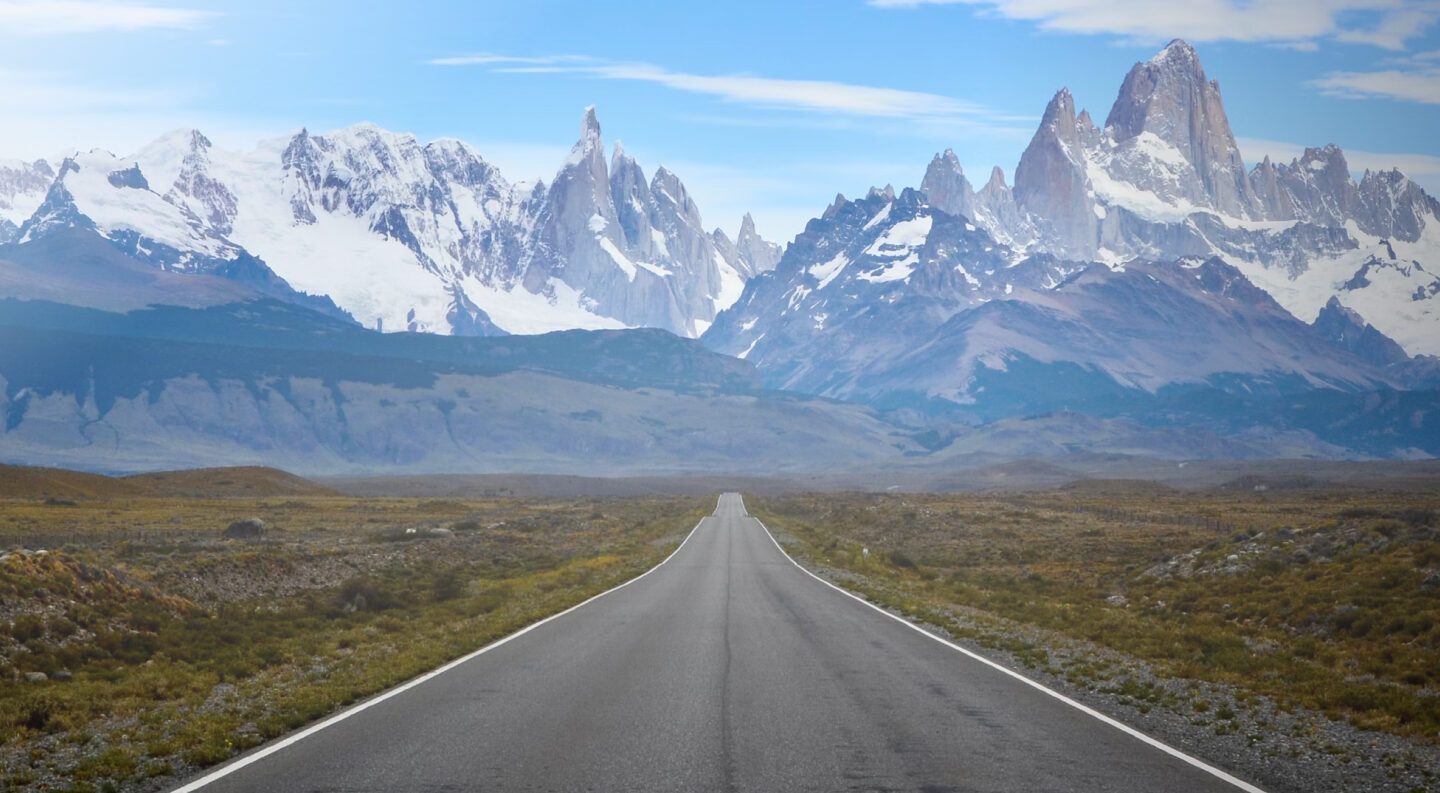
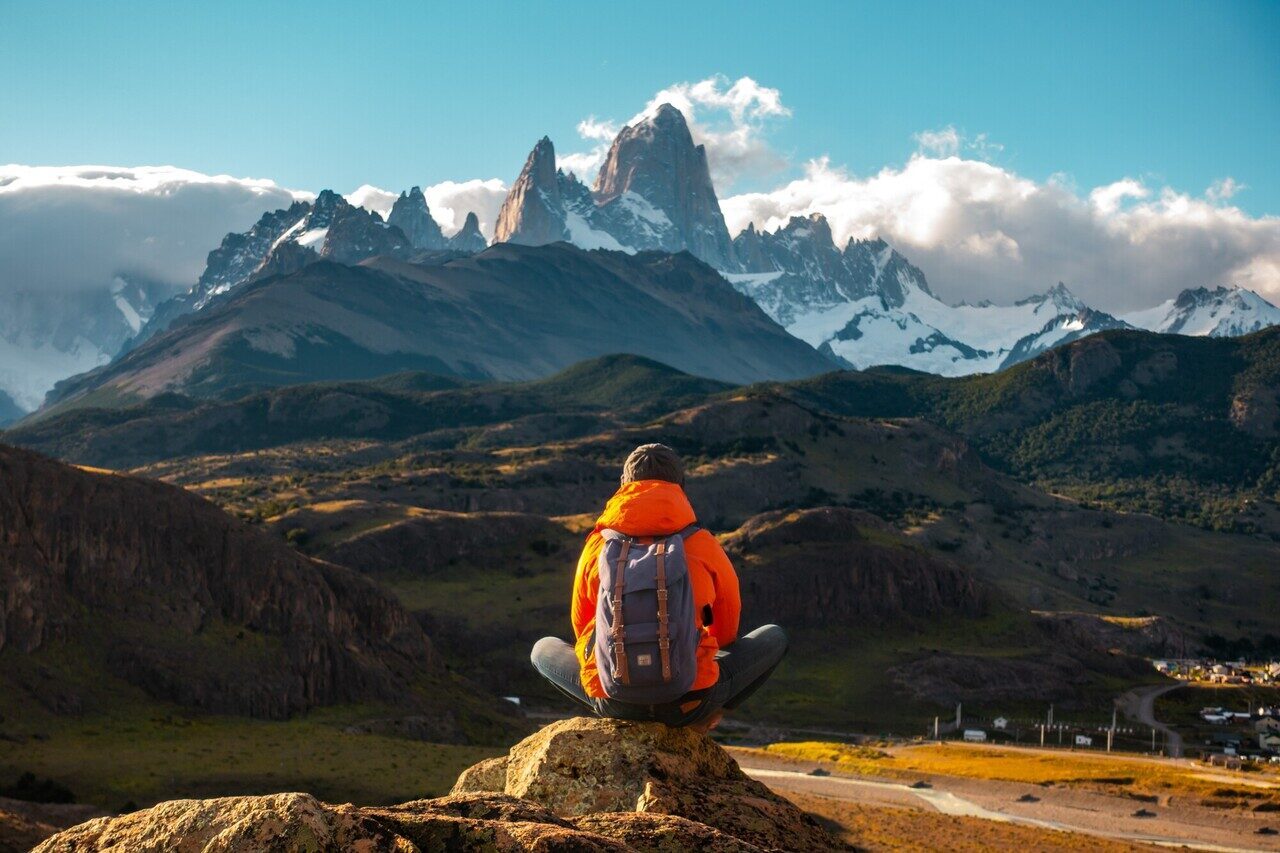
Buenos Aires: La Boca neighborhood (colorful Caminito street, Boca Juniors stadium), San Telmo (Sunday antique market, tango shows), Recoleta Cemetery (Eva Peron's tomb), Palermo's parks, restaurants and nightlife. Tango shows are a Buenos Aires must; choose between tourist shows in San Telmo/Puerto Madero or authentic milongas (social dances) in Almagro. Iguazu Falls: take the walkways over the falls (Argentine side offers the best full views). Patagonia: Torres del Paine is technically in Chile but El Calafate (Perito Moreno Glacier) and El Chalten (trekking) are Argentine. Mendoza's wine estates (bodegas) offer world-class Malbec and Torrontes.
Frequently Asked Questions
Do US citizens need a visa to visit Argentina?
No, US citizens do not need a visa for tourist visits to Argentina for stays up to 90 days. Your passport must be valid for at least 6 months beyond your travel dates. Upon entry, you'll receive a stamp allowing 90 days. Argentina previously charged a reciprocity fee to US citizens, but this was eliminated in 2016, making entry straightforward. You may be asked to show proof of return/onward travel and sufficient funds for your stay.
Do US citizens need a visa for Argentina?
No. Americans can visit Argentina visa-free for up to 90 days. The reciprocity fee that used to be charged was eliminated in 2016. Just bring your US passport.
Can I extend my stay beyond 90 days in Argentina?
Yes, you can extend your tourist stay for an additional 90 days by visiting the Dirección Nacional de Migraciones office in Argentina and paying a fee (approximately $100 USD). Alternatively, many travelers do a "border run" to a neighboring country like Uruguay, Chile, or Brazil, which resets their 90-day clock upon re-entry. However, frequent border runs may eventually raise questions from immigration officials. For stays beyond 180 days, you should investigate proper residency options.
How should Americans handle currency in Argentina?
Argentina's currency situation is complex due to inflation and multiple exchange rates. USD cash is widely accepted at favorable rates. Using international credit cards typically gives the official (less favorable) rate. Research current exchange rates before travel and bring some USD cash.
What currency should I bring to Argentina?
Argentina has complex currency dynamics. While the Argentine Peso (ARS) is the official currency, US dollars are widely accepted and often preferred, especially for larger purchases, hotels, and tourist services. The official exchange rate and parallel "blue dollar" rate can differ significantly. ATM withdrawals provide pesos at the official rate with fees. Many visitors bring US dollars in cash for better exchange rates at "cuevas" (exchange houses) or for direct payment. Credit cards work but may use unfavorable exchange rates. Bring crisp, undamaged US bills as damaged notes may be refused.
How long is the flight from the US to Argentina?
From Miami to Buenos Aires: approximately 10 hours. From New York to Buenos Aires: approximately 12 hours. American Airlines, United, Delta, and LATAM serve the route. Buenos Aires is the most southern major capital city in the Americas, making it one of the longer US-Latin America flights.
Is Argentina safe for tourists?
Argentina is generally safe for tourists who take normal precautions. Buenos Aires and other major cities have petty crime like pickpocketing and bag-snatching, particularly in tourist areas and on public transportation. Use registered taxis or rideshare apps, avoid displaying expensive jewelry or electronics, and be aware of your surroundings. The economic situation can lead to occasional protests, so stay informed about local news. Most tourist areas are well-policed, and violent crime against tourists is relatively rare. Exercise standard urban safety practices.
What are the best times to visit Argentina?
Argentina spans many climate zones, so timing depends on your destination. Buenos Aires and wine country (Mendoza) are pleasant in spring (September-November) and fall (March-May), avoiding summer heat and winter cold. Patagonia is best December through March when weather is milder and daylight hours are longest. Iguazu Falls can be visited year-round but is most impressive during rainy season (November-March). Ski resorts near Bariloche operate June through October. Remember seasons are reversed from the Northern Hemisphere.