Dominican Republic Visa RequirementsFor United States passport holders
US citizens can visit the Dominican Republic visa-free for up to 30 days. A tourist card ($10 USD) is included in most airline tickets.
Great news! United States passport holders can enter Dominican Republic without a visa for tourism or business purposes. You can stay up to 30 days.
No visa is required. A tourist card (tarjeta de turismo) at $10 USD is required and is usually included in the airline ticket price for flights from the US. If not included, it is purchased at the airport on arrival. Your US passport must be valid for the duration of your stay (6 months recommended). Immigration may ask for proof of return travel and hotel booking. The 30-day stay can be extended at the General Directorate of Migration (Dirección General de Migración) for an additional fee.
Entry Requirements
Passport Validity
6 months beyond date of entry
Blank Pages
2 blank pages required
Multiple Entry
Single entry only
Work Permitted
No - requires work visa
Required Documents
Valid US Passport
Must be valid for at least 6 months beyond planned stay (6 months recommended)
Tourist Card ($10 USD)
Usually included in airline ticket price for US flights; otherwise purchased on arrival
Valid US Passport
Must be valid for at least 3-6 months beyond your planned departure date (varies by country)
Return or Onward Ticket
Proof of departure from the country, such as a return flight or onward travel booking
Proof of Return Travel Recommended
Return flight ticket — may be requested by immigration
Hotel Reservation Recommended
Hotel booking may be requested
Proof of Accommodation Recommended
Hotel reservation, Airbnb booking, or address where you will be staying
Proof of Sufficient Funds Recommended
Credit cards, bank statements, or cash to cover expenses during your stay
Travel Insurance Recommended
Recommended for all international travel covering medical emergencies
Travel Essentials
Health & Safety
Safety Rating
Vaccinations
Hepatitis A/B, Typhoid.
Tap Water
Bottled water recommended
Safety Tips
Stay in tourist areas. Petty crime exists. Avoid isolated areas at night.
Money & Costs
Currency
RD$ Dominican Peso (DOP)
Daily Budget (USD)
Budget: $50 · Mid: $100 · Luxury: $300+
Cards & ATMs
Resorts and tourist areas. Cash elsewhere.
Tipping
10% often included. Extra $1-2 appreciated.
Practical Info
Power
Type A, B, 110V, 60Hz
Driving
Right side
Emergency
Emergency: 911
Police: 911
Tourist Police: 809-200-3500
Mobile/SIM
Buy at Claro, Altice, Viva.
Getting There
Airport Transfers
Punta Cana: Resort transfers. Santo Domingo: Taxi $40.
Local Transport
Resort shuttles. Uber in cities. Guaguas (local buses).
Culture & Travel Tips
Best Time to Visit
The best time to visit the Dominican Republic is December through April during the dry season. Expect sunny skies, low humidity, and comfortable temperatures around 77-82°F (25-28°C). This is peak tourist season, so book accommodations and flights well in advance.
The north coast (Puerto Plata, Samaná) has slightly different weather patterns - it can rain even in 'dry' season. Samaná is spectacular January through March when humpback whales visit.
May through November is the wet season with afternoon thunderstorms, higher humidity, and hurricane risk (particularly August-October). However, the south coast (Punta Cana, La Romana) often stays drier than the north.
Visit Santo Domingo year-round - the colonial zone is fascinating regardless of weather. Avoid Semana Santa (Easter week) when the entire country is on vacation and beaches are packed.
Cultural Notes
Dominicans are exceptionally warm and social. Don't be surprised by personal questions or physical closeness during conversations - it's cultural, not intrusive.
Baseball is a national obsession - attending a game (Lidom season October-January) is a fantastic cultural experience. The atmosphere is electric.
Merengue and bachata aren't just music genres - they're national identities. Dance clubs (discotecas) don't really get going until after midnight.
'Dominican time' is real - expect delays and flexible schedules. Patience is essential. 'Ahorita' (right now) might mean an hour.
Family is everything. Many businesses close for extended lunch breaks and Sundays are sacred family time.
The Dominican Republic shares the island of Hispaniola with Haiti - the relationship is complex and a sensitive topic. Avoid making comparisons.
Insider Tips
All-inclusive resorts dominate beach tourism, but venture outside for the real Dominican experience. Santo Domingo's Zona Colonial is a UNESCO site worth at least two days.
Use reputable taxi services like Uber or hotel taxis - negotiate fares in advance for non-metered cabs. Motoconchos (motorcycle taxis) are cheap but risky.
Drink bottled water and be cautious with ice outside resorts. Street food is delicious but stick to busy stalls with high turnover.
Spanish helps enormously outside tourist areas. Learn basic phrases - Dominicans appreciate the effort and will open up to you.
Haggle in markets and with street vendors - the first price is never the real price. Be friendly but firm.
Electricity is unreliable outside resorts - power outages (apagones) are common. Carry a small flashlight and portable charger.
Dress Code
Casual beach wear.
Current Travel Situation
United States to Dominican Republic: What You Need to Know
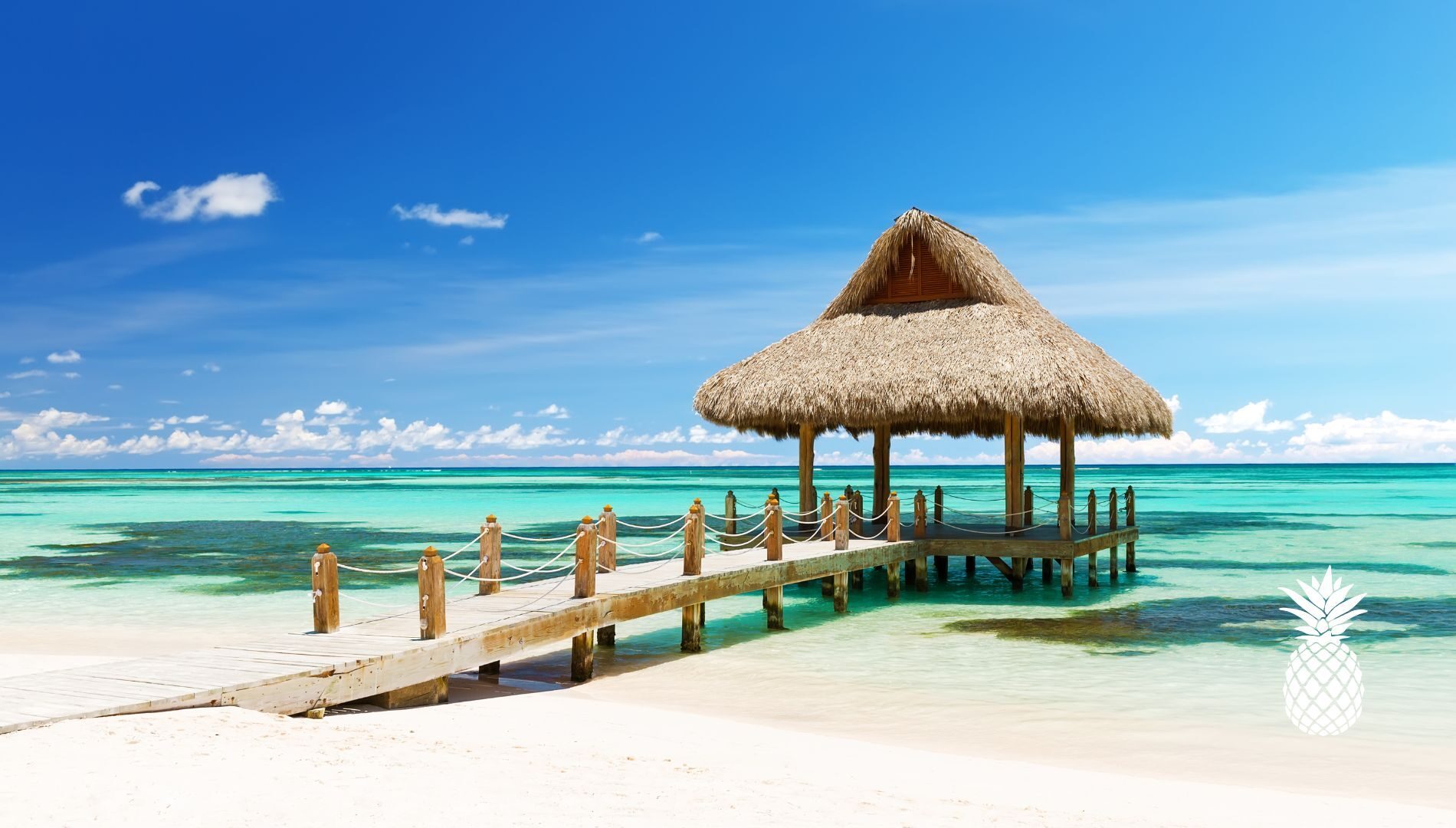
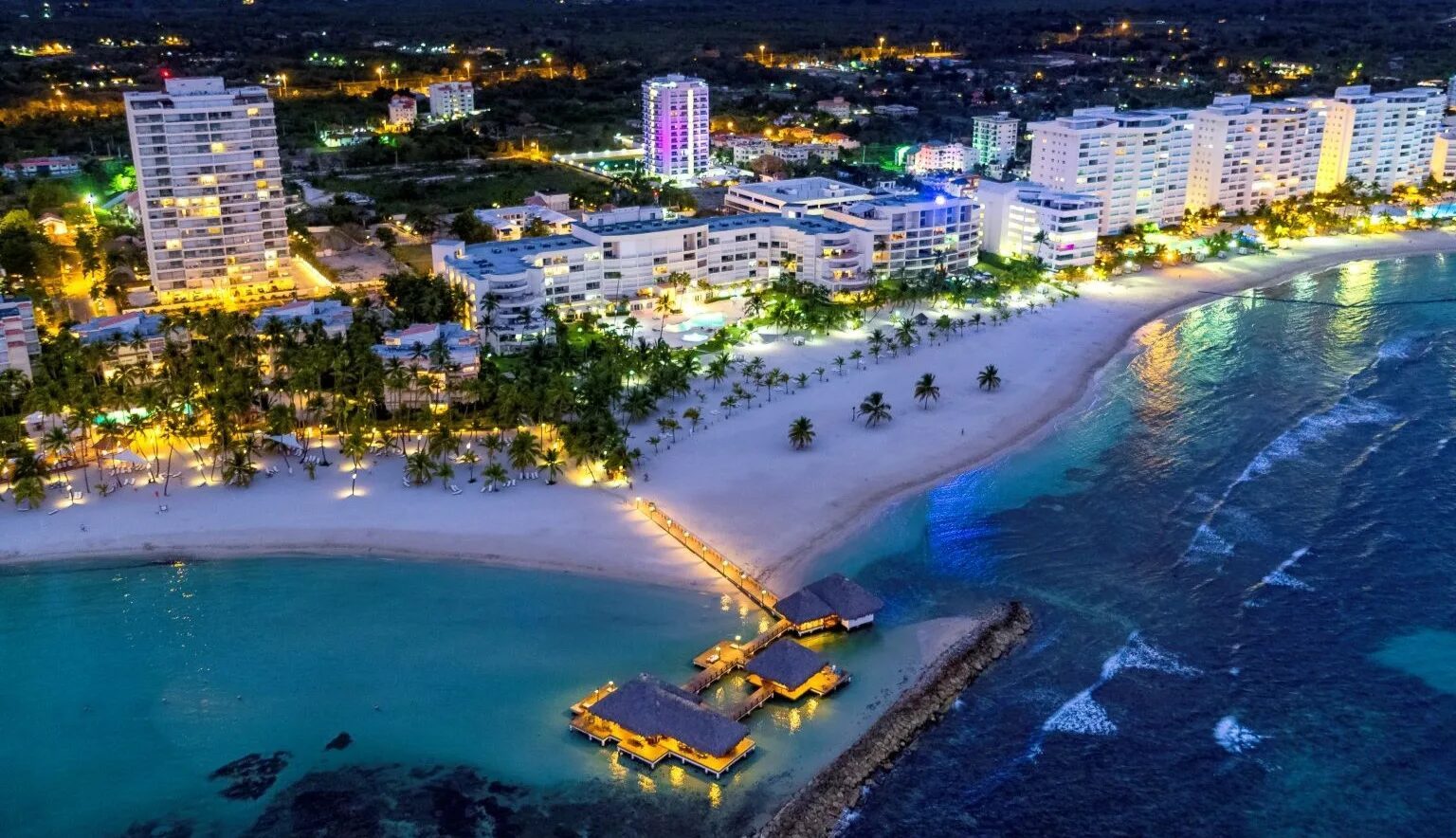
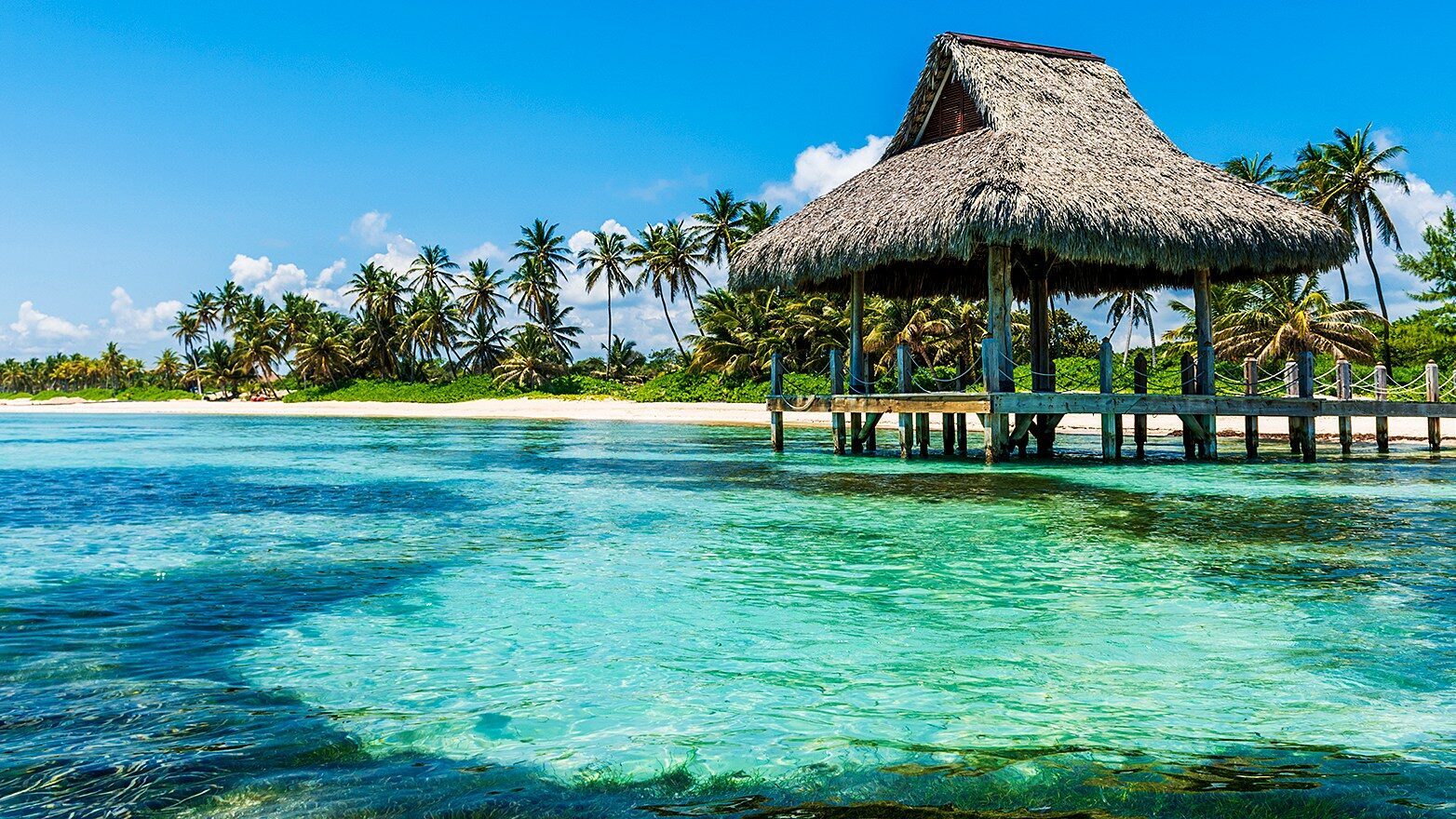
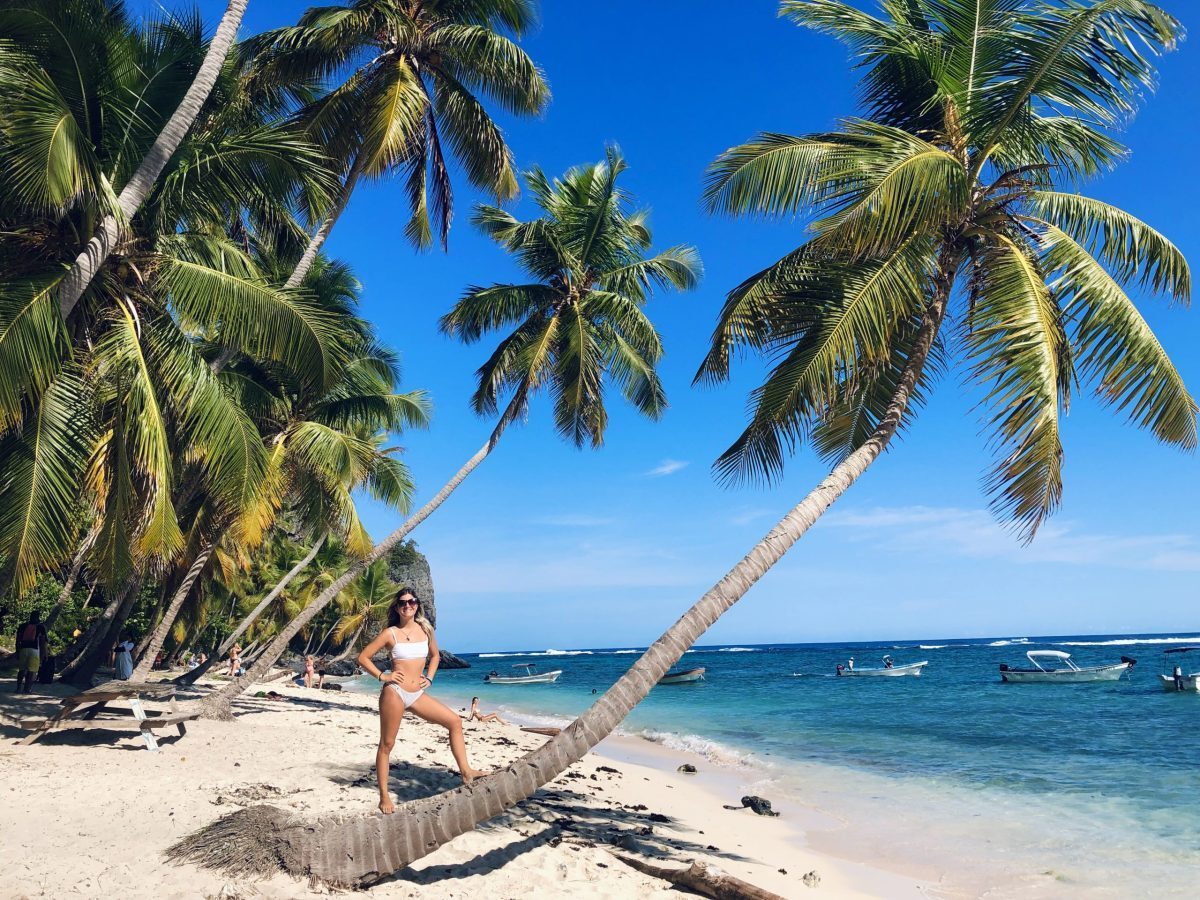
The Dominican Republic is one of the most visited Caribbean destinations for Americans, drawing millions each year to its all-inclusive resorts, beautiful beaches (Punta Cana, Puerto Plata, Samana), and the historic colonial city of Santo Domingo , the oldest continuously inhabited European settlement in the Americas. US citizens have long enjoyed visa-free access and easy travel to the DR, with dozens of daily direct flights from US cities. The tourist card ($10 USD), which officially serves as the entry authorization, is typically included in the airline ticket price for flights from the US. The 30-day stay can be extended.
How to Get There
Haiti shares the island of Hispaniola with the Dominican Republic , the border at Jimani is accessible for land crossing (though Haiti has significant security challenges and is not recommended for casual tourism). Puerto Rico (US territory, accessible by ferry from San Juan to Mayaguez or by short flight) is a natural companion destination. Other Caribbean islands (Cuba by direct flight from Santo Domingo, Jamaica by short flight) are accessible for island-hopping.
Money & Banking
The Dominican Republic uses the Dominican peso (DOP). Resort areas in Punta Cana widely accept US dollars at poor exchange rates , use pesos for everything outside the resort for better value. ATMs are available throughout tourist areas. Card payments at resorts and major restaurants are standard. The peso trades around 58-60 DOP per USD. The DR is moderately affordable , budget accommodation outside resorts from $30-60 USD/night; local meals very cheap.
Practical Tips
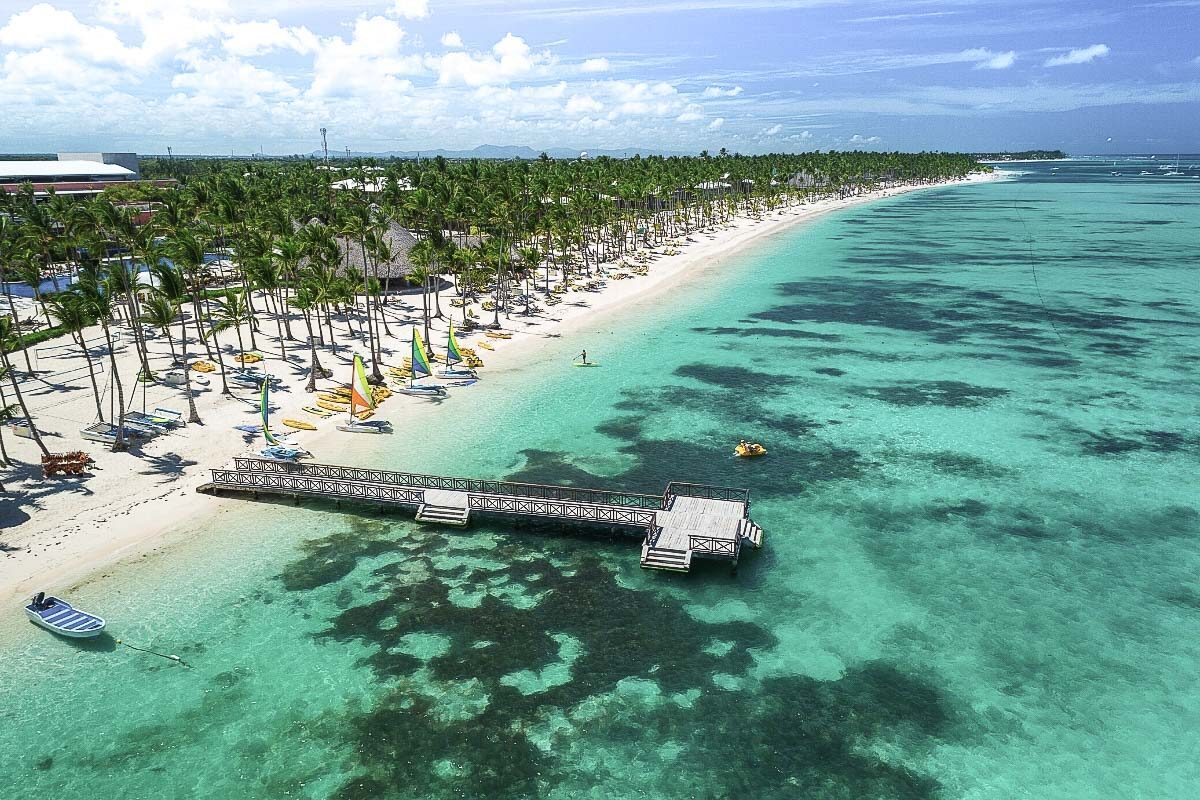
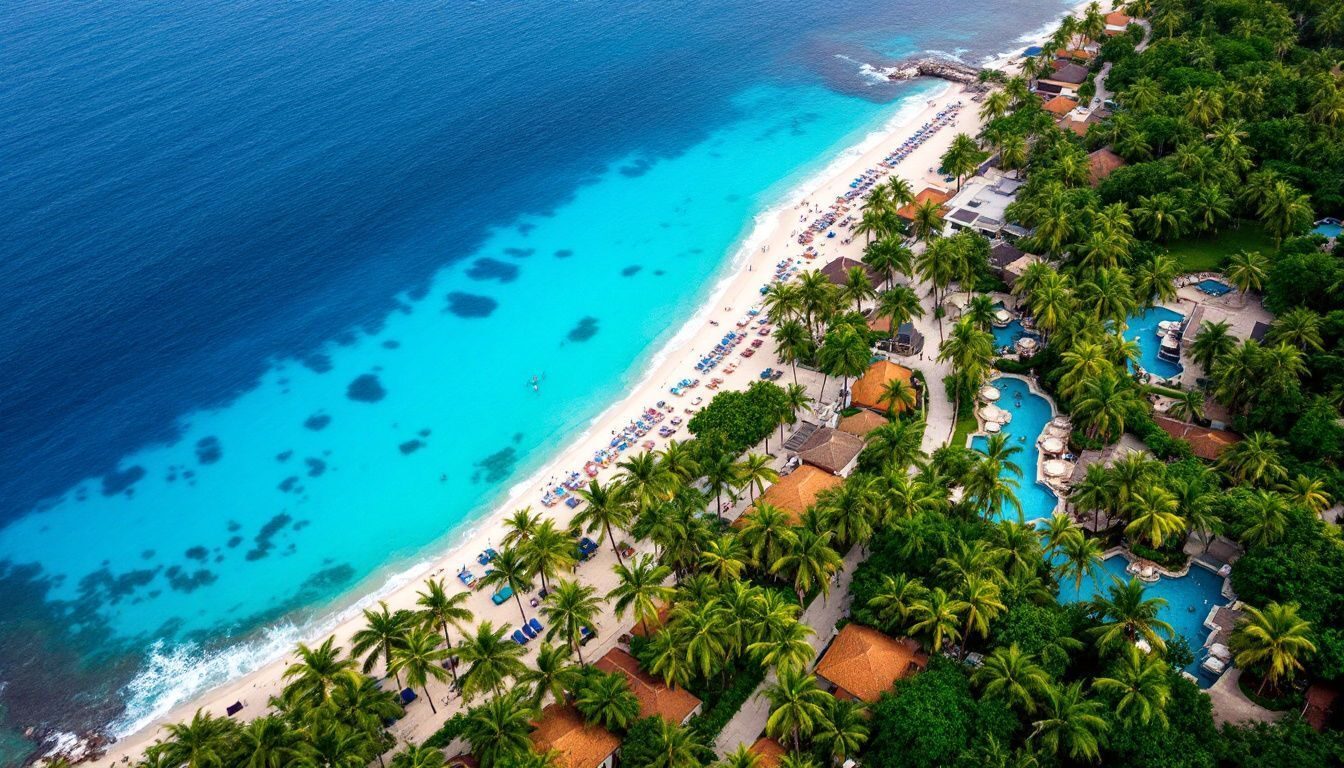
Punta Cana is the most popular resort area, famous for all-inclusive mega-resorts along beautiful beach strips (Bavaro Beach, Macao). For more authentic DR experiences, Santo Domingo's Colonial Zone (UNESCO World Heritage Site) is compelling. The Samana Peninsula is less developed with spectacular whale watching (January-March, when humpback whales breed in Samana Bay). The Jarabacoa highlands are excellent for adventure tourism (rafting, canyoning, hiking). The US State Department has issued safety warnings for some areas , check current advisories and avoid solo late-night travel.
Frequently Asked Questions
Do US citizens need a visa for the Dominican Republic?
No. US citizens can visit the Dominican Republic visa-free. A $10 USD tourist card is required and is usually included in the price of flights from the US. No separate visa application is needed.
Is the tourist card fee included in my flight ticket?
For most flights from the US to the Dominican Republic, yes — the $10 tourist card is included in the ticket price. Check with your airline. If flying from another country, you may need to purchase it on arrival.
Is the Dominican Republic safe for US tourists?
Popular resort areas (Punta Cana, Puerto Plata, Bavaro) are generally safe within the resort complex. The US State Department issues Level 2 (Exercise Increased Caution) for the DR. Most issues for tourists involve petty theft and scams. Stay in known tourist areas, avoid solo travel at night outside resorts, and use only recommended transportation.
What is the difference between the Dominican Republic and Haiti?
The Dominican Republic and Haiti share the island of Hispaniola but are two entirely separate countries with very different histories, cultures, languages (Spanish vs. French/Haitian Creole), and economies. The Dominican Republic has a well-developed tourism industry; Haiti is currently under Level 4 (Do Not Travel) due to gang violence.