India Visa RequirementsFor United States passport holders
US citizens need an Indian e-Visa (e-Tourist Visa) costing $25 USD for a 30-day stay, or $40 for a 1-year multiple-entry visa. India offers extraordinary depth of history and culture.
United States passport holders must apply for an electronic visa (eVisa) online before traveling to India.
- 30-day double entry: $25 USD
- 1-year multiple entry: $40 USD (max 90 days per visit)
- 5-year multiple entry: $80 USD (max 90 days per visit)
Apply for India's e-Tourist Visa at indianvisaonline.gov.in (official portal). Three tiers available:
Your US passport must be valid for at least 6 months with at least 2 blank pages. Apply at least 4 days before arrival. Processing typically takes 3-5 business days. Print the e-Visa approval email to present at immigration. Entry is available at designated airports (Delhi, Mumbai, Chennai, Bangalore, Kolkata, Hyderabad, Kochi, and others). The e-Visa is not available at all land border crossings.
Entry Requirements
Passport Validity
6 months beyond date of entry
Blank Pages
2 blank pages required
Multiple Entry
Single entry only
Work Permitted
No - requires work visa
Entry Conditions
Valid passport for 6+ months with 2 blank pages. E-visa approval before arrival. Return ticket and proof of funds.
Required Documents
For Your Visa Application
Valid US Passport
Valid for at least 6 months beyond your intended stay. Minimum 2 blank pages required.
Passport-size Photo
Recent photo with white background. Must meet the strict specifications on the e-Visa portal.
Travel Insurance Recommended
Recommended but not mandatory. India has good private hospitals in cities but costs can be high.
Required at Entry
India e-Tourist Visa (ETA)
Apply online at indianvisaonline.gov.in at least 4 days before arrival. Print the approval email to show at immigration.
Return or Onward Flight Ticket
Proof of departure from India.
Proof of Accommodation Recommended
Hotel booking or address where you will be staying. May be checked at immigration.
Travel Essentials
Health & Safety
Safety Rating
Vaccinations
Hepatitis A & B, Typhoid, Malaria prophylaxis (region-dependent), Japanese encephalitis (rural), Rabies, COVID-19.
Tap Water
Bottled water recommended
Safety Tips
Exercise increased caution in India. Petty crime, scams, and aggressive touts affect tourists - be firm but polite. Use prepaid taxis from airports, and insist on meters for city rides. Avoid demonstrations and protest areas. Some regions (Kashmir, northeast border areas) have travel advisories. Traffic is chaotic - don't drive yourself. Food and water safety requires vigilance.
Money & Costs
Currency
₹ Indian Rupee (INR)
Daily Budget (USD)
Budget: $30 · Mid: $80 · Luxury: $200+
Cards & ATMs
Cards accepted in cities and tourist areas. Cash essential in smaller towns and for street vendors.
Tipping
Tipping is appreciated in India but amounts are modest. In restaurants, 10% is generous if service charge isn't included. Hotel porters expect ₹50-100 per bag, housekeeping ₹50-100 per day. Tour guides typically receive ₹300-500 per day. Drivers expect ₹100-200 per day. Small tips to helpful individuals are part of the culture.
Practical Info
Power
Type C, D, M, 230V, 50Hz
Driving
Left side
Emergency
Emergency: 112
Police: 100
Ambulance: 102
Fire: 101
Mobile/SIM
Getting a SIM card in India is notoriously bureaucratic - it requires passport copies, photos, and can take 24-48 hours to activate. Buy at Airtel, Jio, or Vodafone stores (airport or city). Tourist plans cost ₹500-1000 for 30-60 days with generous data. Alternatively, get an eSIM before arrival or use WiFi initially. Coverage in cities is excellent.
Getting There
Main Airports
Chennai (MAA) · Mumbai (BOM) · New Delhi (DEL) · Bangalore (BLR)
Airport Transfers
Delhi IGI: Airport Metro Express to New Delhi Station (₹60, 20 minutes). Prepaid taxi booth inside arrivals - around ₹400-600 to central Delhi. Uber/Ola work from designated areas. Mumbai CSI: Train to Churchgate (₹10, 1 hour - locals only, not with luggage). Prepaid taxi ₹700-1000 to South Mumbai (1-2 hours depending on traffic).
Local Transport
Trains are the backbone of Indian travel - book through IRCTC.co.in weeks ahead. Classes range from basic sleeper to luxury. Domestic flights are affordable and save enormous time - IndiGo and SpiceJet are reliable. City transport: Delhi and a few cities have metro systems. Use Uber/Ola everywhere. Auto-rickshaws are ubiquitous - agree on price first or insist on meter.
Culture & Travel Tips
Best Time to Visit
India vast size means climate varies dramatically by region. The general best time for most of India is October to March - the cool season with comfortable temperatures and clear skies ideal for the Golden Triangle (Delhi, Agra, Jaipur), Rajasthan, and Kerala. Summer (April-June) brings extreme heat across the northern plains, though hill stations offer respite. The monsoon (June-September) makes travel challenging in many areas but is perfect for Kerala Ayurvedic retreats and lush green landscapes. Ladakh and the Himalayas are best June-September. Goa and beach destinations shine November-February. Diwali (October/November) and Holi (March) offer unforgettable festival experiences.
Cultural Notes
India defies simple description - one billion plus people speaking hundreds of languages across diverse religions, cuisines, and traditions. Hinduism shapes the majority culture with temples, festivals, and customs visible everywhere. India is also home to the worlds third-largest Muslim population, Sikh golden temple, Buddhist pilgrimage sites, and ancient Christian and Jewish communities. The caste system, officially abolished, still influences society. Respect for elders, hospitality to guests, and family bonds are paramount. Head wobble can mean yes, no, or maybe depending on context. Remove shoes before entering homes and temples. Dress modestly, especially at religious sites. Indian Standard Time has a flexible interpretation; patience is essential.
Insider Tips
India is overwhelming, rewarding, and unforgettable in equal measure. The Golden Triangle is the classic first-timers route: Delhi chaos, Agra Taj Mahal, and Jaipur pink city palaces. Kerala offers tranquil backwaters. Varanasi delivers spiritual intensity. Rajasthan has palaces and desert romance. The Himalayas call adventurers. Trains are the iconic way to travel - book AC classes for comfort through IRCTC website or 12Go Asia. Domestic flights are affordable and efficient. Prepaid SIM cards and offline maps are essential. Street food is incredible but choose busy stalls with high turnover. The rupee is the currency. English is widely spoken. Prepare for sensory overload, flexible schedules, and negotiation being a way of life.
Dress Code
Modest dress, especially at temples. Cover shoulders and knees. Remove shoes at temples.
Current Travel Situation
United States to India: What You Need to Know
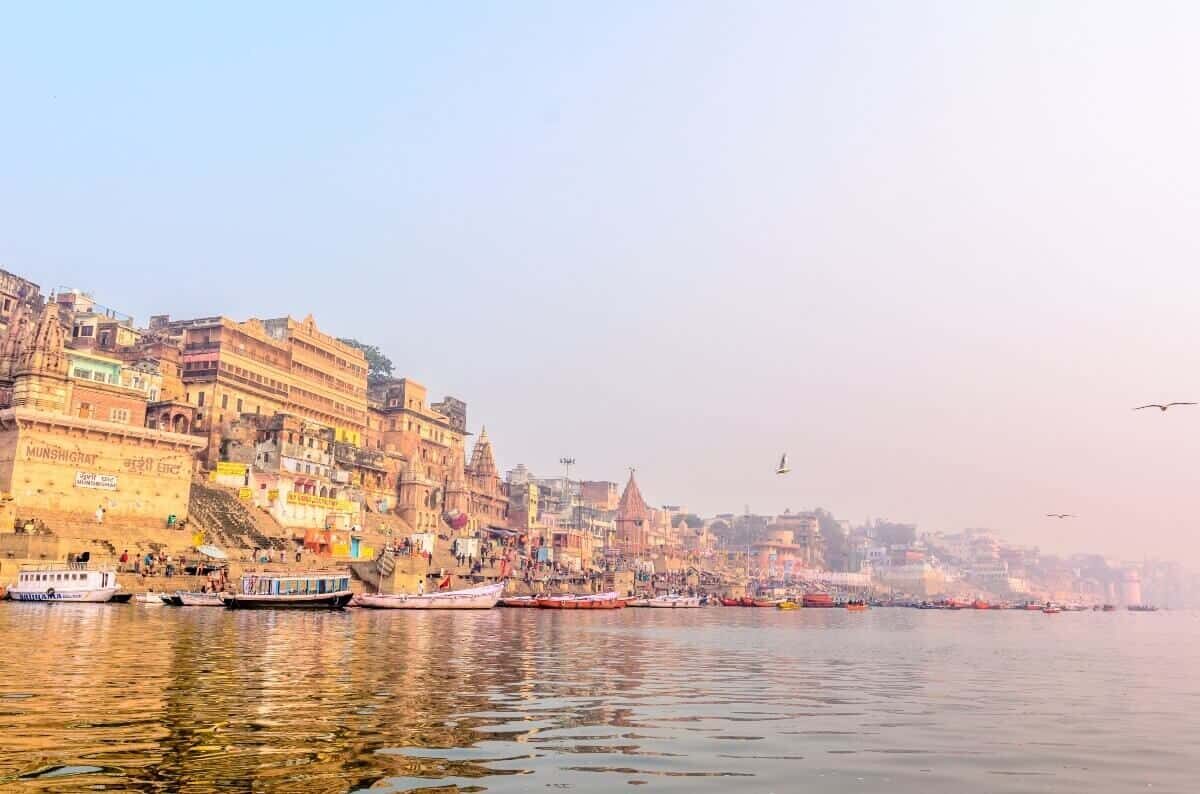
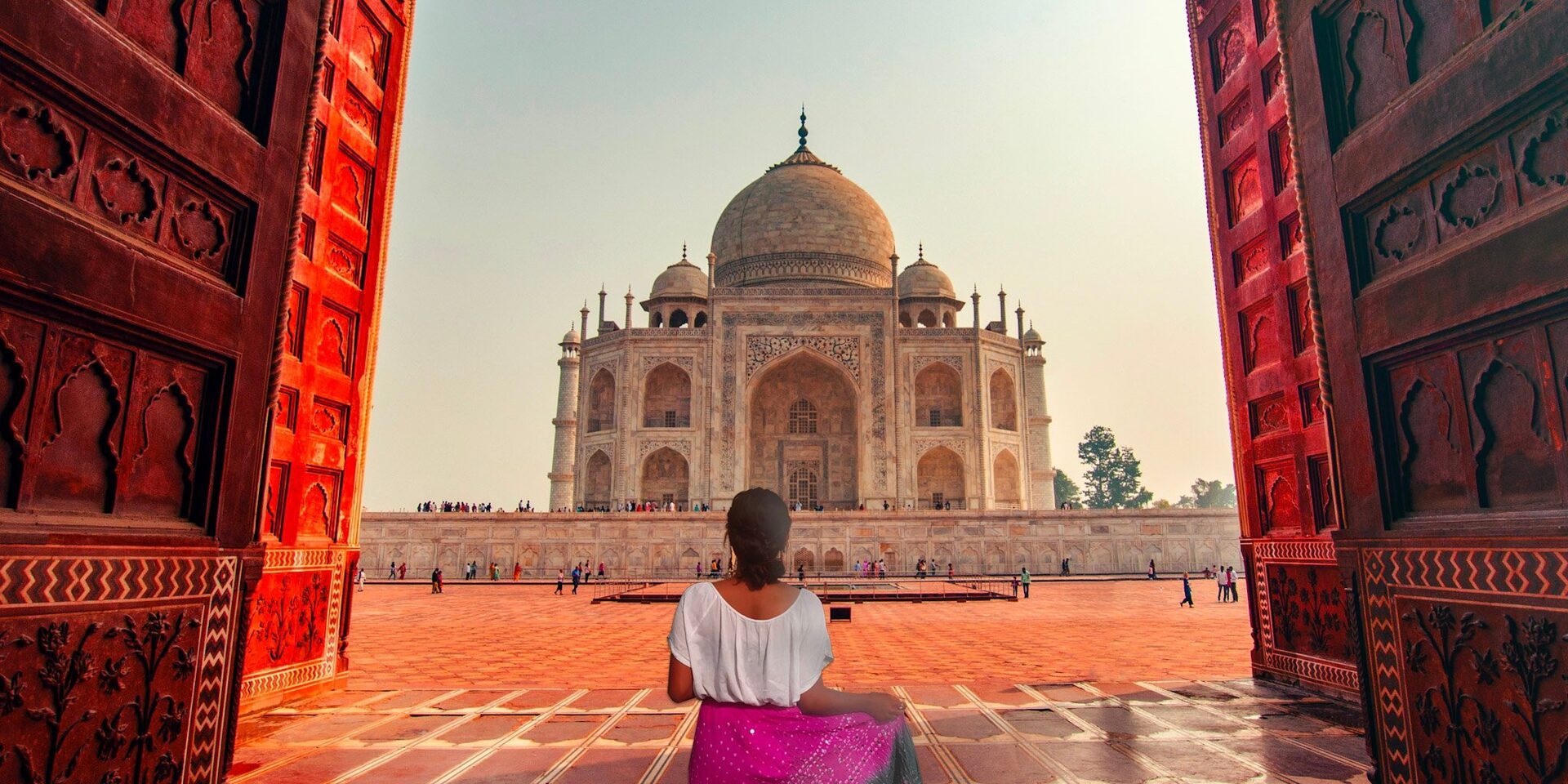
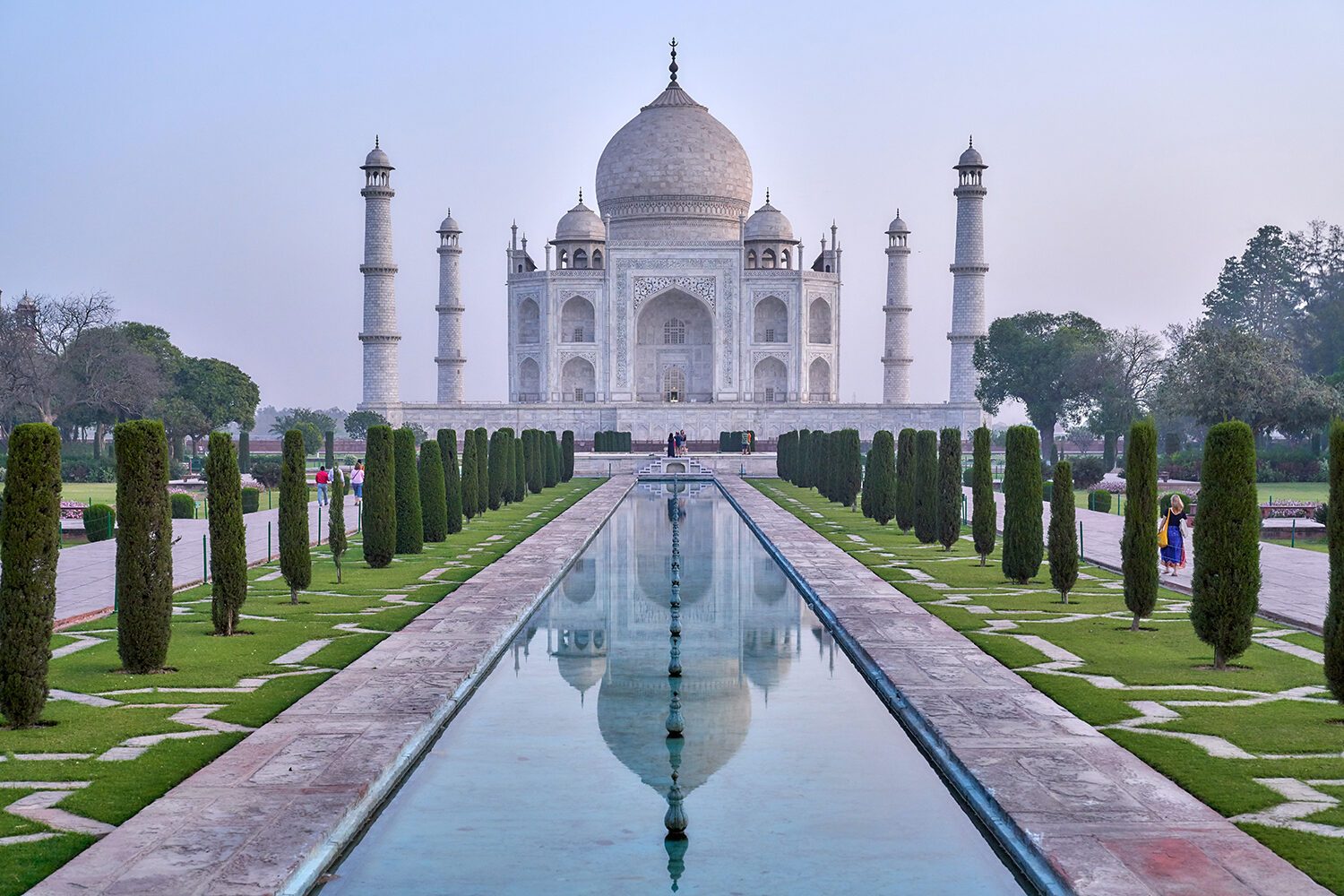
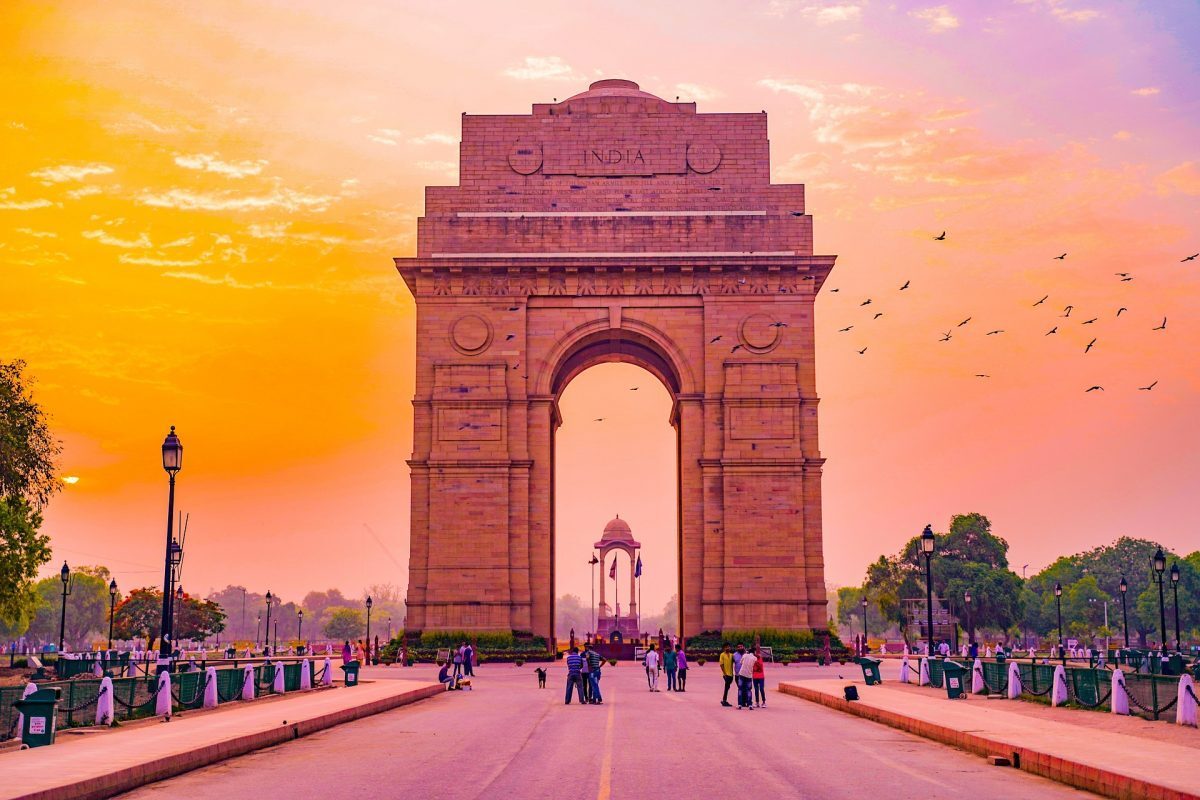
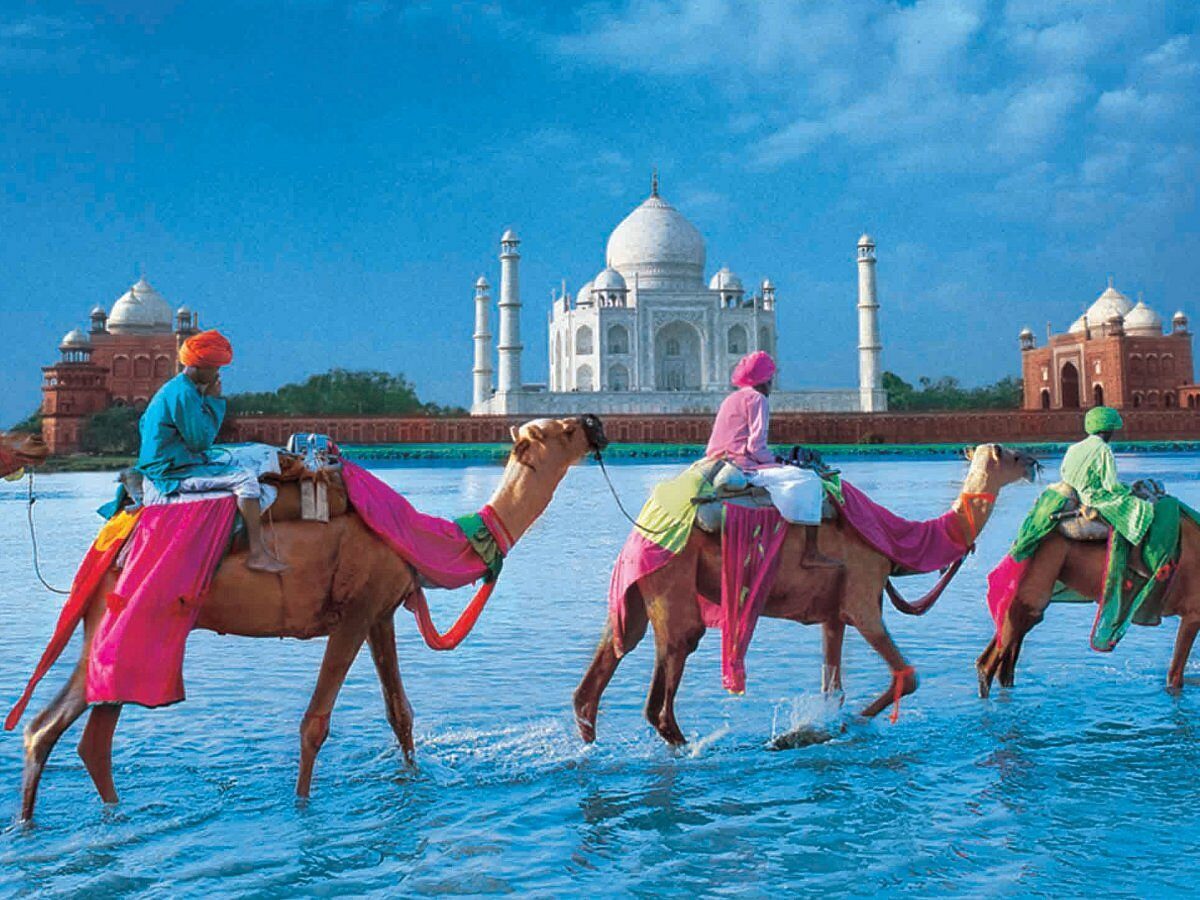
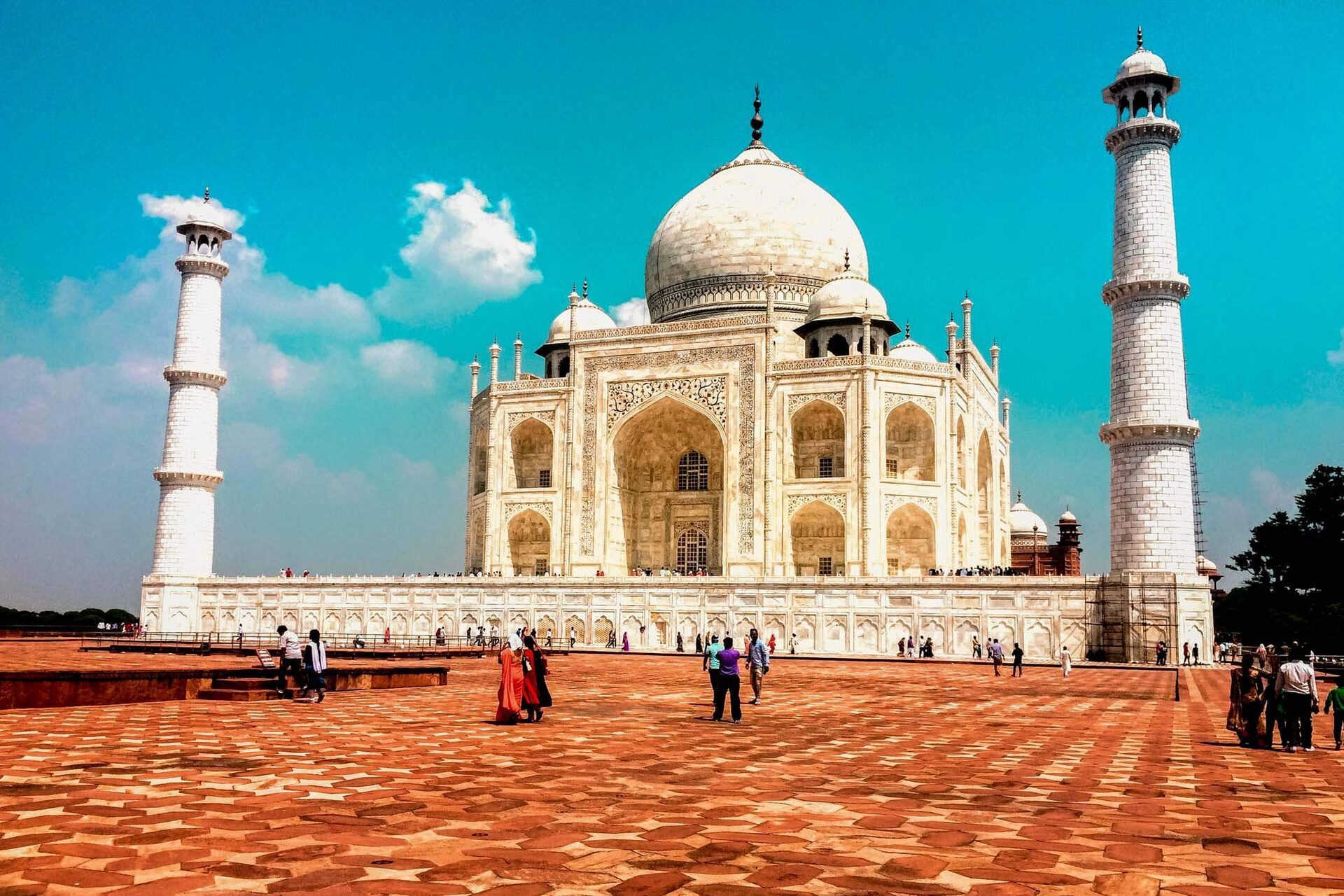
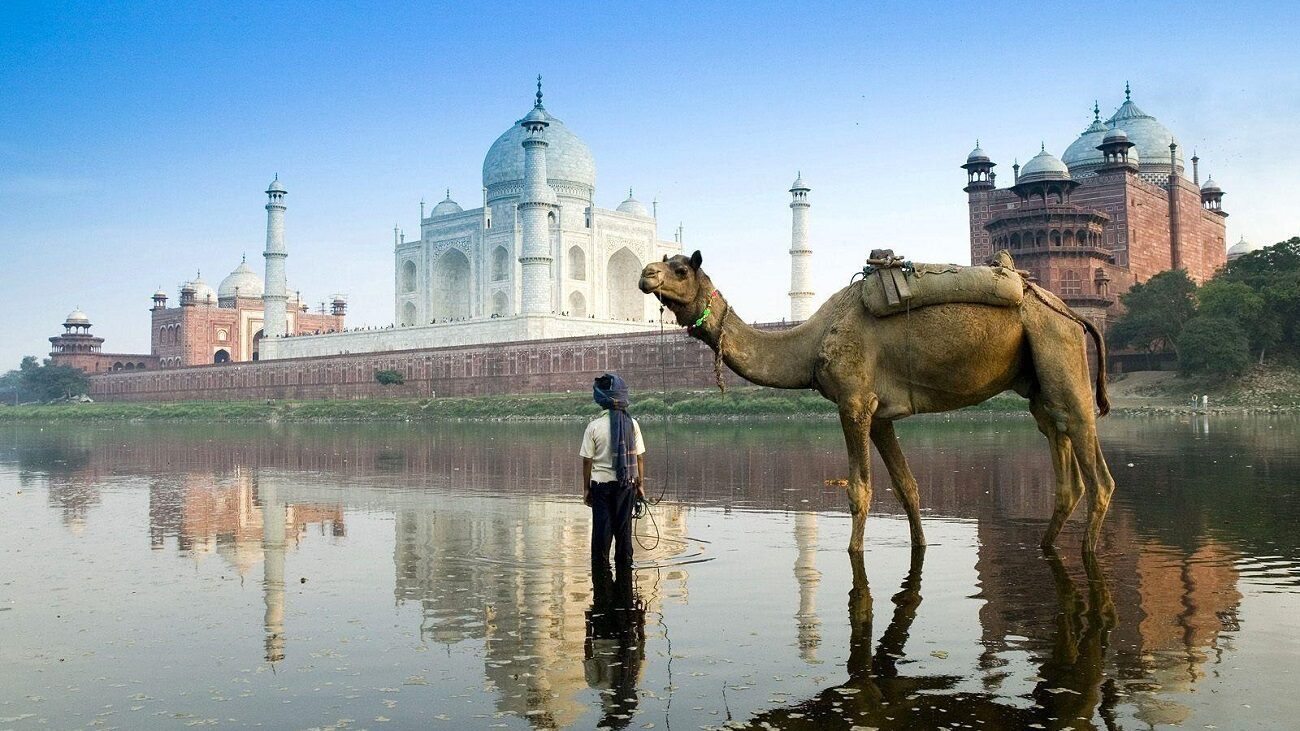
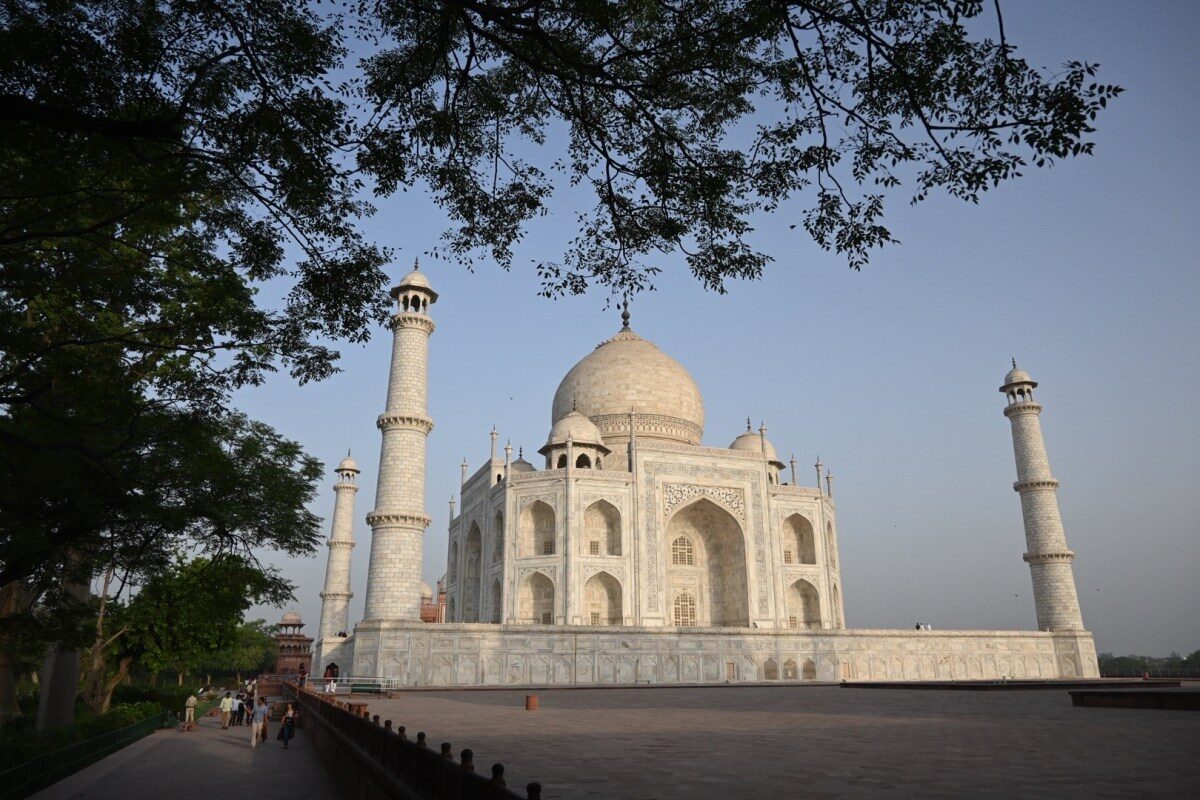
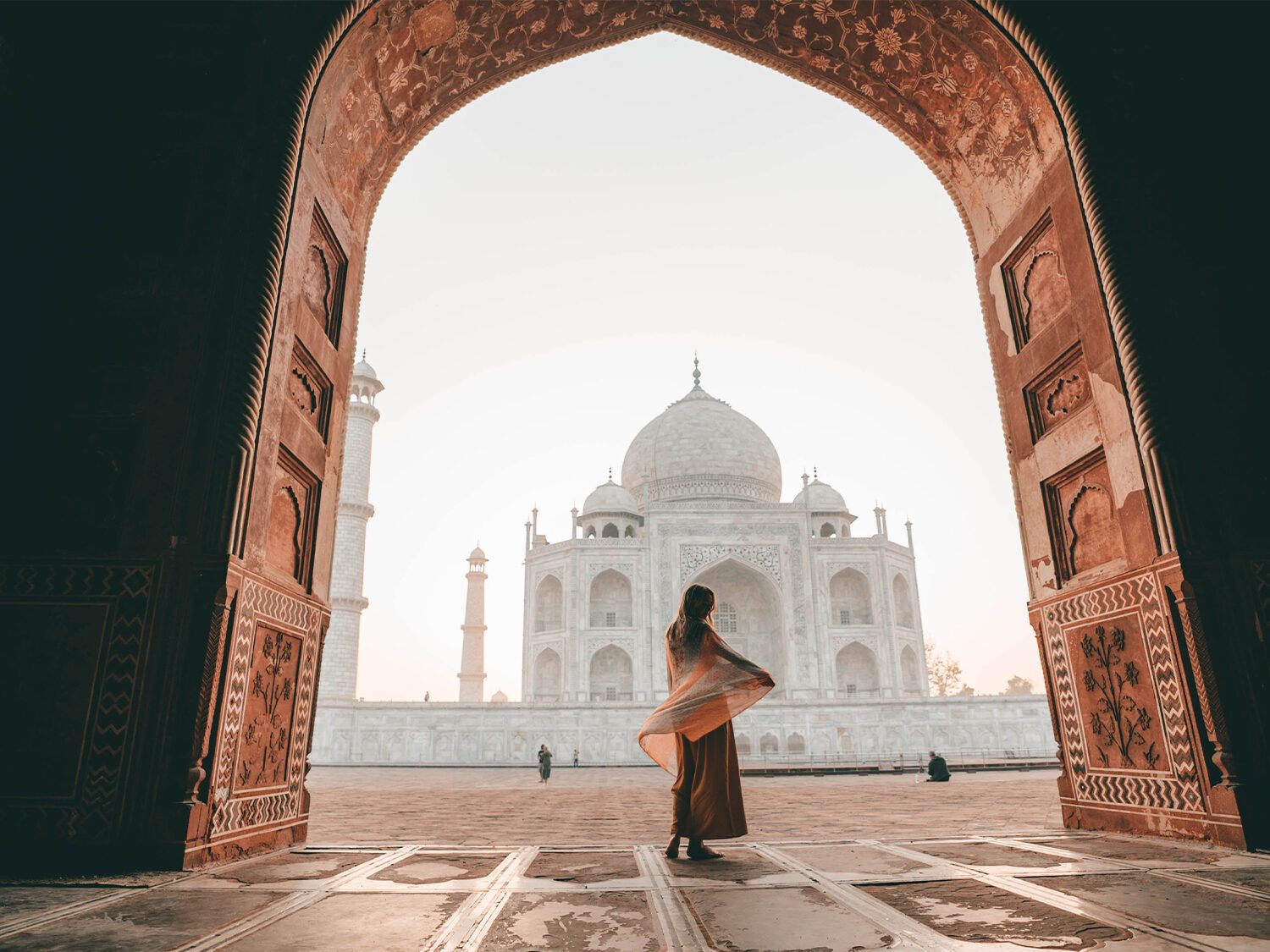
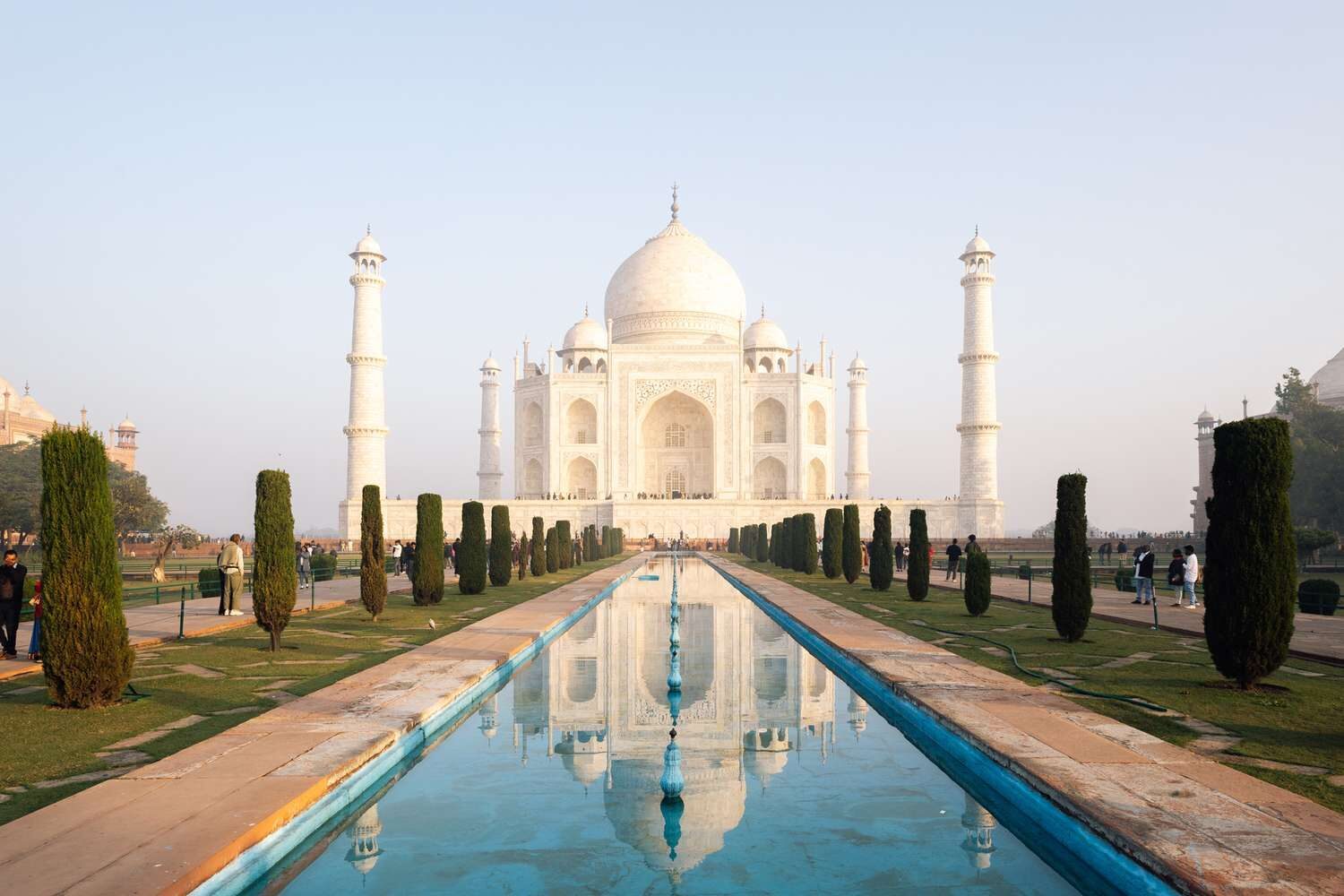
India is the world's most populous country and one of the most diverse in terms of culture, religion, language, and landscape. US citizens can visit India using the e-Visa system, which has replaced the need to visit an Indian embassy for most tourist trips. The India-US relationship is one of the world's largest bilateral partnerships: millions of Indian Americans maintain strong ties between both countries, and people-to-people links are extensive. India's tourism highlights span millennia: the Taj Mahal (Agra), Rajasthan's Mughal forts and palaces (Jaipur, Jodhpur, Udaipur, Jaisalmer), Varanasi (one of the world's oldest living cities on the Ganges), Kerala's backwaters, Goa's beaches, the Himalayan foothills (Dharamsala, Rishikesh), and Mumbai's Bollywood culture.
How to Get There
Nepal (Himalayan trekking base, visa on arrival for US citizens) and Sri Lanka (e-Visa, $50) are popular extensions from India. Bhutan (visa required, $100/day sustainable development fee) is accessible by flight from Delhi or Kolkata, or overland from West Bengal. The Maldives (free VOA) is a luxury beach extension from Colombo (Sri Lanka) or by direct flight from South Indian cities. Bangladesh is accessible by land from Kolkata or West Bengal.
Money & Banking
India uses the Indian rupee (INR). ATMs are widely available in cities and tourist areas. Card acceptance is increasing significantly following India's digital payment revolution (UPI); however, cash is still essential for many transactions in markets, auto-rickshaws, and smaller establishments. The rupee trades at approximately 84 INR per USD. India offers exceptional value for money at budget and midrange levels , local meals from $1-3 USD; decent guesthouses from $15-40 USD/night; luxury Rajasthan palace hotels from $100-500+ USD/night.
Practical Tips
Delhi Belly (traveler's diarrhea) is a real concern: stick to bottled water, avoid raw vegetables and street food unless confident in hygiene, and carry oral rehydration salts. India overwhelms the senses; be mentally prepared for intensity, crowds, and chaos in cities. The Golden Triangle (Delhi-Agra-Jaipur, 5-7 days) is the classic introduction for first-timers. Hire a reputable guide for the Taj Mahal to navigate the complex and crowds efficiently. Book trains on IRCTC in advance as sleeper trains sell out fast. India drives on the left side of the road.
Frequently Asked Questions
Do US citizens need a visa to visit India?
Yes. US citizens must obtain a visa before visiting India. The most convenient option is the e-Visa, applied for online at indianvisaonline.gov.in. Tourist e-Visas are available in three tiers: 30-day double entry ($25), 1-year multiple entry ($40), or 5-year multiple entry ($80). The e-Visa must be obtained before departure as visas are not available on arrival. Apply at least 4 days before arrival; processing typically takes 3-5 business days.
How do US citizens get a visa for India?
Yes. US citizens must obtain a visa before visiting India. The most convenient option is the e-Visa, applied for online at indianvisaonline.gov.in. Tourist e-Visas are available in three tiers: 30-day double entry ($25), 1-year multiple entry ($40), or 5-year multiple entry ($80). The e-Visa must be obtained before departure as visas are not available on arrival. Apply at least 4 days before arrival; processing typically takes 3-5 business days.
What types of Indian e-Visas are available?
- 30-day double entry: $25 USD
- 1-year multiple entry: $40 USD (max 90 days per visit)
- 5-year multiple entry: $80 USD (max 90 days per visit)
Apply for India's e-Tourist Visa online at indianvisaonline.gov.in. Three options:
Apply at least 4 days before arrival. Processing typically takes 3-5 business days. Print the approval email to show at immigration.
How many days does the India e-Visa allow?
- 30-day double entry: $25 USD
- 1-year multiple entry: $40 USD (max 90 days per visit)
- 5-year multiple entry: $80 USD (max 90 days per visit)
Apply for India's e-Tourist Visa online at indianvisaonline.gov.in. Three options:
Apply at least 4 days before arrival. Processing typically takes 3-5 business days. Print the approval email to show at immigration.
What documents do I need for an Indian e-Visa application?
For an Indian e-Visa, you need: a passport valid for at least 6 months from your arrival date with at least two blank pages; a recent passport-style photo with white background (specific requirements on the website); a credit/debit card for the fee payment; and details of your travel itinerary including arrival airport and accommodation. Business visa applicants need an invitation letter. Medical visa applicants need a letter from the Indian hospital. Ensure your photo meets the strict specifications to avoid application rejection.
What should first-time US visitors to India know?
India is intense, rewarding, and challenging. Key tips: drink only bottled or filtered water; be mentally prepared for crowds, poverty, and sensory overload; hire registered guides for major sites; book sleeper trains well in advance on IRCTC; use metered taxis or Ola/Uber app rather than negotiating with auto-rickshaws; and carry small denomination rupee notes.
What are the main health considerations for visiting India?
The 30-day e-Tourist Visa is a double entry visa, allowing a maximum stay of 30 continuous days. The 1-year multiple entry e-Visa allows up to 90 days per visit within the year. The 5-year multiple entry e-Visa also allows up to 90 days per visit. Note that validity runs from the date the e-Visa is issued, not from your entry date. You cannot extend an e-Visa within India.
What is the best first-time itinerary for India?
The 30-day e-Tourist Visa is a double entry visa, allowing a maximum stay of 30 continuous days. The 1-year multiple entry e-Visa allows up to 90 days per visit within the year. The 5-year multiple entry e-Visa also allows up to 90 days per visit. Note that validity runs from the date the e-Visa is issued, not from your entry date. You cannot extend an e-Visa within India.
What should I know about Indian customs and culture?
India is incredibly diverse with varying customs across regions. Generally, dress modestly, especially when visiting religious sites (cover shoulders and knees, remove shoes). Public displays of affection are frowned upon. The head is considered sacred and feet unclean, so don't touch people's heads or point feet at people or religious images. Accept food and exchange items with your right hand. Tipping is customary (10-15% at restaurants). Bargaining is expected at markets but not in fixed-price shops. Indians often wobble their heads to indicate understanding or agreement.
How long can I stay in India with an e-Visa?
The 30-day e-Tourist Visa allows a maximum stay of 30 continuous days from the date of first entry, available as single or double entry. The 1-year and 5-year e-Tourist Visas allow stays of up to 90 days per visit for US citizens (180 days for some nationalities), with multiple entries permitted. Note that the validity period is from the date the e-Visa is issued, not from your entry date. You cannot extend an e-Visa within India. For longer stays, you'll need to apply for a regular visa through the embassy/consulate.