France Visa RequirementsFor United States passport holders
US citizens can visit France and the Schengen Area visa-free for up to 90 days within any 180-day period. France is the world's most visited country.
Great news! United States passport holders can enter France without a visa for tourism or business purposes. You can stay up to 90 days.
No visa is required for stays up to 90 days in any 180-day period. Carry your valid US passport (valid for at least 3 months beyond departure). Proof of onward travel, accommodation, and sufficient funds may be requested. Note: In 2025, the EU is implementing ETIAS (European Travel Information and Authorization System) for visa-exempt travelers including Americans. Once ETIAS launches, US citizens will need to register and pay a small fee before visiting France and other Schengen countries. Check current ETIAS implementation status before travel.
France is part of the Schengen Area. Your stay counts toward the 90-day limit within any 180-day period for the entire Schengen zone. Learn more about Schengen rules →




Entry Requirements
Passport Validity
6 months beyond departure from Schengen
Blank Pages
2 blank pages required
Multiple Entry
Allowed
Work Permitted
No - requires work visa
Required Documents
Valid US Passport
Must be valid for at least 3 months beyond intended departure from Schengen Area
Proof of Onward Travel
Return or onward flight ticket out of Schengen Area
Valid US Passport
Must be valid for at least 3-6 months beyond your planned departure date (varies by country)
Return or Onward Ticket
Proof of departure from the country, such as a return flight or onward travel booking
Proof of Accommodation Recommended
Hotel bookings recommended to show at immigration
Proof of Sufficient Funds Recommended
Bank statement or credit card showing adequate funds
Proof of Accommodation Recommended
Hotel reservation, Airbnb booking, or address where you will be staying
Proof of Sufficient Funds Recommended
Credit cards, bank statements, or cash to cover expenses during your stay
Travel Insurance Recommended
Recommended for all international travel covering medical emergencies
Travel Essentials
Health & Safety
Vaccinations
Routine vaccines (MMR, DPT, etc.), Hepatitis A, Hepatitis B
Tap Water
Safe to drink
Money & Costs
Currency
€ Euro (EUR)
Practical Info
Power
Type C, E, 230V, 50Hz
Driving
Right side
Emergency
Police: 17 Fire: 18 Ambulance: 15 EU Emergency: 112
Getting There
Culture & Travel Tips
Best Time to Visit
France offers year-round appeal depending on your interests. Spring (April-June) and autumn (September-October) are ideal for most regions with pleasant temperatures, manageable crowds, and beautiful light for photography. Paris is lovely in spring when parks bloom. Summer (July-August) brings peak crowds and prices but perfect weather for the Riviera, Provence, and Alpine hiking; Parisians flee the capital, leaving it to tourists. Winter offers skiing in the Alps, Christmas markets in Alsace, and lower prices everywhere except ski resorts. The wine harvest (September-October) is magical in Burgundy and Bordeaux. Avoid the August shutdown when many businesses close.
Cultural Notes
French culture prizes art, cuisine, intellectualism, and a certain art de vivre - the art of living. The French are protective of their language and cultural heritage, sometimes seeming aloof to visitors, but patience and basic French go a long way. Paris is the cultural center but regional identities are strong - Brittany, Alsace, Provence, and the Basque country all have distinct characters. Long lunches with wine are traditional; the two-hour midday break survives outside Paris. The August vacation is sacred - much of France shuts down. Secularism (laicite) is a core value, influencing ongoing debates about religious expression. Revolutionary ideals of liberty, equality, and fraternity remain reference points. Cafe culture, from morning espresso to evening aperitif, is central to social life.
Insider Tips
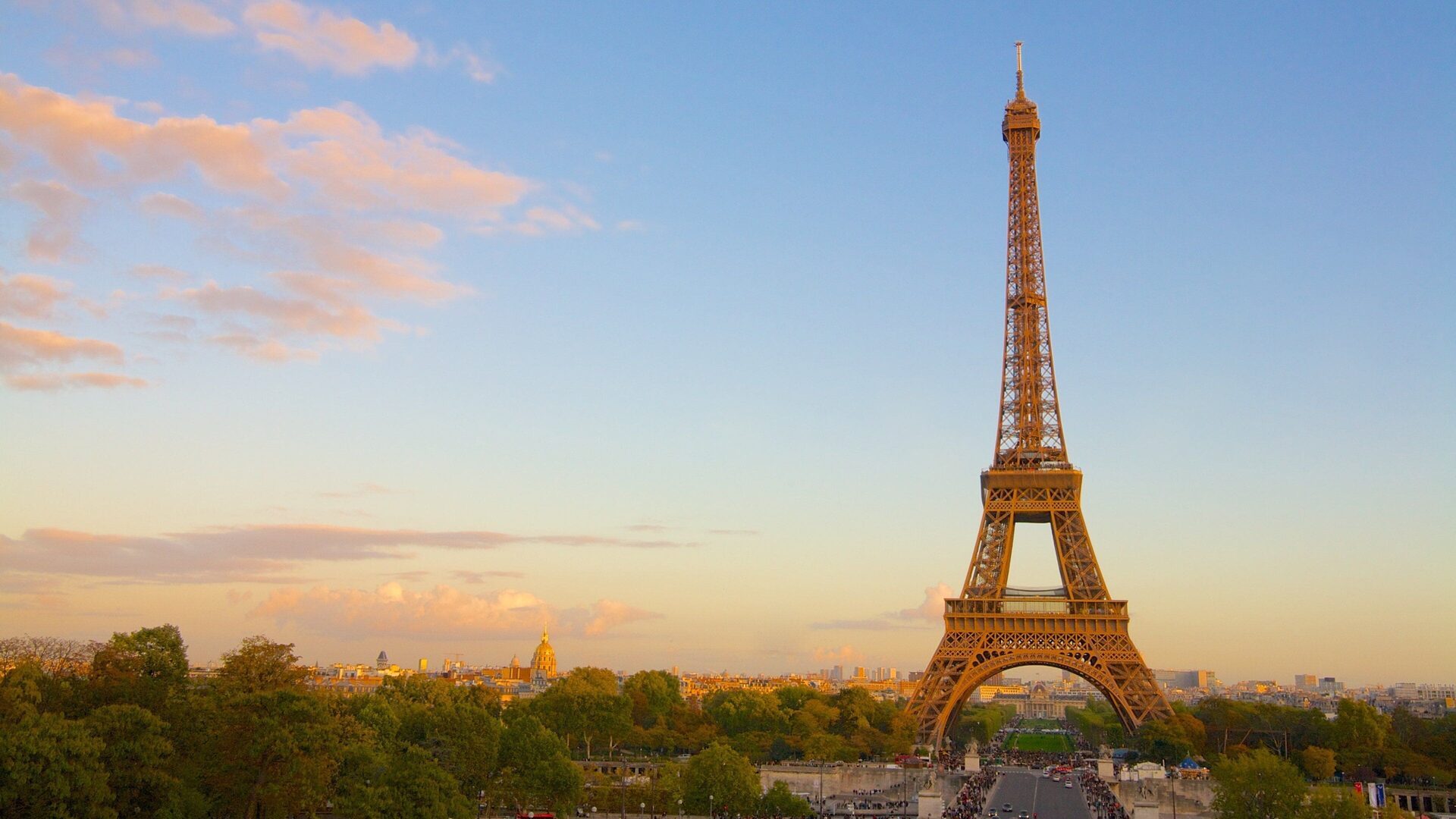
France is one of the worlds most visited countries for good reason - Paris alone offers the Louvre, Eiffel Tower, Notre-Dame, and world-class cuisine. But France beyond Paris rewards exploration: the lavender fields of Provence, the vineyards of Burgundy, the beaches of the Cote d Azur, the D-Day beaches of Normandy, and the medieval villages of Alsace. The TGV high-speed train network makes regional travel efficient. Renting a car opens up wine country and rural villages. French cuisine varies dramatically by region - Lyon is the gastronomic capital. Learning basic French is appreciated; English varies by region and generation. The Euro is the currency. Tipping is included but small additions are appreciated.
Current Travel Situation
United States to France: What You Need to Know
France is consistently the world's most visited country, attracting over 90 million tourists annually. US citizens benefit from the Schengen Agreement visa exemption, allowing 90 days of visa-free travel across all 27 Schengen member states including France. The 90-day limit is collective , days in Germany, Spain, Italy, and all other Schengen countries count together. Paris alone draws millions of Americans each year for its museums (Louvre, Orsay, Pompidou), the Eiffel Tower, Notre-Dame (reopened in 2024 after the 2019 fire), the Palace of Versailles, haute cuisine, and the unique Parisian atmosphere. Beyond Paris, the French Riviera, Normandy, Burgundy wine region, Loire Valley châteaux, and Provence lavender fields offer diverse experiences.
How to Get There
France's location makes it ideal for multi-country trips. London is 2h15m by Eurostar train. Amsterdam is 3h20m by Thalys. Brussels is 1h20m. Spain is accessible by TGV from Paris to Barcelona (6h) or Madrid (direct trains less frequent). The French domestic rail network (SNCF) is excellent for exploring Lyon, Bordeaux, Marseille, and Nice. Mont Saint-Michel, the Loire Valley, and Burgundy are half-day or day trips from Paris.
Money & Banking
France uses the euro (EUR). Card payments are accepted virtually everywhere in France, though small cafes and markets may prefer cash. ATMs are common. France is expensive in Paris , budget EUR 100-200/day for midrange accommodation and meals. Outside Paris, France becomes significantly more affordable. Markets (marchés) offer excellent local produce and prepared foods cheaply. The boulangerie croissant (EUR 1.20-1.50) is one of food's great pleasures.
Practical Tips
Paris's Metro system is excellent , buy a carnet of 10 tickets or use the Navigo Découverte card for unlimited weekly transit. The Museum Pass (2 or 4 days) covers the Louvre, Versailles, and 50+ other museums and is extremely good value. Book Versailles well in advance , it sells out weeks ahead in peak season. Many major Paris museums have free admission on the first Sunday of each month. Tipping in France: rounding up the bill is sufficient; 10% for particularly good service. Emergency number is 112.
Frequently Asked Questions
Do US citizens need a visa for France?
No. US citizens can visit France and the entire Schengen Area visa-free for up to 90 days in any 180-day period. No prior application is needed. Note: ETIAS pre-registration may be required starting in 2025 — check current status.
What is ETIAS and do Americans need it for France?
ETIAS is an EU pre-travel authorization system launching in 2025. Once active, Americans will need to register online and pay a small fee (around EUR 7) before visiting France and other Schengen countries. It is similar to the US ESTA system. Check the ETIAS implementation timeline before your trip.
How many days can I spend in France specifically?
The 90-day limit applies to the entire Schengen Area, not just France. If you have already spent 30 days in Italy and 20 days in Spain on the same trip, you have only 40 days remaining for France within that 180-day period.
What is the best time to visit Paris?
April-June and September-October offer the best combination of good weather and manageable crowds. July-August is peak tourist season with higher prices and longer queues. December is magical for Christmas markets but cold. Paris in the spring (May) is particularly romantic and pleasant.