Greece Visa RequirementsFor United States passport holders
American citizens can visit Greece visa-free for up to 90 days in any 180-day period as part of the Schengen Area. No visa or prior authorization is required. Greece is one of the most popular European destinations for Americans, offering ancient ruins, whitewashed island villages, crystal-clear Aegean waters, and celebrated Mediterranean cuisine.
Great news! United States passport holders can enter Greece without a visa for tourism or business purposes. You can stay up to 90 days.
No visa required for US passport holders visiting Greece for up to 90 days. Ensure your US passport has at least 3 months validity beyond your planned stay. Greece is part of the Schengen Area, so the 90-day limit applies to all 27 Schengen countries combined. At Athens airport (ATH), US citizens typically pass through the non-EU citizens line and receive an entry stamp. You may be asked for a return ticket, accommodation proof, and evidence of sufficient funds.
Greece is part of the Schengen Area. Your stay counts toward the 90-day limit within any 180-day period for the entire Schengen zone. Learn more about Schengen rules →




Entry Requirements
Passport Validity
3 months beyond departure from Schengen
Blank Pages
1 blank page required
Multiple Entry
Allowed
Work Permitted
No - requires work visa
Entry Conditions
Passport valid at least 3 months beyond planned Schengen departure, issued within previous 10 years. May require proof of accommodation, itinerary, sufficient funds (€50-70/day), and travel insurance.
Overstaying results in fines, deportation, and potential Schengen-wide entry ban.
Required Documents
Valid US Passport
Must be valid for at least 3-6 months beyond your planned departure date (varies by country)
Valid US passport (minimum 3 months validity beyond stay)
Return or Onward Ticket
Proof of departure from the country, such as a return flight or onward travel booking
Return or onward flight ticket Recommended
Proof of Accommodation Recommended
Hotel reservation, Airbnb booking, or address where you will be staying
Proof of accommodation Recommended
Proof of Sufficient Funds Recommended
Credit cards, bank statements, or cash to cover expenses during your stay
Evidence of sufficient funds Recommended
Travel Insurance Recommended
Recommended for all international travel covering medical emergencies
Travel Essentials
Health & Safety
Safety Rating
Vaccinations
Routine vaccinations should be current.
Tap Water
Safe to drink
Safety Tips
Greece is very safe for tourists. Petty theft occurs in Athens tourist areas and on crowded metro. Be cautious of bar scams where strangers invite you to overpriced establishments.
Money & Costs
Currency
€ Euro (EUR)
Daily Budget (USD)
Budget: $50 · Mid: $120 · Luxury: $300+
Tipping
Tipping not obligatory. Rounding up or 5-10% for excellent service is appreciated.
Practical Info
Power
Type Type F (Schuko), 230V, 50Hz
Driving
Right side
Emergency
112 (general), 100 (police), 166 (ambulance), 199 (fire)
Getting There
Main Airports
Athens (ATH) · Crete (HER) · Santorini (JTR) · Thessaloniki (SKG)
Culture & Travel Tips
Best Time to Visit
Late May-June and September-early October offer warm weather, swimming temperatures, and fewer crowds. July-August brings peak crowds, highest prices, and intense heat but vibrant nightlife. Many island businesses close November-March.
Cultural Notes
Greek hospitality (philoxenia) is legendary. Meal times are later than American norms; dinner at 9pm or later is normal. Tipping 5-10% for good service is appreciated. Opa! is the celebratory exclamation. Greeks are passionate debaters; animated discussions are normal and friendly.
Insider Tips
Island hopping requires ferry planning; book popular routes in advance during peak season. Greek ferries range from slow conventional to fast catamarans. Many attractions have reduced winter hours. Bring comfortable shoes for uneven ancient sites.
Current Travel Situation
United States to Greece: What You Need to Know
Greece has welcomed American visitors without visa requirements as part of the broader US-Schengen framework for decades. Greece is a founding NATO member and the birthplace of Western civilization, including the Athenian democracy, Olympic games, philosophy, and architectural principles that underpin much of American and Western culture. For American travellers, Greece offers the rare combination of extraordinary historical depth (Athens' 2,500-year-old Acropolis), natural beauty (Santorini's volcanic caldera, Crete's Samaria Gorge), and island life across 6,000 islands. Greece also enjoys one of Europe's sunniest climates, with over 300 days of sunshine per year.
How to Get There
Delta, United, and American Airlines operate direct transatlantic flights from New York (JFK/EWR) and Philadelphia (PHL) to Athens (ATH). Air France, Lufthansa, British Airways, and Aegean Airlines offer connections via Paris, Frankfurt, and London. Many Americans fly to Athens and then take ferry or domestic flights to the islands. Santorini (JTR) and Mykonos (JMK) have direct charter and scheduled flights from Athens. Flight time New York to Athens is approximately 10-11 hours.
Money & Banking
Greece uses the euro (EUR). Greece is moderately priced by Western European standards: budget EUR 80-150 ($90-165 USD) per day in Athens or on the popular islands. Santorini and Mykonos are premium destinations (EUR 200+ per day is common in peak season). The Greek mainland, Crete, and less-visited islands (Naxos, Paros, Samos) offer much better value. Greek food is outstanding: fresh seafood, mezze (small plates), grilled lamb, feta, and local wines. Street food (souvlaki, gyros) is both excellent and cheap.
Practical Tips
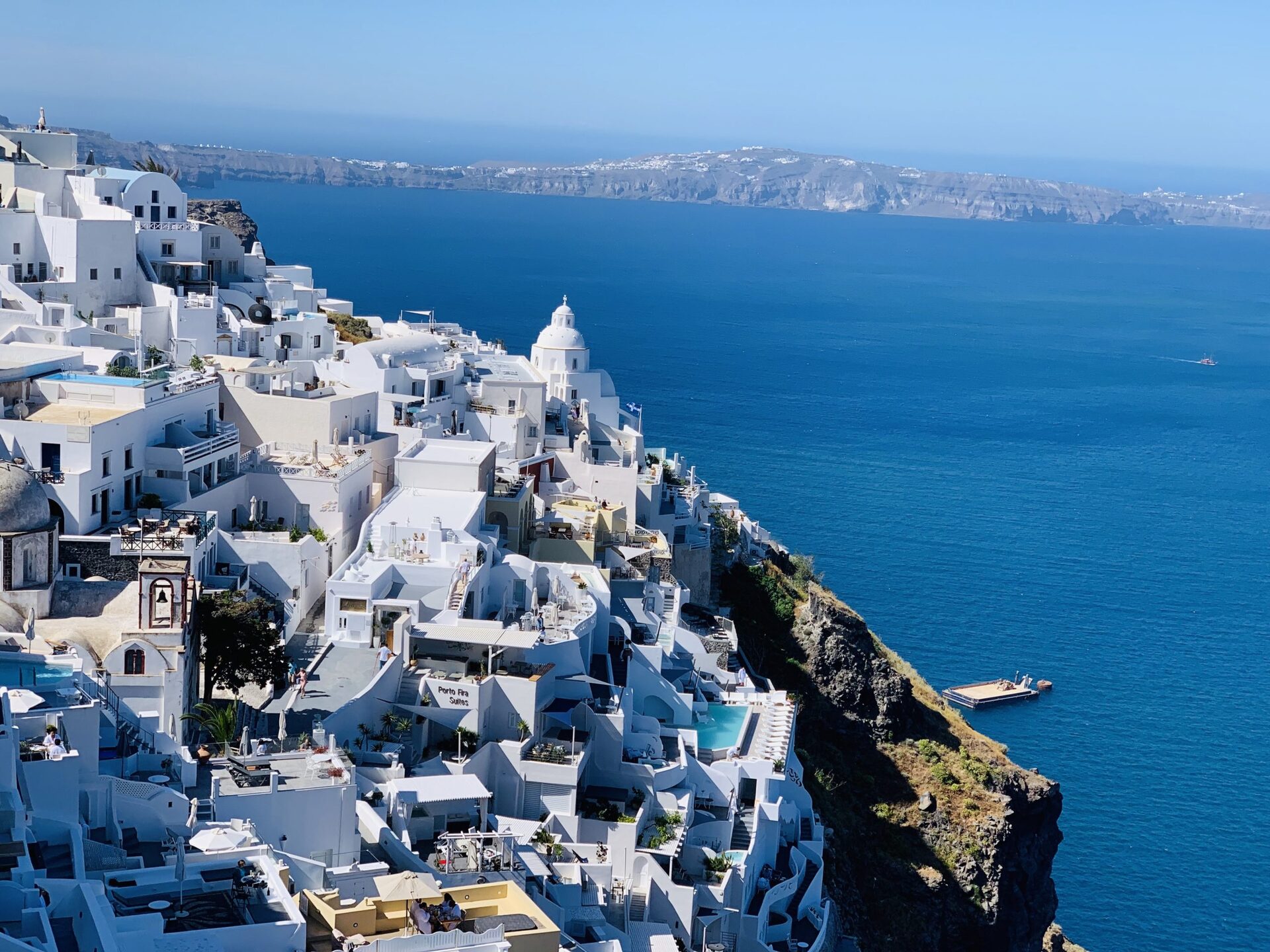
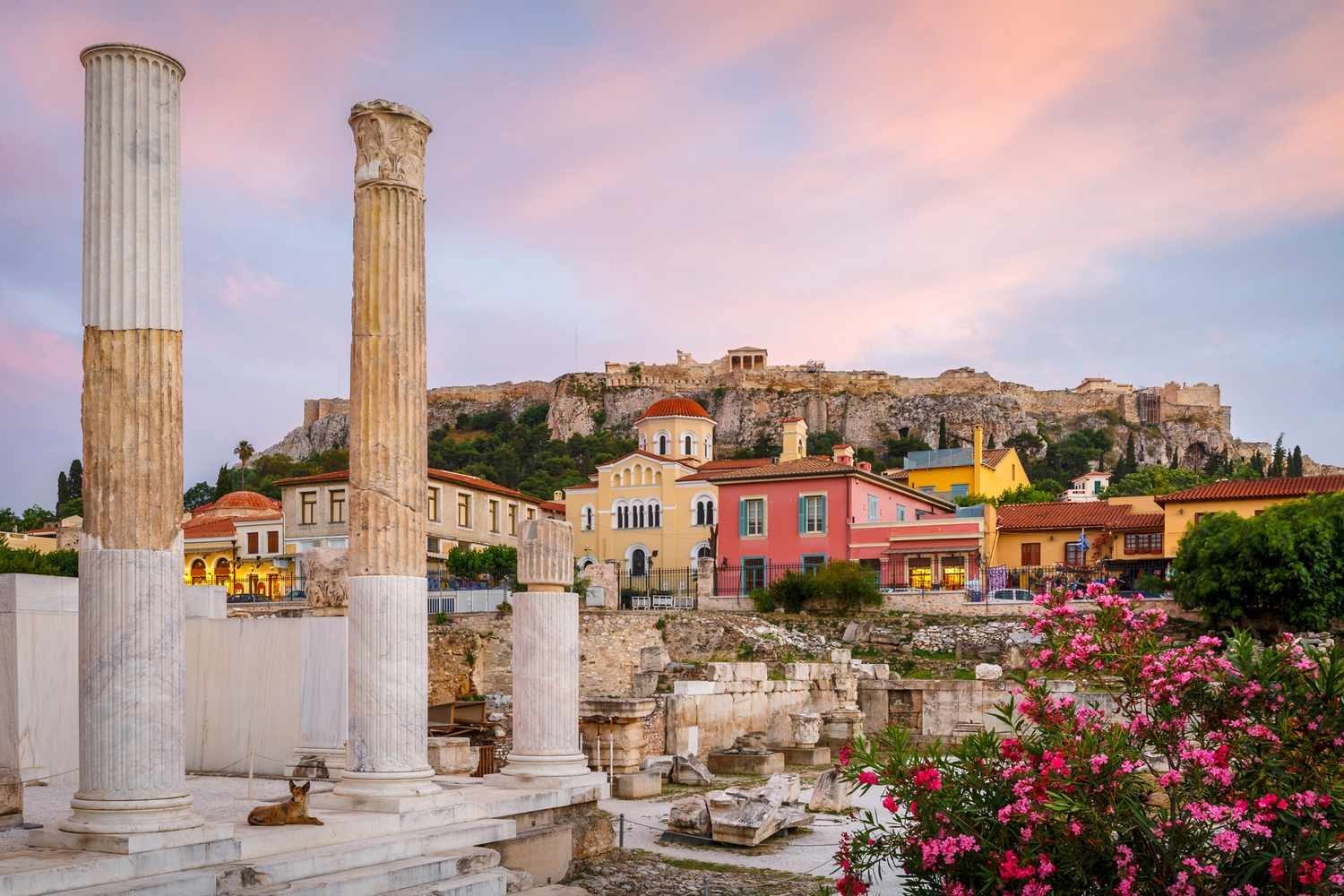
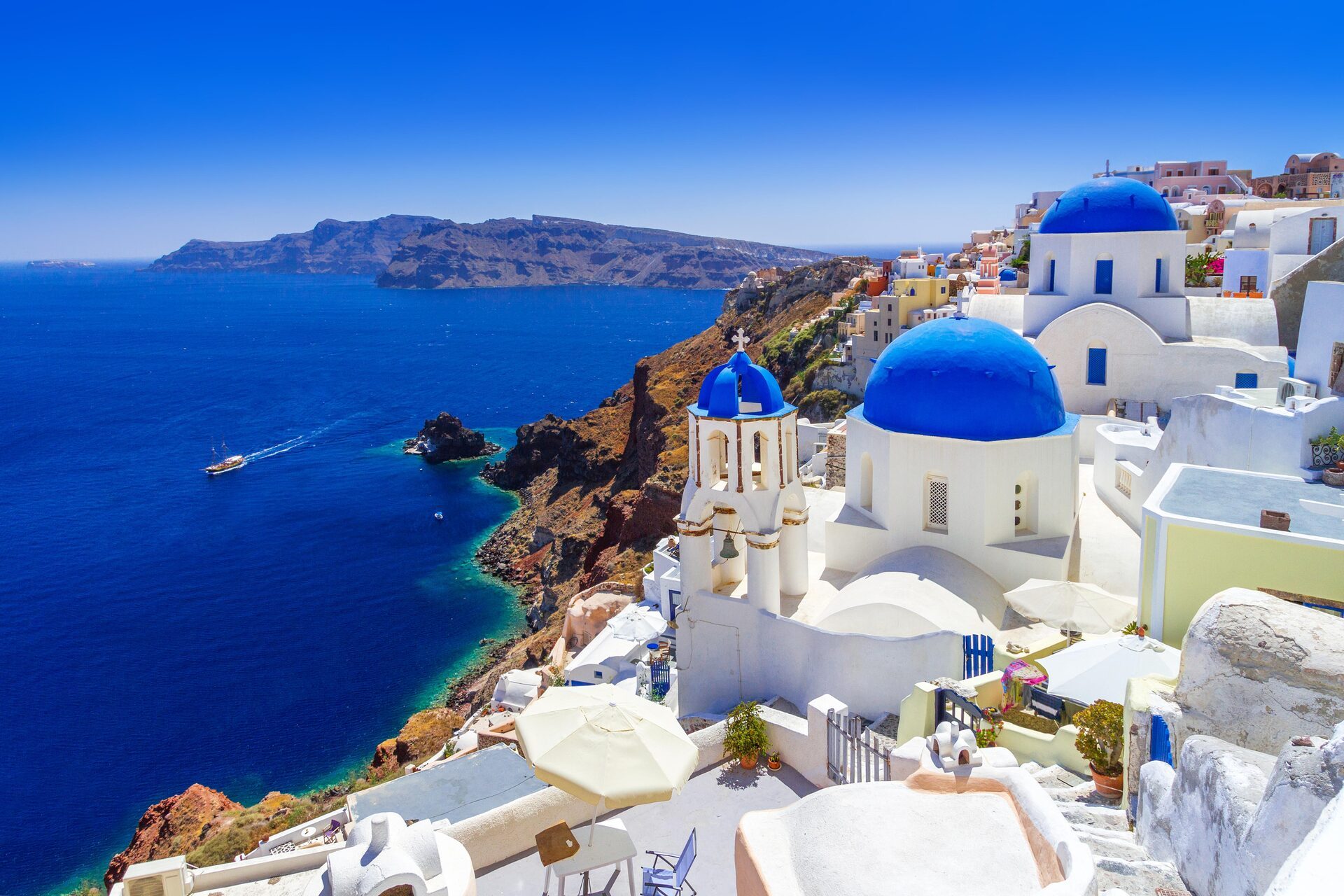
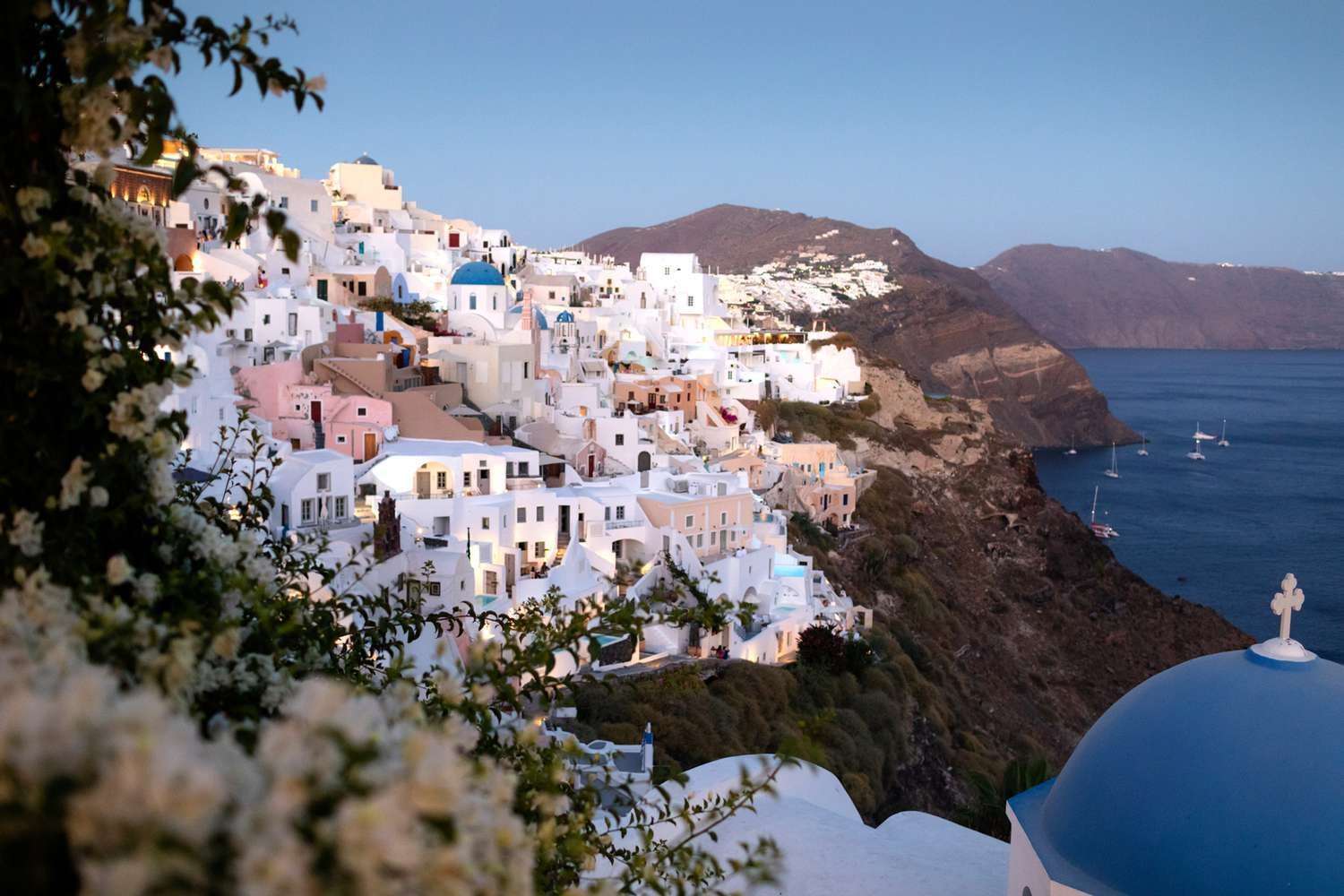
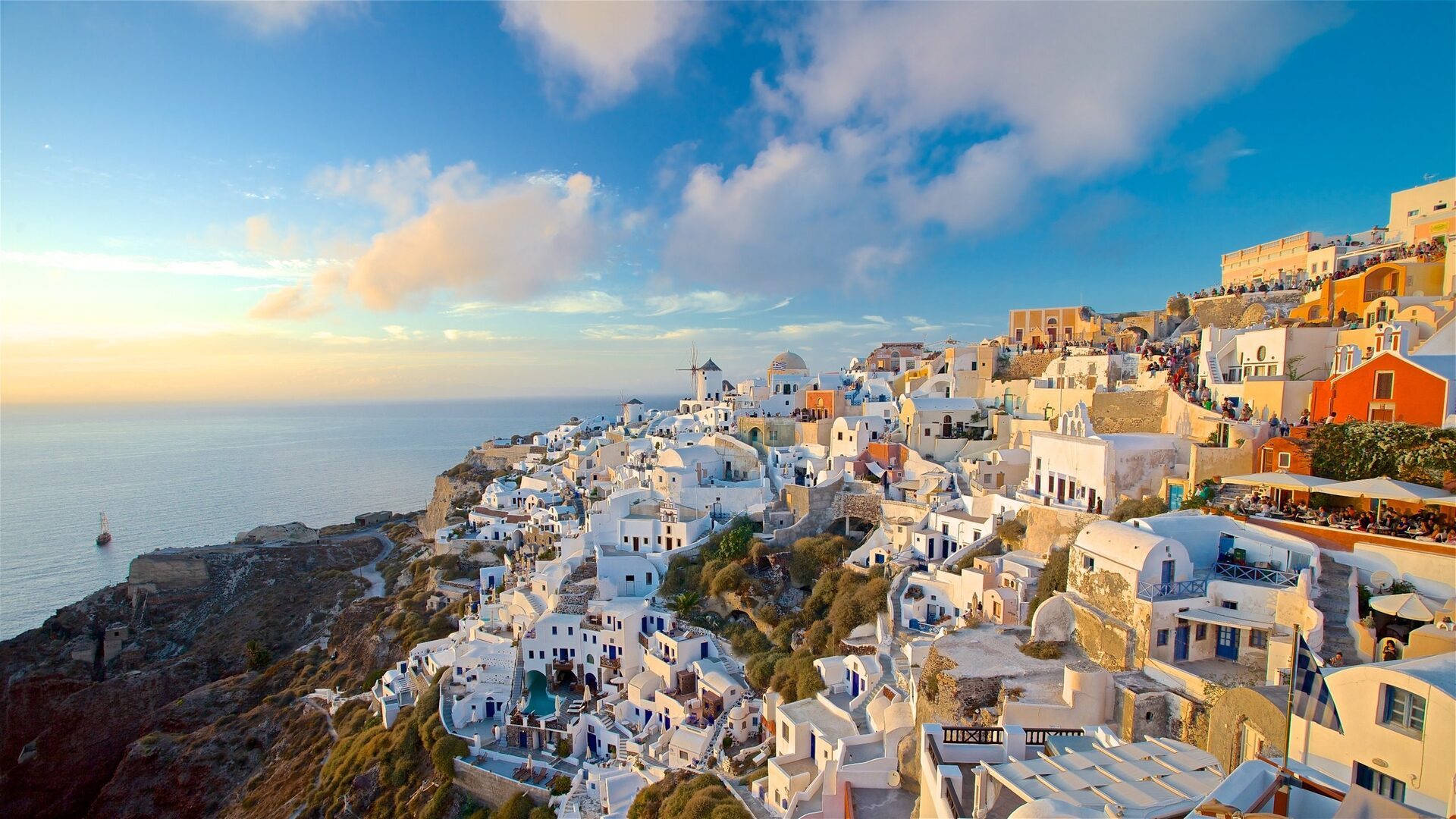
Athens: the Acropolis and Parthenon (one of the world's most important ancient monuments), the Acropolis Museum, the Ancient Agora, and the Monastiraki flea market neighborhood. Santorini: the blue-domed churches of Oia, the Amoudi Bay fishing port, and watching the famous Aegean sunset. Mykonos: cosmopolitan nightlife and beautiful beaches. Crete: the Minoan Palace of Knossos, the Samaria Gorge hike, and excellent local cuisine. Delphi (2 hours from Athens) was the center of the ancient world. The Greek islands are best visited May-June or September-October to avoid summer crowds and peak prices.
Frequently Asked Questions
Do US citizens need a visa to visit Greece?
No, US citizens can visit Greece and other Schengen Area countries for up to 90 days within any 180-day period without a visa. Starting in 2025, ETIAS (European Travel Information and Authorization System) authorization will be required, costing €7 and valid for 3 years. Your passport must be valid for at least 3 months beyond your planned departure from the Schengen Area and issued within the previous 10 years. This covers tourism, island hopping, archaeological site visits, business meetings, and family visits.
Do US citizens need a visa for Greece?
No. American passport holders can visit Greece visa-free for up to 90 days in any 180-day period. Greece is part of the Schengen Area. No visa application or pre-authorization is required.
What is the best time to visit the Greek islands?
The ideal time for Greek island visits is late May through June and September through early October. These shoulder seasons offer warm swimming temperatures, fewer crowds than peak summer, lower prices, and pleasant weather. July and August bring peak crowds, highest prices, and intense heat, but also the most vibrant nightlife and full tourist services. Popular islands like Santorini and Mykonos are extremely crowded in peak summer. Smaller, less-touristy islands remain enjoyable year-round. April and October are pleasant but water may be cool for swimming. Many island businesses close November through March.
When is the best time for Americans to visit Greece?
May-June and September-October offer the best combination of warm weather, long days, and smaller crowds. July and August are peak season with the hottest temperatures (35-40°C/95-104°F) and highest prices. The shoulder months also offer better availability at hotels in Santorini and Mykonos.
How do I get around the Greek islands?
Island hopping typically involves ferries, which range from large conventional ferries (slower, cheaper, can carry vehicles) to high-speed catamarans (faster, pricier, foot passengers only). Book ferries through FerryHopper or directly with companies like Blue Star, Seajets, or Hellenic Seaways. Popular routes should be booked in advance during peak season. Some islands have airports with domestic flights (Athens-Santorini, Athens-Mykonos, etc.), useful for time savings. On islands, options include local buses, rental cars/ATVs, taxis, and walking. Car rentals require an international driving permit in some cases. Popular islands have good public bus networks between main towns and beaches.
Are there direct flights from the US to Greece?
Yes. Delta flies direct from New York (JFK) to Athens (ATH). United and American offer connections via European hubs. Flight time from New York to Athens is approximately 10-11 hours. Many travellers also connect via London, Frankfurt, or Paris.
Is Greece safe for American tourists?
Greece is very safe for tourists. Violent crime is rare, and most visitors have trouble-free experiences. The main concerns are petty theft (pickpocketing in Athens and cruise ports), occasional overcharging at tourist-area restaurants, and traffic safety (Greek driving can be aggressive). Use basic urban precautions in Athens: secure valuables, be aware of surroundings, and avoid isolated areas at night. The Greek islands are exceptionally safe. Greeks are famously hospitable toward visitors. Emergency services are reliable, and English is widely spoken in tourist areas. The greatest dangers are probably sunburn and overindulging in delicious Greek food and wine.
What foods and drinks should I try in Greece?
Greek cuisine is a highlight of any visit. Essential dishes include moussaka (layered eggplant and meat casserole), souvlaki (grilled meat skewers), gyros (meat in pita with tzatziki), fresh Greek salad with feta and olives, spanakopita (spinach pie), dolmades (stuffed grape leaves), and fresh seafood especially on the islands. For sweets, try baklava, loukoumades (honey balls), and galaktoboureko (custard pastry). Greek coffee is strong and served with grounds; frappé is the iced coffee of choice. Ouzo is the iconic anise-flavored spirit, best enjoyed with meze (small plates). Local wines, especially from Santorini and Crete, are excellent. Retsina (resinated wine) is an acquired taste worth trying.