Tanzania Visa RequirementsFor United States passport holders
American citizens need an eVisa to visit Tanzania, obtained online at visa.immigration.go.tz before travel. The Tanzania eVisa costs $50 USD, allows stays of up to 90 days, and is processed within 3-5 business days. Tanzania is East Africa's most celebrated safari destination, home to the Serengeti (the Great Migration), Mount Kilimanjaro (Africa's highest peak), the Ngorongoro Crater (the world's largest intact volcanic caldera), and the paradise island of Zanzibar.
United States passport holders must apply for an electronic visa (eVisa) online before traveling to Tanzania.
Apply for a Tanzania eVisa online at visa.immigration.go.tz before travel. The fee is $50 USD for a single-entry tourist visa. Required: valid US passport (minimum 6 months validity), passport photo, accommodation details, and travel dates. Processing takes approximately 3-5 business days, but apply 2+ weeks in advance to be safe. Print your approved eVisa. For Kilimanjaro climbs, book through a licensed operator (required; independent climbing is not permitted) well in advance.
Entry Requirements
Passport Validity
6 months beyond date of entry
Blank Pages
2 blank pages required
Multiple Entry
Single entry only
Work Permitted
No - requires work visa
Entry Conditions
Valid passport for 6+ months with 2+ blank pages. Yellow fever certificate if arriving from endemic country. E-visa or VOA.
Required Documents
For Your Visa Application
Valid US passport (minimum 6 months validity)
Digital passport photo
Scanned passport bio page
Travel dates and accommodation details
Required at Entry
Valid US Passport
Must be valid for at least 6 months beyond your planned arrival date with at least one blank page
Printed Tanzania eVisa approval
Digital Passport Photo
Recent color photo in JPEG format meeting specific size requirements (usually 35x45mm, 600x600 pixels)
Valid US passport
Completed Online Application
Fill out the official eVisa application form on the government portal
Travel Itinerary
Detailed travel plans including dates and places you intend to visit
Proof of Accommodation
Hotel bookings, Airbnb reservations, or host invitation letter
Return or Onward Flight
Confirmed flight booking showing departure from the country
Proof of Sufficient Funds Recommended
Bank statements or credit card showing adequate funds for your stay
Travel Insurance Recommended
Recommended coverage for medical emergencies and trip cancellation
Travel Essentials
Health & Safety
Safety Rating
Vaccinations
Hepatitis A and B, typhoid, tetanus, polio, and malaria prophylaxis essential. Rabies recommended for extended rural travel or Kilimanjaro climbs.
Tap Water
Bottled water recommended
Safety Tips
Tanzania is one of Africa's safest countries for tourists. The main safari circuits and Zanzibar are well-patrolled. Exercise normal precautions in Dar es Salaam, avoid displaying valuables, and use authorized tour operators.
Money & Costs
Currency
TSh Tanzanian Shilling (TZS)
Daily Budget (USD)
Budget: $70 · Mid: $250 · Luxury: $700+
Cards & ATMs
Cards accepted at hotels, lodges, and upmarket restaurants. Safari operators may charge fees for card payments. Cash essential for markets, local restaurants, and tips. USD widely accepted for tourism expenses.
Tipping
Tipping is expected and important. Safari guides $15-25/day, porters on Kilimanjaro $8-10/day, restaurant service 10%.
Practical Info
Power
Type D, G, 230V
Driving
Left side
Emergency
112, 114 (police), 115 (fire)
Mobile/SIM
Buy a SIM card from Vodacom (best coverage), Airtel, or Tigo at airport or town shops. Tourist packages cost TSh 20,000-50,000 for data. Registration with passport required. Coverage is good in towns, limited in remote safari areas and on Kilimanjaro.
Getting There
Main Airports
Zanzibar (ZNZ) · Dar es Salaam (DAR) · Arusha (JRO)
Airport Transfers
Kilimanjaro Airport (JRO): Most safari visitors are met by operators. Taxi to Arusha $50-70 (1 hour). Dar es Salaam (DAR): Taxi to city center TSh 50,000-80,000 (45 min-1.5 hours). Zanzibar (ZNZ): Taxi to Stone Town TSh 30,000-40,000 (15-20 minutes).
Local Transport
Safaris are with tour operators in 4x4 vehicles - don't try to self-drive in national parks. Domestic flights with Coastal Aviation, Precision Air, or charter connect safari destinations. Ferries run to Zanzibar from Dar es Salaam. City transport is by taxi or dala-dala (local buses).
Culture & Travel Tips
Best Time to Visit
June to October offers the best wildlife viewing with dry conditions and animals congregating around water sources. December to February provides good weather for climbing Kilimanjaro and beach holidays in Zanzibar.
Cultural Notes
Tanzania is home to over 120 ethnic groups living harmoniously. Swahili culture dominates the coast and Zanzibar, with strong Arab influences. In Zanzibar, dress modestly outside beach resorts as it's predominantly Muslim. The Maasai maintain traditional lifestyles in the north.
Insider Tips
Book Serengeti and Ngorongoro trips well in advance during peak season. Carry cash in clean USD notes dated 2006 or later. For Kilimanjaro climbs, acclimatization is crucial - choose routes with adequate climbing days. Zanzibar ferries fill up fast; book ahead.
Dress Code
Modest dress is important, especially in Zanzibar. Cover shoulders and knees. On safari, neutral colors (khaki, brown, green) are best. Zanzibar women should cover up in Stone Town - swimwear only at resorts.
Current Travel Situation
United States to Tanzania: What You Need to Know
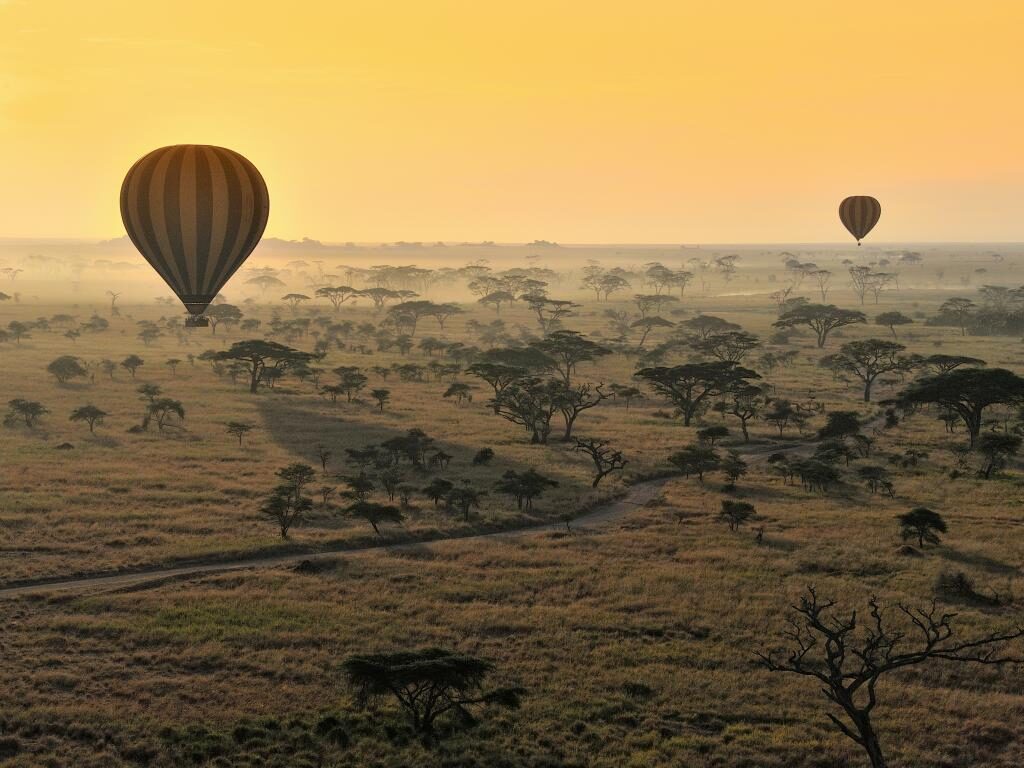
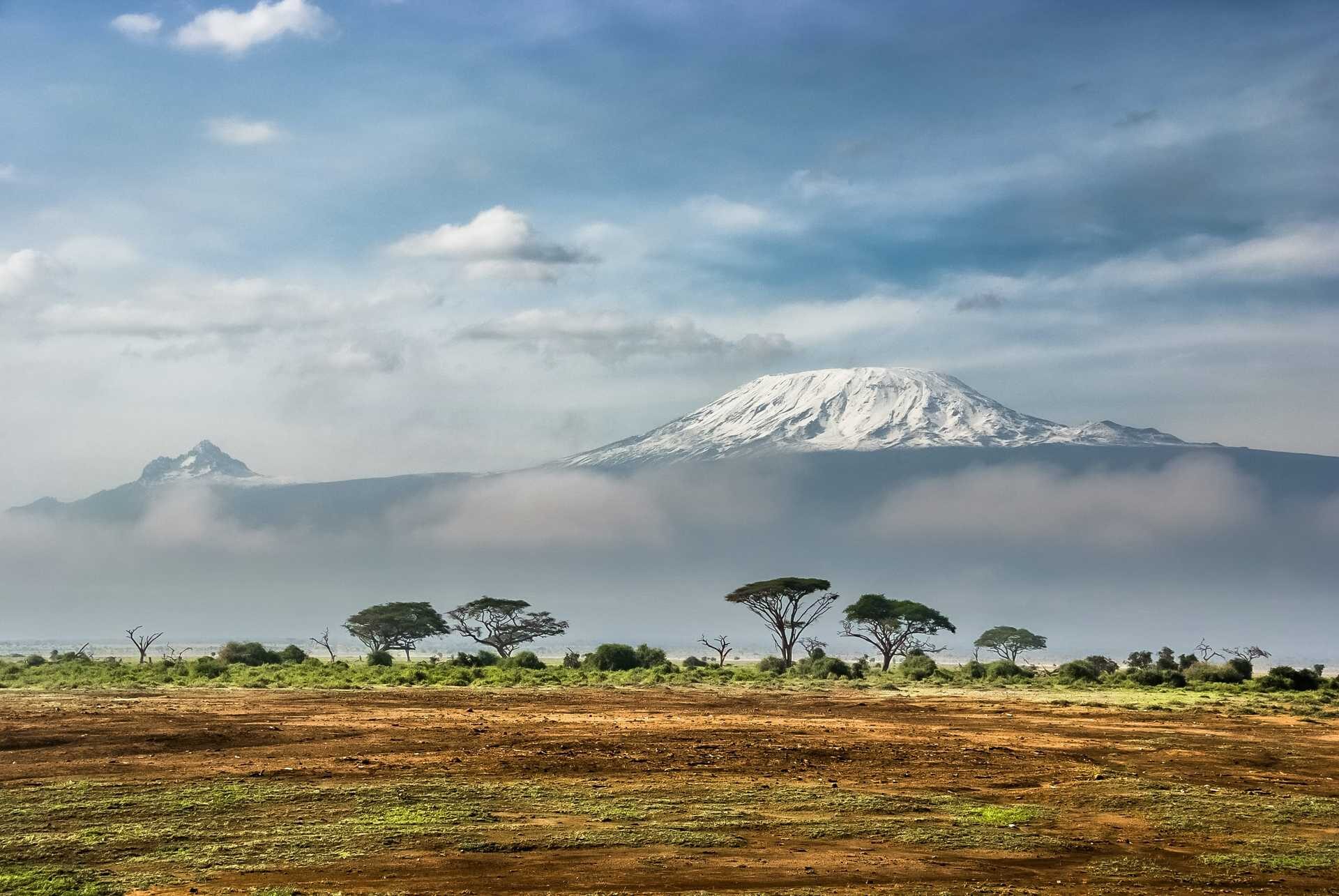
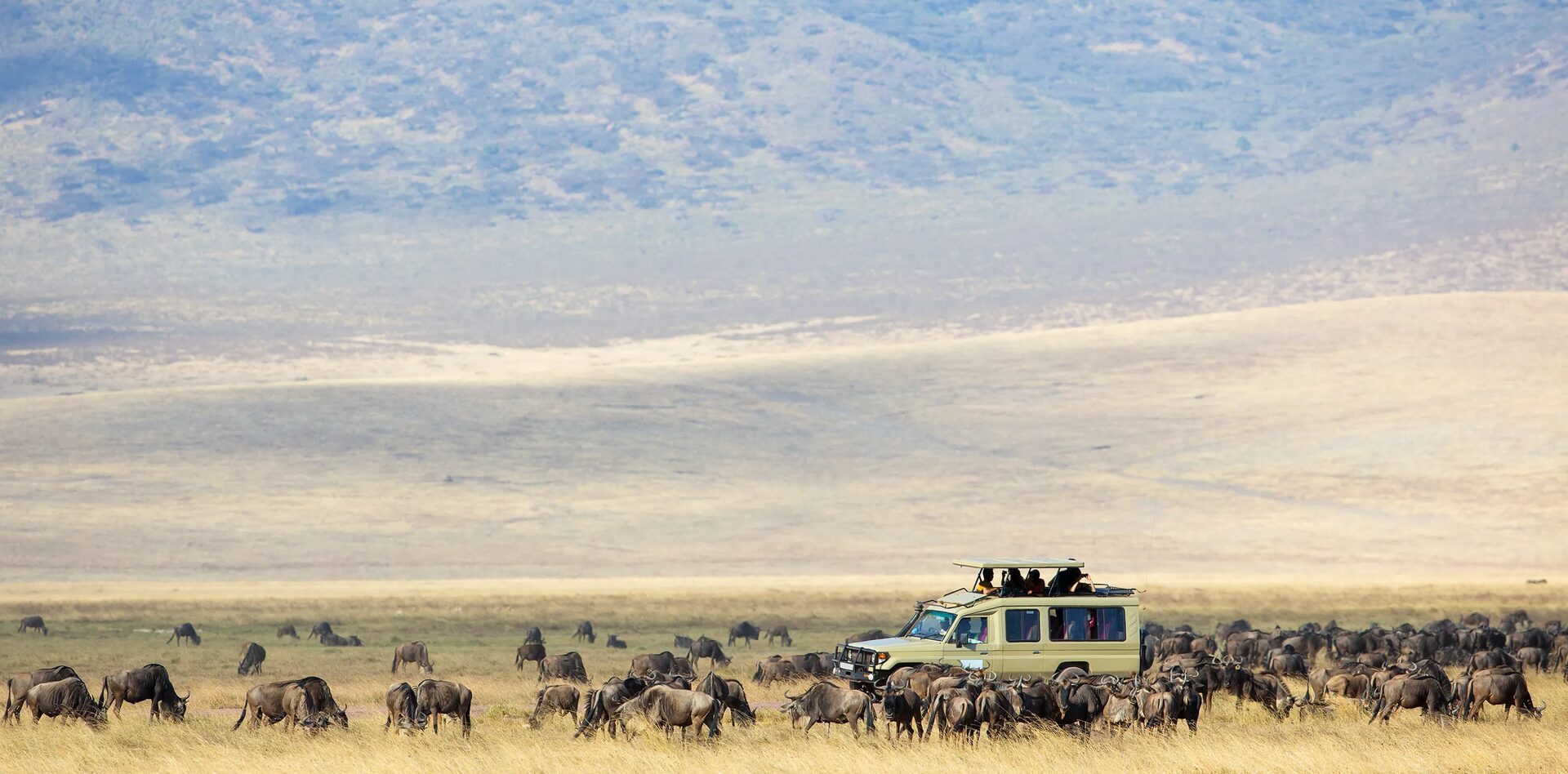
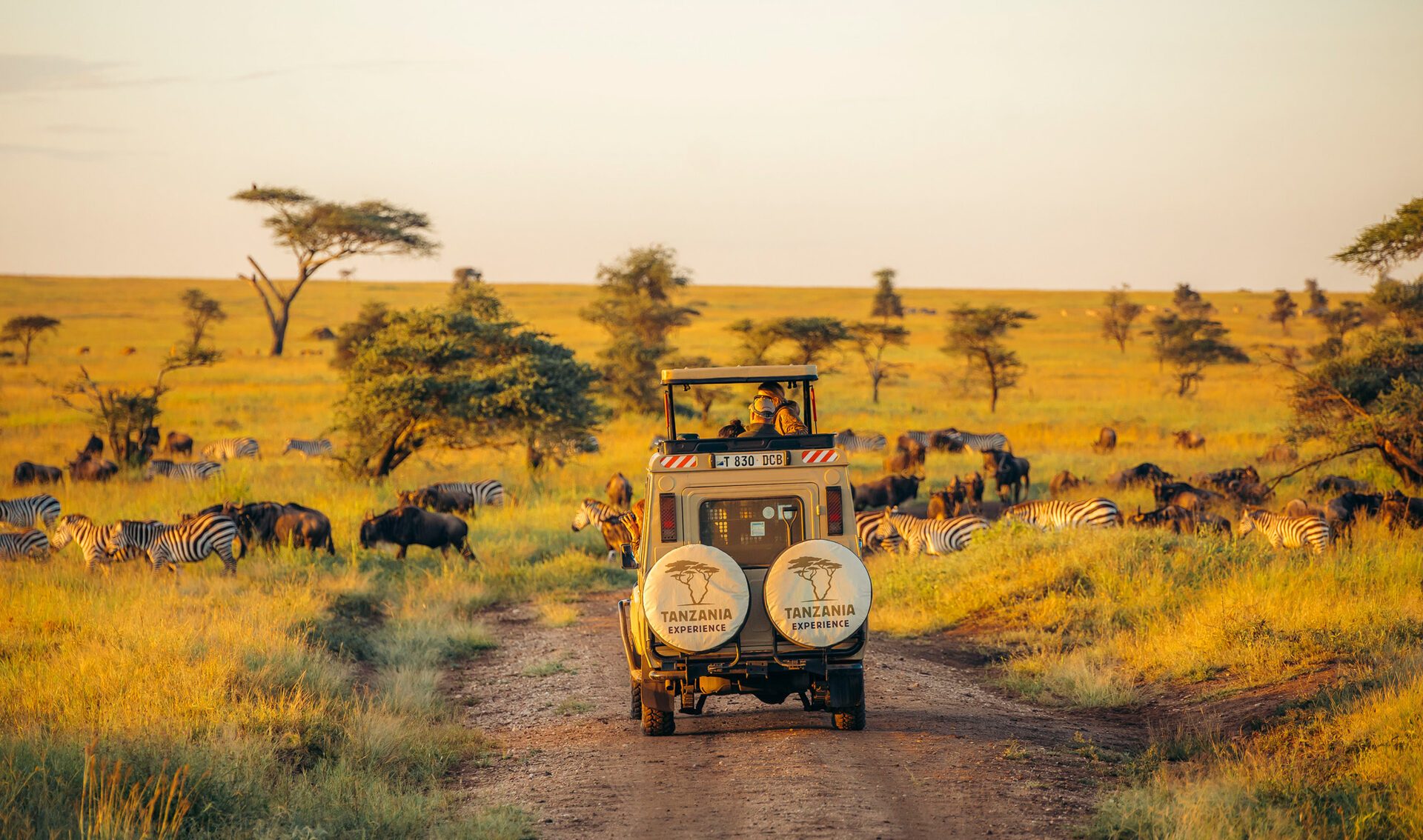
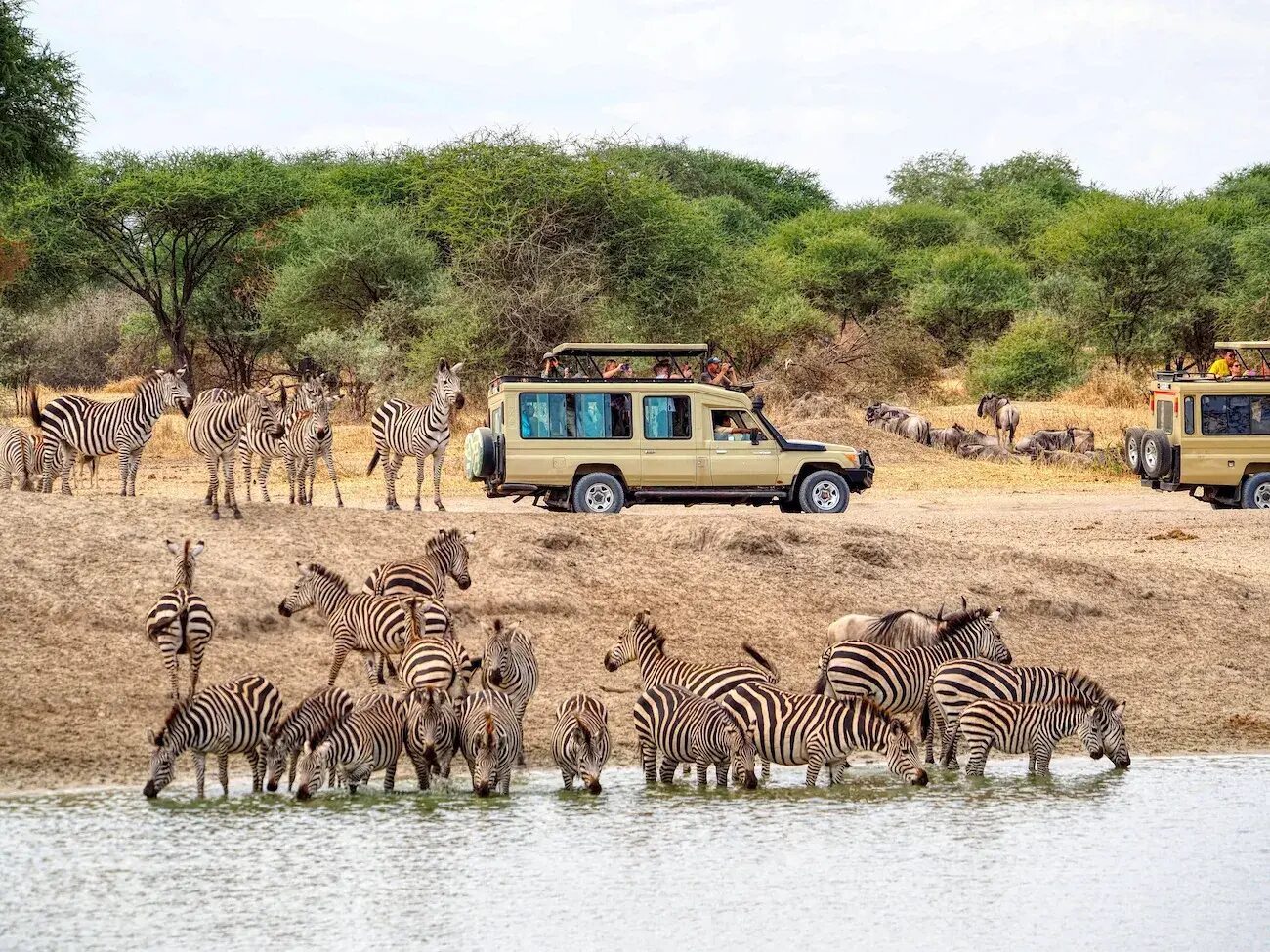
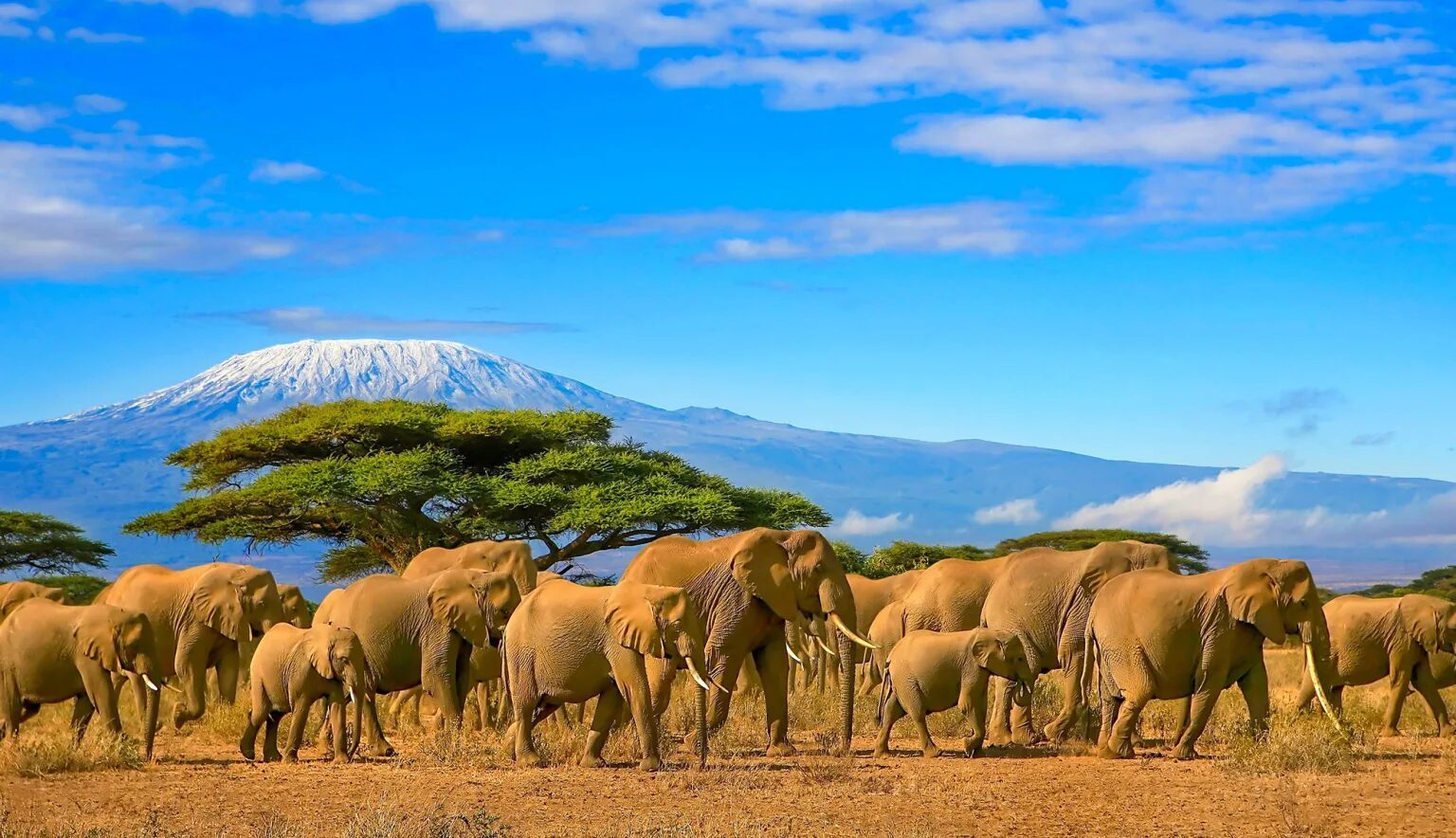
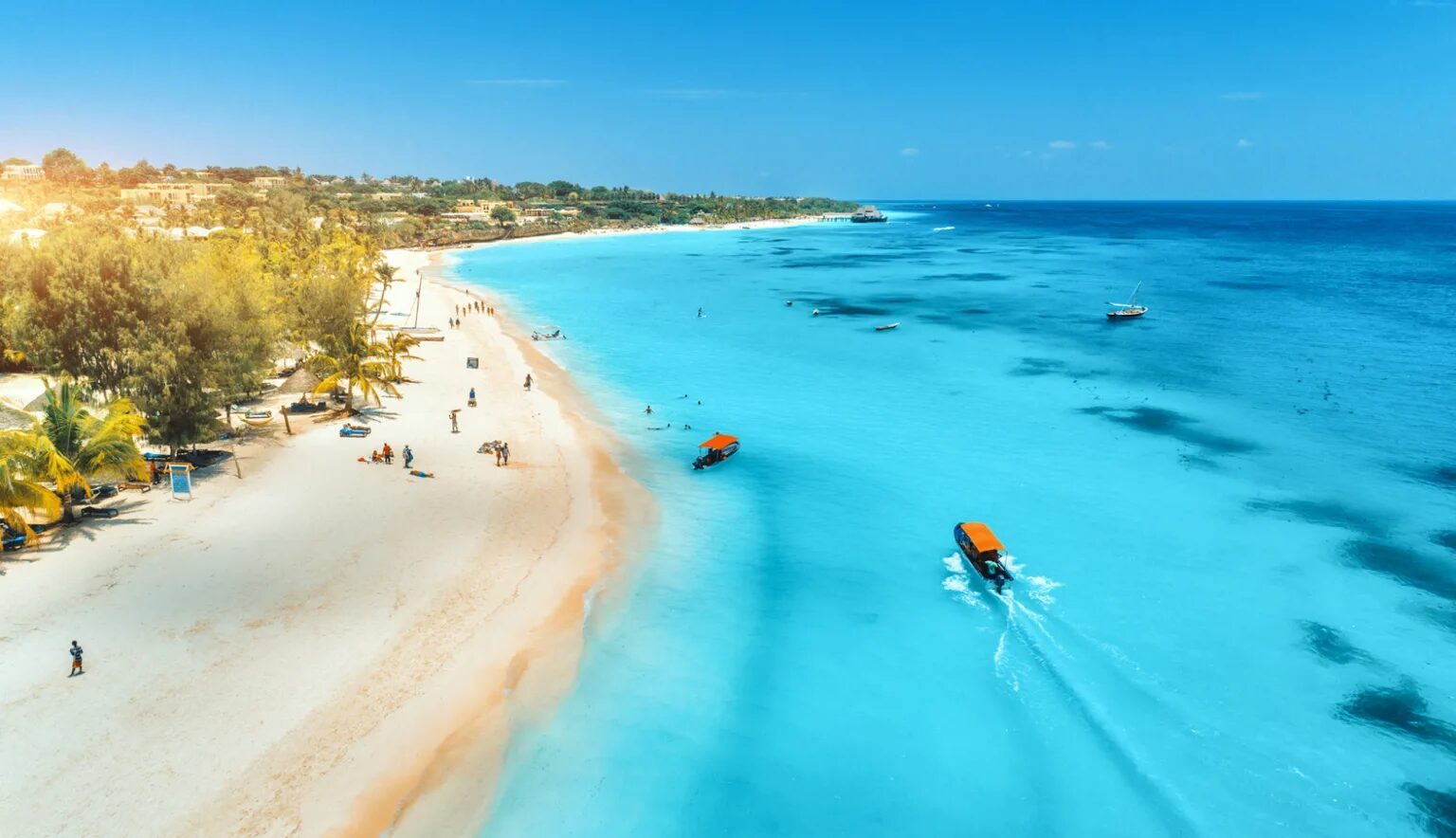
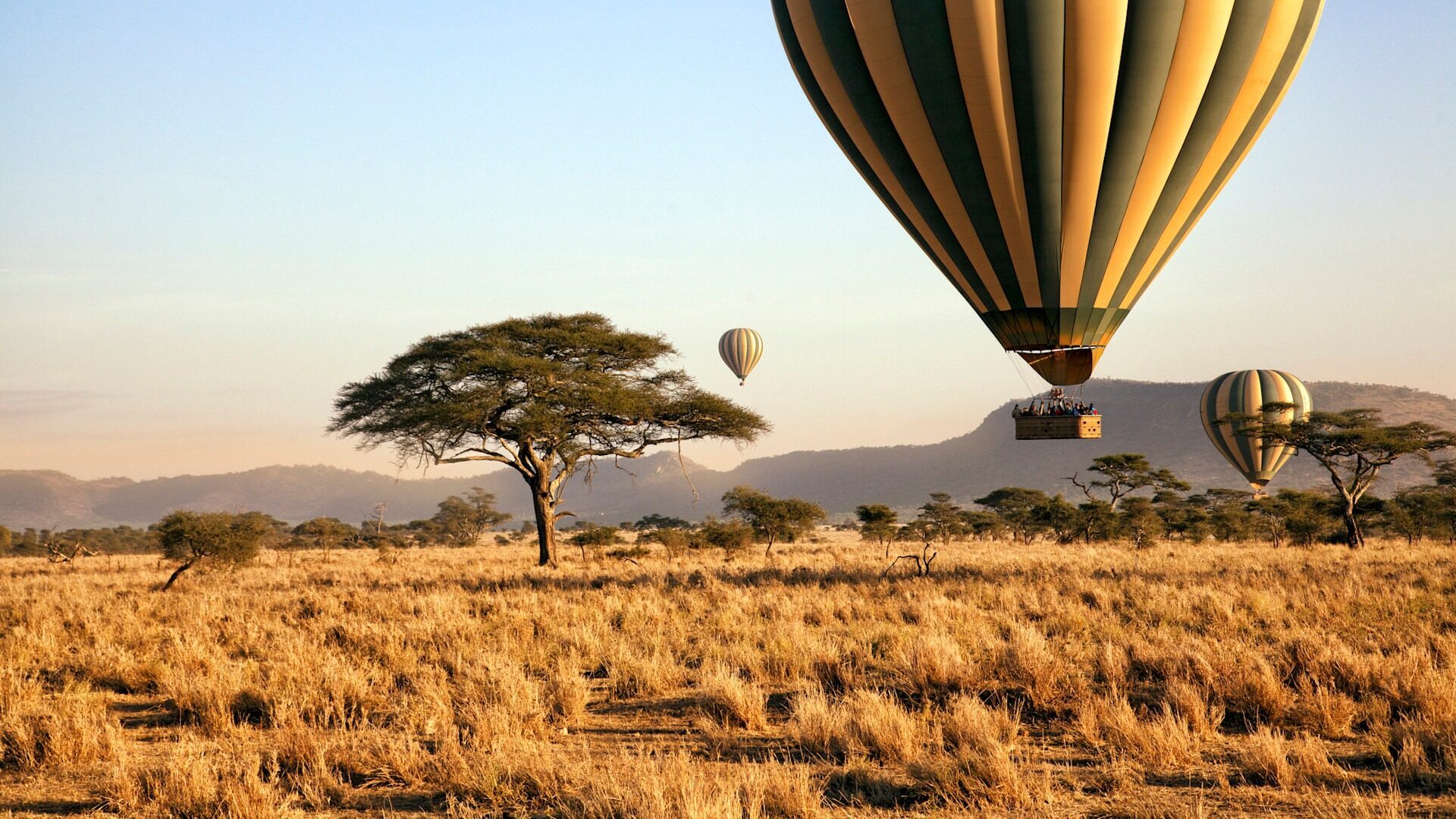
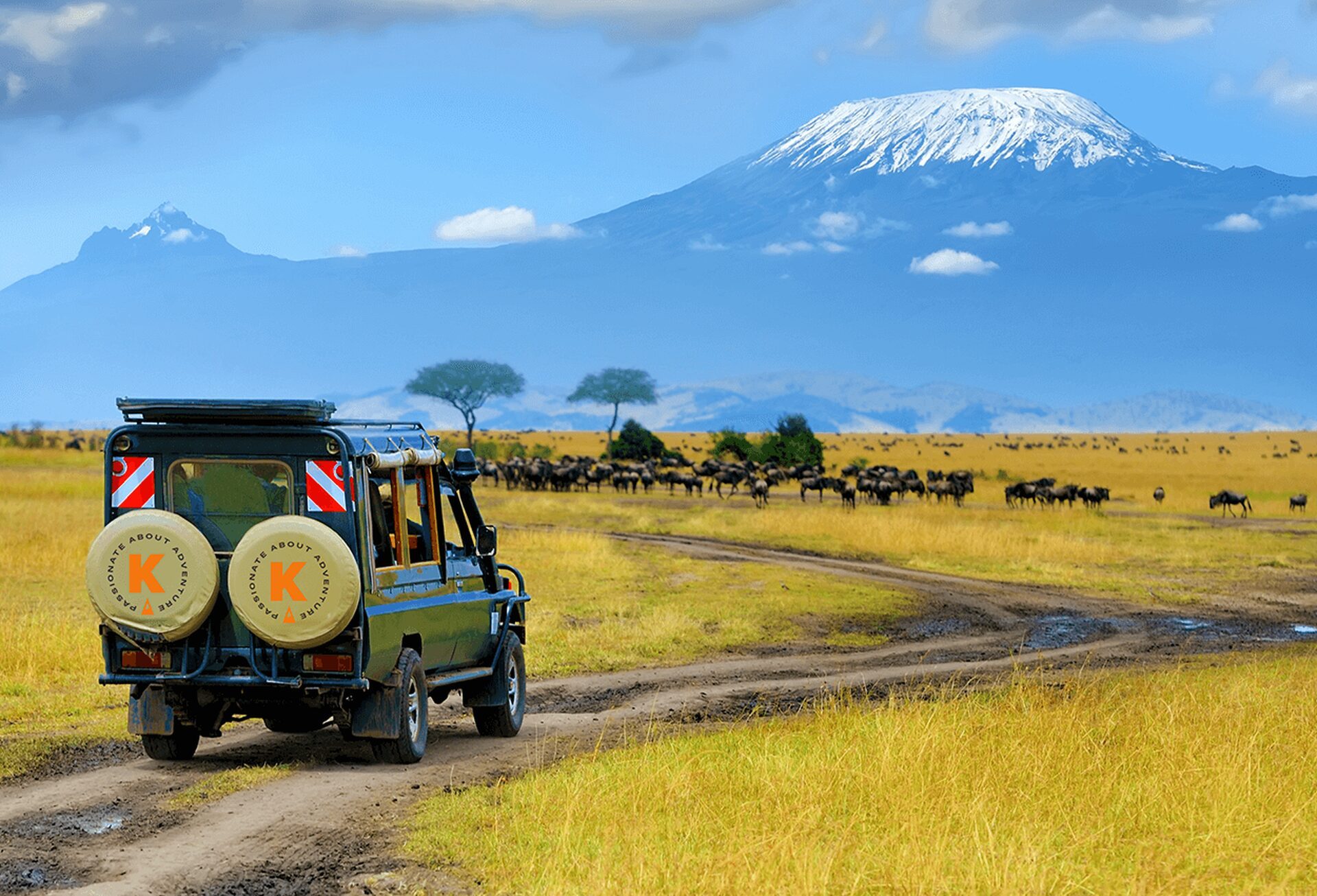
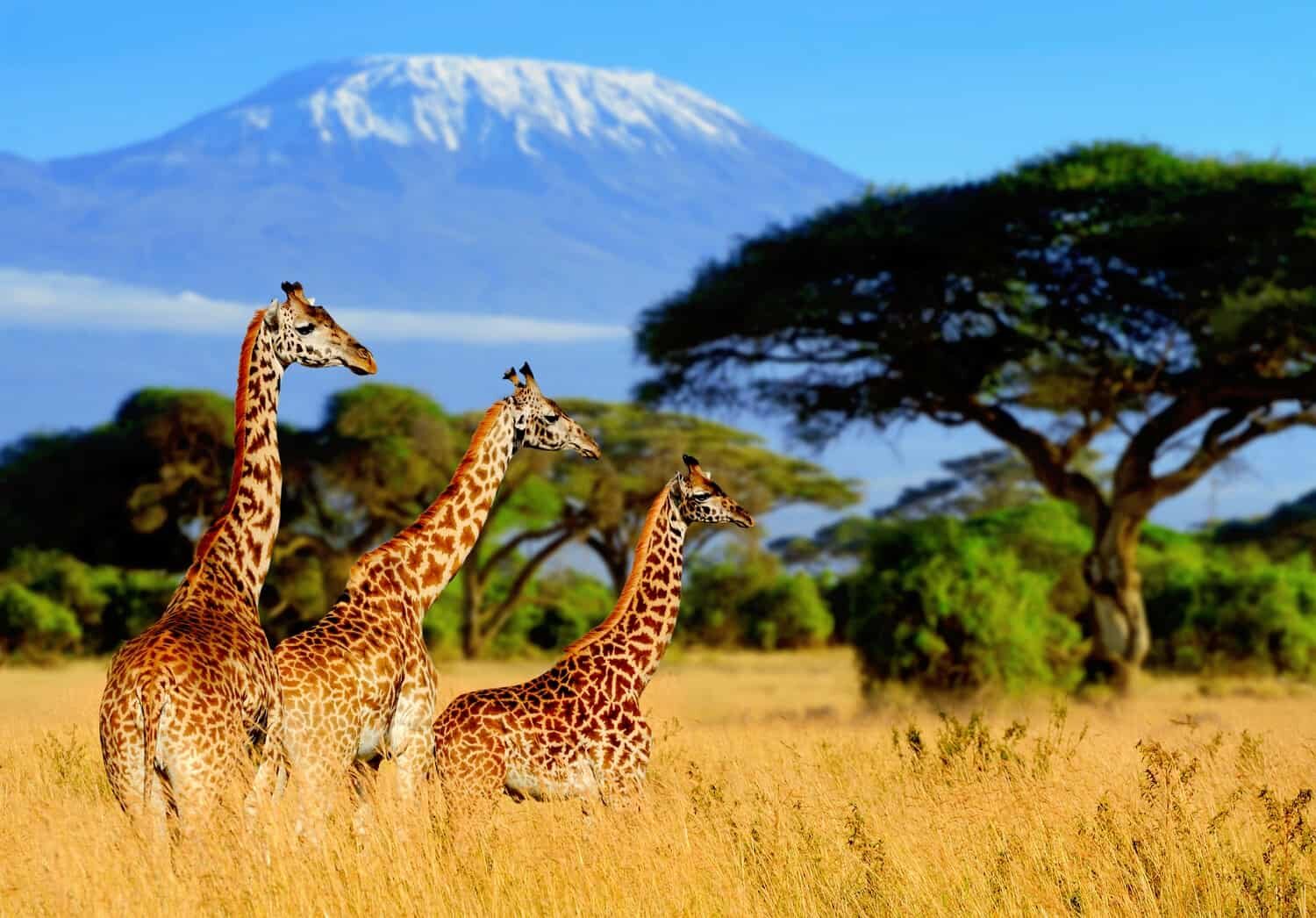
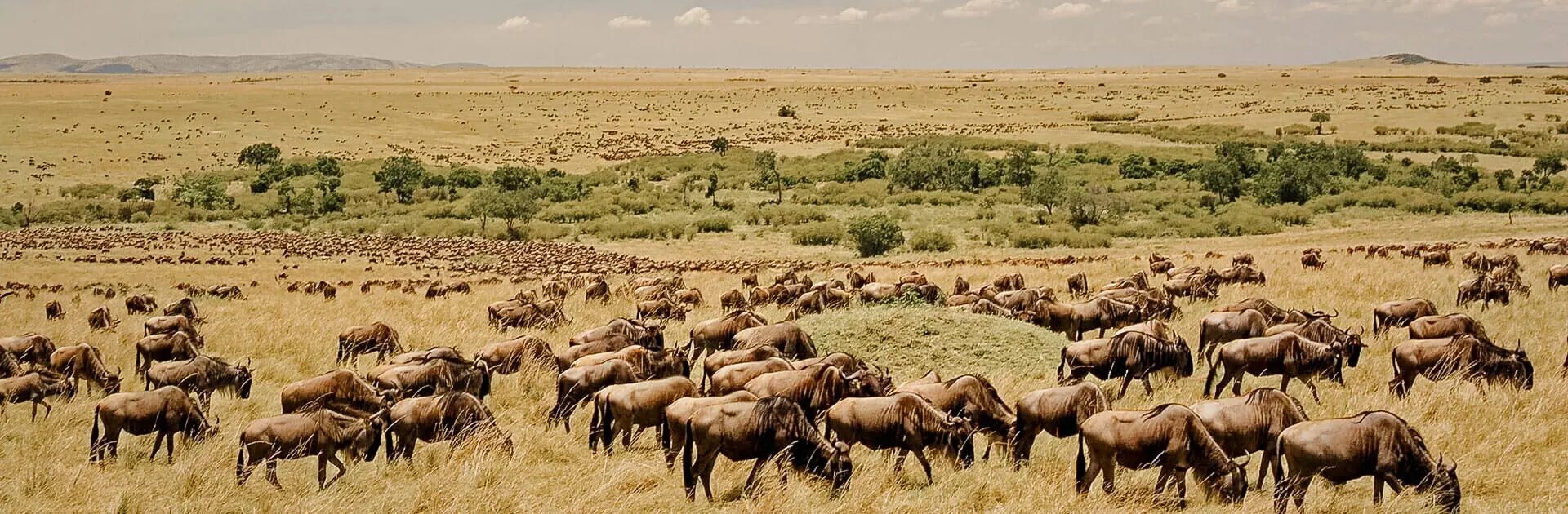
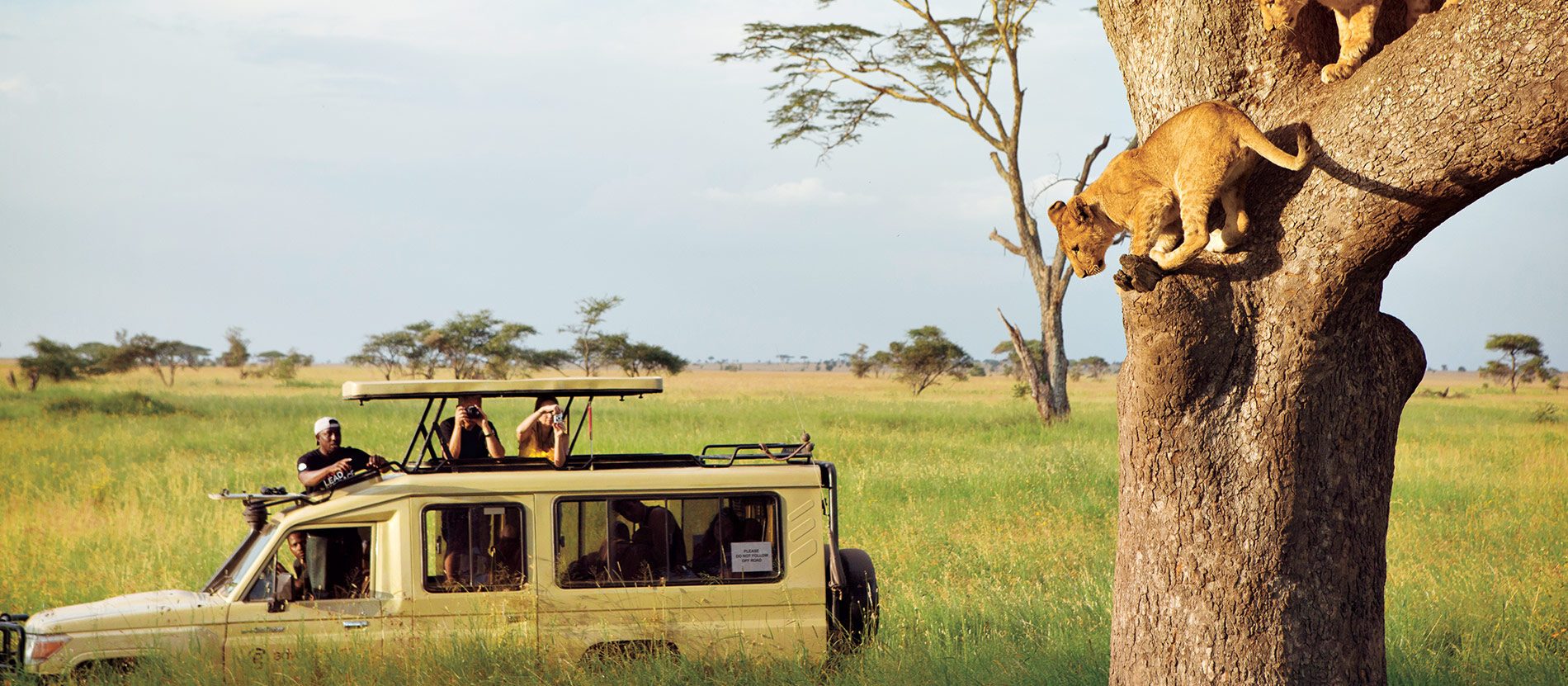
Tanzania is the jewel of African safari tourism. The Serengeti National Park and its Great Migration, the annual movement of 1.5 million wildebeest, 250,000 zebras, and hundreds of thousands of gazelles, is one of the world's great natural spectacles (best witnessed June-October in the northern Serengeti near the Mara River crossings, or February-March in the Ndutu area for calving). Mount Kilimanjaro (5,895m/19,341ft) is the world's highest free-standing mountain and one of the Seven Summits; it can be climbed without technical equipment via routes like the Machame or Marangu, attracting thousands of climbers annually. Tanzania also contains some of Africa's greatest lakes (Tanganyika, Nyasa, Victoria) and the Zanzibar Archipelago, an Indian Ocean island group with white beaches, coral reefs, and the UNESCO Stone Town.
How to Get There
No direct US-Tanzania flights exist. Connect to Dar es Salaam (DAR) or Kilimanjaro (JRO) via Amsterdam (KLM from Atlanta, Detroit, Minneapolis), London (British Airways, Virgin Atlantic from many US cities), or Doha (Qatar Airways from New York, Houston, Dallas). Ethiopian Airlines connects via Addis Ababa. For Zanzibar, fly into Zanzibar (ZNZ) directly from Dubai (flydubai), Nairobi (Kenya Airways), or Dar es Salaam (short domestic flight). Total journey from New York to Tanzania is approximately 16-22 hours.
Money & Banking
Tanzania uses the Tanzanian shilling (TZS), but USD is the preferred currency for park fees, safaris, and Zanzibar hotels. All national park fees are paid in USD ($60-100/day/person for major parks). Budget $200-400+ USD per day for all-inclusive Tanzania safari packages (including accommodation, park fees, and game drives). Zanzibar offers a wide range of accommodation from budget guesthouses to luxury beach resorts. Zanzibar is significantly more affordable than the mainland safari circuit.
Practical Tips
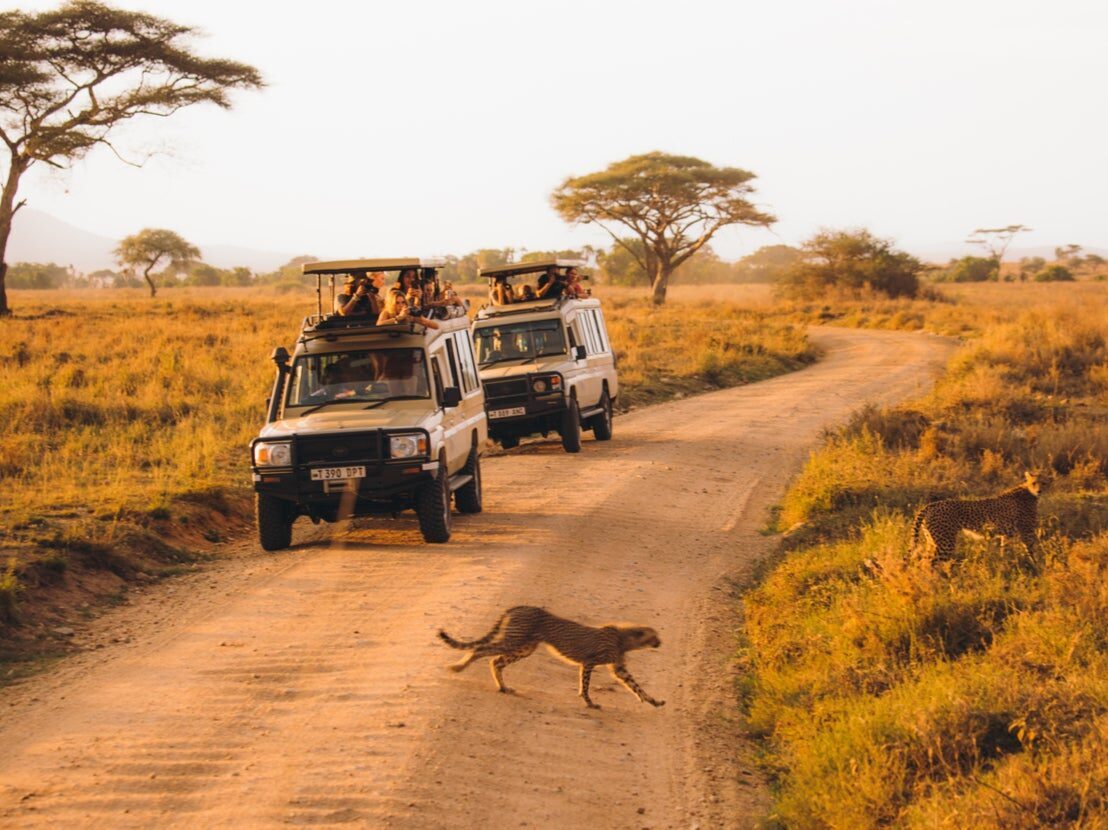
The Serengeti: game drives in the world's most famous wildlife reserve, lions, leopards, cheetahs, elephants, buffalo, and the annual Great Migration. Ngorongoro Crater: a 260 sq km volcanic caldera with the highest density of big game in Africa, including black rhino. Olduvai Gorge: where key Homo habilis fossils were discovered, the "Cradle of Mankind." Mount Kilimanjaro: a 5-8 day climb via Machame Route (most scenic), Lemosho, or the easier Marangu Route. Tarangire National Park: famous for enormous baobab trees and large elephant herds. Zanzibar: Stone Town (UNESCO, a Swahili-Arab trading city), Nungwi and Kendwa beaches (northwest, best snorkeling and diving), Mnemba Island (world-class diving), the spice farms of the island interior.
Frequently Asked Questions
Do US citizens need a visa to visit Tanzania?
Yes, US citizens need a visa to visit Tanzania. The easiest option is the e-Visa, applied for online through the official Tanzania Immigration website (visa.immigration.go.tz) before travel. Single-entry tourist visas cost approximately $50 USD and allow stays up to 90 days. Processing typically takes 3-10 business days, so apply at least two weeks before departure. Visa on arrival is also possible at major airports (Kilimanjaro, Dar es Salaam, Zanzibar) and some land borders for the same fee, but advance e-Visa is recommended to avoid potential delays.
Do US citizens need a visa for Tanzania?
Yes. Americans need a Tanzania eVisa, applied online at visa.immigration.go.tz. The fee is $50 USD and processing takes 3-5 business days. Apply at least 2 weeks before travel.
What vaccinations are required for Tanzania?
Yellow fever vaccination is required if arriving from a yellow fever endemic country and strongly recommended for all travelers visiting Tanzania. Carry your vaccination certificate (yellow card). Consult a travel medicine specialist 4-6 weeks before departure. Recommended vaccinations include Hepatitis A and B, Typhoid, and ensuring routine immunizations are current. Malaria is present throughout Tanzania, including in Zanzibar and on safari; antimalarial prophylaxis is essential. Use insect repellent with DEET, sleep under treated mosquito nets, and wear long sleeves and pants at dawn and dusk. Comprehensive travel health insurance covering medical evacuation is strongly advised.
When is the best time to see the Great Migration in Tanzania?
The Great Migration in the Serengeti is year-round, but the most dramatic moments are: the river crossings near the Kenya-Tanzania Mara River border (July-October) and the calving season in the Ndutu area (late January to March). June-October is generally the best time for wildlife viewing overall (dry season, animals concentrate around water).
When is the best time for safari in Tanzania?
Tanzania offers excellent wildlife viewing year-round, but optimal timing depends on your goals. The dry season (June-October) is generally best for wildlife spotting as animals gather around water sources and vegetation is sparse. The Great Migration (wildebeest crossing the Mara River) typically occurs July-October in the northern Serengeti. The short dry season (January-February) offers green landscapes, newborn animals, and fewer tourists; calving season in the southern Serengeti is January-March. The long rains (March-May) bring lower prices but some lodges close and roads become difficult. Zanzibar is best June-October and December-February; avoid heavy rains in April-May.
Can I combine Tanzania with Zanzibar and Kenya in one trip?
Yes. A classic East Africa trip combines the Serengeti/Ngorongoro (Tanzania mainland, 5-7 days), Zanzibar (3-5 days beach/relaxation), and possibly a Masai Mara (Kenya) game drive. This can all be done in 2-3 weeks. Kenya and Tanzania are adjacent, and combined safari itineraries are very common through licensed operators.
What should I budget for a Tanzania safari?
Tanzania safaris vary widely in price. Budget camping safaris start around $150-250 USD per person per day including park fees, transportation, meals, and basic accommodation. Mid-range safaris with comfortable lodges run $350-600 per day. Luxury tented camps and exclusive lodges can exceed $1,000 per day. Park entrance fees alone are significant (around $70 per day for Serengeti, $60 for Ngorongoro Crater). Independently arranged safaris booking guides separately can save money but require more planning. Climbing Mount Kilimanjaro adds significant costs: $2,000-6,000+ depending on route and operator. Zanzibar adds beach time at various price points. Book with reputable, licensed operators.
Is Tanzania safe for American tourists?
Tanzania is generally safe for tourists who take normal precautions. Safari areas and Zanzibar's tourist zones are well-traveled and secure. In cities like Dar es Salaam and Arusha, be cautious of petty crime; don't walk alone at night, don't display valuables, and use reputable transportation. Zanzibar has occasional petty crime and isolated incidents; stick to tourist areas after dark. Use licensed tour operators for safaris; the Tanzania Tourist Board (TTB) and TATO maintain approved operator lists. Political demonstrations occasionally occur; avoid them. Local people are generally friendly and welcoming to visitors. Follow your guide's instructions on safari for wildlife safety.