Fiji Visa RequirementsFor United States passport holders
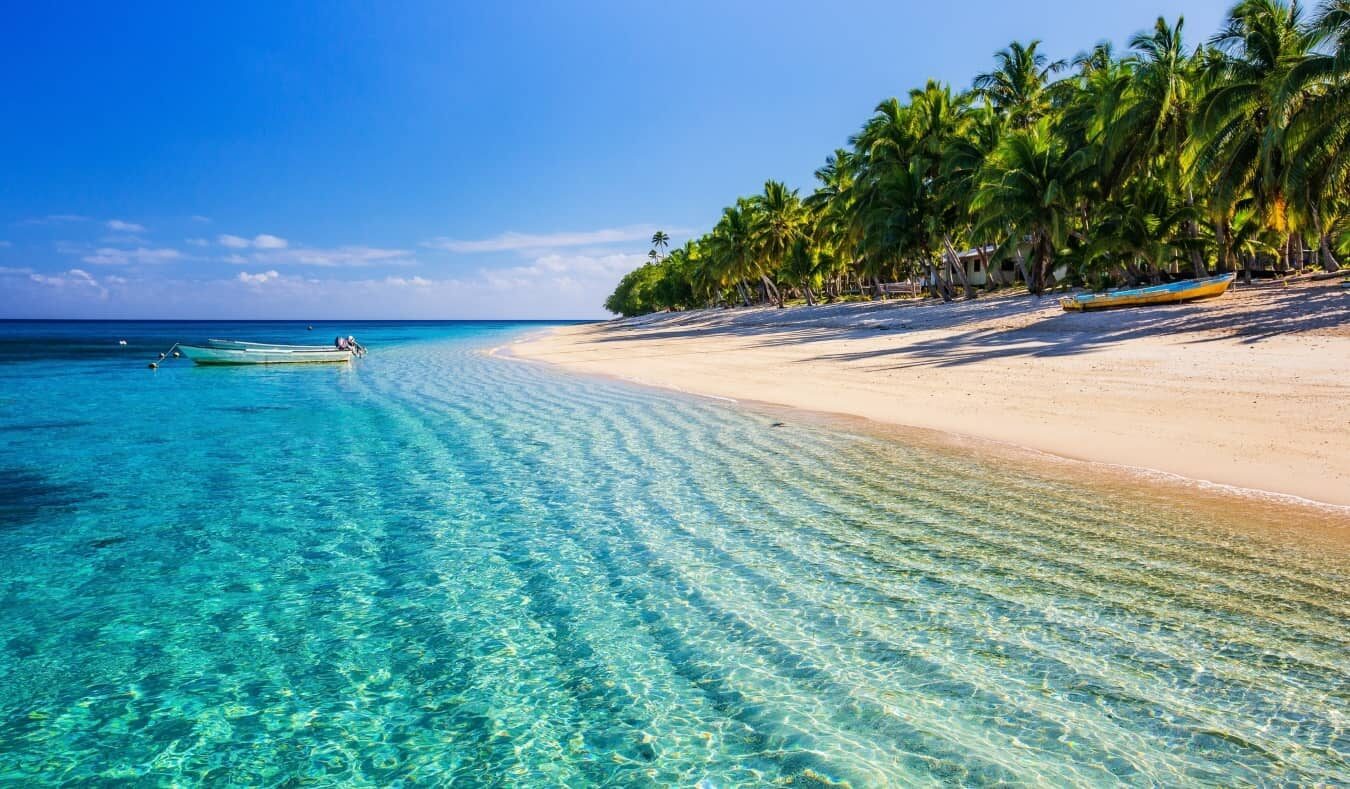
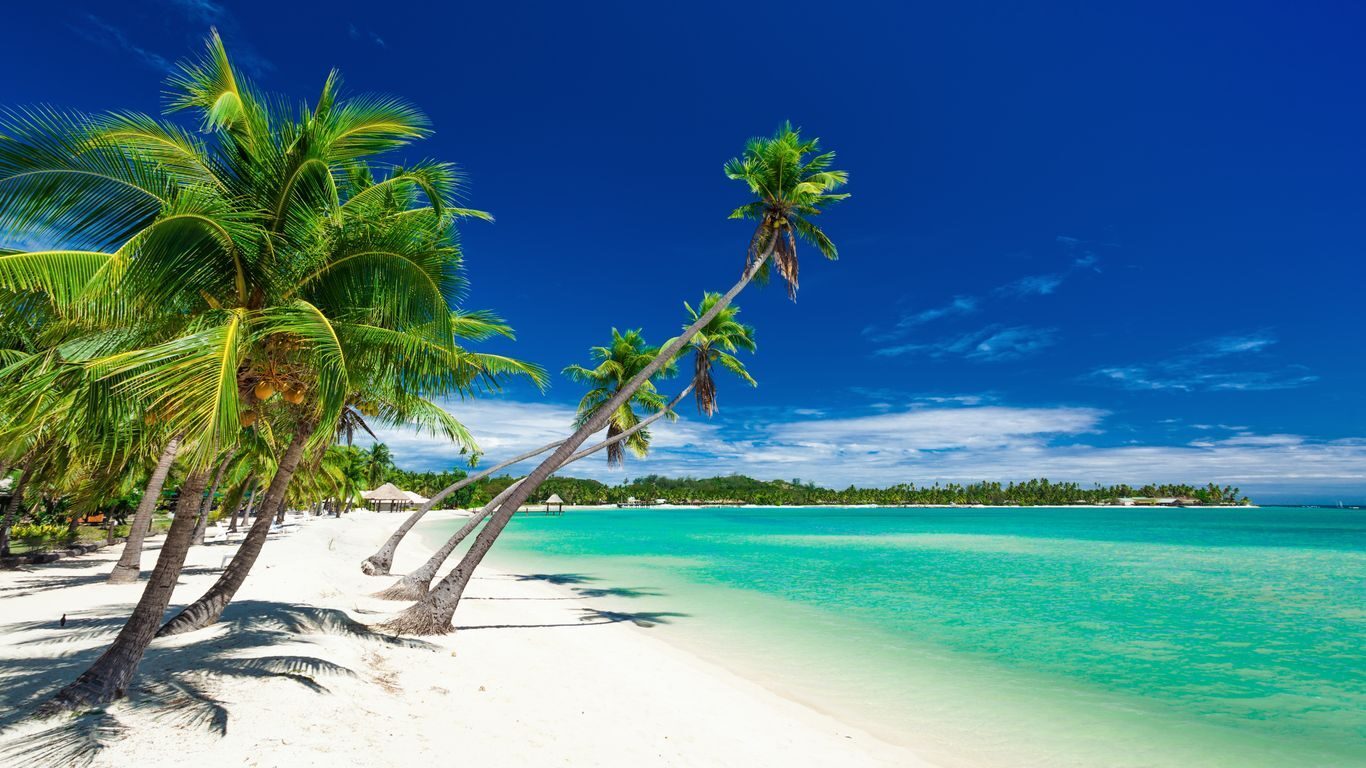
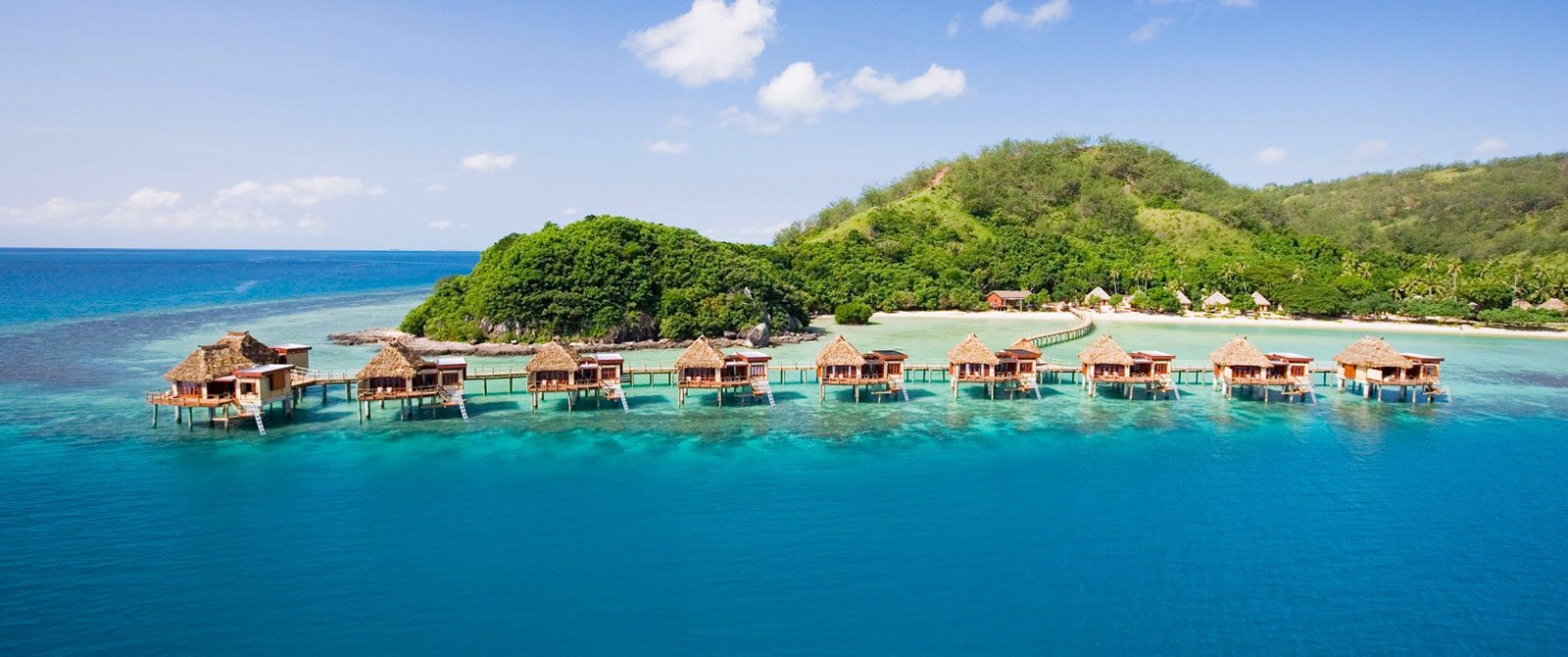
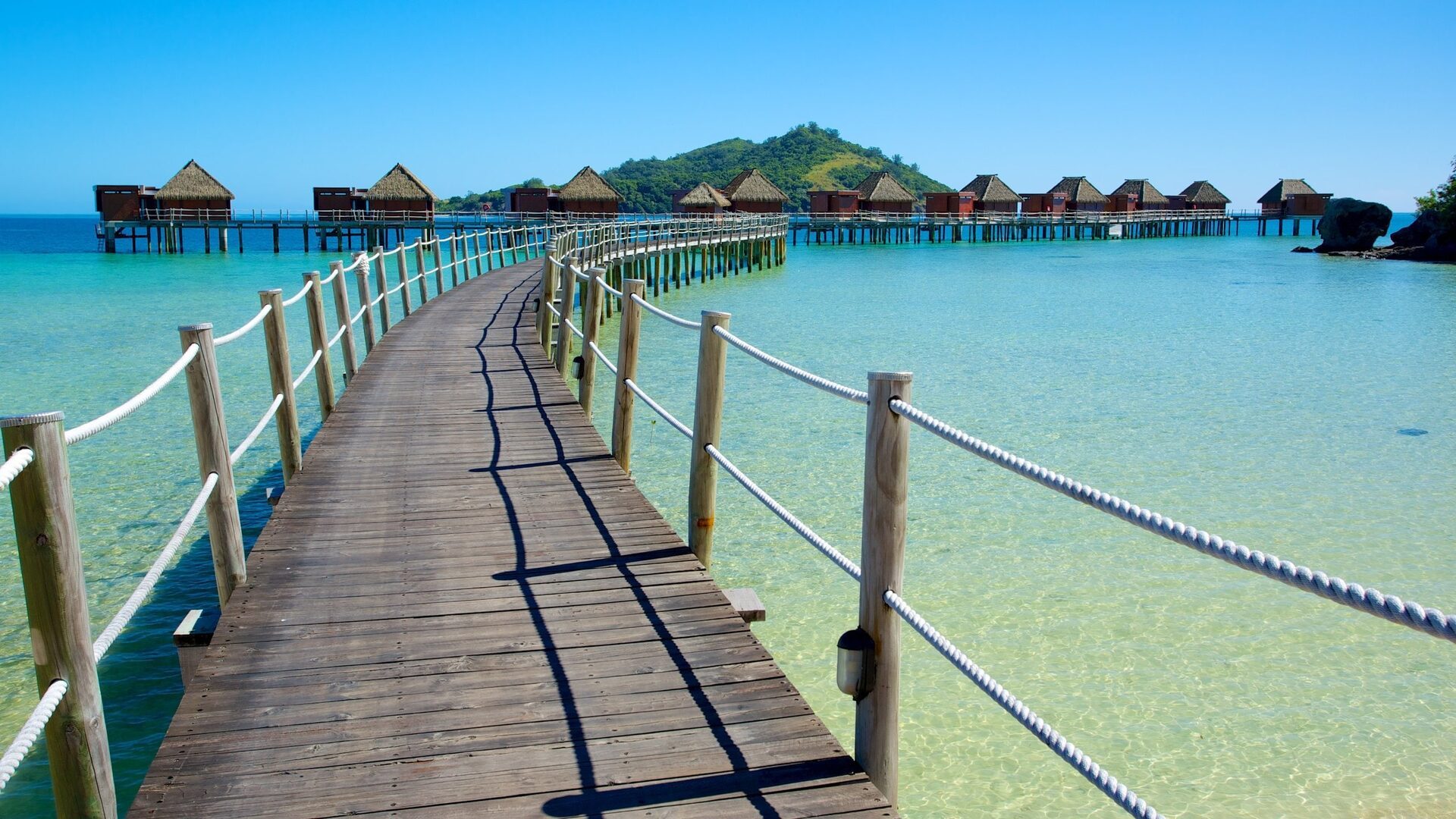
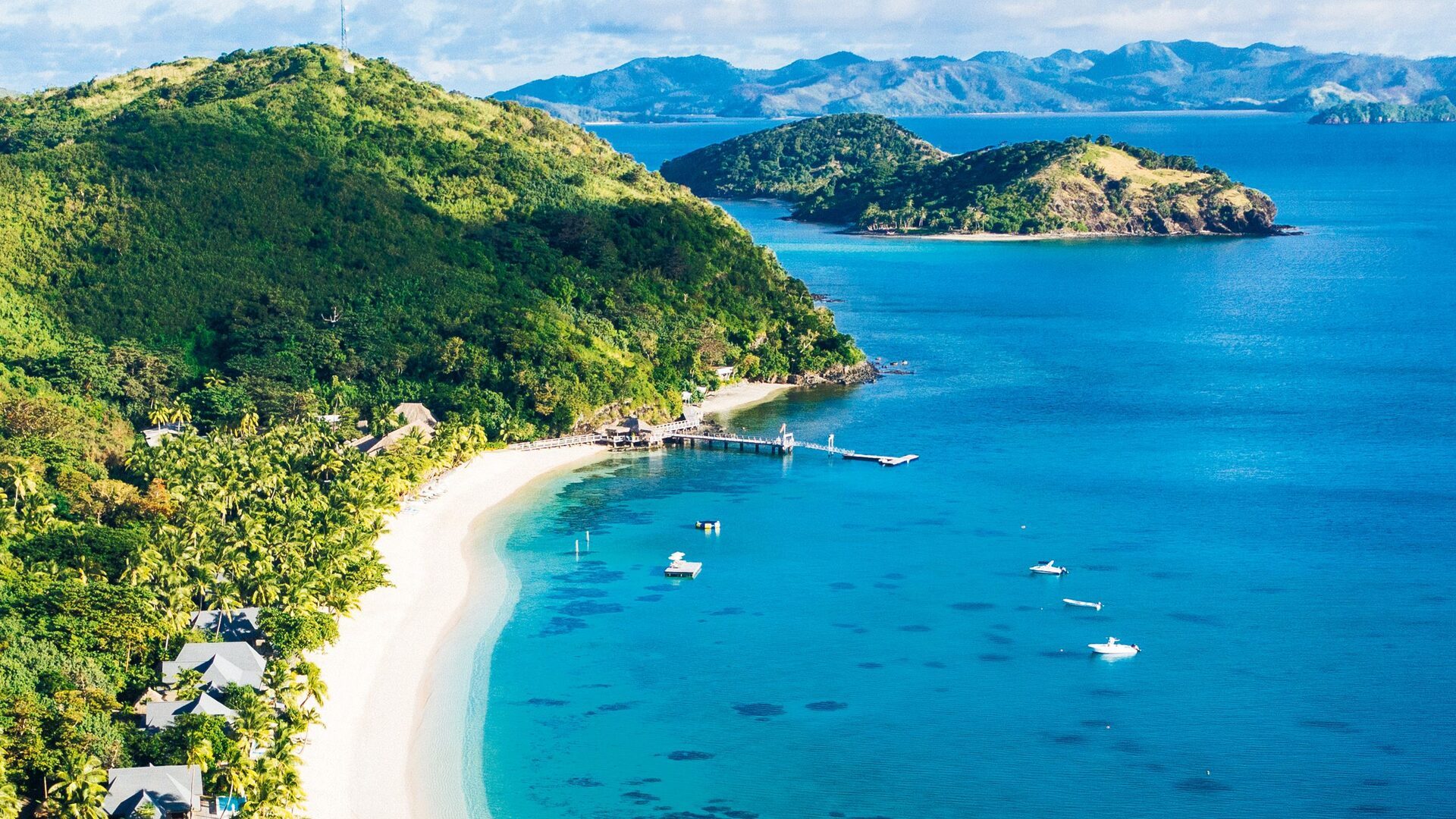
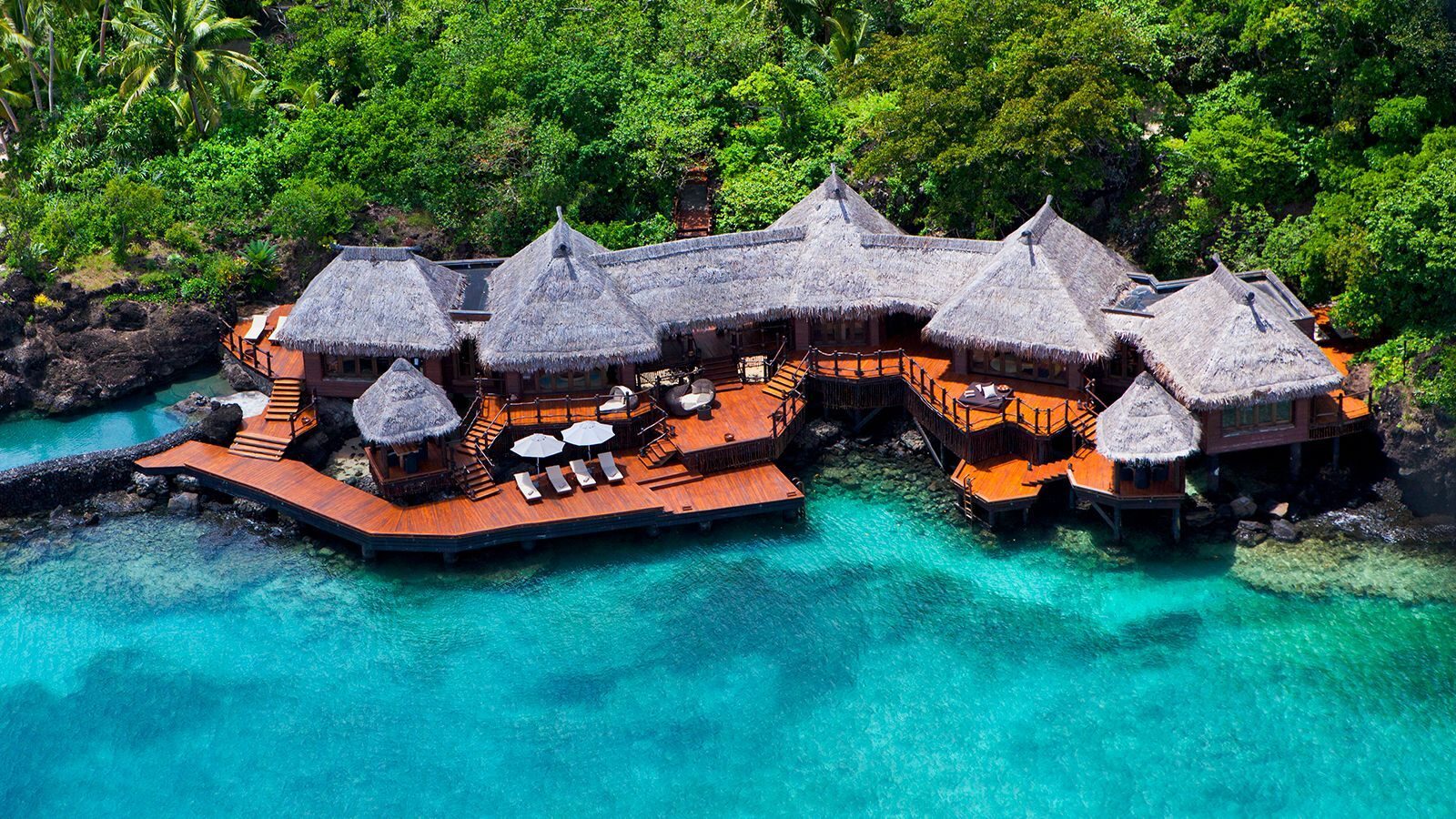
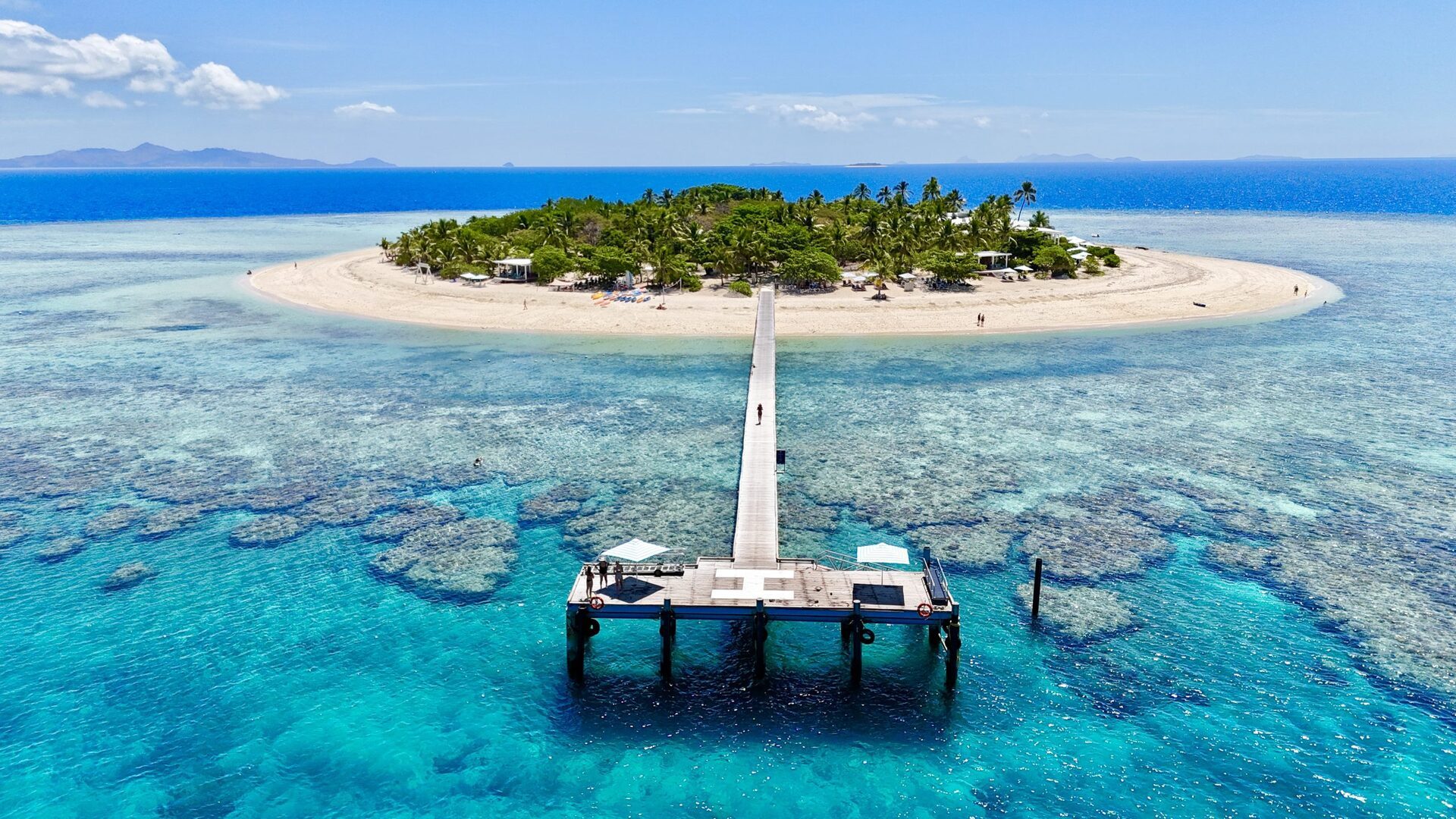
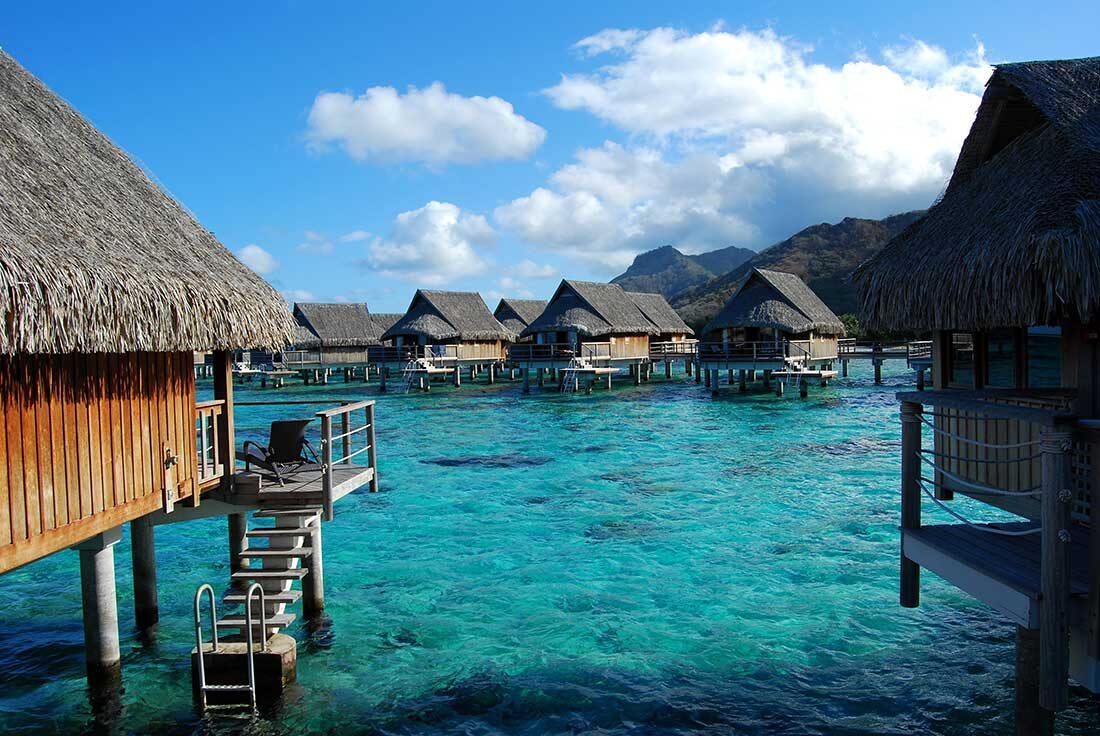
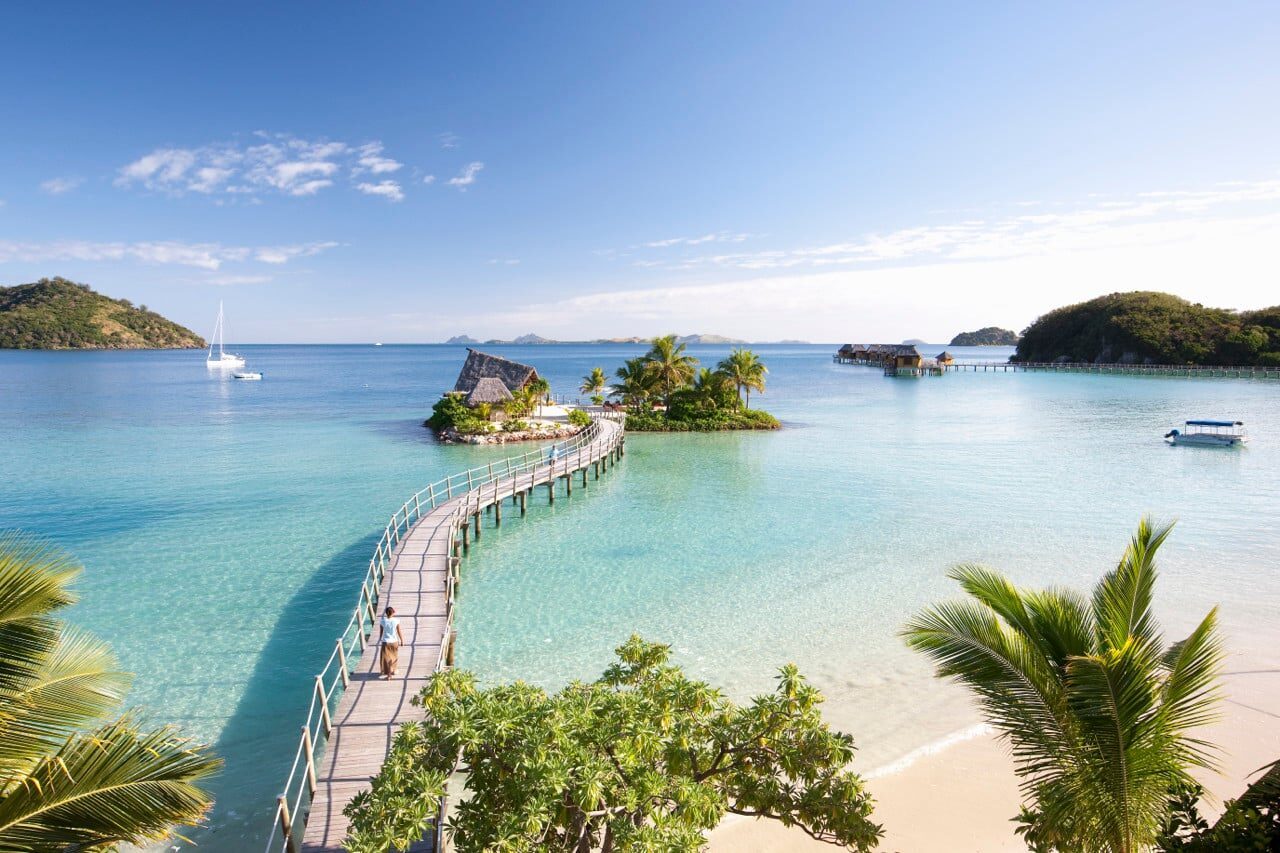
American citizens can visit Fiji visa-free for up to 120 days. Fiji is the South Pacific's most accessible paradise for Americans, with direct Fiji Airways flights from Los Angeles and San Francisco to Nadi. The Fiji islands offer extraordinary coral diving, luxury overwater bungalows, secluded island resorts, and a uniquely warm and welcoming culture.
Great news! United States passport holders can enter Fiji without a visa for tourism or business purposes. You can stay up to 120 days.
No visa required for US passport holders visiting Fiji for up to 120 days. On arrival at Nadi International Airport (NAN), you receive a tourist entry permit for 4 months (120 days). Ensure your US passport has at least 6 months validity from the date of travel. At Fijian immigration, you will be asked for a return or onward ticket and proof of accommodation. Note that dress standards apply when visiting local villages: cover shoulders and knees (bring a sulu/sarong).
Entry Requirements
Passport Validity
6 months beyond date of entry
Blank Pages
1 blank page required
Multiple Entry
Allowed
Work Permitted
No - requires work visa
Entry Conditions
Passport valid for at least 6 months beyond intended stay. Proof of return/onward travel. Proof of sufficient funds may be requested.
Overstaying may result in fines, detention, and deportation with potential entry ban.
Required Documents
Valid US Passport
Must be valid for at least 3-6 months beyond your planned departure date (varies by country)
Valid US passport (minimum 6 months validity)
Return or Onward Ticket
Proof of departure from the country, such as a return flight or onward travel booking
Return or onward flight ticket
Proof of Accommodation Recommended
Hotel reservation, Airbnb booking, or address where you will be staying
Proof of accommodation Recommended
Proof of Sufficient Funds Recommended
Credit cards, bank statements, or cash to cover expenses during your stay
Travel Insurance Recommended
Recommended for all international travel covering medical emergencies
Travel Essentials
Health & Safety
Safety Rating
Vaccinations
Hepatitis A and B, typhoid recommended. Dengue fever is present - use mosquito repellent.
Tap Water
Bottled water recommended
Safety Tips
Fiji is generally very safe for tourists. Petty theft can occur in cities - use hotel safes and don't leave valuables unattended on beaches. Resort islands are extremely secure. Follow ocean safety warnings and be aware of strong currents.
Money & Costs
Currency
FJ$ Fijian Dollar (FJD)
Daily Budget (USD)
Budget: $60 · Mid: $200 · Luxury: $800+
Tipping
Tipping is not customary in Fiji and can even be considered offensive in villages. In resort settings, tips for exceptional service are appreciated but not expected.
Practical Info
Power
Type I, 240V
Driving
Left side
Emergency
911 (all emergencies), 917 (police)
Getting There
Main Airports
Nadi (NAN) · Suva (SUV)
Culture & Travel Tips
Best Time to Visit
May to October offers the driest weather and comfortable temperatures averaging 25°C. This is peak season with higher prices. November to April is wetter and warmer but offers excellent surfing conditions and fewer tourists.
Cultural Notes
Fijian culture centers on community and respect. When visiting villages, dress modestly (cover shoulders and knees), remove hats and sunglasses, and bring a sevusevu (gift of kava root). Accept kava when offered - it's a sign of welcome. Sundays are observed quietly.
Insider Tips
Fiji operates on "Fiji time" - relax and go with the flow. Book inter-island transfers in advance, especially for remote resorts. Bring reef-safe sunscreen to protect coral. Cash is preferred on outer islands - bring FJD from the mainland.
Current Travel Situation
United States to Fiji: What You Need to Know
Fiji has maintained generous visa-free access for American citizens, and the country's tourism industry is deeply oriented toward the American market. Fiji is an archipelago of 333 islands located approximately 3,150 km northeast of Australia in the South Pacific Ocean. The main islands are Viti Levu (home to Nadi, the main international airport) and Vanua Levu (Fiji's second island). Fiji became independent from Britain in 1970 and maintains strong ties with Australia, New Zealand, and the United States. For Americans, Fiji offers the combination of South Pacific island beauty, excellent English language, first-world resort infrastructure, and relatively convenient direct flights; a 10-hour flight from Los Angeles.
How to Get There
Fiji Airways (Fiji's national carrier, Star Alliance member) operates direct flights from Los Angeles (LAX) and San Francisco (SFO) to Nadi (NAN). Flight time is approximately 10 hours from Los Angeles. Fiji Airways also connects via Sydney, Auckland, and Honolulu. From Nadi, inter-island transport continues by small plane (Pacific Island Air), fast catamaran (Yasawa Flyer and South Sea Cruises to the Yasawa and Mamanuca island groups), or helicopter.
Money & Banking
Fiji uses the Fijian dollar (FJD). Fiji ranges from budget backpacker to ultra-luxury: basic beachside bungalows on the Yasawa Islands cost FJD 100-200 ($45-90 USD) per night (often including meals). Luxury overwater bungalow resorts (the Fijian specialty) cost $500-2000+ per night. Mid-range resort accommodation on the main island (Viti Levu) costs $200-400 USD per night including meals. Kava (the traditional Fijian ceremonial drink made from ground pepper root) is central to Fijian culture; it is always offered at village visits.
Practical Tips
Nadi area (Viti Levu main island): Garden of the Sleeping Giant (orchid garden), Nausori Highlands (waterfall hikes), Sabeto Mud Pools and Hot Springs. Yasawa Islands: a chain of 20 remote volcanic islands north of Nadi with extraordinary beaches, reachable by the Yasawa Flyer catamaran (1-12 hours depending on island). Mamanuca Islands (closest to Nadi): Cloud 9 floating platform, Mana Island, and Castaway Island (featured in the Tom Hanks film "Cast Away," actually called Monuriki). Coral Coast (south Viti Levu): Sigatoka Sand Dunes, Pacific Harbour (shark diving in the Beqa Lagoon), and the Kula Eco Park. Vanua Levu: Savusavu hot springs and the world-class diving at the Great White Wall. Fiji has some of the world's best soft-coral diving, particularly at Beqa Lagoon (bull shark dives) and in the Somosomo Strait (Rainbow Reef).
Frequently Asked Questions
Do US citizens need a visa to visit Fiji?
No, US citizens can visit Fiji for up to 4 months without a visa for tourism purposes. This is one of the most generous visa-free allowances in the Pacific. You'll need a passport valid for at least 6 months beyond your stay, proof of return/onward travel, and may be asked to show sufficient funds. The friendly immigration process reflects Fiji's welcoming "Bula!" spirit toward visitors.
Do US citizens need a visa for Fiji?
No. Americans can visit Fiji visa-free for up to 120 days (4 months) on arrival. No visa application is needed. Bring a valid US passport and a return or onward ticket.
How do I get around Fiji and between islands?
Fiji consists of over 300 islands, with most tourism centered on Viti Levu (main island) and surrounding islands. From Nadi, island resorts are reached by small planes, helicopters, speedboats, or ferries depending on distance. Fiji Airways and smaller carriers fly to major island airports. The Yasawa Flyer catamaran serves the popular Yasawa Islands chain. On Viti Levu, buses are cheap and frequent along the main roads. Taxis are available in towns. Rental cars drive on the left. Many resorts arrange all transfers as part of packages.
Are there direct flights from the US to Fiji?
Yes. Fiji Airways operates direct flights from Los Angeles (LAX) and San Francisco (SFO) to Nadi (NAN). Flight time is approximately 10 hours from LA. This makes Fiji one of the most accessible South Pacific island destinations for Americans.
What is kava and what should I know about the ceremony?
Kava (called yaqona in Fiji) is a traditional drink made from the dried root of the kava plant, with mild sedative effects. Kava ceremonies are central to Fijian culture, marking welcomes, farewells, and important occasions. When visiting villages, bringing kava root as a gift (sevusevu) is customary and expected. During ceremonies, sit cross-legged, clap once before receiving the coconut shell bowl, drink in one gulp, then clap three times and say "Bula!" The drink tastes earthy and may numb your lips slightly. Participation shows respect and builds connection with hosts.
Which Fijian islands should I visit?
Most visitors arrive at Nadi (Viti Levu) for the main island's activities and resort strip. The Yasawa Islands (remote, beautiful beaches, budget-friendly) and Mamanuca Islands (closer to Nadi, luxury resorts) are the most popular island groups. For diving, Vanua Levu and Beqa Lagoon are world-class. Many visitors book a night at a Nadi resort then transfer to a Yasawa/Mamanuca island for most of the trip.
When is the best time to visit Fiji and should I worry about cyclones?
The best time to visit is during the dry season from May to October, offering pleasant temperatures, less humidity, and minimal rain. The wet season (November-April) brings higher humidity, more rain, and cyclone risk, but also fewer tourists and lower prices. Fiji's cyclone season runs November through April, though direct hits are relatively rare. Modern resorts have emergency procedures, and weather monitoring provides advance warning. Even in wet season, rain often falls briefly in the afternoon with plenty of sunshine. Many visitors enjoy wet season travel while monitoring forecasts.