Panama Visa RequirementsFor United States passport holders
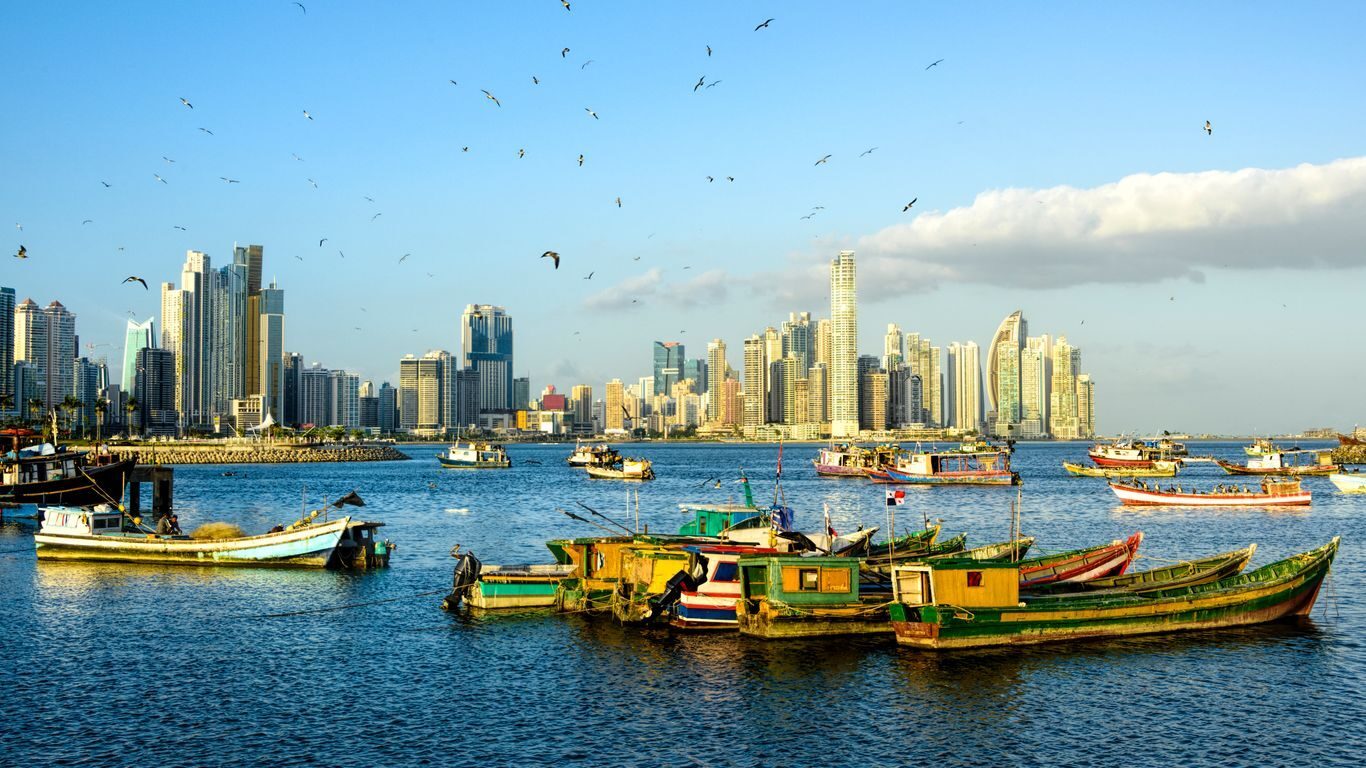
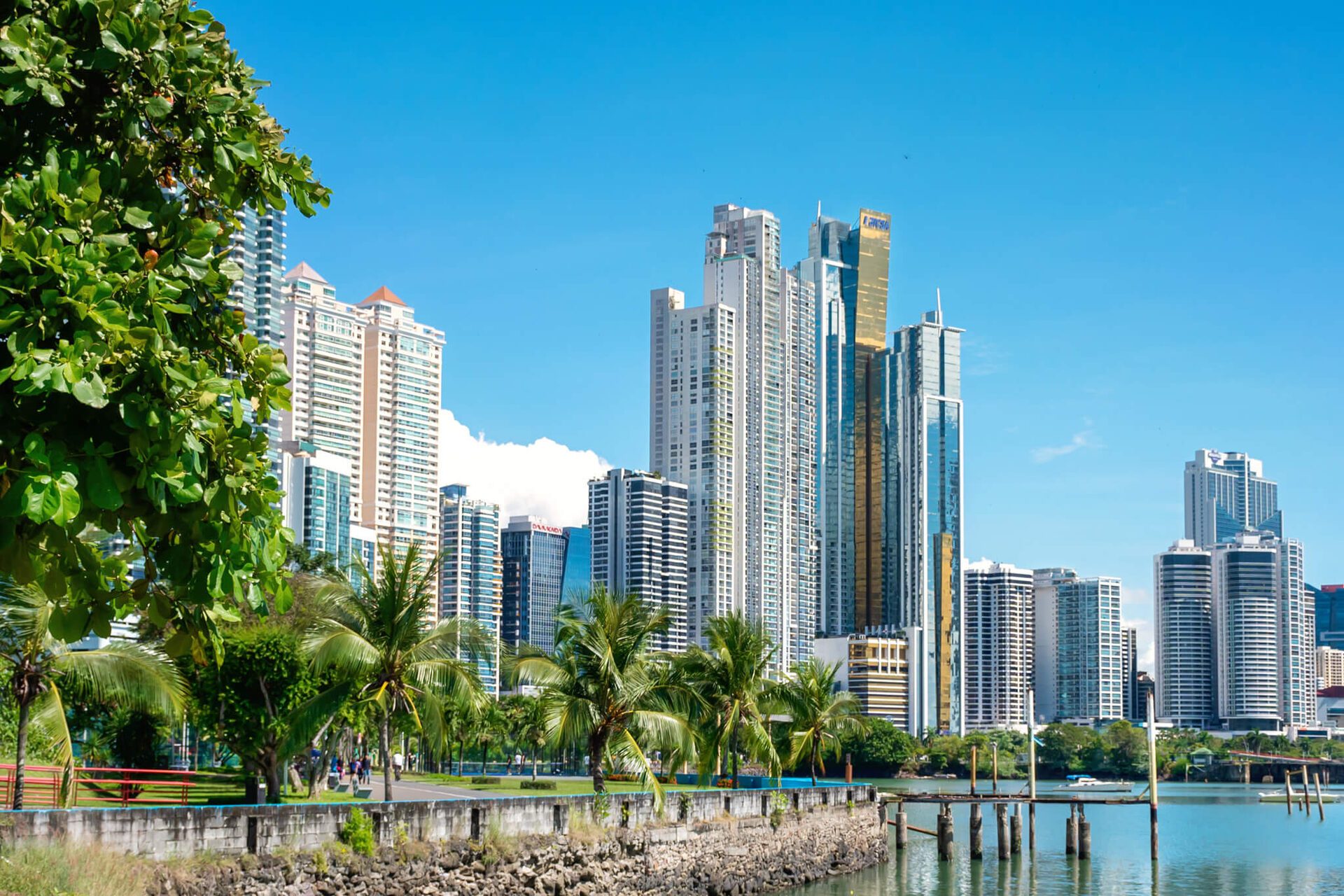
American citizens can visit Panama visa-free for up to 180 days. Panama uses the US dollar as its official currency, making it the easiest country in Latin America for American visitors from a financial perspective. Panama City offers first-world infrastructure, the famous Panama Canal, and a booming skyline that contrasts with indigenous jungle villages just hours away.
Great news! United States passport holders can enter Panama without a visa for tourism or business purposes. You can stay up to 180 days.
No visa required for US passport holders visiting Panama for up to 180 days. No visa, tourist card, or eVisa needed. Ensure your US passport is valid for at least 6 months from your entry date. At Panama City's Tocumen Airport (PTY), you may be asked for a return ticket and evidence of sufficient funds (approximately $500 or equivalent). Panama is one of the most welcoming countries in the Americas for American citizens.
Entry Requirements
Passport Validity
3 months beyond date of entry
Blank Pages
1 blank page required
Multiple Entry
Allowed
Work Permitted
No - requires work visa
Entry Conditions
Passport valid for at least 3 months beyond entry. Return/onward ticket required. May be asked to show proof of $500 or credit card.
Fines of approximately $50 per month overstayed. Deportation possible for extended overstays.
Required Documents
Valid US Passport
Must be valid for at least 3-6 months beyond your planned departure date (varies by country)
Valid US passport (minimum 6 months validity)
Return or Onward Ticket
Proof of departure from the country, such as a return flight or onward travel booking
Return or onward flight ticket Recommended
Proof of Accommodation Recommended
Hotel reservation, Airbnb booking, or address where you will be staying
Evidence of sufficient funds (approx. $500) Recommended
Proof of Sufficient Funds Recommended
Credit cards, bank statements, or cash to cover expenses during your stay
Travel Insurance Recommended
Recommended for all international travel covering medical emergencies
Travel Essentials
Health & Safety
Safety Rating
Vaccinations
Hepatitis A and B, Typhoid, and routine vaccinations. Malaria prophylaxis for certain rural areas.
Tap Water
Safe to drink
Safety Tips
Panama is one of Central America's safest countries. Panama City is modern and well-policed. Avoid the Darién Gap near Colombia. Standard urban precautions in certain neighborhoods.
Money & Costs
Currency
B/. Panamanian Balboa (PAB)
Daily Budget (USD)
Budget: $50 · Mid: $100 · Luxury: $250+
Tipping
Tipping 10-15% is customary at restaurants. Hotel porters and taxi drivers appreciate small tips.
Practical Info
Power
Type Type A/B, 120V, 60Hz
Driving
Right side
Emergency
911 (all emergencies)
Getting There
Main Airports
David (DAV) · Panama City (PTY)
Culture & Travel Tips
Best Time to Visit
Panama has a tropical climate with a dry season (December-April) and wet season (May-November). The dry season is ideal for most visits, with sunny skies perfect for beach time, Panama City exploration, and jungle trekking. The wet season brings daily afternoon thunderstorms that rarely last long; mornings are often clear. The Caribbean coast (Bocas del Toro, San Blas) receives rain year-round but peaks during different months than the Pacific side. The highlands around Boquete are cooler year-round with coffee harvest season (December-March) being particularly scenic. Panama City can be visited any time.
Cultural Notes
Panama is the crossroads of the Americas, shaped by the canal that dominates its economy and international significance. The country has historically attracted diverse populations - indigenous peoples, African descendants from both colonial slavery and canal construction, Chinese communities, and more recently international business and retiree migrants. Panama City skyline looks more Miami than Central America, with banking secrecy laws (now reformed under pressure) having driven development. The Guna, Embera, and other indigenous groups maintain traditional territories and self-governance, particularly in the San Blas (Guna Yala) archipelago. Catholicism predominates. Panamanians are generally warm and business-minded. The national dish, sancocho (chicken stew), reflects the melting pot culture.
Insider Tips
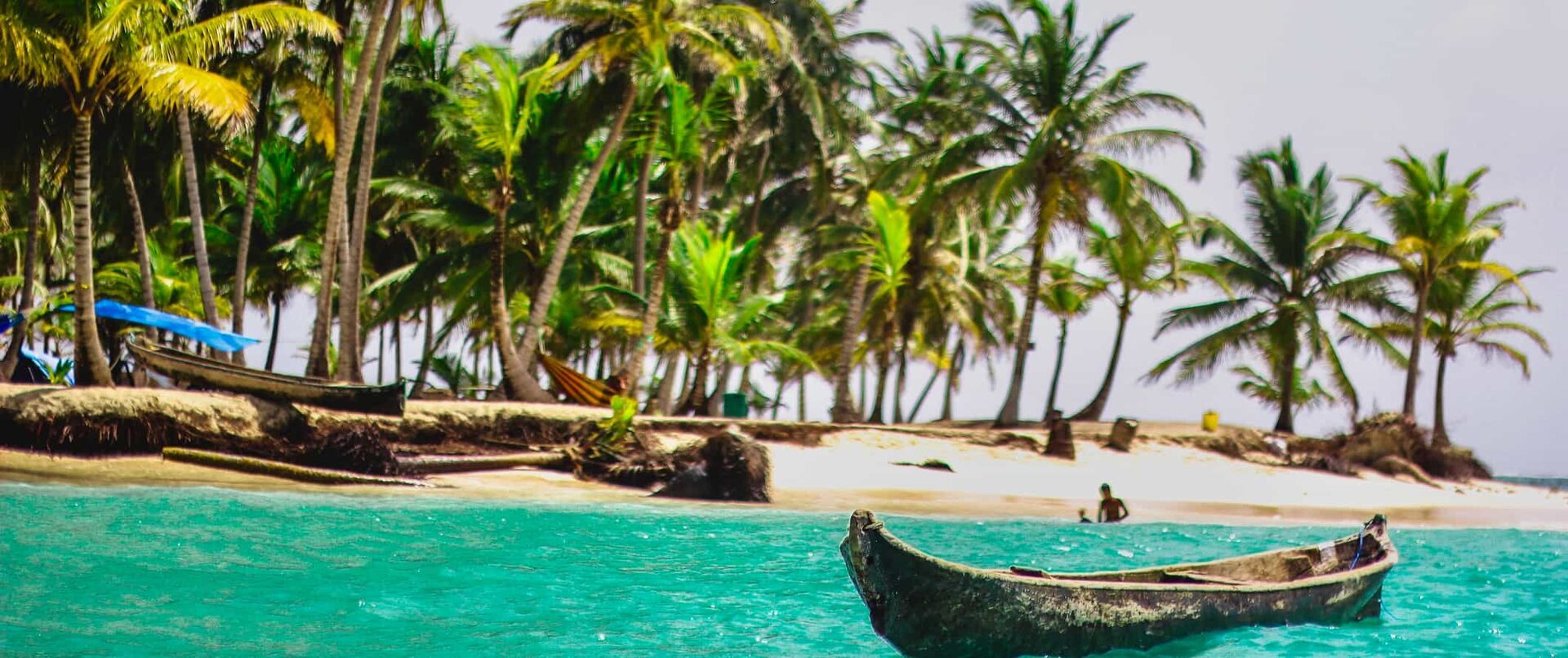
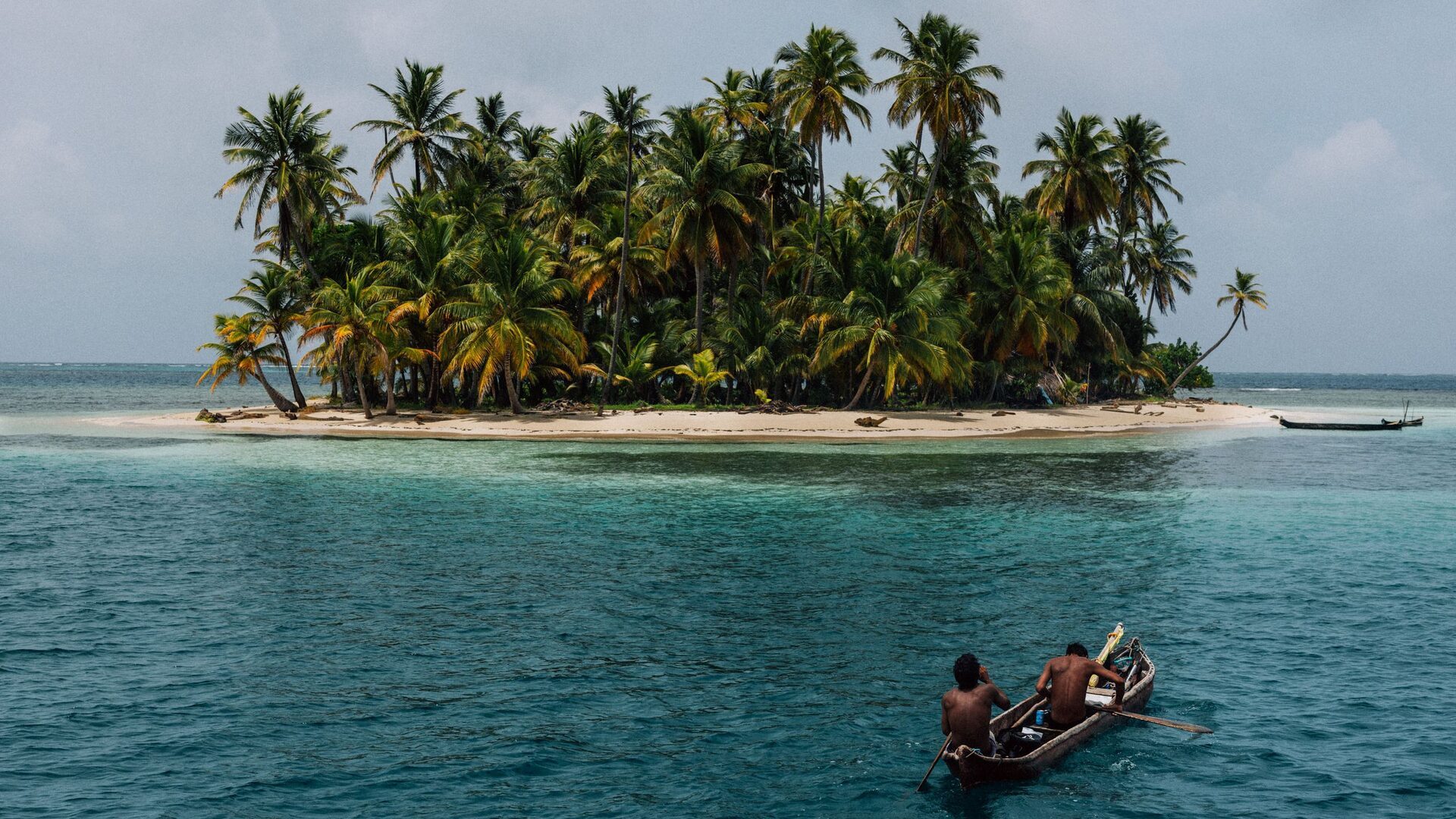
Panama is more than its famous canal - though the canal is genuinely impressive to watch in action, particularly the expanded locks at Agua Clara. Panama City combines modern banking hub with the historic Casco Viejo colonial quarter. Bocas del Toro offers Caribbean beaches, surfing, and party atmosphere on a budget. The San Blas Islands, controlled by the Guna indigenous people, provide pristine island-hopping experiences. Boquete is the highlands hub for coffee tours, hiking Volcan Baru, and wildlife spotting. The US dollar is the currency. Spanish is the main language; English is common in tourist areas and Panama City business district. Domestic flights reach most destinations quickly.
Current Travel Situation
United States to Panama: What You Need to Know
Panama has long maintained free access for American citizens, reflecting the deep and complex historical relationship between the two countries. The US effectively controlled the Panama Canal Zone until 1999 when Panama assumed full sovereignty over the canal. Panama adopted the US dollar as its currency in 1904 (alongside the Panamanian balboa, which is pegged 1:1 to the dollar), making it uniquely accessible for American visitors. Panama City is Latin America's most cosmopolitan and internationally connected city after Sao Paulo and Buenos Aires. Tocumen International Airport is the main hub for Copa Airlines (Star Alliance), offering convenient connections throughout Central and South America.
How to Get There
Copa Airlines operates a major hub at Panama City Tocumen (PTY), with connections throughout the Americas. American Airlines, United, Delta, Spirit, and Copa operate direct flights from Miami, New York, Houston, Atlanta, Los Angeles, and many other US cities. Flight time from Miami: approximately 2.5 hours, one of the shortest international flights from the US East Coast. Panama City is also a popular layover for Americans traveling to South America.
Money & Banking
Panama officially uses the US dollar (USD). All prices, ATMs, and transactions are in USD. Panama City is the most expensive city in Central America, with mid-range hotels costing $80-150 USD per night. Outside Panama City, prices drop significantly; the Boquete mountain town is much more affordable. Card payments are universally accepted in Panama City. Panama is effectively a cash-free destination in urban areas.
Practical Tips
Panama City: the Panama Canal at Miraflores Locks (observation deck and museum), the Casco Viejo historic quarter (UNESCO World Heritage site, beautifully restored Spanish colonial buildings with Panama City's modern skyline as a backdrop), the Amador Causeway, and the Biomuseo (designed by Frank Gehry). Day trips: the San Blas Islands (Kuna Yala territory, pristine Caribbean islands accessible by small plane or boat), the Darien Gap (the world's most famous roadless jungle, accessible only with organized tours, extremely dangerous without guides). Boquete: highland cloud forest town, excellent coffee, hiking in Baru Volcano National Park. Bocas del Toro: Caribbean beach archipelago on the Costa Rica border.
Frequently Asked Questions
Do US citizens need a visa to visit Panama?
No, US citizens can visit Panama for up to 180 days without a visa for tourism or business purposes. This is one of the most generous visa-free allowances in Central America. You'll need a passport valid for at least 3 months, proof of return/onward travel, and may be asked to show $500 in funds or a credit card. Panama uses the US dollar, making financial transactions straightforward for Americans.
Do US citizens need a visa for Panama?
No. Americans can visit Panama visa-free for up to 180 days. Panama uses the US dollar, so no currency exchange is needed. Just bring a valid US passport.
How do I visit the Panama Canal?
The best way to see the Panama Canal is at the Miraflores Visitor Center on the Pacific side, about 20 minutes from Panama City. The center has observation decks, a museum, and a restaurant overlooking the locks. Ship transits are most common in the morning and early afternoon. The larger ships passing through the expanded locks (opened 2016) use the Agua Clara Visitor Center on the Atlantic side. Partial transit tours let you actually travel through several locks on a boat, a memorable experience taking about 4-5 hours.
Does Panama use US dollars?
Yes. Panama officially uses the US dollar (USD) as legal tender alongside the Panamanian balboa (which is pegged 1:1 to USD). You will never need to exchange currency in Panama -- use USD bills and cards as you would in the US.
What are the best beaches in Panama?
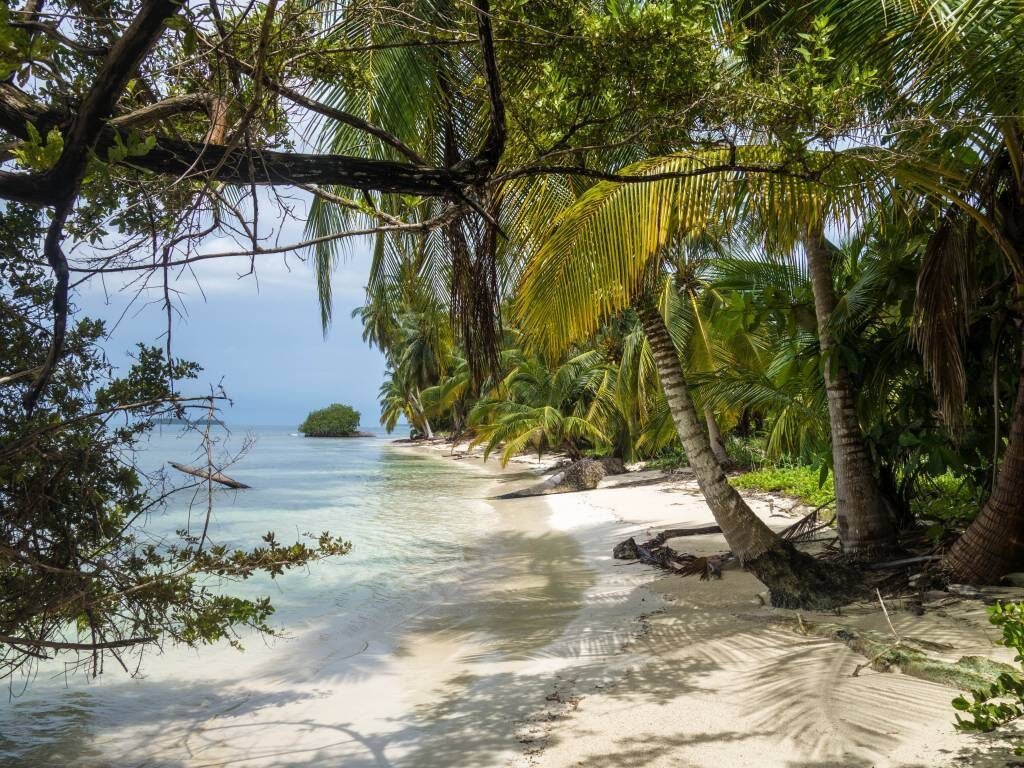
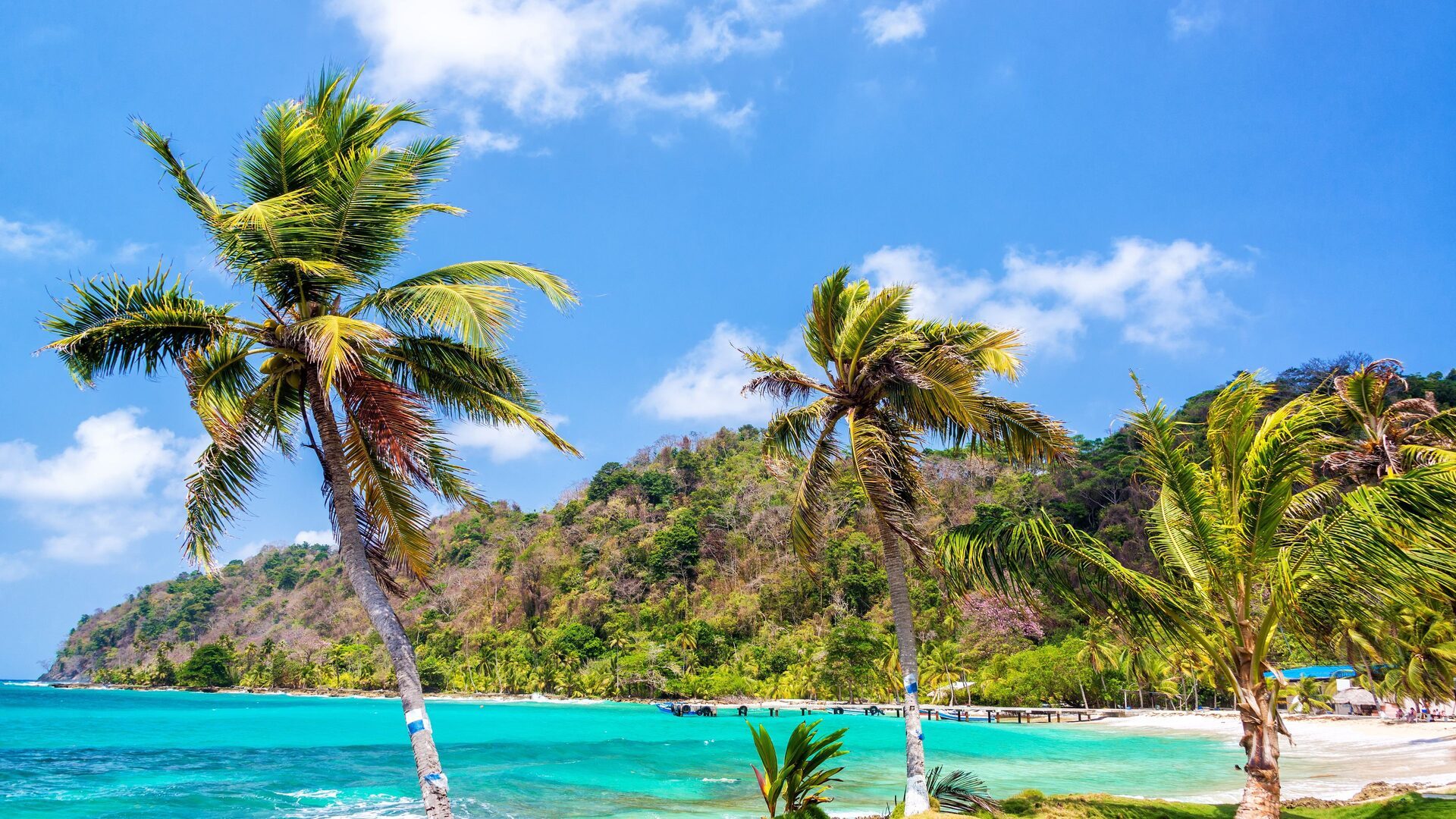
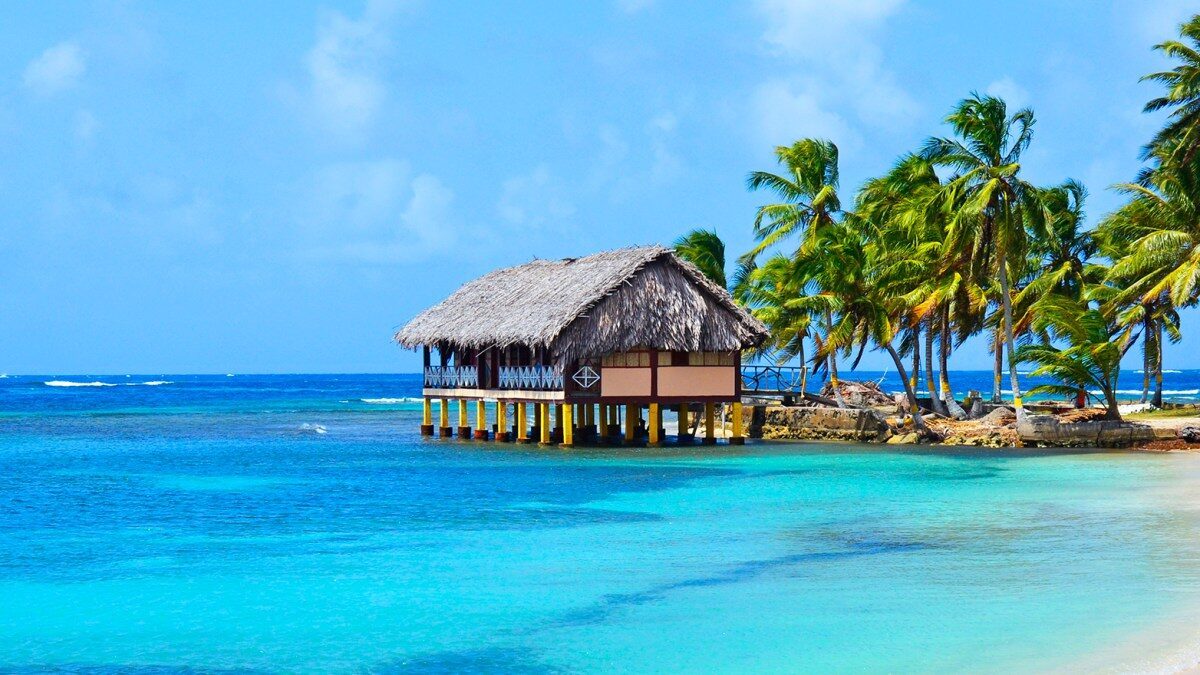
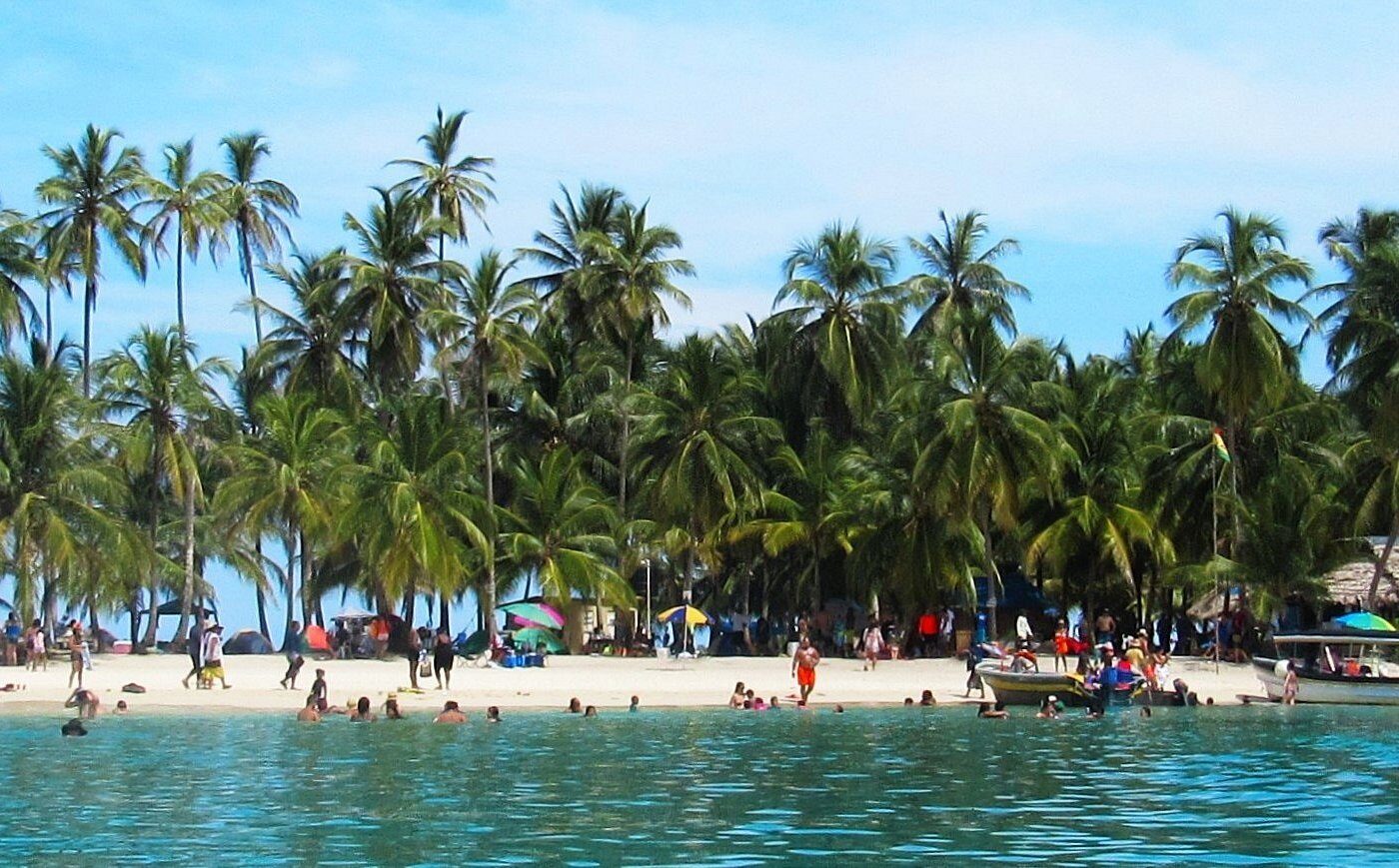
Panama offers Caribbean and Pacific beaches. Bocas del Toro, a Caribbean archipelago, has laid-back island vibes with clear waters, beaches like Red Frog Beach and Starfish Beach, and good surfing. The San Blas Islands (Guna Yala), controlled by the indigenous Guna people, offer pristine, undeveloped beaches and island-hopping but require permits and are best visited with licensed operators. Pacific beaches near Panama City include Playa Blanca and Santa Clara (1.5-2 hour drive). The Azuero Peninsula has authentic Panamanian culture and Playa Venao for surfing.
What is the Panama Canal and how do I visit?
The Panama Canal is the 80-km waterway connecting the Atlantic and Pacific oceans, one of the world's greatest engineering achievements. Visitors can watch ships pass through the Miraflores Locks from an observation deck (open daily, $20 admission). The canal museum explains its history and engineering. Book a partial canal transit boat tour for a more immersive experience.
Is Panama City safe?
Panama City is one of the safest major cities in Latin America. The banking district, Casco Viejo (old town), and tourist areas are well-policed and generally safe. Normal urban precautions apply: don't flash valuables, use registered taxis or Uber, and be aware of surroundings. Avoid El Chorrillo and parts of Curundú neighborhoods. The area around Casco Viejo has gentrified significantly but some adjacent streets remain rough. Violent crime against tourists is rare. Panama's stability comes from its international business hub status and Canal revenues.