Peru Visa RequirementsFor United States passport holders
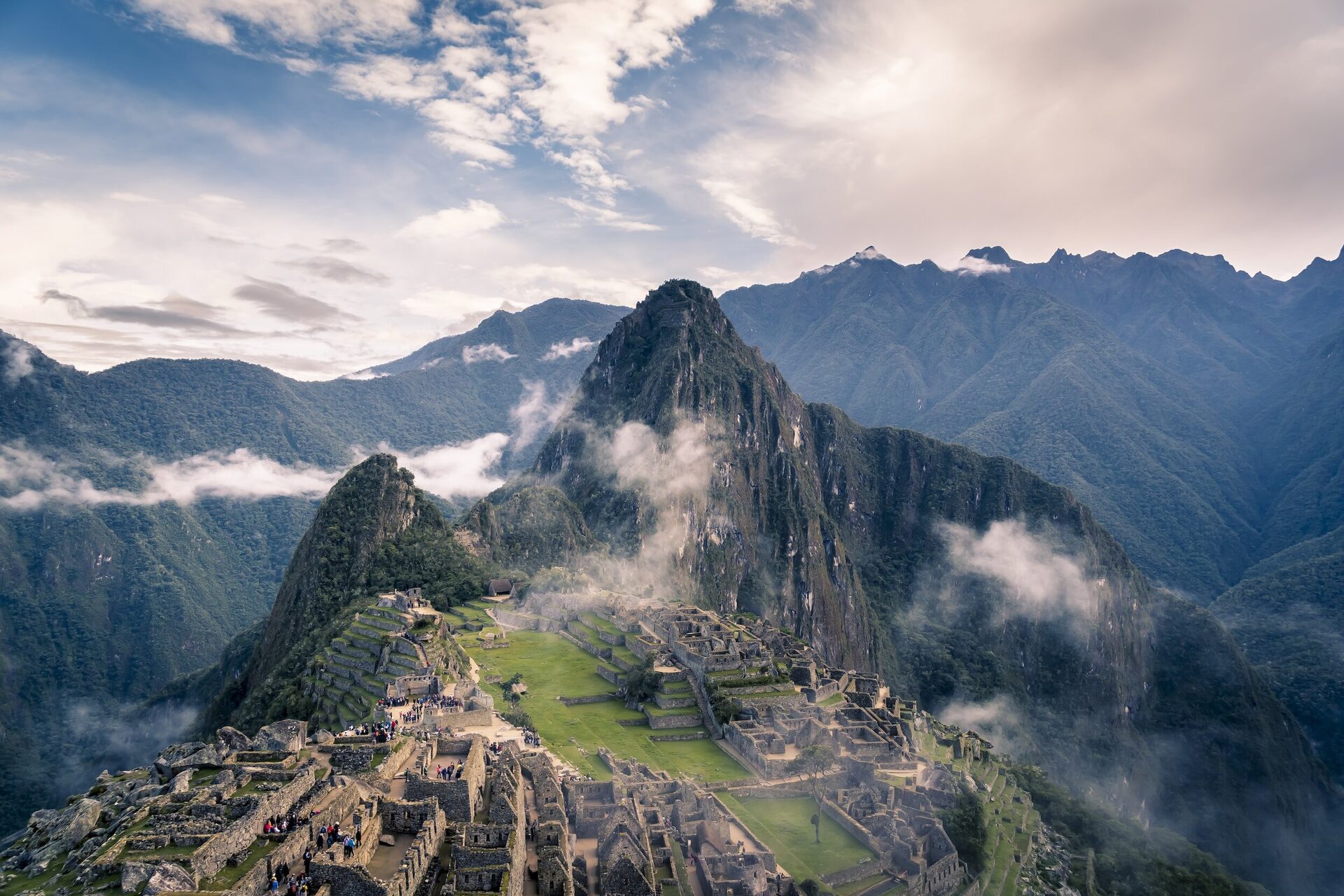
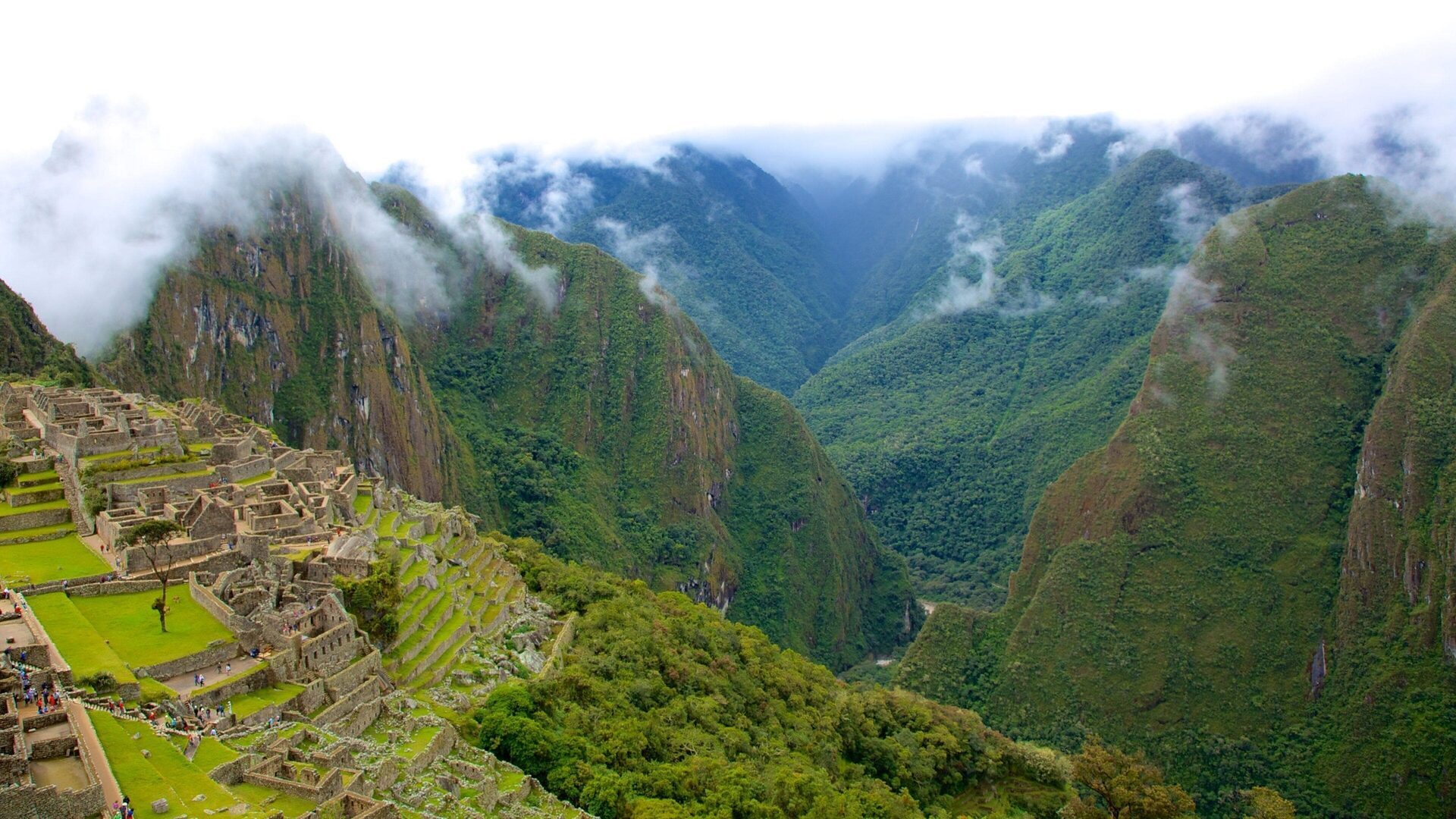
American citizens can visit Peru visa-free for up to 183 days (approximately 6 months). Peru is South America's most archaeologically rich destination, home to Machu Picchu (one of the world's Seven Wonders), the Inca Trail, the Amazon rainforest, Lake Titicaca (the world's highest navigable lake), and Lima's world-renowned gastronomy scene.
Great news! United States passport holders can enter Peru without a visa for tourism or business purposes. You can stay up to 183 days.
No visa required for US passport holders visiting Peru for up to 183 days (6 months). On arrival at Lima Jorge Chavez International Airport (LIM) or Cusco (CUZ), you receive an entry stamp. Ensure your US passport has at least 6 months validity. At immigration, you may be asked for a return ticket, accommodation booking, and evidence of sufficient funds. Book Machu Picchu entrance tickets (machu-picchu.gob.pe) well in advance; a limited number are issued per day and they sell out months ahead. Altitude sickness (soroche) is a concern in Cusco (3,400m/11,150ft), so spend 1-2 days acclimatizing before any strenuous hiking.
Entry Requirements
Passport Validity
6 months beyond date of entry
Blank Pages
2 blank pages required
Multiple Entry
Allowed
Work Permitted
No - requires work visa
Entry Conditions
Valid passport for 6+ months. Proof of accommodation and return ticket may be requested.
Required Documents
Valid US Passport
Must be valid for at least 3-6 months beyond your planned departure date (varies by country)
Valid US passport (minimum 6 months validity)
Return or Onward Ticket
Proof of departure from the country, such as a return flight or onward travel booking
Return or onward flight ticket Recommended
Proof of Accommodation Recommended
Hotel reservation, Airbnb booking, or address where you will be staying
Proof of accommodation Recommended
Proof of Sufficient Funds Recommended
Credit cards, bank statements, or cash to cover expenses during your stay
Travel Insurance Recommended
Recommended for all international travel covering medical emergencies
Travel Essentials
Health & Safety
Safety Rating
Vaccinations
Hepatitis A, Typhoid, COVID-19. Yellow fever for Amazon. Altitude medicine for Cusco.
Tap Water
Bottled water recommended
Safety Tips
Exercise increased caution in Peru. Petty crime, including pickpocketing and bag slashing, occurs in tourist areas and on public transport. Use registered taxis or apps - never hail cabs on the street. Express kidnappings (being forced to withdraw cash) occur - use ATMs inside banks during business hours. Avoid coca-growing regions.
Money & Costs
Currency
S/ Peruvian Sol (PEN)
Daily Budget (USD)
Budget: $40 · Mid: $80 · Luxury: $200+
Cards & ATMs
Cards accepted in tourist areas. Cash essential in markets and smaller towns.
Tipping
Tipping is appreciated in Peru. In restaurants, 10% is standard unless service is included. Tour guides typically receive $10-20 USD per day, porters on treks $5-10 per day. Hotel staff appreciate S/5-10. Tipping in soles is preferred. Round up taxi fares.
Practical Info
Power
Type A, B, C, 220V, 60Hz
Driving
Right side
Emergency
Emergency: 105 (Police), 116 (Fire), 117 (Ambulance)
Tourist Police: 0800-22221
Mobile/SIM
Buy a SIM card from Claro, Movistar, or Entel - airport booths or city stores. Tourist packages cost S/30-60 for 7-30 days with data. Registration with passport required. Coverage in Lima and Cusco is good, variable in remote areas and jungle. WhatsApp is the primary communication method.
Getting There
Main Airports
Cusco (CUZ) · Lima (LIM)
Airport Transfers
Lima Jorge Chávez: Airport Express Lima bus to Miraflores (S/25, 45 minutes). Taxi from official booth to Miraflores S/60-80 (45-60 minutes). Uber works from arrivals. Cusco Velasco Astete: Much closer to center - taxi S/15-25 (15 minutes). Many hotels offer free pickup.
Local Transport
Domestic flights with LATAM, Avianca, or Sky Peru connect major cities quickly. Cruz del Sur and Oltursa buses are premium long-distance options. Peru Rail and Inca Rail are the only ways to Aguas Calientes (Machu Picchu). In cities, use InDriver, Uber, or official taxis. Collectivos (shared minivans) serve many routes.
Culture & Travel Tips
Best Time to Visit
Peru has distinct wet and dry seasons that vary by region. The dry season (May-October) is ideal for Machu Picchu, the Sacred Valley, and trekking the Inca Trail - June to August are peak months with clear skies but also maximum crowds and prices. The Amazon is accessible year-round but February-May water levels allow deeper jungle exploration by boat. Lima and the coast are pleasant but gray May-November; December-April brings sunny beach weather. The Inca Trail closes for maintenance each February. For the best balance of weather, crowds, and prices, visit during shoulder months of April-May or September-October.
Cultural Notes
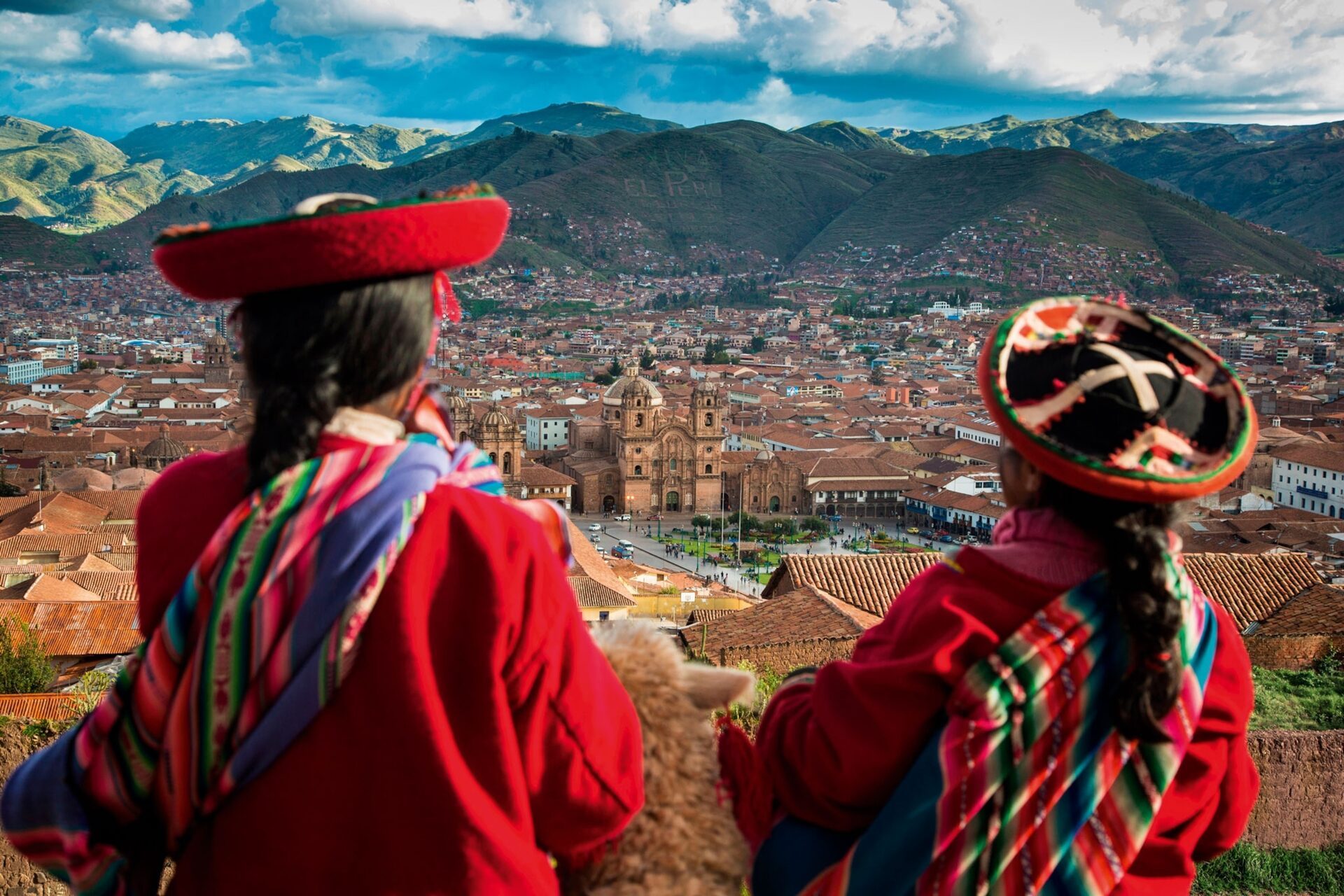
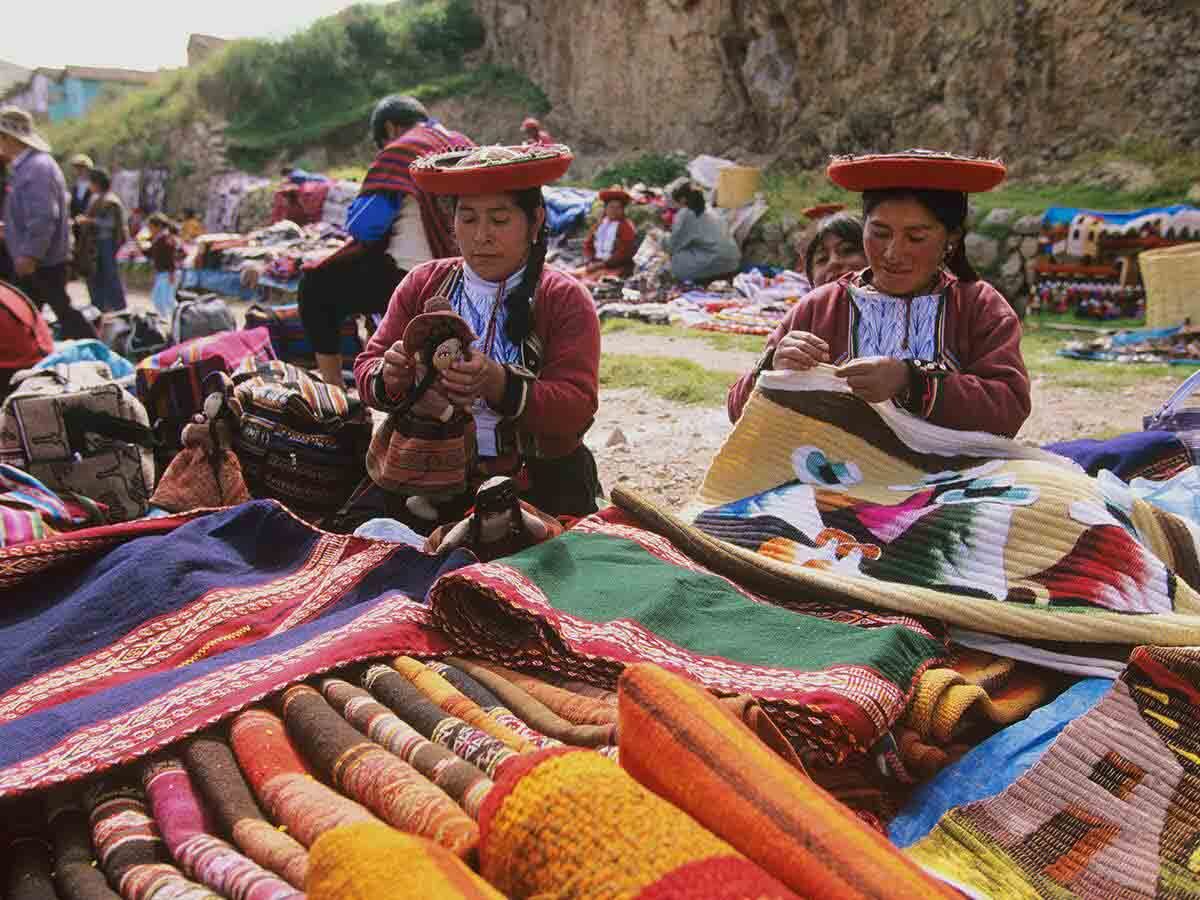
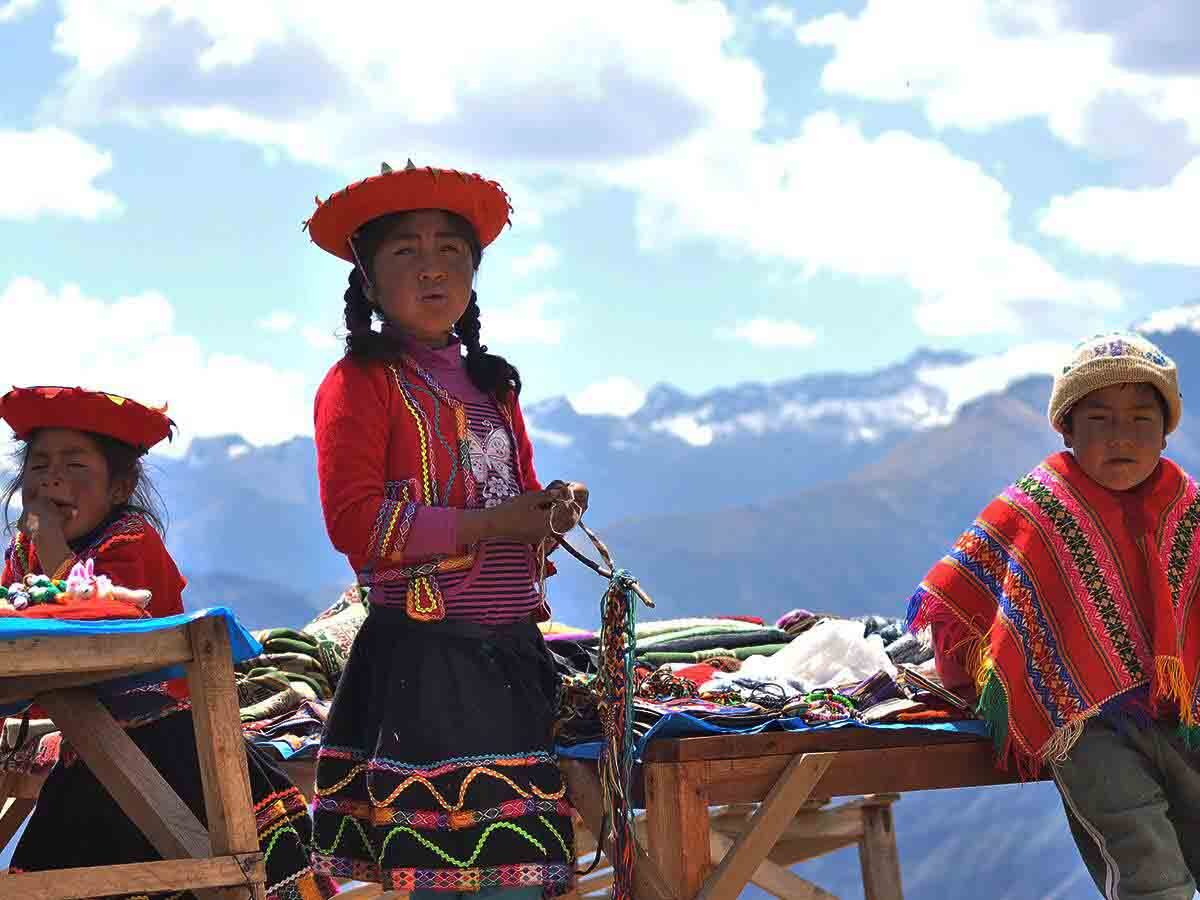
Peru is the heartland of Inca civilization, and indigenous culture remains vibrant alongside Spanish colonial heritage. Quechua is still spoken by millions, and traditional dress is common in the highlands. Peruvians are warm and proud of their heritage, particularly their cuisine - now recognized as one of the world great food traditions. Family and community ties are strong. Time is flexible (hora peruana), so expect delays. Religious festivals blend Catholic and pre-Columbian traditions, with colorful processions throughout the year. Coca leaves are legal, traditional, and help with altitude - chewing them or drinking coca tea is not the same as the drug. Bargaining is expected at markets.
Insider Tips
Peru delivers unforgettable experiences from Machu Picchu to the Amazon to world-renowned cuisine. Book Machu Picchu tickets and Inca Trail permits well in advance - they sell out months ahead, especially for June-August. Domestic flights are efficient; bus journeys are long but comfortable with Cruz del Sur and similar companies. Altitude in Cusco (3,400m) affects most visitors - take it easy the first day, drink coca tea, and stay hydrated. Peruvian cuisine is exceptional; try ceviche, lomo saltado, and causa. Tap water is not safe - drink bottled or treated water. Credit cards work in cities; carry cash (soles) for markets and smaller towns. Spanish helps but tourism infrastructure is good.
Dress Code
Casual dress fine. Layers for highlands. Rain gear for rainy season.
Current Travel Situation
United States to Peru: What You Need to Know
Peru has maintained visa-free access for American citizens for decades, reflecting strong bilateral ties and Peru's position as South America's most visited archaeological destination. Peru has undertaken extraordinary economic development since 2000, and Lima has emerged as one of the world's great culinary cities, with restaurants like Central, Maido, and Astrid y Gaston consistently ranked among the world's best. The country's extraordinary archaeological heritage spans pre-Inca cultures (Moche, Nazca, Chavin) and the magnificent Inca Empire, whose capital Cusco and masterpiece Machu Picchu attract millions of visitors annually. Peru also contains 60% of the Amazon basin within its territory.
How to Get There
American Airlines, LATAM, Delta, and JetBlue operate direct flights from the US to Lima (LIM). American flies from Miami (6 hours), Dallas, New York, and Los Angeles. LATAM serves Miami, New York, Los Angeles, and other US cities. From Lima, domestic flights (LATAM Peru, Sky Airline, Star Peru) connect to Cusco (1.5 hours), Arequipa, Iquitos (Amazon), and Puerto Maldonado (Amazon). Flight time from Miami to Lima: approximately 6 hours. From New York: 8.5 hours.
Money & Banking
Peru uses the Peruvian sol (PEN). Peru is affordable for American visitors: budget $50-90 USD per day for comfortable travel. Cusco has a wide range of accommodation from backpacker hostels ($15/night) to luxury hotels ($200+). Lima's best restaurants (a world-class dining experience) cost $30-80 USD per person. Peruvian street food (ceviche, anticuchos grilled heart skewers, picarones doughnuts, Papa a la Huancaina) is exceptional value at $3-8 USD per dish.
Practical Tips
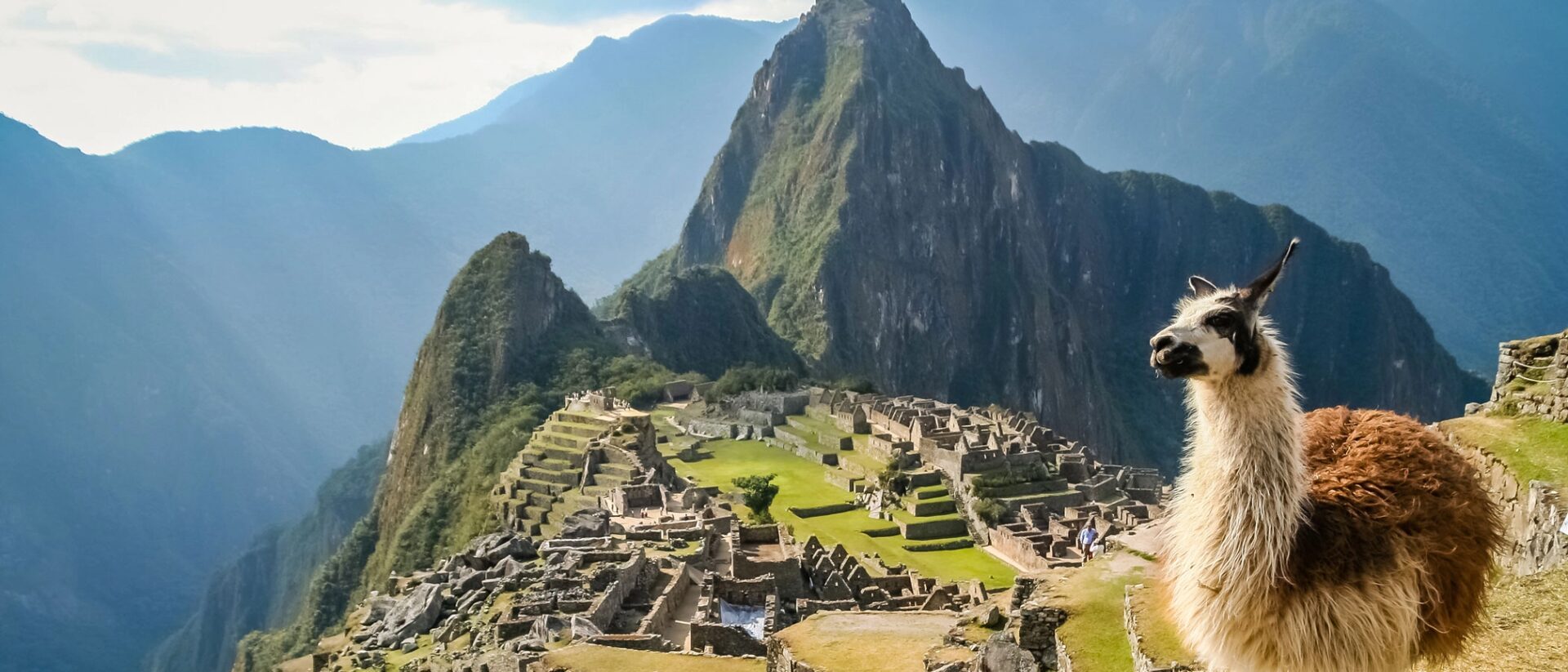
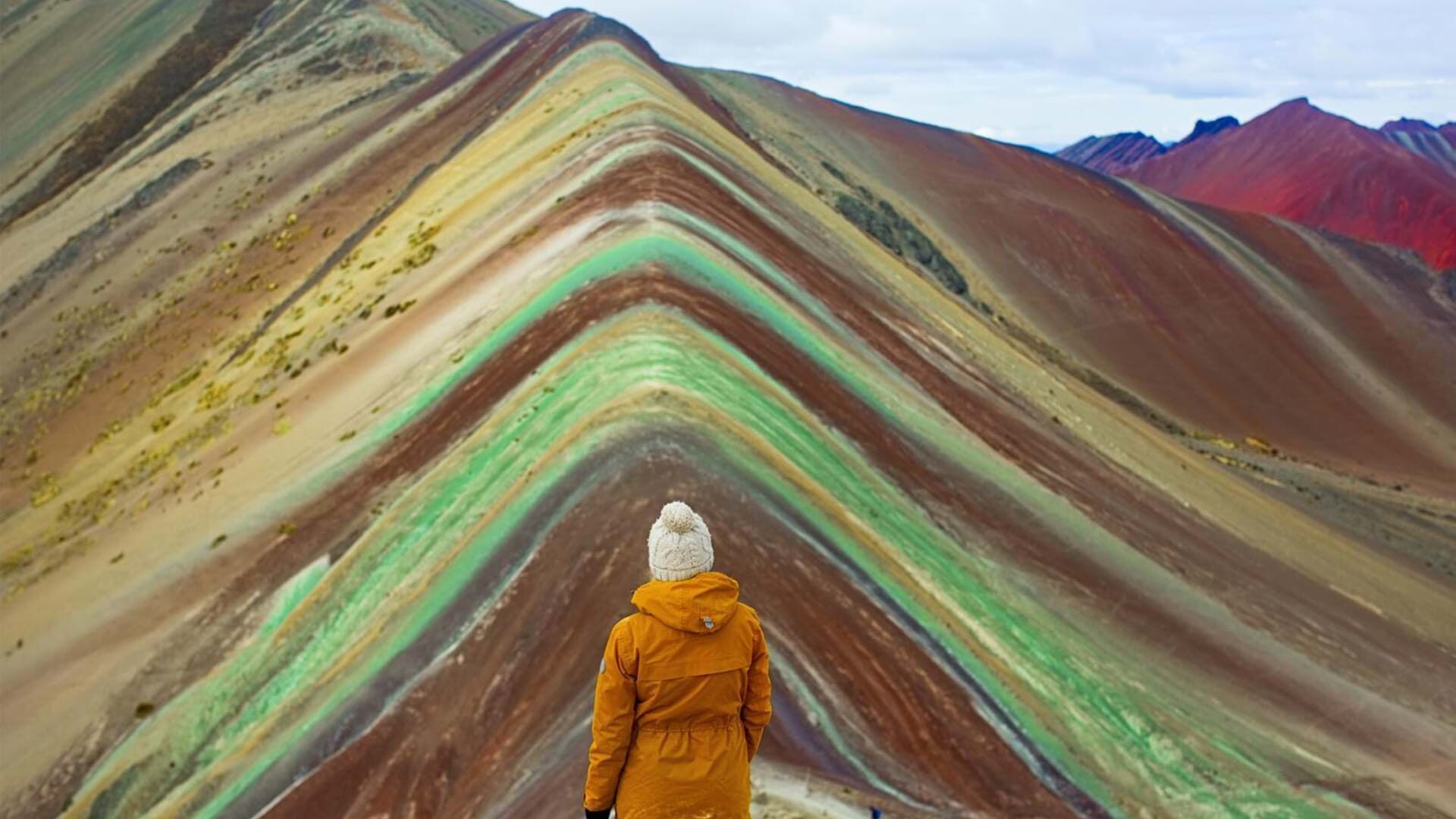
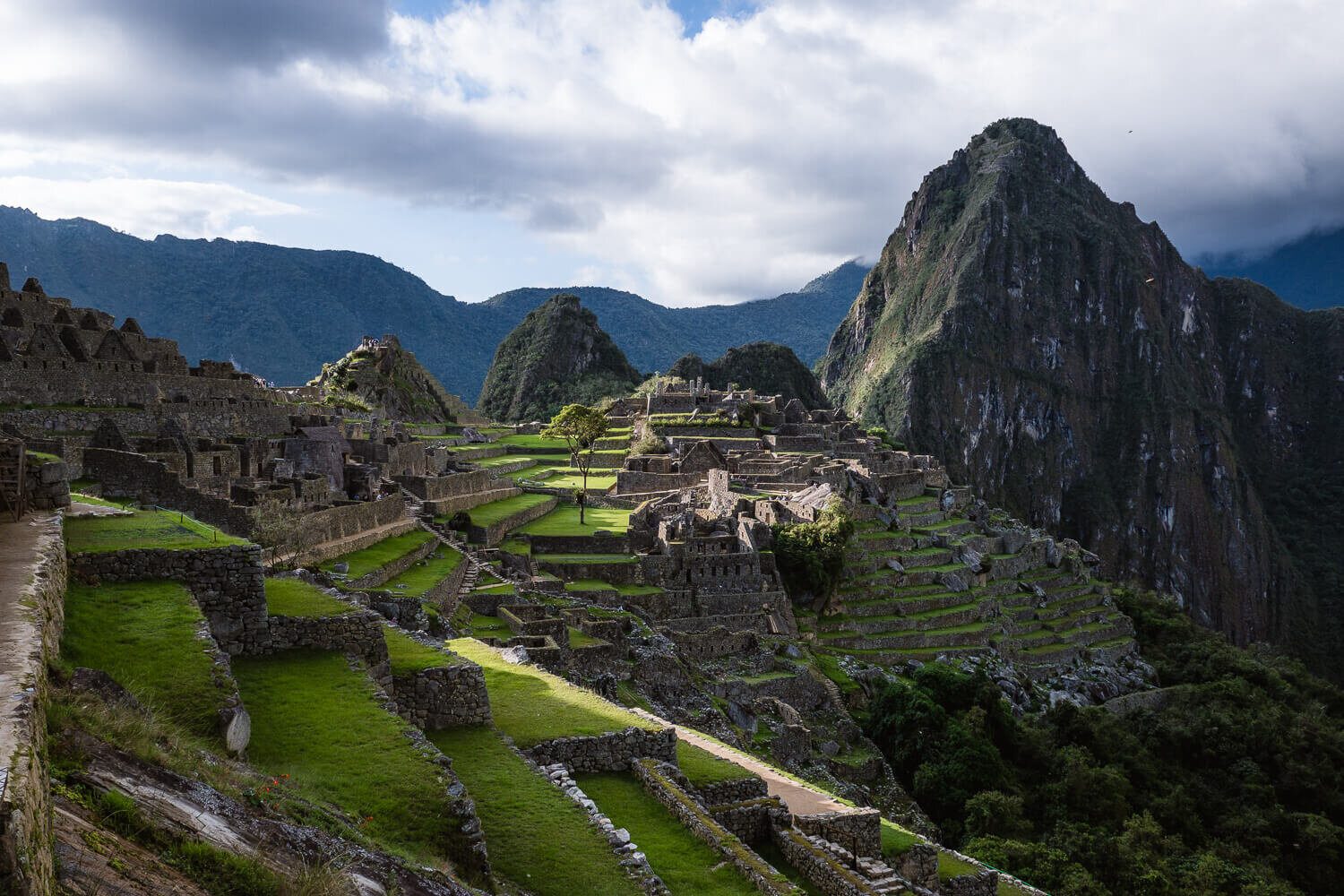
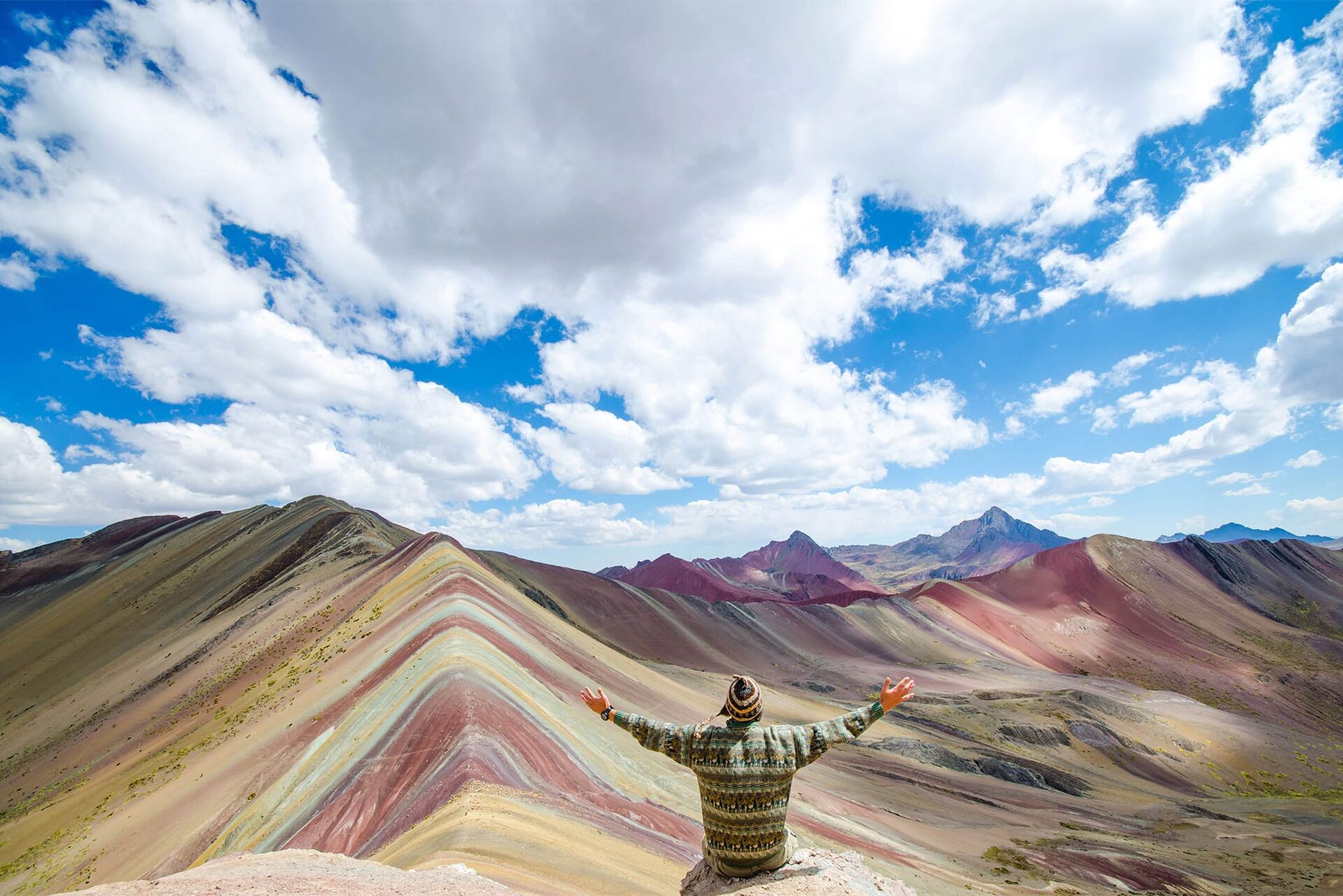
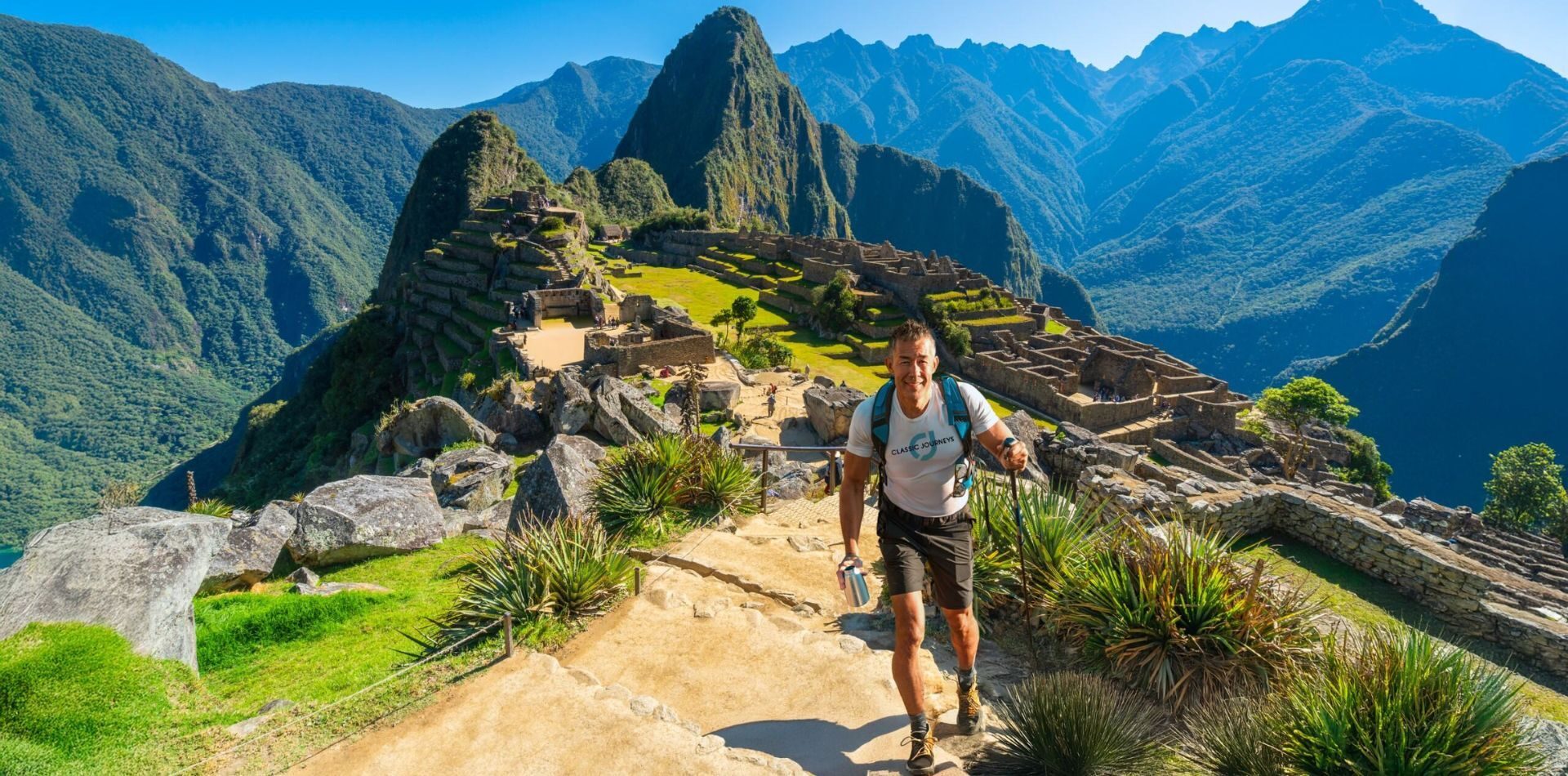
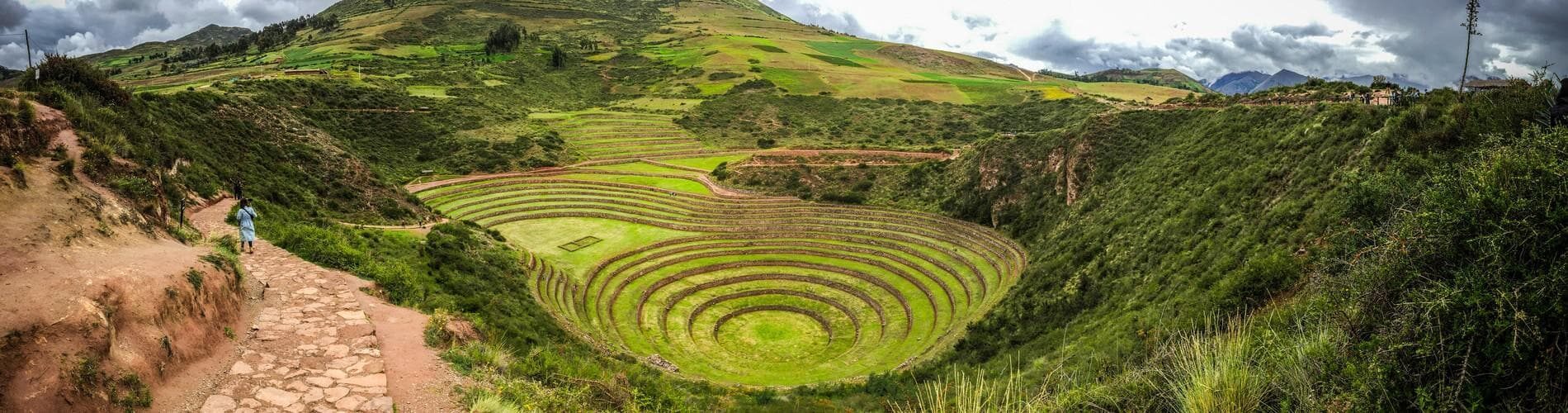
Machu Picchu: the 15th-century Inca citadel at 2,430m altitude, considered the world's greatest archaeological site. Access by train from Cusco to Aguas Calientes (1.5-4 hours depending on train class), then bus to the ruins. The Inca Trail (4-day guided trek, permit required) is the classic approach. Cusco: the Qoricancha (Inca sun temple with Spanish church built on top), the Cusco Cathedral, and the San Blas artisan neighborhood. Sacred Valley (Ollantaytambo, Pisac): Inca ruins and markets. Rainbow Mountain (Vinicunca): extraordinary multicolored mountain at 5,100m (day trip from Cusco). Lake Titicaca (Puno): reed-island communities of the Uros people and the islands of Taquile and Amantani. Nazca Lines: ancient geoglyphs visible from small planes. Lima: Larco Museum (pre-Columbian artifacts), Miraflores clifftop parks, Barranco bohemian neighborhood, and the world-class restaurant scene.
Frequently Asked Questions
Do US citizens need a visa to visit Peru?
No, US citizens can visit Peru without a visa for tourism stays up to 183 days. Your passport must be valid for at least 6 months from your entry date. At immigration, you'll receive a stamp or entry card indicating your allowed days (often 90 days but can vary; ask for the maximum if you need more). Keep your entry card safe as you'll need it when departing. Peru is generally flexible with tourist entries for US citizens, making it an accessible destination for extended travel.
Do US citizens need a visa for Peru?
No. Americans can visit Peru visa-free for up to 183 days (6 months). No visa or pre-authorization is needed. Bring a valid US passport.
How do I book tickets for Machu Picchu?
Machu Picchu requires advance booking, especially for peak season (June-August). Purchase tickets through the official government website (machupicchu.gob.pe) or the Ministry of Culture site. Tickets are timed with specific entry windows and limited daily capacity. To hike Huayna Picchu or Machu Picchu Mountain, book even further in advance as permits are very limited. Inca Trail permits (for the classic multi-day trek) must be booked months ahead through licensed tour operators and sell out quickly. Tickets require passport numbers that must match your ID on entry. Consider alternate routes like Salkantay if the Inca Trail is full.
How do I book Machu Picchu tickets?
Machu Picchu entrance tickets must be booked in advance at machu-picchu.gob.pe. A limited number of tickets are issued per day (per time slot) and sell out weeks to months in advance, especially June-August. Book before your trip, not after arriving in Peru. Choose between different circuits and time slots (morning/afternoon). An additional fee for the Inca Trail trek requires advance permit booking.
What should I know about altitude sickness in Peru?
Cusco sits at 3,400 meters (11,150 feet), and many visitors experience altitude sickness (soroche). Symptoms include headache, fatigue, nausea, and shortness of breath. Acclimate gradually if possible (spend a day or two in the Sacred Valley, which is lower, before Cusco). Stay hydrated, avoid alcohol initially, eat lightly, and don't overexert yourself on the first day. Coca tea (mate de coca) is a traditional remedy widely available and legal in Peru. Some visitors take acetazolamide (Diamox) as a preventative; consult your doctor. Severe symptoms require immediate descent and medical attention.
What is the best route for seeing Peru's highlights?
The classic Peru itinerary: 2-3 days Lima (gastronomy, Larco Museum, Miraflores), fly to Cusco (2-3 days acclimatizing and seeing Qoricancha, San Blas), Sacred Valley day trip, then Machu Picchu (1-2 days). Optional: Rainbow Mountain (day trip from Cusco) or Lake Titicaca (Puno, 6 hours from Cusco). Total trip: 10-14 days for a comprehensive experience.
Is Peru safe for tourists?
Peru is generally safe for tourists who take normal precautions. Lima and Cusco have petty crime like pickpocketing and bag snatching, especially in crowded areas and on public transport. Use registered taxis or ride apps (Uber works well), avoid displaying expensive items, and be cautious at night. "Express kidnappings" (forced ATM withdrawals) occur occasionally; avoid isolated ATMs and walking alone late at night. The tourist police (Policía de Turismo) in major destinations are helpful. Popular tourist routes (Lima, Cusco, Sacred Valley, Machu Picchu) are well-traveled and secure. Border areas and coca-growing regions in remote highlands have travel advisories.
What vaccinations and health precautions are needed for Peru?
Consult a travel health specialist 4-6 weeks before departure. Yellow fever vaccination is required if visiting the Amazon jungle regions and recommended for the eastern Andean slopes. Hepatitis A and Typhoid vaccines are recommended. If visiting the Amazon, discuss malaria prophylaxis with your doctor, use insect repellent, and sleep under mosquito nets. Altitude sickness is a significant concern at high elevations. Drink only bottled water, avoid street food ice, and eat well-cooked food, especially when adjusting. Comprehensive travel health insurance covering emergency evacuation is strongly recommended given remote destinations.