Egypt Visa RequirementsFor United States passport holders
US citizens can get a visa on arrival in Egypt for $25 USD, valid for 30 days. Alternatively, apply for an e-Visa in advance at visa2egypt.gov.eg.
United States passport holders can obtain a Visa on Arrival at Egypt ports of entry.
Option 1: Visa on Arrival , $25 USD cash paid at the bank counter before the immigration queue. Available at Cairo International Airport and other international entry points. Option 2: e-Visa , apply in advance at visa2egypt.gov.eg; $25 USD; faster processing through immigration queues. Both options give a single-entry 30-day visa, extendable at Egyptian immigration offices. Special case: if visiting only the Sinai Peninsula coastal strip (Sharm el-Sheikh/Ras Mohamed area), you receive a free Sinai-only entry permit (valid for 15 days) instead of a full Egypt visa , this does NOT allow travel to Cairo or mainland Egypt.
Entry Requirements
Passport Validity
6 months beyond date of entry
Blank Pages
2 blank pages required
Multiple Entry
Single entry only
Work Permitted
No - requires work visa
Entry Conditions
Valid passport for 6+ months. Visa on arrival at airport or e-visa beforehand. Proof of accommodation and return ticket.
Required Documents
Valid US Passport
Must be valid for at least 6 months beyond planned stay
Visa Fee ($25 USD) or e-Visa
Pay $25 USD cash at airport bank counter for VOA; or apply in advance at visa2egypt.gov.eg
Valid US Passport
Must be valid for at least 6 months beyond your arrival date with at least 2 blank pages
Passport-size Photos
Two recent color photos (2x2 inches or 35x45mm). Bring extra copies as requirements may vary
Completed Arrival Card
Immigration arrival/departure card provided on flight or at port of entry
Proof of Accommodation
Hotel reservation, booking confirmation, or address where you will be staying
Return or Onward Flight Ticket
Confirmed flight booking showing departure from the country within visa validity
Visa Fee (Cash)
Payment for visa on arrival fee - bring exact amount in USD or local currency
Proof of Return Travel Recommended
Return or onward flight ticket — recommended
Hotel Booking Recommended
Accommodation booking may be requested at immigration
Proof of Sufficient Funds Recommended
Cash, credit cards, or bank statements showing adequate funds for your stay
Travel Insurance Recommended
Recommended coverage for medical emergencies during your trip
Travel Essentials
Health & Safety
Safety Rating
Vaccinations
Hepatitis A, Typhoid, COVID-19. Hepatitis B for longer stays.
Tap Water
Bottled water recommended
Safety Tips
Exercise increased caution in Egypt. Tourist areas (Cairo, Luxor, Aswan, Red Sea resorts) are generally safe with heavy security presence. Avoid the North Sinai entirely and be cautious in the Nile Delta. Use official tour operators and registered taxis. Political demonstrations should be avoided. Scams targeting tourists are common - be firm and keep walking.
Money & Costs
Currency
E£ Egyptian Pound (EGP)
Daily Budget (USD)
Budget: $40 · Mid: $100 · Luxury: $250+
Cards & ATMs
Cards accepted in hotels and upscale restaurants. Cash essential elsewhere.
Tipping
Tipping (baksheesh) is essential to Egyptian culture and expected almost everywhere. Carry small bills (£E5-20) constantly. Tip guides, drivers, boat staff, bathroom attendants, anyone who helps with bags, takes photos, or provides any service. In restaurants, 10-15% on top of any service charge. Not tipping is considered offensive.
Practical Info
Power
Type C, 220V, 50Hz
Driving
Right side
Emergency
Emergency: 122 (Police), 123 (Ambulance), 180 (Fire)
Tourist Police: 126
Mobile/SIM
Buy a SIM card at the airport from Vodafone, Orange, or Etisalat. Tourist packages cost £E150-300 for 7-30 days with data. Registration with passport required. Activation is usually immediate. Coverage is good in the Nile Valley and tourist areas, variable in desert regions. WhatsApp is the primary communication method.
Getting There
Main Airports
Cairo (CAI) · Hurghada (HRG) · Luxor (LXR) · Sharm El Sheikh (SSH)
Airport Transfers
Cairo International: No metro connection. Uber/Careem most reliable option (£E200-350 to central Cairo, 45 minutes to 1.5 hours depending on traffic). Official airport taxi around £E300. Luxor: Taxi to town (£E80-150, 15 minutes). Hurghada/Sharm: Most arrive on packages with transfers; otherwise taxi to hotels.
Local Transport
Domestic flights connect Cairo to Luxor, Aswan, Hurghada, and Sharm El Sheikh - book on EgyptAir. Trains run along the Nile Valley - first class is comfortable and scenic. Uber and Careem work in Cairo and Alexandria. Cruise ships are the classic way to experience Luxor to Aswan. Avoid local buses and microbuses.
Culture & Travel Tips
Best Time to Visit
Egypt is best visited from October to April when temperatures are comfortable for exploring ancient sites and the desert. Winter (December-February) is peak season with pleasant days (20-25°C/68-77°F), cool nights, and ideal conditions for Luxor, Aswan, and the pyramids. Summer (May-September) brings extreme heat exceeding 40°C (104°F), making visits to Upper Egypt and desert sites unbearable, though Alexandria and the Red Sea resorts remain viable. Nile cruises are best October-April. Ramadan affects restaurant hours but offers unique cultural experiences. The Red Sea diving is excellent year-round with water temperatures always comfortable.
Cultural Notes
Egypt is the most populous Arab country, with a culture shaped by 7,000 years of civilization, Islam, and more recently Arab nationalism. Egyptians are proud of their pharaonic heritage, which predates and is distinct from Arab identity. Cairo has been a center of Arab culture, producing influential literature, film, and music. Islam is central to daily life, with the call to prayer punctuating the day and Friday being the holy day. Coptic Christians form a significant minority (about 10%) with ancient traditions. Egyptian hospitality is genuine - accepting tea is polite. Bureaucracy can be frustrating; patience is essential. Egyptian Arabic has distinctive vocabulary and pronunciation. Contemporary politics remain sensitive; avoid discussing openly.
Insider Tips
Egypt offers some of the worlds most iconic ancient monuments, from the Pyramids of Giza and the Sphinx to the temples of Luxor and Abu Simbel. A Nile cruise between Luxor and Aswan remains the classic Egyptian experience. Cairo is chaotic but rewarding - the Egyptian Museum (soon the Grand Egyptian Museum) holds pharaonic treasures including Tutankhamuns gold. Hurghada and Sharm el-Sheikh offer world-class Red Sea diving. Haggling is expected everywhere except fixed-price shops. The Egyptian pound is the currency; US dollars are useful for hotels and tours. Uber works in Cairo and Alexandria. Tipping (baksheesh) is expected for virtually all services. Dress modestly outside beach resorts, especially for women.
Dress Code
Modest dress essential. Women should cover shoulders and knees. Swimwear only at pools/beaches.
Current Travel Situation
United States to Egypt: What You Need to Know
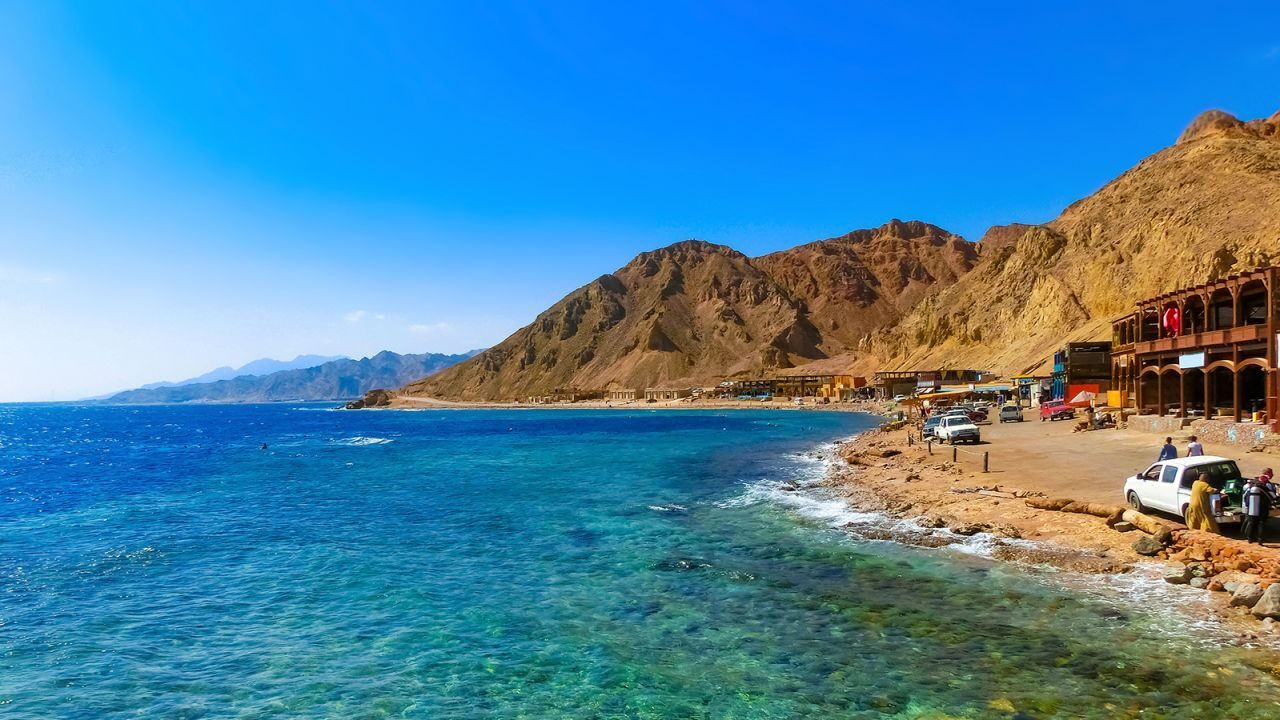
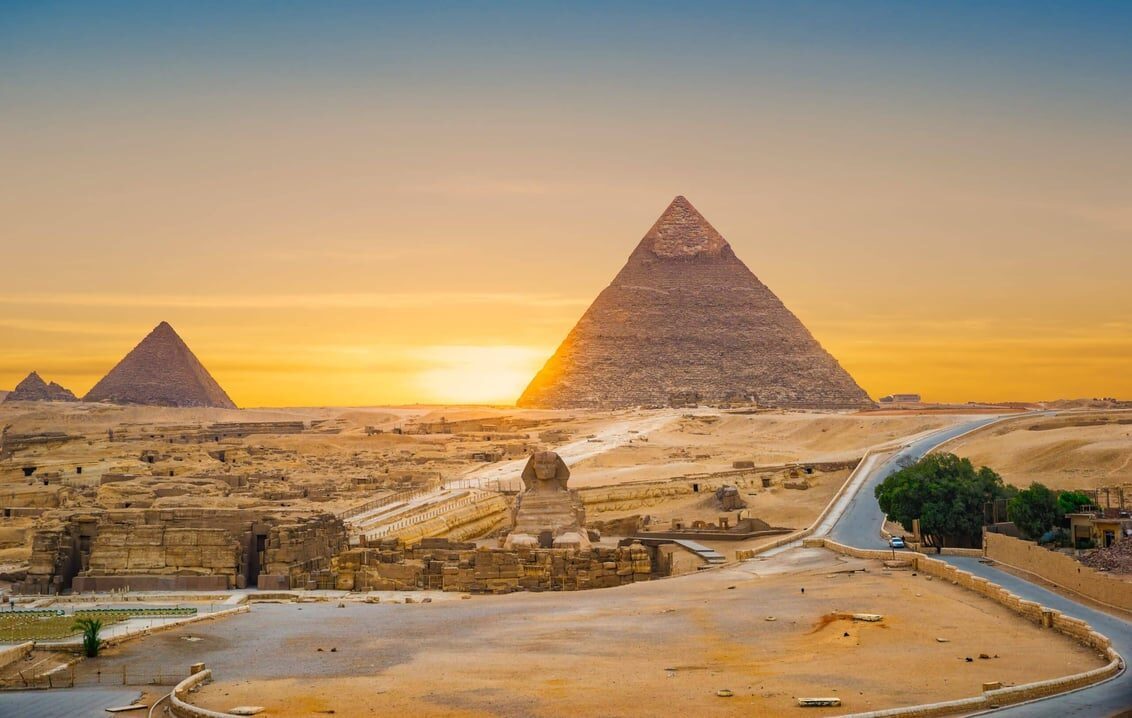
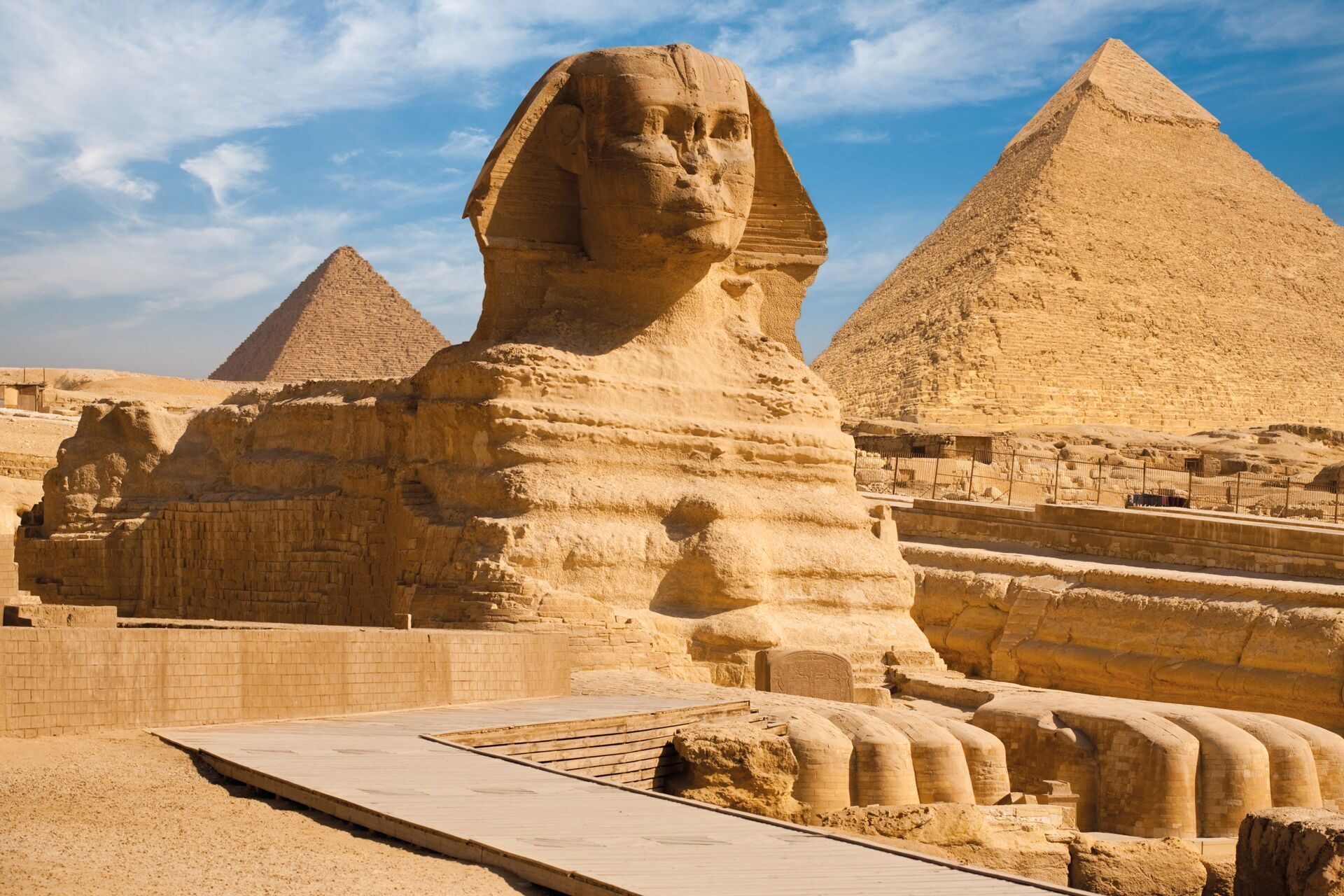
Egypt is one of the world's great historical civilizations and a major tourist destination for Americans. US citizens have visa on arrival access, making access straightforward. Egypt offers unparalleled ancient monuments: the Pyramids of Giza and the Great Sphinx (the only remaining wonder of the ancient world), the temples of Luxor and Karnak, Abu Simbel's colossal statues, the Valley of the Kings (Tutankhamun's tomb), and the Egyptian Museum's extraordinary collections. Beyond ancient history, the Red Sea (Hurghada, Sharm el-Sheikh, Dahab) offers world-class diving and snorkeling in coral reefs second only to the Great Barrier Reef in diversity. Cairo is a chaotic, vibrant megacity of 20+ million people.
How to Get There
Jordan is accessible from Egypt by ferry (Nuweiba to Aqaba, 4 hours) or by bus via Eilat, Israel, and the King Hussein Bridge (complicated politically , research carefully). Israel is accessible from the Sinai at the Taba border crossing. Saudi Arabia and the Arabian Peninsula are accessible by short flights from Cairo. Sudan (with its own severe security issues) borders Egypt to the south.
Money & Banking
Egypt uses the Egyptian pound (EGP). The EGP has undergone significant devaluation , approximately 49-50 EGP = 1 USD as of 2024-2025. Egypt is now very affordable for Americans due to this exchange rate. ATMs in Cairo and tourist areas accept Visa and Mastercard. Cash is preferred in markets, street food, and smaller establishments. US dollar bills are widely accepted at tourist sites , carry some for tips and minor purchases.
Practical Tips
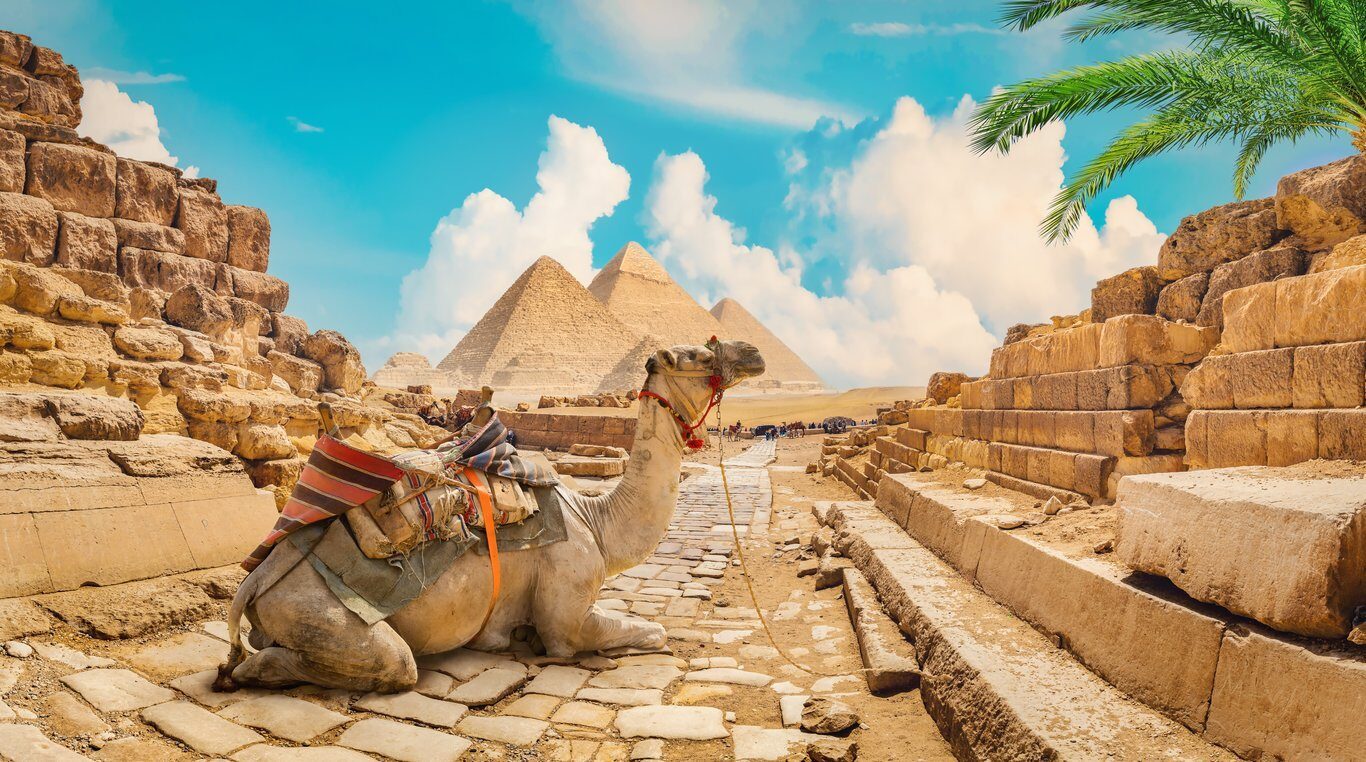
Cairo is chaotic and immense , use Uber or Careem app rather than street taxis for safety and fair pricing. The Pyramids of Giza are directly on the edge of Cairo , the suburban sprawl has grown right up to the plateau. Watch for persistent hawkers and camel riders at Giza. Hire a licensed Egyptologist guide through a reputable company for Luxor temples and Valley of the Kings , the historical context dramatically enriches the experience. Ramadan affects restaurant hours significantly. The best time to visit Cairo and Luxor is October-April when temperatures are below 35°C.
Frequently Asked Questions
Do US citizens need a visa to visit Egypt?
Yes, US citizens need a visa to visit Egypt. The most convenient option is the e-Visa, which can be obtained online through the official Egyptian e-Visa portal (visa2egypt.gov.eg) before travel. Single-entry e-Visas cost approximately $25 USD, and multiple-entry e-Visas cost approximately $60 USD. Both allow stays of up to 30 days. Alternatively, visas are available on arrival at major airports like Cairo, though the e-Visa is more efficient. Processing typically takes 5-7 business days, so apply in advance.
Do US citizens need a visa for Egypt?
No advance visa application is required. US citizens can get a Visa on Arrival at Cairo airport for $25 USD cash, or apply in advance for an e-Visa at visa2egypt.gov.eg (also $25 USD) to move through immigration faster.
What are the different Egypt visa options for US citizens?
US citizens have three main options: the e-Visa (recommended) obtained online before travel, starting at $25 USD for single entry; visa on arrival available at major airports including Cairo, Luxor, and Hurghada, same cost but requires waiting in line and having exact payment; or embassy/consulate visa obtained before travel in the US, necessary for longer stays or multiple entries. Most tourists choose the e-Visa for convenience. All tourist visas allow 30 days; extensions are possible at the Mugamma government building in Cairo but involve significant bureaucracy.
Can I visit Sharm el-Sheikh without a full Egypt visa?
Yes. US citizens visiting only the Sinai coastal strip (Sharm el-Sheikh, Dahab, Nuweiba area) receive a free 15-day Sinai-only entry permit instead of the $25 Egypt visa. However, this permit does NOT allow you to travel to Cairo, Luxor, or mainland Egypt.
Is Egypt safe for American tourists?
Major tourist areas like Cairo (Giza pyramids, Egyptian Museum), Luxor, Aswan, and Red Sea resorts (Hurghada, Sharm el-Sheikh) maintain heightened security and are generally safe for visitors. Tourist police are present at major sites. The Sinai Peninsula outside resort areas has travel advisories due to security concerns and should be avoided. Follow your country's travel advisories, use reputable tour operators for desert trips, and avoid political demonstrations. Petty crime like pickpocketing occurs but violent crime against tourists is rare. Most visitors experience Egypt without any security issues.
Is Egypt safe for US tourists?
Tourist areas (Cairo, Giza, Luxor, Aswan, Red Sea resorts) are generally safe and have significant security presence. The US State Department rates Egypt at Level 2 (Exercise Increased Caution). Avoid the border areas with Libya and Gaza, and northern Sinai (Level 4 — Do Not Travel). The Sinai beach resorts (Sharm el-Sheikh, Dahab) are considered safe.
What should female travelers know about visiting Egypt?
Egypt is a conservative Muslim country, and female travelers may experience more attention than in Western countries. Dressing modestly (covering shoulders, knees, and avoiding tight clothing) reduces unwanted attention and shows cultural respect. Harassment can occur, ranging from comments to more aggressive behavior, particularly in crowded areas. Strategies include: traveling with companions when possible, wearing a wedding ring (real or fake), having a confident demeanor, and using reputable transportation. Many women successfully travel Egypt solo with precautions. Guided tours provide an additional layer of security and local knowledge.
When is the best time to visit Egypt?
October through April is the best time — temperatures in Cairo and Luxor are below 30°C and pleasant. May through September is extremely hot in Upper Egypt (Luxor, Aswan can reach 45°C). The Red Sea (Sharm el-Sheikh, Hurghada) is pleasant year-round as sea breezes moderate the heat.
What are the best tips for visiting the pyramids and dealing with touts?
At the Giza pyramids and other tourist sites, persistent touts offering services (camel rides, photos, guides, souvenirs) are ubiquitous. Set your boundaries firmly and politely decline with a confident "la shukran" (no thank you). Avoid engaging in lengthy conversations as this encourages persistence. Official ticket prices are fixed; buy at designated booths. Hiring an official guide at the entrance is worthwhile for historical context. Early morning or late afternoon visits have fewer crowds. Camel and horse rides should be negotiated before starting and paid after completion. Bring water and sun protection; there's little shade.