Brazil Visa RequirementsFor United States passport holders
American citizens can visit Brazil visa-free for up to 90 days in any 180-day period. The US-Brazil visa-free agreement took effect in October 2024, ending decades of reciprocal visa requirements. Brazil is South America's largest country, home to the Amazon rainforest, Carnival in Rio de Janeiro, the Pantanal wetlands, and world-class beaches.
Great news! United States passport holders can enter Brazil without a visa for tourism or business purposes. You can stay up to 90 days.
No visa required for US passport holders visiting Brazil for up to 90 days. This is valid for tourism and business. Ensure your US passport is valid for at least 6 months from your entry date. At Brazilian Federal Police immigration control, you may be asked for a return ticket and proof of accommodation. The 90-day allowance can be extended for an additional 90 days at the Federal Police office, for a maximum 180-day stay in any 12-month period.
Entry Requirements
Passport Validity
6 months beyond date of entry
Blank Pages
2 blank pages required
Multiple Entry
Allowed
Work Permitted
No - requires work visa
Required Documents
Valid US Passport
Must be valid for at least 3-6 months beyond your planned departure date (varies by country)
Valid US passport (minimum 6 months validity)
Return or Onward Ticket
Proof of departure from the country, such as a return flight or onward travel booking
Return or onward flight ticket Recommended
Proof of Accommodation Recommended
Hotel reservation, Airbnb booking, or address where you will be staying
Proof of accommodation Recommended
Proof of Sufficient Funds Recommended
Credit cards, bank statements, or cash to cover expenses during your stay
Travel Insurance Recommended
Recommended for all international travel covering medical emergencies
Travel Essentials
Health & Safety
Safety Rating
Vaccinations
Hepatitis A/B, Typhoid, Yellow Fever.
Tap Water
Bottled water recommended
Safety Tips
Crime is concern. Avoid favelas. Use registered taxis. Dont resist robbery.
Money & Costs
Currency
R$ Brazilian Real (BRL)
Daily Budget (USD)
Budget: $40 · Mid: $90 · Luxury: $250+
Cards & ATMs
Common in cities.
Tipping
10% usually included. Extra appreciated.
Practical Info
Power
Type C, N, 127/220V, 60Hz
Driving
Right side
Emergency
Police: 190
Ambulance: 192
Fire: 193
Mobile/SIM
Buy at Claro, Vivo, TIM. Need CPF (tax ID) or buy tourist SIM.
Getting There
Airport Transfers
Rio GIG: BRT bus R$20, taxi R$130. São Paulo GRU: Bus R$50, taxi R$150.
Local Transport
São Paulo and Rio have metro. Buses connect cities. Domestic flights for distances.
Culture & Travel Tips
Best Time to Visit
Brazil is enormous with distinct regional climates - the best time depends entirely on your destination. Generally, the Brazilian 'winter' (May-September) offers more comfortable weather for most of the country.
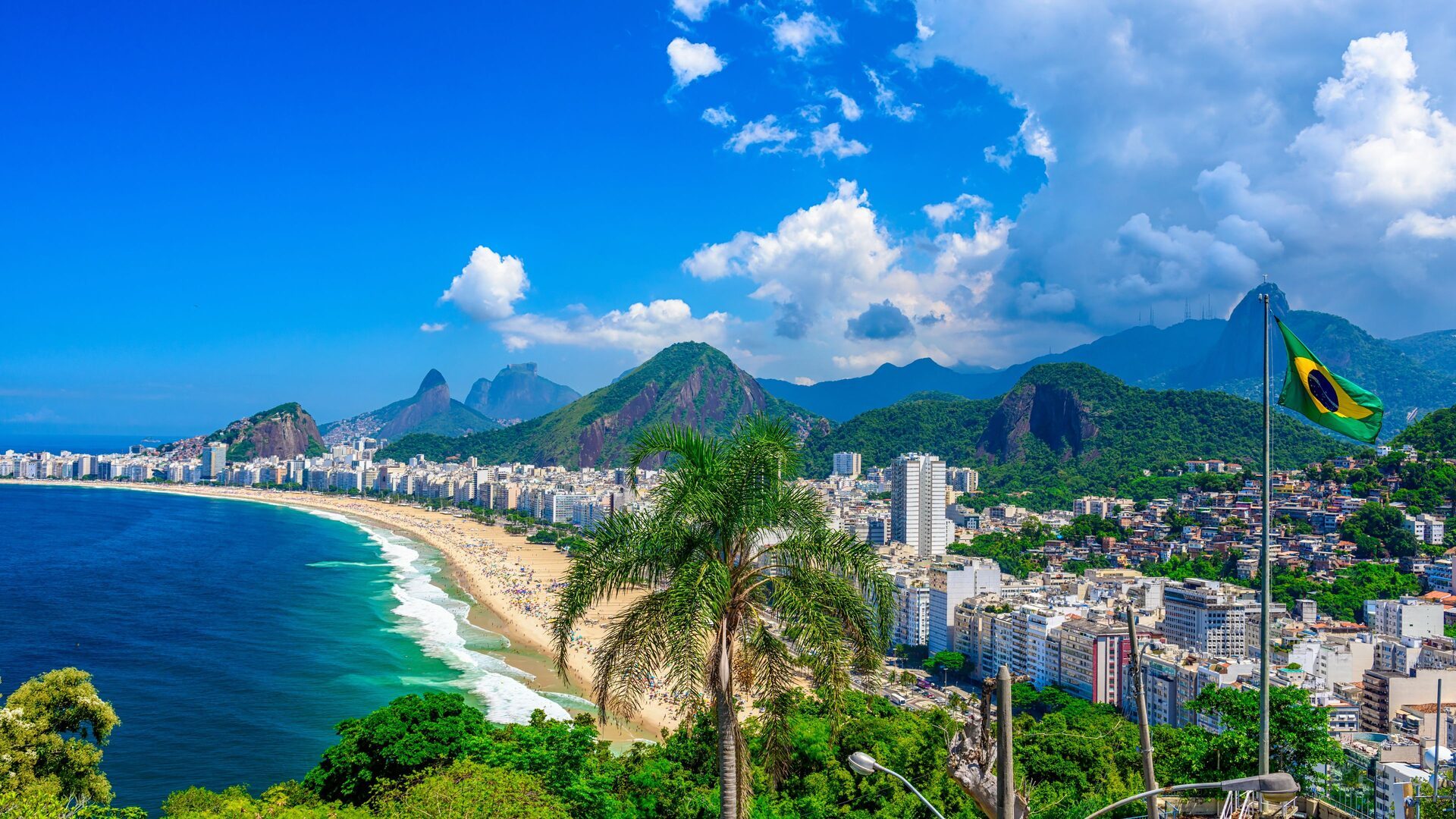
Rio de Janeiro and the southeast coast are best April through October - warm but not sweltering, less rain, and perfect beach weather. Carnival (February/March) is spectacular but crowded and expensive.
The Amazon is best during dry season (June-November) when water levels drop, wildlife concentrates near rivers, and rain is less torrential. Wet season (December-May) offers boat access to flooded forest but more mosquitoes.
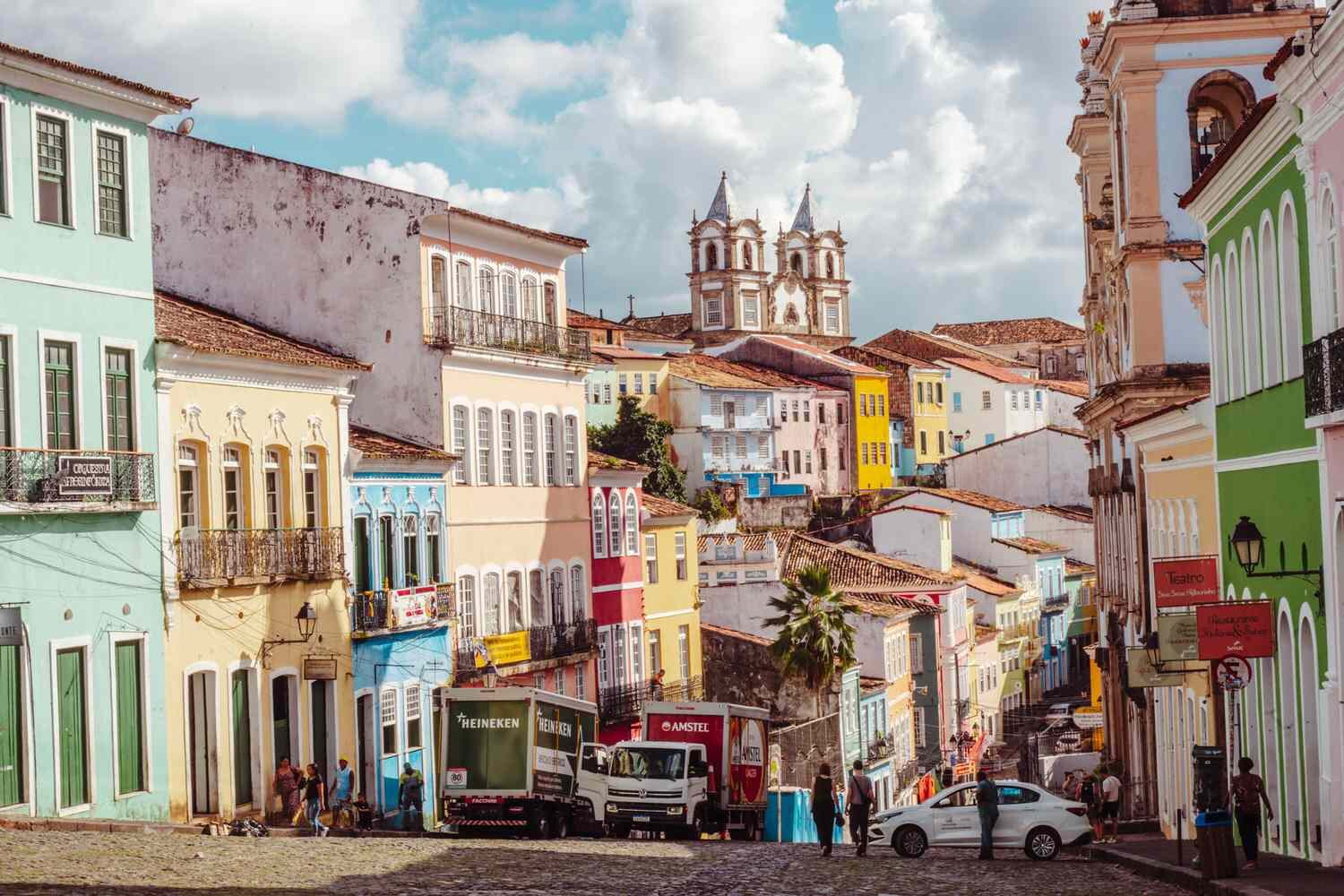
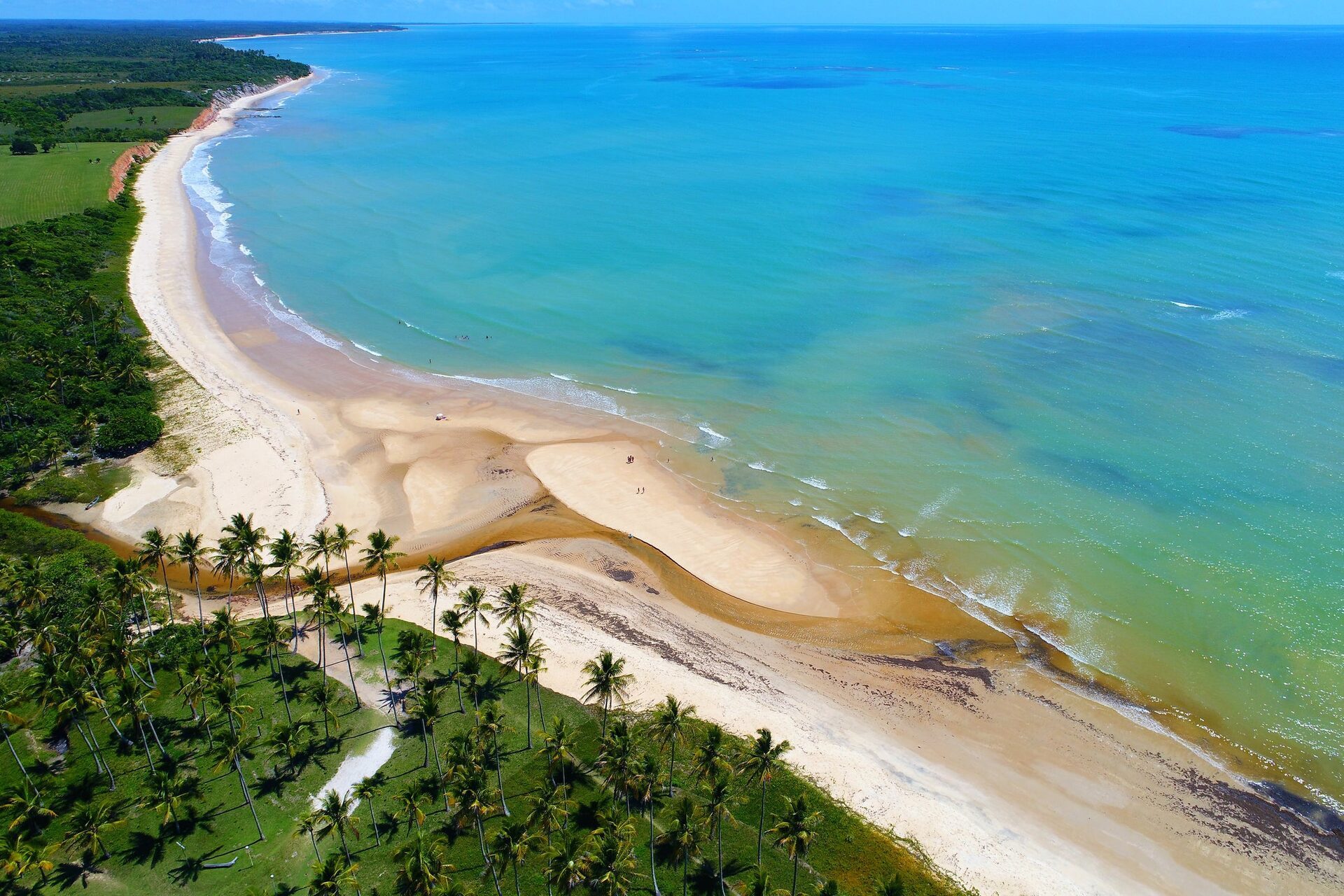
The Northeast (Salvador, Recife, beaches) enjoys sunshine year-round with consistent 80°F+ temperatures. December through March is peak summer but any time works.
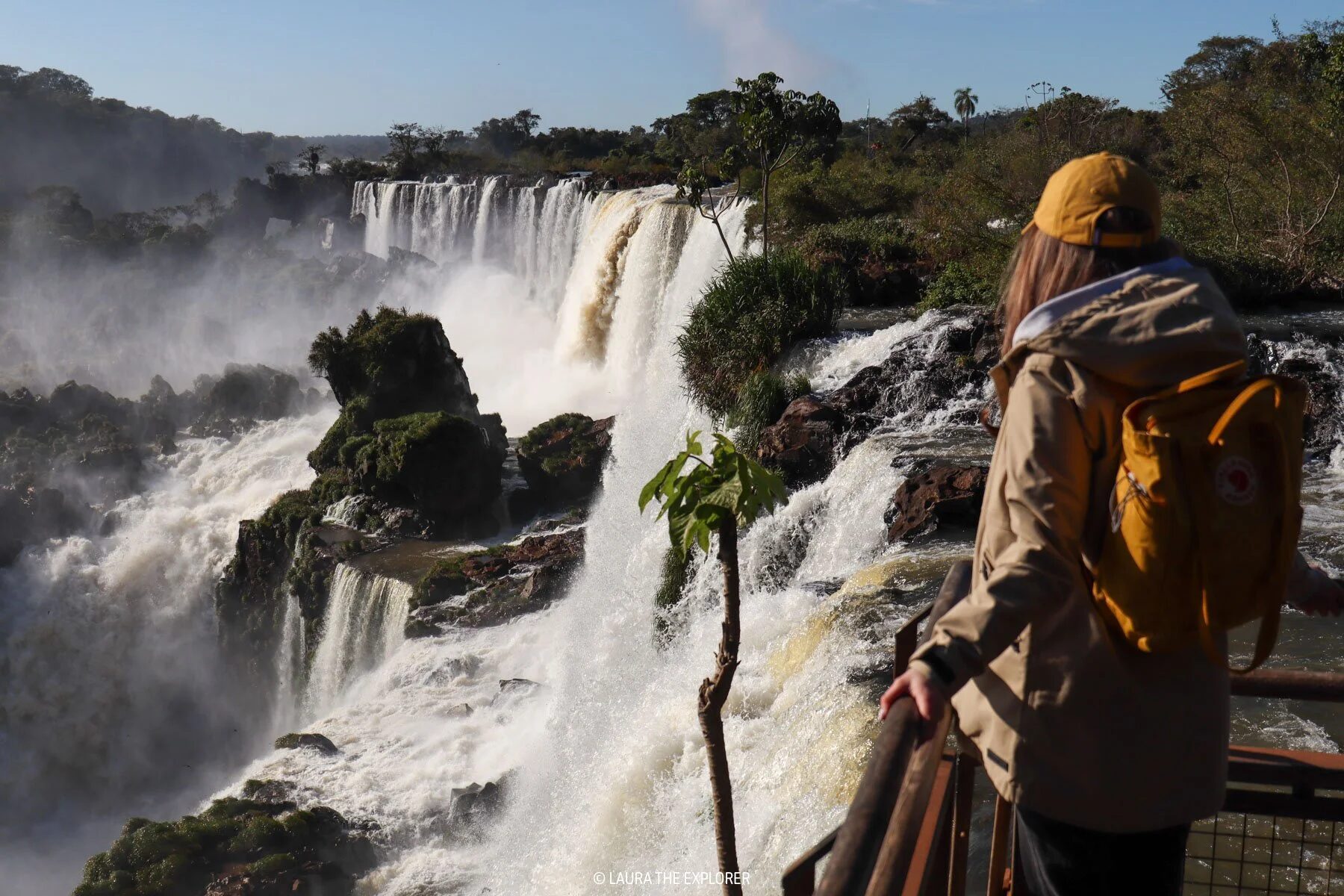
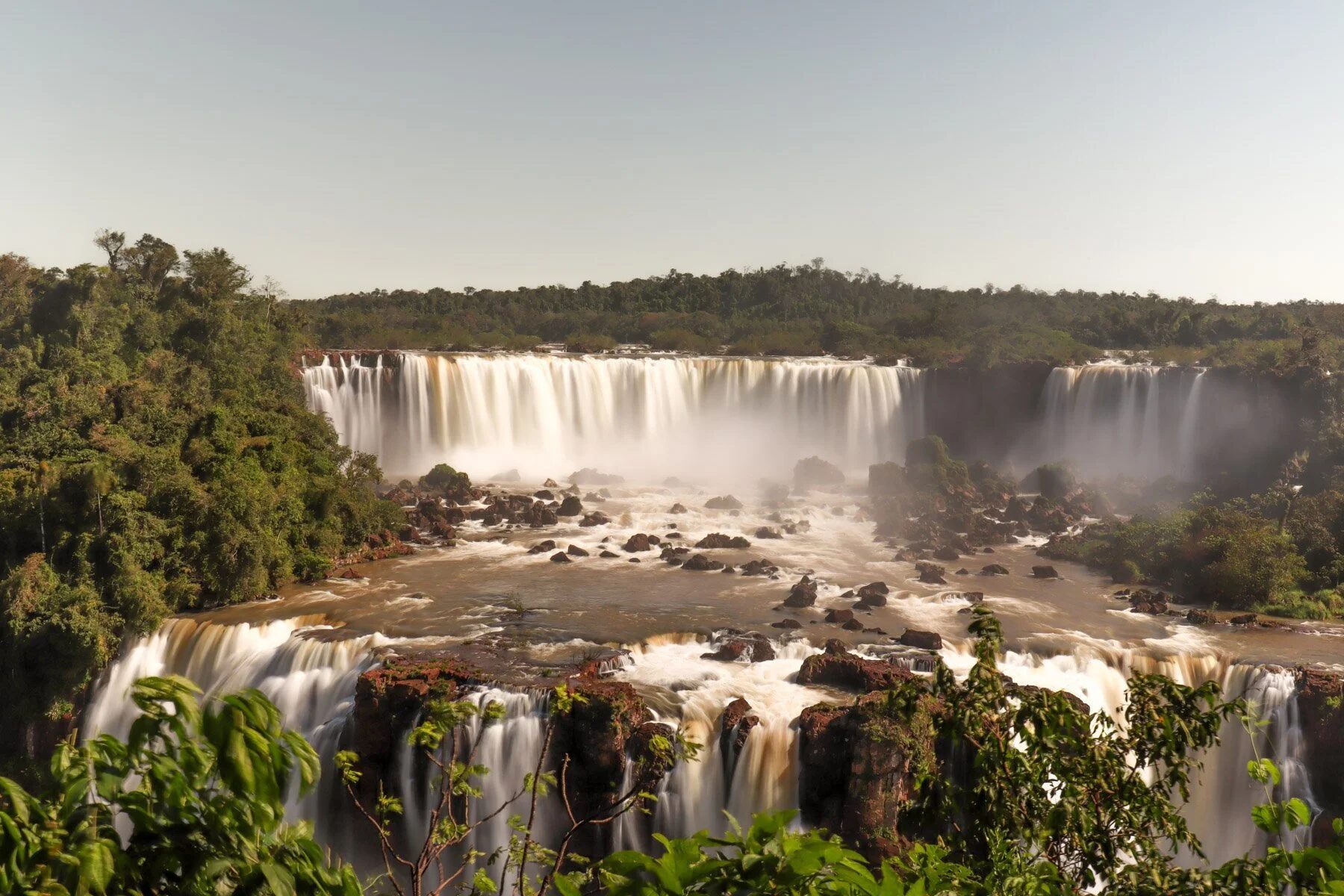
The South (Porto Alegre, Iguazu Falls) experiences actual seasons - summer (December-February) is hot; winter (June-August) can be surprisingly cold. Iguazu Falls is spectacular year-round but most impressive during high water (December-March).
Cultural Notes
Brazilians are famously warm, physical, and expressive. Personal space is smaller, greeting kisses are normal, and volume is high. Embrace the energy.
Football is religion - understanding local team rivalries helps you connect. Never insult someone's team. Watching a match in a packed bar is unforgettable.
'Brazilian time' is flexible for social events but business expects punctuality. Arriving exactly on time for a party might mean helping the host set up.
Beach culture permeates society - entire Sundays revolve around praia (beach). Volleyball, football, caipirinhas, and socializing are the activities.
Carnival varies by city - Rio has massive parades with samba schools; Salvador is street parties with blocos; Recife/Olinda features frevo music. All are incredible, all are different.
The country's history with slavery created the largest African-descended population outside Africa. This heritage shapes music (samba, axé), religion (Candomblé), food, and martial arts (capoeira).
Insider Tips
Brazil is massive - don't underestimate distances. São Paulo to Manaus is like New York to Los Angeles. Internal flights with GOL, LATAM, and Azul are often necessary.
Portuguese is essential outside major tourist areas - Spanish will get you started but learning basic Portuguese shows respect. Brazilians don't speak Spanish despite what some assume.
Safety varies enormously by neighborhood. Stick to recommended areas, don't display valuables, use Uber instead of street taxis, and ask locals for current advice. Most visitors experience no problems.
Cash is increasingly optional but useful for small vendors. Brazilian Reais (BRL) only - foreign currency isn't accepted. Credit cards work widely in cities.
Açaí (properly: ah-sah-EE) is a thick, cold bowl here, not juice. Caipirinhas should be made with cachaça, not vodka. Churrascarias (all-you-can-eat BBQ) are unmissable.
Dress codes at beaches: tiny swimwear is normal but leaving the beach dressed that way in cities isn't. Havaianas flip-flops are Brazilian icons - buy a pair.
Dress Code
Casual. Beach culture.
Current Travel Situation
United States to Brazil: What You Need to Know
Brazil introduced visa-free access for American citizens in October 2024 in a landmark bilateral agreement, ending the long-standing reciprocal visa requirement that had been in place since 2004. Before 2024, US citizens required a Brazilian visa ($160 fee) and Brazilian citizens required a US visa, a mutual barrier that had suppressed tourism. The new visa-free arrangement eliminates the visa requirement for American tourist and business visitors for up to 90 days. Brazil is Latin America's largest economy and most populous country, with extraordinary natural and cultural diversity: the Amazon basin (the world's largest tropical rainforest), the Pantanal (world's largest tropical wetland, extraordinary for wildlife), Iguazu Falls (shared with Argentina), Rio de Janeiro's iconic urban landscape, and a vibrant culture expressed through Carnival (February/March), samba, and football.
How to Get There
American Airlines, United, Delta, LATAM, and GOL operate direct flights from the US to Brazil. American flies from Miami (MIA) to Sao Paulo (GRU) in approximately 9-10 hours. United serves Sao Paulo and Rio de Janeiro from Newark (EWR), 9-10 hours. LATAM serves multiple US cities to Sao Paulo and Rio. Rio de Janeiro (GIG - Galeao International, or SDU - Santos Dumont for domestic/regional) and Sao Paulo (GRU - Guarulhos) are the main international airports.
Money & Banking
Brazil uses the Brazilian real (BRL). Brazil is moderately priced by American standards: budget $60-120 USD per day for comfortable travel in Sao Paulo or Rio. Coastal beach destinations can be very affordable. Rio's popular areas (Ipanema, Copacabana) are pricier but still reasonable compared to US cities. Brazilian steakhouses (churrascarias) are exceptional and reasonable at $20-40 USD. Credit cards are widely accepted. Safety awareness is important in Rio de Janeiro; use trusted transportation, avoid displaying expensive items, and stay in recommended tourist areas.
Practical Tips
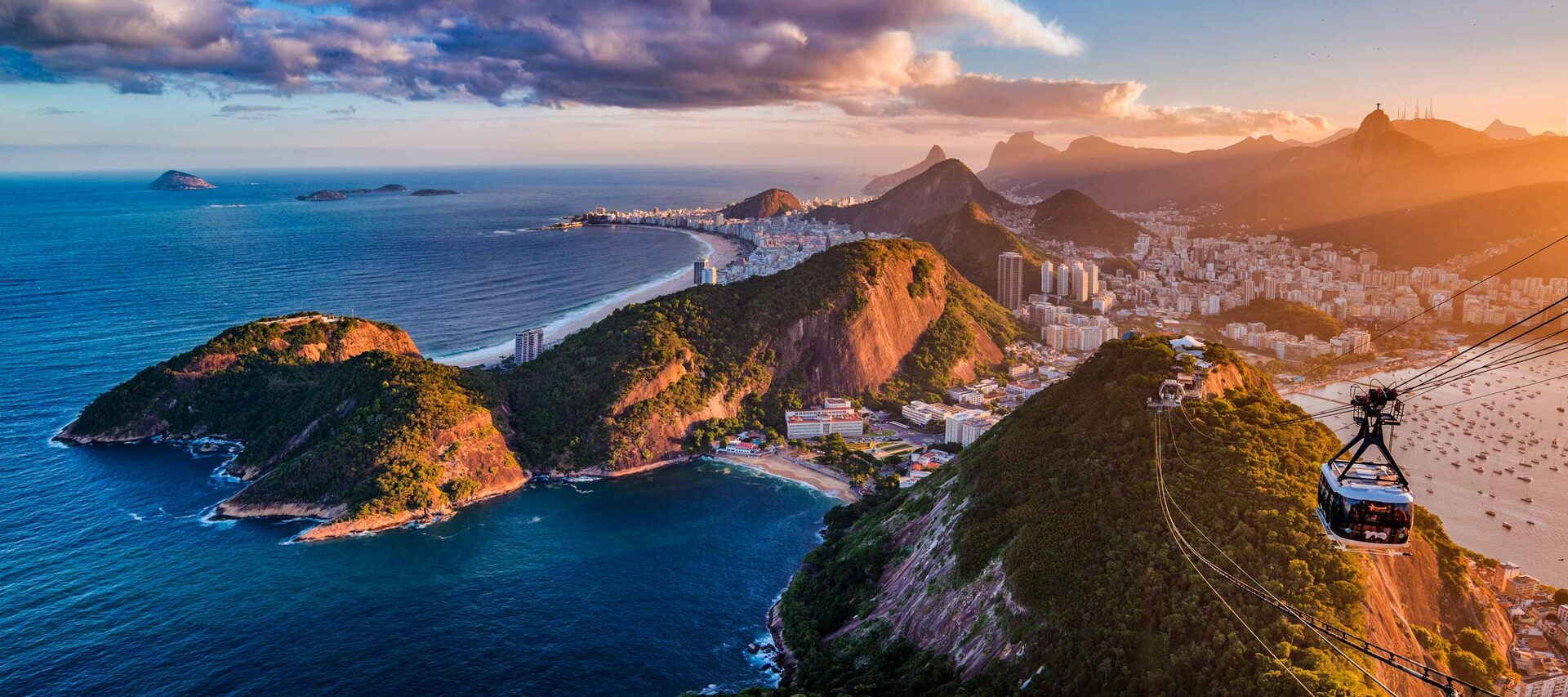
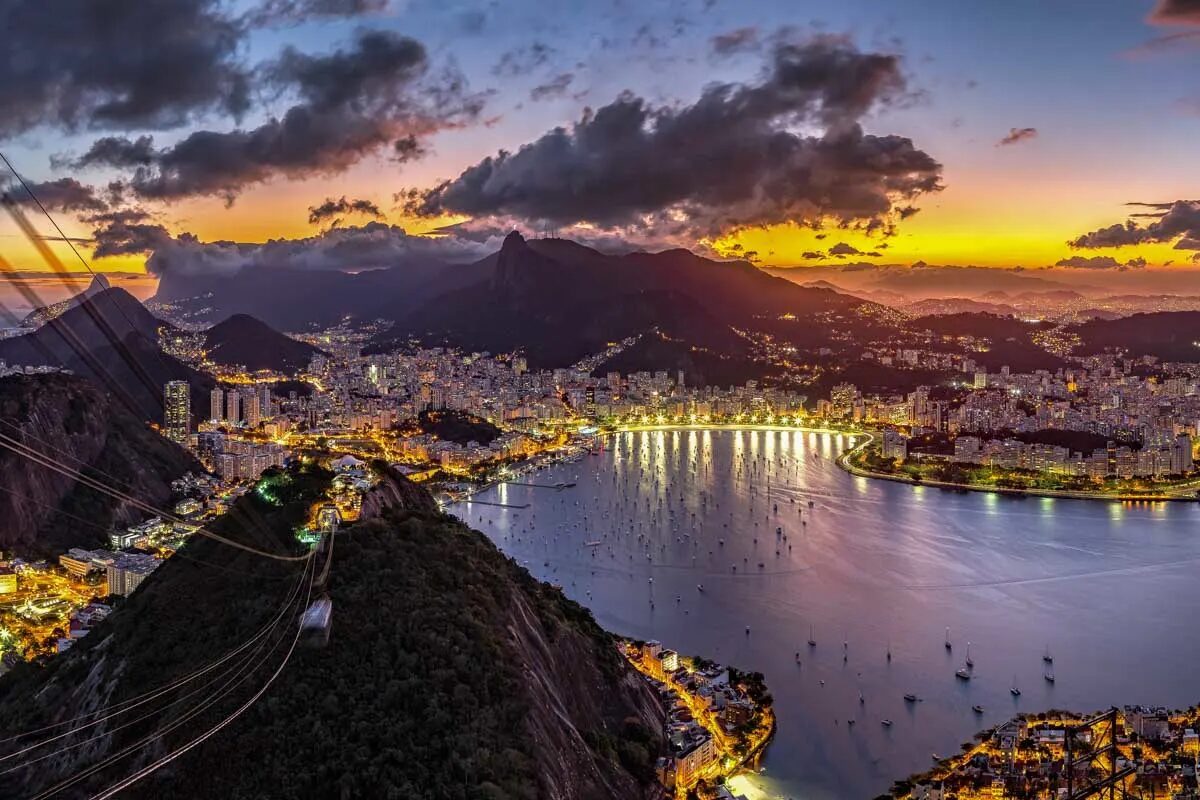
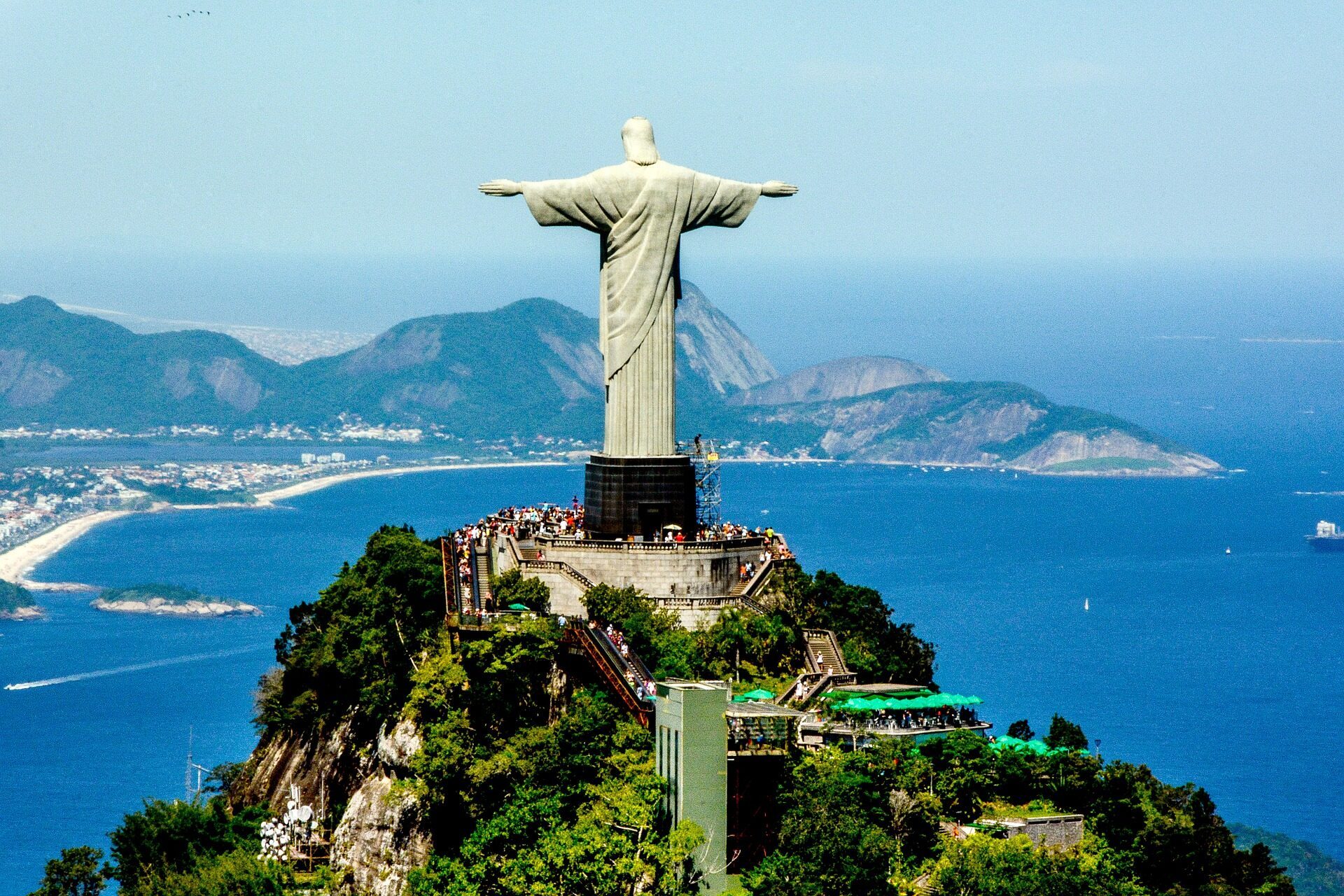
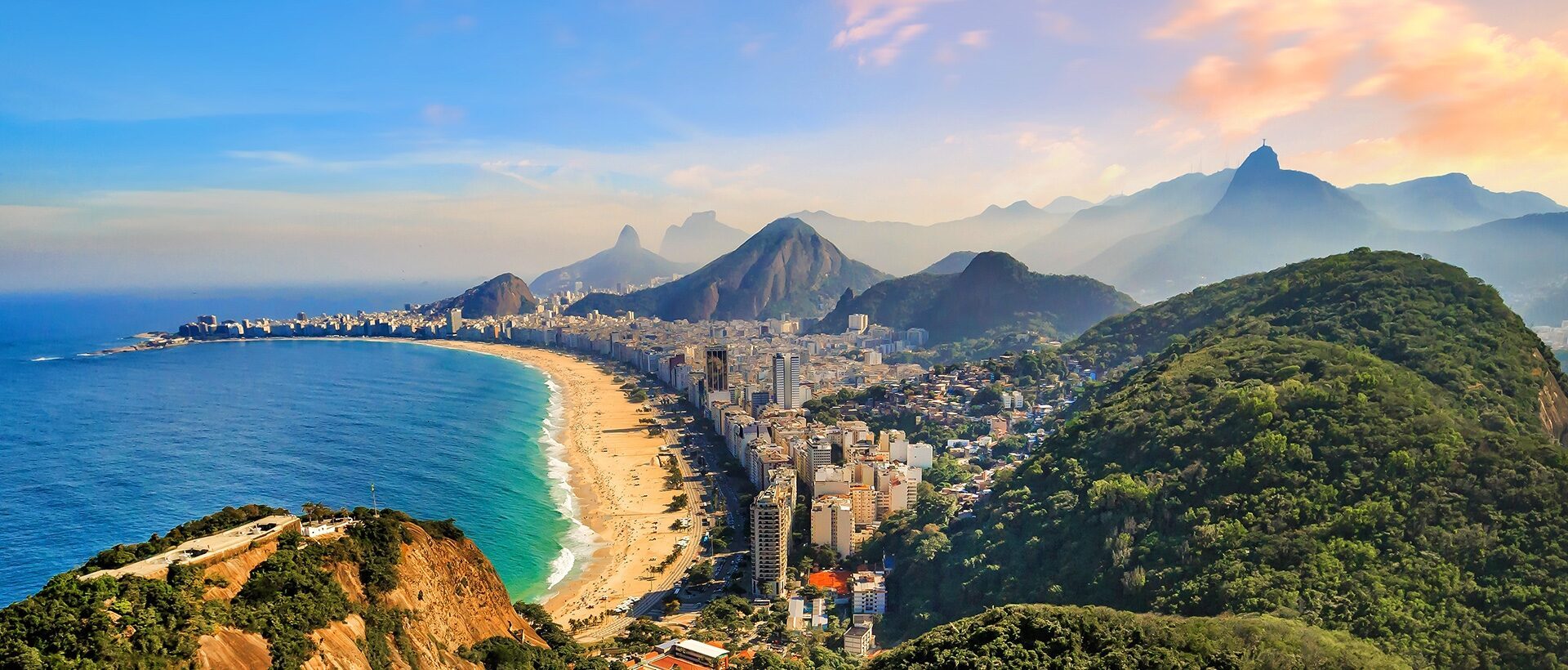
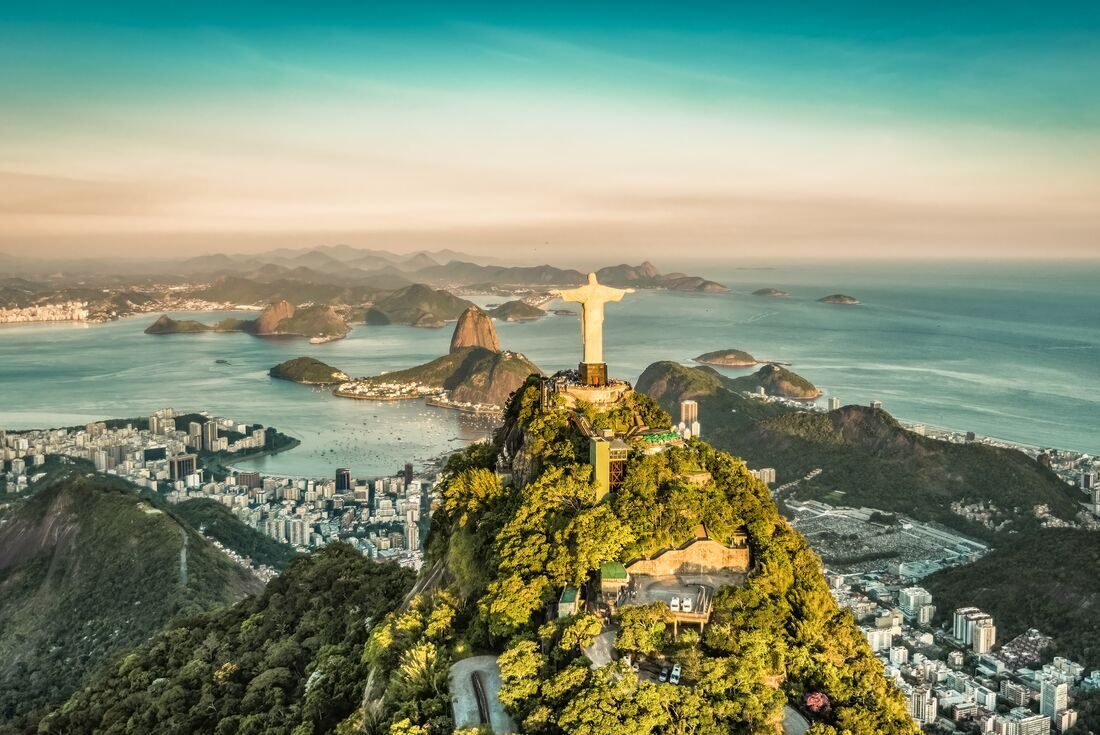
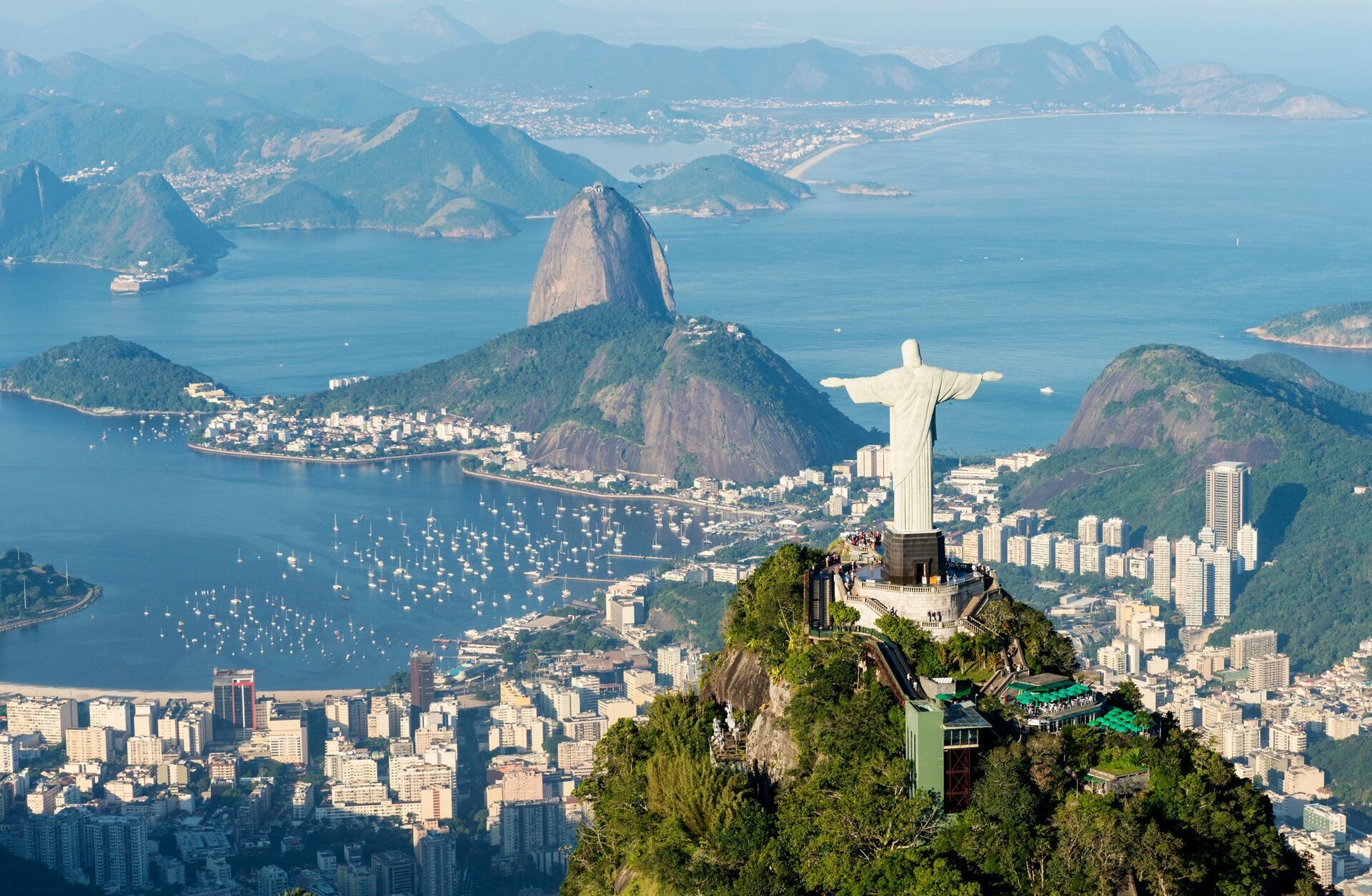
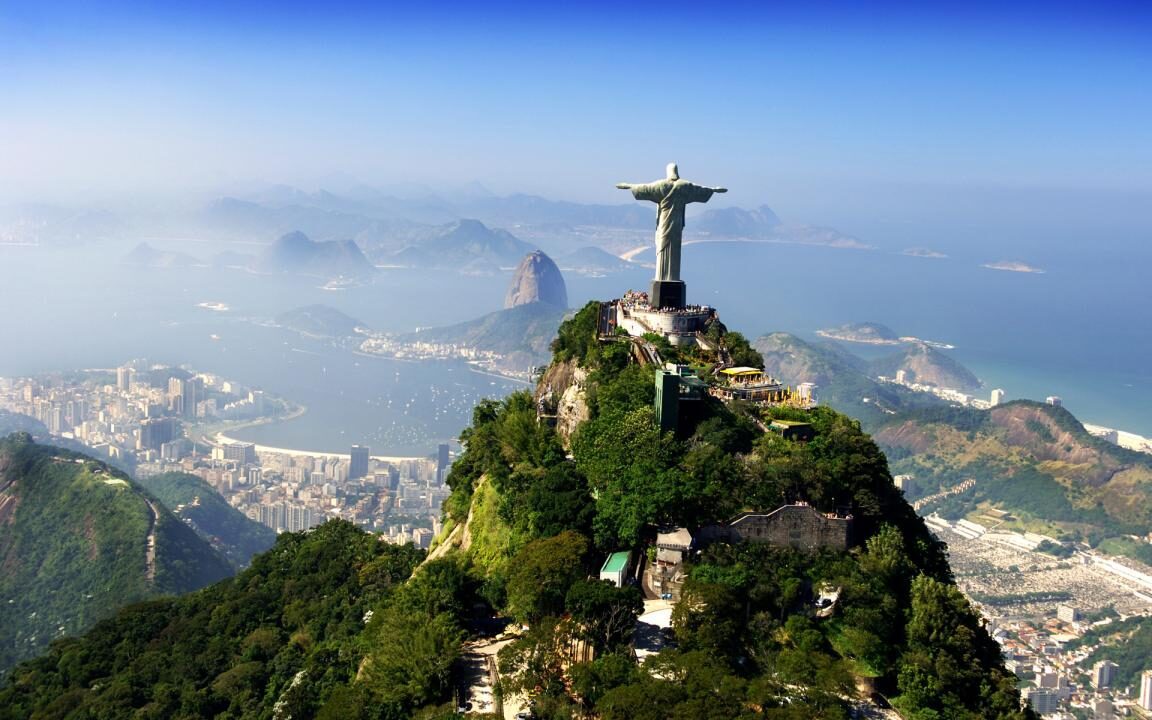
Rio de Janeiro: Copacabana and Ipanema beaches, the Christ the Redeemer statue (Corcovado Mountain), Sugarloaf Mountain cable car, Santa Teresa neighborhood, and the world's greatest party, Carnival (February/March, advance accommodation booking essential). Sao Paulo: the world's best Japanese food outside Japan (in the Liberdade neighborhood), Vila Madalena street art, the MASP art museum, and extraordinary restaurant scene. The Amazon: Manaus is the gateway city for Amazon river cruises and jungle lodges. Bonito (Mato Grosso do Sul): crystal-clear rivers and snorkeling with fish in jungle streams. Iguazu Falls (Foz do Iguacu): the Brazilian side offers the best panoramic view of the falls.
Frequently Asked Questions
Do US citizens need a visa for Brazil?
No. Since October 2024, Americans can visit Brazil visa-free for up to 90 days. This ended the long-standing reciprocal visa requirement. Just bring a valid US passport with at least 6 months validity.
When is the best time to visit Brazil?
Brazil is a large country with varied climates. Rio de Janeiro and the coast: December-March is summer (hot, Carnival in February/March). April-September is drier and cooler -- great for sightseeing in Rio. The Amazon: June-October is the dry season (easier jungle access). Pantanal: July-October for best wildlife viewing.
Is Rio de Janeiro safe for American tourists?
Rio requires normal urban safety awareness. Use official taxis or Uber, avoid displaying expensive items, stay in tourist areas (Ipanema, Copacabana, Santa Teresa, Lapa), and avoid favela areas unless on a formal guided tour. The main tourist areas are generally safe and heavily visited by international tourists.