Italy Visa RequirementsFor United States passport holders
US citizens can visit Italy and the Schengen Area visa-free for up to 90 days within any 180-day period. Italy has the world's highest concentration of UNESCO World Heritage Sites.
Great news! United States passport holders can enter Italy without a visa for tourism or business purposes. You can stay up to 90 days.
No visa is required for stays up to 90 days in any 180-day period. Your US passport should be valid for at least 3 months beyond your planned departure date. Proof of onward travel, accommodation, and sufficient funds may be requested at entry. Note: ETIAS (European Travel Information and Authorization System) is expected to launch in 2025, requiring Americans to register online and pay a small fee before Schengen travel including Italy. Check current ETIAS status before your trip.
Italy is part of the Schengen Area. Your stay counts toward the 90-day limit within any 180-day period for the entire Schengen zone. Learn more about Schengen rules →
Entry Requirements
Passport Validity
3 months beyond departure from Schengen
Blank Pages
1 blank page required
Multiple Entry
Allowed
Work Permitted
No - requires work visa
Entry Conditions
Passport valid at least 3 months beyond planned Schengen departure, issued within previous 10 years. May require proof of accommodation, itinerary, sufficient funds (€70-100/day), and travel insurance with €30,000 minimum coverage.
Overstaying results in fines, possible deportation, and Schengen-wide entry bans. Italian authorities enforce immigration rules strictly.
Required Documents
Valid US Passport
Must be valid for at least 3 months beyond planned departure from Schengen Area
Proof of Onward Travel
Return or onward flight ticket
Valid US Passport
Must be valid for at least 3-6 months beyond your planned departure date (varies by country)
Return or Onward Ticket
Proof of departure from the country, such as a return flight or onward travel booking
Proof of Accommodation Recommended
Hotel bookings recommended to show at customs
Proof of Sufficient Funds Recommended
Credit card or bank statement may be requested
Proof of Accommodation Recommended
Hotel reservation, Airbnb booking, or address where you will be staying
Proof of Sufficient Funds Recommended
Credit cards, bank statements, or cash to cover expenses during your stay
Travel Insurance Recommended
Recommended for all international travel covering medical emergencies
Travel Essentials
Health & Safety
Safety Rating
Vaccinations
Routine vaccinations should be current.
Tap Water
Safe to drink
Safety Tips
Italy is generally safe for tourists. Pickpocketing is common in Rome, Florence, Naples, and on public transport. Watch for scams near major tourist attractions. Use only official white taxis.
Money & Costs
Currency
€ Euro (EUR)
Daily Budget (USD)
Budget: $70 · Mid: $150 · Luxury: $400+
Tipping
Service charge often included. Small tips appreciated but not expected. Don't tip at bars for coffee.
Practical Info
Power
Type Type F/L, 230V, 50Hz
Driving
Right side
Emergency
112 (general), 113 (police), 118 (ambulance), 115 (fire)
Getting There
Main Airports
Florence (FLR) · Milan (MXP) · Naples (NAP) · Rome (FCO)
Culture & Travel Tips
Best Time to Visit
Spring (April-May) and fall (September-October) offer pleasant weather and manageable crowds. Summer (June-August) brings intense heat in cities and peak tourist crowds. Winter is ideal for skiing in the Alps and Dolomites while southern regions stay mild.
Cultural Notes
Italians value "bella figura" (good impression) and dress well even casually. Cappuccino is strictly a morning drink. Dinner starts at 8pm or later. Basic Italian phrases are warmly appreciated. Tipping is not obligatory but rounding up is kind.
Insider Tips
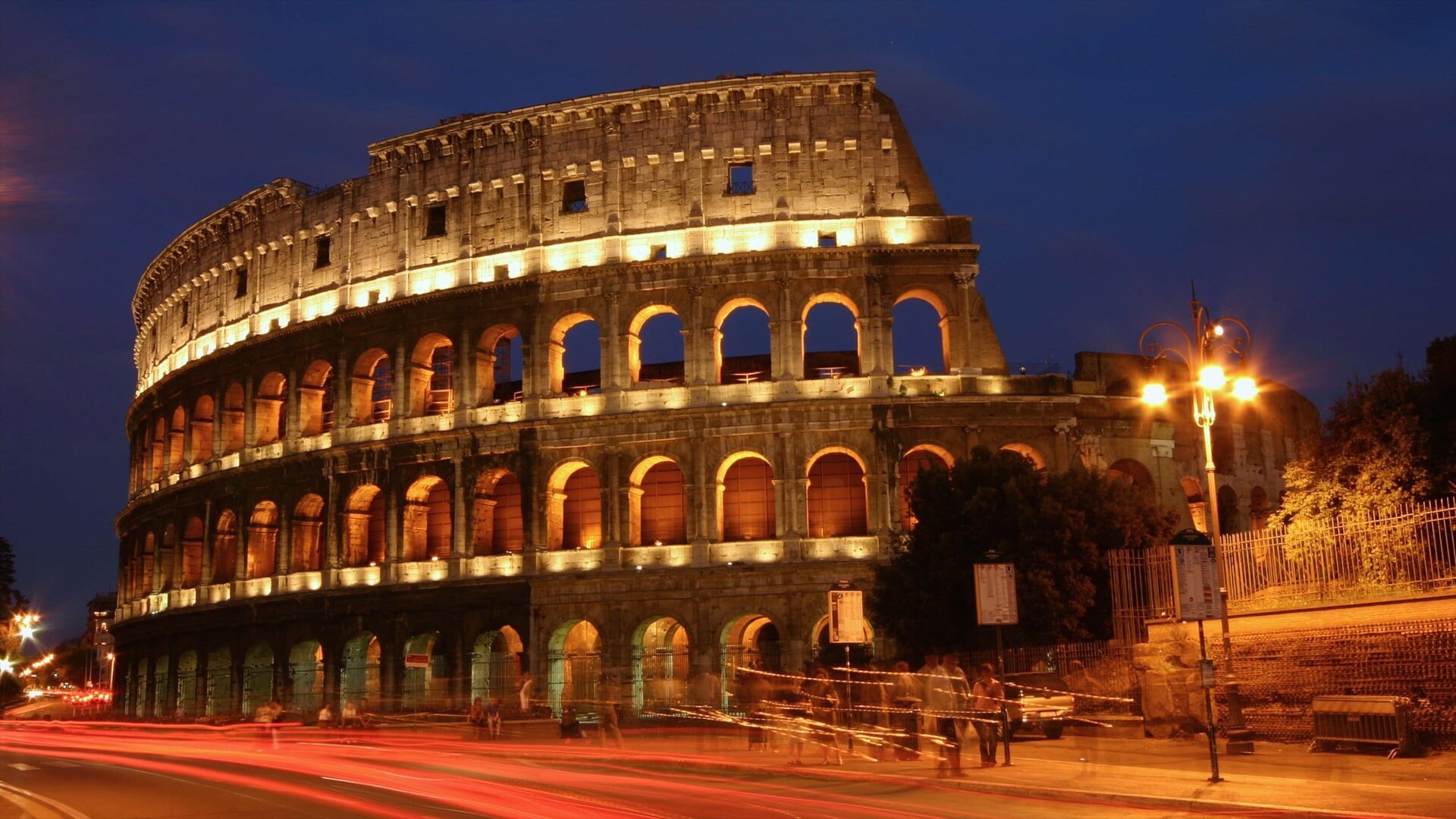
Book major attractions (Vatican, Uffizi, Colosseum) weeks in advance to skip lines. Validate train tickets before boarding. Many shops close for riposo (afternoon break) 1-4pm. Cover shoulders and knees for church visits. Coperto (cover charge) of €1-3 is normal at restaurants.
Current Travel Situation
United States to Italy: What You Need to Know
Italy is one of the most popular European destinations for Americans, drawing millions each year to Rome, Florence, Venice, the Amalfi Coast, Tuscany, and the Italian Lakes. Italy has more UNESCO World Heritage Sites than any other country in the world (58 as of 2023). US citizens benefit from the Schengen visa exemption, giving them 90 days collectively in the entire Schengen Zone. Italy is notable for its extraordinary cultural depth , the Roman Empire's monuments, Renaissance art, Baroque churches, medieval hilltowns, and world-famous cuisine and wines. The significant Italian-American diaspora in the US gives many Americans ancestral connections to Italy.
How to Get There
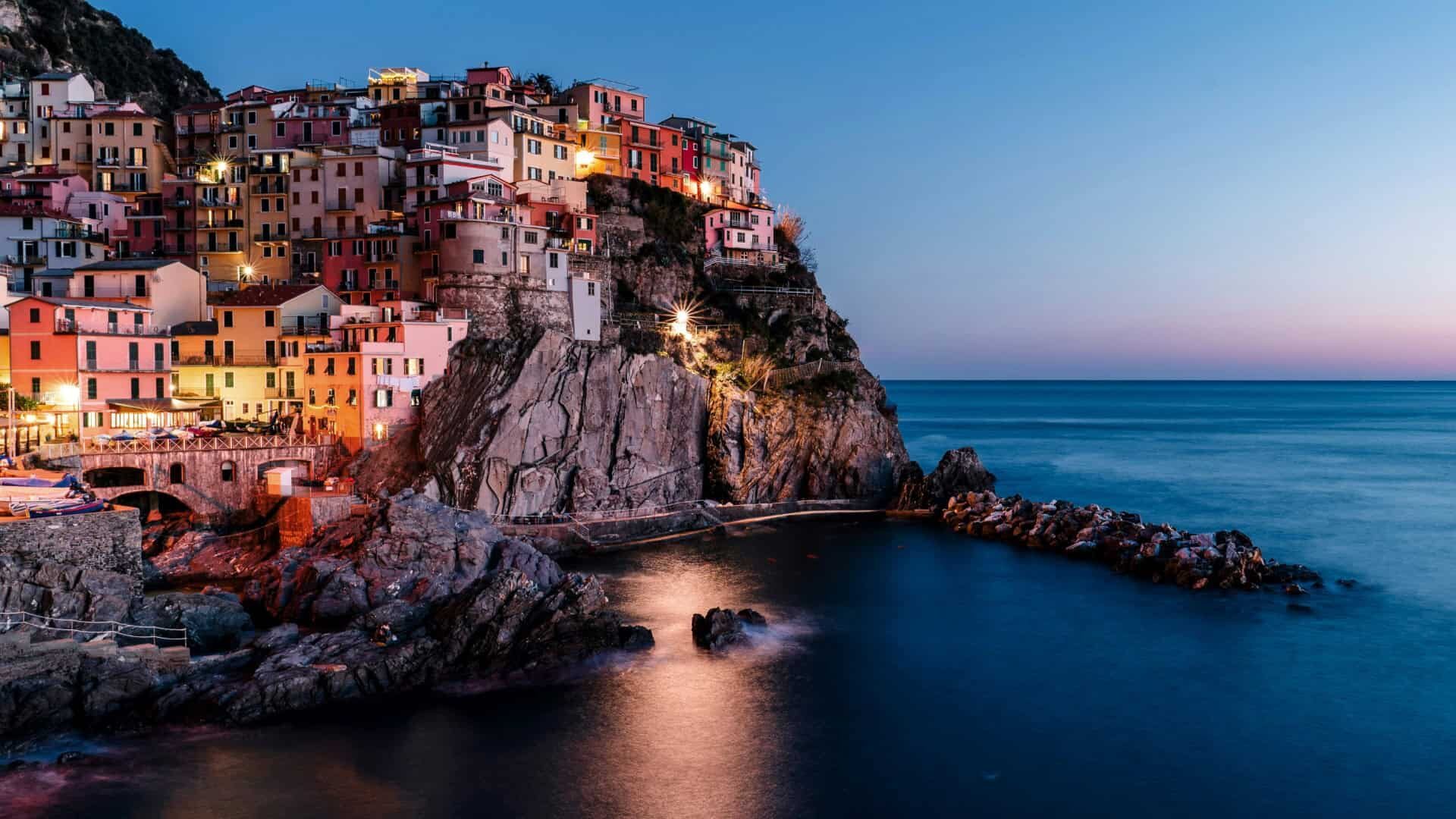
Italy shares borders with France (accessible from Nice/Ventimiglia by train or road), Switzerland (accessible from Milan to Zurich; Lugano), Austria (accessible from Venice to Innsbruck; Bolzano/Merano), and Slovenia (accessible from Trieste). Ferry connections run from Venice to Croatia, from Naples to Palermo (Sicily), and from Bari to Greece. The Cinque Terre is accessible by train from Florence or Genoa. Southern Italy (Naples, Pompeii, Amalfi) is a half-day to full-day trip from Rome.
Money & Banking
Italy uses the euro (EUR). Card payments are increasingly accepted in Rome, Florence, and Venice but some smaller restaurants and shops remain cash-only. ATMs are widespread (known as Bancomat). Italy is moderately expensive , prices vary enormously between tourist hotspots (Venice is very expensive) and smaller towns. A sit-down meal at a tourist restaurant in Rome costs EUR 15-35/person; a true local trattoria can be EUR 10-18/person. Ordering a coffee standing at the bar (not sitting) is cheaper and authentically Italian.
Practical Tips
Italy's train network (Trenitalia and Italo) connects Rome, Florence, Venice, Naples, and Milan efficiently. Book high-speed train tickets in advance for significant savings. Rome's major sites (Colosseum, Roman Forum, Vatican Museums) require advance booking , queues without reservations are very long. The Colosseum and Vatican Museums should be booked weeks in advance in peak season. Rome's ZTL (limited traffic zones) are strictly enforced , check before driving a rental car in historic centers. August is when Italians take vacations , cities become touristy ghost towns with closed local restaurants.
Frequently Asked Questions
Do US citizens need a visa to visit Italy?
No, US citizens can visit Italy and other Schengen Area countries for up to 90 days within any 180-day period without a visa. Starting in 2025, ETIAS (European Travel Information and Authorization System) authorization will be required, costing €7 and valid for 3 years or until your passport expires. Your passport must be valid for at least 3 months beyond your planned departure and issued within the previous 10 years. This visa-free access covers tourism, business meetings, conferences, and family visits.
Do US citizens need a visa for Italy?
No. US citizens can visit Italy visa-free for up to 90 days in any 180-day period under the Schengen Agreement. Note: ETIAS pre-registration may be required starting in 2025. Check current status before traveling.
What is the 90/180 day Schengen rule and how does it affect my Italy trip?
The 90/180 rule means you can spend up to 90 days in any 180-day rolling period within the entire Schengen Area (26 European countries). Days spent in any Schengen country count toward your 90 days, so time in France, Spain, Germany, etc., all adds up with your Italy days. To calculate, look back 180 days from any date and count total Schengen days. Online calculators help track this. Overstaying can result in fines, deportation, and future entry bans. If planning extended European travel, carefully map out your Schengen vs. non-Schengen destinations.
Do I need to book Rome's major attractions in advance?
Yes, strongly. The Colosseum and Roman Forum, Vatican Museums (including the Sistine Chapel), and Borghese Gallery all require advance reservations and frequently sell out days or weeks ahead. Book online at the official websites. Without reservations, you face very long queues or may be turned away.
What are the best times to visit different parts of Italy?
Italy's best timing depends on your destination and preferences. Spring (April-May) and fall (September-October) offer pleasant weather, manageable crowds, and lower prices for most destinations. Summer (June-August) brings intense heat, especially in cities like Rome and Florence, plus peak crowds and prices, but is ideal for the Alps and Dolomites. The Amalfi Coast and Italian Riviera are best April-June or September-October. Winter is perfect for skiing in the Alps and Dolomites, while Sicily and southern regions remain mild. Venice can flood in November-January (acqua alta). August sees many Italians on vacation, and some businesses close.
Is Italian a problem for US tourists?
In major tourist areas (Rome, Florence, Venice, Amalfi), English is widely spoken in hotels, restaurants, and museums. In smaller towns and rural areas, Italian language knowledge helps significantly. Learning a few Italian phrases (per favore, grazie, scusi) is appreciated and goes a long way.
How do I get around Italy efficiently?
Italy has excellent rail connections. High-speed Frecciarossa trains link major cities quickly (Rome to Florence in 1.5 hours, Rome to Milan in 3 hours). Book Trenitalia or Italo trains in advance for best prices. Regional trains serve smaller towns affordably but are slower. Driving offers flexibility for Tuscany, the Amalfi Coast, and rural areas, but avoid cars in major cities where traffic and ZTL restricted zones create headaches. Low-cost airlines connect distant cities. Ferries link coastal destinations and islands. In cities, walking is often best; Rome, Florence, and Venice are very walkable, with public transit supplementing longer distances.
When should US tourists avoid Venice?
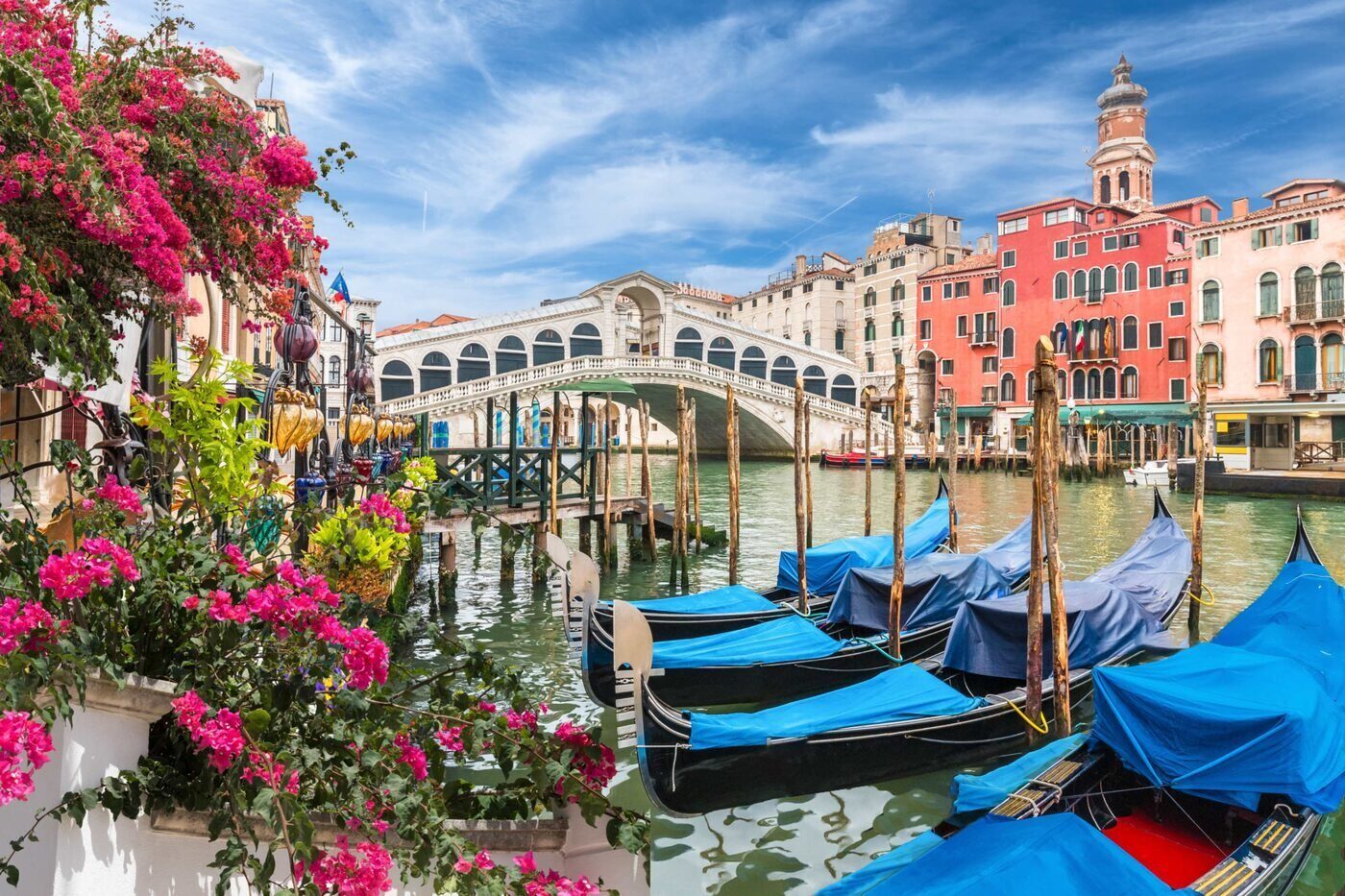
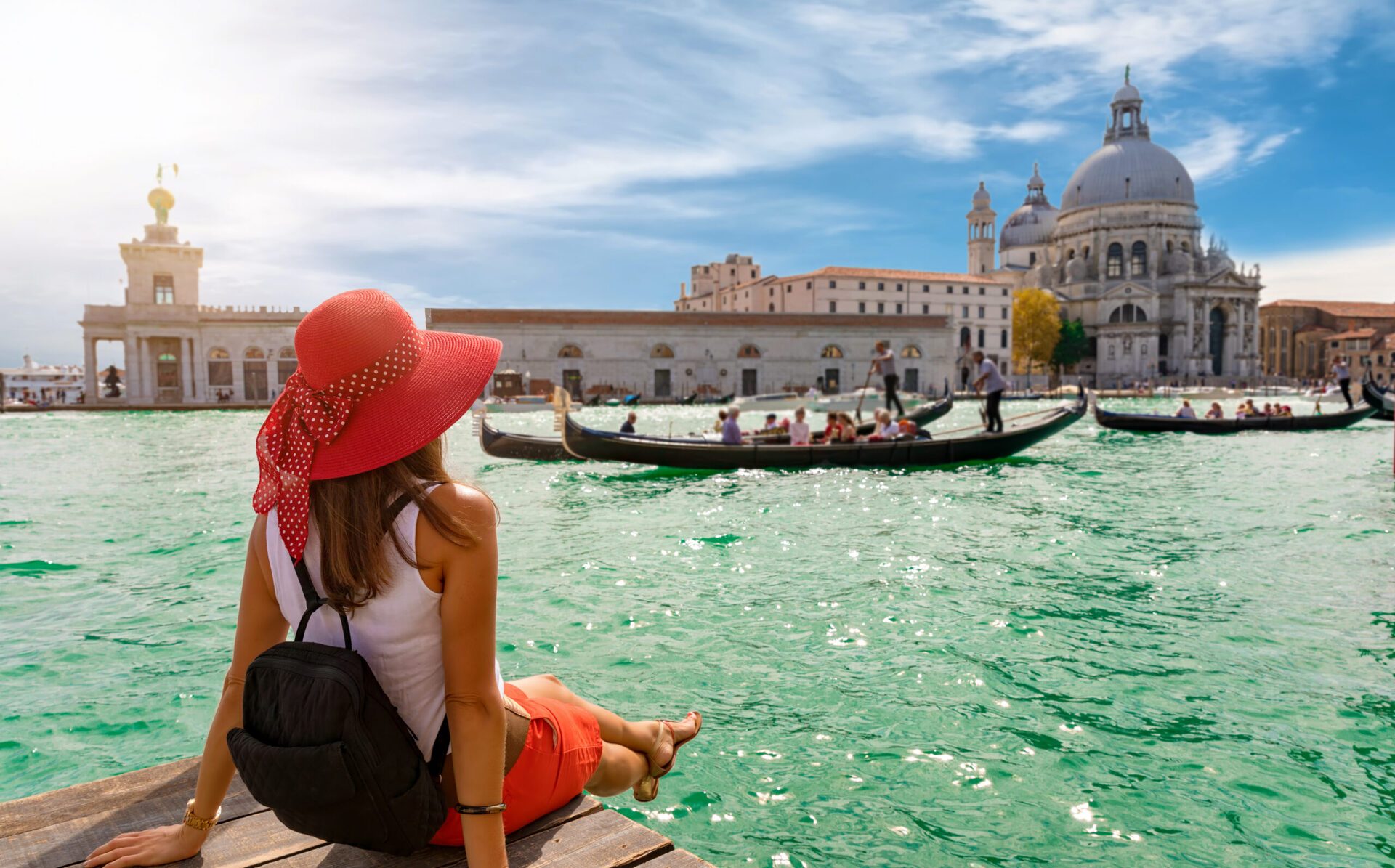
Venice is very crowded and expensive at peak times. In summer (July-August), acqua alta (flooding) can affect certain areas. Easter and Carnival (February/March) are extremely crowded. The best times to visit Venice are November-February (cold but atmospheric and empty) or May (before summer crowds).
What cultural etiquette should I know for Italy?
Italians appreciate effort to respect their customs. Dress modestly when visiting churches (covered shoulders and knees required). Cappuccino is a morning drink; ordering it after lunch marks you as a tourist. Dinner typically starts at 8pm or later; restaurants may not even be open at 6pm. "Pronto" answers phones, not "Ciao." Greet shopkeepers when entering and leaving. Don't expect to rush meals; lingering over food is cultural. The concept of "bella figura" (making a good impression) matters; Italians dress well even for casual outings. Basic Italian phrases are warmly received, even if Italians respond in English.