Jamaica Visa RequirementsFor United States passport holders
American citizens can visit Jamaica visa-free with just a valid US passport for up to 90 days. Jamaica eliminated its tourist card requirement in June 2019. Jamaica is one of the most popular international destinations for Americans, with direct flights from dozens of US cities, world-famous all-inclusive resorts, reggae music birthplace, Blue Mountain coffee, and the natural beauty of the Blue Mountains and Dunn's River Falls.
Great news! United States passport holders can enter Jamaica without a visa for tourism or business purposes. You can stay up to 90 days.
No visa required for US passport holders visiting Jamaica for up to 90 days. Since June 2019, the tourist card is no longer required. Before travel, complete the online C5 immigration/customs form at enterjamaica.com (free, required). Ensure your US passport is valid for at least 6 months from entry. On arrival at Montego Bay (MBJ) or Kingston (KIN) airports, present your completed C5 form, passport, and return ticket.
Entry Requirements
Passport Validity
6 months beyond date of entry
Blank Pages
2 blank pages required
Multiple Entry
Allowed
Work Permitted
No - requires work visa
Required Documents
Valid US Passport
Must be valid for at least 3-6 months beyond your planned departure date (varies by country)
Valid US passport (minimum 6 months validity)
Return or Onward Ticket
Proof of departure from the country, such as a return flight or onward travel booking
Completed C5 immigration form (enterjamaica.com)
Return or onward flight ticket
Proof of Accommodation Recommended
Hotel reservation, Airbnb booking, or address where you will be staying
Proof of Sufficient Funds Recommended
Credit cards, bank statements, or cash to cover expenses during your stay
Travel Insurance Recommended
Recommended for all international travel covering medical emergencies
Travel Essentials
Health & Safety
Safety Rating
Vaccinations
Hepatitis A/B, Typhoid.
Tap Water
Safe to drink
Safety Tips
Stay in tourist areas. Avoid Kingston inner city. Dont walk alone at night.
Money & Costs
Currency
J$ Jamaican Dollar (JMD)
Daily Budget (USD)
Budget: $60 · Mid: $120 · Luxury: $350+
Cards & ATMs
Resorts and tourist areas.
Tipping
10-15% expected.
Practical Info
Power
Type A, B, 110V, 50Hz
Driving
Left side
Emergency
Emergency: 119
Police: 119
Ambulance: 110
Mobile/SIM
Buy at Digicel, Flow.
Getting There
Airport Transfers
Montego Bay: Taxi to Negril $80, resort transfers.
Local Transport
Resort transfers. Licensed taxis. JUTA taxis.
Culture & Travel Tips
Best Time to Visit
Jamaica's best weather runs from mid-December through mid-April - the dry season with comfortable temperatures (80-85°F/27-29°C) and lower humidity. This is peak season with highest prices and crowds at resorts.
The sweet spot is late November through mid-December or late April through early May - good weather, fewer crowds, and better prices. Shoulder seasons are underrated.
Hurricane season officially runs June through November, with September and October being highest risk. Hurricanes don't hit often, but when they do, it's serious. Travel insurance is essential.
Summer (June-August) brings rain, higher humidity, and lower prices. Morning sunshine typically gives way to afternoon showers. It's still warm and many travelers find this acceptable.
Reggae Month (February) celebrates Jamaica's musical heritage with events island-wide. Carnival (March/April) brings parties and parades. Independence Day (August 6) is a national celebration.
Cultural Notes
Jamaica's pace is relaxed - 'soon come' means eventually. Don't expect American efficiency or Swiss punctuality. Adapt to 'island time' rather than fighting it.
Bob Marley and reggae are national treasures. Visit the Bob Marley Museum in Kingston and attend a live music session. Music is integral to daily life, not just tourist entertainment.
Rastafari originated in Jamaica - it's a religion and philosophy, not just dreadlocks and marijuana. Many Rastas are vegetarian and deeply spiritual. Show respect when encountering the culture.
Marijuana (ganja) is decriminalized for small amounts but technically illegal for tourists. The relaxed attitude you'll observe doesn't mean it's legal. Be discreet and aware of laws.
Jamaican Patois sounds like English but is its own language. You'll understand some words but not everything. Don't mock it - it's a source of national pride.
LGBTQ+ travelers should exercise caution - Jamaican culture remains conservative and homophobia is widespread. Discretion is advisable outside of Kingston's limited gay-friendly spaces.
Insider Tips
All-inclusive resorts dominate tourism - they're convenient but isolate you from real Jamaica. Venture outside for authentic experiences: local restaurants, markets, and communities.
Don't flash expensive items and be aware of your surroundings, especially in Kingston and Montego Bay's downtown areas. Tourist zones are generally safe but petty theft occurs.
Negotiate everything outside of fixed-price establishments - taxi fares, tour prices, souvenirs. Agree on prices before services, not after. Be friendly but firm.
US dollars are widely accepted but you'll often get better value paying in Jamaican dollars. ATMs are available in towns - withdraw what you need.
The roads are challenging - potholes, narrow lanes, left-side driving, and assertive local drivers. Consider hiring a driver-guide rather than self-driving, especially your first visit.
Try real Jamaican food beyond jerk chicken: ackee and saltfish (national dish), curry goat, patties (meat pastries), and festival (sweet fried dough). Street food from busy stalls is safe and delicious.
Dress Code
Casual beach.
Current Travel Situation
United States to Jamaica: What You Need to Know
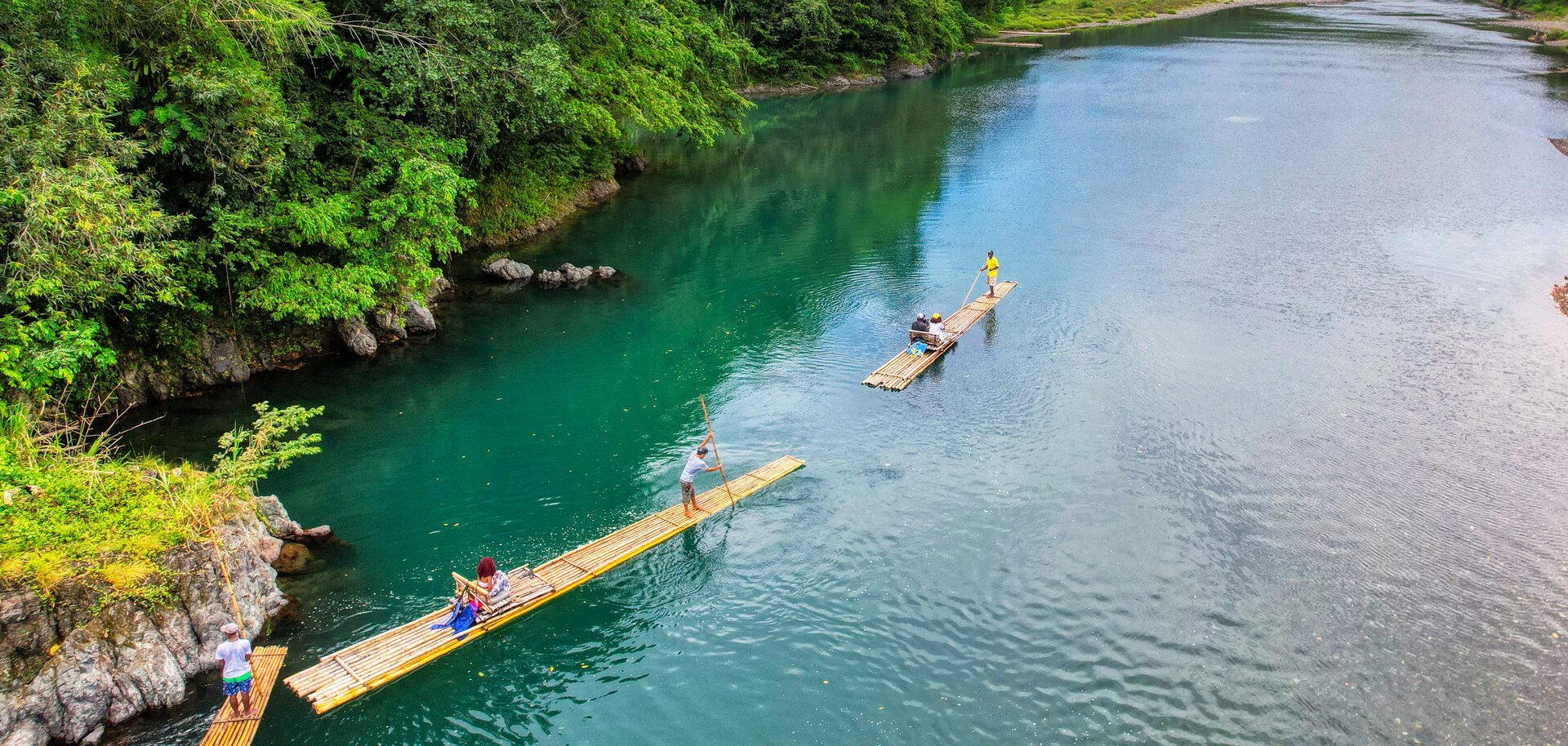
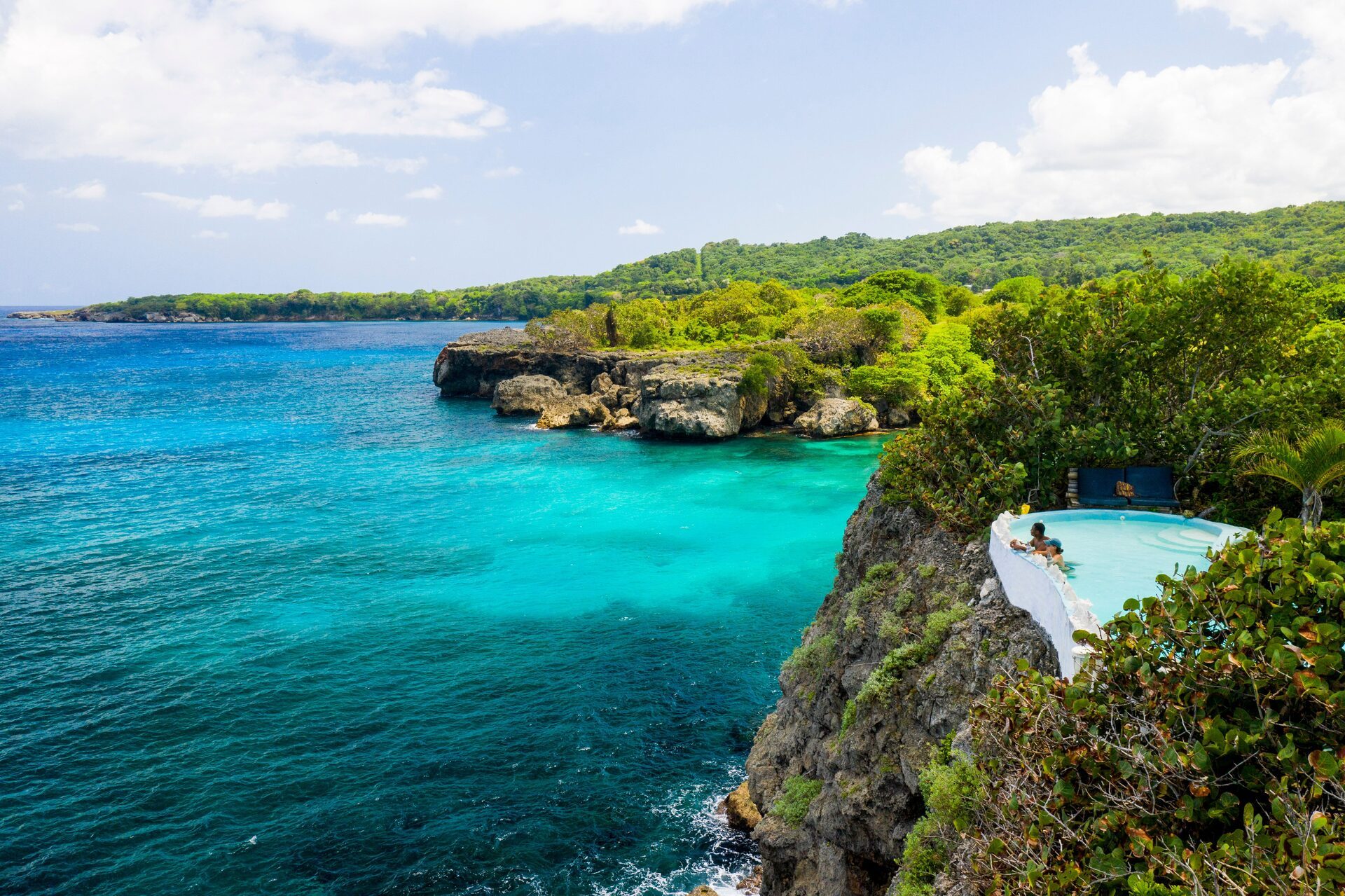
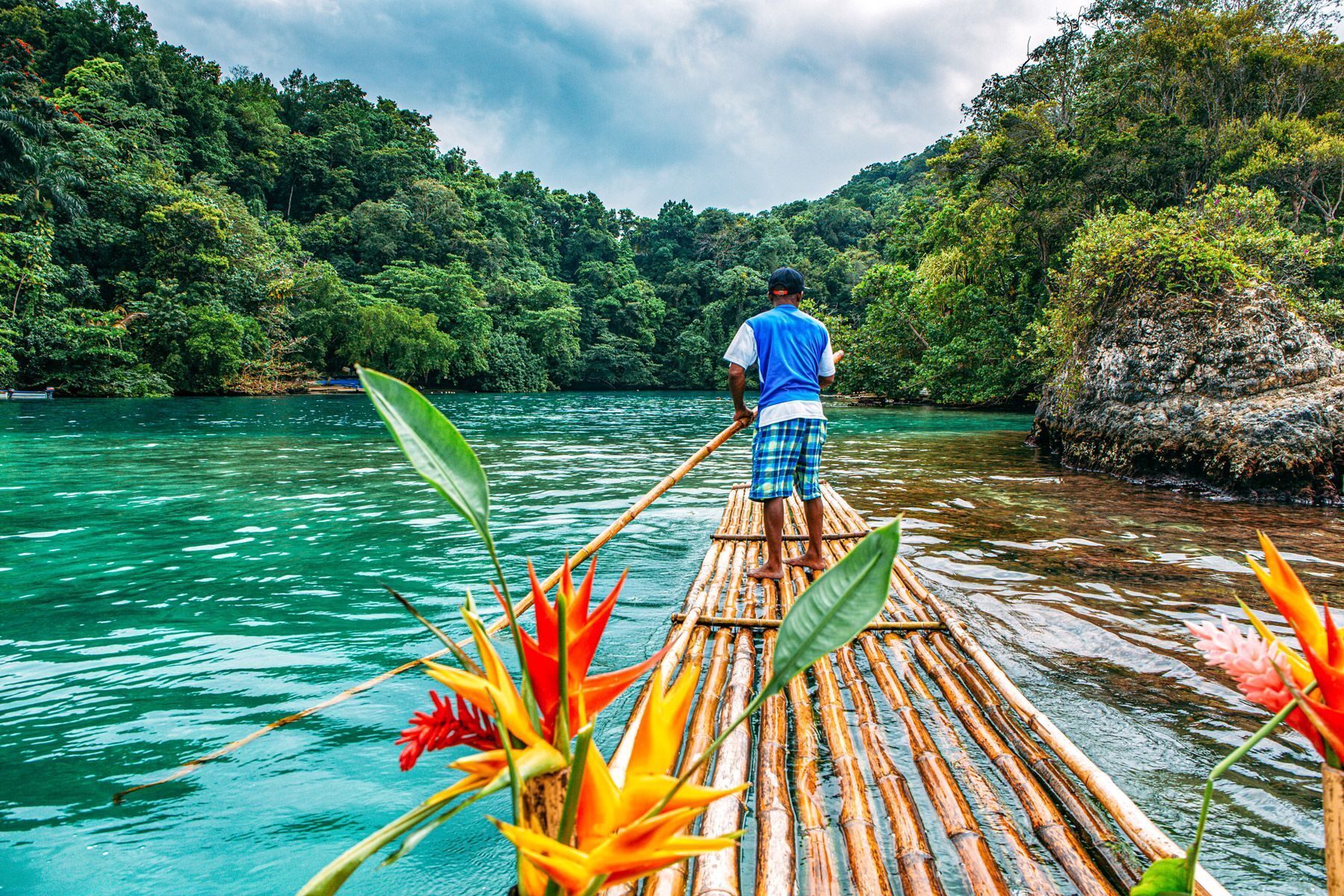
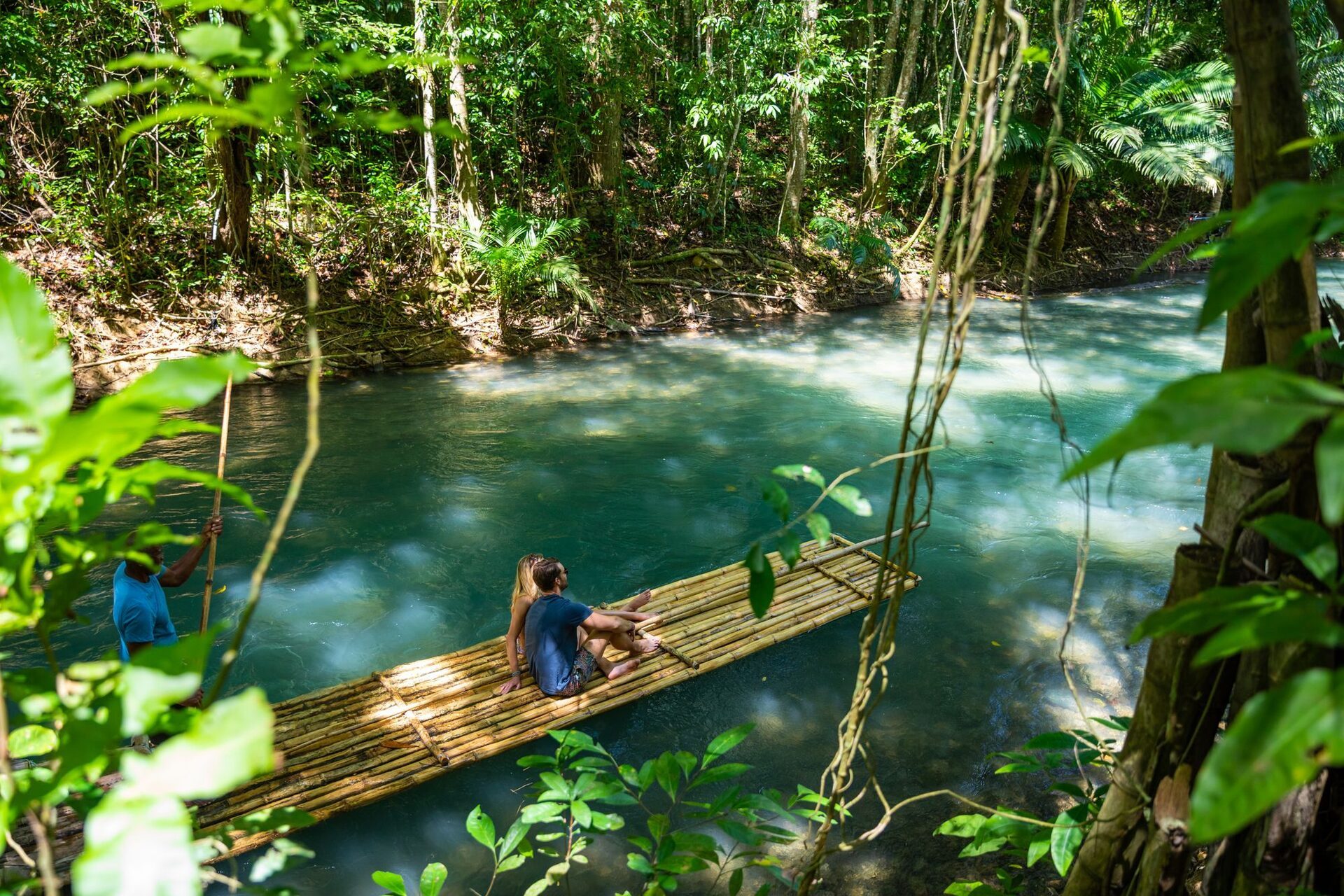
Jamaica has been a major destination for American tourists for decades, and the elimination of the $35 tourist card in June 2019 simplified entry further. Jamaica is the third-largest island in the Caribbean, with an extraordinary cultural legacy: the birthplace of reggae music (Bob Marley), the global spread of Rastafari culture, world-record sprinters (Usain Bolt), and a distinctive Jamaican patois. For Americans, Jamaica offers the full spectrum of Caribbean travel: luxury all-inclusive resorts in Montego Bay and Negril, boutique hotels in Port Antonio, direct beach access, and adventure activities including rafting on the Rio Grande, hiking the Blue Mountains, and diving along the third-largest coral reef system in the world.
How to Get There
American Airlines, Delta, United, JetBlue, Southwest, Spirit, Frontier, and Air Canada all operate direct flights to Jamaica. Montego Bay (MBJ - Sangster International) is the main tourist gateway with direct flights from Miami (1.5 hours), New York (3.5 hours), Atlanta, Charlotte, Boston, Philadelphia, Chicago, Dallas, Houston, Washington D.C., and many other US cities. Kingston (KIN - Norman Manley) serves the capital. Montego Bay is the most connected airport in the Caribbean for US routes.
Money & Banking
Jamaica uses the Jamaican dollar (JMD), but USD is widely accepted at tourist areas, resorts, and markets. Prices at all-inclusive resorts are typically quoted in USD. Budget for independent travel: $80-150 USD per day including accommodation, meals, and activities. Montego Bay and Negril are more expensive; Kingston and Port Antonio are more affordable. Jerk chicken and pork from roadside stands (Boston Beach in Port Antonio has the most authentic jerk) is both excellent and very cheap.
Practical Tips
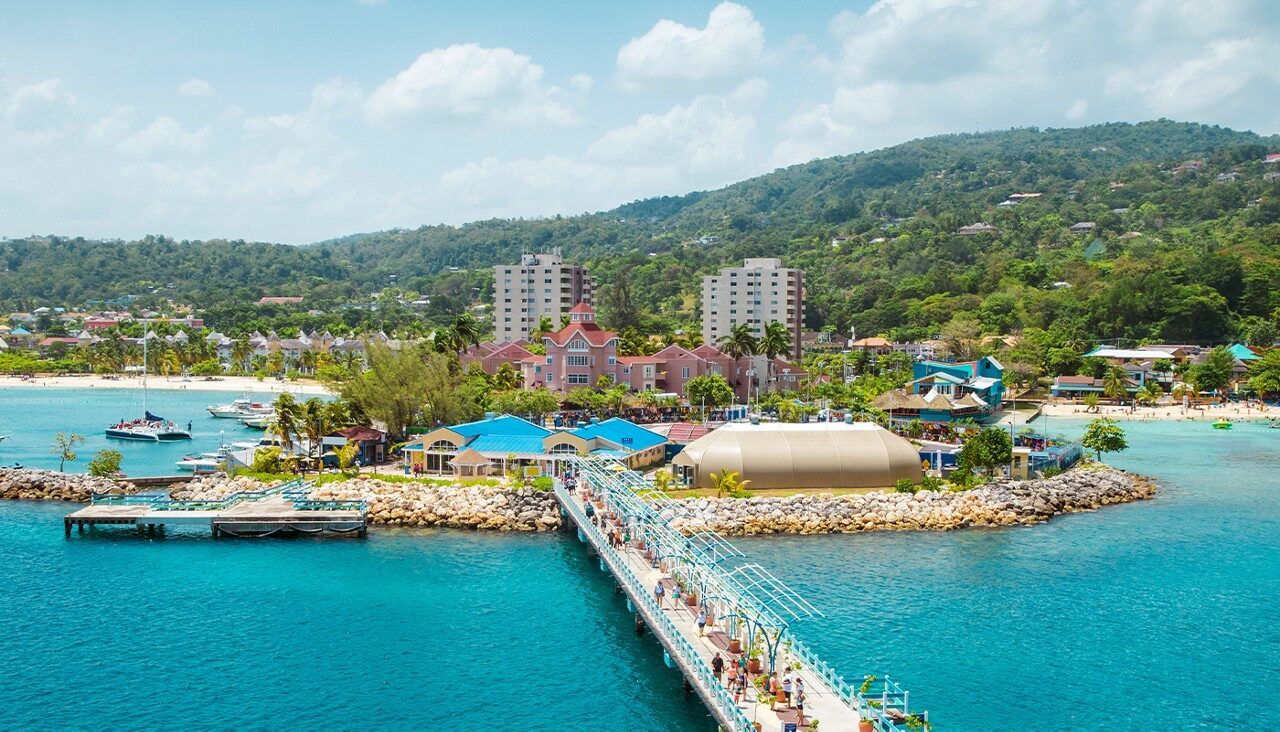
Montego Bay: Hip Strip (main tourist bar and restaurant strip), Doctor's Cave Beach (one of Jamaica's best urban beaches), the Luminous Lagoon (bioluminescent bay 45 minutes east). Negril: Seven Mile Beach (the classic Jamaican long white-sand beach), Rick's Cafe (cliff diving spot at sunset). Ocho Rios: Dunn's River Falls (terraced waterfall you climb), Dolphin Cove, and as the main port for cruise ships. Blue Mountains: coffee plantation tours (Blue Mountain coffee is among the world's most expensive) and sunrise hike to the peak (7,402 ft). Kingston: Bob Marley Museum (the house where he lived and died), Devon House (colonial mansion with the best ice cream in the Caribbean), National Gallery of Jamaica. Negril and Long Bay have some of the Caribbean's best sunsets.
Frequently Asked Questions
Do US citizens need a visa for Jamaica?
No. Americans can visit Jamaica visa-free for up to 90 days. The tourist card was eliminated in 2019. However, you must complete the free C5 immigration form at enterjamaica.com before travel and show a return ticket.
What is the best area to stay in Jamaica?
Montego Bay (MoBay): most convenient for airport access, best all-inclusive resort selection, good nightlife. Negril: Seven Mile Beach, more relaxed, famous sunsets. Ocho Rios: cruise port, Dunn's River Falls nearby. Port Antonio: most authentic, least touristic, Rio Grande rafting. Kingston: cultural capital, Bob Marley Museum -- less of a beach destination.
Are there direct flights from most US cities to Jamaica?
Yes. Montego Bay (MBJ) is one of the Caribbean's most connected airports for US routes, with direct flights from over 20 US cities including Miami (1.5 hours), New York, Atlanta, Boston, Philadelphia, Charlotte, Chicago, Dallas, and Houston on American, Delta, JetBlue, Southwest, and Spirit.