Morocco Visa RequirementsFor United States passport holders
American citizens can visit Morocco visa-free for up to 90 days. Morocco is the most accessible African country for American travellers, with direct flights from New York and being just 14 kilometers from Europe across the Strait of Gibraltar. Ancient medinas, the Sahara Desert, Berber mountain villages, and Atlantic beaches make Morocco one of the world's most diverse travel experiences.
Great news! United States passport holders can enter Morocco without a visa for tourism or business purposes. You can stay up to 90 days.
No visa required for US passport holders visiting Morocco for up to 90 days. On arrival at Casablanca Mohammed V Airport (CMN) or Marrakech Menara Airport (RAK), US citizens receive a tourist entry stamp. Ensure your US passport has at least 6 months validity. You may be asked for a return ticket, accommodation address, and evidence of sufficient funds.
Entry Requirements
Passport Validity
6 months beyond date of entry
Blank Pages
2 blank pages required
Multiple Entry
Allowed
Work Permitted
No - requires work visa
Entry Conditions
Valid passport for 6+ months beyond entry. Proof of accommodation and return ticket may be requested.
Required Documents
Valid US Passport
Must be valid for at least 3-6 months beyond your planned departure date (varies by country)
Valid US passport (minimum 6 months validity)
Return or Onward Ticket
Proof of departure from the country, such as a return flight or onward travel booking
Return or onward flight ticket Recommended
Proof of Accommodation Recommended
Hotel reservation, Airbnb booking, or address where you will be staying
Proof of accommodation Recommended
Proof of Sufficient Funds Recommended
Credit cards, bank statements, or cash to cover expenses during your stay
Travel Insurance Recommended
Recommended for all international travel covering medical emergencies
Travel Essentials
Health & Safety
Safety Rating
Vaccinations
Hepatitis A, Typhoid, COVID-19. Rabies if rural contact expected.
Tap Water
Bottled water recommended
Safety Tips
Morocco is generally safe for tourists. The main annoyances are persistent touts and unofficial "guides" in medinas - politely decline and keep walking. Petty theft occurs - watch belongings in crowded areas. Women may receive more attention but serious incidents are rare. Use official taxis (beige with emblems) or ride apps where available.
Money & Costs
Currency
د.م. Moroccan Dirham (MAD)
Daily Budget (USD)
Budget: $40 · Mid: $90 · Luxury: $200+
Cards & ATMs
Cards accepted in hotels and upscale restaurants. Cash essential in medinas.
Tipping
Tipping is expected in Morocco. In restaurants, 10-15% is standard if service charge isn't included. Tip riad staff at checkout (20-50 MAD per day). Tour guides expect 100-200 MAD per day, drivers similar. Small tips to anyone who provides directions or service (5-10 MAD) are expected. Bathroom attendants receive 2-5 MAD.
Practical Info
Power
Type C, E, 220V, 50Hz
Driving
Right side
Emergency
Emergency: 19 (Police), 15 (Ambulance)
Tourist Police: 19
Mobile/SIM
Buy a SIM card at Maroc Telecom, Orange, or Inwi stores or airport kiosks. Tourist packages with data cost 50-150 MAD for 1-4 weeks. Registration with passport required. Coverage is good in cities and along main routes, variable in rural mountains and desert. WiFi in riads and cafes supplements mobile data.
Getting There
Main Airports
Marrakech (RAK) · Casablanca (CMN)
Airport Transfers
Casablanca Mohammed V: Train to city (45 MAD, 30 minutes) or Marrakech (150 MAD, 3 hours). Taxi to Casablanca around 300 MAD. Marrakech Menara: Taxi to medina 70-150 MAD (15-20 minutes). Bus 19 to Jemaa el-Fna (30 MAD). No Uber/Grab - use petit taxis.
Local Transport
ONCF trains connect major cities reliably and affordably - first class is comfortable. CTM buses are the best coach option for routes without trains. Petit taxis (small, colored by city) serve within cities - insist on meters or agree price first. Grand taxis (usually Mercedes sedans) connect cities in shared rides. RAM and budget airlines connect major cities.
Culture & Travel Tips
Best Time to Visit
Morocco offers distinct experiences year-round depending on region. Spring (March-May) and autumn (September-November) provide ideal conditions throughout the country - warm but not scorching, with pleasant temperatures for Sahara excursions. Summer (June-August) brings intense heat to Marrakech and the desert (40°C+/104°F+), though coastal cities like Essaouira stay cooler. Winter is mild in the south but cold in the Atlas Mountains and northern regions; skiing is possible at Oukaimeden. Ramadan affects restaurant hours and daily rhythms but offers unique cultural experiences. The Atlas Mountains are accessible spring through fall, with trekking season peaking in summer.
Cultural Notes
Morocco is a Muslim kingdom with a rich heritage blending Arab, Berber (Amazigh), and African influences. The King holds religious and political authority, and respect for the monarchy is expected. Islam shapes daily life - the call to prayer marks time, Friday is holy, and Ramadan is widely observed. Moroccans are famously hospitable, often inviting strangers for tea. However, the tourism industry can be aggressive - persistent touts and guides are part of the medina experience. Women may receive unwanted attention; modest dress helps but doesnt eliminate this. Berber culture is prominent in the Atlas Mountains and south. Hammams (public baths) are traditional and worth experiencing. Moroccan craftsmanship - leather, ceramics, carpets, metalwork - is exceptional.
Insider Tips
Morocco is North Africas most accessible destination, offering an intoxicating blend of ancient medinas, Sahara dunes, Atlantic beaches, and mountain villages. Marrakech and Fes are the headline cities - prepare for sensory overload in the souks. Trains connect major cities comfortably; buses reach everywhere else. Supratours and CTM offer reliable service. Hiring a driver for Atlas Mountains or desert excursions is affordable and recommended. Haggling is expected in souks - offer 30-50% of the asking price and work up. French is widely spoken alongside Arabic and Berber; English is growing. Try tagine, couscous on Fridays, and mint tea everywhere. Tipping is customary. Moroccan dirham is the currency; exchange at banks for best rates.
Dress Code
Modest dress for women (cover shoulders, knees). Men should avoid shorts in medinas.
Current Travel Situation
United States to Morocco: What You Need to Know
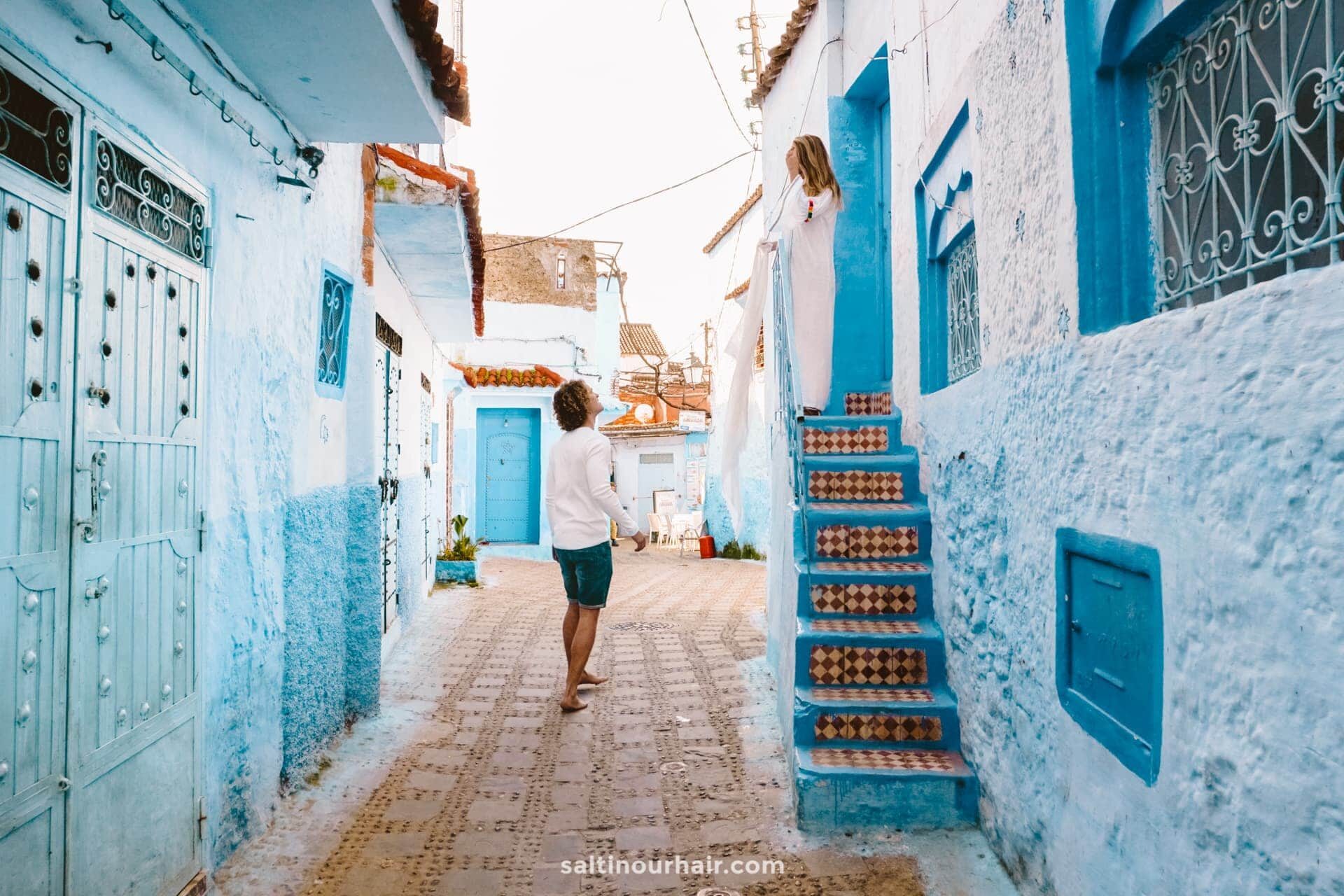
Morocco has maintained visa-free access for American citizens for decades, reflecting close US-Morocco diplomatic ties. Morocco was the first country to recognize American independence in 1777. Morocco is a constitutional monarchy with a moderate Islamic tradition, and it has been one of Africa's most stable countries. For Americans, Morocco offers an extraordinary combination of proximity, affordability, and cultural contrast: the medieval medinas of Fez and Marrakech (UNESCO World Heritage sites), the Sahara Desert near Merzouga, the Atlas Mountains and Berber villages, Atlantic beach towns like Essaouira, and the cosmopolitan capital Rabat. Morocco is often used by Americans as a short side trip from Spain or Portugal.
How to Get There
Royal Air Maroc operates direct flights from New York (JFK) to Casablanca (CMN) in approximately 7 hours. American Airlines also codeshares on this route. From Casablanca, connecting flights reach Marrakech (50 minutes), Fez (1 hour), and other Moroccan cities. Many Americans also reach Morocco from Spain: Tarifa-Tangier or Algeciras-Ceuta/Tangier ferry (30-90 minutes) or Malaga/Madrid to Marrakech/Casablanca. Flight time New York to Casablanca: approximately 7 hours.
Money & Banking
Morocco uses the Moroccan dirham (MAD). Morocco is very affordable: budget $40-70 USD per day for comfortable travel including accommodation in a traditional riad, meals, and activities. Marrakech riads (traditional courtyard houses) offer beautiful accommodation at $50-150 USD per night. Moroccan street food (tagine, couscous, pastilla, mint tea) is excellent and cheap. Bargaining is expected in medina souks; start at 30-40% of the asking price. Card payments are available at major hotels; carry MAD cash for souks and smaller restaurants.
Practical Tips
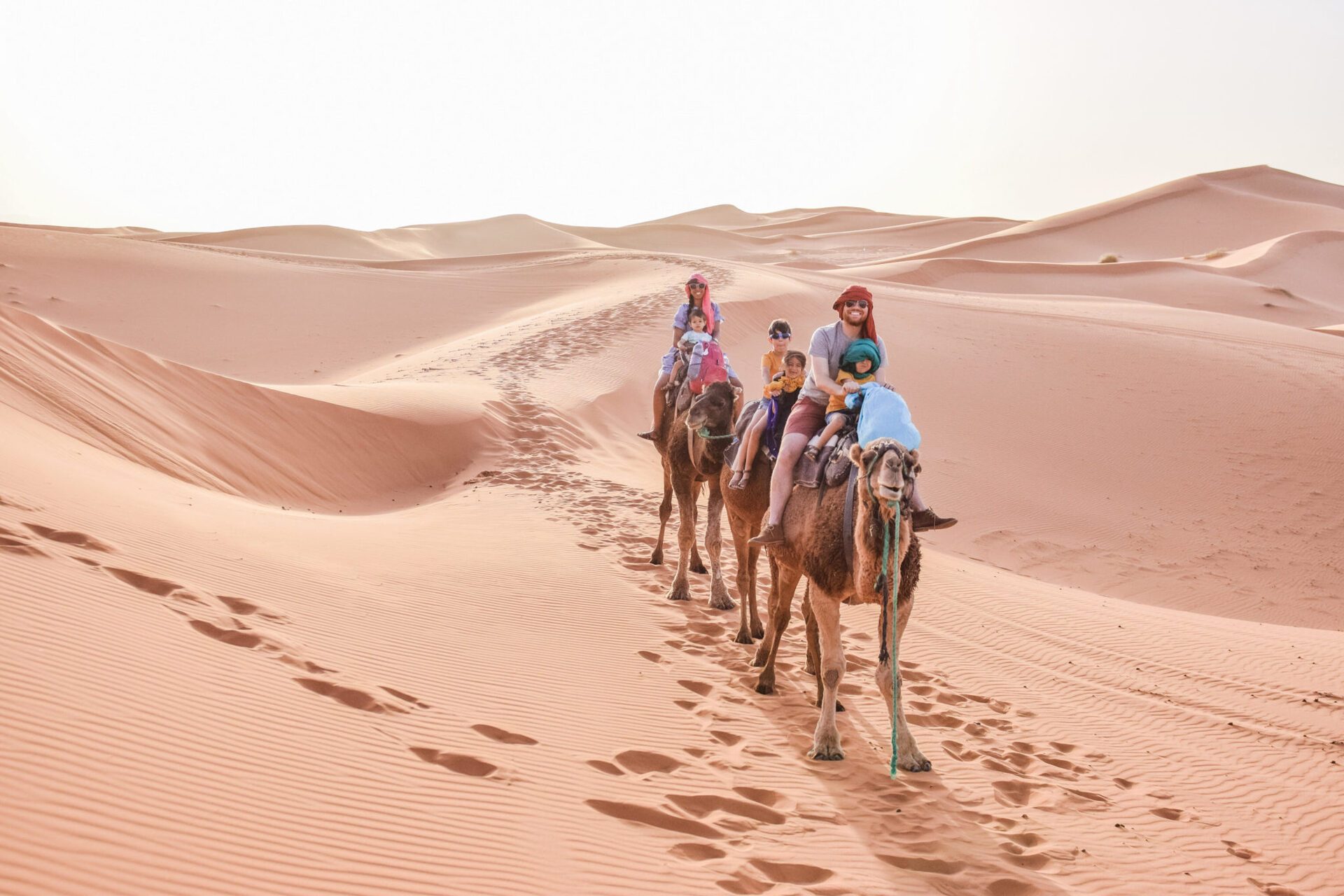
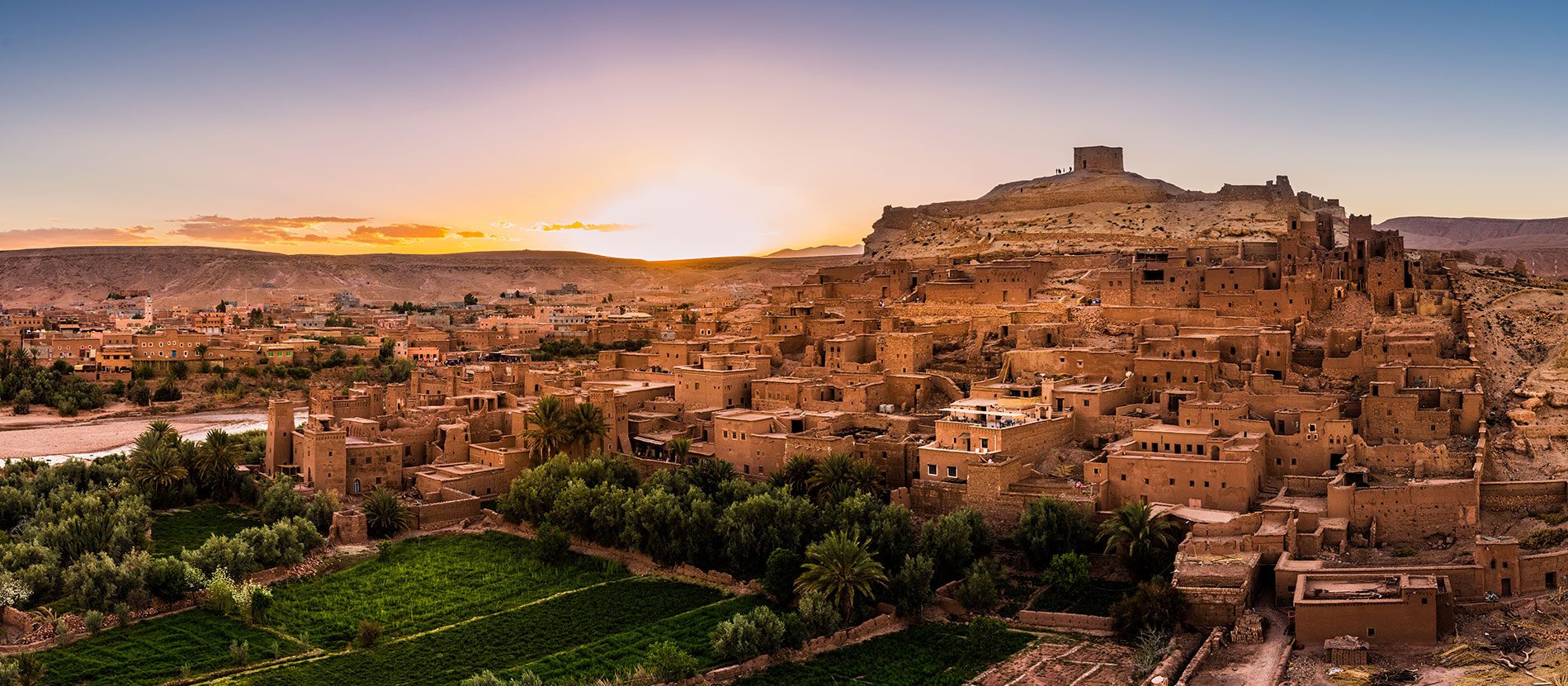
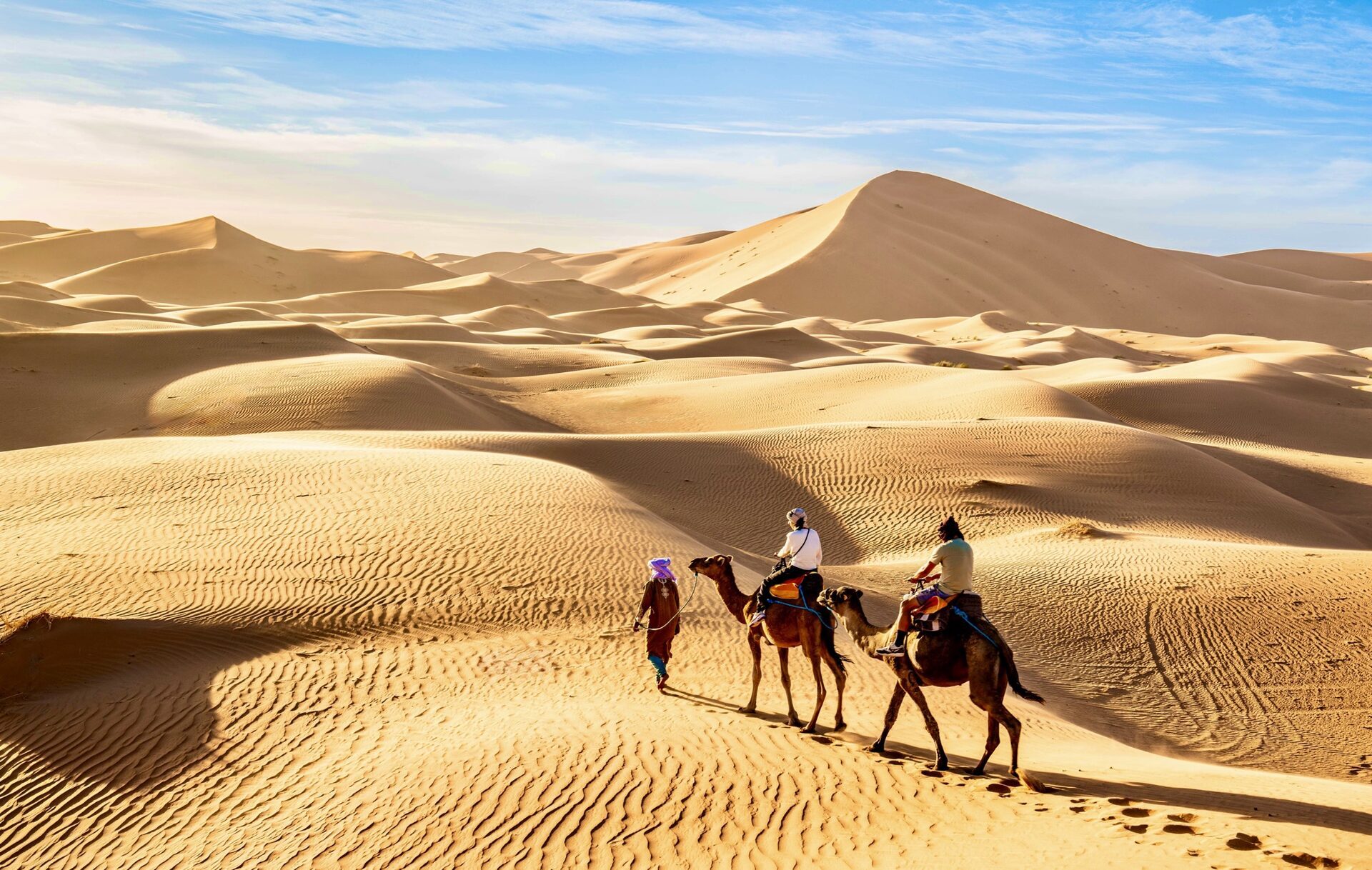
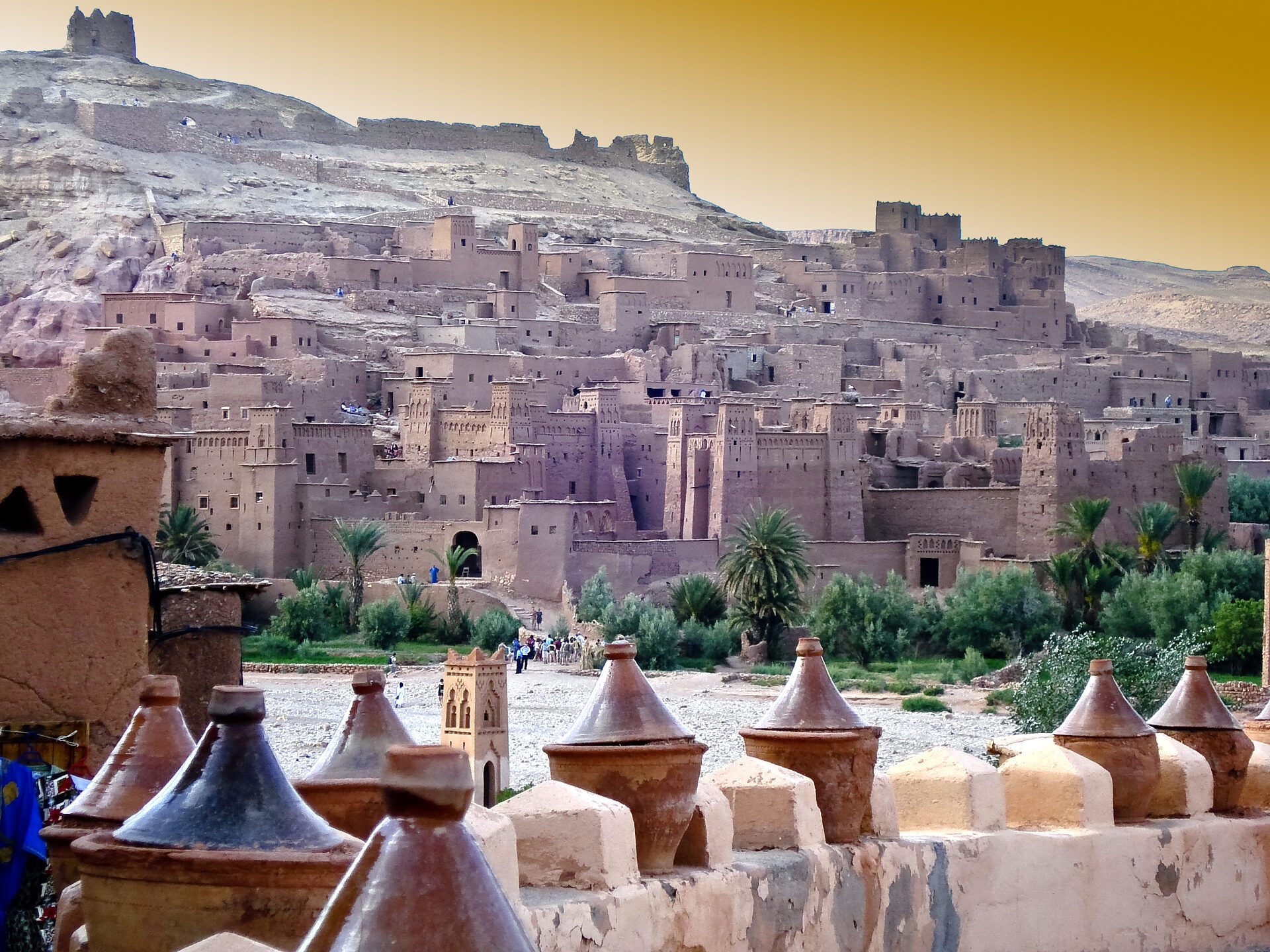
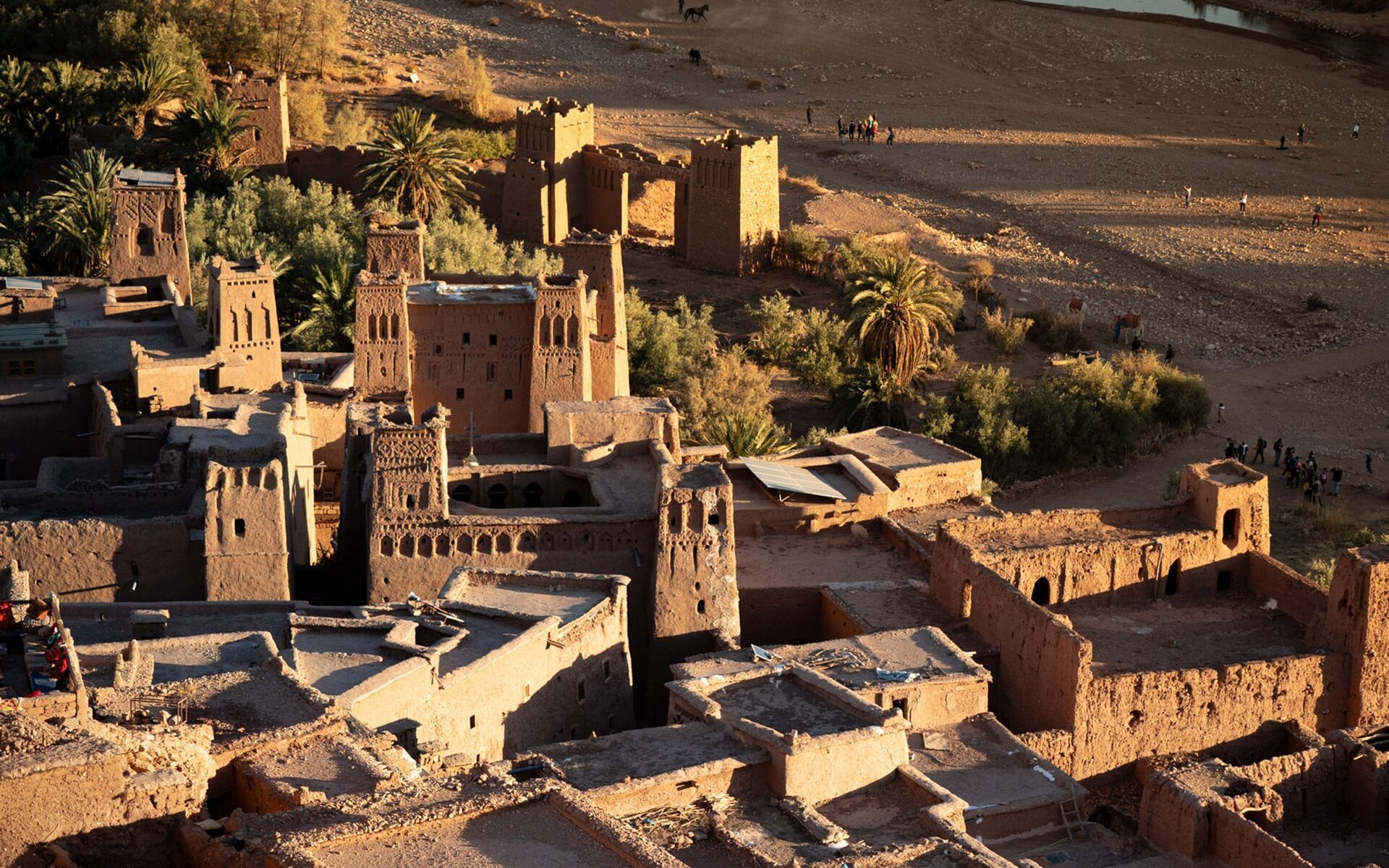
Marrakech: the Djemaa el-Fna square (world's largest outdoor entertainment space, snake charmers, food stalls, musicians by night), the souks (labyrinthine market neighborhoods organized by craft), the Bahia Palace, the Saadian Tombs, and the Yves Saint Laurent Museum. Fez: Fes el-Bali (the world's largest car-free urban area, a UNESCO medieval city), the Al-Qarawiyyin University (oldest university in the world, founded 859 CE), and the Chouara tanneries (viewed from leather shop terraces above). The Sahara: Merzouga and Erg Chebbi are the most accessible sand dunes; overnight camel trekking and sleeping in desert camps is a classic experience. Atlas Mountains: Aït Benhaddou (UNESCO fortified village, filming location for Game of Thrones) and the Todra Gorge.
Frequently Asked Questions
Do US citizens need a visa to visit Morocco?
No, US citizens can visit Morocco without a visa for stays up to 90 days for tourism or business purposes. Your passport must be valid for at least 6 months from your entry date. Upon arrival, you'll receive an entry stamp. There's no formal extension process for the 90-day tourist stay; if you need to stay longer, you must leave the country and re-enter, though frequent border runs may raise questions. For stays exceeding 90 days or for work purposes, you'll need to apply for the appropriate visa.
Do US citizens need a visa for Morocco?
No. Americans can visit Morocco visa-free for up to 90 days. Morocco was the first country to recognize American independence (1777) and has maintained close US ties. Just bring a valid US passport with at least 6 months validity.
Is Morocco safe for American tourists?
Morocco is generally safe for tourists and welcomes millions of visitors annually. The main concerns are petty crime (pickpocketing in crowded medinas and tourist areas), aggressive touts and faux guides (especially in Marrakech and Fes), and minor scams targeting tourists. Violent crime against foreigners is rare. Use registered taxis (petit taxis for city travel, grand taxis for intercity), be firm with persistent salespeople, and keep valuables secure. Women may experience more attention and harassment; modest dress helps. Border areas near Algeria and Western Sahara have travel advisories. Major cities and tourist routes are well-traveled and secure.
How do I get from Spain to Morocco?
The easiest crossing is by ferry from Tarifa (Spain) to Tangier (Morocco) -- approximately 35 minutes, run by FRS and Balearia. From Algeciras (Spain), ferries run to Ceuta (Spanish enclave) or Tangier port. From Tangier, trains and buses connect to Casablanca, Fez, and Marrakech. Budget airlines also fly from Malaga, Madrid, and Barcelona to Marrakech and Casablanca.
What cultural etiquette should I know for Morocco?
Morocco is a Muslim country with traditional values, though relatively moderate and tourist-friendly. Dress modestly, especially in non-tourist areas (covered shoulders and knees for both genders). During Ramadan, avoid eating, drinking, or smoking in public during daylight hours as a sign of respect, though tourist restaurants remain open. Alcohol is available in licensed establishments but not ubiquitous. Ask permission before photographing people, especially in rural areas. Bargaining is expected in souks and markets. The traditional greeting is a handshake, though some conservative Moroccans may not shake hands with the opposite sex. Remove shoes when entering homes and mosques.
Is Morocco safe for American tourists?
Yes. Morocco is one of Africa's most stable and tourist-friendly countries. Major cities have tourist police (Brigade Touristique). Normal precautions apply: watch for pickpockets in busy medina souks, use agreed prices for transportation (or Uber in Marrakech/Casablanca), and be aware that aggressive touts (unofficial guides) approach tourists in medinas.
How do I navigate the medinas and deal with persistent guides?
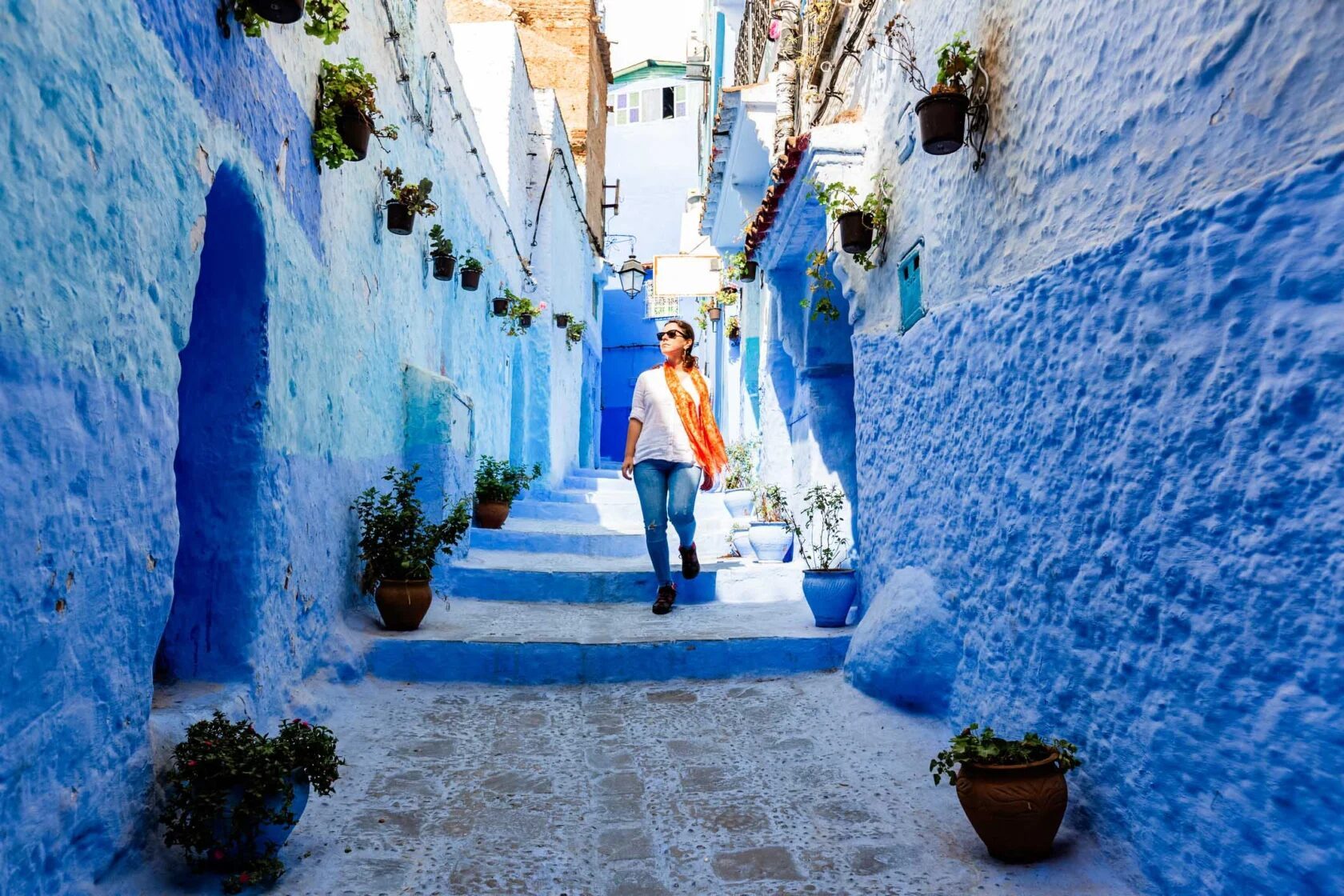
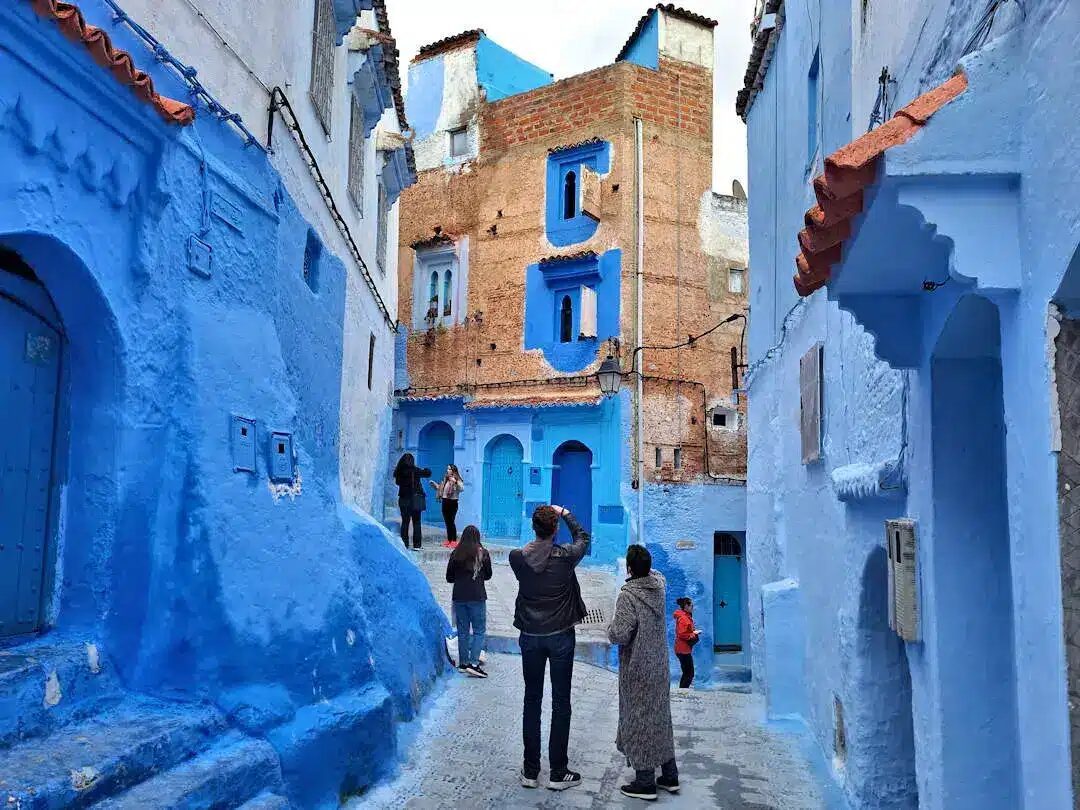
Morocco's ancient medinas (walled old cities) are fascinating labyrinths of narrow alleys. Getting "lost" is part of the experience, though you'll eventually find your way out. Keep your riad's address and phone number handy. Official guides can be hired through tourist offices for historical context and navigation. Unofficial "guides" who approach you offering help often expect payment and may lead you to their cousin's shop. A polite but firm "la shukran" (no thank you) works. If you do use an unofficial guide, agree on a price upfront. Download offline maps. Most shops and locals will helpfully point you toward major landmarks.
What is the best time to visit Morocco?
The best time to visit Morocco depends on your destination. Spring (March-May) and fall (September-November) offer pleasant temperatures for most of the country. Summer (June-August) is extremely hot inland (Marrakech, Fes) with temperatures exceeding 40°C/104°F, but coastal cities (Essaouira, Tangier) remain comfortable. Winter (December-February) is mild in the south but cold in the mountains and north, with snow possible in the Atlas. Desert trips are best in spring or fall to avoid extreme temperatures. Ramadan dates vary yearly; during this month, expect reduced hours and services during the day, with vibrant evenings after sunset.