Japan Visa RequirementsFor United States passport holders
US citizens can visit Japan visa-free for up to 90 days. No prior visa application is needed , simply present your US passport on arrival.
Great news! United States passport holders can enter Japan without a visa for tourism or business purposes. You can stay up to 90 days.
No visa is required. Present your valid US passport on arrival at Narita (Tokyo), Haneda (Tokyo), Kansai (Osaka/Kyoto), Chubu (Nagoya), or other international airports. You will be given an entry stamp for 90 days. Immigration will ask for proof of return travel and accommodation. Starting in 2025, Japan is implementing a Visit Japan Web registration system , check current requirements before departure. ETIAS-style pre-registration may be introduced. Japan requires valid address registration for all stays.
Entry Requirements
Passport Validity
6 months beyond date of entry
Blank Pages
2 blank pages required
Multiple Entry
Single entry only
Work Permitted
No - requires work visa
Required Documents
Valid US Passport
Must be valid for the duration of stay
Proof of Onward Travel
Return or onward flight ticket — may be checked at immigration
Valid US Passport
Must be valid for at least 3-6 months beyond your planned departure date (varies by country)
Return or Onward Ticket
Proof of departure from the country, such as a return flight or onward travel booking
Proof of Accommodation Recommended
Hotel bookings or itinerary may be requested
Proof of Accommodation Recommended
Hotel reservation, Airbnb booking, or address where you will be staying
Proof of Sufficient Funds Recommended
Credit cards, bank statements, or cash to cover expenses during your stay
Travel Insurance Recommended
Recommended for all international travel covering medical emergencies
Travel Essentials
Health & Safety
Vaccinations
Routine vaccines (MMR, DPT, etc.), Hepatitis A, Hepatitis B, Japanese Encephalitis (for rural areas)
Tap Water
Safe to drink
Money & Costs
Currency
¥ Japanese Yen (JPY)
Practical Info
Power
Type A, B, 100V, 50/60Hz
Driving
Left side
Emergency
Police: 110 Fire/Ambulance: 119 Emergency (English): 03-3501-0110
Getting There
Culture & Travel Tips
Best Time to Visit
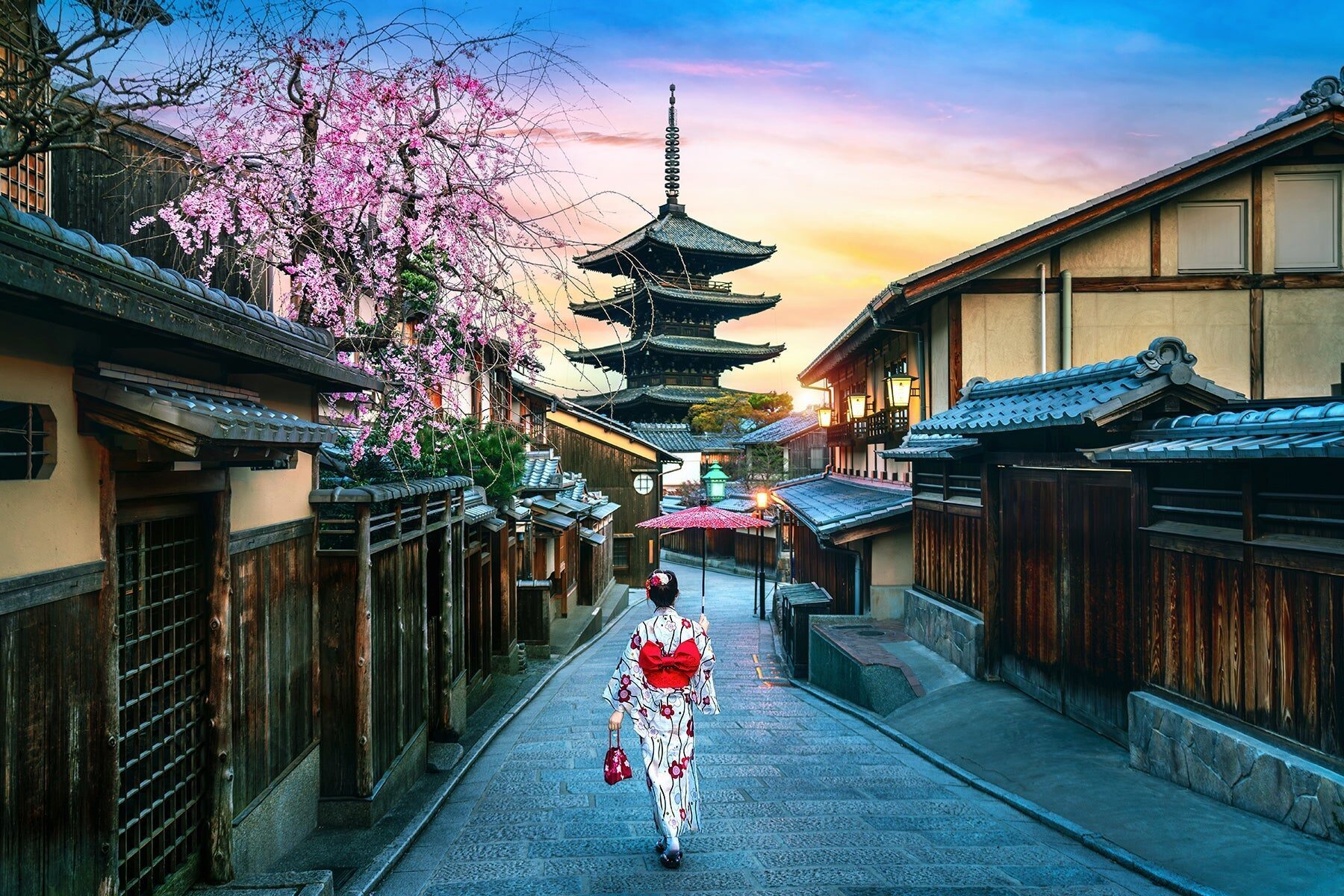
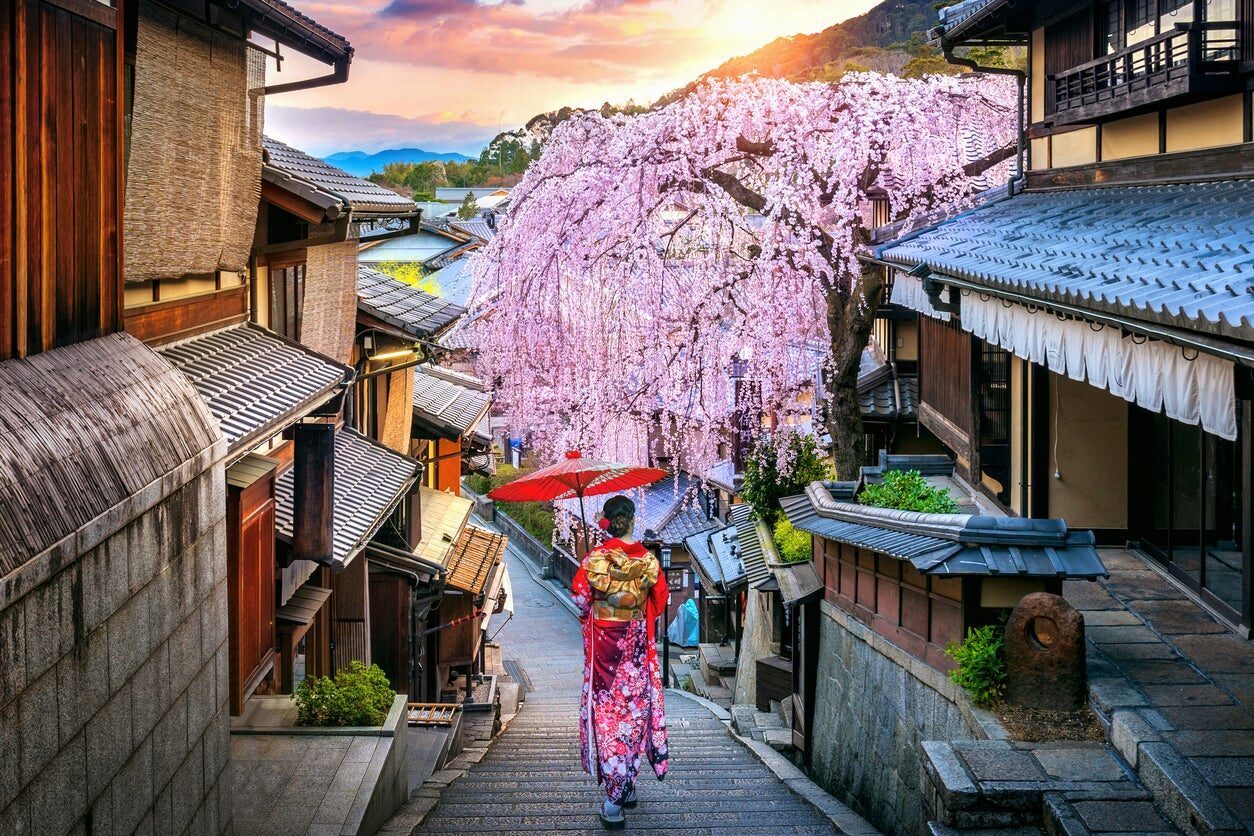
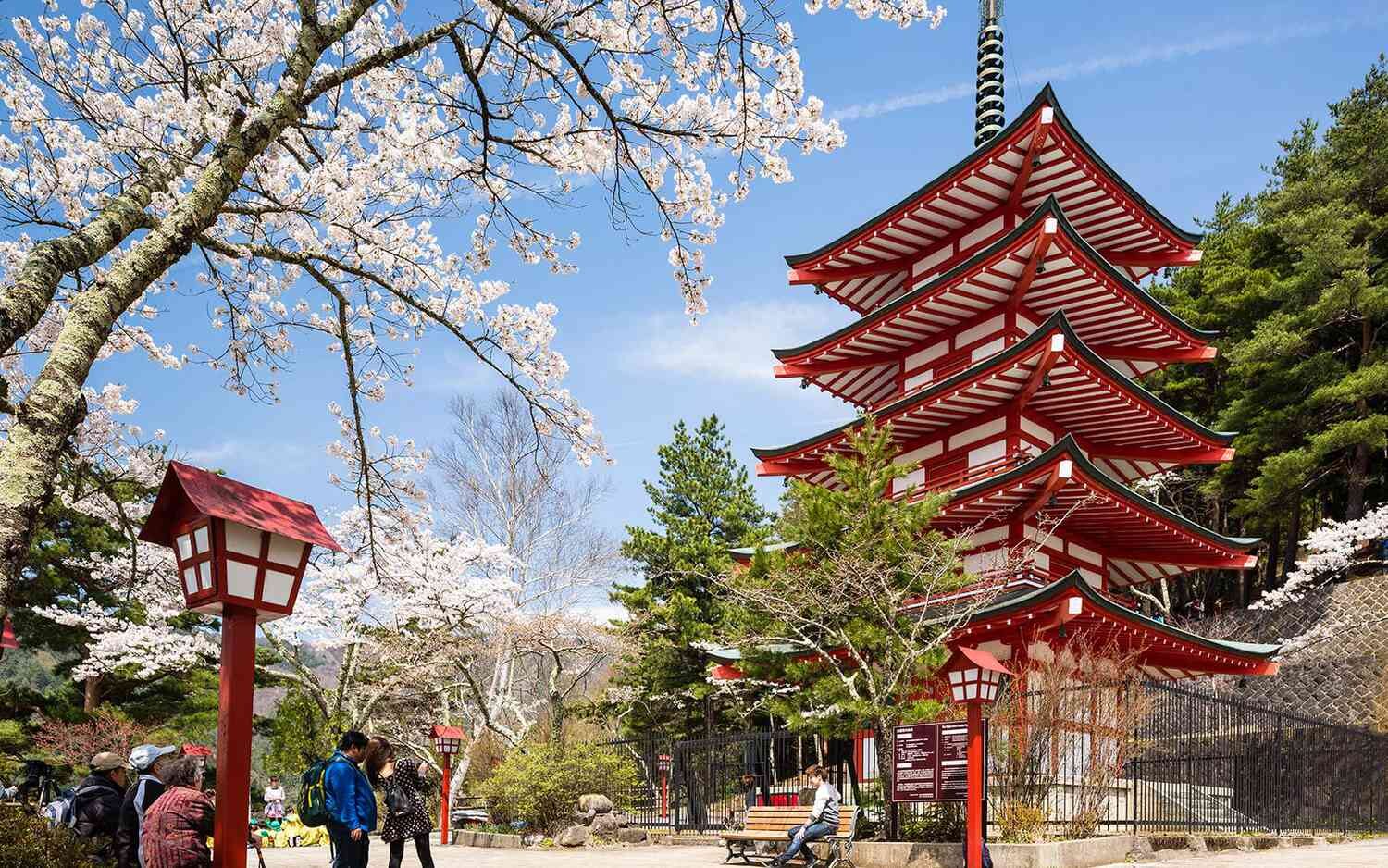
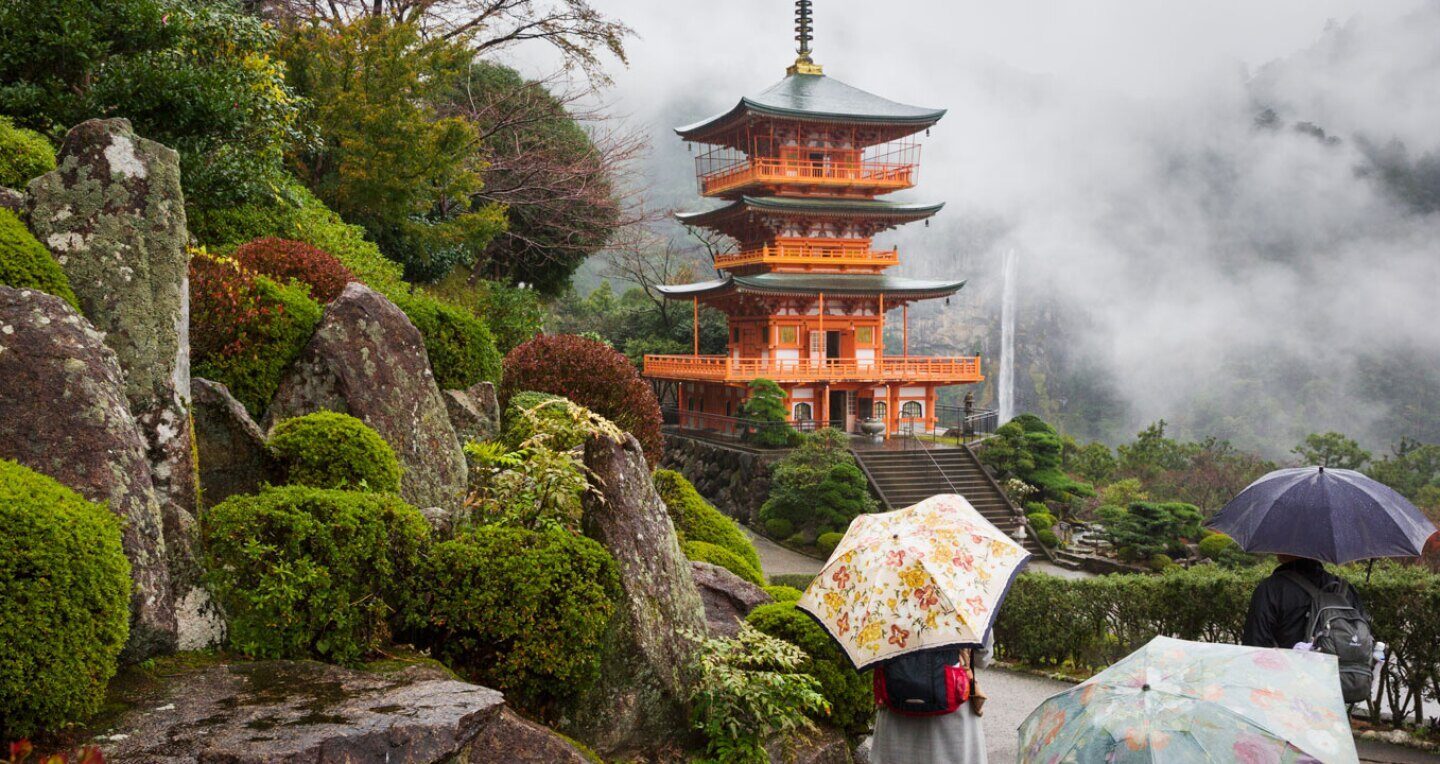
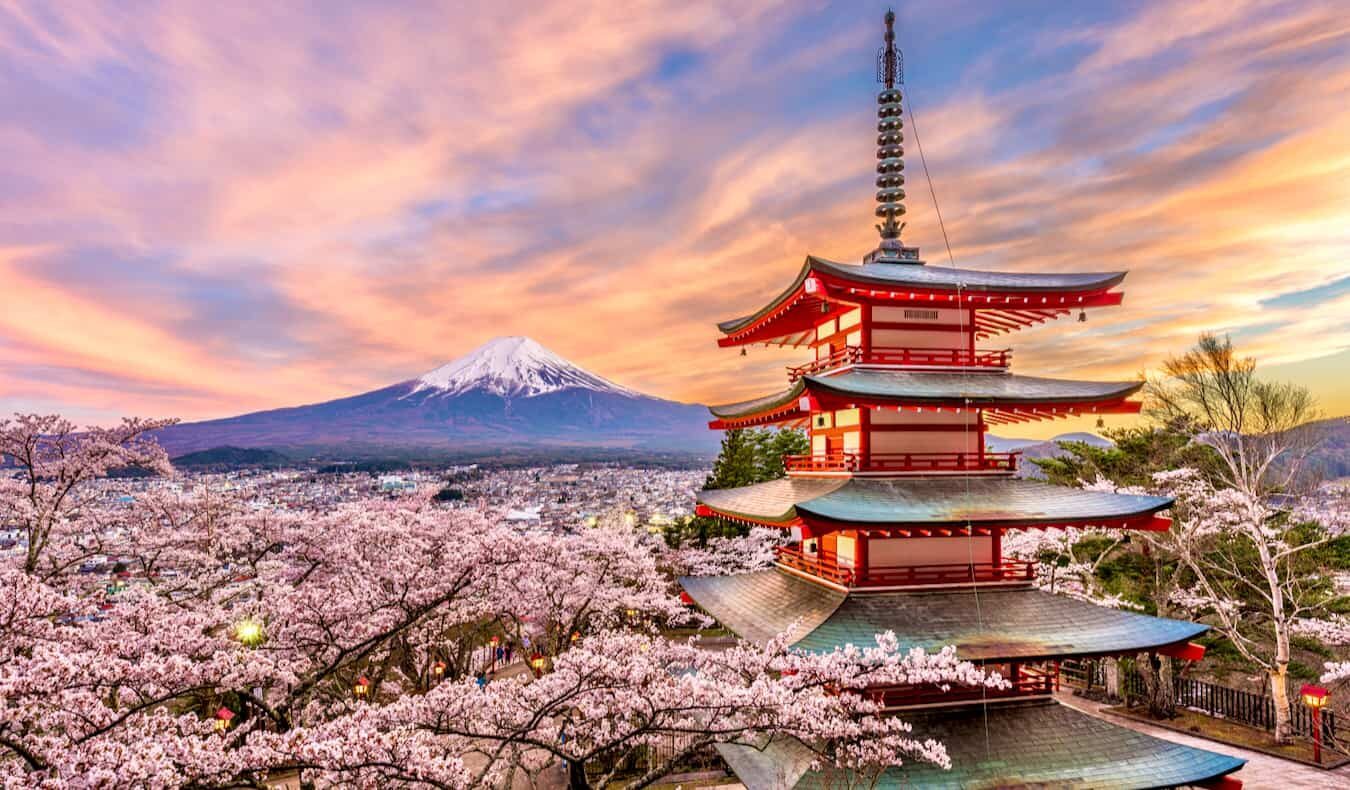
Japan is a year-round destination with distinct seasonal appeals. Spring (March-May) brings cherry blossom season (hanami) - typically late March in Tokyo, early April in Kyoto - arguably the most magical time to visit but also busiest and priciest. Autumn (September-November) offers stunning fall foliage (koyo), particularly in Kyoto temples and mountain regions. Summer (June-August) is hot and humid except in Hokkaido; this is festival season with fireworks and matsuri. Winter (December-February) brings excellent skiing in the Japanese Alps and Hokkaido, onsen (hot spring) season, and fewer tourists. The rainy season (tsuyu) affects most of Japan in June.
Cultural Notes
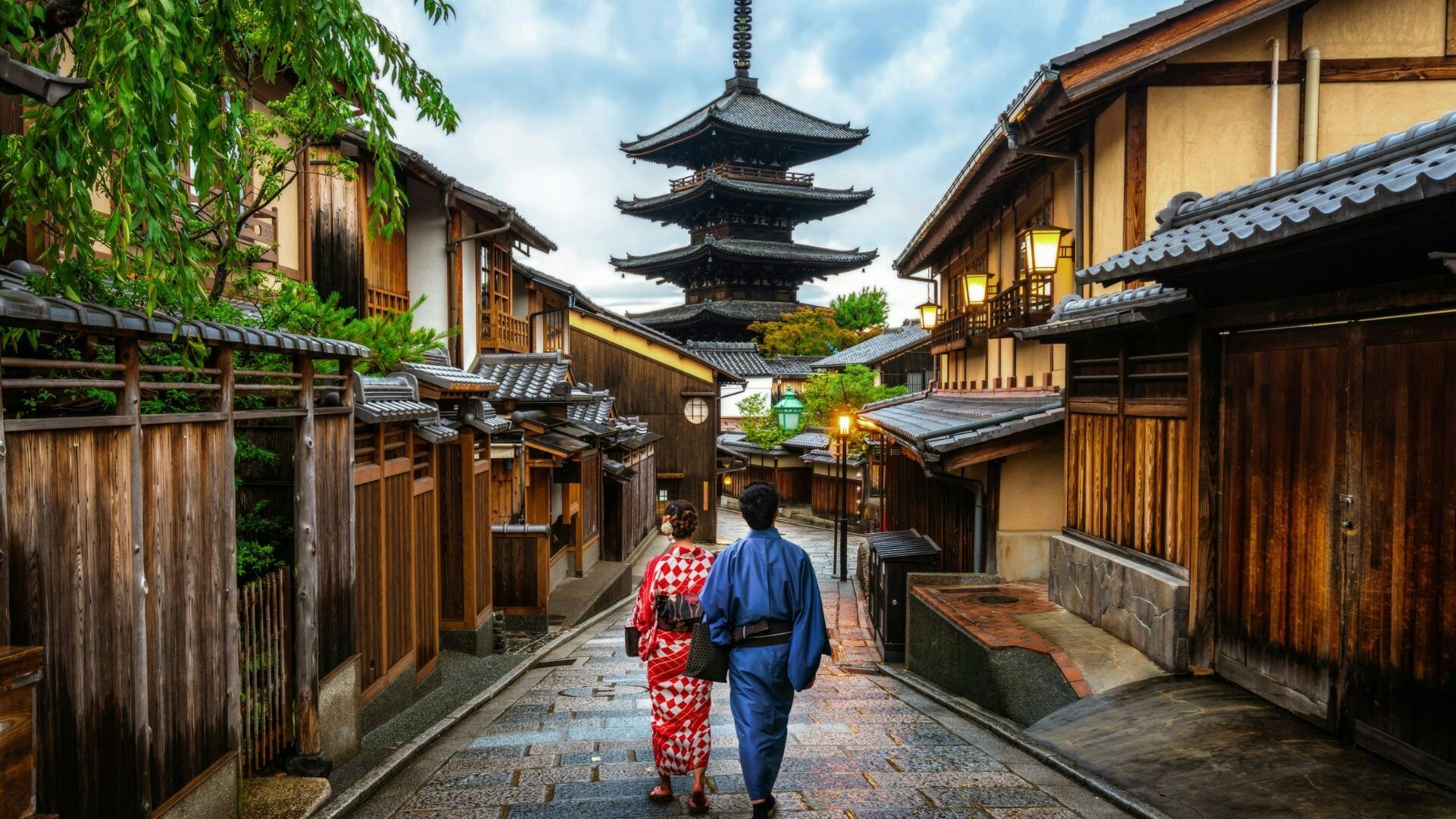
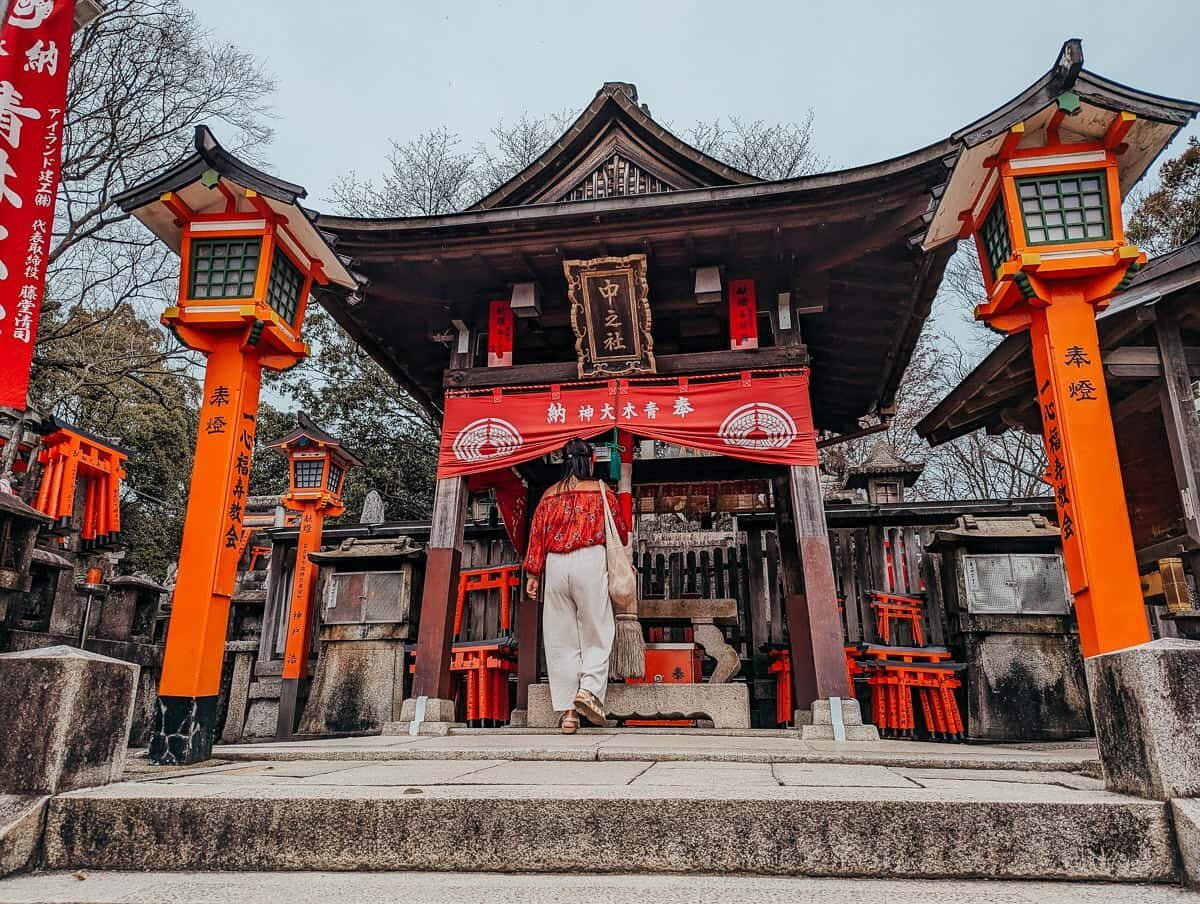
Japanese culture values harmony, respect, and attention to detail in ways that permeate every aspect of society. Customer service is impeccable. Public spaces are quiet and clean. Punctuality is sacred - trains apologize for delays of 30 seconds. Politeness rules social interaction: shoes off indoors, bowing for greetings, gifts given with two hands. Shinto and Buddhist traditions coexist, with temples and shrines visited for different occasions. Seasonal awareness shapes cuisine, fashion, and aesthetics. The contrast between ancient traditions and hyper-modern technology defines the experience. Tattoos may restrict access to onsen and gyms (yakuza association). Tipping is not practiced and can cause confusion. "Reading the air" (kuuki wo yomu) - understanding unspoken social cues - is important.
Insider Tips
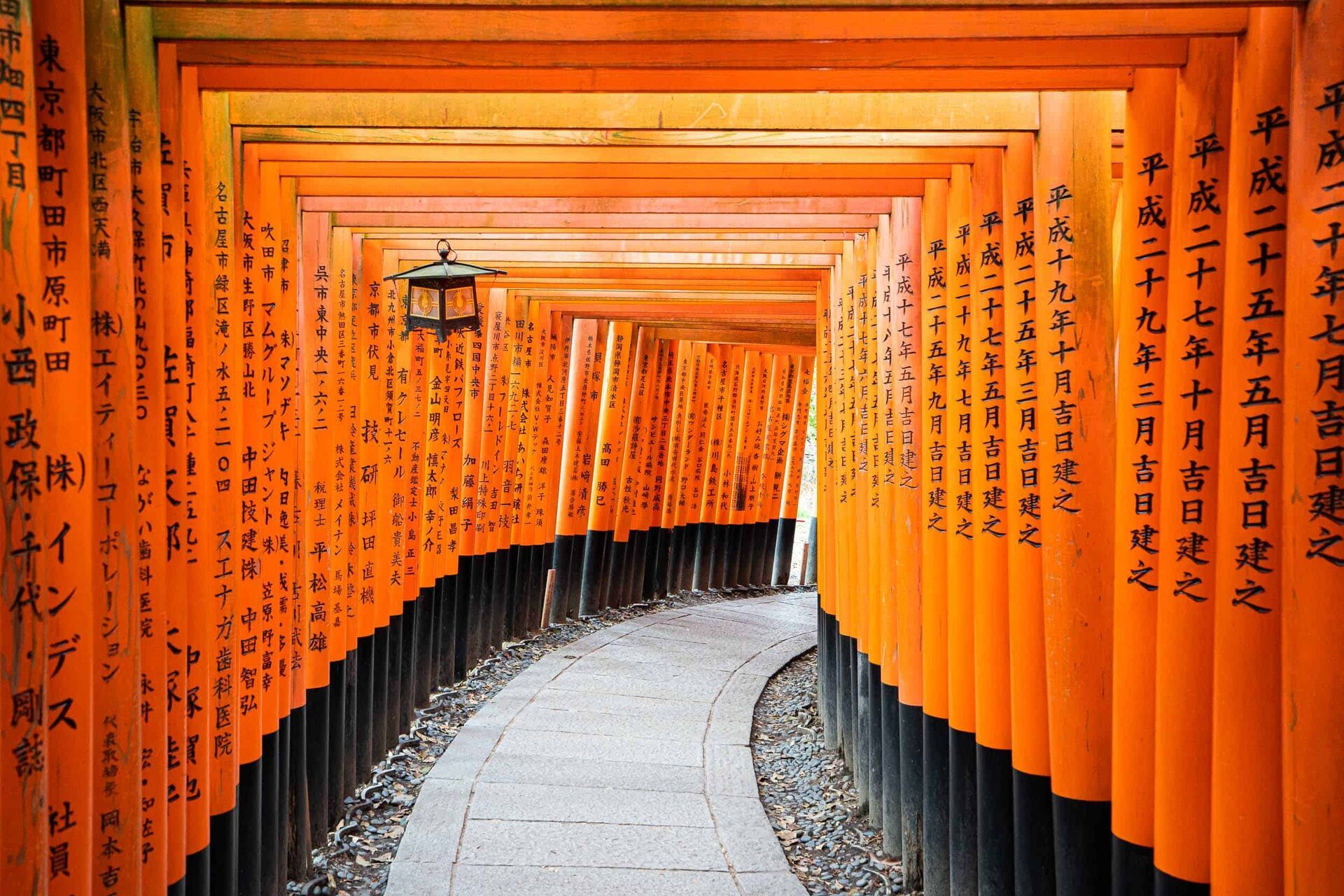
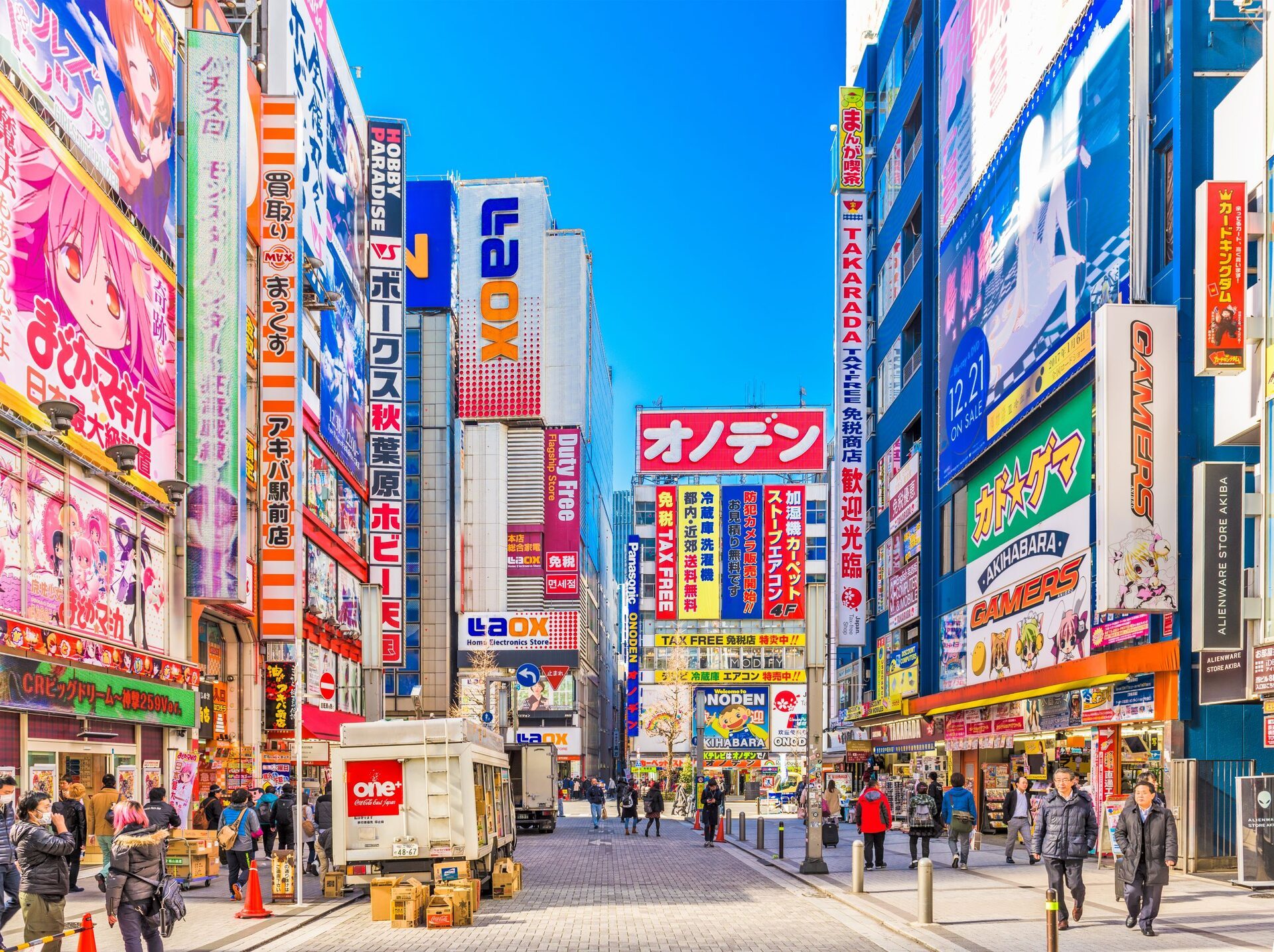
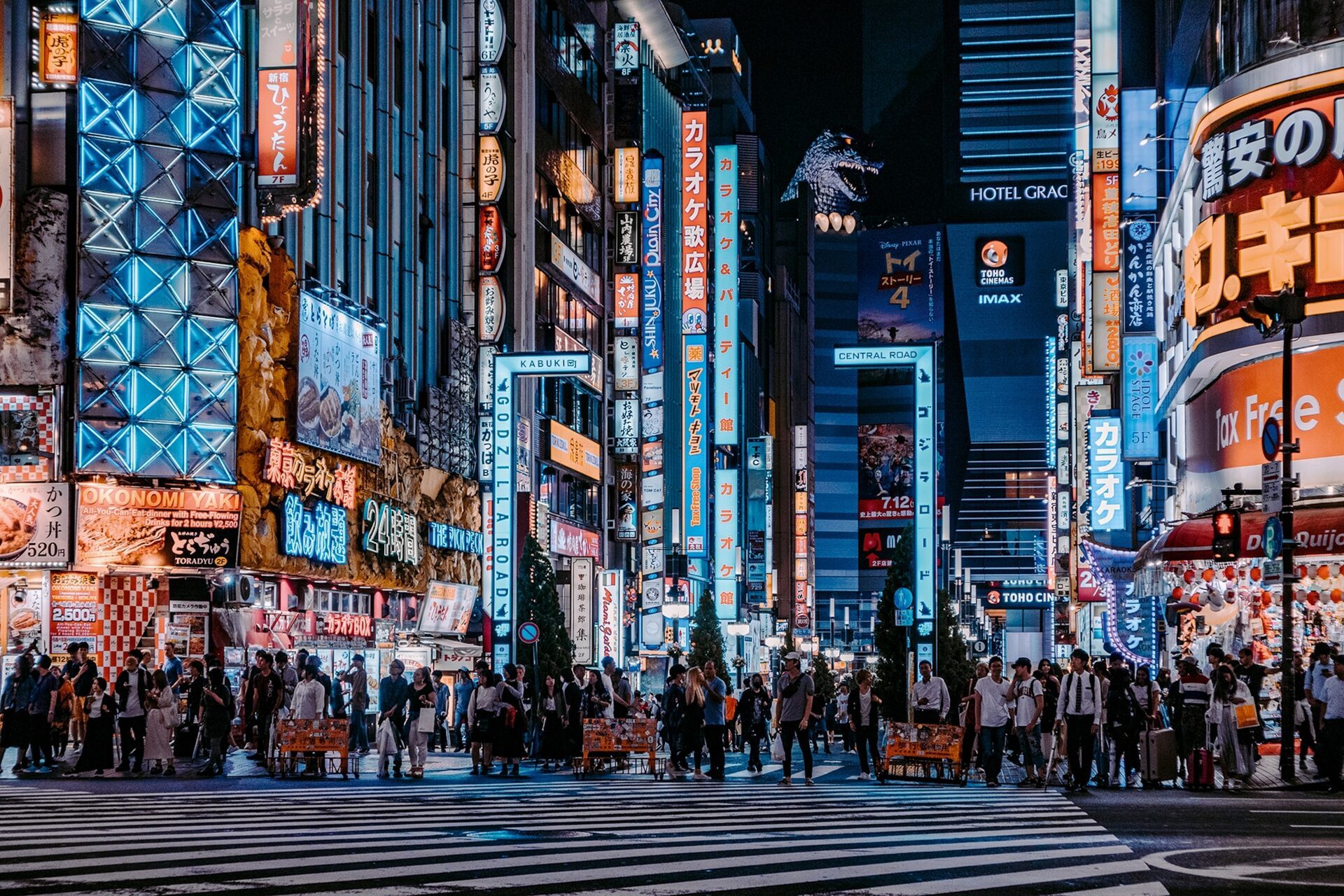
Japan rewards planning but also spontaneous discovery. The JR Pass offers unlimited bullet train (shinkansen) travel and must be purchased before arrival. Tokyo is overwhelming and wonderful - neighborhoods like Shibuya, Shinjuku, and Asakusa each have distinct characters. Kyoto has over 2,000 temples and shrines; prioritize Fushimi Inari, Kinkaku-ji, and Arashiyama. Osaka is food heaven. Hiroshima Peace Memorial demands respect. Hakone and Nikko make excellent day trips. Convenience stores (konbini) are institutions serving excellent prepared foods 24/7. Japan is cash-heavy; carry yen. IC cards (Suica/Pasmo) simplify transit. English is limited but people are extraordinarily helpful. Book popular ryokans and restaurants in advance.
Current Travel Situation
United States to Japan: What You Need to Know
Japan has maintained a visa-free policy for US passport holders for decades under the Japan-US bilateral agreement. The 90-day allowance is per visit, not cumulative. Japan is one of the most popular long-haul destinations for Americans, offering a remarkable contrast of ancient temples, modern cities, natural landscapes, and one of the world's great food cultures. In 2023, Japan re-opened fully for independent tourists after COVID-era restrictions, and visitor numbers have surged. The weak yen in recent years has made Japan significantly more affordable for USD holders than it was historically.
How to Get There
The classic Japan route is the Tokyo-Kyoto-Osaka Golden Route accessible by the Shinkansen bullet train. The JR Pass (purchased before arrival in Japan) provides unlimited Shinkansen travel for 7, 14, or 21 days. Hiroshima and Miyajima Island are powerful day trips from Kyoto. Hokkaido (Japan's northern island) is excellent for skiing in winter and lavender fields in summer. Okinawa offers subtropical beaches and US military base history.
Money & Banking
Japan uses the Japanese yen (JPY). The yen has been weak against the USD in 2023-2025 , excellent exchange rates for Americans. Japan is predominantly a cash society , carry yen for street food, small shops, vending machines, and many traditional ryokan (inn) payments. 7-Eleven, Lawson, and FamilyMart convenience store ATMs accept international cards 24/7. Credit cards are increasingly accepted but cash is still king in many settings. IC Cards (Suica, Pasmo) for transit are rechargeable and convenient.
Practical Tips
Japan is extraordinarily safe with very low violent crime. The biggest tourist challenges are language (most signs outside Tokyo have limited English) and navigating transit. Google Maps works excellently in Japan for transit directions. Buy a pocket WiFi device or local SIM at the airport. Cherry blossom season (late March to early April) and autumn foliage (mid-October to late November) are peak travel periods , book accommodation months in advance. Japan's rail system is world-class but complex; the IC card handles local transit while JR Pass covers Shinkansen.
Frequently Asked Questions
Do US citizens need a visa for Japan?
No. US passport holders can visit Japan visa-free for up to 90 days. No prior application or authorization is needed. Simply present your US passport on arrival.
Is the JR Pass worth buying for a Japan trip?
For a classic Tokyo-Kyoto-Osaka trip with a few Shinkansen rides, the 7-day JR Pass (around $270-300 USD) is often cost-effective. Calculate your routes first — the pass is most valuable if you are doing long-distance Shinkansen travel. Buy it before arriving in Japan as it cannot be purchased inside Japan at the regular tourist price.
When is the best time to visit Japan?
Cherry blossom season (late March to mid-April) is the most popular and iconic time, with crowds and higher hotel prices. Autumn foliage (mid-October to November) is equally beautiful and slightly less crowded. Spring (May) and early autumn (September-October) also offer good weather without peak crowds.
Is Japan cash-only?
Largely yes in traditional settings. While card acceptance is growing, especially in Tokyo hotels and department stores, many restaurants, small shops, temples, and rural businesses remain cash-only. Always carry yen. 7-Eleven ATMs accept international cards reliably.