Australia Visa RequirementsFor United States passport holders
US citizens need an Electronic Travel Authority (ETA) to visit Australia. The ETA costs AUD 20 (~$13 USD) and allows stays up to 90 days per visit.
United States passport holders must obtain an Electronic Travel Authorization (eTA) online before traveling to Australia.
Apply for the ETA through the official Australian ETA app (available on iOS and Android) or through the Department of Home Affairs website. The application costs AUD 20 (approximately $13 USD). Most applications are approved within minutes. You must be outside Australia when you apply. Your US passport must be valid for the entire duration of your stay. You do not need to print the ETA; it is electronically linked to your passport. The ETA does not authorize you to work in Australia.





Entry Requirements
Passport Validity
6 months beyond date of entry
Blank Pages
2 blank pages required
Multiple Entry
Allowed
Work Permitted
No - requires work visa
Required Documents
Valid US Passport
Must be valid for the entire duration of stay
Electronic Travel Authority (ETA)
Apply via official AUS ETA app or Home Affairs website, costs AUD 20
Proof of Onward Travel
Return or onward flight ticket
Proof of Sufficient Funds
To support yourself during your stay
Completed Incoming Passenger Card
Distributed on the flight, declare all food and plant/animal products
Valid US Passport
Must be valid for the duration of your stay. Apply for ETA using the passport you will travel with
Digital Passport Photo
Recent color photo may be required during ETA application
Email Address
Valid email address to receive your ETA confirmation
Credit/Debit Card
For online payment of ETA application fee
Travel Itinerary
Approximate travel dates and purpose of visit (tourism, business, etc.)
Proof of Accommodation Recommended
Hotel reservations or address where you will be staying
Return or Onward Flight Recommended
Evidence of departure from the country
Proof of Sufficient Funds Recommended
Evidence you can support yourself during your stay
Travel Essentials
Health & Safety
Safety Rating
Vaccinations
Routine vaccines.
Tap Water
Safe to drink
Safety Tips
Very safe. Respect wildlife warnings.
Money & Costs
Currency
$ Australian Dollar (AUD)
Daily Budget (USD)
Budget: $80 · Mid: $175 · Luxury: $400+
Cards & ATMs
Cards widely accepted.
Tipping
Not expected but appreciated. 10% for good service.
Practical Info
Power
Type I, 230V, 50Hz
Driving
Left side
Emergency
Emergency: 000 or 112 (mobile)
Mobile/SIM
Buy at Telstra, Optus, Vodafone. Coverage varies in outback.
Getting There
Airport Transfers
Sydney: Train A$19/15min. Melbourne: SkyBus A$20/30min.
Local Transport
Sydney and Melbourne have good transit. Domestic flights for long distances.
Culture & Travel Tips
Best Time to Visit
Australia's seasons are reversed from the Northern Hemisphere, and the country spans multiple climate zones. There's no single 'best time' for the entire country.
Sydney, Melbourne, and the southeast are best September through November (spring) or March through May (fall). Summer (December-February) brings crowds and heat; winter (June-August) is mild but gray.
The Great Barrier Reef is best June through October - clear waters, mild temperatures, and stinger (jellyfish) season hasn't started. November-May brings wet season and marine stingers require protective suits.
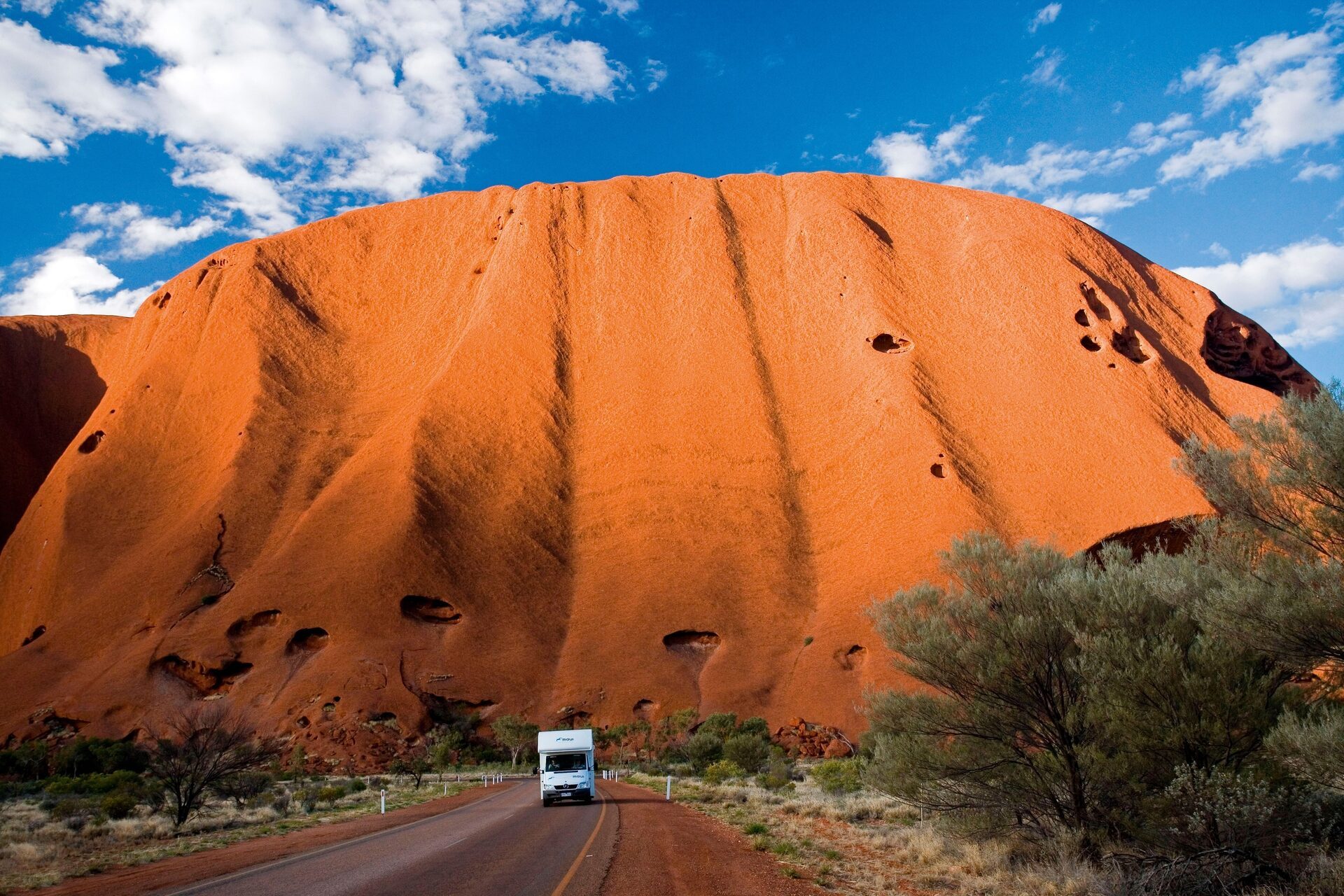
The Outback and Red Centre (Uluru, Alice Springs) are best April through October - summer temperatures exceed 110°F (43°C) and are dangerous. Winter nights can be surprisingly cold.
Tropical North (Darwin, Kakadu, Cairns) has wet season (November-April) with dramatic storms and waterfalls at full flow, and dry season (May-October) with pleasant weather and accessible roads. Most visitors prefer dry season.
Western Australia varies - Perth is Mediterranean-mild year-round; the Kimberley is only accessible in dry season (May-October).
Cultural Notes
Australian culture is casual and egalitarian - pomposity and pretension are actively mocked. Self-deprecating humor and not taking yourself too seriously are valued.
'Tall poppy syndrome' means showing off wealth or success invites criticism. Australians celebrate achievement but expect humility.
Indigenous Australian culture is the world's oldest continuous culture (65,000+ years). Acknowledgement of Country and Welcome to Country ceremonies are meaningful - take them seriously.
Australians swear casually - words that might shock Americans are everyday punctuation. Context matters more than specific words.
Beach culture is central to Australian identity, even for inland dwellers. Weekend barbecues, outdoor living, and casual dress reflect the climate and lifestyle.
Mate (friend), arvo (afternoon), servo (gas station) - Australian English has distinctive slang. Listening carefully and asking meanings builds rapport.
Insider Tips
Australia is continent-sized - Sydney to Perth is farther than New York to LA. Internal flights with Qantas, Virgin Australia, and Jetstar are essential for longer distances.
Driving is viable and rewarding for regional exploration but distances are vast. Outback driving requires preparation - carry water, fuel, and notify someone of your plans.
Australia is expensive - budget $150-250 AUD per day minimum for modest travel. Eating out is particularly pricey; self-catering saves money.
Sun protection is essential - Australia has the world's highest skin cancer rates. Wear SPF 50+, reapply constantly, and take hats and sunglasses seriously.
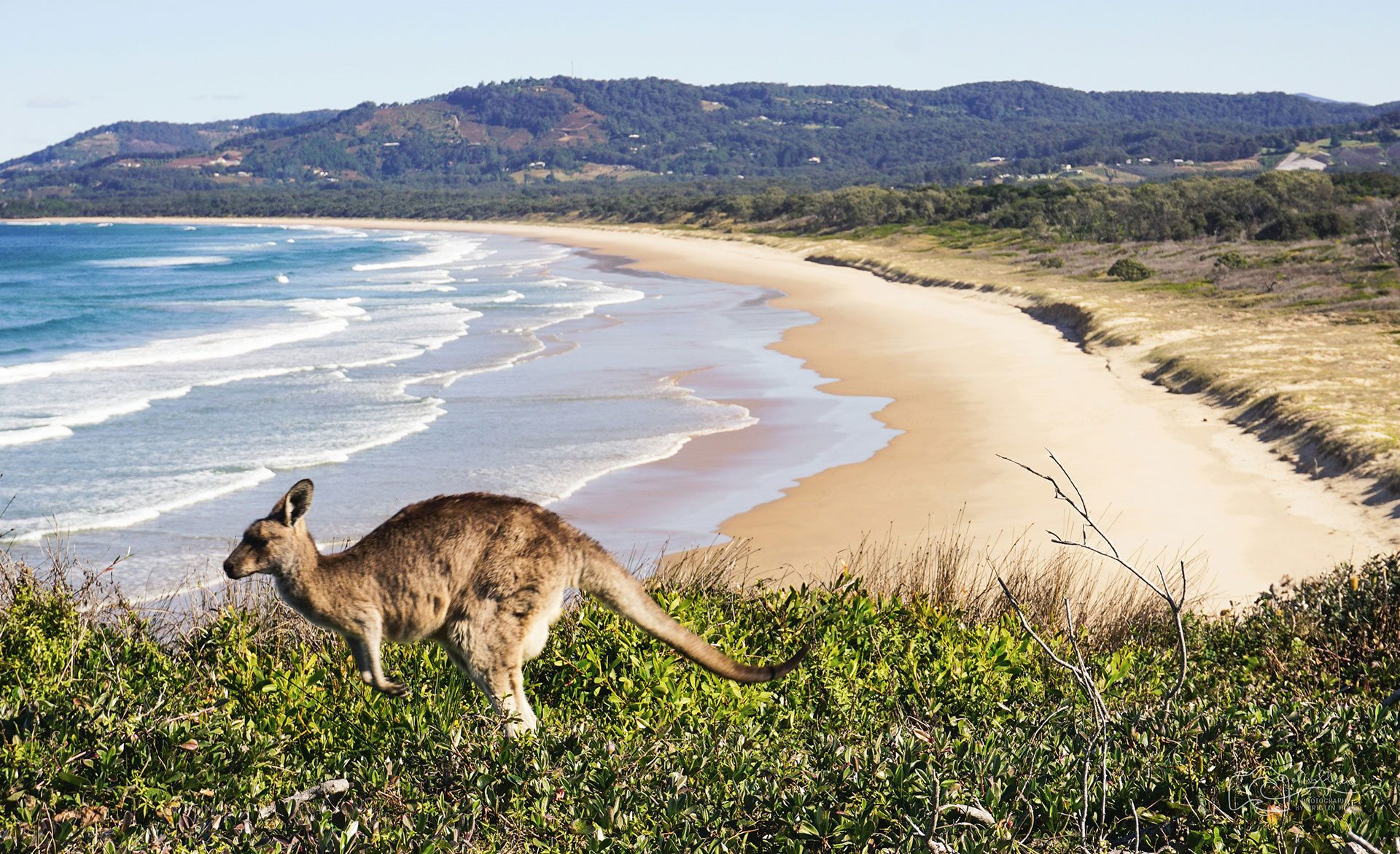
Wildlife encounters are likely - kangaroos, wallabies, and koalas in the wild are special. Dangerous animals (snakes, spiders, jellyfish, crocs) exist but deaths are rare with sensible precautions.
Tipping isn't expected as service workers earn decent wages. Rounding up or 10% for exceptional service is appreciated but not obligatory.
Dress Code
Very casual.
Current Travel Situation
United States to Australia: What You Need to Know
Australia does not offer visa-free entry to US citizens, but the Electronic Travel Authority (ETA) subclass 601 is a quick and simple electronic authorization. It is not a stamp or label in your passport but an electronic link to your passport number. The ETA allows multiple entries to Australia within a 12-month period, with each stay up to 3 months. It is intended for tourism, visiting family, or short business activities. Australia and the US have strong bilateral relations, and the ETA process typically takes minutes to complete.
How to Get There
New Zealand is Australia's closest neighbor and offers similar entry requirements for US citizens (NZeTA required, $17 NZD). Fiji and Bali (Indonesia) are popular Pacific alternatives accessible from Australia. Within Australia, domestic flights connect Sydney, Melbourne, Brisbane, Perth, and Cairns efficiently. The Indian Pacific train runs between Sydney and Perth for a scenic cross-country journey.
Money & Banking
Australia uses the Australian dollar (AUD). US credit cards (Visa, Mastercard) are accepted widely, though American Express has less universal acceptance. ATMs are common in cities and towns. The Australian dollar trades around 0.65 USD, so prices will look higher in AUD. Tipping is not culturally expected in Australia, though it is appreciated in upscale restaurants. GST (10% goods and services tax) is included in all displayed prices.
Practical Tips
Australia is a long-haul flight from the US , Los Angeles to Sydney takes approximately 15 hours; east coast US flights are longer. Consider a stopover in Hawaii, Japan, or Fiji to break up the journey. Bring plug adapters (Australia uses Type I outlets, different from US). Australia has strict biosecurity laws , declare all food, plant, and animal products on arrival or face heavy fines. Tap water is safe to drink throughout Australia. Sun protection is essential as UV levels are very high.
Frequently Asked Questions
Do US citizens need a visa for Australia?
US citizens do not need a traditional visa but must obtain an Electronic Travel Authority (ETA, subclass 601) before traveling. It costs AUD 20 (~$13 USD) and is applied for online or via the AUS ETA app.
How long can I stay in Australia on the ETA?
Up to 90 days per visit. The ETA is valid for 12 months from the date of grant and allows multiple entries within that period.
Can I work in Australia on the ETA?
No. The ETA is for tourism and short business visits only. To work in Australia, you need a different visa such as a working holiday visa (subclass 417) if you qualify.
How long does ETA approval take?
Most applications are approved within minutes. In rare cases processing can take up to 24 hours. Apply before your flight, not at the airport.