Cuba Visa RequirementsFor United States passport holders
US citizens can travel to Cuba but must meet specific legal requirements. Travel must fall under one of 12 authorized categories. A tourist card (visa) costs approximately $50.
United States passport holders require a visa to enter Cuba.
US citizens flying directly from the US must purchase a pink tourist card (tarjeta del turista) before or on the flight , airlines like American Airlines sell them for approximately $50 at the gate. Those flying via third countries (Mexico, Canada) need a green tourist card, usually cheaper. You must keep a self-certification record of which authorized travel category you are using , OFAC can audit travelers. US law also restricts spending at certain Cuban military-affiliated entities; OFAC maintains a restricted list. Cuban immigration typically does not stamp US passports on request. Your US passport must be valid for the duration of your stay.




Entry Requirements
Passport Validity
6 months beyond date of entry
Blank Pages
2 blank pages required
Multiple Entry
Single entry only
Work Permitted
No - requires work visa
Required Documents
Valid US Passport
Must be valid for the duration of stay
Tourist Card (Tarjeta del Turista)
Pink card for direct US flights (~$50), green for third-country routing; purchased at airline gate or travel agent
OFAC Authorized Category Documentation
Self-certification record of which of the 12 authorized travel categories applies to your trip
Proof of Onward Travel
Return flight ticket out of Cuba
Travel Insurance
Cuba requires visitors to have travel health insurance; airlines often include basic coverage
Sufficient Cash
US bank cards do not work in Cuba — bring enough cash in non-USD currency for your entire stay
Valid US Passport
Must be valid for at least 6 months beyond your planned stay with at least 2 blank pages for visa stamps
Completed Visa Application Form
Fill out the official visa application form from the embassy or consulate
Passport-size Photos
Two recent color photos (2x2 inches or 35x45mm) with white background, taken within last 6 months
Proof of Accommodation
Hotel reservations, rental agreement, or invitation letter with host address
Proof of Sufficient Funds
Recent bank statements (last 3 months), credit card statements, or sponsorship letter
Round-trip Flight Itinerary
Confirmed return or onward flight booking showing departure from the country
Employment or Business Letter
Letter from employer stating position, salary, and approved leave dates, or business registration documents
Travel Insurance Recommended
Comprehensive travel insurance covering medical expenses and emergency evacuation
Cover Letter Recommended
Personal letter explaining purpose of visit, itinerary, and ties to home country
Travel Essentials
Health & Safety
Safety Rating
Vaccinations
Hepatitis A/B, Typhoid.
Tap Water
Bottled water recommended
Safety Tips
Very safe. Petty crime rare. Scams targeting tourists exist.
Money & Costs
Currency
₱ Cuban Peso (CUP)
Daily Budget (USD)
Budget: $40 · Mid: $80 · Luxury: $200+
Cards & ATMs
Very limited. Mostly cash economy.
Tipping
CUC appreciated. Important income source.
Practical Info
Power
Type A, B, C, L, 110/220V, 60Hz
Driving
Right side
Emergency
Police: 106
Ambulance: 104
Fire: 105
Mobile/SIM
Buy ETECSA at airport. Expensive and slow.
Getting There
Airport Transfers
Havana: Taxi CUC$25-30.
Local Transport
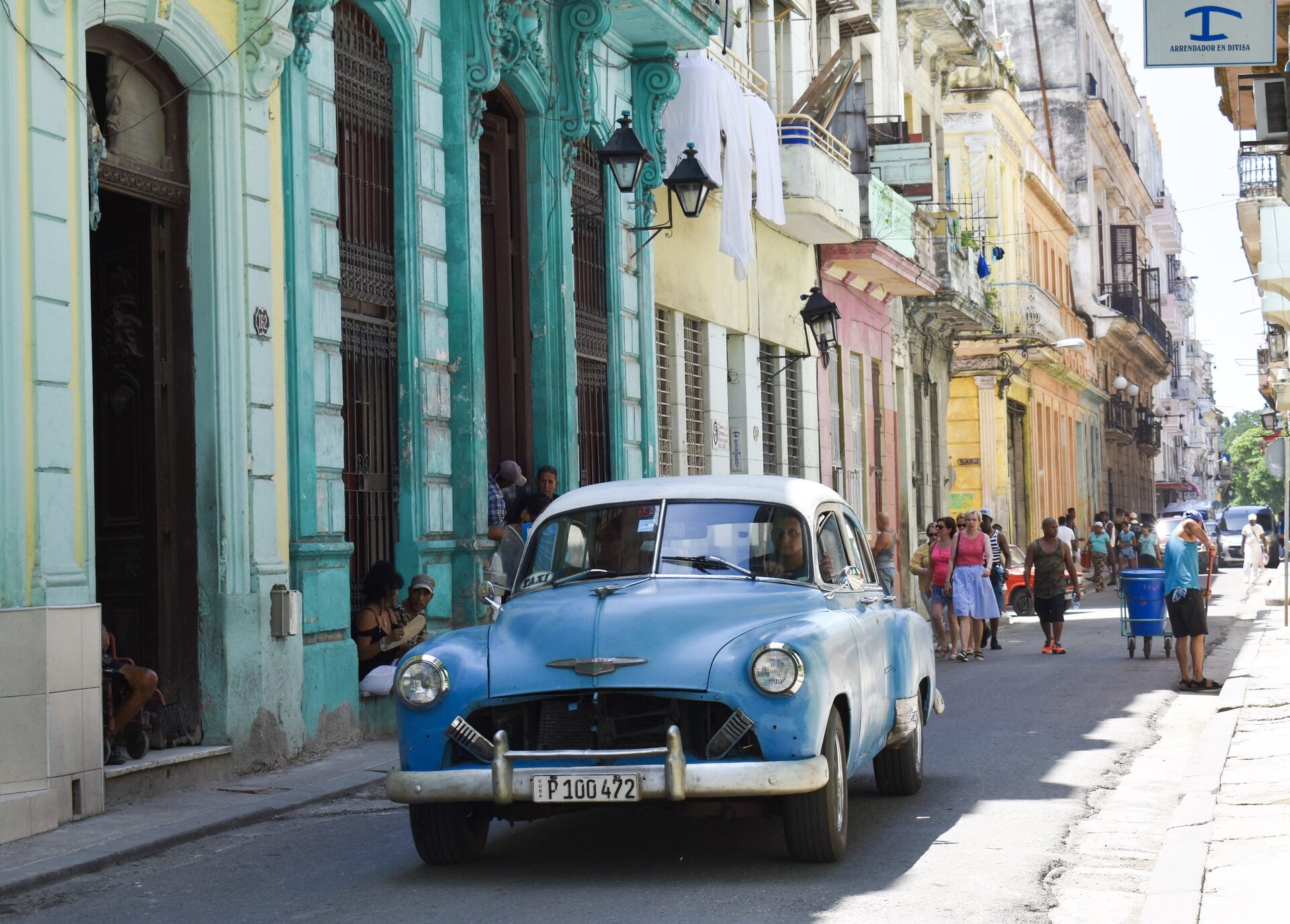
Classic cars as taxis. Viazul buses. Domestic flights.
Culture & Travel Tips
Best Time to Visit
The best time to visit Cuba is during the dry season from November to April, when you'll enjoy warm temperatures (around 75-80°F/24-27°C) with minimal rainfall. December through February sees the most tourists and highest prices, so November or March-April offer a good balance of weather and crowds.
The wet season (May-October) brings afternoon showers and hurricane risk, particularly August through October. However, prices drop significantly and the island is less crowded. Hurricane season officially runs June through November.
Havana and Trinidad can be visited year-round, though summer humidity can be intense. For beach destinations like Varadero, stick to the dry season.
Cultural Notes
Cuba operates on two realities: the official government narrative and daily life. Cubans are remarkably resilient, creative, and welcoming despite decades of economic hardship. Prepare for a place where things often don't work as expected.
Music is everywhere - from formal performances to impromptu street gatherings. Salsa, son, and rumba are cultural heartbeats. Don't be surprised to be pulled into a dance.
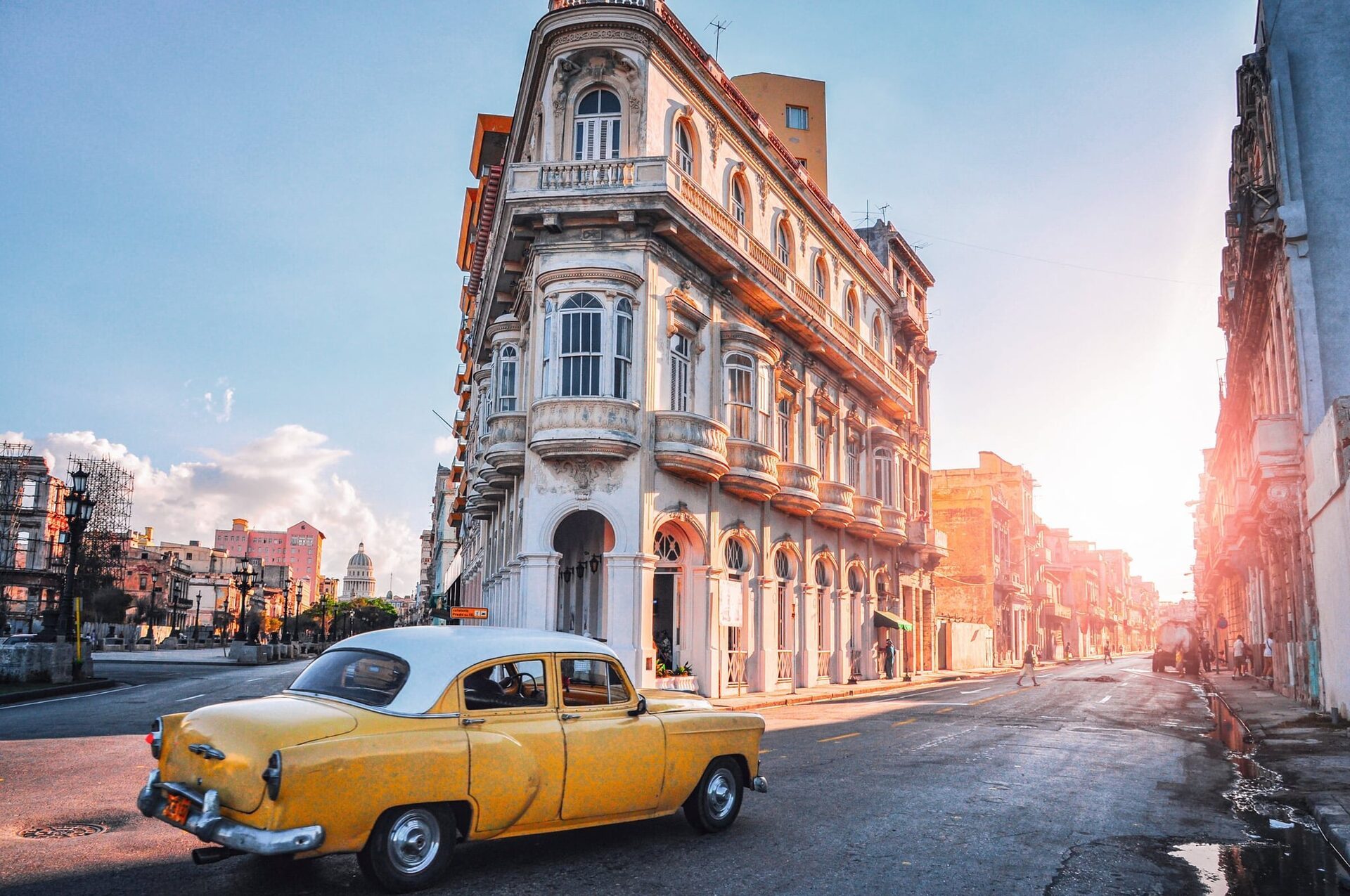
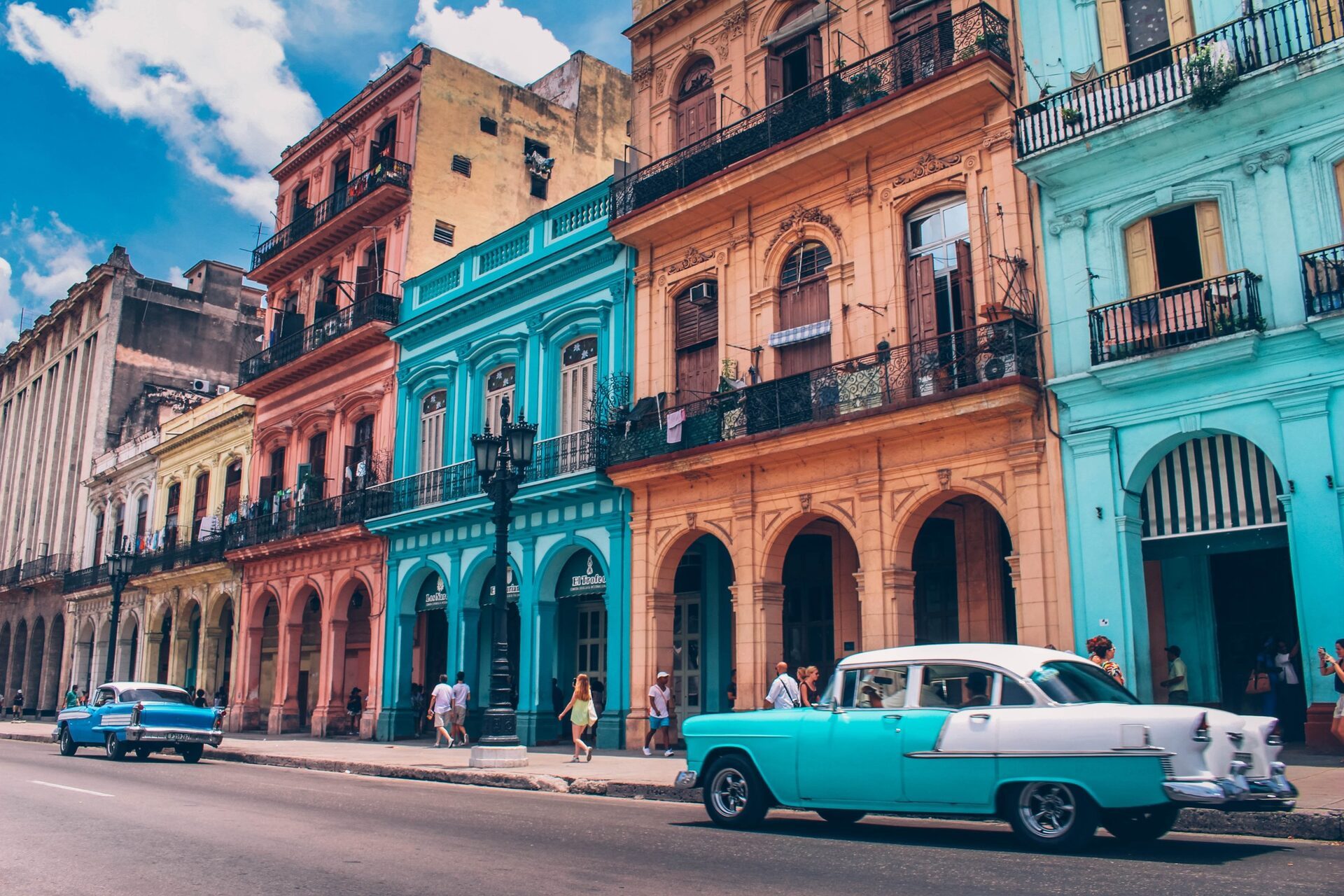
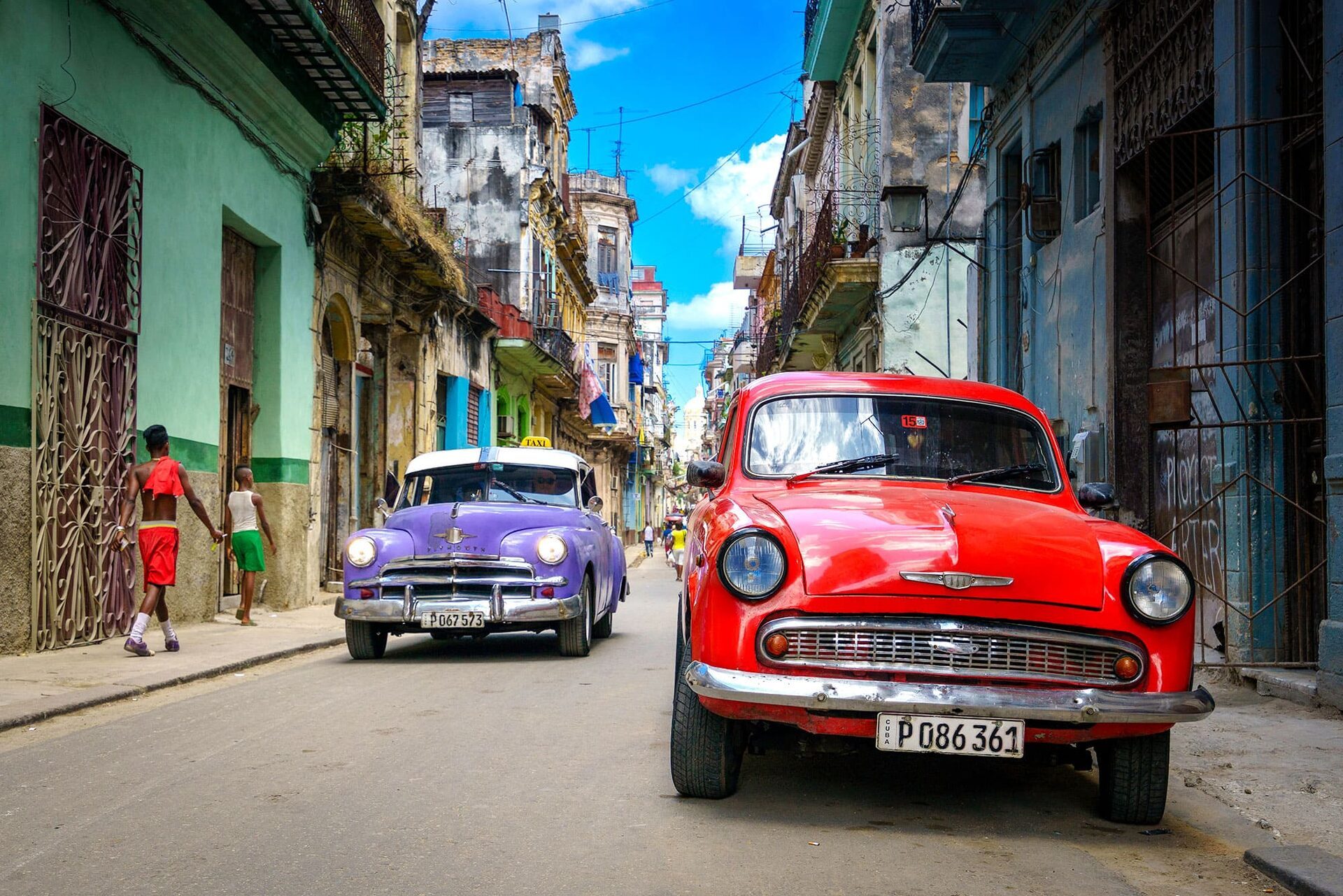
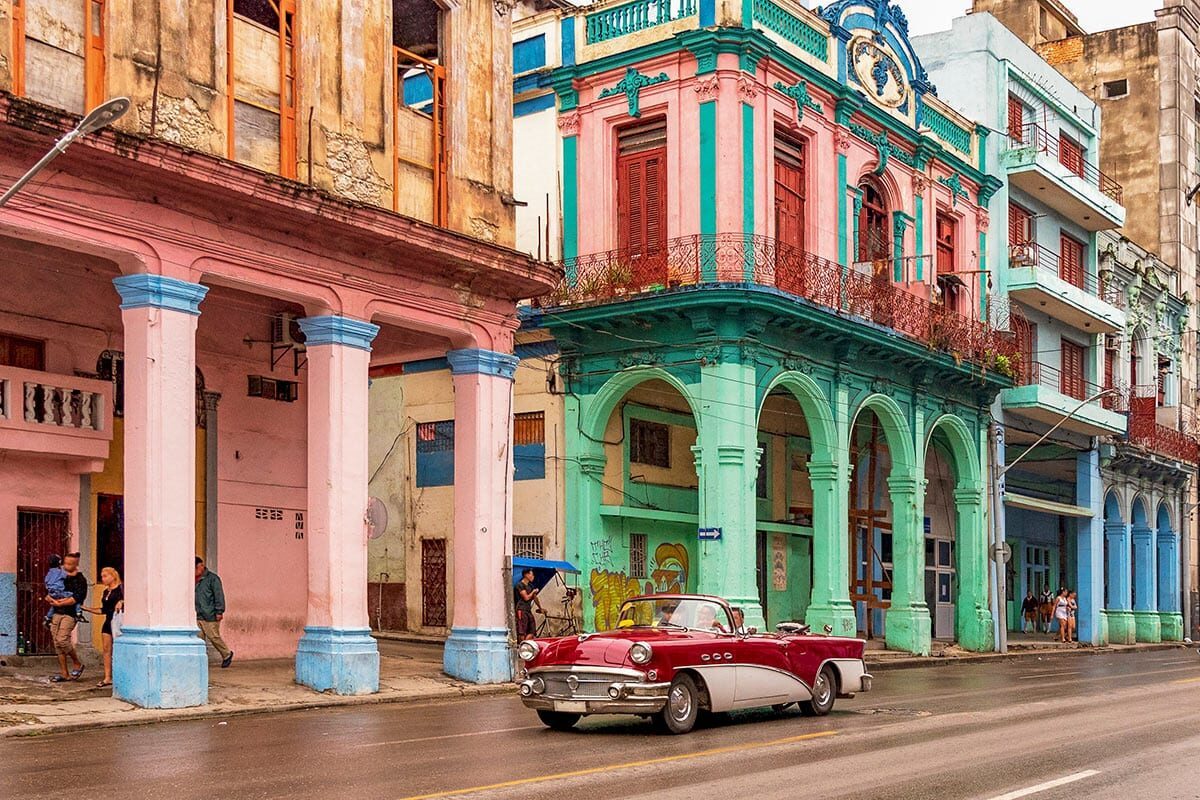
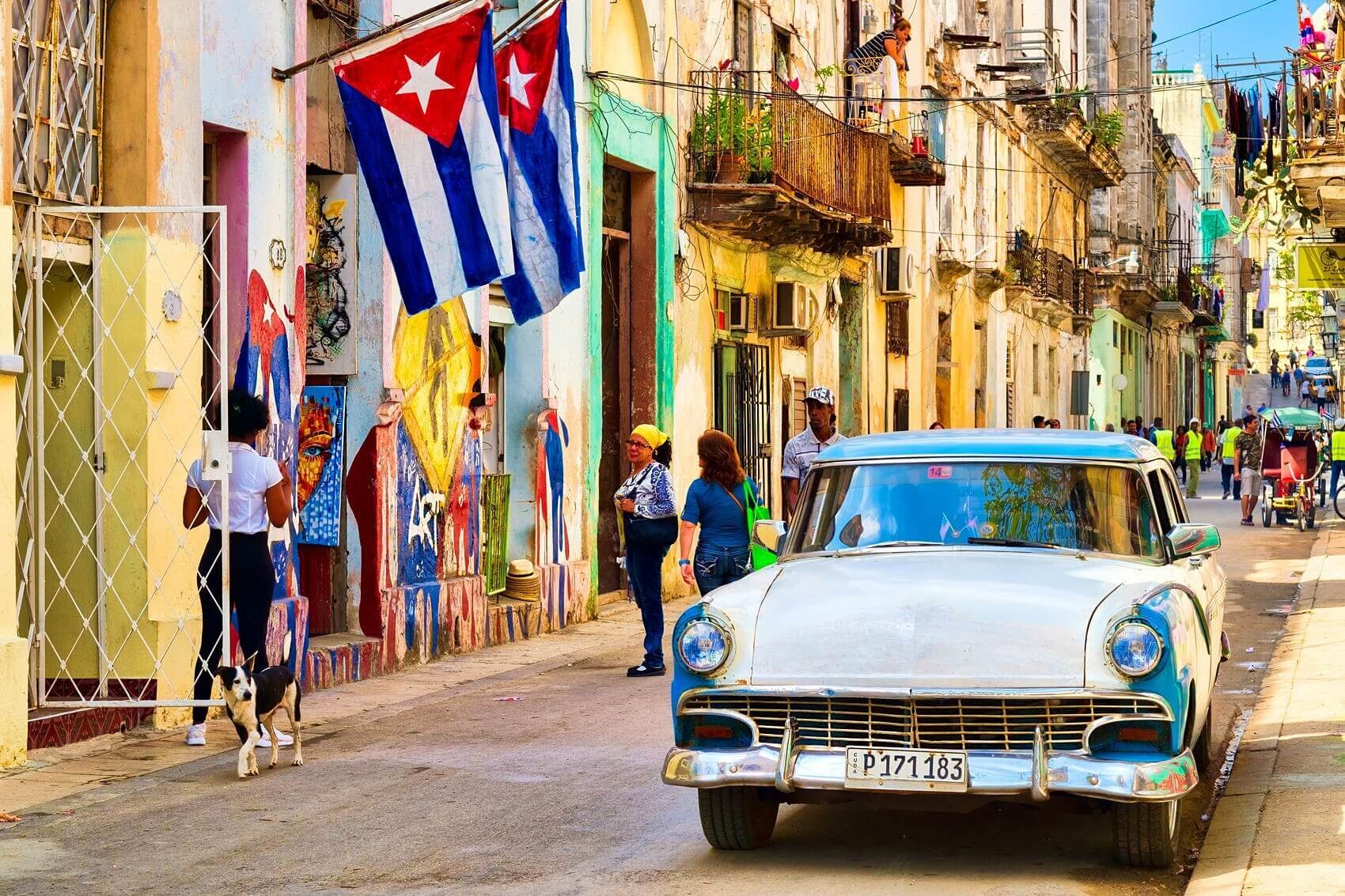
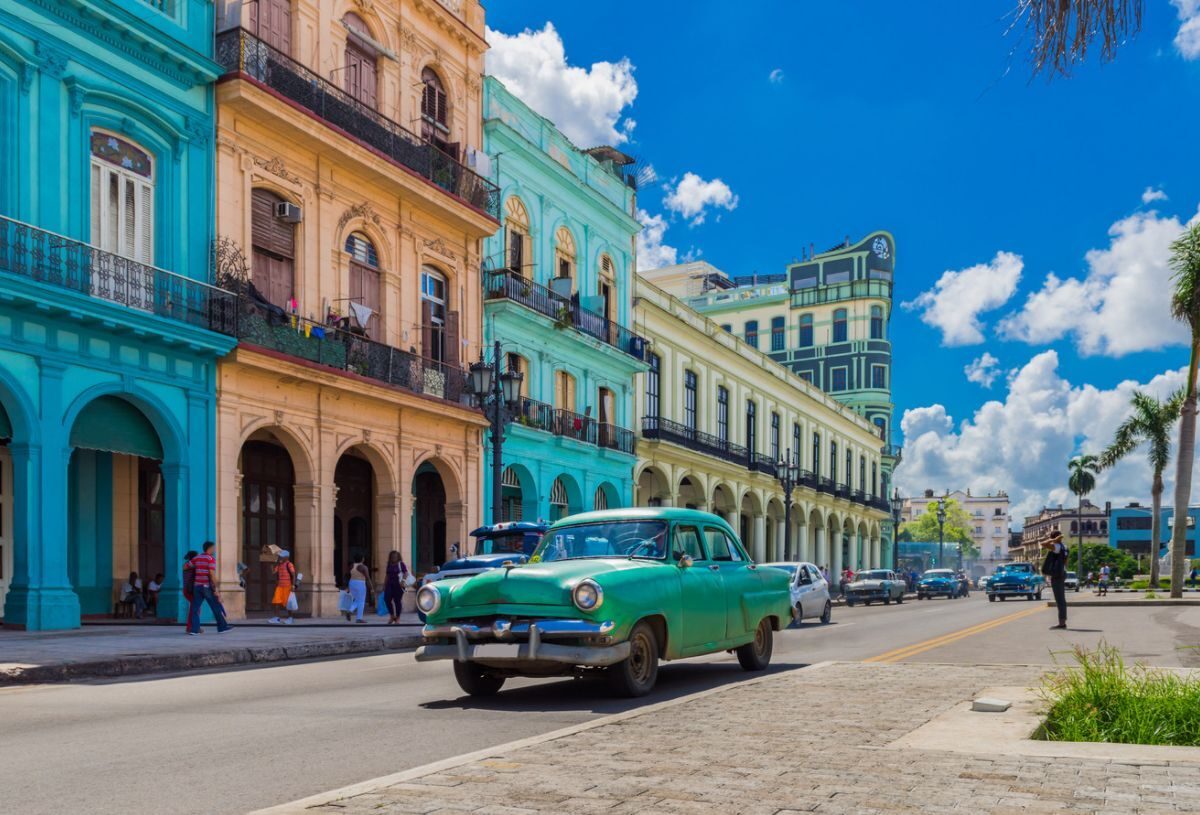
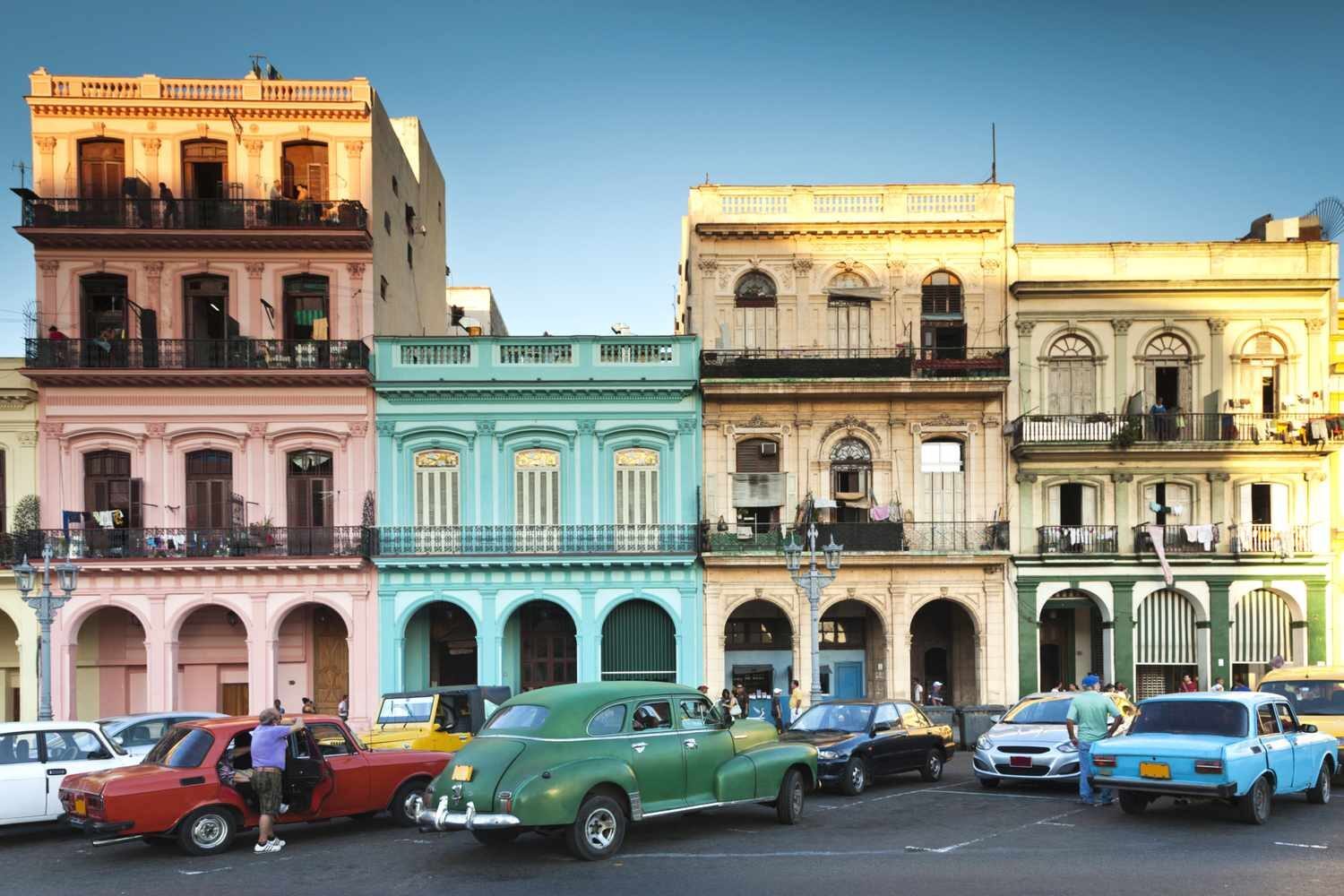
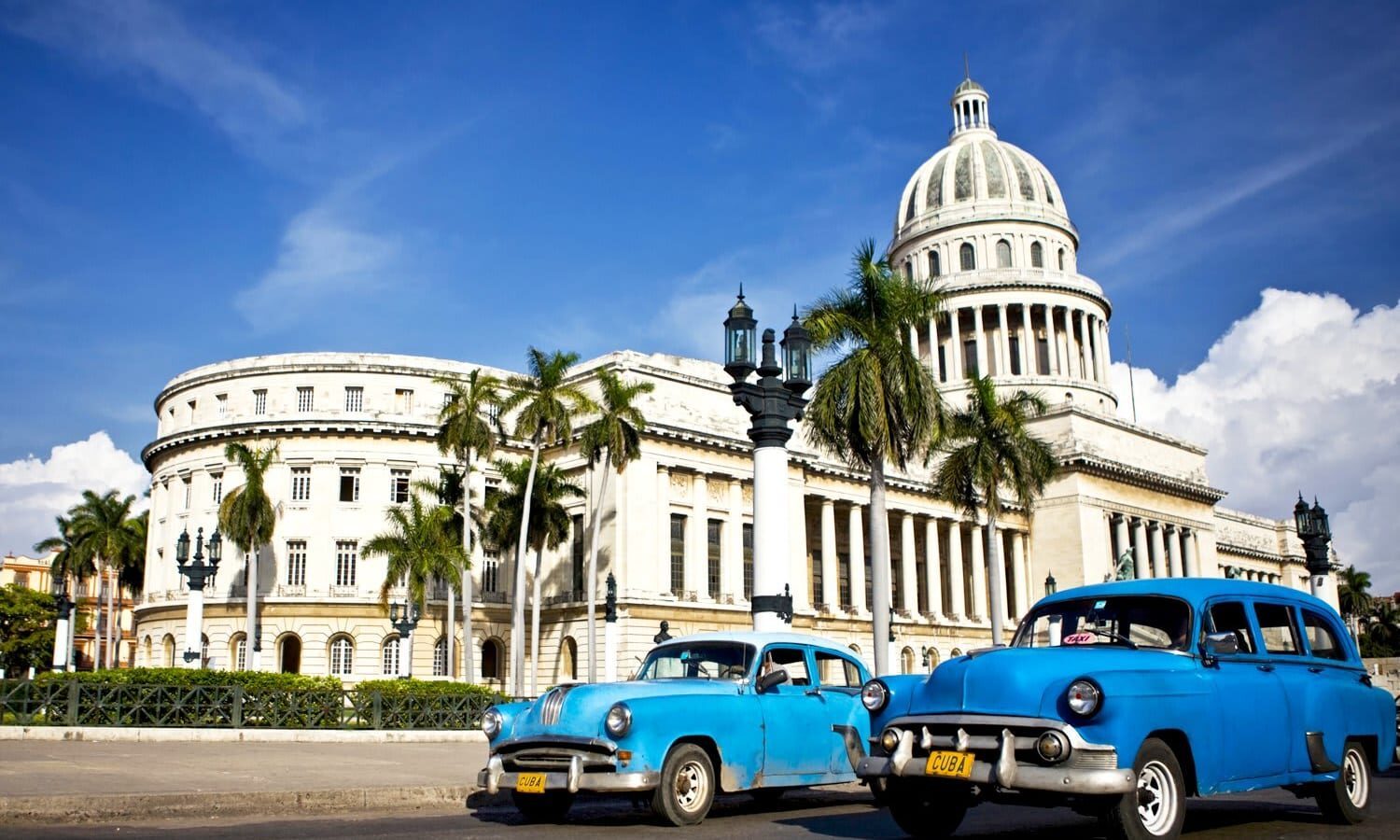
The vintage American cars (almendrones) aren't just for tourists - they're daily transportation, kept running through incredible mechanical ingenuity.
Cubans are direct and will approach you on the street - some are genuinely friendly, others are 'jineteros' (hustlers). Learn to distinguish between them without being rude.
Tipping in CUP (Cuban pesos) is appreciated and important for workers in the service industry. A few dollars equivalent goes a long way.
Insider Tips
Cash is king in Cuba - bring enough USD or Euros for your entire trip as US credit and debit cards do not work due to the embargo. Exchange money at official CADECA offices or banks, not on the street.
Stay in 'casas particulares' (private homestays) for an authentic experience and better value than state hotels. Book popular ones in advance, especially in Havana and Trinidad.
Internet access is limited - buy ETECSA cards to connect at wifi hotspots in parks and hotels. Download offline maps and any needed information before arriving.
Taxis have no meters - always negotiate the fare before getting in. Classic car tours are popular but pricey; negotiate hard. Local buses (guaguas) are cheap but crowded and confusing for tourists.
Book intercity Viazul buses online in advance during peak season. Bring toilet paper and hand sanitizer everywhere - public facilities are basic.
Dress Code
Casual.
Current Travel Situation
United States to Cuba: What You Need to Know
Travel between the US and Cuba is heavily regulated by US law under the Cuban Assets Control Regulations (CACR) administered by OFAC (Office of Foreign Assets Control). Pure tourism is not an authorized category for US citizens , travelers must qualify under one of 12 authorized categories including family visits, educational activities, religious activities, journalistic activity, humanitarian projects, support for the Cuban people, and others. However, the category "Support for the Cuban People" is widely used and interpreted broadly to include staying in private guesthouses (casas particulares), eating at private restaurants (paladares), and engaging with Cuban civil society rather than staying at state-run hotels. US credit and debit cards generally do not work in Cuba due to banking sanctions. Cash is essential.
How to Get There
Many US citizens travel to Cuba via Mexico City, Cancun, or Toronto to avoid direct routing (though direct flights from Miami, New York, and other US cities exist). Havana is the primary entry point. The US embargo restricts most financial transactions, so budget your trip entirely in cash. Dominican Republic and Puerto Rico (US territory) offer Caribbean alternatives without the legal and financial complexities.
Money & Banking
Cuba has a dual-currency complexity. The Cuban peso (CUP) is the local currency. The old CUC system was eliminated. US dollars can be exchanged but attract a tax penalty , euros and Canadian dollars typically exchange better. ATMs in Cuba do not accept US-issued cards. Bring sufficient cash for your entire trip. Changing money at CADECA exchange houses is recommended over hotel desks. Budget travel is possible at $50-80/day staying in casas particulares.
Practical Tips
Cuba's infrastructure is limited compared to other Caribbean destinations , power outages are frequent, internet access is restricted and often requires buying government Wi-Fi cards (ETECSA), and food variety can be limited outside Havana. Havana's Malecon seafront promenade, Old Havana (a UNESCO World Heritage Site), and the colonial architecture of Trinidad are highlights. Vintage American cars from the 1950s remain a striking feature of Cuban streets. The US Embassy in Havana has limited services for Americans; register your trip at the Smart Traveler Enrollment Program (STEP) before departure.
Frequently Asked Questions
Can US citizens travel to Cuba legally?
Yes, but not for pure tourism. Travel must fall under one of 12 OFAC-authorized categories. "Support for the Cuban People" is commonly used — it involves staying at private guesthouses and eating at private restaurants rather than state-run facilities. Keep records of your authorized activities.
Do US bank cards work in Cuba?
No. Due to US financial sanctions, US-issued Visa, Mastercard, and American Express cards do not work in Cuba. Bring sufficient cash in euros or Canadian dollars (which exchange better than USD). Plan your entire trip budget in cash.
Will Cuba stamp my US passport?
Cuban immigration will typically stamp a separate card rather than your passport if you ask. Many US travelers request this to avoid the stamp in their passport, though it is not illegal to have a Cuban stamp in a US passport.
What is the tourist card for Cuba and where do I get it?
The tourist card (tarjeta del turista) is the entry authorization for Cuba. If flying directly from the US, you need a pink card (about $50), available at the airline gate before departure. If flying via Mexico, Canada, or another country, you need a green card (usually cheaper, available from the airline or Cuban consulate).