Indonesia Visa RequirementsFor United States passport holders
US citizens can get a Visa on Arrival (VOA) for Indonesia at $35 USD (30 days), or apply for the B211A e-Visa for $50 (60 days). Bali is by far the most popular destination.
United States passport holders can obtain a Visa on Arrival at Indonesia ports of entry.
Option 1: Visa on Arrival (VOA) at the airport , $35 USD cash, valid 30 days, extendable once to 60 days total. Available at Ngurah Rai (Bali), Soekarno-Hatta (Jakarta), Sultan Hasanuddin (Makassar), and other designated airports. Option 2: B211A e-Visa applied online before travel at molina.imigrasi.go.id , $50 USD, valid 60 days, extendable to 180 days total. The e-Visa is recommended to avoid long VOA queues, especially in Bali. Your US passport must be valid for 6 months.





Entry Requirements
Passport Validity
6 months beyond date of entry
Blank Pages
2 blank pages required
Multiple Entry
Single entry only
Work Permitted
No - requires work visa
Entry Conditions
Passport valid 6+ months. VOA available at major airports. Return ticket.
Required Documents
Valid US Passport
Must be valid for at least 6 months beyond planned stay
Visa on Arrival Fee or e-Visa
VOA: $35 USD cash (30 days); or B211A e-Visa: $50 USD online (60 days, extendable)
Proof of Return Travel
Return or onward flight ticket out of Indonesia
Valid US Passport
Must be valid for at least 6 months beyond your arrival date with at least 2 blank pages
Passport-size Photos
Two recent color photos (2x2 inches or 35x45mm). Bring extra copies as requirements may vary
Completed Arrival Card
Immigration arrival/departure card provided on flight or at port of entry
Proof of Accommodation
Hotel reservation, booking confirmation, or address where you will be staying
Return or Onward Flight Ticket
Confirmed flight booking showing departure from the country within visa validity
Visa Fee (Cash)
Payment for visa on arrival fee - bring exact amount in USD or local currency
Proof of Accommodation Recommended
Hotel or villa booking may be requested at immigration
Proof of Sufficient Funds Recommended
Cash, credit cards, or bank statements showing adequate funds for your stay
Travel Insurance Recommended
Recommended coverage for medical emergencies during your trip
Travel Essentials
Health & Safety
Safety Rating
Vaccinations
Hepatitis A & B, Typhoid, Japanese encephalitis, Rabies, COVID-19.
Tap Water
Bottled water recommended
Safety Tips
Indonesia is generally safe for tourists. Bali and major tourist areas have low violent crime rates. Watch for petty theft, especially bag snatching. Be aware of volcano and earthquake risks - check alerts before hiking. Avoid illegal drugs absolutely - penalties include death. Swimming conditions vary - heed local warnings about currents. Money exchange scams exist - use banks or reputable exchangers.
Money & Costs
Currency
Rp Indonesian Rupiah (IDR)
Daily Budget (USD)
Budget: $30 · Mid: $70 · Luxury: $180+
Cards & ATMs
Cards accepted in tourist areas. Cash essential elsewhere.
Tipping
Tipping is appreciated but not mandatory. Upscale restaurants often add 10% service charge - if not, 5-10% is generous. Small tips for hotel porters (Rp 10,000-20,000), spa therapists (Rp 20,000-50,000), and drivers are welcome. Tour guides expect tips - around Rp 50,000-100,000 per day depending on service. Always tip in rupiah.
Practical Info
Power
Type C, F, 230V, 50Hz
Driving
Left side
Emergency
Police: 110
Ambulance: 118
Fire: 113
Mobile/SIM
Buy a SIM card at the airport from Telkomsel (best coverage), XL Axiata, or Indosat. Tourist packages cost Rp 100,000-200,000 for 10-20GB. Registration with passport required and may take time to activate - airport shops handle this. Signal quality varies between islands - Telkomsel has the best remote coverage. WhatsApp is the primary communication method.
Getting There
Main Airports
Surabaya (SUB) · Bali (DPS) · Jakarta (CGK)
Airport Transfers
Bali Ngurah Rai (DPS): Official taxi booth in arrivals with fixed rates - Kuta Rp 80,000, Seminyak Rp 150,000, Ubud Rp 350,000. Grab pickups from designated area. Jakarta Soekarno-Hatta (CGK): Airport train (Railink) to Sudirman Station Rp 70,000 (45 minutes). Taxis/Grab to central Jakarta Rp 150,000-250,000 (1-2 hours with traffic).
Local Transport
Domestic flights are essential for island-hopping - book on Garuda Indonesia, Lion Air, or Citilink. Grab and Gojek dominate urban transport. Bali has a chaotic but functional system of taxis, and scooter rental is popular (international license required legally). Ferries connect islands - book fast boats to Gili Islands and Nusa Penida in advance. Trains exist only on Java.
Culture & Travel Tips
Best Time to Visit
Indonesia spans the equator across 17,000 islands, so optimal timing depends on your destination. The dry season from April to October is generally best for most regions, particularly Bali, Java, and Lombok. This period offers sunny skies, calm seas for diving, and better conditions for volcano treks. The rainy season (November-March) brings daily downpours but also lush green landscapes, fewer crowds, and lower prices. Raja Ampat has reversed seasons with best diving December-April. Avoid Bali during major holidays like Nyepi (Day of Silence, usually March) when the island literally shuts down, though the lead-up celebrations are spectacular.
Cultural Notes
Indonesia is the world largest Muslim-majority nation, though Bali is predominantly Hindu and other regions have Christian or animist traditions. This diversity requires cultural sensitivity when traveling between regions. Dress modestly outside beach areas, especially when visiting temples and mosques. Use your right hand for eating and giving/receiving items. Remove shoes when entering homes and religious sites. Indonesians are exceptionally friendly and patient with tourists, though bargaining is expected at markets. Time moves differently here - "jam karet" (rubber time) means schedules are flexible. The concept of "bapak" (father/sir) and "ibu" (mother/madam) reflects the respectful social hierarchy.
Insider Tips
Indonesia offers incredible diversity from temples and volcanoes to world-class diving and surf breaks. Domestic flights connect the archipelago affordably - Lion Air, Garuda, and Citilink serve most destinations. Ferries are cheap but slow; book speedboats for island hopping. Grab works in major cities; elsewhere negotiate with taxi drivers or rent a scooter (international license required). Indonesian food is delicious and cheap - try nasi goreng, satay, rendang, and fresh seafood. Tap water is not safe; drink bottled or boiled water. ATMs are widespread but carry cash for remote areas. Learn basic Bahasa Indonesia - locals appreciate any effort.
Dress Code
Casual but modest. Temple dress code: sarong and sash required.
Current Travel Situation
United States to Indonesia: What You Need to Know
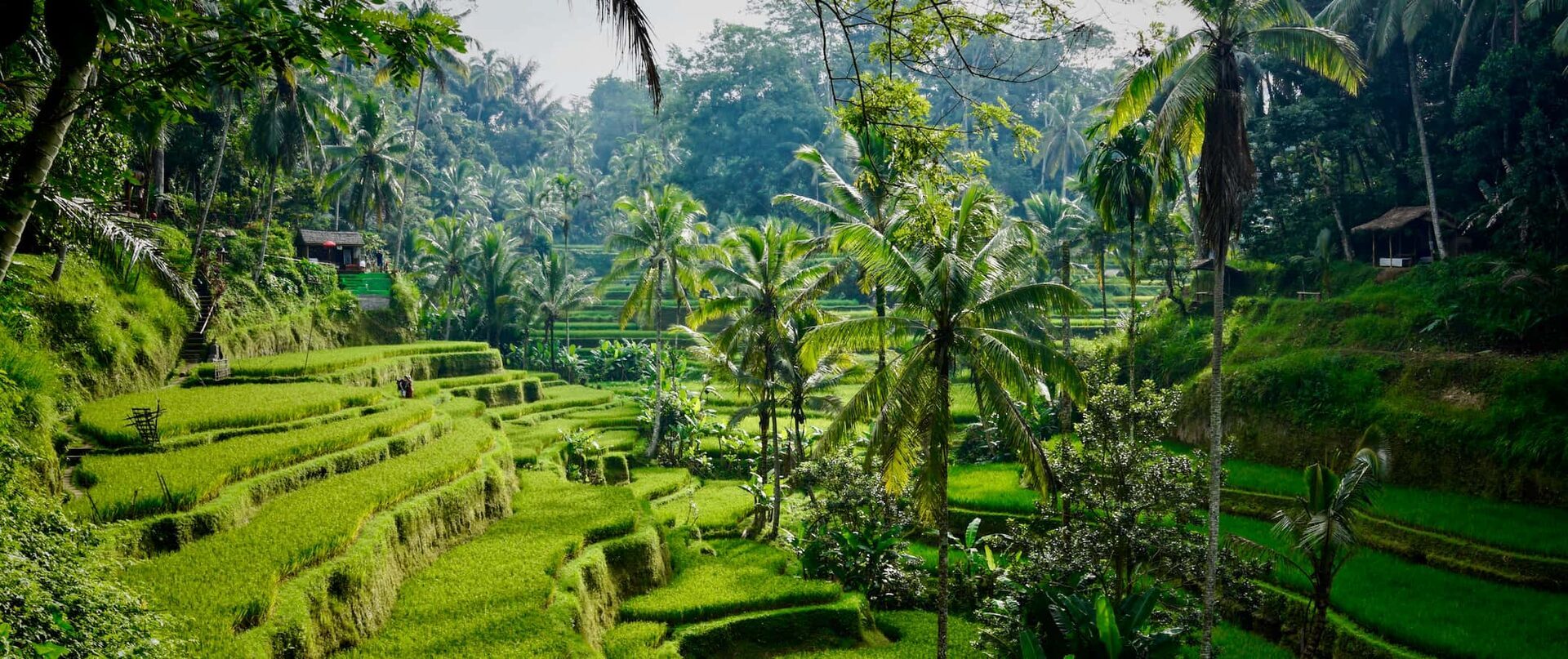
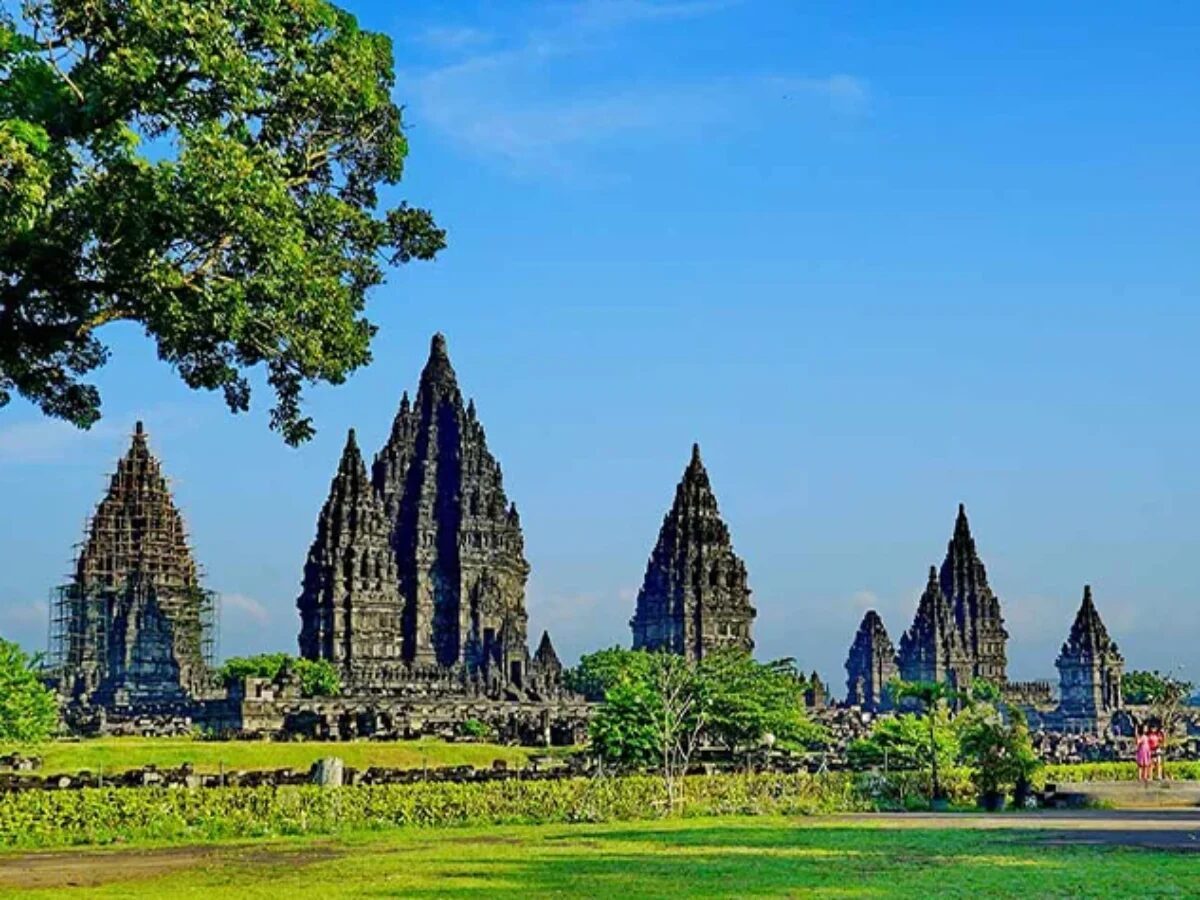
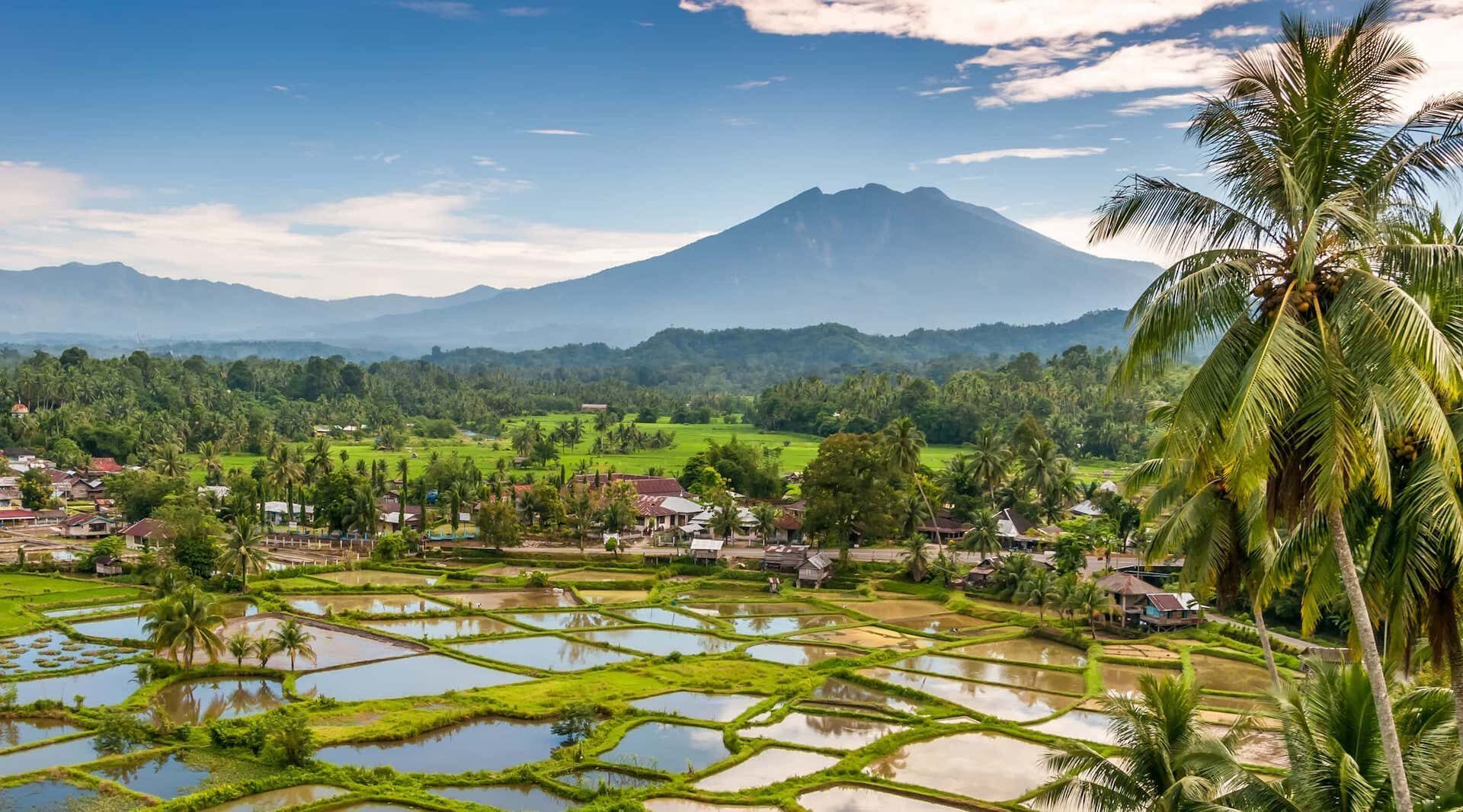
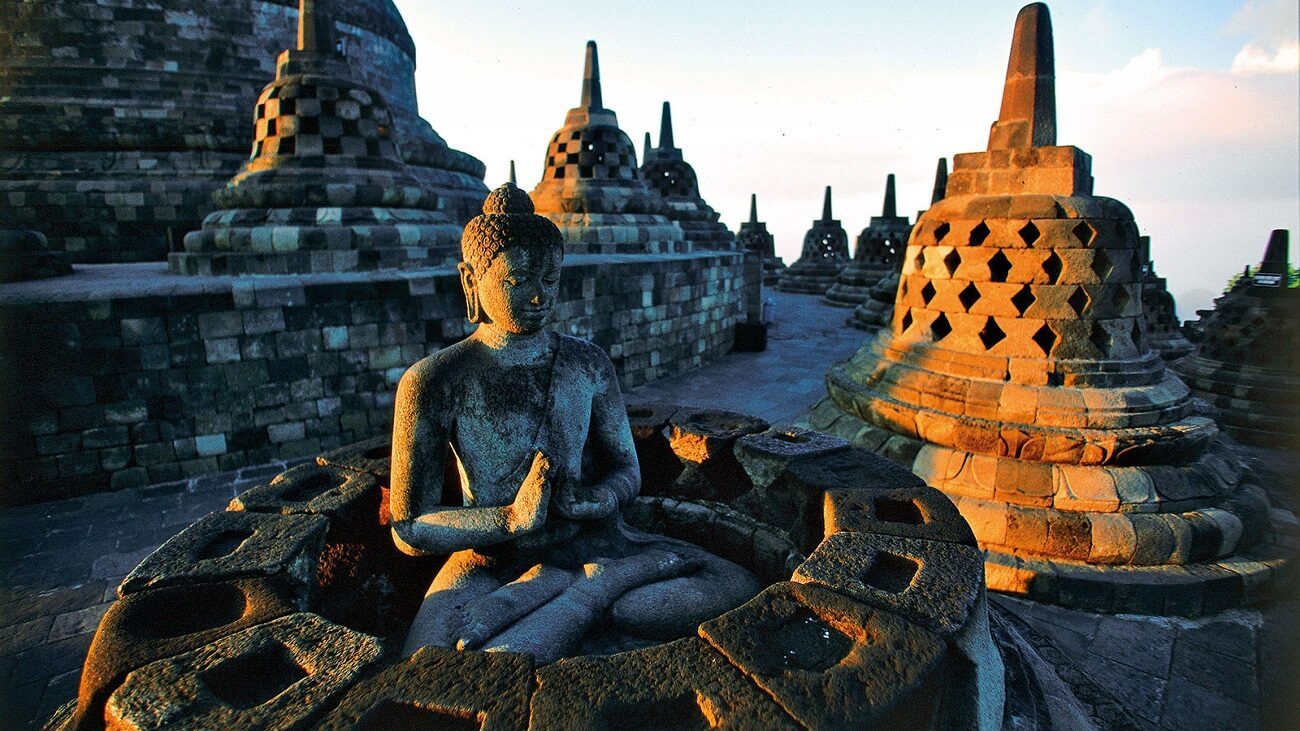
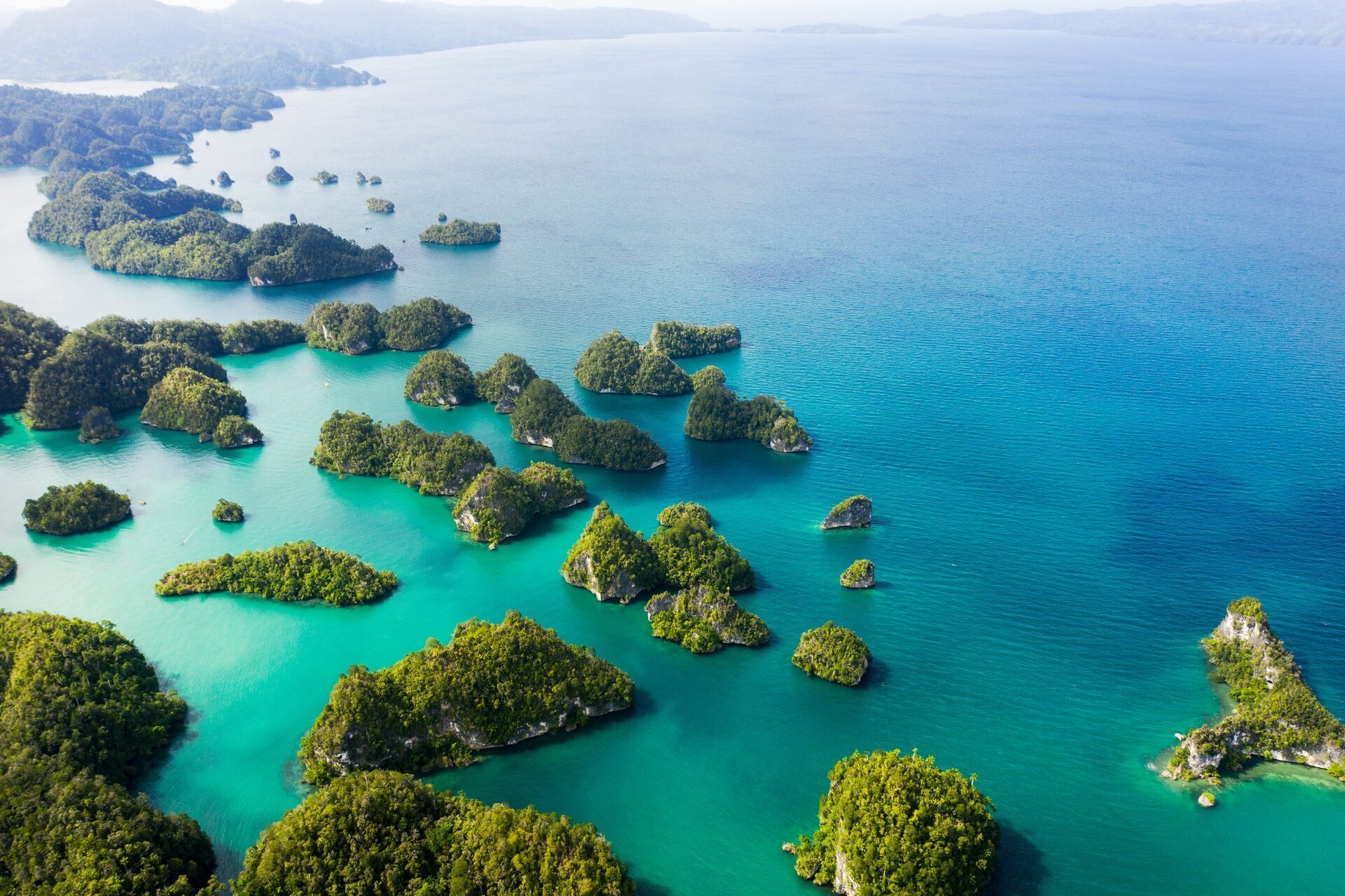
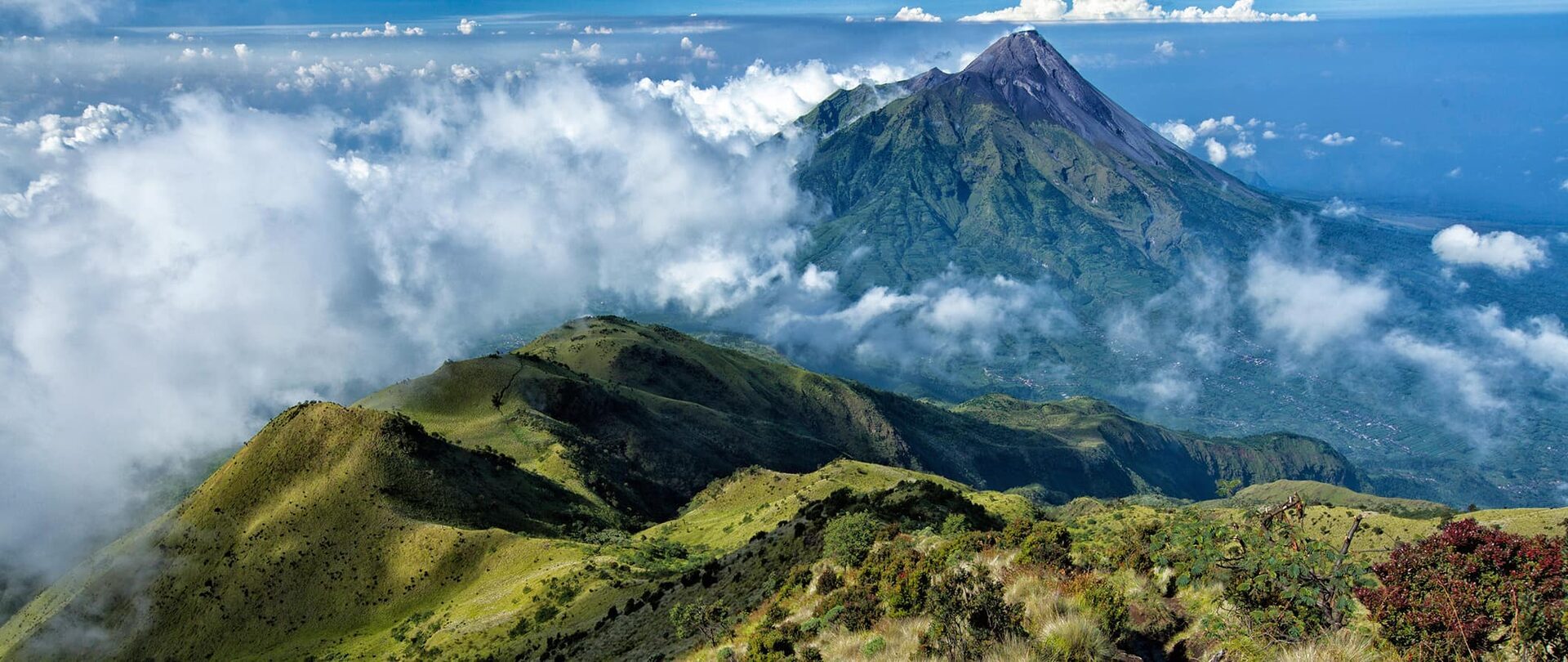
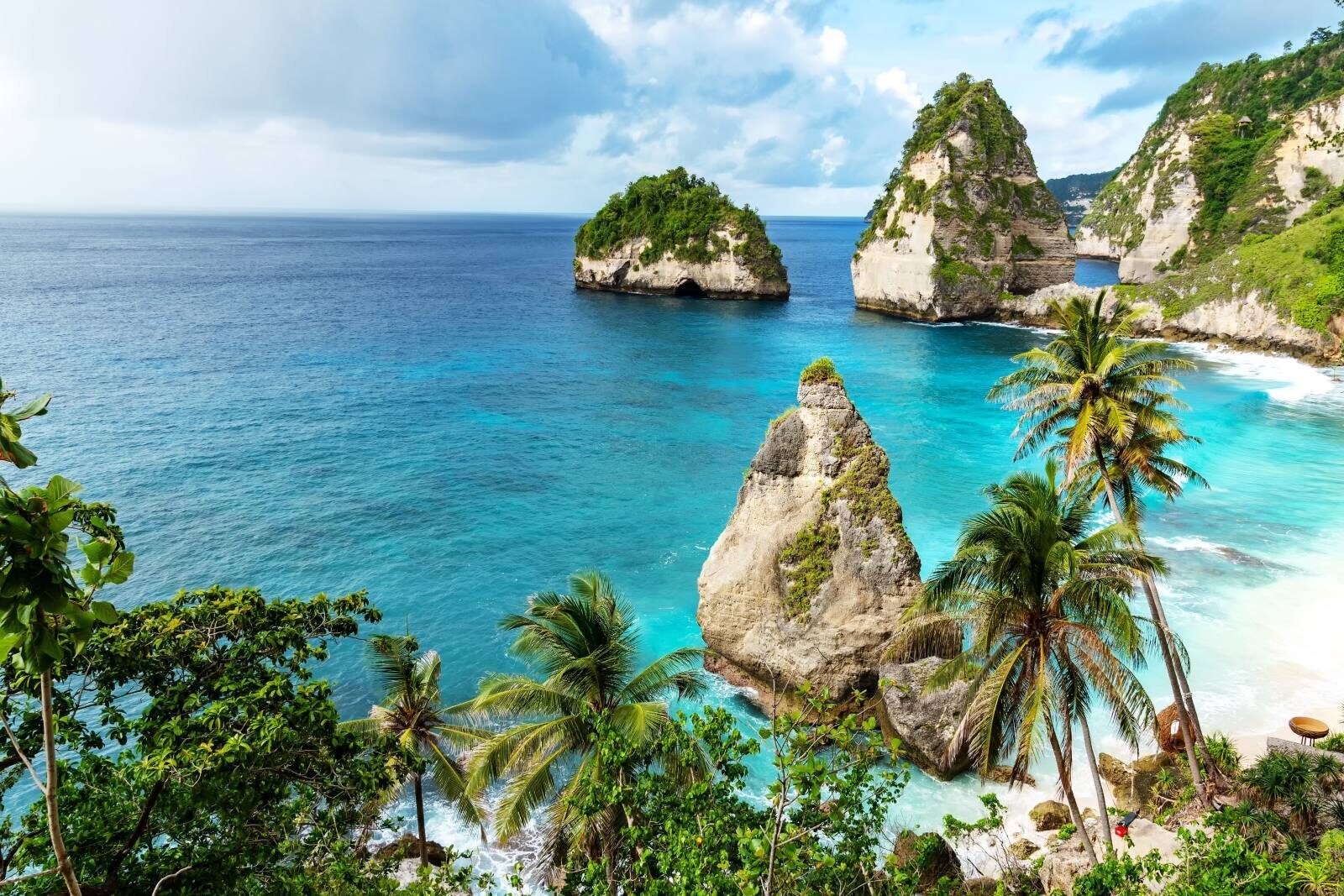
Indonesia is the world's largest archipelago nation with over 17,000 islands and the fourth most populous country on earth. US citizens have straightforward access via the Visa on Arrival system available at major international airports. Bali remains the overwhelmingly most popular destination for American visitors , it combines tropical beaches, Hindu temple culture (unique in predominantly Muslim Indonesia), excellent surfing, yoga and wellness culture, vibrant nightlife, and rice terrace scenery. Beyond Bali, Lombok (quieter beaches), Komodo Island (Komodo dragons, world-class diving), Raja Ampat (remote paradise diving), and Java (Borobudur temple, Prambanan) represent Indonesia's extraordinary diversity.
How to Get There
Australia (8-hour flight from Bali) is the most common Western country to combine with Bali , many US travelers do an Australia-Bali extension. Singapore (2.5 hours from Bali) and Malaysia (2 hours from Bali via Kuala Lumpur) are regional connections. Within Indonesia, Lombok (next island from Bali, 2-hour ferry or 25-minute flight) and Komodo are natural Bali extensions. The Gili Islands (Gili T, Gili Meno) are accessible by fast boat from Bali and offer laid-back island vibes without motorized vehicles.
Money & Banking
Indonesia uses the Indonesian rupiah (IDR). The IDR has many zeros , AUD/USD $1 = IDR 15,000-16,000. Carry some cash (IDR) as many small establishments, warungs (local eateries), and markets are cash-only. ATMs are common in tourist Bali areas. Card payments accepted at hotels and larger restaurants. Bali is moderate to affordable by Western standards; a budget traveler can do well on $40-60 USD/day. Avoid moneychangers advertising very high rates , they use slight-of-hand tricks. Use ATMs or authorized Bali authorized money changers.
Practical Tips
Bali has a deep Hindu spiritual culture despite being part of Muslim-majority Indonesia. Dress modestly when visiting temples (sarong provided or required at entry). Don't be surprised by elaborate daily offerings (canang sari) , small flower baskets left on the ground as offerings; step over them, not on them. Bali's traffic has become very congested in south Bali (Kuta, Seminyak, Canggu). Ubud (inland culture hub), north Bali (Lovina), and east Bali (Amed) are quieter alternatives. Dengue fever is present , use mosquito repellent. Bali belly (stomach issues) is common; drink bottled water.
Frequently Asked Questions
Do US citizens need a visa to visit Indonesia?
US citizens can obtain a Visa on Arrival (VOA) at major Indonesian airports and seaports for tourism stays up to 30 days. The fee is approximately $35 USD, payable in cash (US dollars) or card at some locations. This visa can be extended once for another 30 days at an immigration office in Indonesia. Alternatively, you can enter visa-free for up to 30 days at certain entry points, but this cannot be extended. For the most flexibility, pay for the VOA. Your passport must be valid for at least 6 months with at least one blank page.
Do US citizens need a visa for Bali (Indonesia)?
US citizens can get a Visa on Arrival at Bali airport for $35 USD (30 days) or apply for the B211A e-Visa online before travel for $50 USD (60 days). The e-Visa is recommended to skip queues at Bali airport.
What is the difference between visa-free entry and Visa on Arrival in Indonesia?
Indonesia offers two entry options for US tourists. Visa-free entry is available at designated ports for stays up to 30 days, is free, but cannot be extended under any circumstances. Visa on Arrival costs approximately $35 USD, allows 30 days, and can be extended once for an additional 30 days (total 60 days) at an Indonesian immigration office for a fee. If there's any chance you might want to stay longer than 30 days, always get the VOA. Both options are only for tourism, visiting family, social purposes, or transit, not for work.
Can I extend my Indonesia visa?
Yes. The 30-day VOA can be extended once to 60 days total. The 60-day e-Visa can be extended multiple times up to 180 days. Extensions are done at immigration offices in Bali (Ngurah Rai Immigration Office) or other Indonesian cities.
Is Bali safe and what should I know before visiting?
Bali is generally very safe for tourists and is Indonesia's most visited destination. Be aware of common concerns: rip currents at beaches (swim where lifeguards are present), motorcycle accidents (if you rent a scooter, ensure you're licensed and wear a helmet), petty theft at crowded tourist spots, and ATM skimming scams. Bali is predominantly Hindu while the rest of Indonesia is Muslim; respect temple dress codes (sarongs are often provided or can be rented). Alcohol is available but be cautious of counterfeit alcohol (arak) at the cheapest bars. The rainy season runs October through April.
Is it safe to rent a scooter in Bali as an American?
Many Americans rent scooters in Bali, but it carries risks. Traffic can be chaotic; roads are sometimes narrow. An international driving license is technically required. Wear a helmet, drive slowly, and get familiar with left-hand traffic before venturing far. Accidents among tourists are unfortunately common.
What vaccinations and health precautions do I need for Indonesia?
Consult a travel health clinic 4-6 weeks before departure. Commonly recommended vaccinations include Hepatitis A and B, Typhoid, and ensuring routine vaccinations are up to date. Rabies vaccine may be recommended if you'll have animal exposure. Malaria is present in some areas (not major tourist areas of Bali), so discuss antimalarials with your doctor if visiting rural or remote regions. Dengue fever is present; use insect repellent containing DEET. Drink only bottled or purified water, be cautious with ice in drinks, and eat well-cooked food. Bali's tap water is not safe to drink.