Mexico Visa RequirementsFor United States passport holders
US citizens can visit Mexico visa-free for up to 180 days. Mexico is the most visited foreign country by Americans, with excellent direct flight and road border access.
Great news! United States passport holders can enter Mexico without a visa for tourism or business purposes. You can stay up to 180 days.
No visa is required for US citizens. US passport holders receive an FMM (Forma Migratoria Multiple) tourist card on arrival, which is now typically issued electronically when flying. When driving across the border, you receive an FMM at the crossing. Keep your FMM , you need it when leaving Mexico. If flying in, the card fee (around 500 MXN) is usually included in your airline ticket. For visits beyond 180 days, a temporary residency visa must be obtained at a Mexican consulate before travel.
Entry Requirements
Passport Validity
6 months beyond date of entry
Blank Pages
2 blank pages required
Multiple Entry
Allowed
Work Permitted
No - requires work visa
Entry Conditions
Valid US passport. FMM tourist card for air travel or travel beyond border zone. Proof of onward travel may be requested.
Required Documents
Valid US Passport
Must be valid for the duration of stay; US passport card is accepted at land borders
FMM Tourist Card
Issued on arrival (included in most airline tickets for air travel; separate fee at land borders)
Valid US Passport
Must be valid for at least 3-6 months beyond your planned departure date (varies by country)
Return or Onward Ticket
Proof of departure from the country, such as a return flight or onward travel booking
Return or Onward Travel Ticket Recommended
Recommended; airlines sometimes check for return flights
Proof of Accommodation Recommended
Hotel reservation, Airbnb booking, or address where you will be staying
Proof of Sufficient Funds Recommended
Credit cards, bank statements, or cash to cover expenses during your stay
Travel Insurance Recommended
Recommended for all international travel covering medical emergencies
Travel Essentials
Health & Safety
Safety Rating
Vaccinations
Hepatitis A, Typhoid, COVID-19. Rabies for some areas.
Tap Water
Bottled water recommended
Safety Tips
Exercise increased caution in Mexico. While millions of Americans visit safely each year, certain states have travel advisories due to cartel activity - check the State Department website before travel. Major tourist destinations like Cancún, Puerto Vallarta, and Mexico City's main areas are generally safe. Use first-class buses (ADO, ETN) rather than second-class for intercity travel. Avoid driving at night outside cities.
Money & Costs
Currency
$ Mexican Peso (MXN)
Daily Budget (USD)
Budget: $40 · Mid: $100 · Luxury: $250+
Cards & ATMs
Credit cards (Visa, Mastercard) are widely accepted in tourist areas, hotels, restaurants, and chain stores. American Express is less common. However, cash is essential for markets, street food, small shops, taxis, and tips. Many places outside major tourist zones are cash-only. Always carry some pesos.
Tipping
Tipping is customary and expected in Mexico, similar to the US. In restaurants, 10-15% is standard, and 15-20% for excellent service. Tip in pesos rather than dollars when possible. Gas station attendants, grocery baggers, parking attendants (comes vigilantes), and hotel staff all expect small tips (10-20 pesos). Tour guides typically receive 10-15% of the tour cost.
Practical Info
Power
Type A, B, 127V, 60Hz
Driving
Right side
Emergency
Emergency: 911
Tourist Emergency: 078
Mobile/SIM
Buy a local SIM card at Telcel (best coverage), AT&T Mexico, or Movistar stores - readily available at airports and shopping centers. US carriers like T-Mobile and AT&T often include Mexico in their plans - verify before travel. Expect to pay around 200-300 pesos for a tourist SIM with data.
Getting There
Main Airports
Cancún (CUN) · Guadalajara (GDL) · San José del Cabo (SJD) · Mexico City (MEX)
Airport Transfers
Mexico City (MEX): Metro Line 1 runs to city center but with luggage it's challenging. Authorized taxi booths inside airport offer fixed rates (350-500 pesos to most hotels). Uber/DiDi work from designated pickup zones. Cancún (CUN): ADO buses run to Hotel Zone (around 100 pesos) and downtown. Private transfers or taxis are 500-800 pesos to Hotel Zone. Los Cabos (SJD): No public transport - shuttles or taxis only (around $20-40 USD to hotels).
Local Transport
Mexico has excellent intercity bus service - ADO, ETN, and Primera Plus offer comfortable, safe first-class travel with AC, movies, and bathrooms. Book online for popular routes. Mexico City has an extensive metro system (very cheap but crowded). Uber, DiDi, and InDriver work in major cities. Domestic flights are affordable with Volaris and VivaAerobus.
Culture & Travel Tips
Best Time to Visit
Mexico's climate varies from tropical beaches to high-altitude deserts. Generally, the dry season (November-April) is best for most regions, though Mexico is a year-round destination.
Beach destinations like Cancún, Puerto Vallarta, and Cabo are best November through April - perfect weather, calm seas, and whale watching season. May-October brings humidity, occasional hurricanes, and lower prices.
Mexico City and the central highlands are pleasant year-round due to altitude (7,350 feet/2,240m). The rainy season (June-September) brings afternoon showers but mornings are usually clear. December-February can be chilly.
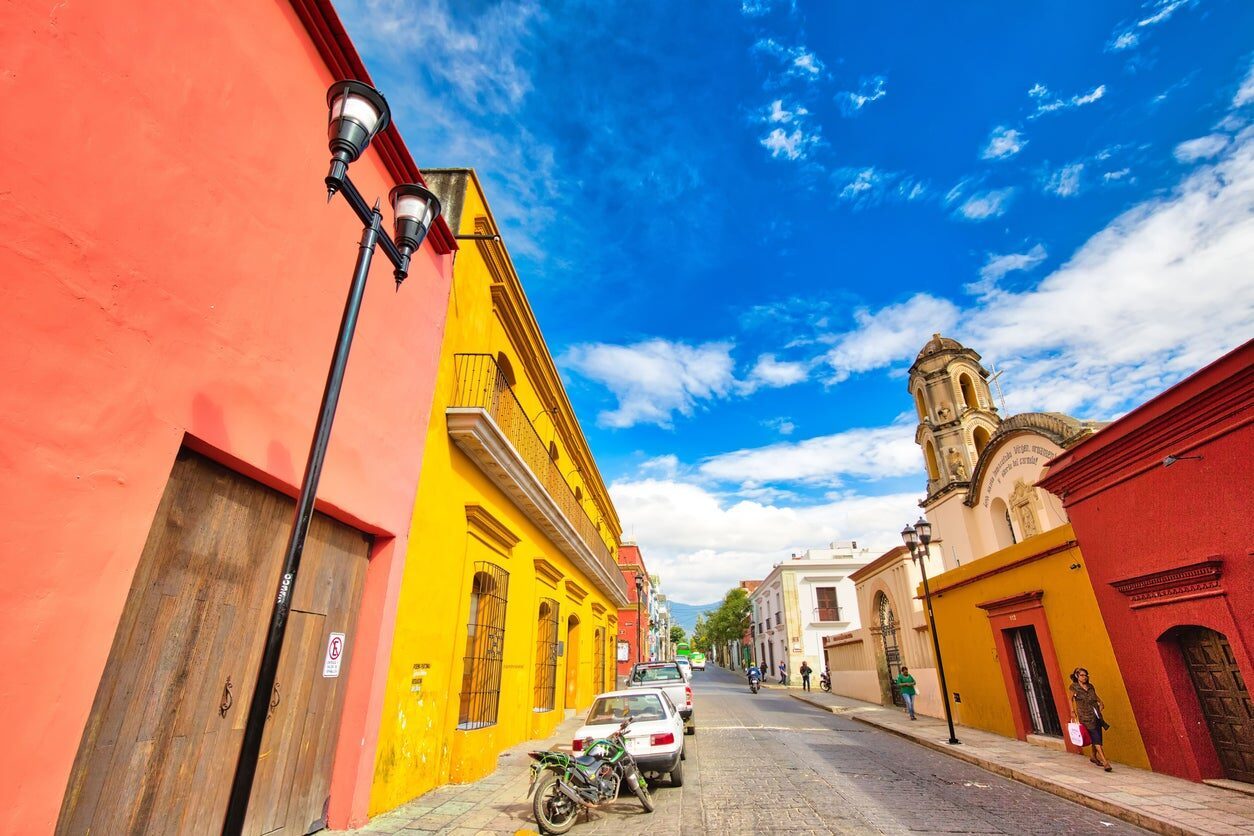
Oaxaca shines during Day of the Dead (late October-early November) and the Guelaguetza festival (July). The region is pleasant October through May; summer brings rain.
Baja California has desert climate - hot summers, mild winters. Gray whale watching in Baja is best January through March.
Avoid Easter Week (Semana Santa) and Christmas if you dislike crowds - all of Mexico vacations simultaneously, and beach towns overflow.
Cultural Notes
Mexican culture is warm, family-oriented, and celebratory. Extended family gatherings, elaborate meals, and multi-day festivals are normal parts of life.
'Mexican time' is real for social events - arriving an hour late to parties is normal. Business meetings expect more punctuality but flexibility remains.
Tipping is important: 10-15% at restaurants, small tips for parking lot attendants, grocery baggers, and gas station attendants who clean your windshield.
Death is viewed differently - Day of the Dead (Día de los Muertos) celebrates deceased loved ones rather than mourning them. Colorful skulls and skeletons are celebratory, not morbid.
Regional identities are strong - a person from Oaxaca, Jalisco, or Yucatán has distinct cultural pride. Each region has unique cuisine, traditions, and even accents.
Catholicism permeates culture even for non-practicing people - the Virgin of Guadalupe is a national symbol, religious holidays structure the calendar, and churches are community centers.
Insider Tips
The Mexican Peso fluctuates - check current rates. Tourist areas often accept US dollars but at poor exchange rates. ATMs offer better rates than exchange houses.
Uber and similar apps work in major cities and are safer than street taxis. For taxis, use Sitio (official stands) or hotel-called cabs rather than hailing on the street.
Street food is delicious and generally safe - look for busy stalls with high turnover. Tacos, tortas, elotes (corn), and fresh fruit are everywhere. Adventurous eaters will love chapulines (grasshoppers) in Oaxaca.
Water quality varies - stick to bottled water for drinking. Ice in tourist establishments is usually purified (hielo de purificadora) and safe.
Learn basic Spanish - even minimal effort is appreciated and English isn't widespread outside resorts. Mexicans are patient with language learners.
First-class buses (ADO, ETN) are comfortable, safe, and efficient for intercity travel. They're often nicer than domestic flights and cheaper.
Dress Code
Casual dress is appropriate for most situations. Beach attire should be kept to beach areas - cover up when going to restaurants or shops. For upscale restaurants and clubs, smart casual is expected. When visiting churches, cover shoulders and avoid shorts out of respect.
Current Travel Situation
United States to Mexico: What You Need to Know
Mexico and the United States share a 3,145km border, one of the world's most-crossed international borders. US citizens have long had visa-free access to Mexico, which is consistently the most visited foreign country by Americans. Travel options include flying to resort destinations (Cancun, Los Cabos, Puerto Vallarta), driving across land borders (San Diego-Tijuana, El Paso-Juarez, Laredo-Nuevo Laredo), or flying into major cultural cities (Mexico City, Oaxaca, San Miguel de Allende). The US State Department issues regional travel advisories for Mexico , many popular tourist areas remain in Level 2 (Exercise Increased Caution) while certain states near cartel activity are Level 4. Research specific advisories for your destination.
How to Get There
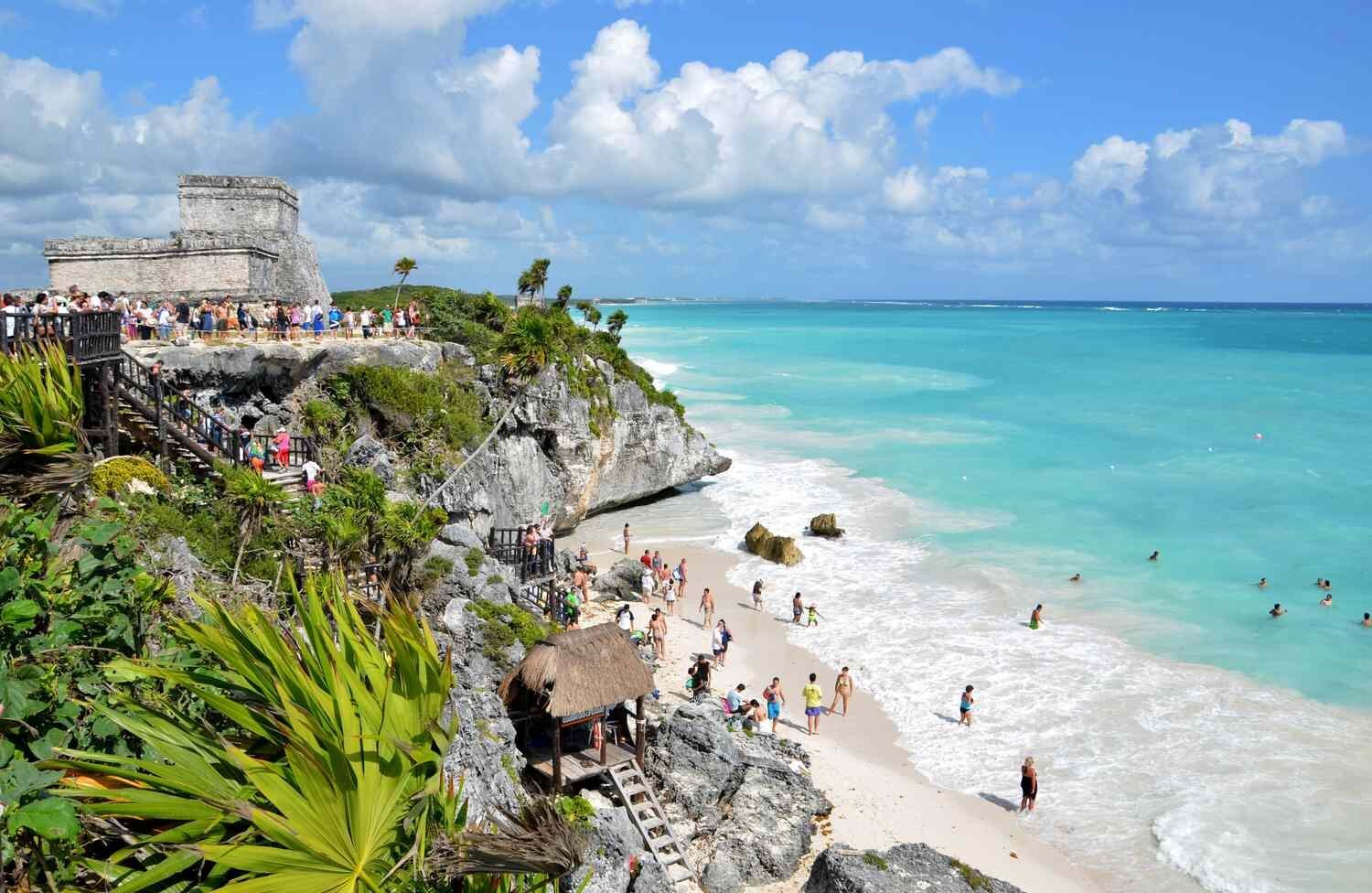
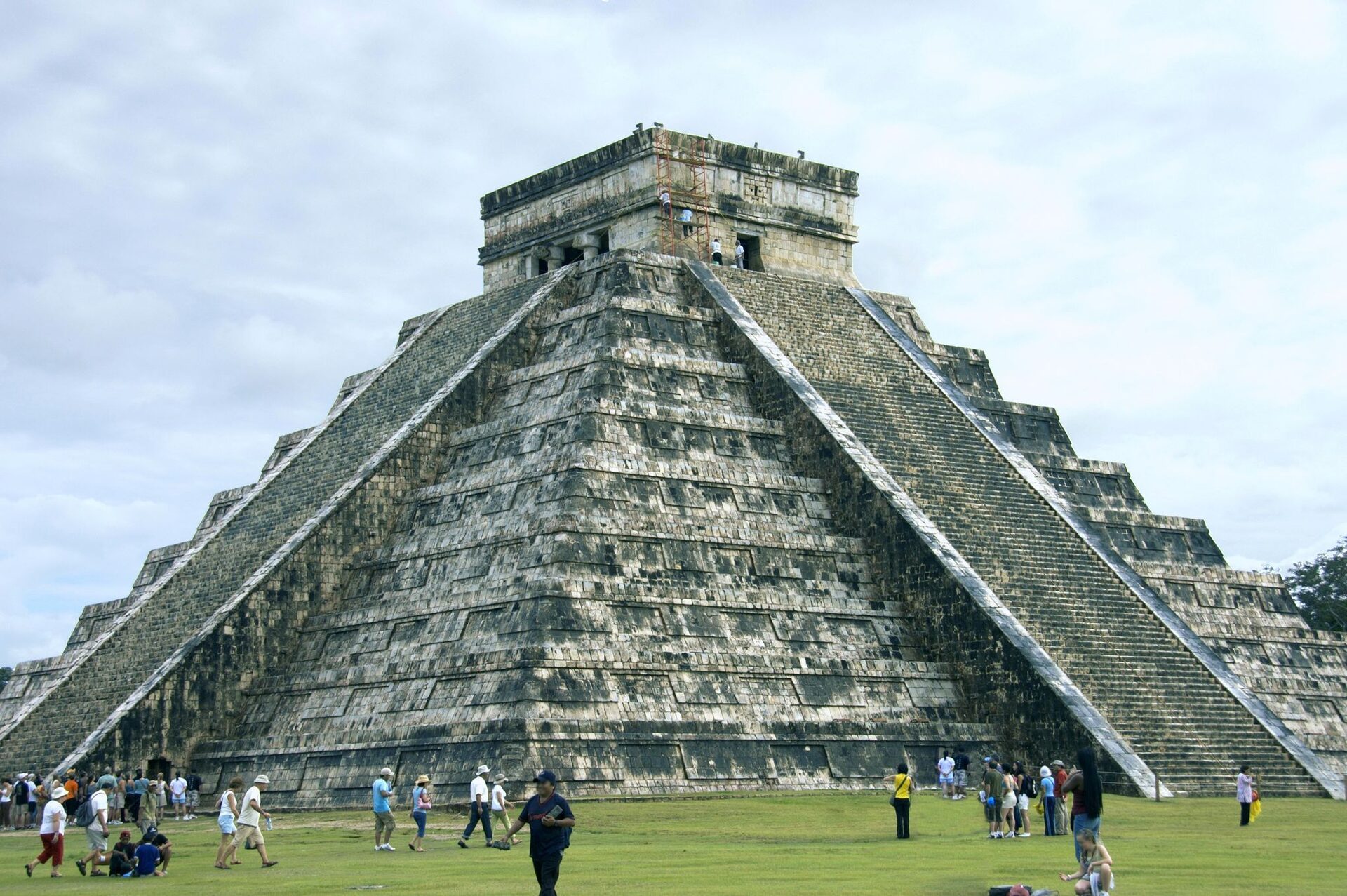
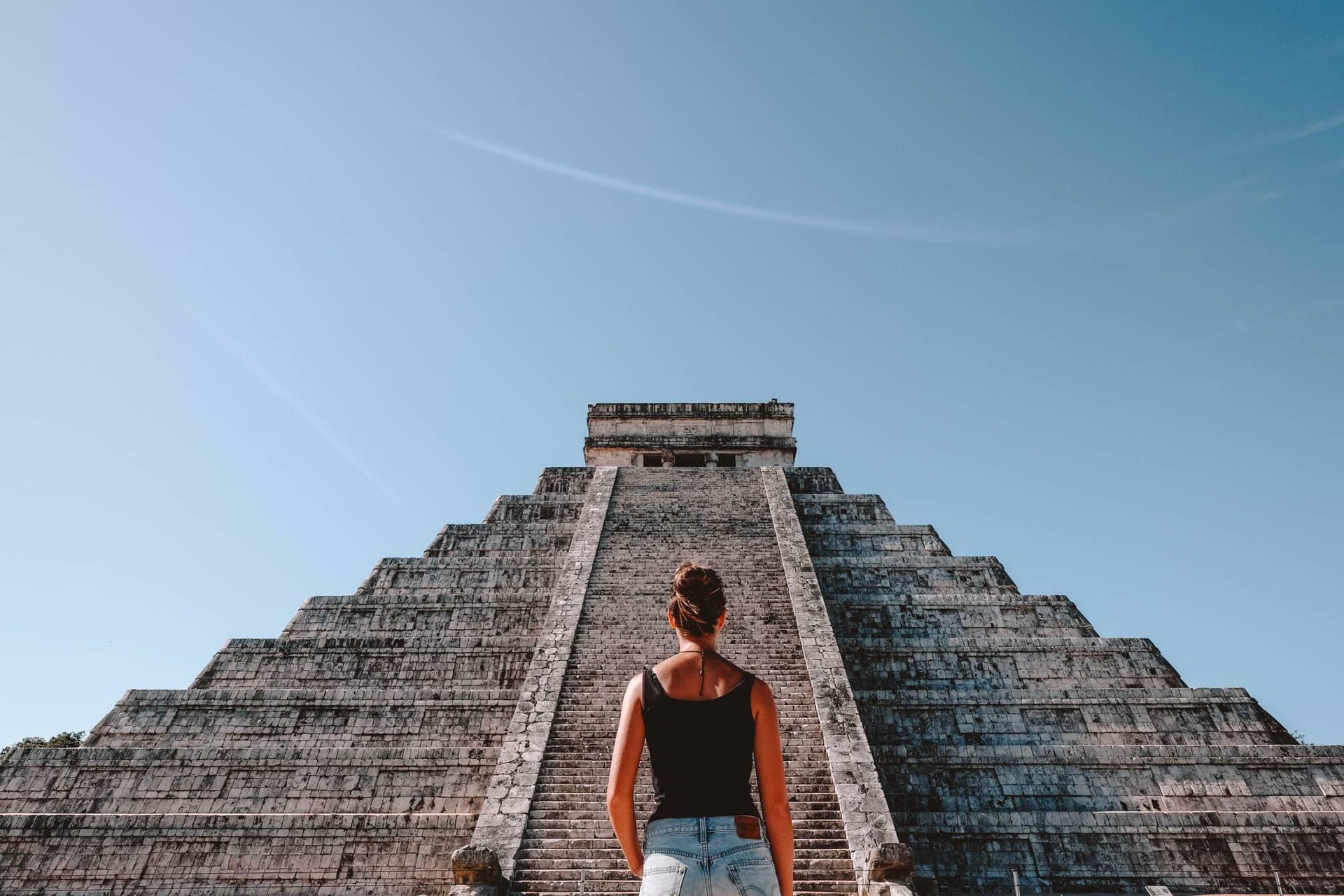
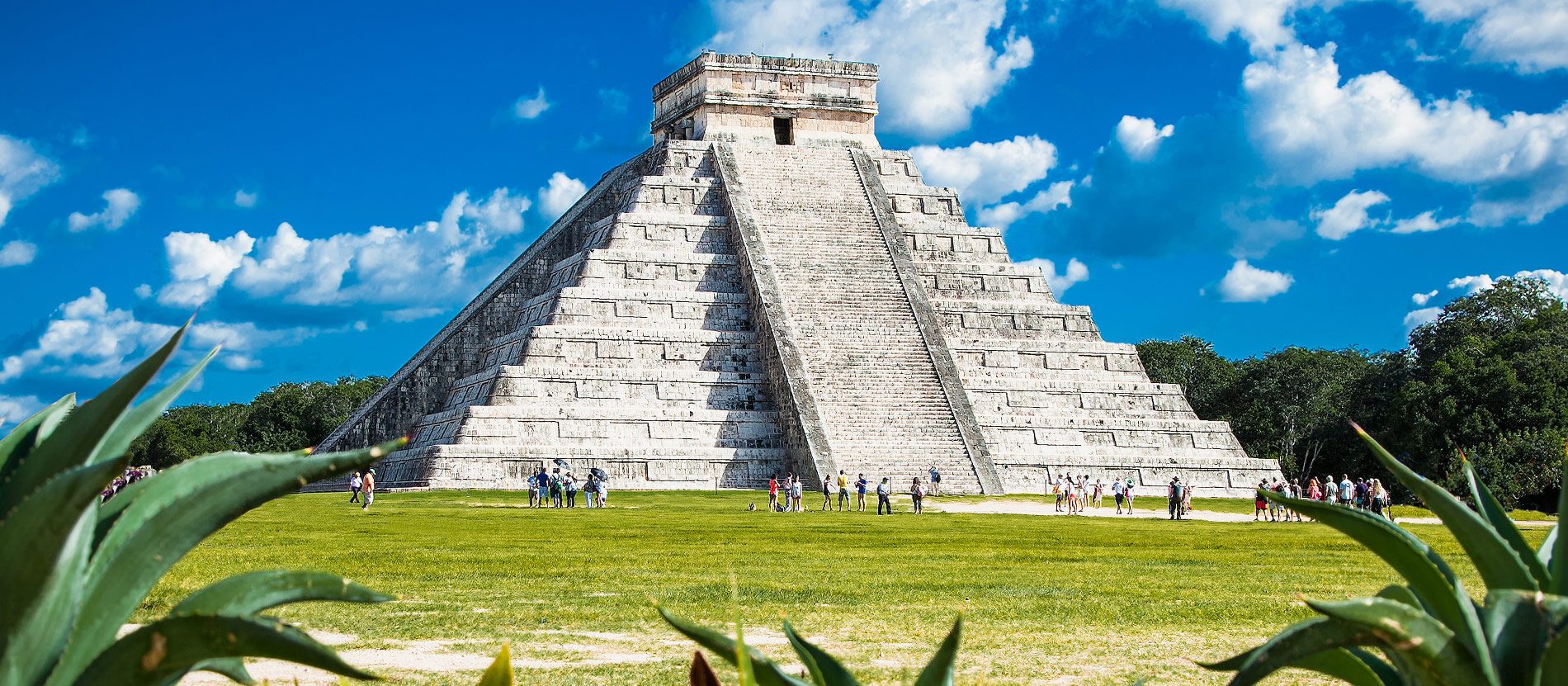
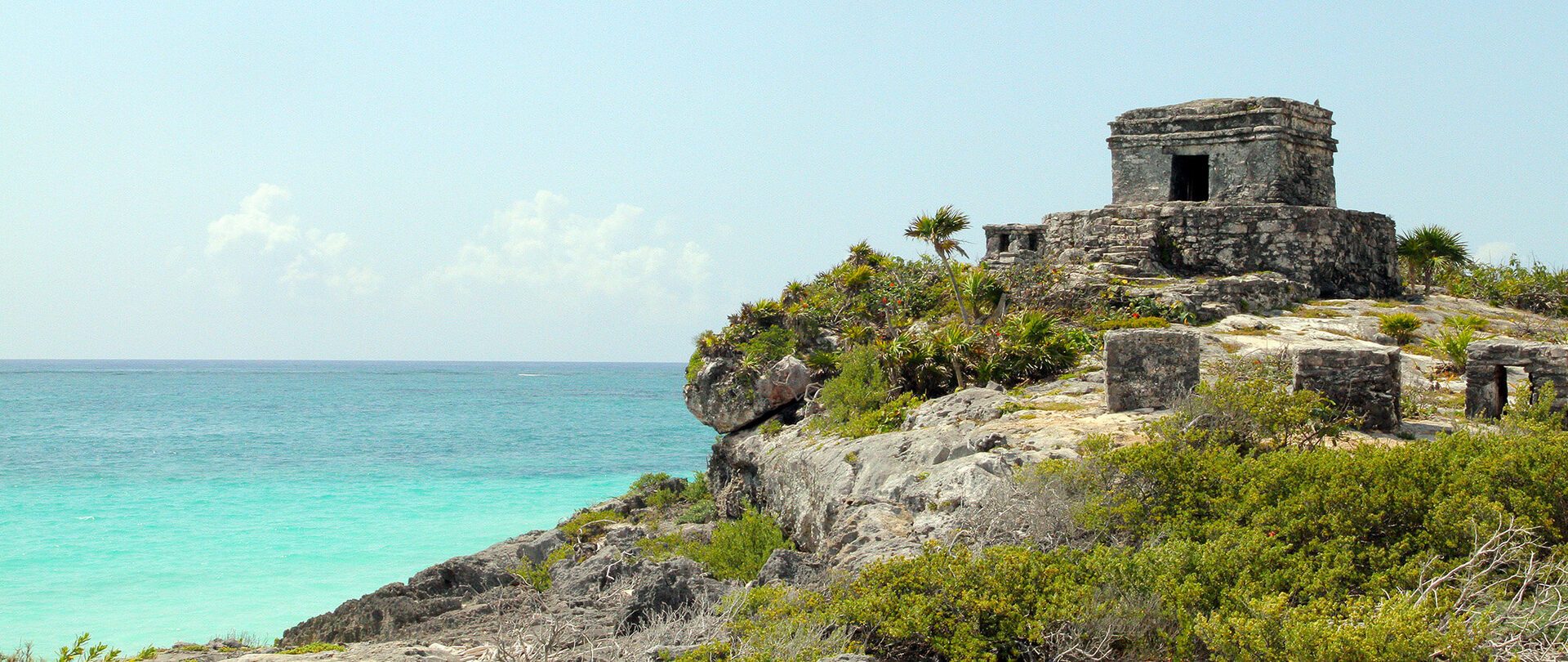
Guatemala and Belize are accessible by bus or shuttle from southern Mexico (Cancun to Belize City; Mexico City to Guatemala City). Cuba has direct flights from Cancun and Mexico City , a popular gateway for Americans who prefer not to fly direct from US airports. Within Mexico, the Yucatan Peninsula (Cancun, Playa del Carmen, Tulum, Merida, Chichen Itza), Mexico City cultural circuit, and Oaxaca are the main independent travel regions.
Money & Banking
Mexico uses the Mexican peso (MXN). ATMs are available throughout Mexico but check for "no-fee" machines (Banorte and HSBC often charge lower fees to foreigners than Santander). Card payments are common at resort hotels and chain restaurants; cash is preferred for street food, markets, local buses, and tipping. Do not use street money changers , use ATMs or official bank exchange counters. The peso trades around 17-18 MXN per USD.
Practical Tips
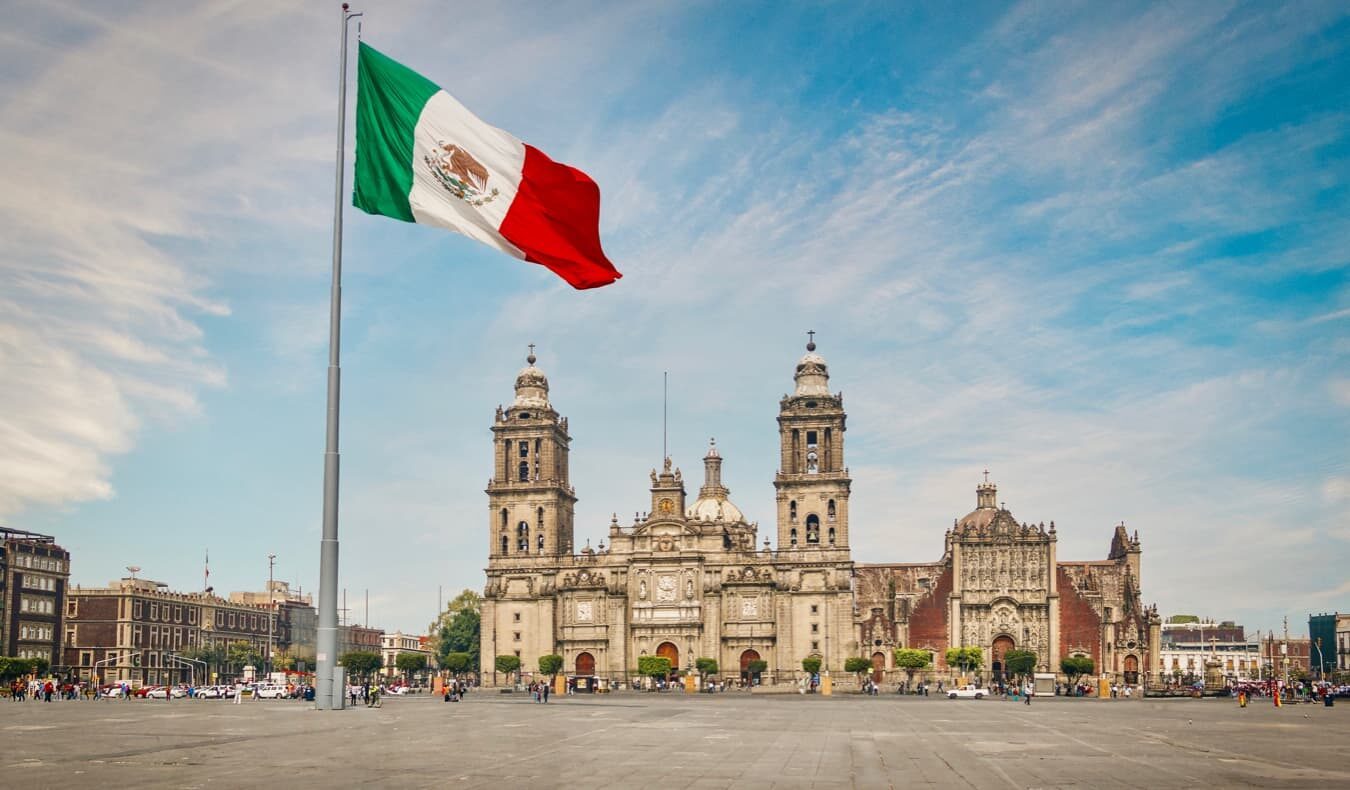
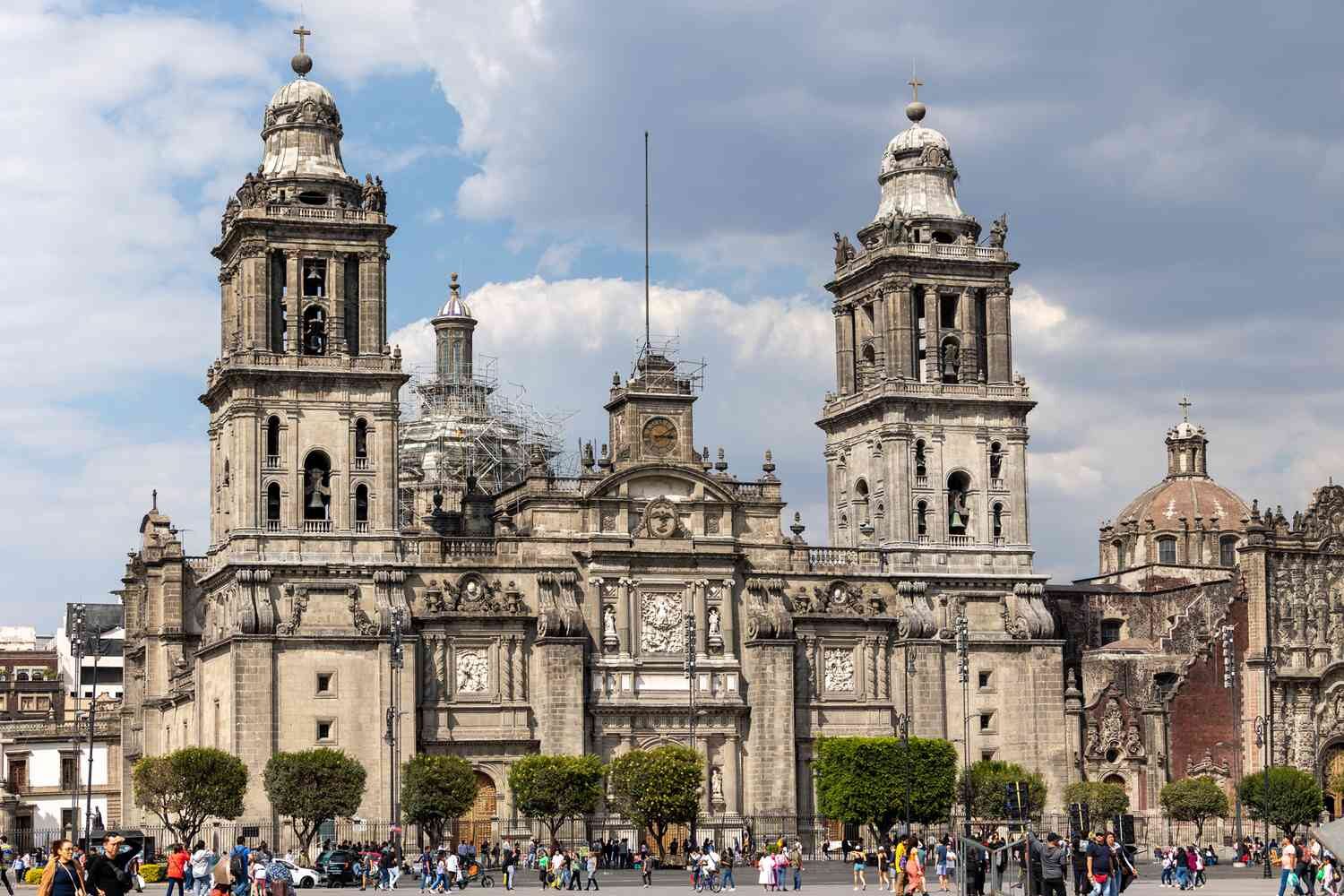
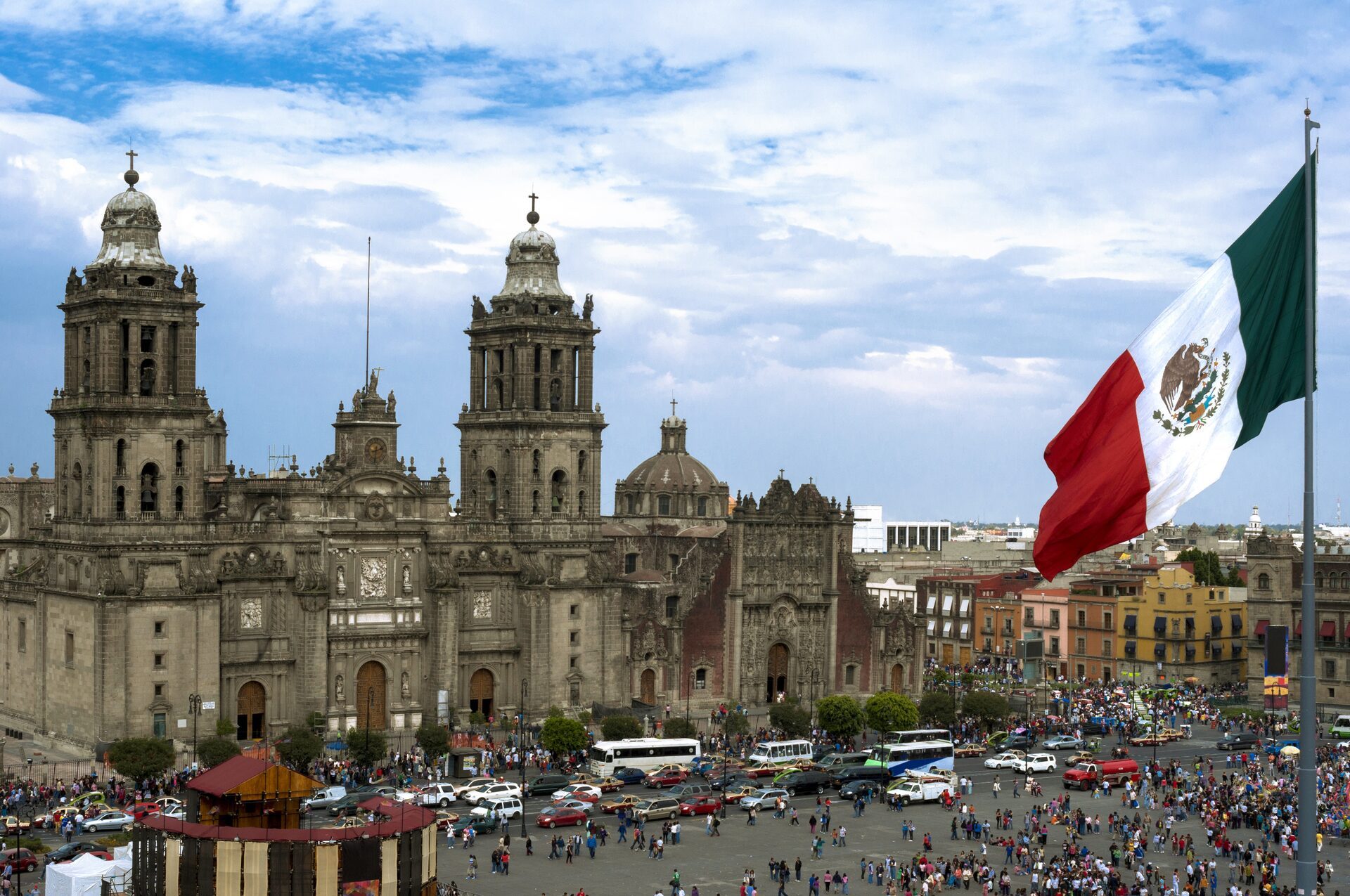
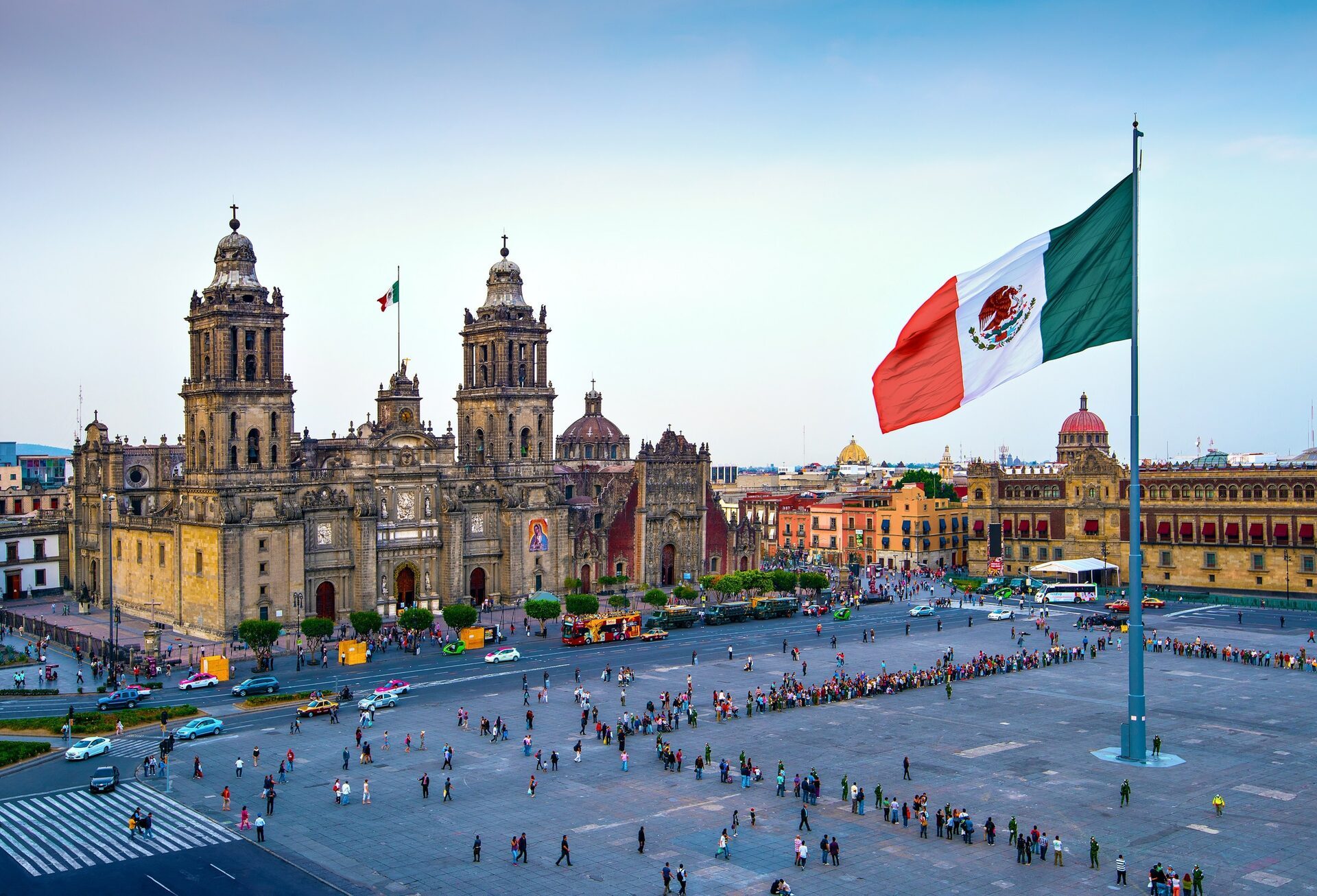
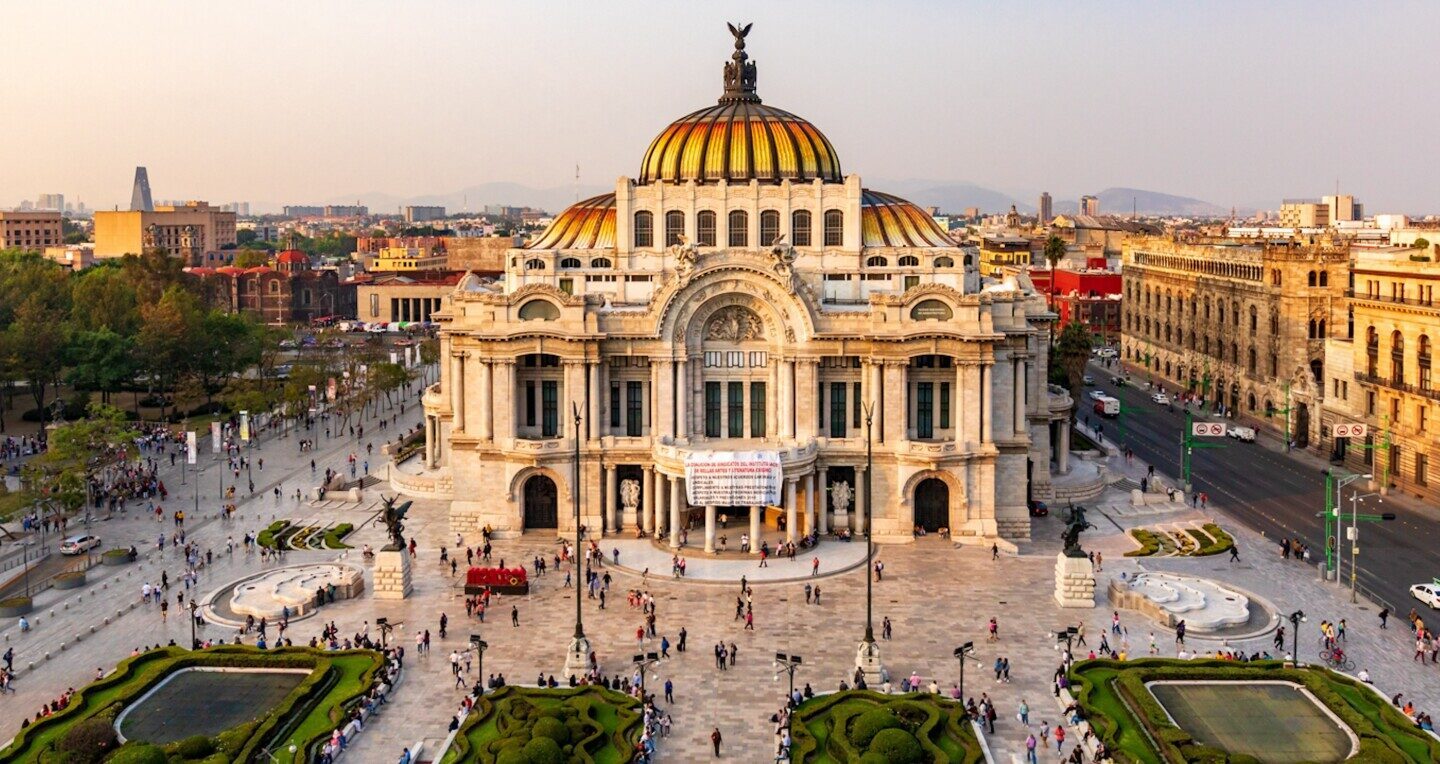
Mexico City sits at 2,240m , allow a day to acclimatize. The city is one of the world's great cultural capitals: the Zocalo, National Museum of Anthropology, Frida Kahlo Museum, Teotihuacan pyramids (1 hour away), and the world-class food scene in Roma Norte and Condesa neighborhoods. Beach resorts (Cancun, Playa del Carmen) are a completely different experience , resort-centered, easy, and crowded. For the real Mexico, Oaxaca, San Cristobal de las Casas, and Merida offer more authentic cultural immersion. Tap water is not safe to drink except in upscale Mexico City hotels.
Frequently Asked Questions
Do US citizens need a visa to visit Mexico?
No, US citizens do not need a visa to visit Mexico for tourism, business meetings, or transit purposes. You can stay for up to 180 days on a tourist permit (FMM - Forma Migratoria Múltiple). Your passport must be valid for the duration of your stay, and you should be prepared to show proof of return travel and sufficient funds if asked by immigration officials.
Do US citizens need a visa for Mexico?
No. US passport holders can enter Mexico visa-free for up to 180 days. You receive an FMM tourist card on arrival, which must be kept and returned when you leave Mexico.
What is an FMM and how do I obtain one?
The FMM (Forma Migratoria Múltiple) is Mexico's official tourist permit that all visitors need. If you're flying into Mexico, the FMM is typically included in your airline ticket cost and distributed on the plane or at immigration. For land border crossings, you'll need to stop at the immigration office and complete the form (there's a small fee of about $35 USD). Keep your FMM safe throughout your trip as you must surrender it when leaving Mexico. You can also complete the FMM online at the INM website before your trip to save time at immigration.
Can I drive to Mexico from the US?
Yes. The US-Mexico border has many official crossing points. Popular crossings include San Diego/Tijuana, El Paso/Juarez, Laredo/Nuevo Laredo, and Brownsville/Matamoros. Obtain your FMM at the crossing. Note: if driving more than 20-25km into Mexico, you also need a temporary vehicle import permit (TIP).
Is Mexico safe for US tourists to visit?
Popular tourist destinations like Cancún, Puerto Vallarta, Mexico City's tourist zones, Los Cabos, and Riviera Maya maintain strong security presence and are generally safe for visitors who exercise normal precautions. However, the US State Department has travel advisories for certain states due to crime and violence. Always check current advisories before traveling, avoid traveling at night in unfamiliar areas, use authorized transportation, and keep valuables secure. Tourist areas have dedicated tourist police and most visitors have safe, enjoyable trips.
Is Mexico safe for US tourists?
Safety varies significantly by region. Popular tourist areas like Cancun, Playa del Carmen, Cabo San Lucas, Puerto Vallarta, Mexico City (tourist neighborhoods), and Oaxaca are generally safe. Some states bordering cartel activity are under Level 4 (Do Not Travel) advisories. Always check the US State Department's Mexico travel advisory and research your specific destination.
Can I drive my US car into Mexico?
Yes, you can drive your own vehicle into Mexico, but you'll need a Temporary Vehicle Import Permit (TIP) if traveling beyond the border zone (approximately 20-25 km from the border). To obtain a TIP, you'll need your vehicle title, registration, valid driver's license, passport, and a credit card for the deposit (returned when you export the vehicle). US auto insurance is not valid in Mexico, so you must purchase Mexican liability insurance before crossing the border. The TIP can be obtained at Banjercito offices at the border.
Do I need travel insurance for Mexico?
It is strongly recommended. Mexico's healthcare system requires payment upfront at private hospitals. US health insurance often does not cover international emergencies. Travel insurance with medical evacuation coverage is a wise investment, particularly for adventure activities or remote areas.
What should I know about drinking water and food safety in Mexico?
Tap water in Mexico is not safe for drinking. Stick to bottled water (agua purificada), which is widely available and inexpensive. In restaurants, ask for drinks without ice (sin hielo) unless you're at an established tourist restaurant that uses purified ice. Eating at busy, popular restaurants and street vendors with high turnover is generally safe. Wash and peel fruits you buy from markets, and be cautious with uncooked vegetables at budget establishments. Most travelers have no issues following these basic precautions.
United States Embassy
Paseo de la Reforma 305
Col. Cuauhtémoc
06500 México, CDMX
+52 55 5080 2000