Costa Rica Visa RequirementsFor United States passport holders
American citizens can visit Costa Rica visa-free for up to 90 days. Costa Rica is consistently the most popular Central American destination for US tourists, offering extraordinary biodiversity (cloud forests, volcanoes, Pacific and Caribbean beaches), world-class eco-tourism infrastructure, and a stable democratic tradition. American Airlines, United, Delta, and Southwest all operate direct flights from multiple US cities.
Great news! United States passport holders can enter Costa Rica without a visa for tourism or business purposes. You can stay up to 90 days.
No visa required for US passport holders visiting Costa Rica for up to 90 days. Ensure your US passport is valid for at least 6 months from your entry date. On arrival at Juan Santamaria Airport (SJO) in San Jose or Liberia Airport (LIR), you receive a 90-day entry stamp. Costa Rica requires that visitors show proof of onward or return travel (a return or outbound flight ticket) at immigration. You may also be asked for evidence of sufficient funds.

Entry Requirements
Passport Validity
6 months beyond date of entry
Blank Pages
2 blank pages required
Multiple Entry
Allowed
Work Permitted
No - requires work visa
Entry Conditions
Valid passport for duration of stay. Proof of onward travel required. May need to show $100/month of stay in funds.
Required Documents
Valid US Passport
Must be valid for at least 3-6 months beyond your planned departure date (varies by country)
Valid US passport (minimum 6 months validity)
Return or Onward Ticket
Proof of departure from the country, such as a return flight or onward travel booking
Return or onward flight ticket
Proof of Accommodation Recommended
Hotel reservation, Airbnb booking, or address where you will be staying
Evidence of sufficient funds Recommended
Proof of Sufficient Funds Recommended
Credit cards, bank statements, or cash to cover expenses during your stay
Travel Insurance Recommended
Recommended for all international travel covering medical emergencies
Travel Essentials
Health & Safety
Safety Rating
Vaccinations
Hepatitis A, Typhoid, Rabies for rural areas, COVID-19. Yellow fever for Panamanian border areas.
Tap Water
Safe to drink
Safety Tips
Costa Rica is one of Latin America's safest countries but petty crime exists. Vehicle break-ins are common - never leave valuables visible. Avoid isolated areas after dark. Beach theft can occur - don't leave belongings unattended. Overall, violent crime against tourists is rare.
Money & Costs
Currency
₡ Costa Rican Colón (CRC)
Daily Budget (USD)
Budget: $60 · Mid: $120 · Luxury: $300+
Cards & ATMs
Cards are widely accepted in tourist areas, hotels, and restaurants. Visa is most common. Many smaller establishments, markets, and local sodas (restaurants) are cash-only. Always have colones on hand.
Tipping
A 10% service charge is added to restaurant bills, so additional tipping is appreciated but not required - maybe round up for great service. Tour guides typically receive $10-20 per day. Hotel staff appreciate $1-2. Taxis don't expect tips.
Practical Info
Power
Type A, B, 120V, 60Hz
Driving
Right side
Emergency
Emergency: 911
Police: 911
Tourist Police: 1192
Mobile/SIM
Buy a SIM card from Kolbi (ICE), Claro, or Movistar. Tourist SIMs available at airports and stores for $10-20 with data. Coverage is good in populated areas, variable in remote jungle and mountains. WhatsApp is widely used.
Getting There
Main Airports
Liberia (LIR) · San José (SJO)
Airport Transfers
Juan Santamaría Airport (SJO): 20km from San José. Official airport taxis (orange) to San José $25-35 (30-45 minutes). Uber available. Many travelers go directly to destinations like Arenal or Manuel Antonio via shuttle ($50-60). Liberia Airport (LIR): Better for Guanacaste beaches - taxis/shuttles to nearby resorts.
Local Transport
Rent a 4x4 for flexibility - many roads are unpaved. Public buses connect most areas but are slow. Domestic flights with Sansa or Green Airways save time between coasts. Uber works in San José area. Shared shuttles connect tourist destinations.
Culture & Travel Tips
Best Time to Visit
Dry season (December-April) is peak but crowded and expensive. Green season (May-November) has afternoon rains but fewer tourists, lower prices, and lusher landscapes. Caribbean coast has different weather patterns.
Cultural Notes
Costa Ricans (Ticos) are friendly and proud of their peaceful, environmentally conscious country. "Pura vida" (pure life) expresses the relaxed, grateful attitude. No military since 1948 - education and nature are priorities. Family is important. Greetings involve handshakes or kisses on the cheek.
Insider Tips
Rent a 4x4 - many roads are unpaved and river crossings are common. Rainy season (May-November) means afternoon showers but fewer tourists and greener landscapes. Book popular lodges and activities in advance during dry season. Learn basic Spanish - fewer English speakers outside tourist zones. "Pura vida" is the national philosophy and greeting.
Dress Code
Casual dress is the norm - Costa Rica is relaxed. Bring quick-dry, breathable clothes for humidity. Layers for cloud forest visits. Sturdy shoes for hiking. Modest swimwear at pools/beaches.
Current Travel Situation
United States to Costa Rica: What You Need to Know
Costa Rica has maintained visa-free access for American citizens for decades, reflecting strong bilateral ties and Costa Rica's identity as Central America's most democratic and stable country. Costa Rica abolished its military in 1948, redirecting the defense budget to education and healthcare, a decision that helped build one of Latin America's most educated and peaceful societies. For American tourists, Costa Rica offers exceptional value: extraordinary biodiversity in a compact country (it contains 5% of the world's species on 0.03% of its land area), well-developed eco-tourism infrastructure with lodges and tours, and consistent warm weather year-round. Costa Rica pioneered the concept of eco-tourism and is Central America's most environmentally managed destination.
How to Get There
American Airlines, United, Delta, Southwest, JetBlue, Alaska, and Spirit all operate direct flights from the US to Costa Rica. San Jose (SJO) is the main hub with direct flights from Miami (2.5 hours), New York (5 hours), Atlanta, Dallas, Houston, Los Angeles, Chicago, and many other cities. Liberia (LIR) in Guanacaste is more convenient for beach and Guanacaste destinations, with direct flights from Miami, New York, Atlanta, and Houston. The variety of direct routes makes Costa Rica one of the most accessible international destinations for Americans.
Money & Banking
Costa Rica uses the Costa Rican colon (CRC), but US dollars are widely accepted in tourist areas, hotels, restaurants, and tour operators. Prices in tourist areas are often quoted in USD. Budget $80-150 USD per day for mid-range travel including accommodation, meals, and tours. Adventure activities (zip-lining, white-water rafting, surfing lessons, guided hikes in national parks) add to costs but are good value. National park entry fees are typically $10-20 USD.
Practical Tips
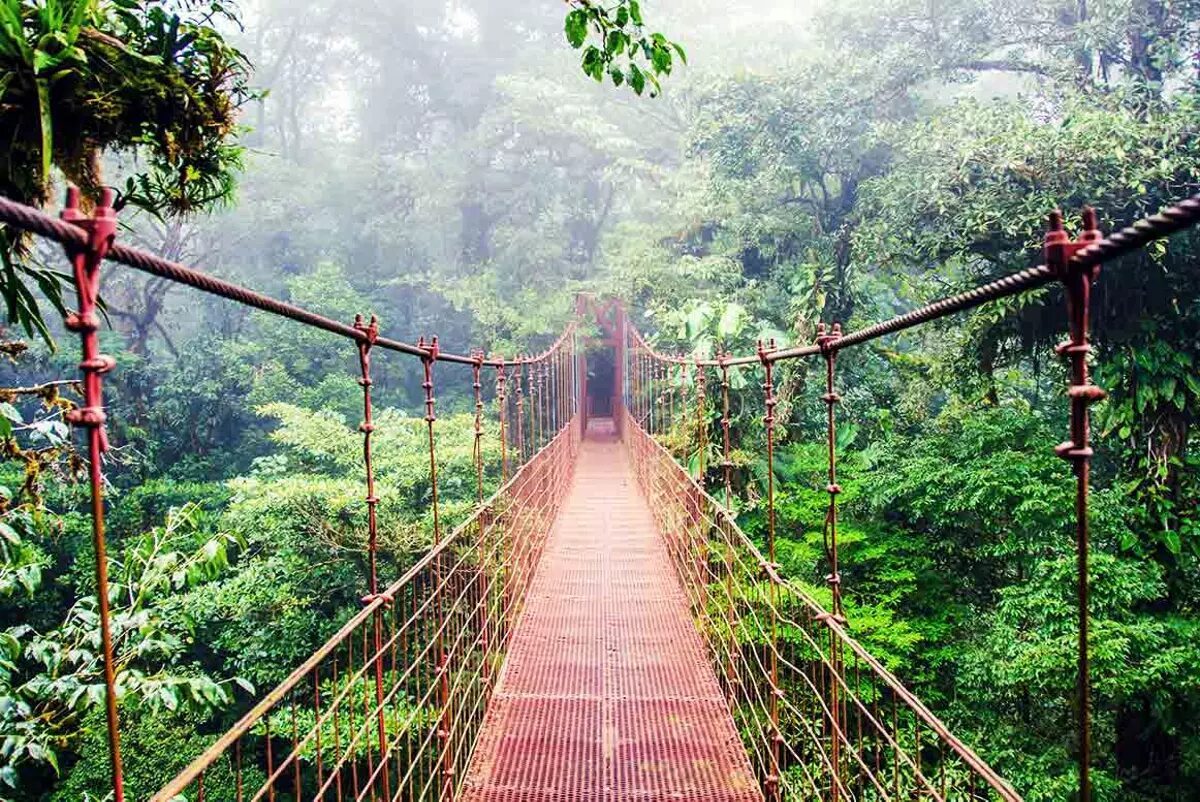
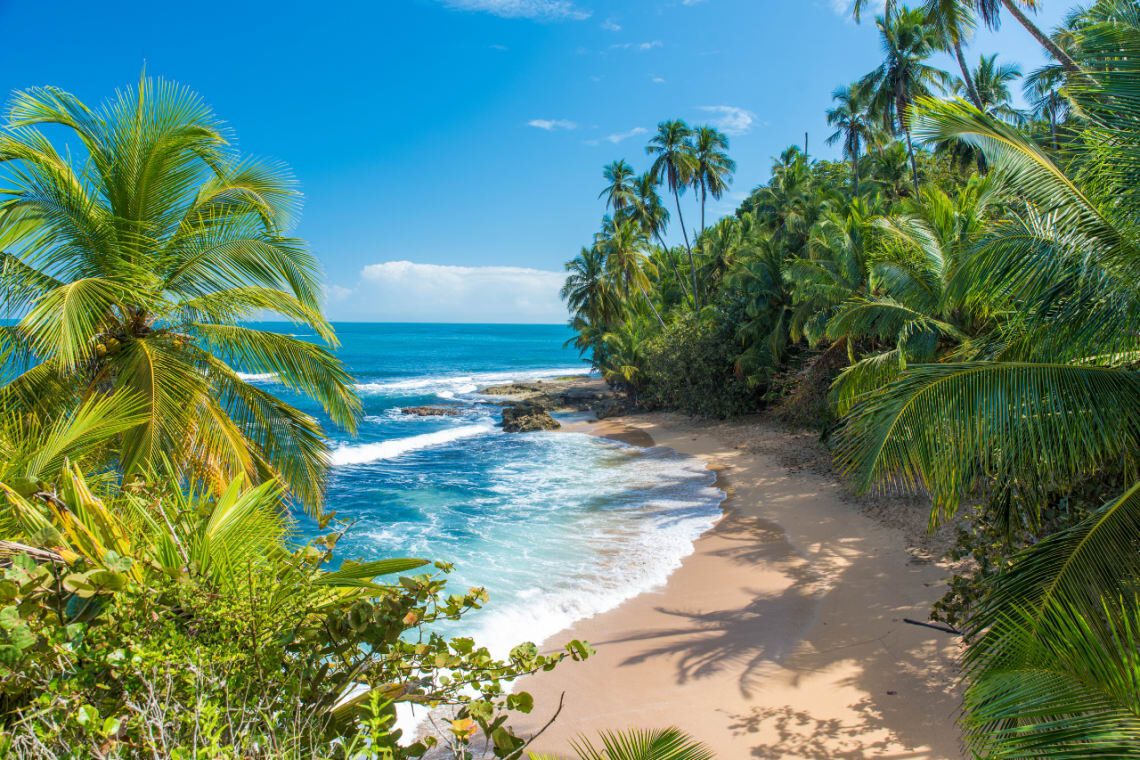
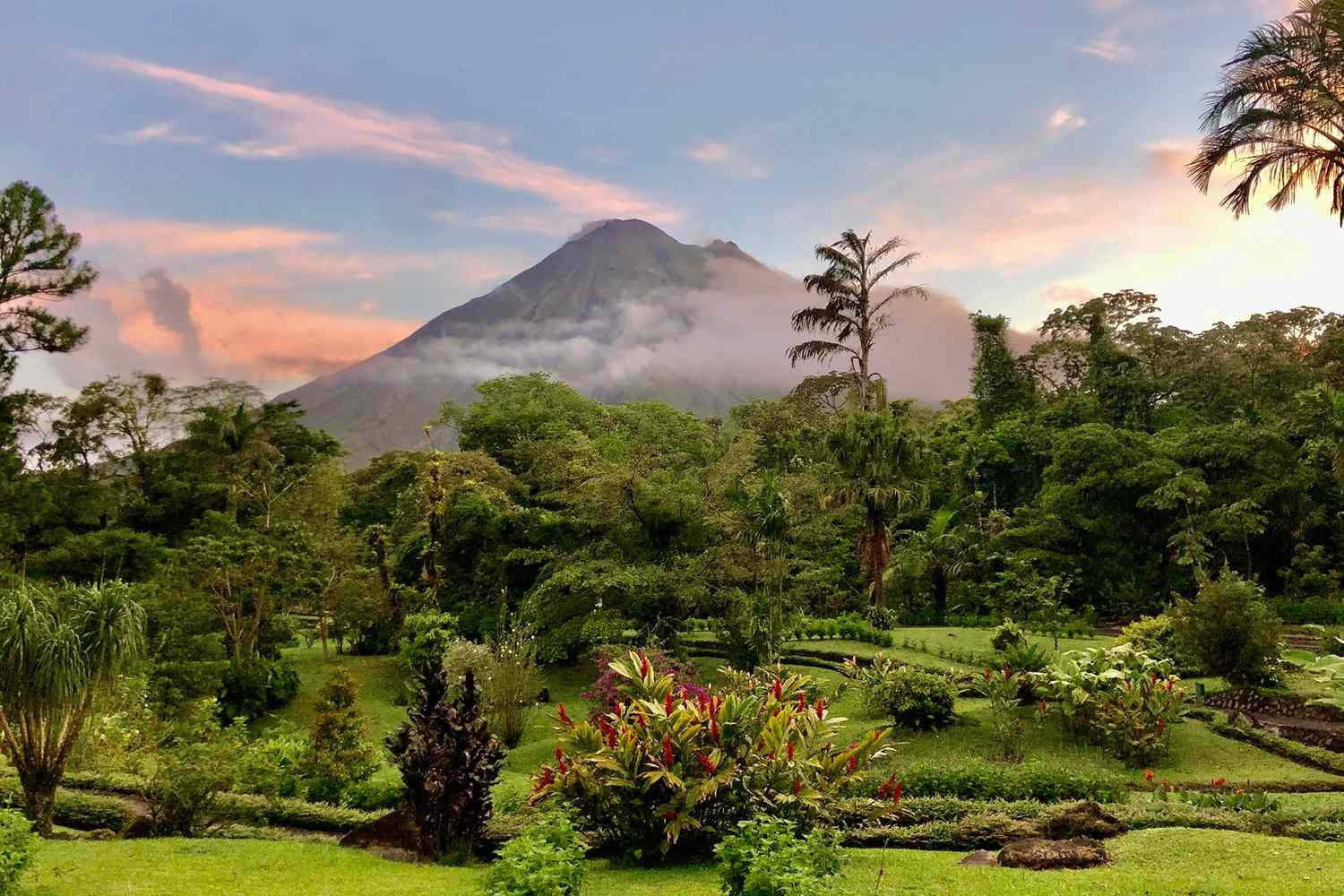
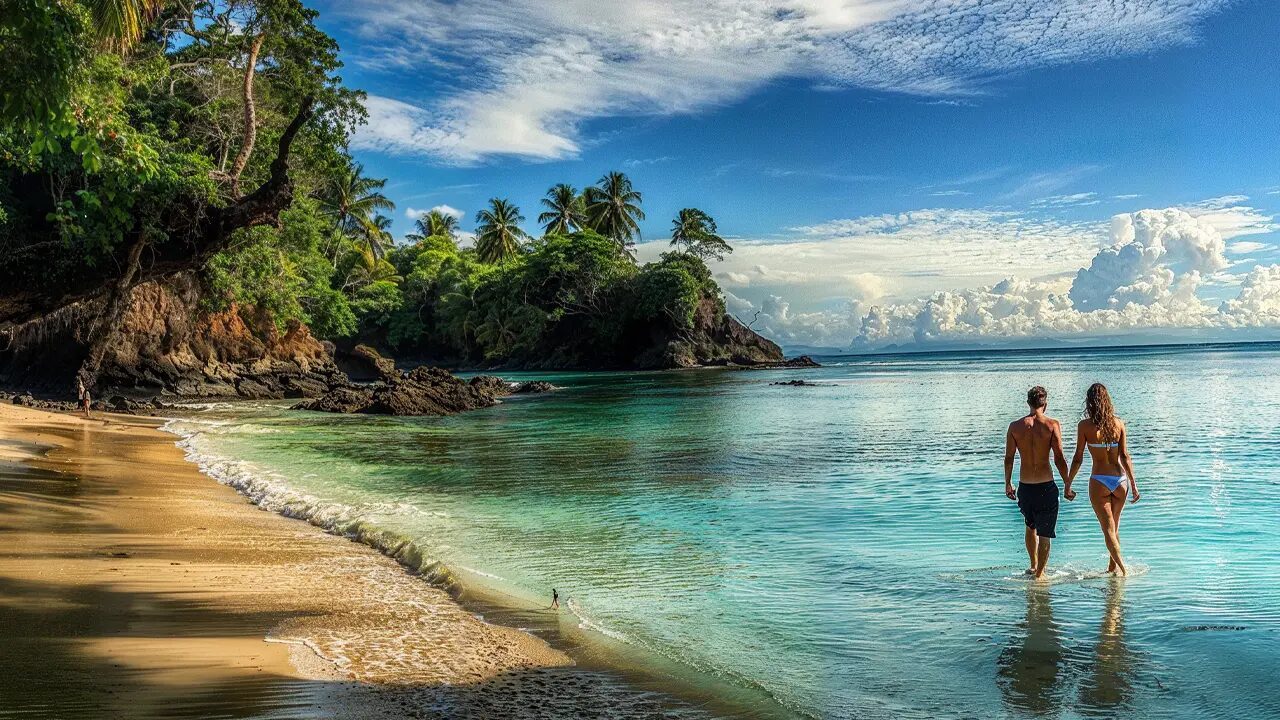
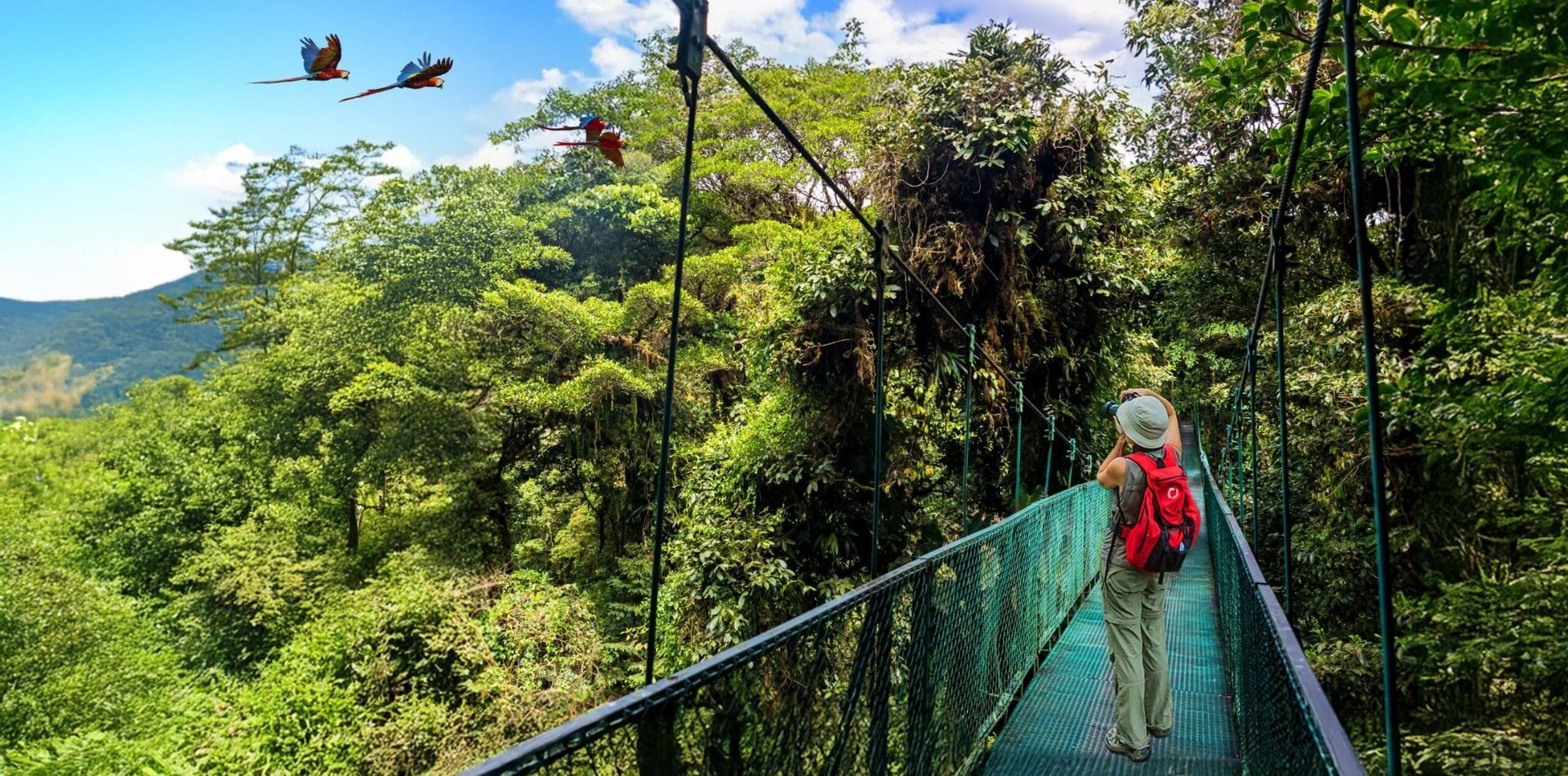
San Jose: the National Museum, Gold Museum, and Pre-Columbian Gold Gallery. Arenal Volcano: the classic cone-shaped active volcano with hot spring resorts at the base (Tabacon and others). Monteverde: spectacular cloud forest reserve with suspension bridges, zip-lines, and extraordinary birdlife including the resplendent quetzal. Manuel Antonio: Pacific beaches combined with a national park (monkeys, sloths, and tropical birds). Tortuguero: Caribbean coast turtle nesting site (July-October for green sea turtles). Osa Peninsula: one of the world's most biodiverse locations, with Corcovado National Park. Surfing: Santa Teresa, Nosara, and Tamarindo on the Pacific coast are world-class surf breaks.
Frequently Asked Questions
Do US citizens need a visa to visit Costa Rica?
No, US citizens can visit Costa Rica without a visa for stays up to 90 days for tourism, transit, or business purposes. Your passport must be valid for at least one day beyond your arrival date, though having 6 months validity is recommended for smoother entry. You should have proof of onward travel (return or onward ticket) and may be asked to show sufficient funds for your stay. Costa Rica is one of the most accessible countries in Central America for US visitors.
Do US citizens need a visa for Costa Rica?
No. Americans can visit Costa Rica visa-free for up to 90 days. Note that Costa Rica immigration requires proof of a return or onward ticket -- they may turn you away or require you to book one at the airport if you don't have one.
Is Costa Rica safe for American tourists?
Costa Rica is considered one of the safest countries in Central America and has no military, investing instead in education and conservation. That said, petty crime like pickpocketing, bag snatching, and car break-ins occur, especially in San José and at popular beaches. Don't leave valuables visible in rental cars or on the beach. Use hotel safes, avoid walking alone at night in urban areas, and use official taxis (red with yellow triangles) or ride apps. Violent crime against tourists is uncommon but does occur. The country has excellent tourism infrastructure and generally welcoming locals (ticos). Most visitors have safe, wonderful experiences.
What are the best national parks to visit in Costa Rica?
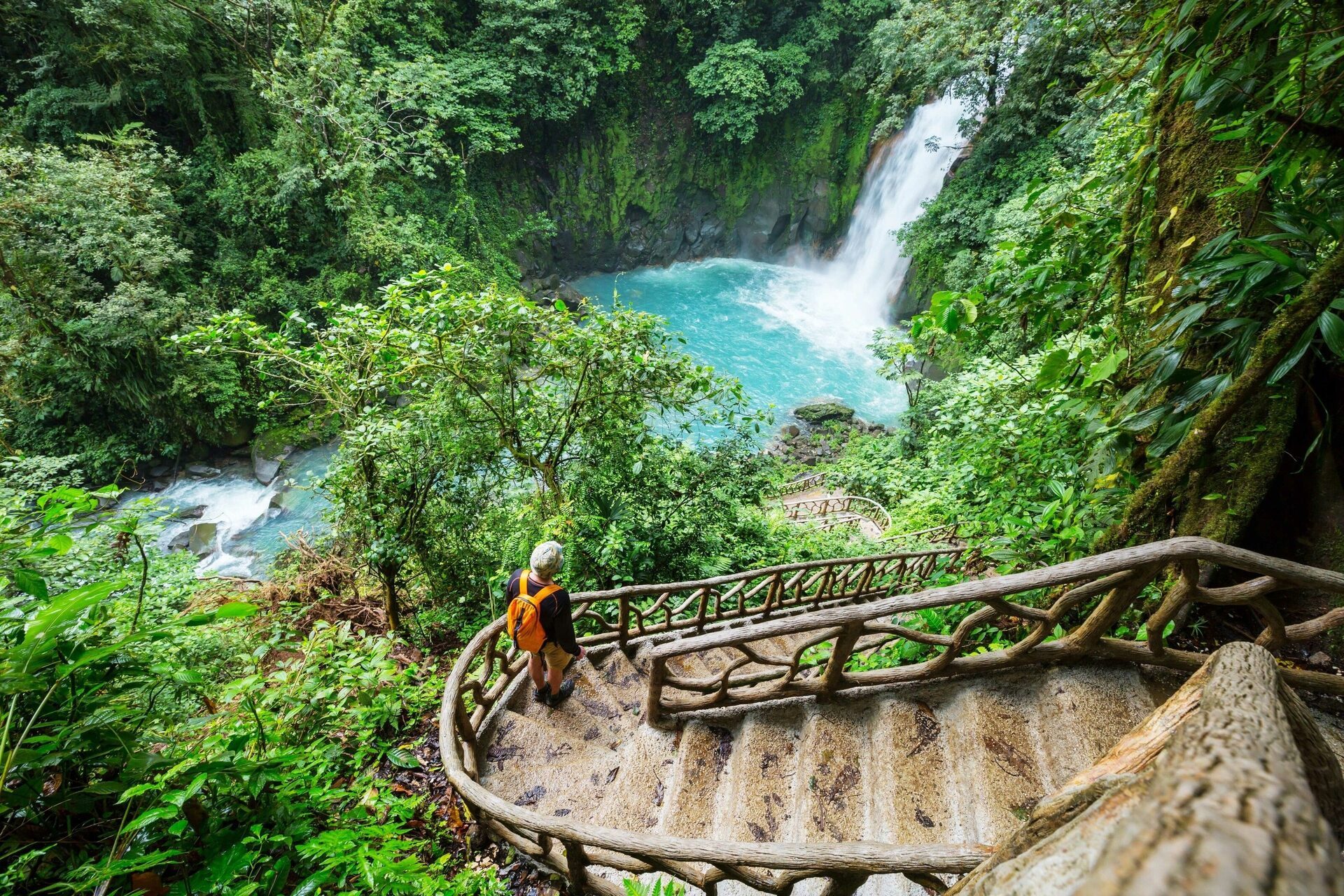
Manuel Antonio (easy Pacific coast park with monkeys and beautiful beaches), Arenal Volcano (spectacular landscape with hot springs), Monteverde Cloud Forest (birdlife, zip-lines), Corcovado (remote, world-class biodiversity on the Osa Peninsula), and Tortuguero (Caribbean coast, sea turtle nesting July-October) are the most popular parks for visitors.
When is the best time to visit Costa Rica?
Costa Rica has two seasons: dry season (December-April) and green/rainy season (May-November). The dry season is peak tourist season with guaranteed sunshine but higher prices and more crowds. The green season offers lower prices, fewer tourists, and lush landscapes; rain typically falls in the afternoon, leaving mornings clear. Wildlife viewing can be better in green season. The Caribbean coast (Puerto Viejo, Tortuguero) has its driest months in September-October when the Pacific coast is wettest. Microclimates vary significantly; it can rain in one valley while the sun shines in the next. Pack layers as temperatures vary greatly with elevation.
Which airport should I fly into for Costa Rica's beaches?
For Guanacaste and the North Pacific beaches (Tamarindo, Playa Flamingo, Nosara, Santa Teresa), fly into Liberia (LIR). For the Central Pacific (Manuel Antonio, Jaco), the Caribbean coast (Puerto Viejo), and the Osa Peninsula (Corcovado), fly into San Jose (SJO) and connect domestically. Direct US flights serve both airports.
Do I need vaccinations for Costa Rica?
No vaccinations are officially required for US travelers visiting Costa Rica unless arriving from a yellow fever endemic country, in which case proof of yellow fever vaccination is required. However, routine vaccinations should be up to date, and Hepatitis A and Typhoid vaccines are recommended by the CDC for most travelers. If spending time in rural jungle areas, discuss Hepatitis B, Rabies, and Malaria prophylaxis with your doctor. Mosquito-borne illnesses like Dengue and Zika are present; use repellent containing DEET. Tap water is safe to drink in most of Costa Rica, a rarity in Central America.
What wildlife can I expect to see in Costa Rica?
Costa Rica is one of the world's biodiversity hotspots, home to about 5% of global species. Commonly spotted wildlife includes howler, spider, and capuchin monkeys; two and three-toed sloths; colorful toucans, scarlet macaws, and quetzals; poison dart frogs; crocodiles; sea turtles (nesting seasons vary by coast); and diverse marine life for snorkeling and diving. National parks like Corcovado, Manuel Antonio, Tortuguero, and Monteverde offer excellent wildlife viewing. Hiring local guides dramatically increases sightings, as they spot camouflaged animals invisible to untrained eyes. Dawn and dusk are best for wildlife activity. Bring binoculars and respect animal distances.