South Africa Visa RequirementsFor United States passport holders
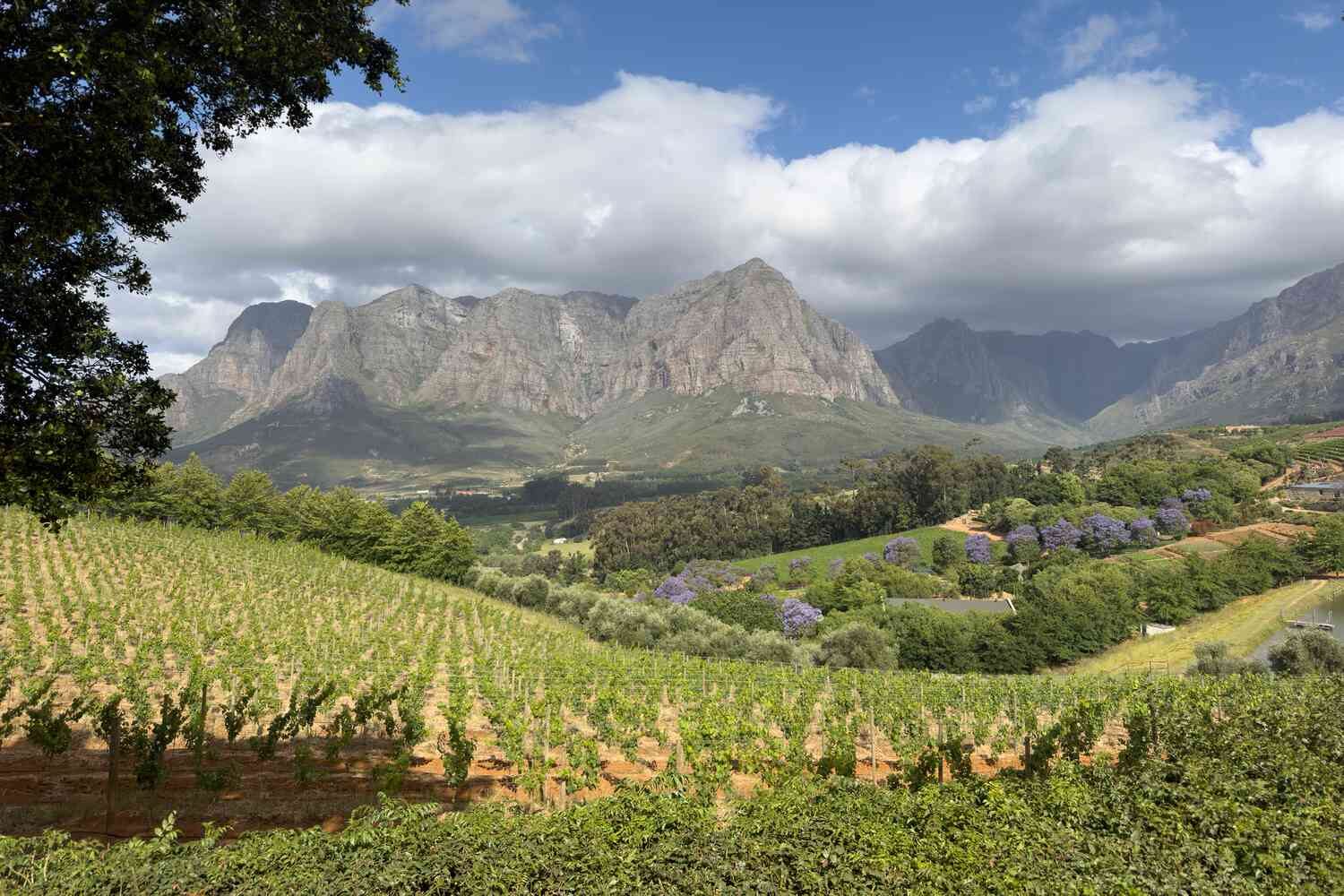
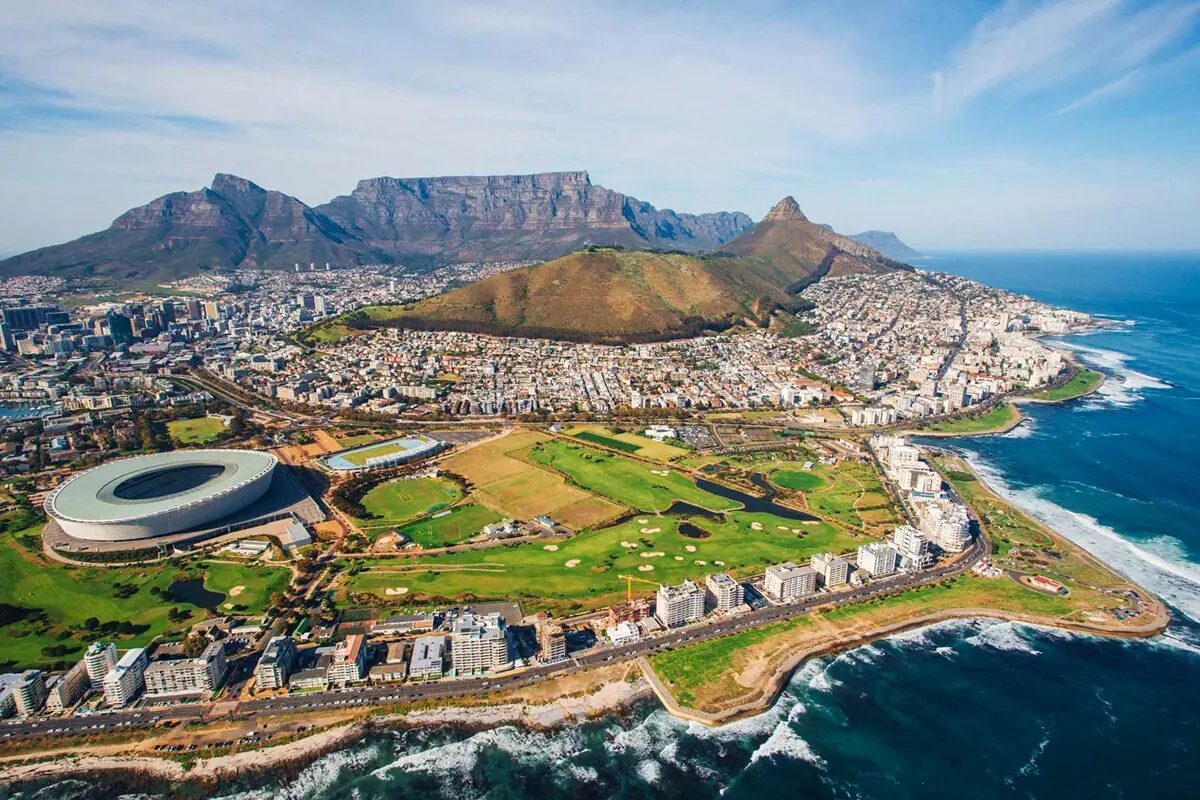
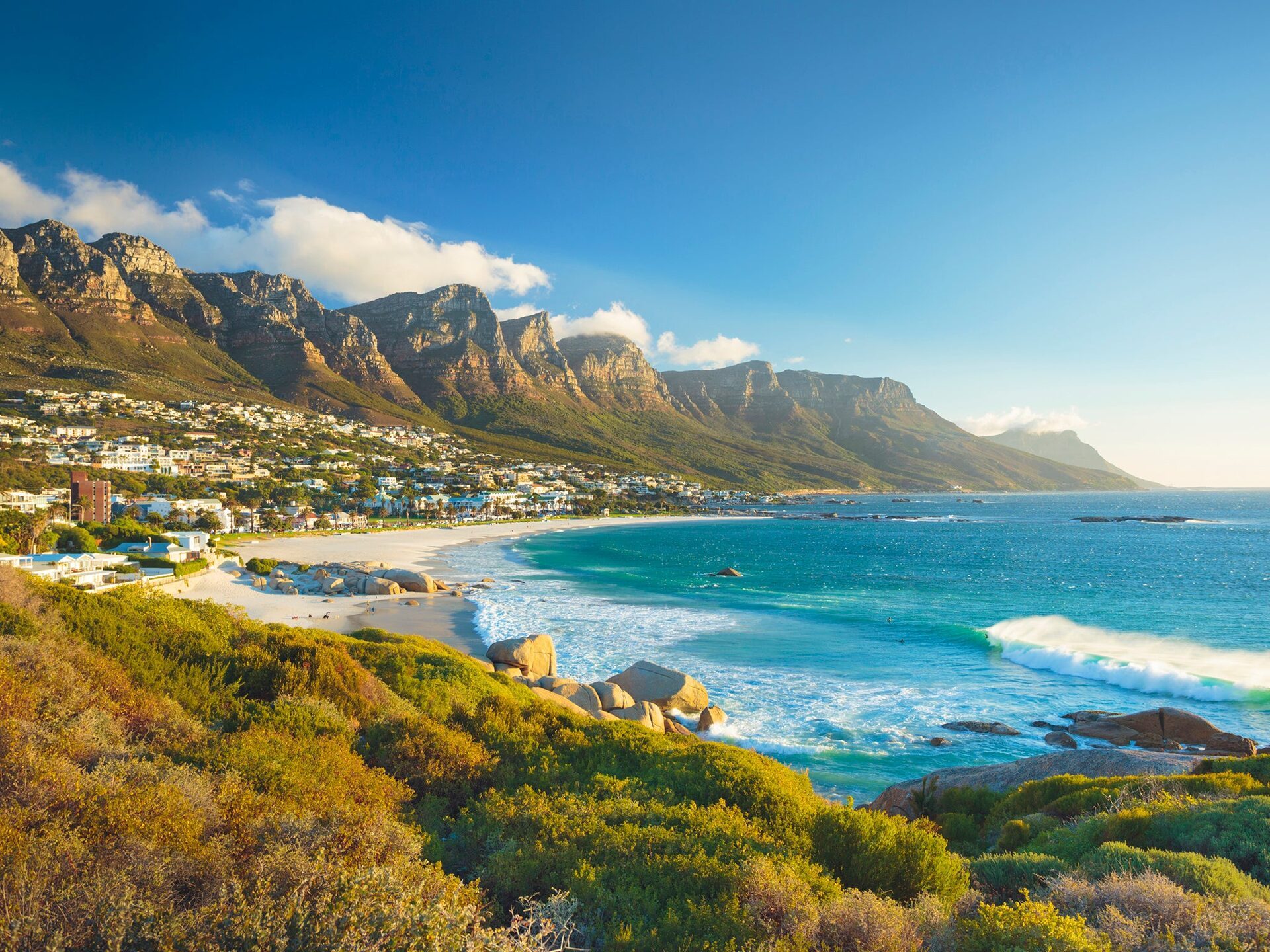
American citizens can visit South Africa visa-free for up to 90 days. South Africa is Africa's most developed and diverse travel destination, offering Cape Town (consistently rated one of the world's most beautiful cities), the Kruger National Park (big five safari), the Garden Route's coastline, and the compelling legacy of apartheid, Nelson Mandela, and the Rainbow Nation.
Great news! United States passport holders can enter South Africa without a visa for tourism or business purposes. You can stay up to 90 days.
No visa required for US passport holders visiting South Africa for up to 90 days. Ensure your US passport has at least 30 days validity beyond your planned departure from South Africa, and that you have at least 2 blank visa pages. At OR Tambo Airport (JNB) or Cape Town (CPT), US citizens pass through the non-resident line. You may be asked for a return ticket and evidence of accommodation. Note: South Africa requires a yellow fever vaccination certificate only if you are traveling from or through a yellow fever endemic country.
Entry Requirements
Passport Validity
6 months beyond date of entry
Blank Pages
2 blank pages required
Multiple Entry
Allowed
Work Permitted
No - requires work visa
Entry Conditions
Passport valid for 30+ days beyond departure with 2+ blank pages. Return ticket and proof of funds required.
Required Documents
Valid US Passport
Must be valid for at least 3-6 months beyond your planned departure date (varies by country)
Valid US passport (minimum 30 days validity beyond stay, 2 blank pages)
Return or Onward Ticket
Proof of departure from the country, such as a return flight or onward travel booking
Return or onward flight ticket Recommended
Proof of Accommodation Recommended
Hotel reservation, Airbnb booking, or address where you will be staying
Proof of accommodation Recommended
Proof of Sufficient Funds Recommended
Credit cards, bank statements, or cash to cover expenses during your stay
Travel Insurance Recommended
Recommended for all international travel covering medical emergencies
Travel Essentials
Health & Safety
Safety Rating
Vaccinations
Hepatitis A, Typhoid, COVID-19. Malaria prophylaxis for Kruger/safari areas.
Tap Water
Safe to drink
Safety Tips
Exercise increased caution in South Africa. Crime rates are high by international standards. Don't walk alone after dark, even in tourist areas. Don't display expensive items or carry large amounts of cash. Use ride-hailing apps or hotel taxis. Avoid isolated areas. Carjacking occurs - keep doors locked and windows up. Despite this, millions visit safely each year.
Money & Costs
Currency
R South African Rand (ZAR)
Daily Budget (USD)
Budget: $50 · Mid: $120 · Luxury: $300+
Cards & ATMs
Cards widely accepted. Visa/Mastercard preferred.
Tipping
Tipping is expected and an important income supplement. Restaurants: 10-15% (often not included). Safari guides and trackers: R100-200 per day each. Car guards (informal parking attendants): R5-10. Petrol attendants: R5-10. Hotel porters: R20-50 per bag. Many workers rely on tips.
Practical Info
Power
Type M, N, 230V, 50Hz
Driving
Left side
Emergency
Emergency: 10111 (Police), 10177 (Ambulance)
From Mobile: 112
Mobile/SIM
Buy a SIM card from Vodacom, MTN, or Cell C at airport arrivals. Tourist packages cost R100-300 for 7-30 days with data. RICA registration with passport required but is quick at stores. Coverage in urban areas is excellent, variable in national parks (Vodacom usually best).
Getting There
Main Airports
Cape Town (CPT) · Durban (DUR) · Johannesburg (JNB)
Airport Transfers
Johannesburg OR Tambo: Gautrain to Sandton (R160, 15 minutes) - safe and efficient. Uber/Bolt to Sandton R200-300 (30-45 minutes). Cape Town: MyCiTi bus to city (R80, 30 minutes). Uber to city center R150-250 (20-30 minutes). Never use minibus taxis as a tourist.
Local Transport
Domestic flights with South African Airways, FlySafair, or Kulula connect major cities. The Gautrain is excellent in Johannesburg/Pretoria. Otherwise, public transport is limited - rental cars or Uber are essential. Long-distance buses (Greyhound, Intercape) connect cities. The famous Blue Train and Rovos Rail offer luxury rail experiences.
Culture & Travel Tips
Best Time to Visit
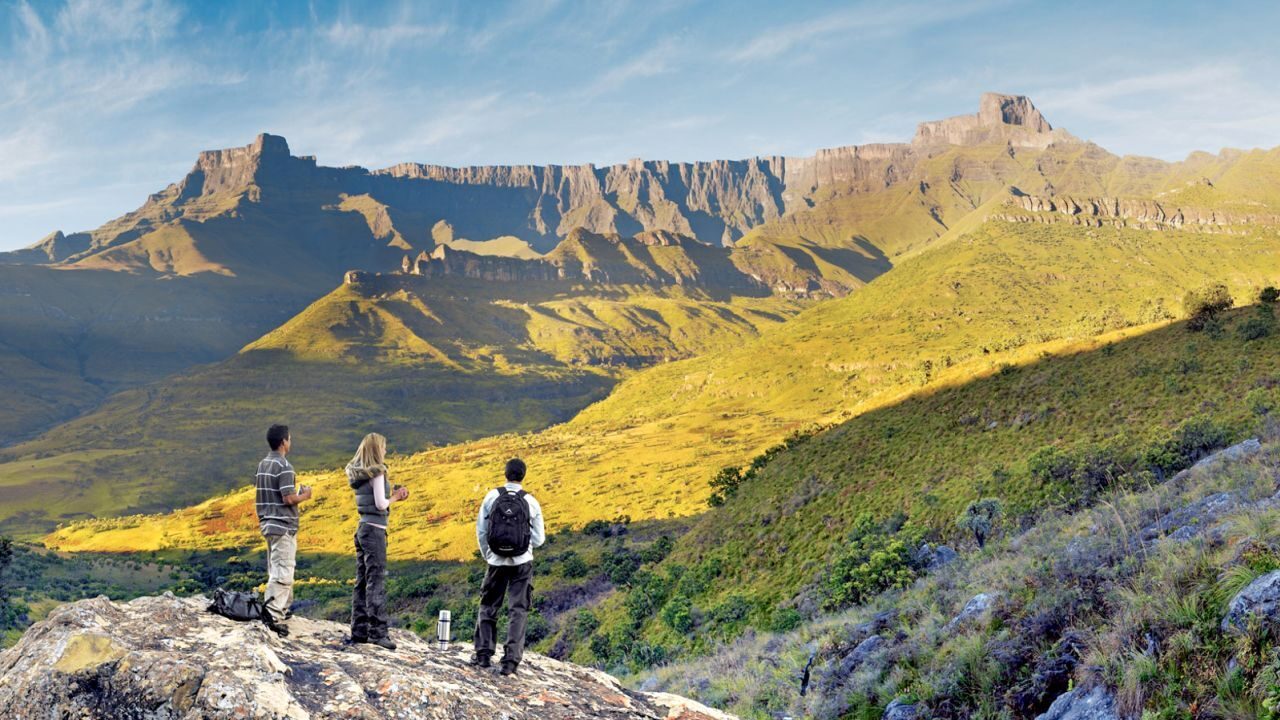
South Africa below the equator means seasons are reversed from the Northern Hemisphere. The best time varies by region: Cape Town and the Garden Route shine in summer (November-March) with warm weather and long days. Kruger and safari regions are best in dry winter (May-September) when wildlife congregates at waterholes. The Johannesburg highveld has afternoon thunderstorms in summer. Whale watching in Hermanus peaks June-November. The Drakensberg is pleasant year-round but cold at altitude in winter. Cape Town can be windy any time (the "Cape Doctor"). Overall, September-November offers good conditions nationwide with spring wildflowers in the Western Cape.
Cultural Notes
South Africa is the "Rainbow Nation," a term coined by Archbishop Desmond Tutu to describe its diverse population - Black African (about 80%), Coloured, White, and Indian communities each with distinct cultures. The apartheid era (1948-1994) left deep scars and ongoing inequalities that Nelson Mandela reconciliation efforts could not fully heal. Understanding this history enriches any visit - Robben Island, Soweto, and the Apartheid Museum provide context. Traditional cultures thrive alongside modern life - Zulu, Xhosa, Sotho, and others maintain languages, customs, and ceremonies. The Big Five safari concept originated here. Braai (barbecue) culture unites all communities. Sports, particularly rugby and cricket, inspire passionate followings. Loadshedding (power cuts) has become a frustrating reality.
Insider Tips
South Africa is one of the worlds great destinations, offering everything from Table Mountain and the Cape Winelands to Kruger safaris and vibrant cities. Cape Town is a world-class city with stunning scenery. The Garden Route road trip offers cliffs, forests, and beaches. Kruger National Park rivals any African safari destination, with both self-drive and luxury lodge options. Johannesburg is gritty but has excellent museums including Apartheid Museum. Durban has beaches and Indian Ocean warmth. The rand is affordable for travelers; US dollar goes far. Domestic flights are efficient on major routes. Crime is a concern - take sensible precautions, use Uber at night, and dont display valuables. English is widely spoken.
Dress Code
Casual dress fine. Layers for variable weather. Neutral colors on safari.
Current Travel Situation
United States to South Africa: What You Need to Know
South Africa has maintained visa-free access for American citizens for decades. The US-South Africa relationship has been complex but significant: the US played a role in pressuring the apartheid government through sanctions in the 1980s, and Nelson Mandela was inaugurated as South Africa's first democratically elected president in 1994. South Africa is the most visited country in Africa by international tourists, with extraordinary natural beauty, world-class infrastructure, and a tourism industry built on safari, wine, and urban culture. For Americans, South Africa offers an extraordinary combination of African wildlife, European-influenced cuisine and wine culture, and profound historical significance.
How to Get There
Delta, United, and South African Airways (SAA) operate direct flights from the US to Johannesburg (JNB). Delta operates New York JFK to JNB (15 hours, one of the world's longest non-stop routes). United connects from Washington Dulles. SAA has historically served the route. Many Americans also connect via Amsterdam (KLM), London (British Airways, Virgin Atlantic), Frankfurt (Lufthansa), or Doha (Qatar Airways). Cape Town (CPT) has no direct US flights; fly to JNB and connect domestically (1.5 hours).
Money & Banking
South Africa uses the South African rand (ZAR). South Africa is excellent value for American visitors due to the rand's long-term depreciation: budget ZAR 1,500-3,000 ($80-165 USD) per day for comfortable travel. Cape Town is the most expensive city. Safari lodges range from Kruger National Park's government-run SANParks rest camps (ZAR 800-2,000/night self-catering) to ultra-luxury private reserves ($500-2,000+/night). South African wine is world-class and extremely affordable; great Stellenbosch Shiraz or Pinotage wines cost ZAR 80-200 ($4-11 USD) at a wine estate.
Practical Tips
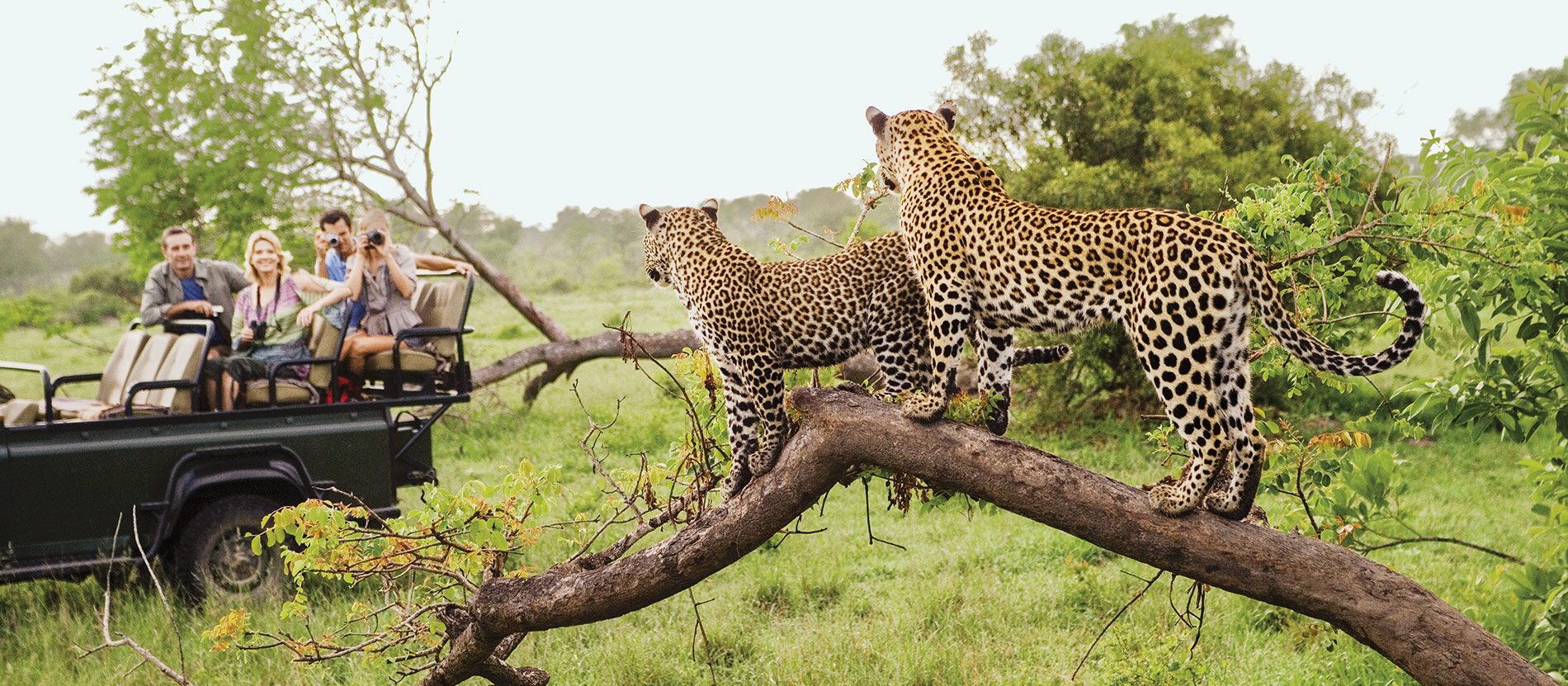
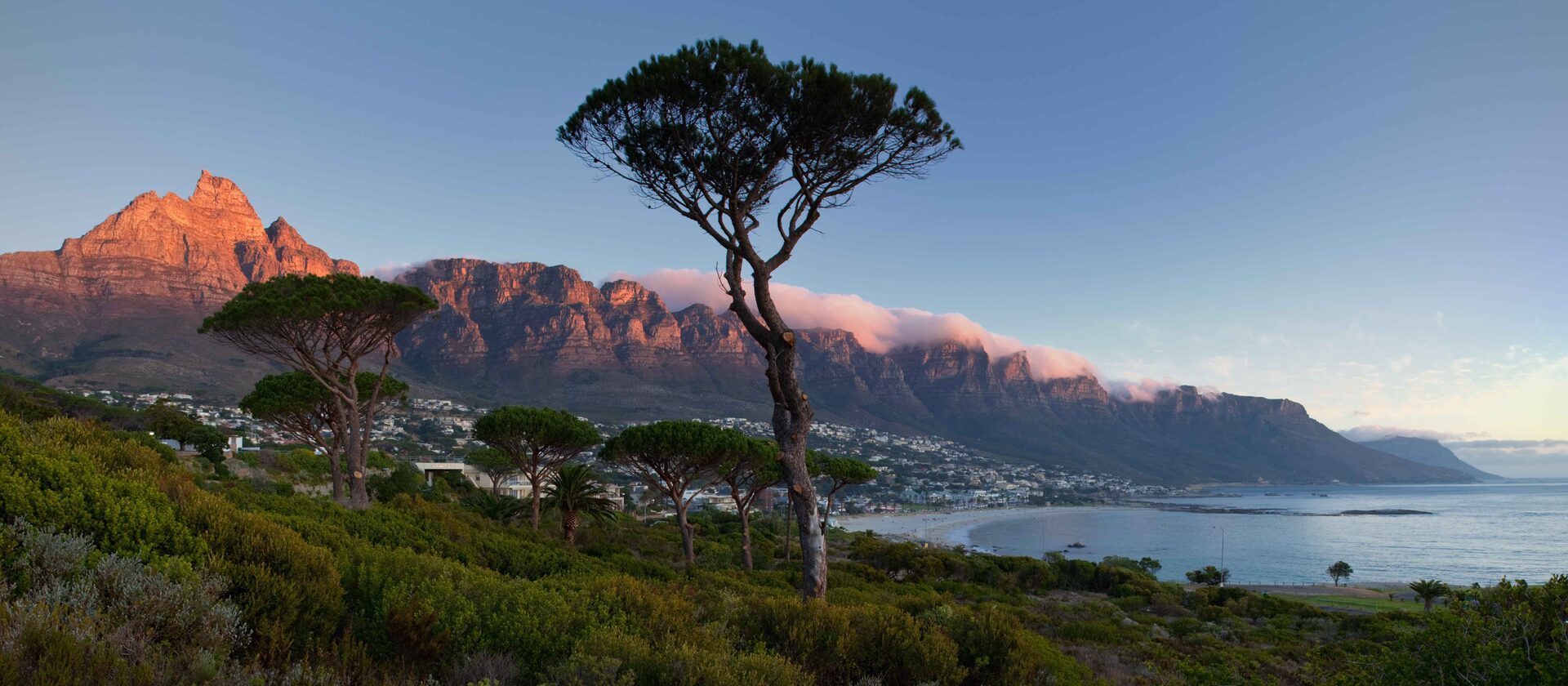
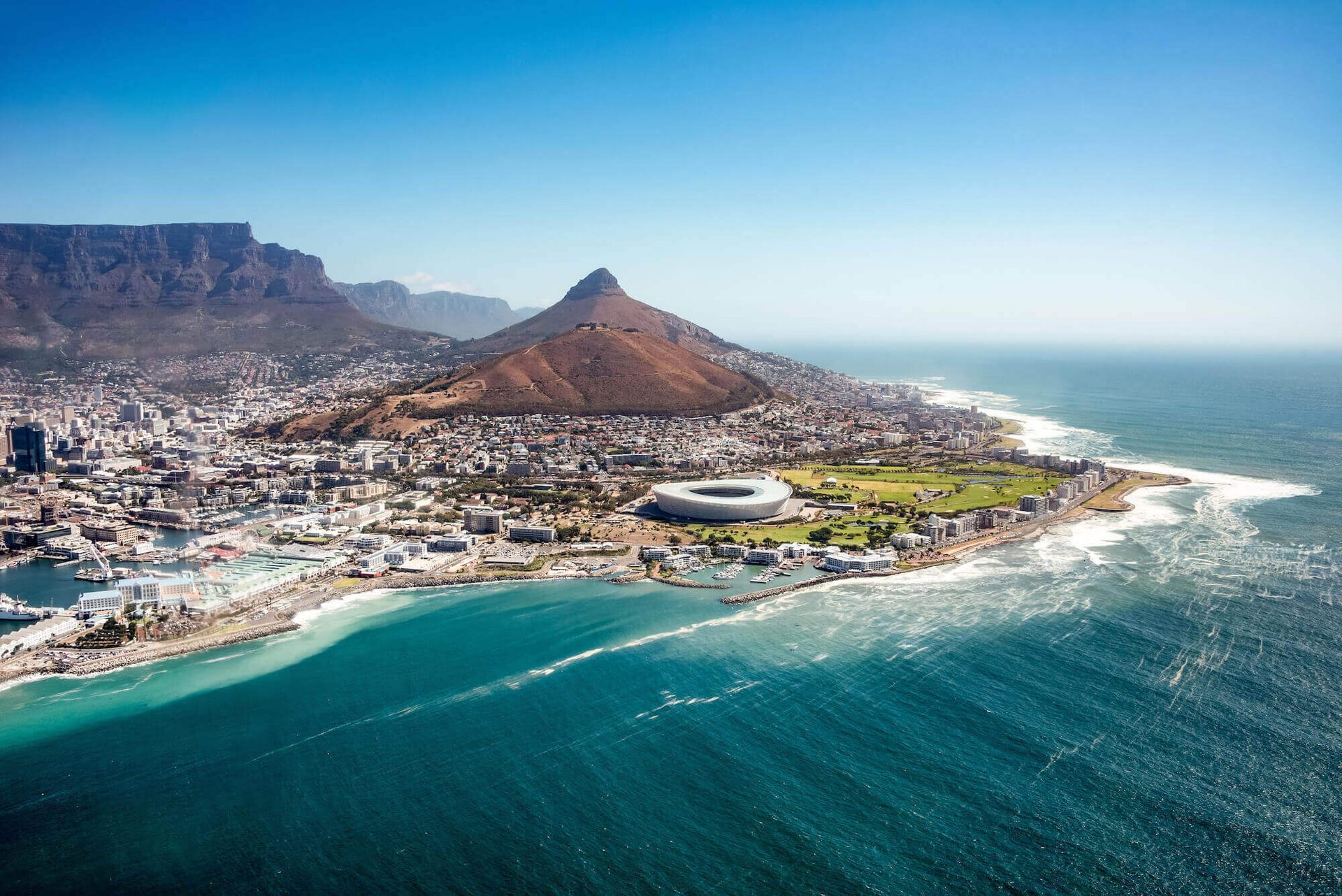
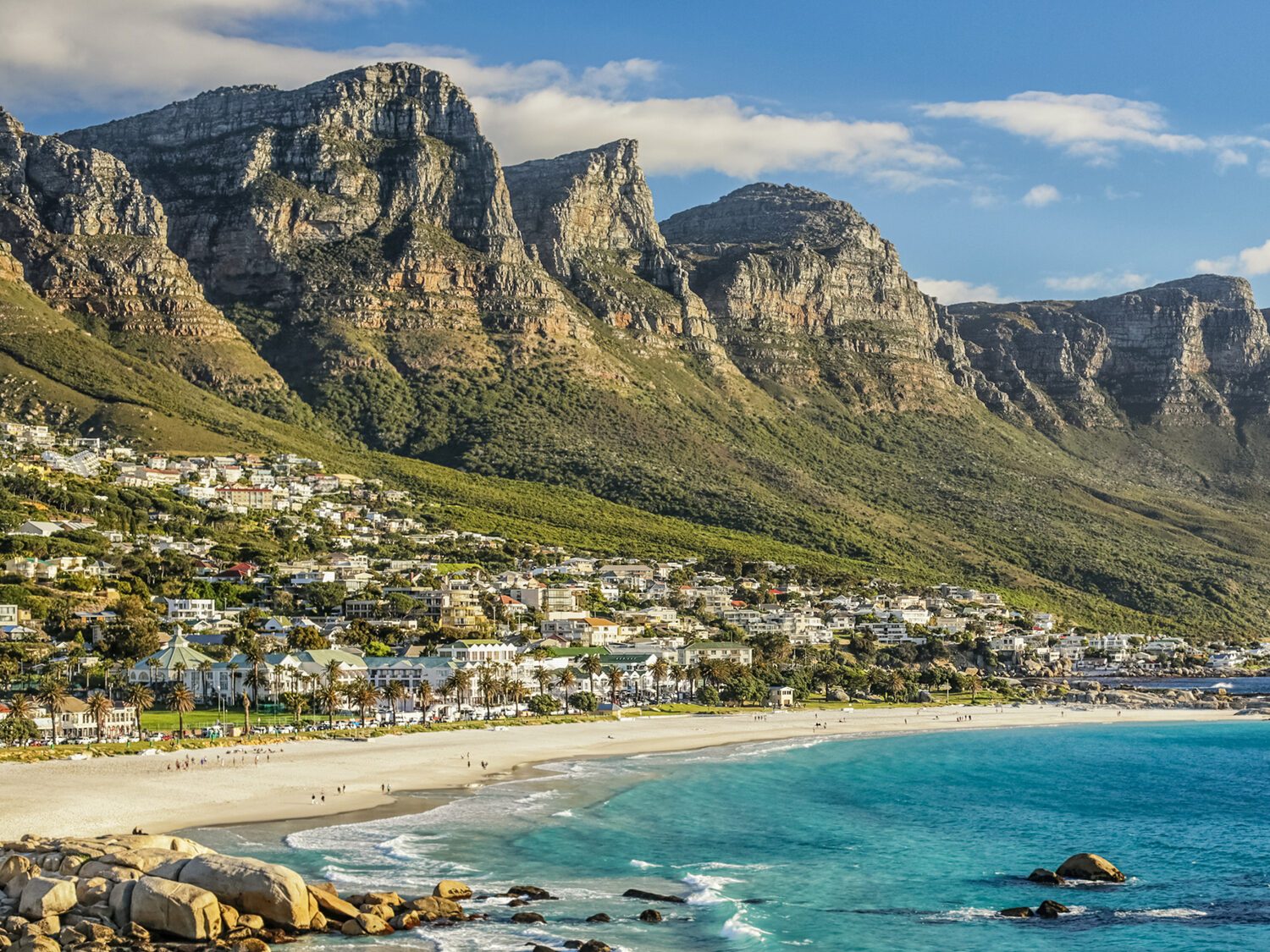
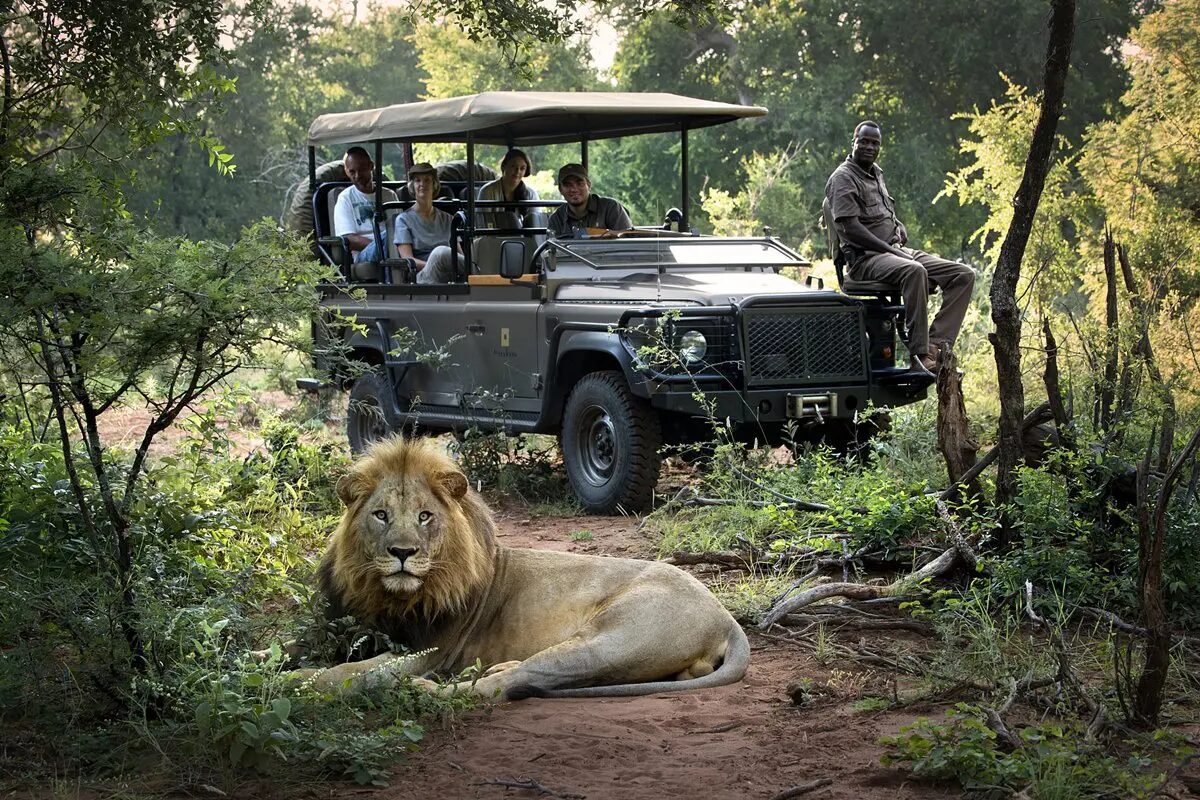
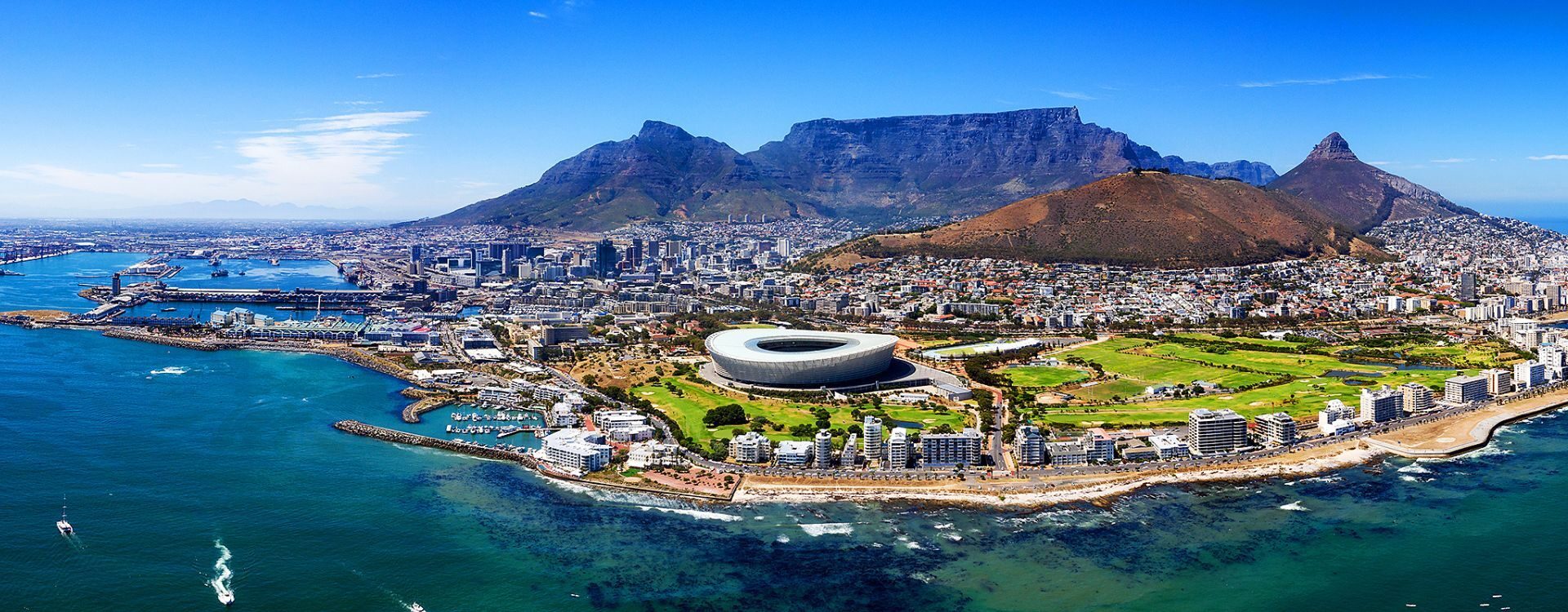
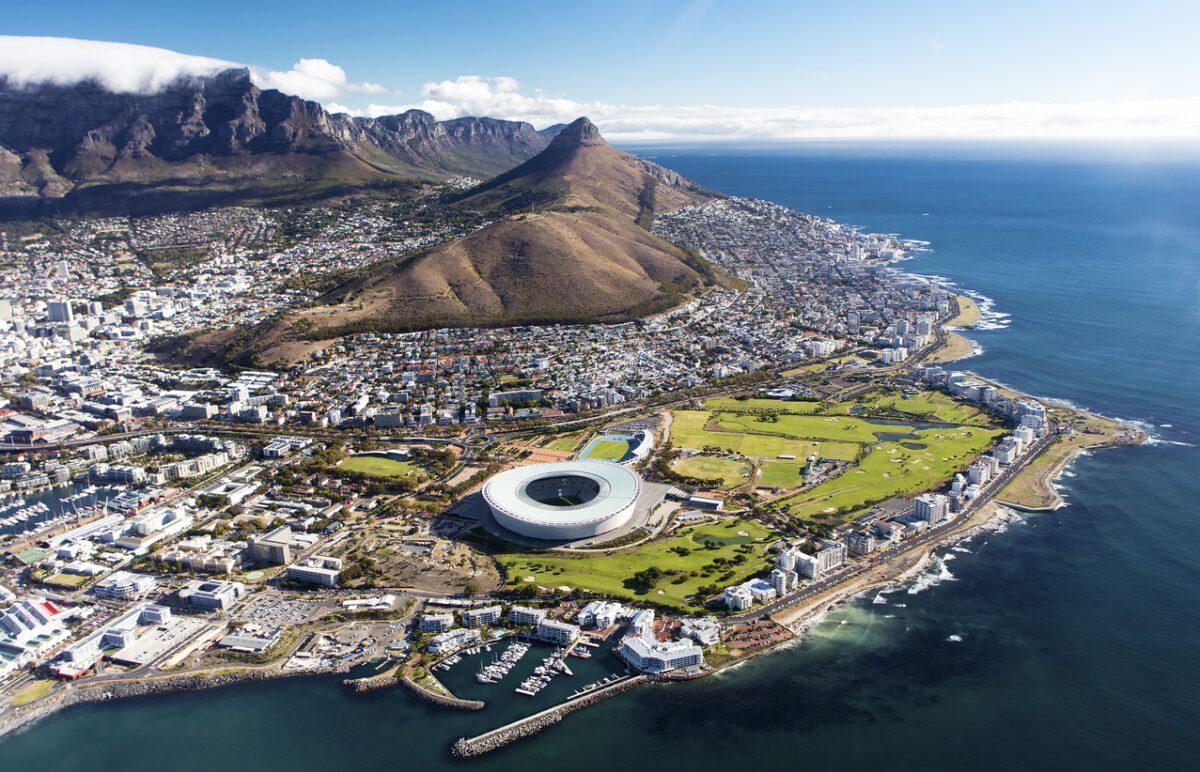
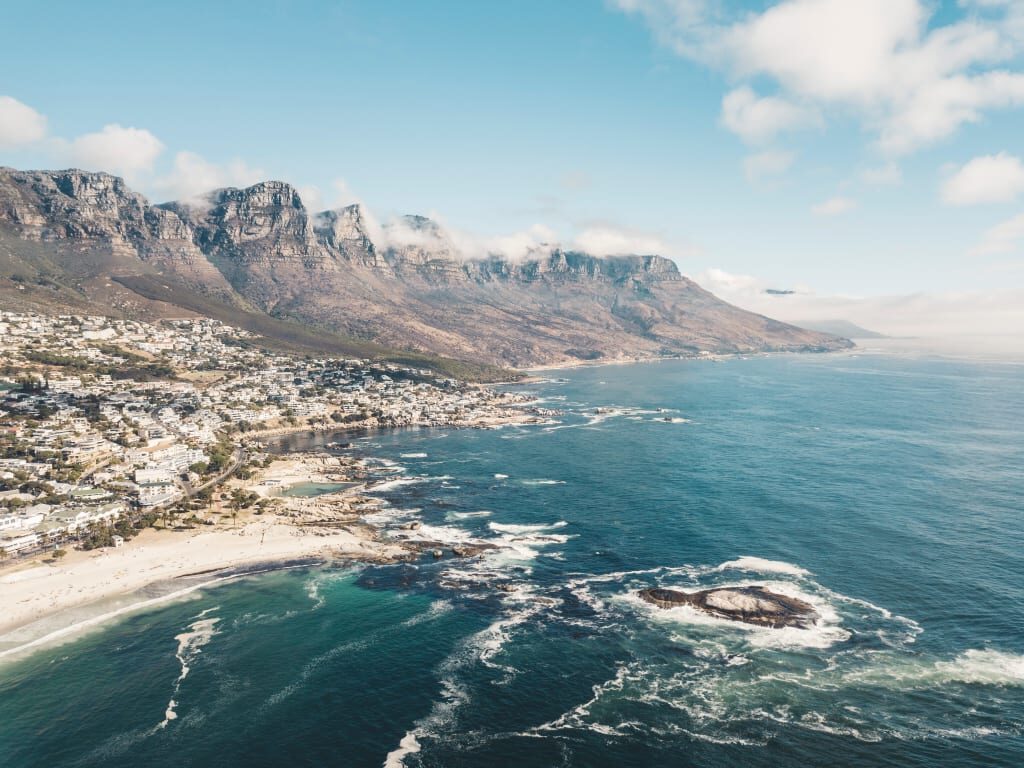
Cape Town: Table Mountain (cable car or 2-hour hike to the flat-top summit, extraordinary 360-degree views), Boulders Beach African penguin colony, the V&A Waterfront, Camps Bay beach, and the Cape Peninsula drive (Cape of Good Hope). Stellenbosch and Franschhoek (40-60 minutes from Cape Town): world-class Cape Winelands with wine estates offering tastings and exceptional restaurants. Kruger National Park: 19,485 sq km self-drive safari, lions, leopards, elephants, rhinos, buffaloes, and hundreds of bird species. Garden Route (6-8 hours drive from Cape Town): Knysna Lagoon, Tsitsikamma Forest, Storms River suspension bridge, and George. Soweto (Johannesburg): Vilakazi Street, Apartheid Museum, and Hector Pieterson Memorial.
Frequently Asked Questions
Do US citizens need a visa to visit South Africa?
No, US citizens can visit South Africa without a visa for stays up to 90 days for tourism, business, or transit purposes. Your passport must be valid for at least 30 days beyond your intended departure date and have at least two blank pages for entry stamps. At immigration, you'll receive a visitor's permit stamp indicating your allowed stay. Extensions are possible through the Department of Home Affairs but must be applied for before your permit expires.
Do US citizens need a visa for South Africa?
No. Americans can visit South Africa visa-free for up to 90 days. Ensure your passport has at least 30 days validity beyond departure and 2 blank visa pages.
Is South Africa safe for tourists?
South Africa has high crime rates, including violent crime, and requires visitors to be vigilant. However, millions of tourists visit safely each year by taking precautions. Stick to well-traveled tourist areas, use reputable transportation (hotel transfers, registered taxis, or Uber), avoid walking alone after dark, don't display valuables or use phones on the street, and keep car doors locked while driving. Tourist areas like Cape Town's V&A Waterfront, Kruger National Park, and the Garden Route are generally safer with proper precautions. Stay informed about specific neighborhood safety and follow local advice.
Are there direct flights from the US to South Africa?
Yes. Delta operates a non-stop New York JFK to Johannesburg (JNB) flight of approximately 15 hours. United serves Washington Dulles to JNB. South African Airways (when operating) also flies the route. Connections via Amsterdam (KLM), London (BA/Virgin Atlantic), and Doha (Qatar) are common alternatives.
What vaccines and health precautions are needed for South Africa?
Consult a travel health professional 4-6 weeks before departure. Yellow fever vaccination is required if arriving from a yellow fever endemic country. Routine vaccinations should be up to date. Hepatitis A and Typhoid vaccines are recommended. Malaria is present in parts of South Africa, particularly the lowveld areas of Mpumalanga (including Kruger National Park), Limpopo, and KwaZulu-Natal along the border. Antimalarial medication is recommended for these regions. Cape Town, Johannesburg, and the Garden Route are malaria-free. HIV prevalence is high; take appropriate precautions. Tap water is generally safe in major cities.
How do I do a Kruger safari independently?
Self-drive safaris in Kruger are excellent and much cheaper than private game reserves. Book SANParks rest camps (sanparks.org) -- they sell out months in advance, especially June-September. Rent a car in Johannesburg and drive to one of Kruger's 9 gates. Game drives in your own vehicle ($50/day park fee) allow flexibility. Kruger has 147 mammal species and 517 bird species.
What is the best time to visit South Africa?
South Africa's seasons are opposite to the Northern Hemisphere. The best time for general tourism is spring (September-November) or autumn (March-May) when weather is pleasant and crowds smaller. For safari and wildlife viewing, the dry winter months (May-September) are ideal as vegetation is sparse, animals gather at water sources, and there's less rain. Cape Town and the Western Cape are best December-February (summer) for beaches, though this is peak season with higher prices. Whale watching season in Hermanus is August-November. Wine country is beautiful year-round. Each season offers different highlights depending on your interests.
How do I plan a safari and what should I expect?
South Africa offers excellent safari experiences. Kruger National Park is the most famous and can be explored as a self-drive safari (renting a car and booking park accommodations) or through guided safaris at private reserves bordering Kruger. Private reserves (Sabi Sand, Timbavati) offer more exclusive experiences with expert guides, tracked game drives, and walking safaris but at higher costs. Budget options include camping in Kruger's rest camps. Peak safari season (June-September) requires advance booking. Early morning and late afternoon game drives offer best wildlife sightings. The Big Five (lion, leopard, elephant, rhino, buffalo) are the highlights, but the diversity of wildlife and birds is extraordinary.