South Korea Visa RequirementsFor United States passport holders
US citizens can visit South Korea visa-free for up to 90 days under the bilateral visa waiver agreement. K-Wave culture has dramatically boosted US-Korea tourism.
Great news! United States passport holders can enter South Korea without a visa for tourism or business purposes. You can stay up to 90 days.
No visa is required for US citizens for stays up to 90 days. Since December 2021, US citizens are required to obtain a K-ETA (Korea Electronic Travel Authorization) before visiting South Korea. The K-ETA fee is KRW 10,000 (approximately $7-8 USD) and is valid for 2 years with multiple entries. Apply at k-eta.go.kr. Processing typically takes up to 72 hours. Some K-ETA exemptions apply during certain periods , check the current K-ETA status before travel as South Korea periodically exempts certain nationalities.

Entry Requirements
Passport Validity
6 months beyond date of entry
Blank Pages
2 blank pages required
Multiple Entry
Allowed
Work Permitted
No - requires work visa
Entry Conditions
Valid passport. K-ETA approval before travel. Return ticket and proof of accommodation may be requested.
Required Documents
Valid US Passport
Must be valid for the duration of stay
K-ETA Authorization
Apply at k-eta.go.kr; KRW 10,000 (~$7-8 USD); valid 2 years. Check current exemption status as South Korea periodically modifies K-ETA requirements.
Valid US Passport
Must be valid for at least 3-6 months beyond your planned departure date (varies by country)
Return or Onward Ticket
Proof of departure from the country, such as a return flight or onward travel booking
Proof of Return Travel Recommended
Return or onward flight ticket — recommended
Proof of Accommodation Recommended
Hotel booking may be requested
Proof of Accommodation Recommended
Hotel reservation, Airbnb booking, or address where you will be staying
Proof of Sufficient Funds Recommended
Credit cards, bank statements, or cash to cover expenses during your stay
Travel Insurance Recommended
Recommended for all international travel covering medical emergencies
Travel Essentials
Health & Safety
Safety Rating
Vaccinations
Routine vaccines (MMR, Tetanus, COVID-19). Hepatitis A and B for some travelers.
Tap Water
Safe to drink
Safety Tips
South Korea is extremely safe - one of the safest countries in Asia. Violent crime is rare, and petty crime is uncommon. The main concerns are fine dust air quality (check AQI forecasts) and potential tensions with North Korea (though incidents affecting tourists are extremely rare). Women can walk alone at night safely in most areas.
Money & Costs
Currency
₩ South Korean Won (KRW)
Daily Budget (USD)
Budget: $60 · Mid: $120 · Luxury: $280+
Cards & ATMs
Cards are accepted almost everywhere - Korea is one of the most cashless societies globally. Visa and Mastercard work widely. Some traditional markets and small vendors may still need cash. Apple Pay and Samsung Pay work.
Tipping
Tipping is not customary in South Korea and can even cause confusion. Service is included in all prices. Don't tip at restaurants, taxis, or hotels. The only exception is tour guides, who may appreciate a modest tip.
Practical Info
Power
Type C, F, 220V, 60Hz
Driving
Right side
Emergency
Emergency: 112 (Police), 119 (Fire/Ambulance)
Tourist Hotline: 1330 (English available 24/7)
Mobile/SIM
Rent a portable WiFi egg (recommended - pick up at airport) or buy a tourist SIM from KT, SKT, or LG U+ at the airport. Data-only SIMs cost ₩30,000-50,000 for 7-30 days. Coverage and speeds are excellent - Korea has the world's fastest internet. SIM registration requires passport.
Getting There
Main Airports
Busan (PUS) · Seoul (GMP) · Seoul (ICN)
Airport Transfers
Incheon Airport (ICN): AREX express train to Seoul Station (₩9,500, 43 minutes) or all-stop train (₩4,750, 66 minutes). Limousine buses to various Seoul areas (₩16,000-18,000, 70-90 minutes). Taxi ₩65,000-80,000 (60-90 minutes). Gimpo Airport (GMP): Subway Line 5/9 or AREX to Seoul (₩1,500-2,500, 40-60 minutes).
Local Transport
Seoul's subway is extensive, clean, and efficient - signage is in English and Korean. Buy a T-money card (available at convenience stores) and reload as needed. KTX high-speed trains connect major cities (Seoul to Busan in 2.5 hours). Buses are comprehensive. Kakao T app works like Uber for taxis.
Culture & Travel Tips
Best Time to Visit
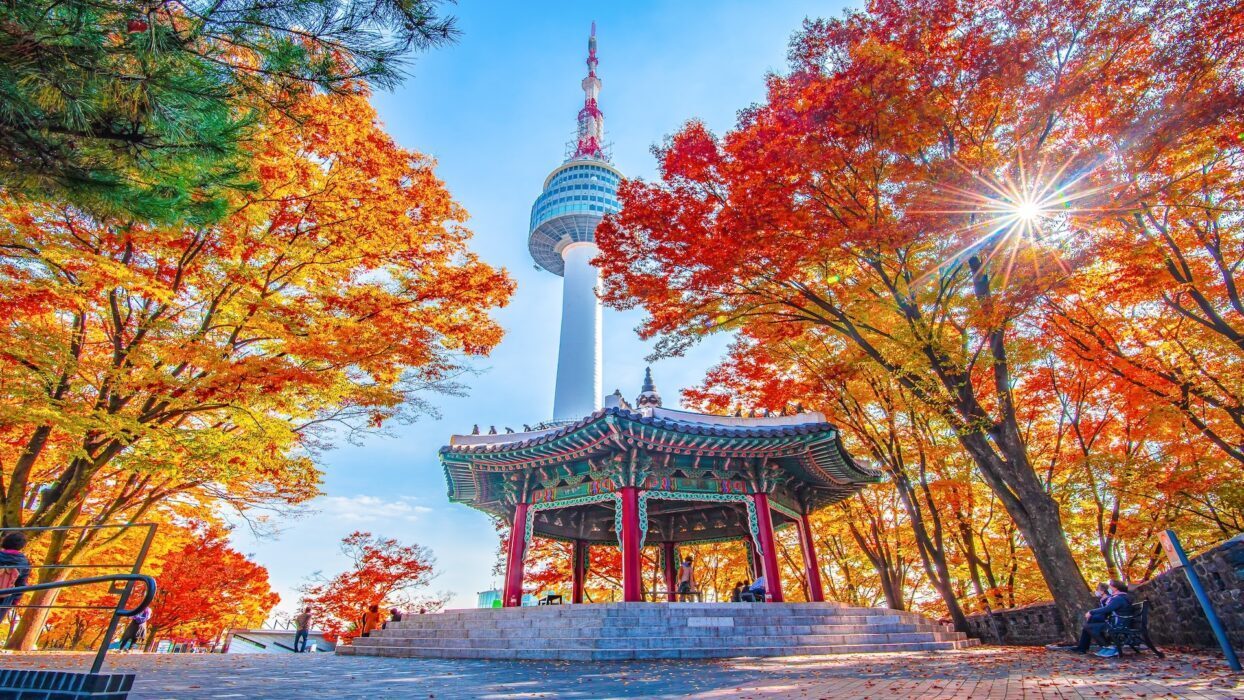
April-May for cherry blossoms and pleasant weather. September-November for stunning fall foliage. Summer (June-August) is hot and humid with monsoon rains. Winter is cold but beautiful for skiing.
Cultural Notes
Confucian values shape society - respect for elders and hierarchy is paramount. Use two hands when giving or receiving items, especially with elders. Bowing is the standard greeting. Korean BBQ has etiquette - let the eldest person eat first. Drinking culture is important for business. Never pour your own drink.
Insider Tips
Download Naver Maps - Google Maps has limited functionality in Korea due to national security laws. T-money cards work on all public transport and convenience stores. Koreans rarely tip. Shoes off in traditional restaurants (look for floor seating). Many places are card-only - cash is becoming obsolete in Seoul.
Dress Code
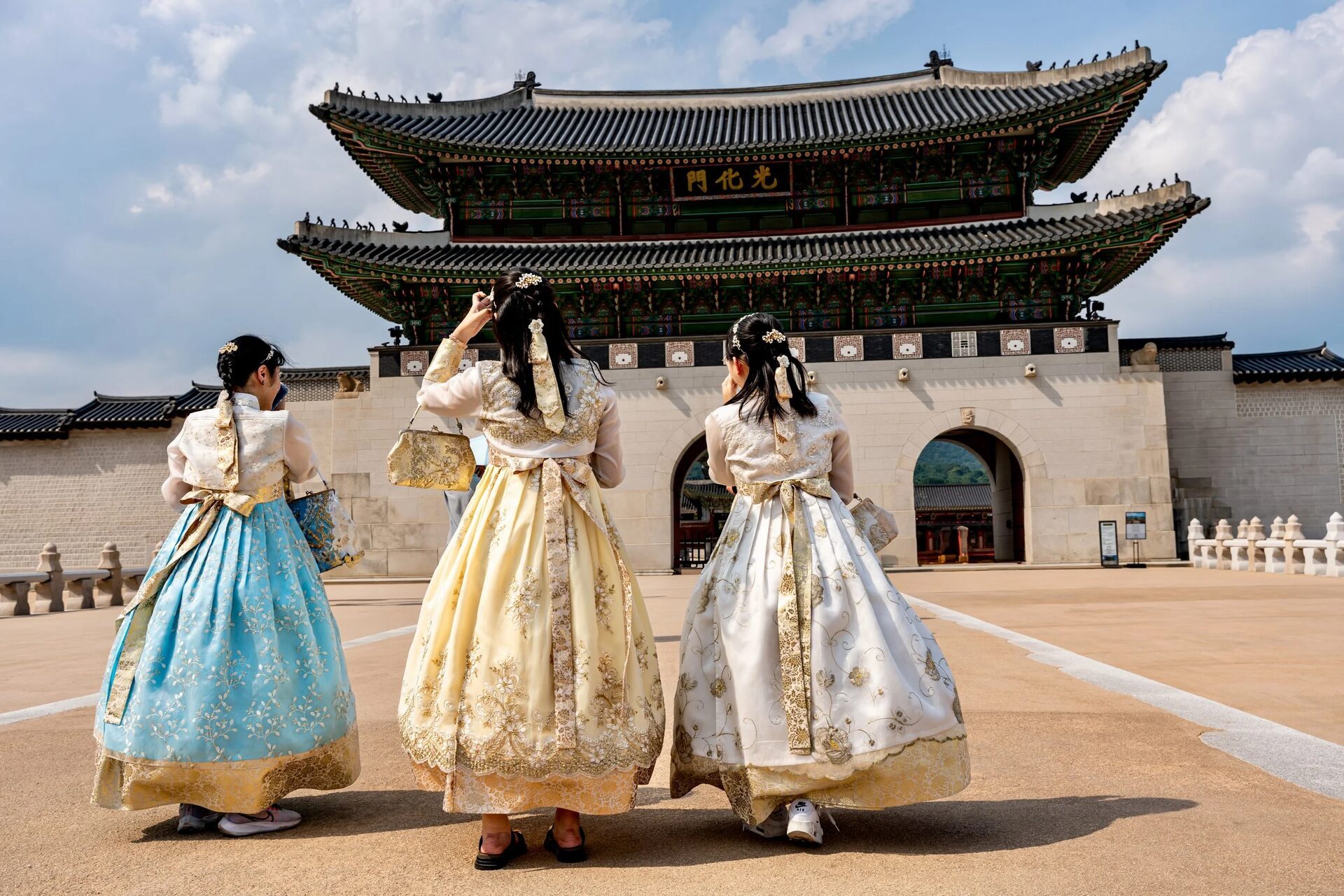
Koreans are fashion-conscious and tend to dress well. Smart casual is appropriate for most situations. When visiting temples, cover shoulders and knees. Shoes are removed at traditional restaurants, temples, and homes - wear clean, easily removable footwear.
Current Travel Situation
United States to South Korea: What You Need to Know
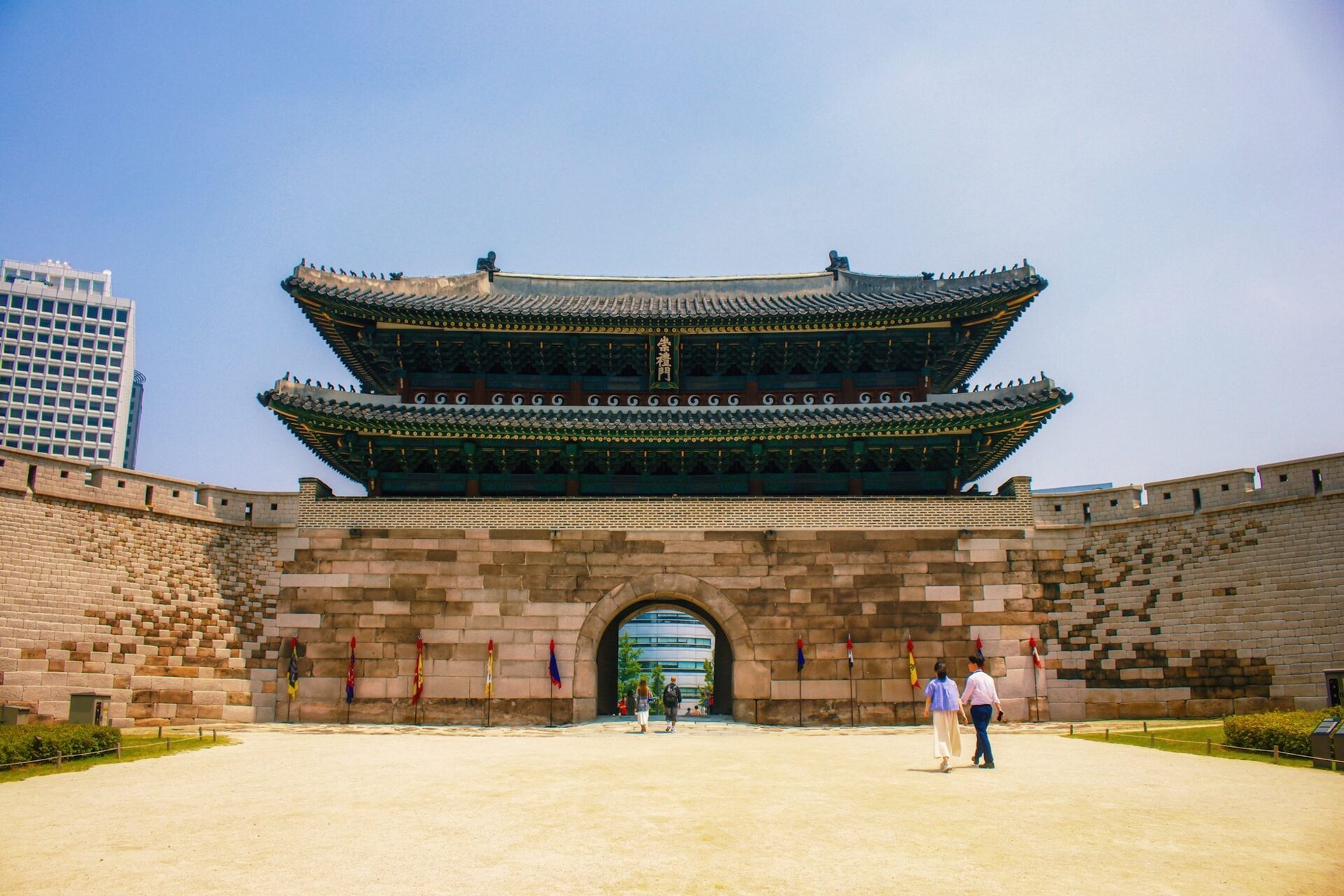
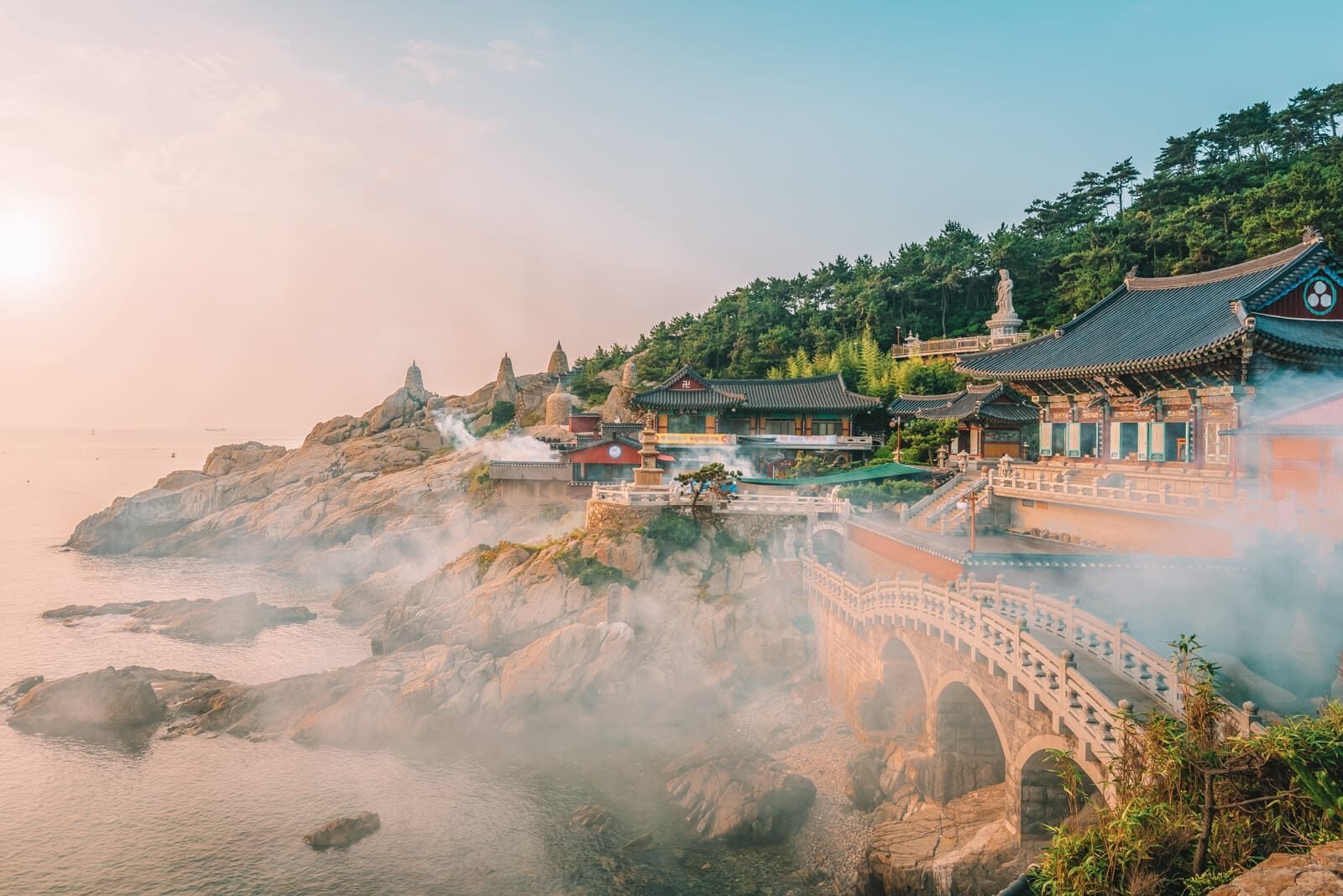
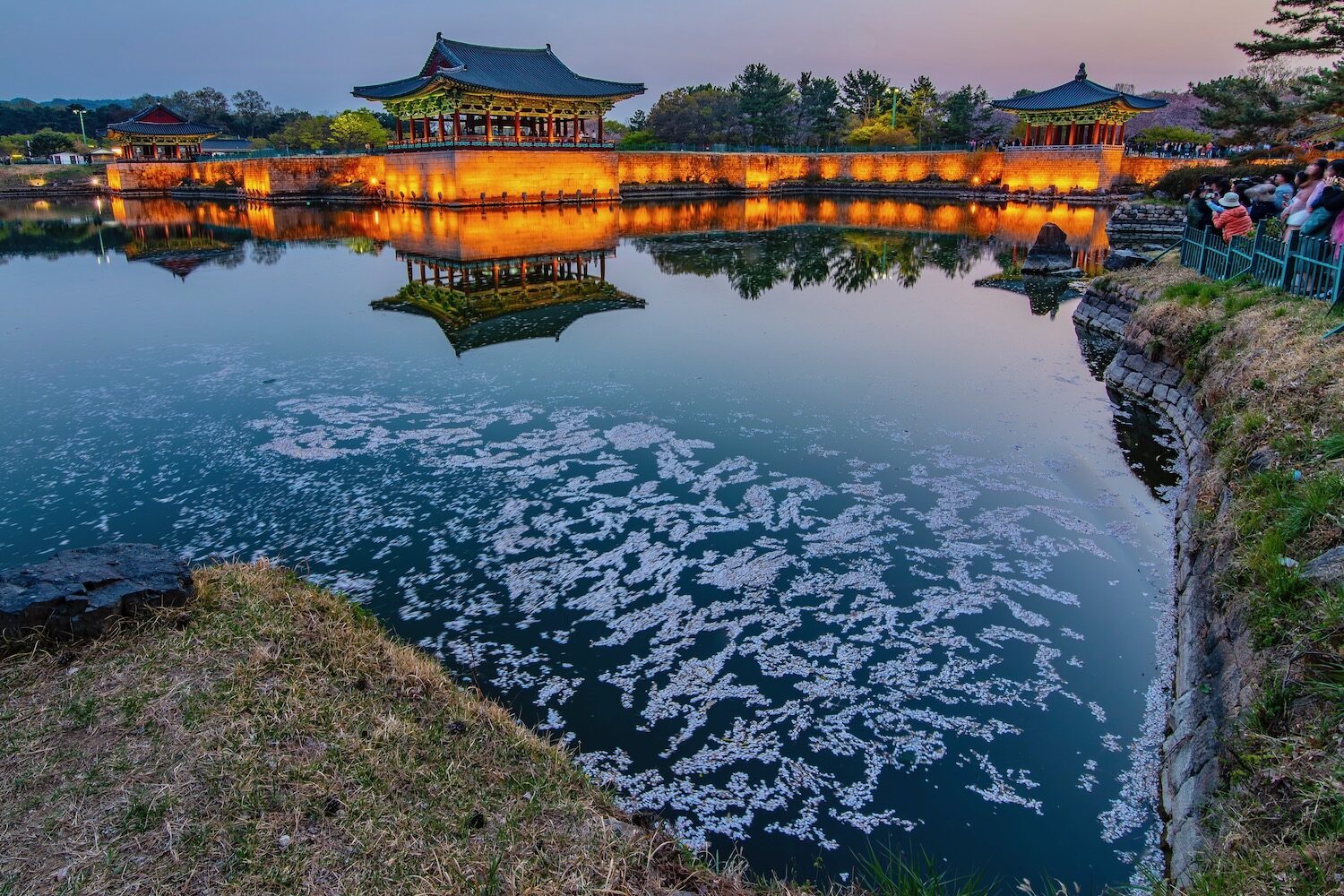
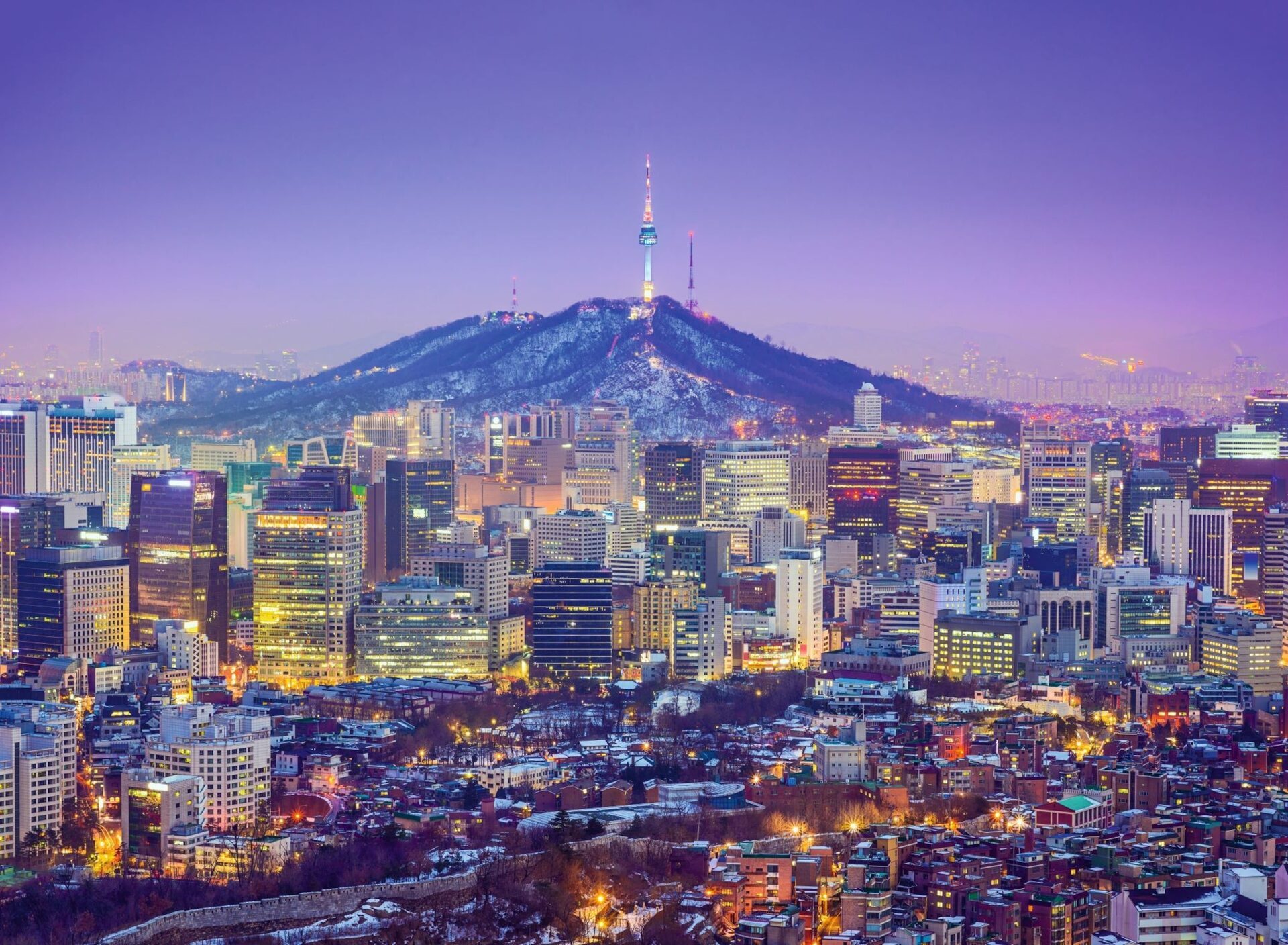
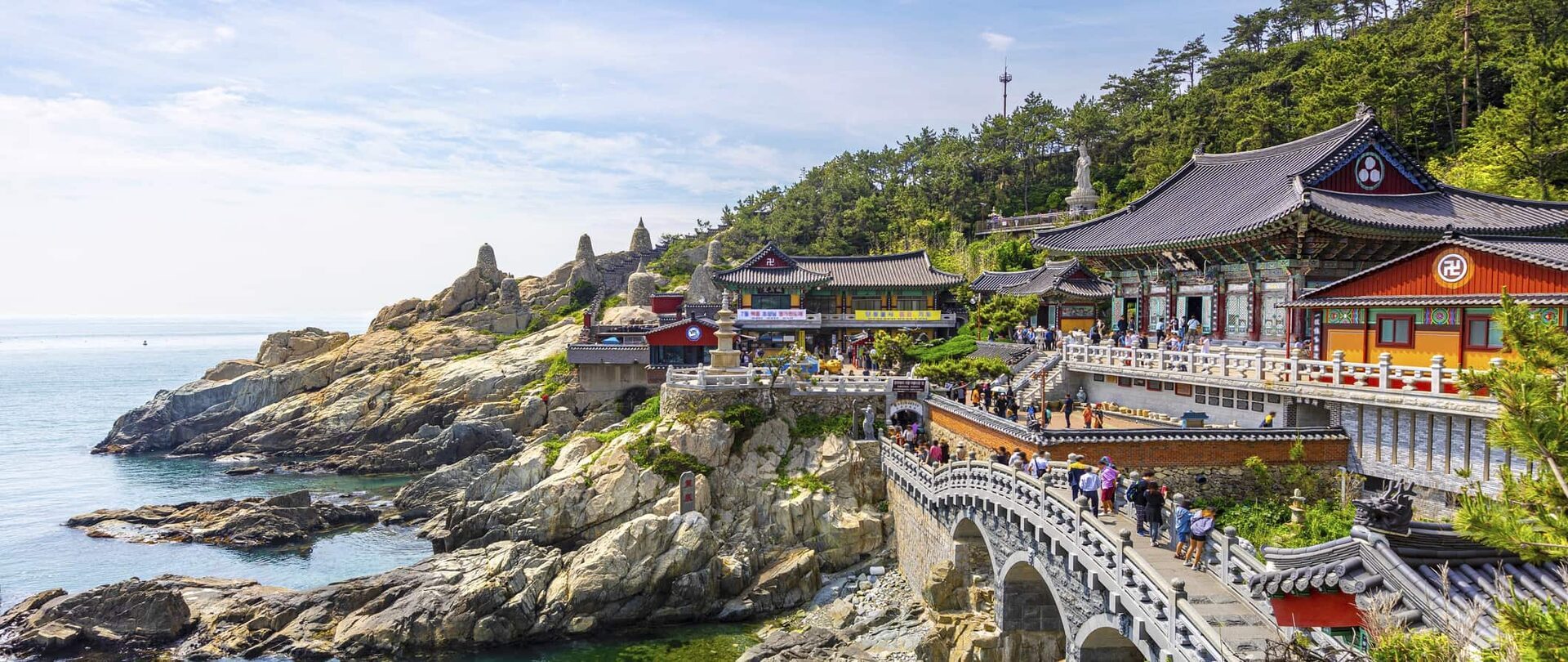
South Korea and the United States have a longstanding security alliance (US Forces Korea) and strong people-to-people ties. US citizens have visa-free access to South Korea for up to 90 days. South Korea has seen an extraordinary global tourism boom driven by K-pop (BTS, BLACKPINK), K-dramas (Squid Game, Crash Landing on You), Korean cuisine, and the Korean Wave (Hallyu) cultural phenomenon. Seoul is one of Asia's most dynamic cities , ultramodern with deep Joseon dynasty heritage. South Korea also features dramatic mountain landscapes (Seoraksan, Jeju Island), ancient cities (Gyeongju), and the contrast of the DMZ (Korean Demilitarized Zone) with the North.
How to Get There
Japan is the most popular companion destination , accessible by ferry (Busan to Fukuoka, 3 hours) or short flights (Seoul to Tokyo, 2 hours). China is accessible by short flights from Seoul Incheon (Beijing 2h, Shanghai 1.5h). Taiwan is 2.5 hours from Seoul. Southeast Asia (Thailand, Vietnam) is 4-6 hours. The K-ETA/visa situation for US citizens allows for flexibility in building multi-country Asian itineraries.
Money & Banking
South Korea uses the Korean won (KRW). The won trades at approximately 1,350 KRW per USD. Card payments are widely accepted throughout South Korea including at convenience stores and transportation. ATMs accepting international cards are available at airports and 7-Eleven/GS25/CU convenience stores. South Korea is moderately affordable , excellent Korean BBQ restaurants cost KRW 15,000-30,000 ($11-22 USD) per person; accommodation ranges from budget guesthouses ($30 USD) to luxury hotels in Gangnam ($300 USD).
Practical Tips
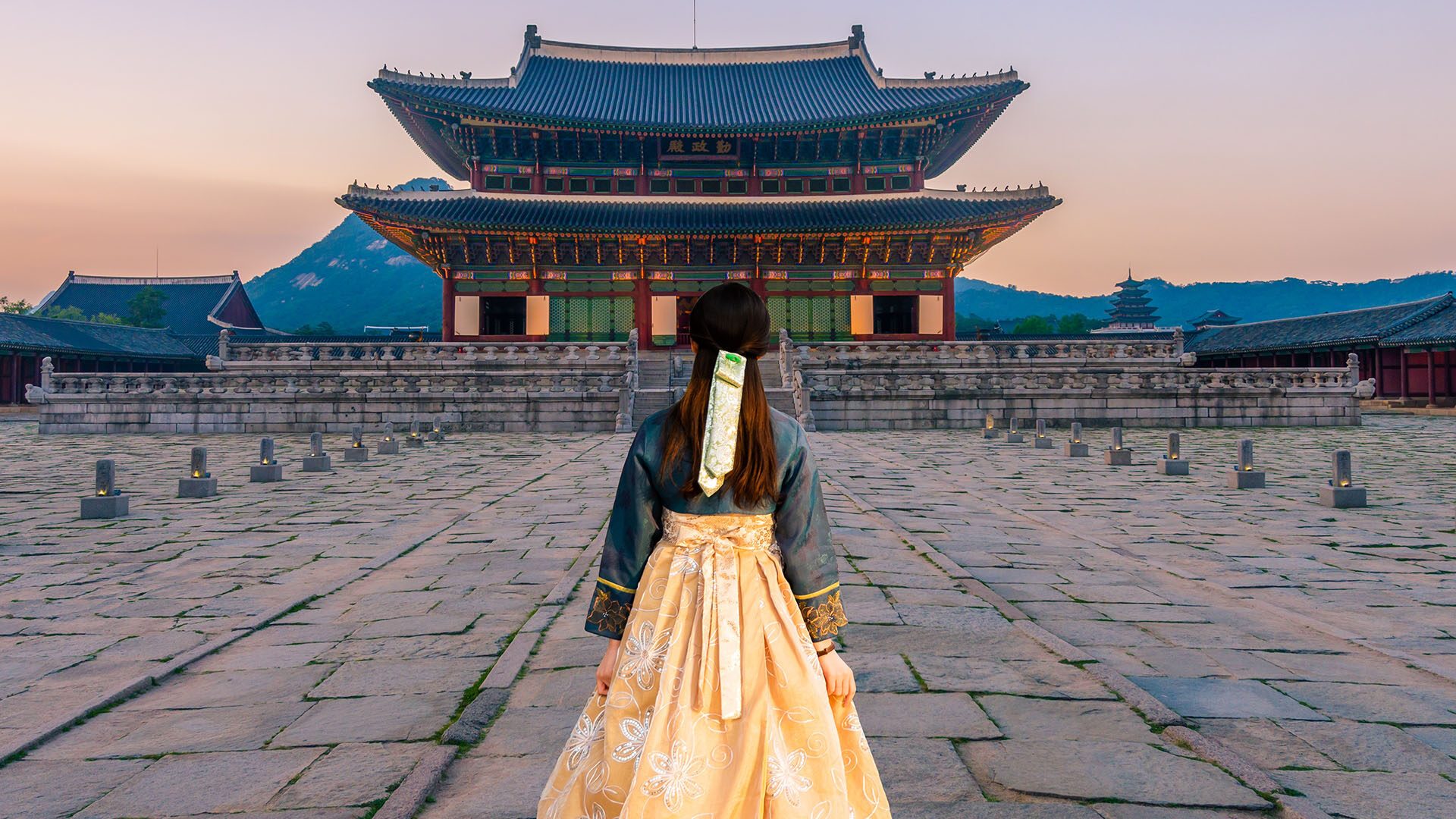
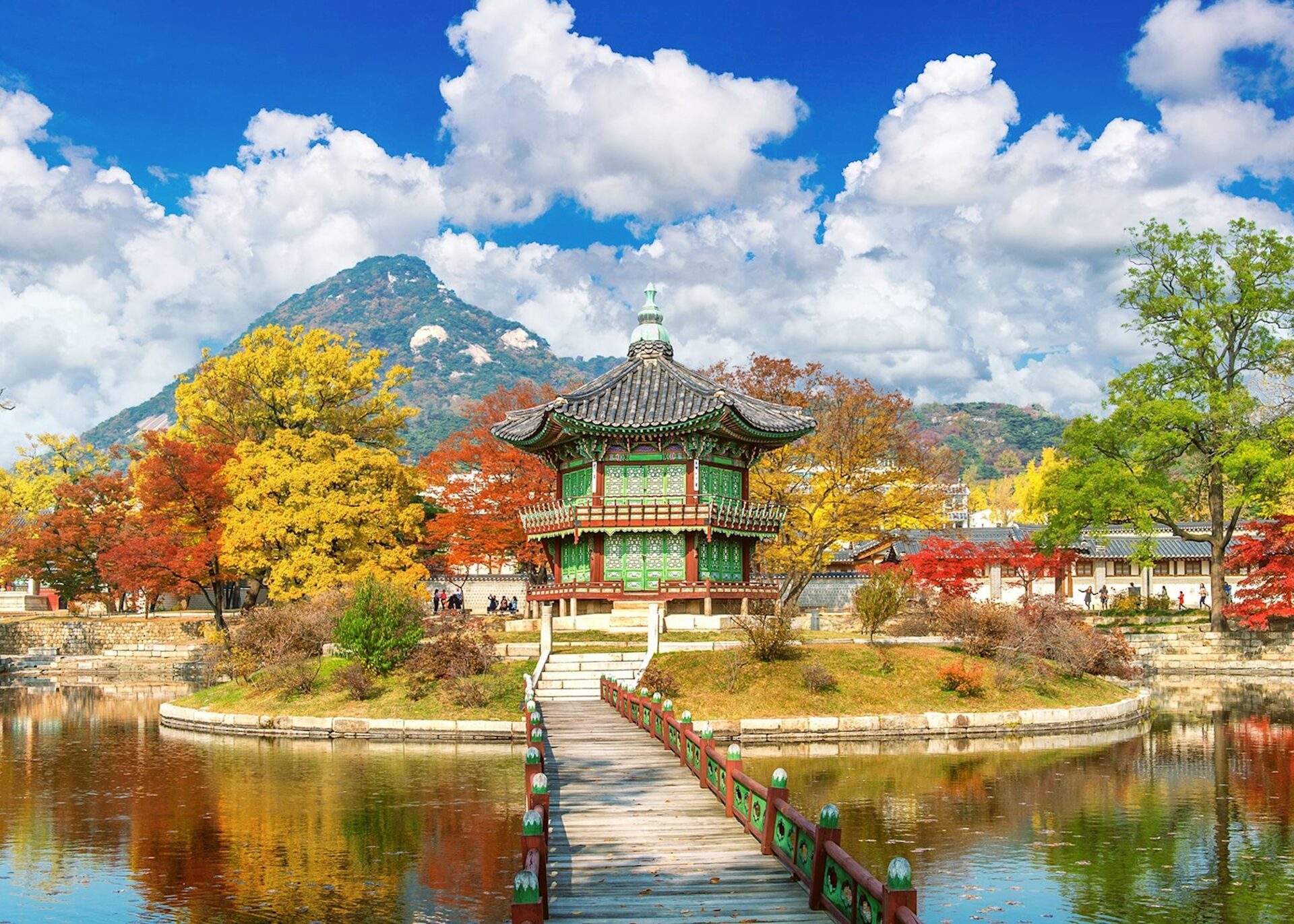
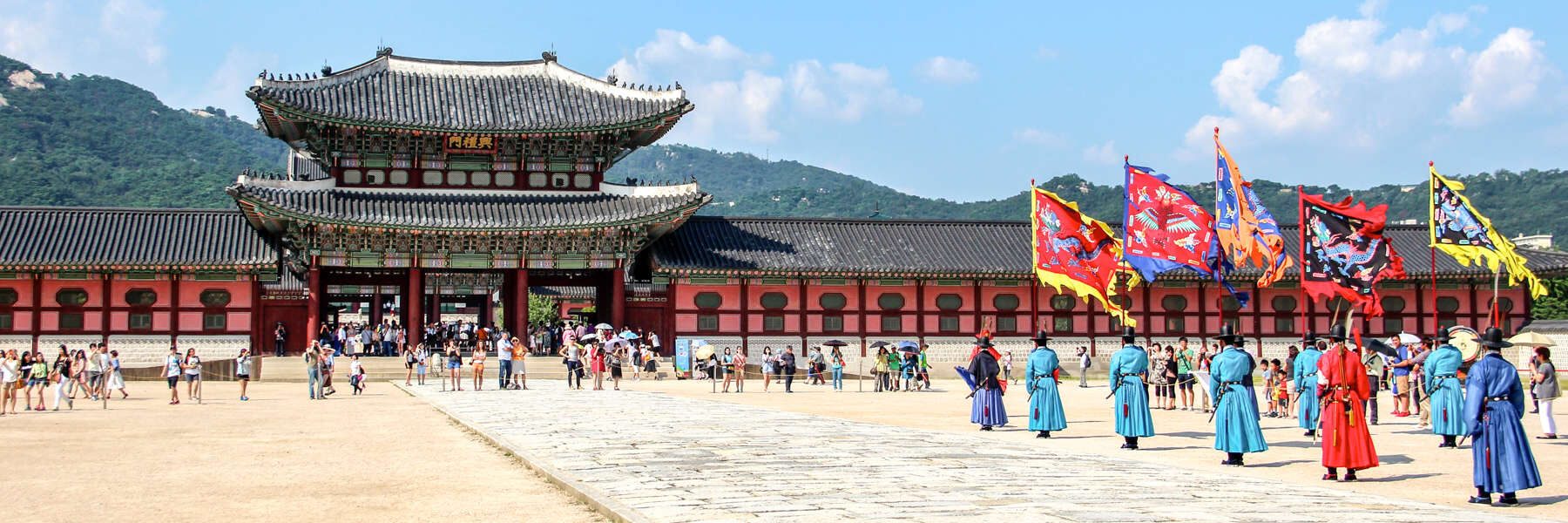
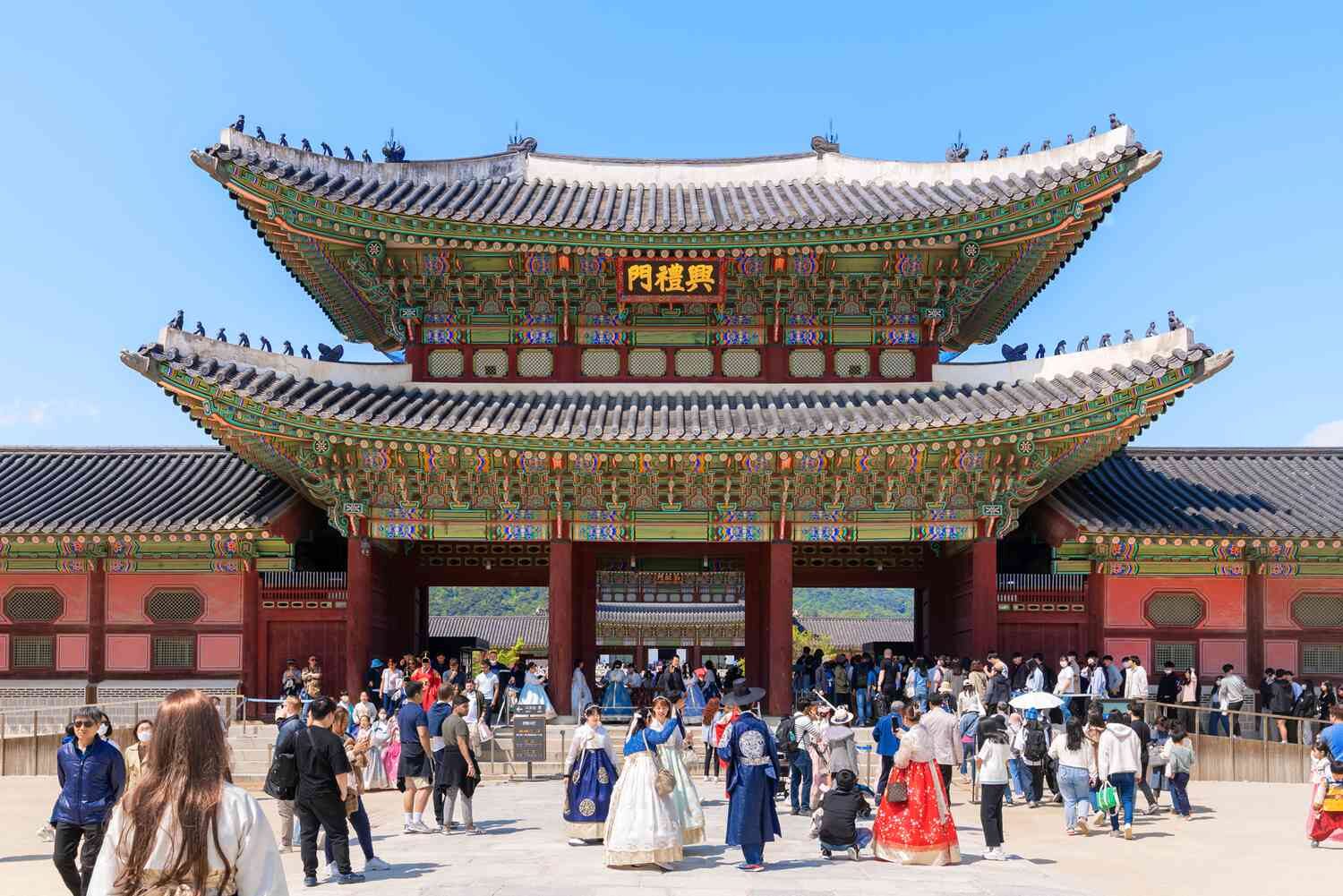
Seoul is enormous , 25 million people in the metropolitan area. Gyeongbokgung Palace and Changdeokgung (UNESCO) are the main royal palace complexes. Bukchon Hanok Village is a preserved traditional Korean village within the city. Myeongdong is the main shopping and K-beauty district. The DMZ tour from Seoul is a profound half-day experience. Jeju Island (1-hour flight from Seoul) offers volcanic landscapes, beaches, and a unique culture. Korean cuisine is exceptional: samgyeopsal BBQ, bibimbap, tteokbokki, japchae, kimchi, and Korean fried chicken. Korean convenience stores (7-Eleven, GS25) offer surprisingly good and cheap food.
Frequently Asked Questions
Do US citizens need a visa to visit South Korea?
No, US citizens can visit South Korea without a visa for stays up to 90 days for tourism and general visits under the K-ETA (Korea Electronic Travel Authorization) program. You must register for K-ETA before departure through the official website (k-eta.go.kr) or mobile app. K-ETA costs approximately $10 USD and is valid for 2 years for multiple entries. Processing usually takes 24-72 hours. Your passport must be valid for the duration of your stay. Business meetings, conferences, and cultural activities are permitted; employment is not.
Do US citizens need a visa for South Korea?
No visa is required, but US citizens need to obtain a K-ETA (Korea Electronic Travel Authorization) before arrival. Apply at k-eta.go.kr for approximately $7-8 USD. Check current K-ETA requirements as South Korea periodically modifies or suspends the K-ETA requirement.
What is K-ETA and how do I apply?
K-ETA (Korea Electronic Travel Authorization) is a mandatory pre-travel authorization for visa-exempt visitors. Apply through the official website (k-eta.go.kr) or mobile app at least 72 hours before departure. You'll need your passport information, a passport photo, accommodation details, and email address. The fee is approximately $10 USD. Once approved (usually within 24-72 hours), K-ETA is electronically linked to your passport and valid for 2 years or until your passport expires. Airlines will verify your K-ETA status before boarding. Note: K-ETA requirements are occasionally waived for promotional periods; check current status before applying.
What is the K-ETA and is it the same as a visa?
No. The K-ETA is a simple electronic travel authorization (similar to ESTA in the US), not a visa. It costs approximately $7-8 USD, is valid for 2 years with multiple entries, and allows stays up to 90 days each visit.
Is South Korea safe for American tourists?
South Korea is one of the safest countries in the world for tourists. Violent crime is extremely rare, and it's common to see people leave belongings unattended in cafes or use phones openly. The main concerns are petty theft in very crowded areas and the occasional taxi refusing to use the meter (use the Kakao T app instead). North Korea tensions occasionally make headlines but daily life in South Korea is unaffected. The country has excellent infrastructure, efficient public transportation, and a helpful attitude toward foreign visitors. English signage is common in Seoul and tourist areas.
Is North Korea visible from South Korea?
The DMZ (Demilitarized Zone) between North and South Korea is one of the world's most heavily militarized borders. Several tour operators offer day trips from Seoul to the DMZ and Panmunjom Joint Security Area. You can see into North Korea from certain vantage points on the tour.
What cultural customs should I know before visiting South Korea?
Korean culture emphasizes respect, particularly for elders. Always receive items (especially business cards) with two hands. When drinking with Korean colleagues, pour for others rather than yourself and turn slightly away from elders when drinking. Removing shoes is expected when entering homes and some traditional restaurants. Tipping is not customary and can sometimes be considered rude. Bowing is the traditional greeting, though handshakes are common in business settings. Basic Korean phrases are appreciated, though younger generations often speak some English. K-pop and Korean culture (the "Korean Wave") are points of national pride.
How do I get around in South Korea without speaking Korean?
Getting around South Korea without Korean is quite manageable. Seoul's subway system has extensive English signage, announcements, and maps. Download the Kakao Metro app for navigation. For taxis, use Kakao T app (like Uber) which translates destinations and provides fare estimates. T-money card is essential, a rechargeable transit card for subways, buses, and convenience store purchases. High-speed KTX trains connect major cities with English booking available on Korail website. Google Maps works but Naver Map or Kakao Map apps are more accurate for local navigation. English is taught in schools, so younger people can often assist.