Vietnam Visa RequirementsFor United States passport holders
US citizens need a Vietnam e-Visa costing $25 USD, allowing up to 90 days. Vietnam has become one of Southeast Asia's top destinations for American travelers.
United States passport holders must apply for an electronic visa (eVisa) online before traveling to Vietnam.
Apply for the Vietnam e-Visa at the official government portal: evisa.immigration.gov.vn. The fee is $25 USD payable by card. Most applications are approved within 3 business days. The e-Visa allows multiple entries with a maximum stay of 90 days. Your US passport must be valid for at least 6 months. Print or save the e-Visa approval email to present on arrival. Entry is permitted at all major international airports and designated land/sea border crossings. Avoid third-party websites that charge significantly more.

Entry Requirements
Passport Validity
6 months beyond date of entry
Blank Pages
2 blank pages required
Multiple Entry
Single entry only
Work Permitted
No - requires work visa
Entry Conditions
Passport valid 6+ months. E-visa or visa exemption. Return ticket.
Required Documents
Valid US Passport
Must be valid for at least 6 months beyond planned stay
Vietnam e-Visa
Apply at evisa.immigration.gov.vn, $25 USD, ~3 business days; print or save approval
Proof of Return Travel
Return or onward flight out of Vietnam
Valid US Passport
Must be valid for at least 6 months beyond your planned arrival date with at least one blank page
Digital Passport Photo
Recent color photo in JPEG format meeting specific size requirements (usually 35x45mm, 600x600 pixels)
Completed Online Application
Fill out the official eVisa application form on the government portal
Travel Itinerary
Detailed travel plans including dates and places you intend to visit
Proof of Accommodation
Hotel bookings, Airbnb reservations, or host invitation letter
Return or Onward Flight
Confirmed flight booking showing departure from the country
Proof of Accommodation Recommended
Hotel booking may be requested at immigration
Proof of Sufficient Funds Recommended
Bank statements or credit card showing adequate funds for your stay
Travel Insurance Recommended
Recommended coverage for medical emergencies and trip cancellation
Travel Essentials
Health & Safety
Safety Rating
Vaccinations
Hepatitis A & B, Typhoid, Japanese encephalitis (rural), Rabies, COVID-19, Malaria (border areas).
Tap Water
Bottled water recommended
Safety Tips
Vietnam is remarkably safe for tourists with violent crime being rare. The main concerns are bag snatching (especially from motorbikes in Ho Chi Minh City), petty theft in crowded areas, and traffic accidents. Use Grab for transport. Be cautious of common scams like rigged taxi meters, shoe shiners claiming you agreed to a shine, and tour booking fraud. Only use reputable booking agencies.
Money & Costs
Currency
₫ Vietnamese Dong (VND)
Daily Budget (USD)
Budget: $25 · Mid: $60 · Luxury: $150+
Cards & ATMs
Cards accepted in hotels and restaurants. Cash essential elsewhere.
Tipping
Tipping is not traditionally Vietnamese, but it's becoming more common in tourist areas. In restaurants, leaving small change or rounding up is sufficient - 5-10% only for exceptional service at upscale establishments. Hotel porters appreciate 20,000-50,000 VND. Tour guides typically receive $5-10 per day. Spa therapists appreciate 50,000-100,000 VND.
Practical Info
Power
Type A, C, 220V, 50Hz
Driving
Right side
Emergency
Police: 113
Fire: 114
Ambulance: 115
Mobile/SIM
Buy a SIM card at the airport from Viettel (best coverage), Vinaphone, or Mobifone. Tourist SIMs with 30-60GB data cost 150,000-300,000 VND for 30 days. You'll need your passport for registration. Coverage is excellent in cities and tourist areas, variable in remote mountain regions. eSIMs are also available through international providers.
Getting There
Main Airports
Da Nang (DAD) · Hanoi (HAN) · Ho Chi Minh City (SGN)
Airport Transfers
Hanoi Noi Bai: Bus 86 to Old Quarter (45,000 VND, 1 hour). Grab to Old Quarter costs 350,000-450,000 VND (45-60 minutes depending on traffic). Ho Chi Minh Tan Son Nhat: Bus 109 to Pham Ngu Lao area (20,000 VND, 45 minutes). Grab to District 1 costs 150,000-200,000 VND (20-40 minutes). Da Nang: Very close to city - taxi/Grab around 100,000 VND.
Local Transport
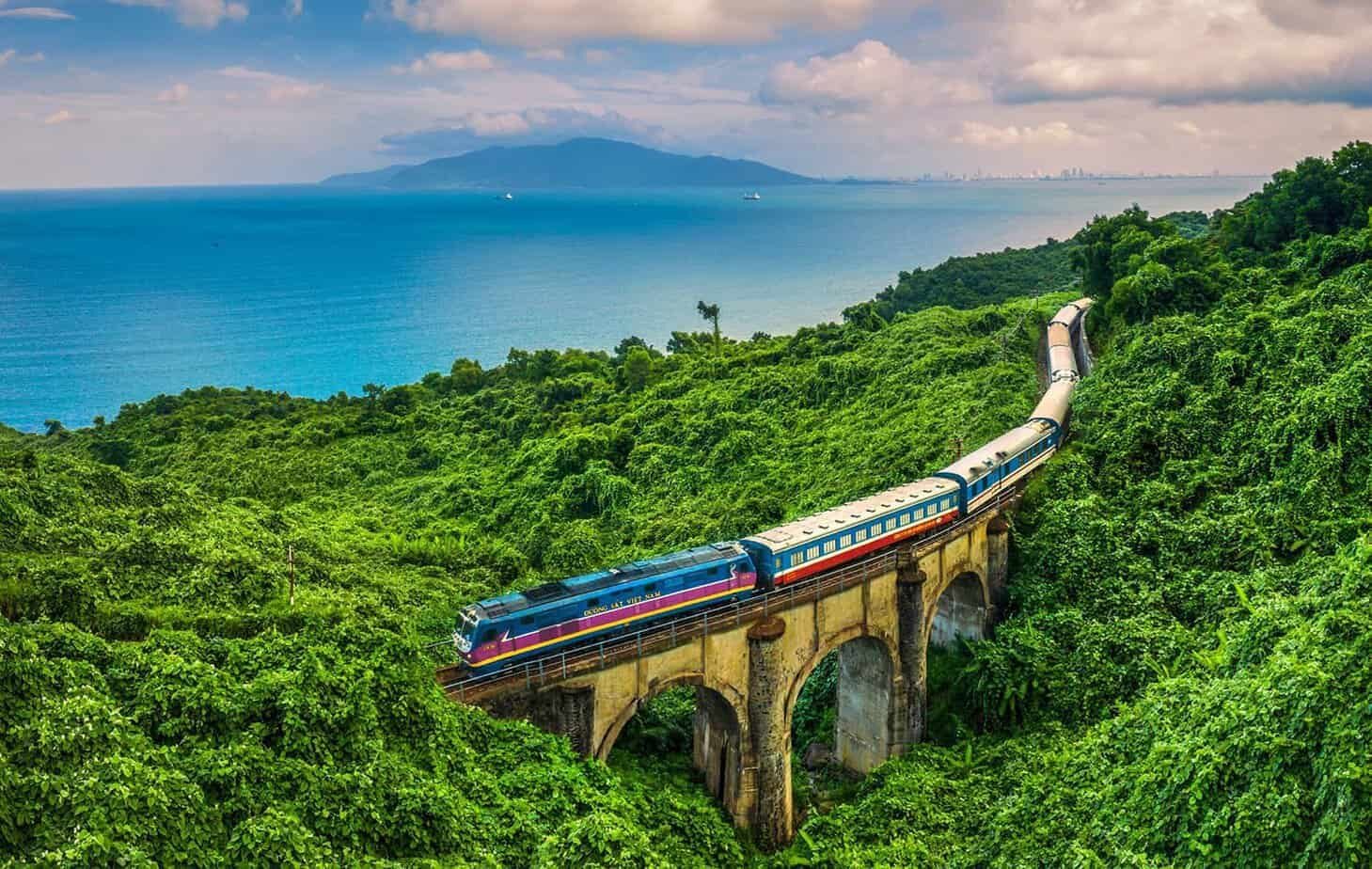
Domestic flights are affordable and connect major cities quickly - book on Vietnam Airlines, Bamboo Airways, or VietJet. Sleeper trains are a classic experience - book soft sleeper cabins through official DSVN or 12Go Asia. Sleeper buses cover longer routes overnight. Grab is essential for city transport. Motorbike rental is popular but traffic is extremely challenging for newcomers.
Culture & Travel Tips
Best Time to Visit
Vietnam stretches over 1,600 km from north to south, so weather varies dramatically by region. The north (Hanoi, Ha Long Bay, Sapa) is best from October to April, with cool, dry conditions ideal for trekking. Central Vietnam (Hue, Hoi An, Da Nang) peaks from February to August, avoiding the September-November typhoon season. The south (Ho Chi Minh City, Mekong Delta) is pleasant year-round but driest from December to April. Tet (Lunar New Year, usually late January/February) sees businesses close and prices spike, but offers incredible cultural celebrations. Shoulder seasons often provide the best value with decent weather.
Cultural Notes
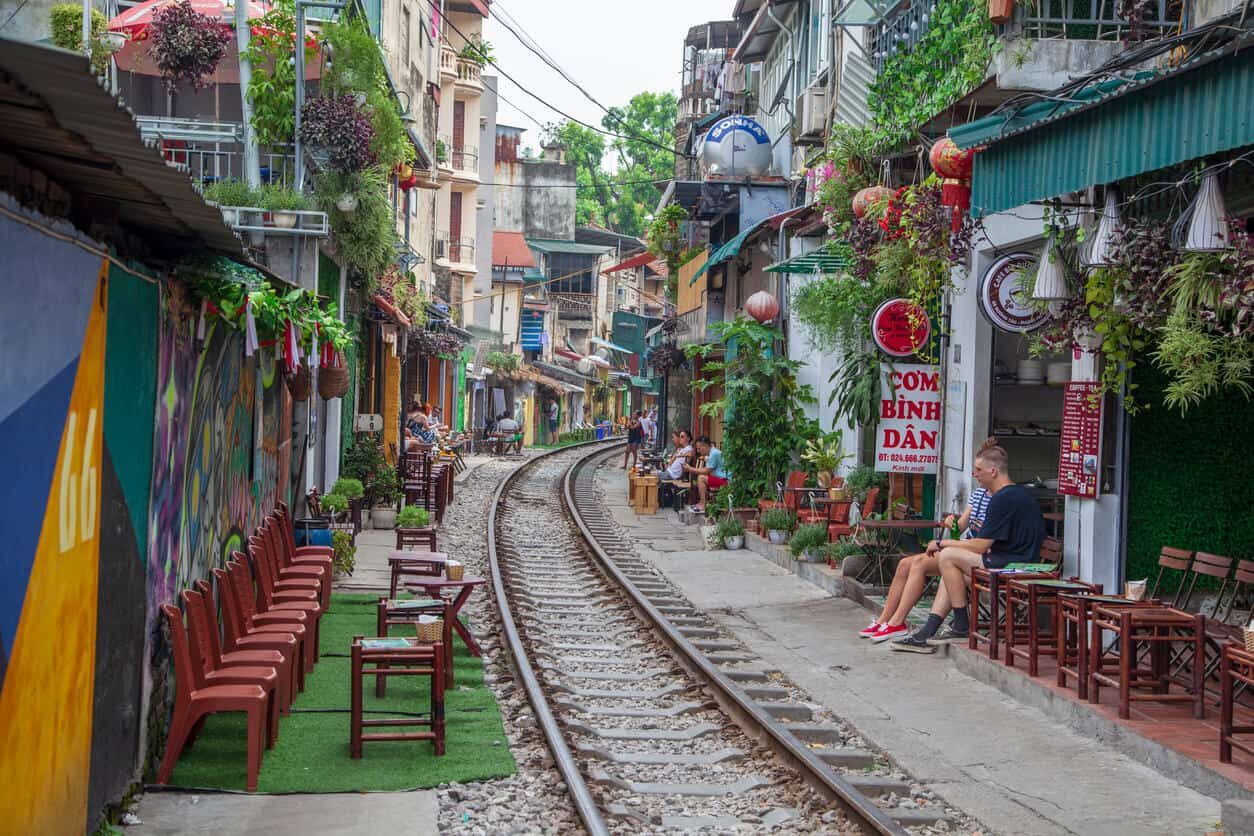
Vietnamese culture blends Confucian traditions with Buddhist influences and a strong sense of national pride shaped by centuries of foreign occupation. Family and social harmony are paramount - avoid causing anyone to lose face through public criticism or confrontation. Remove shoes when entering homes and some shops. Dress modestly at religious sites. The Vietnamese are entrepreneurial and industrious, with a good-humored approach to life despite past hardships. While war history is present (Cu Chi Tunnels, War Remnants Museum), the focus is forward-looking with no animosity toward American visitors. Coffee culture is huge - try egg coffee in Hanoi or coconut coffee in the south.
Insider Tips
Vietnam rewards adventurous travelers with incredible food, dramatic landscapes, and rich history at budget-friendly prices. Overnight buses and trains connect major cities, though domestic flights are affordable and save time. Grab is essential for rides in cities - agree on price before getting on motorbike taxis otherwise. Crossing streets in Vietnam requires confidence: walk slowly and steadily, and traffic will flow around you. The food is legendary - try pho for breakfast, banh mi for lunch, and bun cha for dinner. Tap water is not potable. Bargaining is expected at markets but keep it friendly. VPNs are useful as some websites are blocked.
Dress Code
Casual dress fine. Cover shoulders/knees at temples.
Current Travel Situation
United States to Vietnam: What You Need to Know
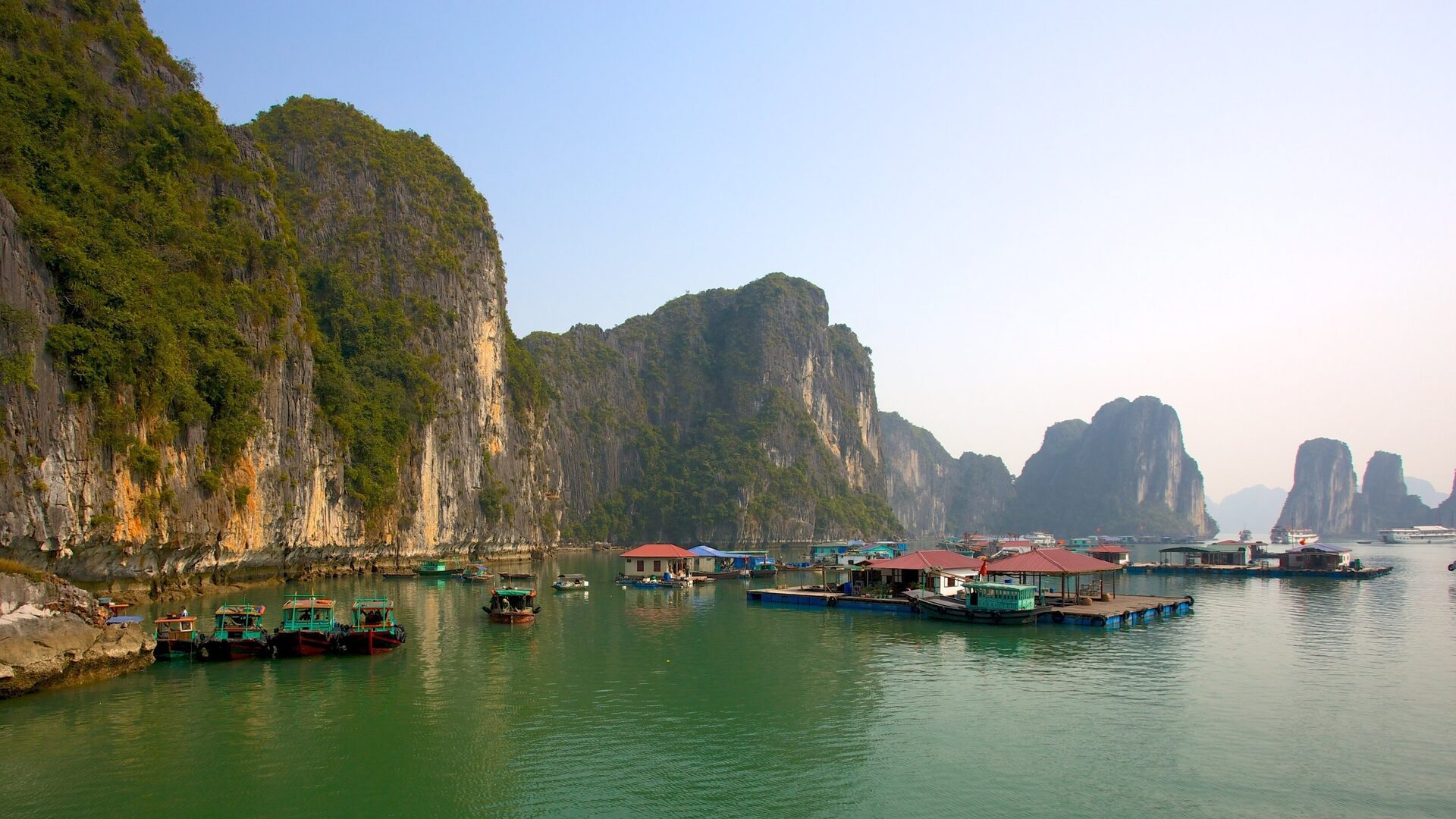
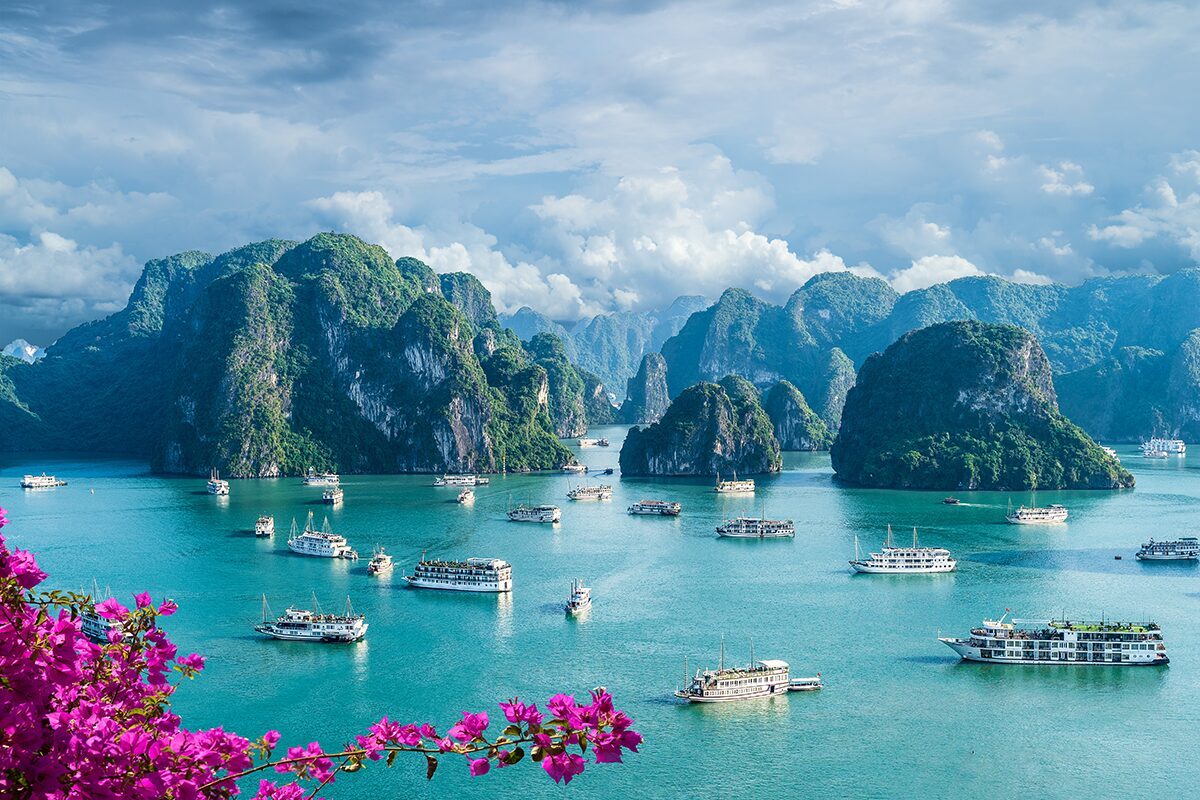
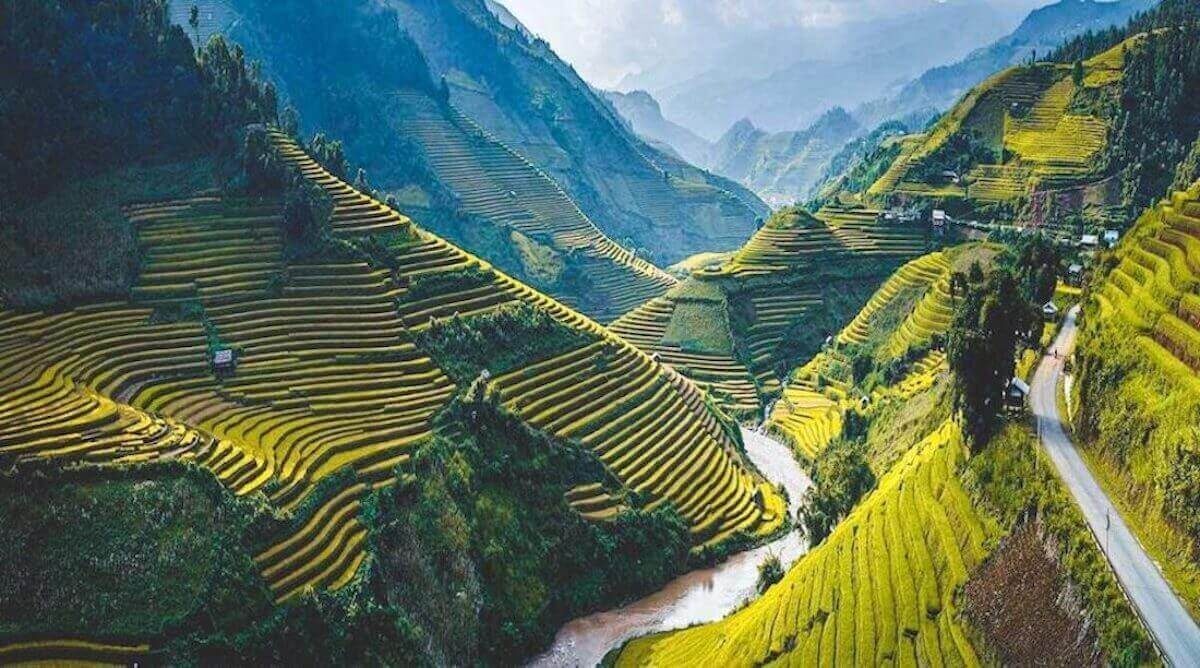
Vietnam and the United States normalized diplomatic relations in 1995, two decades after the end of the Vietnam War, and bilateral ties have grown remarkably. Vietnam is now one of Southeast Asia's most popular destinations for American travelers, drawn by extraordinary food culture (pho, banh mi, fresh spring rolls), UNESCO World Heritage Sites (Ha Long Bay, Hoi An, Hue Citadel, My Son), diverse landscapes from northern mountains (Sapa rice terraces) to southern Mekong Delta, and competitive prices. Vietnam introduced the e-Visa system for all nationalities, making access straightforward.
How to Get There
Cambodia (eVisa available for US citizens at $36) and Laos (visa on arrival or e-Visa) are neighboring countries accessible from southern and central Vietnam by bus. China is accessible from northern Vietnam (Hanoi) at the Huu Nghi/Friendship Pass or by train, but US-China visa requirements apply separately. Thailand is accessible by regional budget flight from Hanoi or Ho Chi Minh City. Vietnam's north (Hanoi, Ha Long) to south (Ho Chi Minh City, Mekong Delta) domestic travel is best done by combination of flights and trains.
Money & Banking
Vietnam uses the Vietnamese dong (VND). ATMs are widely available. Card payments work at major hotels and tourist businesses; cash preferred for street food, taxis, markets, and small businesses. Vietnam is extremely affordable for Americans , street pho: $1.50-3 USD; guesthouse bed: $8-20 USD/night; excellent restaurant meal: $6-15 USD. The dong trades at approximately 25,000 VND per USD. Tipping is not traditional but appreciated in tourist contexts.
Practical Tips
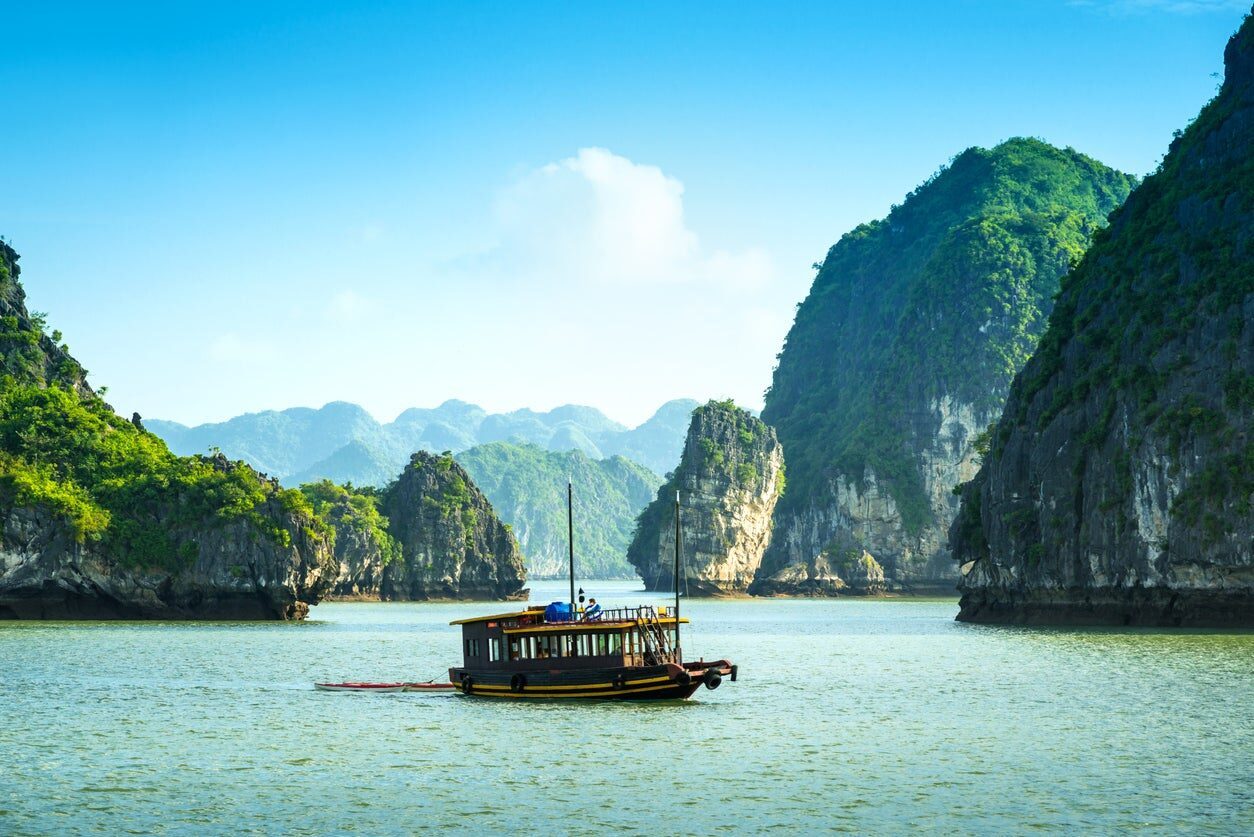
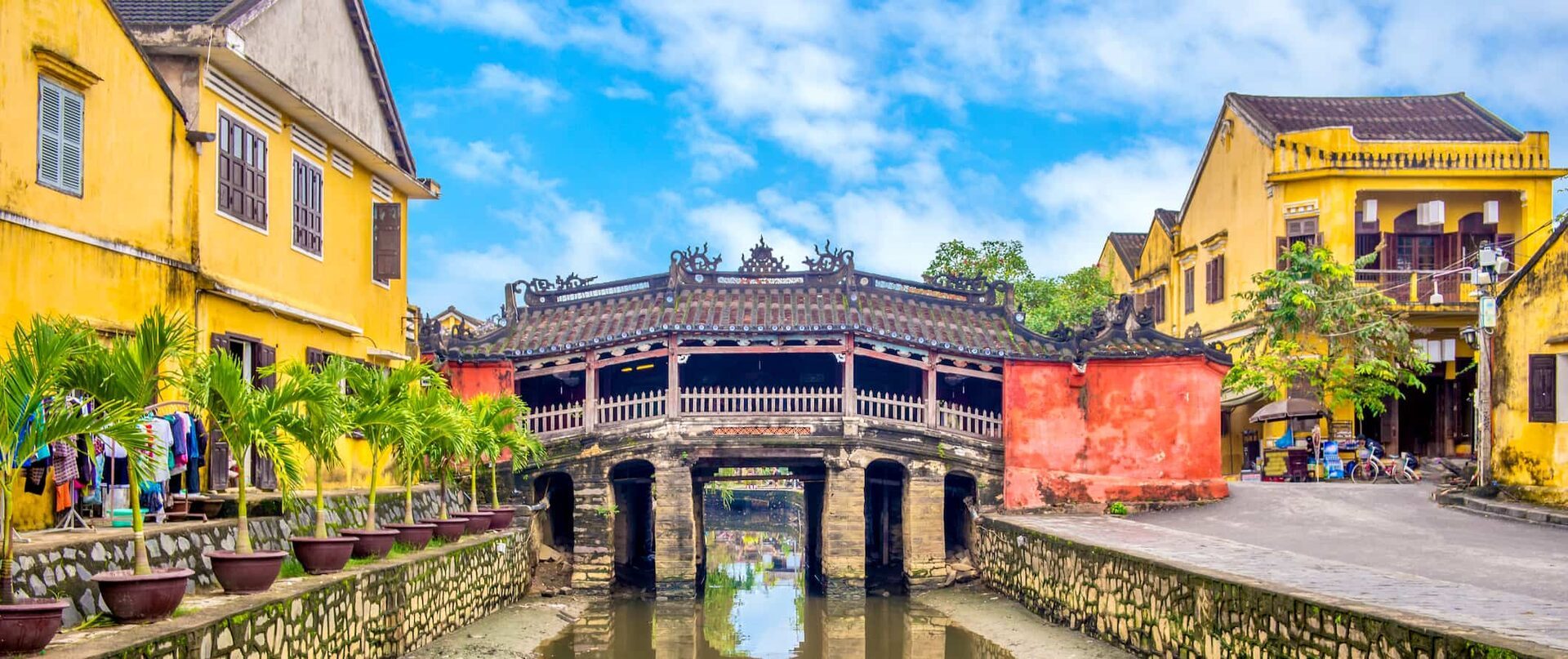
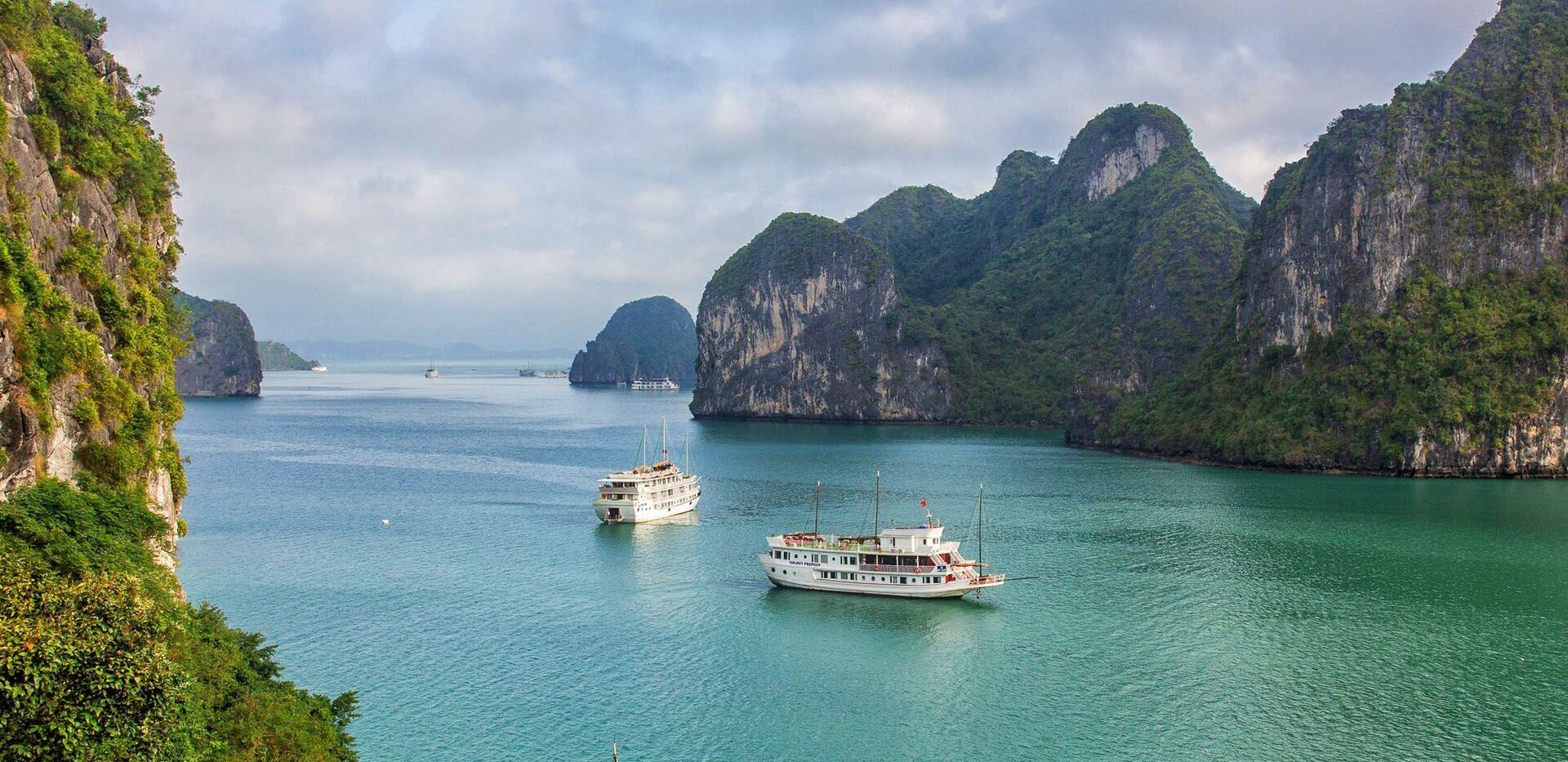
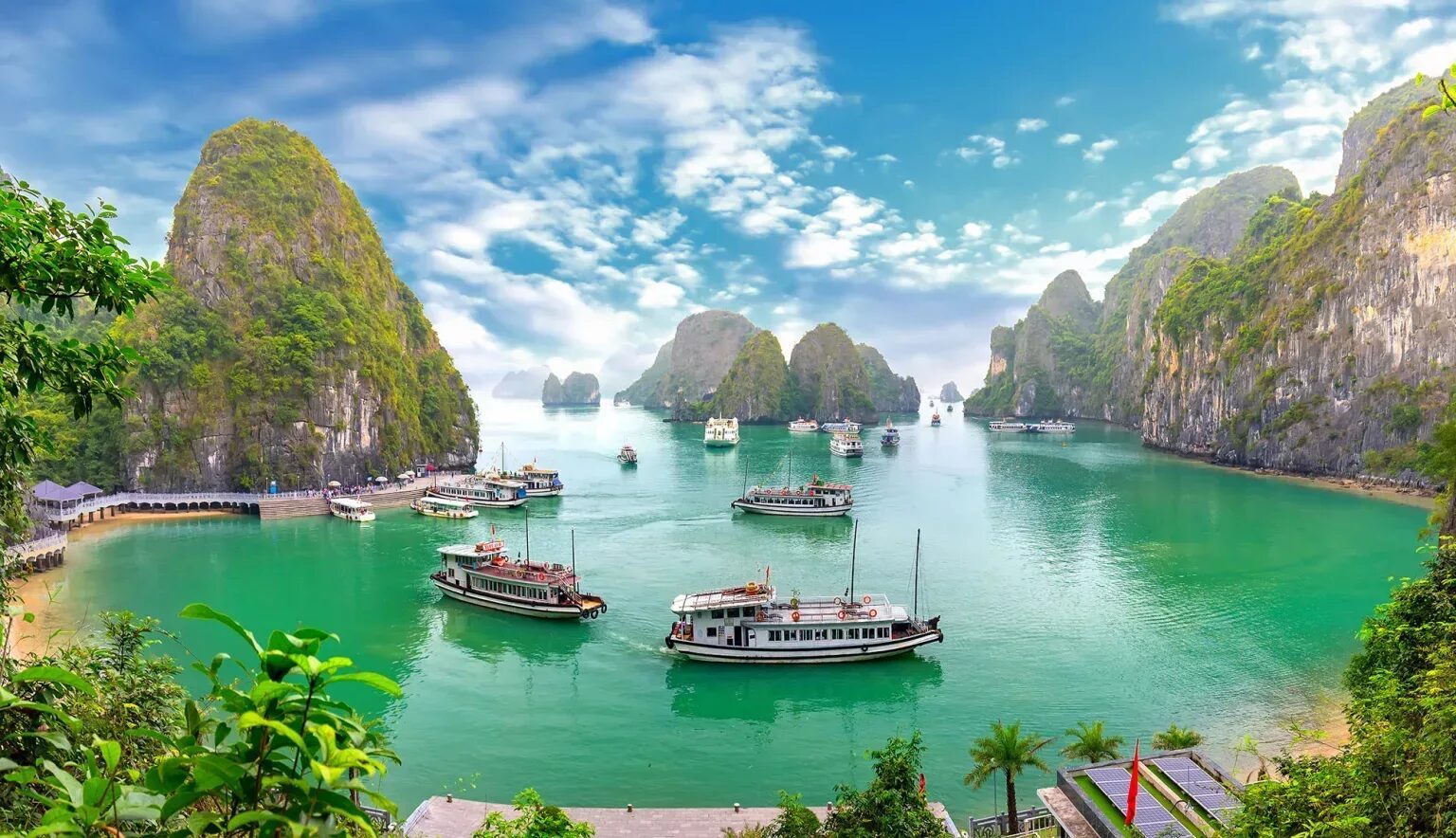
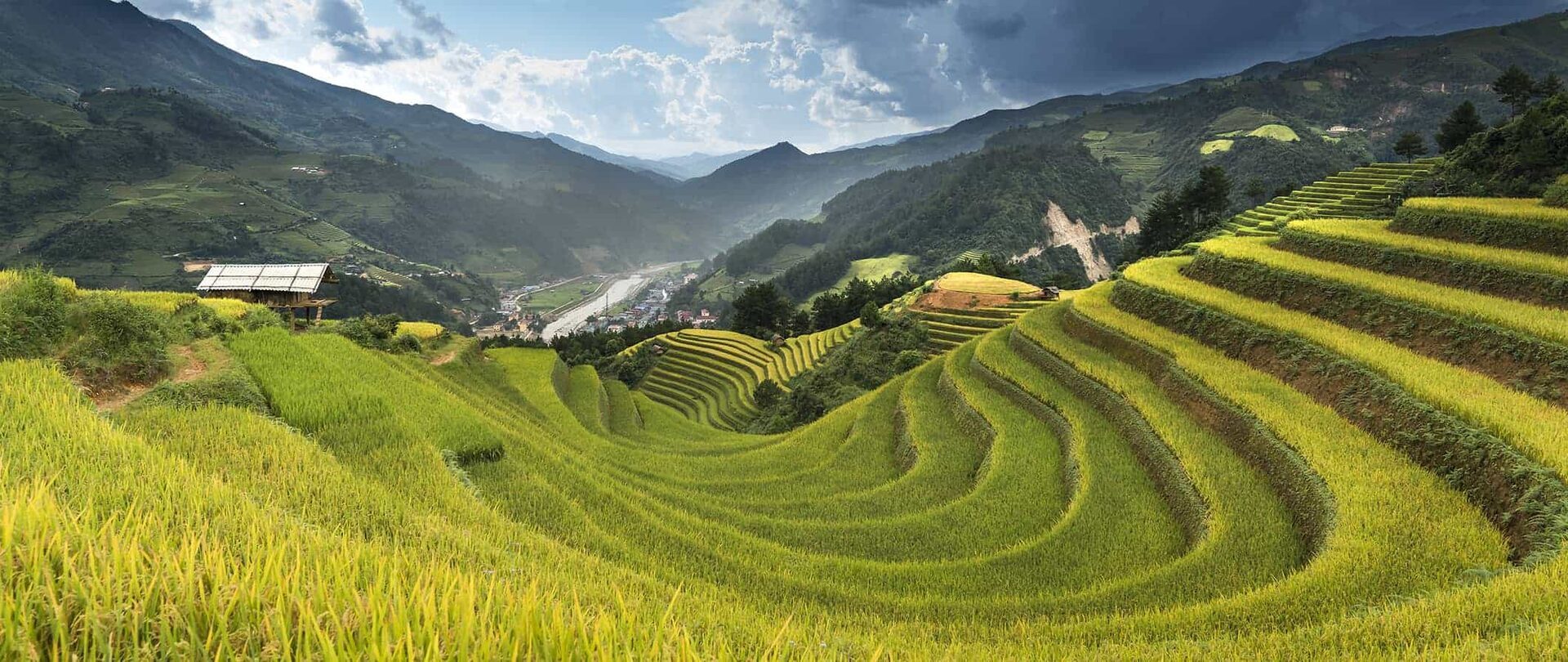
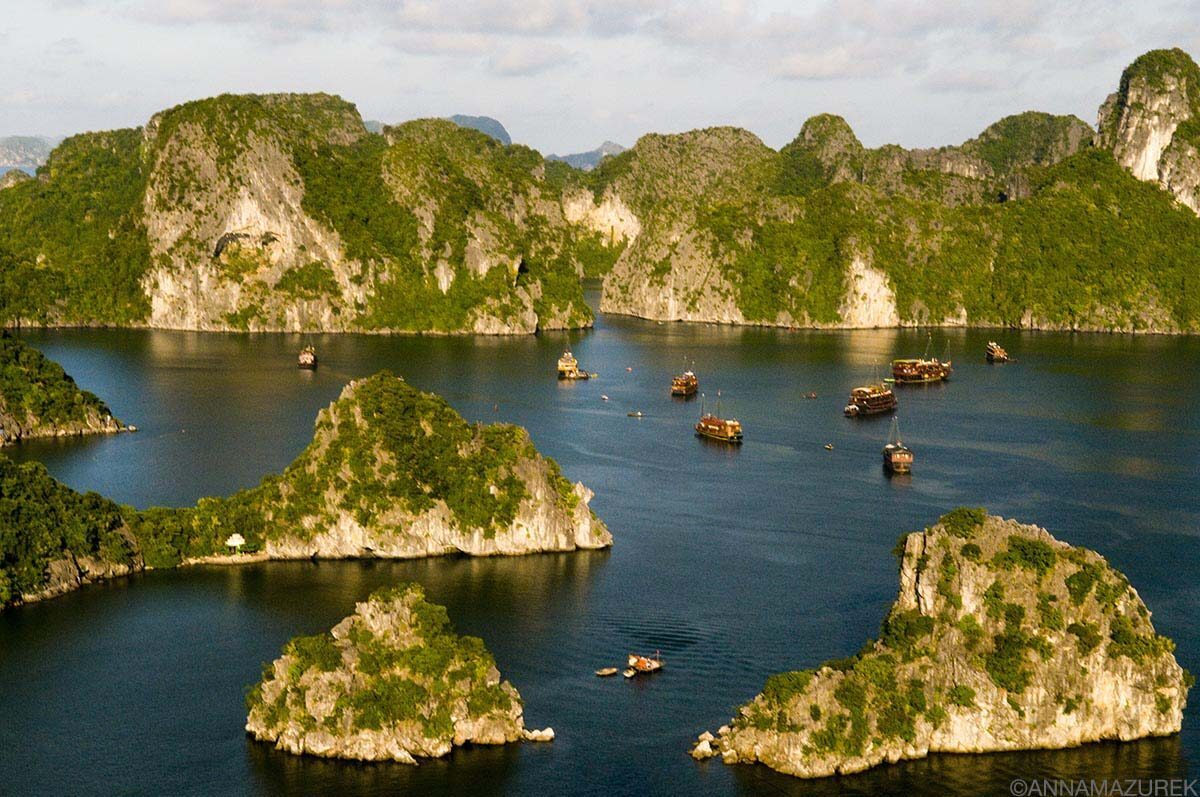
The US-Vietnam War history is palpable and fascinating , the War Remnants Museum in Ho Chi Minh City and the DMZ near Hue provide powerful historical perspective. Ha Long Bay overnight cruise is one of Southeast Asia's most iconic experiences , book through reputable operators for quality boats. Hoi An's preserved Ancient Town (lantern festival every full moon) is UNESCO-listed and exceptionally photogenic. Sapa's rice terraces and hill tribe villages are spectacular, especially in harvest season (September-November). Ba Na Hills near Da Nang features a French village and the famous Golden Bridge held up by giant stone hands.
Frequently Asked Questions
Do US citizens need a visa to visit Vietnam?
Yes, US citizens need a visa to visit Vietnam for any length of stay. The easiest option is the e-Visa, available through the official government website (evisa.xuatnhapcanh.gov.vn). The e-Visa costs $25 USD, allows single entry for up to 30 days, and can be used at major airports and border crossings. Processing takes about 3 working days. Alternatively, you can apply for a visa at a Vietnamese embassy or consulate for longer stays or multiple entries. Visa on arrival is possible but requires a pre-arranged approval letter.
Do US citizens need a visa for Vietnam?
Yes. US citizens need to apply for a Vietnam e-Visa ($25 USD) online at evisa.immigration.gov.vn before arrival. Processing takes about 3 business days. The e-Visa allows up to 90 days in Vietnam.
What are the different Vietnam visa options available?
US citizens have several visa options: the e-Visa ($25, single entry, 30 days maximum, processed online in about 3 days); embassy/consulate visa (allows longer stays and multiple entries, more paperwork); and visa on arrival (requires pre-arranged approval letter from a Vietnamese travel agency, additional stamping fee at airport). For most tourists, the e-Visa is the simplest choice. Business visas, work permits, and longer-term visas require sponsorship and additional documentation. Check the latest requirements as Vietnam occasionally updates its visa policies.
Is Vietnam safe for American tourists?
Yes. Vietnam is generally very safe for tourists. Petty theft (bag snatching from motorbikes) occurs in cities like Ho Chi Minh City and Hanoi — carry bags on the inside away from traffic. Traffic is chaotic; pedestrians must cross roads assertively with steady pace and eye contact. The country is politically stable.
Is Vietnam safe for American tourists?
Vietnam is considered one of the safest countries in Southeast Asia for tourists. Violent crime against visitors is rare. The main concerns are petty theft (pickpocketing, bag snatching), traffic safety (crossing streets in major cities requires patience and confidence), and scams targeting tourists (overcharging, counterfeit goods). Traffic is chaotic but locals are experienced at navigating around pedestrians. Use reputable transportation and tour services. Keep valuables secure and be vigilant in crowded tourist areas. Most Vietnamese people are friendly and welcoming to American visitors.
Is it awkward for Americans to visit Vietnam given the war history?
Most Americans find Vietnam welcoming and forward-looking. The Vietnamese have largely moved on from the war era and are genuinely hospitable to American tourists. The war history is acknowledged and soberly presented at museums, but it does not define daily interactions. Many Vietnamese young people are actually very curious about the US.
What currency should I use in Vietnam and how do I get cash?
The Vietnamese Dong (VND) is the official currency. While some tourist establishments accept US dollars, you'll get better rates and more flexibility using dong. ATMs are widely available in cities and tourist areas, accepting international cards (fees vary). Notify your bank before traveling. Major credit cards are accepted at hotels, upscale restaurants, and larger shops, but cash is essential for smaller establishments, street food, and markets. Exchange rates at banks and authorized exchange offices are usually fair. Avoid black market money changers. Carry small denominations for daily purchases.