Venezuela Visa RequirementsFor United States passport holders
US citizens do not require a visa to visit Venezuela and may stay up to 90 days. However, the US State Department has issued a Level 4 "Do Not Travel" advisory for Venezuela due to crime, civil unrest, arbitrary detention, and the risk of wrongful arrest.
Great news! United States passport holders can enter Venezuela without a visa for tourism or business purposes. You can stay up to 90 days.
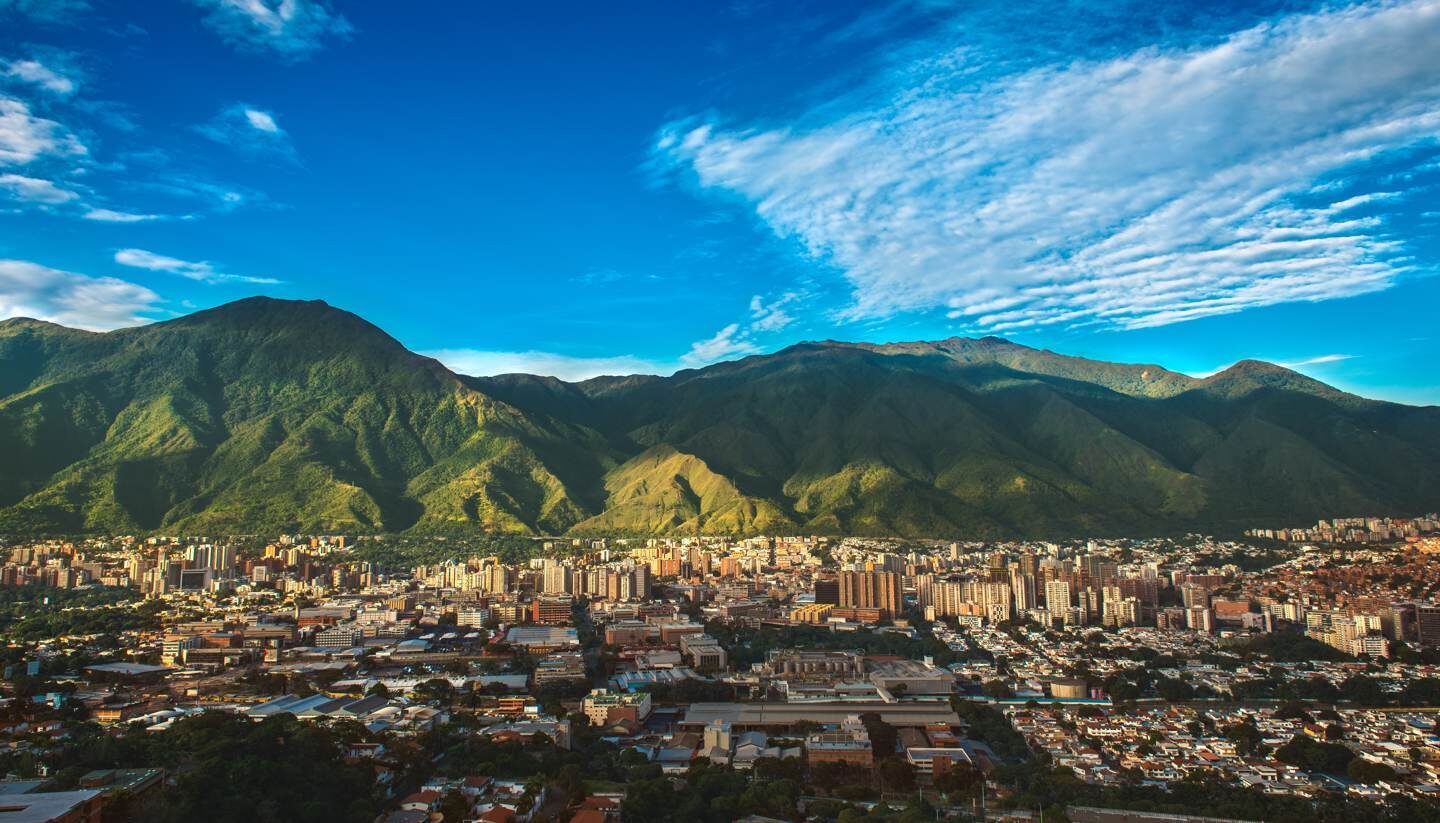
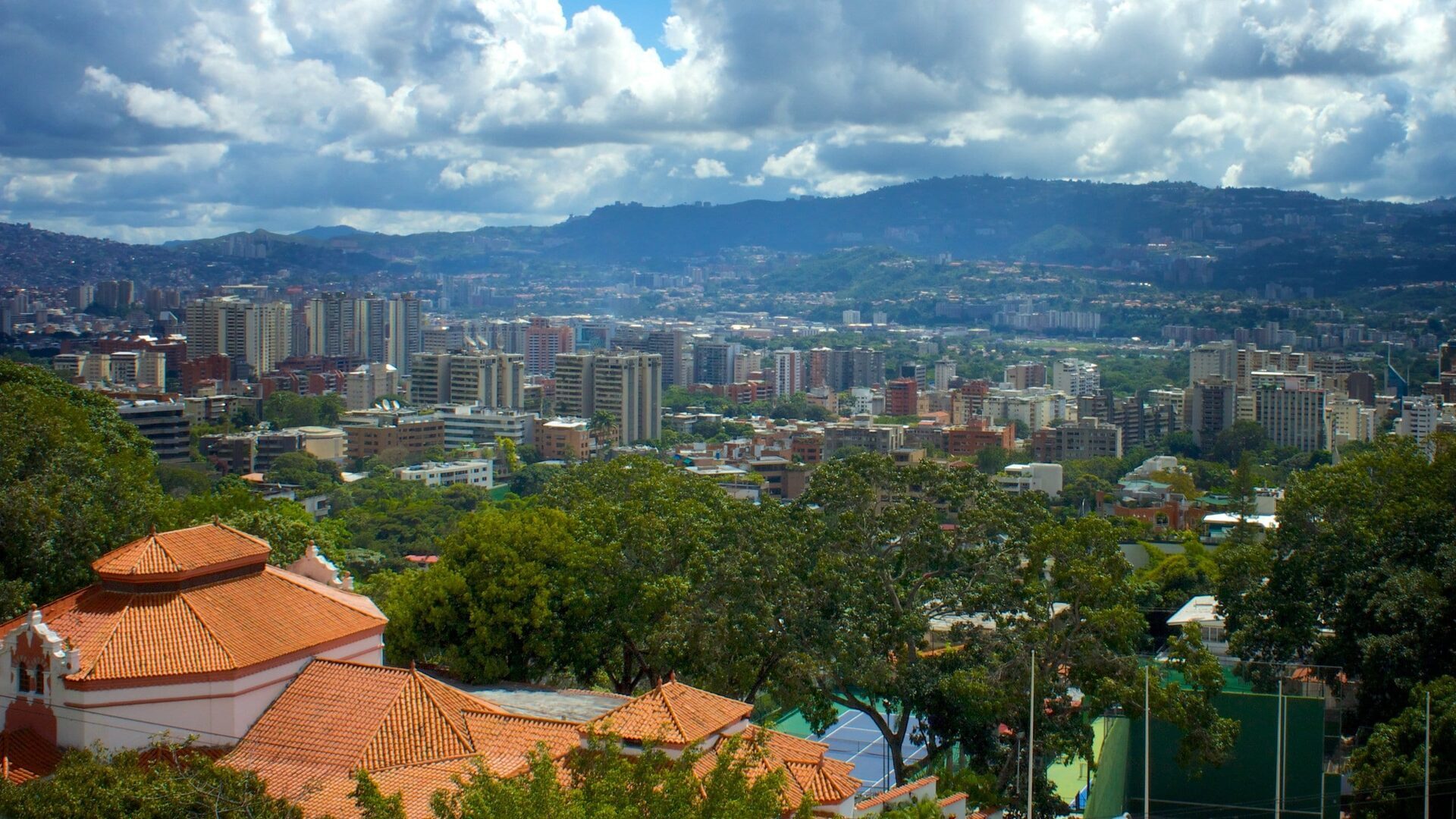
US citizens do not technically need a visa to enter Venezuela for up to 90 days. However, entry is currently very difficult; no US airlines operate direct flights to Venezuela, and the US Embassy in Caracas is closed (the Swiss Embassy handles limited US citizen services). If entry is absolutely necessary, contact the US Embassy in Bogota (Colombia) or Port of Spain (Trinidad) for pre-travel guidance. The Simon Bolivar International Airport (CCS) near Caracas operates limited international flights.
Entry Requirements
Passport Validity
6 months beyond date of entry
Blank Pages
1 blank page required
Multiple Entry
Allowed
Work Permitted
No - requires work visa
Entry Conditions
Passport valid for at least 6 months. Return ticket. Proof of accommodation. Yellow fever certificate required.
Fines and potential detention.
Required Documents
Valid US Passport
Must be valid for at least 3-6 months beyond your planned departure date (varies by country)
Return or Onward Ticket
Proof of departure from the country, such as a return flight or onward travel booking
Proof of Accommodation Recommended
Hotel reservation, Airbnb booking, or address where you will be staying
Proof of Sufficient Funds Recommended
Credit cards, bank statements, or cash to cover expenses during your stay
Travel Insurance Recommended
Recommended for all international travel covering medical emergencies
Travel Essentials
Health & Safety
Safety Rating
Vaccinations
Hepatitis A and B, Typhoid, Yellow Fever, Rabies, Malaria prophylaxis.
Tap Water
Bottled water recommended
Safety Tips
EXTREME CAUTION: The US State Department has a Level 4 (Do Not Travel) advisory for Venezuela. Violent crime, civil unrest, kidnapping, arbitrary arrest, poor medical care, and shortages of food, medicine, and fuel create dangerous conditions.
Money & Costs
Currency
Bs Venezuelan Bolívar (VES)
Daily Budget (USD)
Budget: $30 · Mid: $60 · Luxury: $150+
Tipping
Tipping 10% is customary when possible.
Practical Info
Power
Type Type A/B, 120V, 60Hz
Driving
Right side
Emergency
171 (police), 171 (ambulance)
Getting There
Main Airports
Caracas (CCS)
Culture & Travel Tips
Best Time to Visit
Venezuela has diverse climates due to its geography spanning Caribbean coast, Andes mountains, and Amazon jungle. The dry season (December-April) is generally best for most regions, with clearer skies for Angel Falls and comfortable conditions for hiking. The rainy season (May-November) makes Angel Falls more spectacular but trails muddy. Los Roques archipelago is best December-July. Merida and the Andes are pleasant year-round but can be cold at altitude. IMPORTANT: Due to the ongoing economic and political crisis, Venezuela is experiencing severe instability, crime, and shortages. Most governments advise against travel. Check current advisories carefully before any consideration of visiting.
Cultural Notes
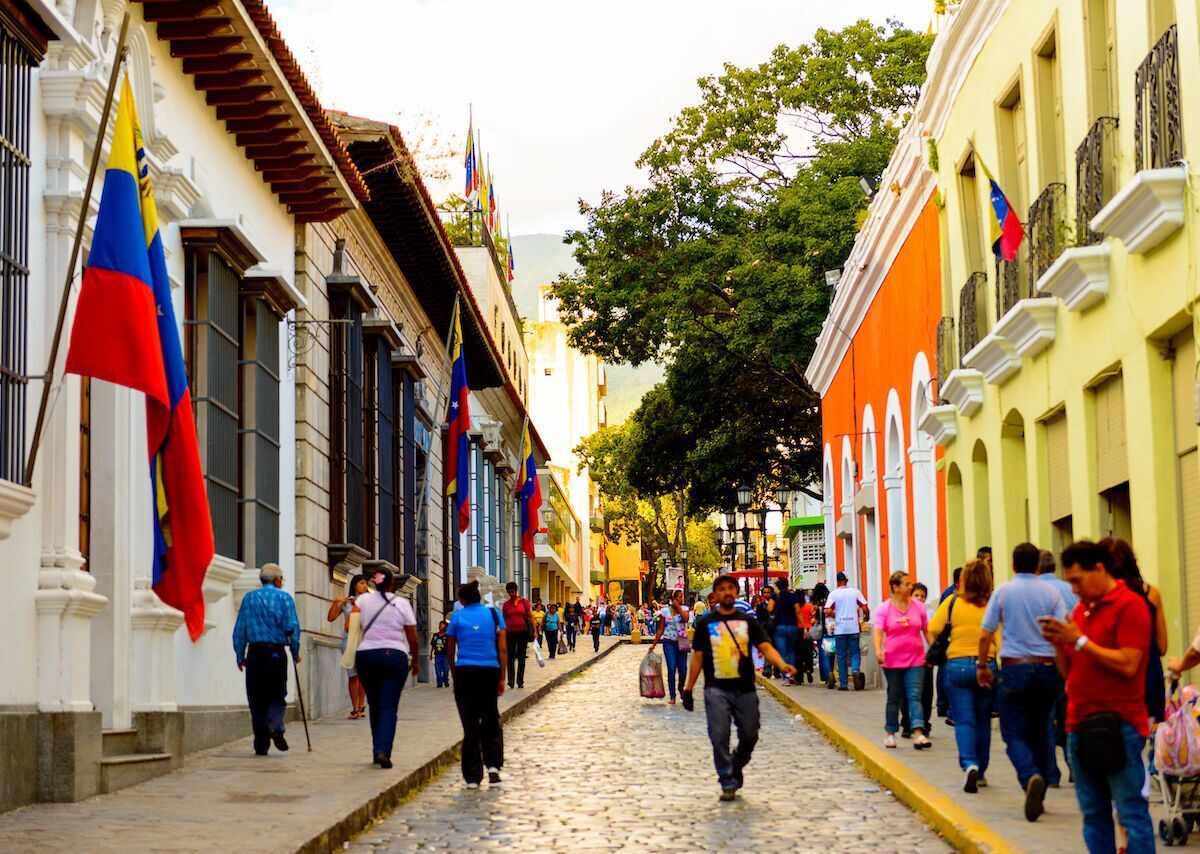
Venezuelan culture blends Spanish colonial heritage, African influences, and indigenous traditions. Venezuelans are traditionally known for warmth, humor, and love of beauty - the country has won more international beauty pageants than any other. Music genres like joropo (traditional) and reggaeton (modern) reflect this vibrancy. Baseball, not soccer, is the national sport. Arepas (corn cakes) are the staple food. The current crisis has tragically impacted this rich culture - millions have fled the country, and those remaining face daily hardships. The political situation remains deeply polarized between government supporters and opposition. Hugo Chavezs legacy and the Maduro governments policies continue to shape national discourse. The Venezuelan diaspora has spread throughout Latin America and beyond.
Insider Tips
WARNING: Venezuela is currently experiencing a severe humanitarian and security crisis. Hyperinflation, food and medicine shortages, crime, and political instability make travel extremely challenging and potentially dangerous. Most embassies have limited ability to assist citizens in emergencies. If travel is essential, carry multiple currencies (US dollars essential), be extremely security-conscious, and have robust travel insurance with evacuation coverage. For historical reference: Venezuela offers natural wonders including Angel Falls (worlds highest), Los Roques reefs, Canaima tepuis, and Merida cable car. Caracas was once South Americas most cosmopolitan city. The bolivar currency has experienced unprecedented inflation.
Current Travel Situation
United States to Venezuela: What You Need to Know
Venezuela has been in severe economic and political crisis since approximately 2014 under the governments of Hugo Chavez and Nicolas Maduro. The country has experienced hyperinflation, shortages of food and medicine, the collapse of public services, and mass emigration: over 7 million Venezuelans have fled since 2015. The US and Venezuelan governments severed full diplomatic relations in 2019. Crime rates are among the highest in the world, including kidnappings, armed robbery, and carjacking. US citizens in Venezuela face significant risk of wrongful detention and have very limited access to consular assistance given the absence of a US Embassy in Caracas.
How to Get There
Direct access from the US is not available via US carriers. Limited connections exist from Panama City (Copa Airlines), Bogota, Lima, and a few European and Caribbean cities. The Caracas airport has experienced significant security and service issues. The Colombian land border at Cucuta-San Antonio del Tachira has been periodically opened and closed.
Money & Banking
Venezuela uses the Venezuelan Bolivar (VES), though USD has become widely used in practice due to chronic devaluation. USD is often preferred in Caracas and tourist areas. ATMs and banking infrastructure are unreliable. Financial planning for any Venezuela travel is extremely complex. Bring sufficient USD cash.
Practical Tips
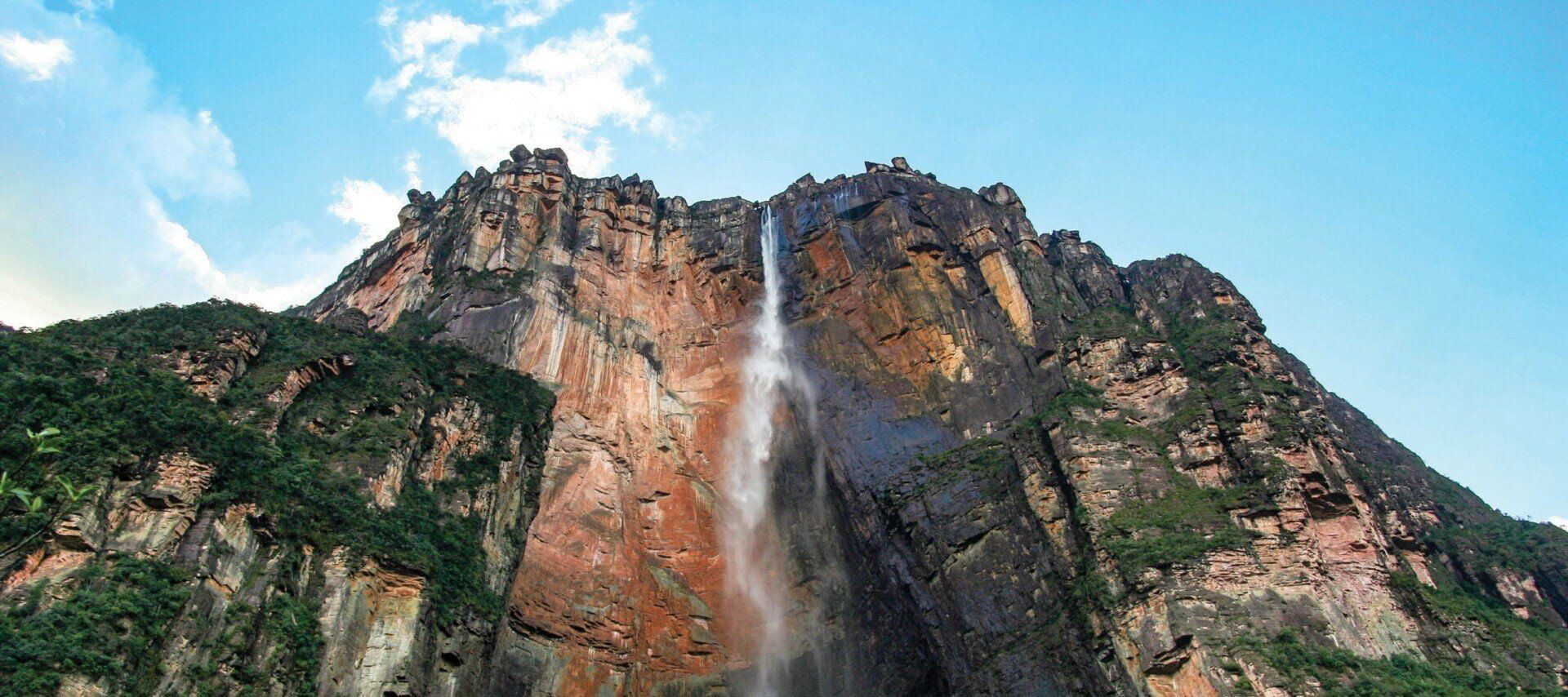
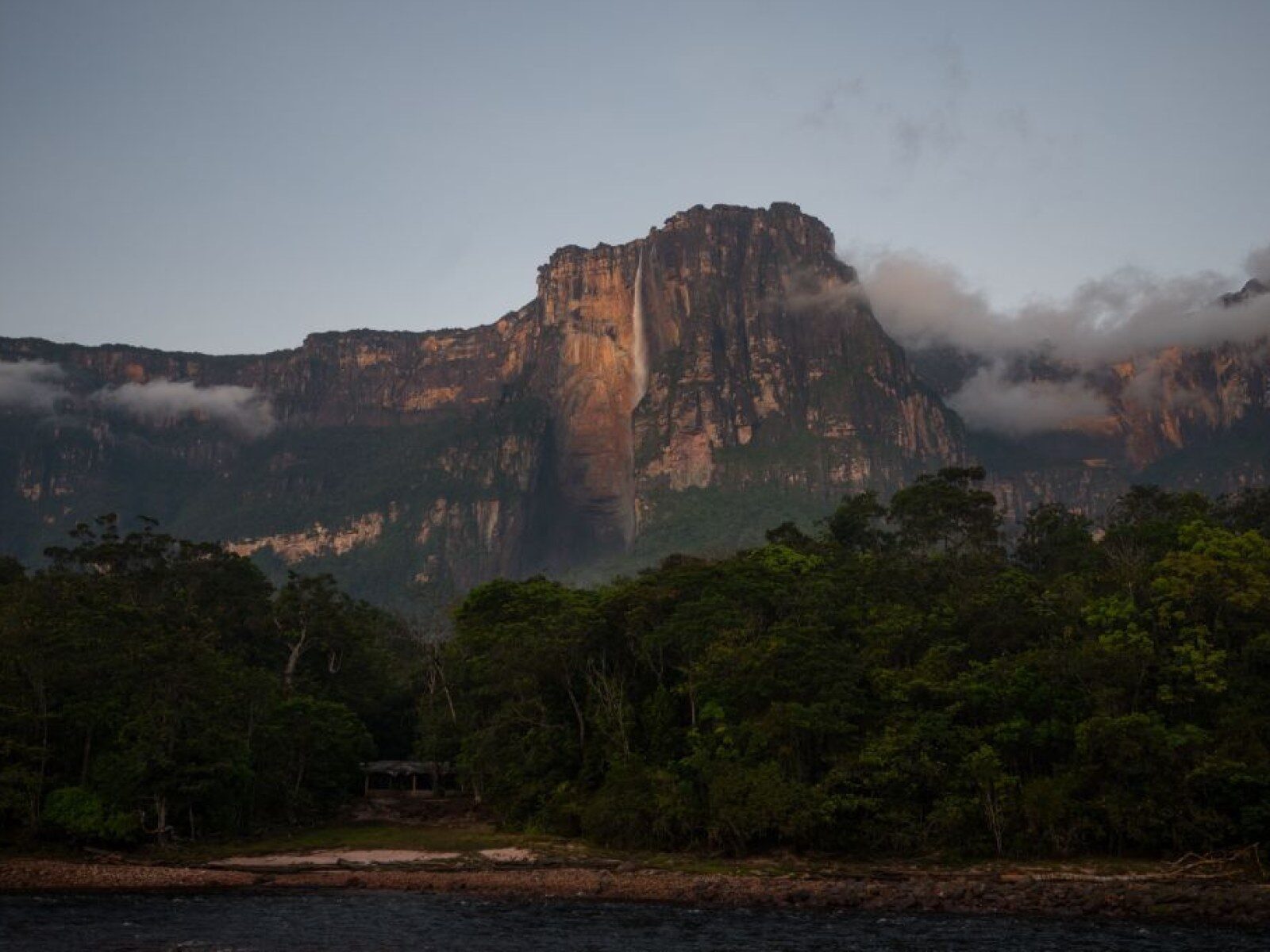
The US State Department strongly advises against all travel to Venezuela. Americans in Venezuela should depart immediately if it is safe to do so. If you must travel: there is no US Embassy in Venezuela; the Swiss Embassy provides limited services. Register with the nearest US Embassy (Bogota or Port of Spain) before travel via STEP. Avoid flaunting valuables, using street ATMs, or traveling at night. Angel Falls (Salto Angel, the world's highest waterfall) and Canaima National Park are Venezuela's iconic natural attractions, but accessing them safely in the current environment is extremely difficult.
Frequently Asked Questions
Is Venezuela safe for Americans right now?
No. The US State Department has issued a Level 4 "Do Not Travel" advisory for Venezuela. The country has extremely high crime rates, a risk of arbitrary detention of Americans, and no US Embassy in Caracas. Travel is strongly discouraged. Americans currently in Venezuela should leave if it is safe to do so.
Is there a US Embassy in Venezuela?
No. The US and Venezuela suspended full diplomatic relations in 2019. The US Embassy in Caracas is closed. For US citizen services, the Swiss Embassy in Caracas handles some consular functions on behalf of the US. In emergencies, contact the US Embassy in Bogota (Colombia) or Port of Spain (Trinidad and Tobago).
Can I visit Angel Falls in Venezuela?
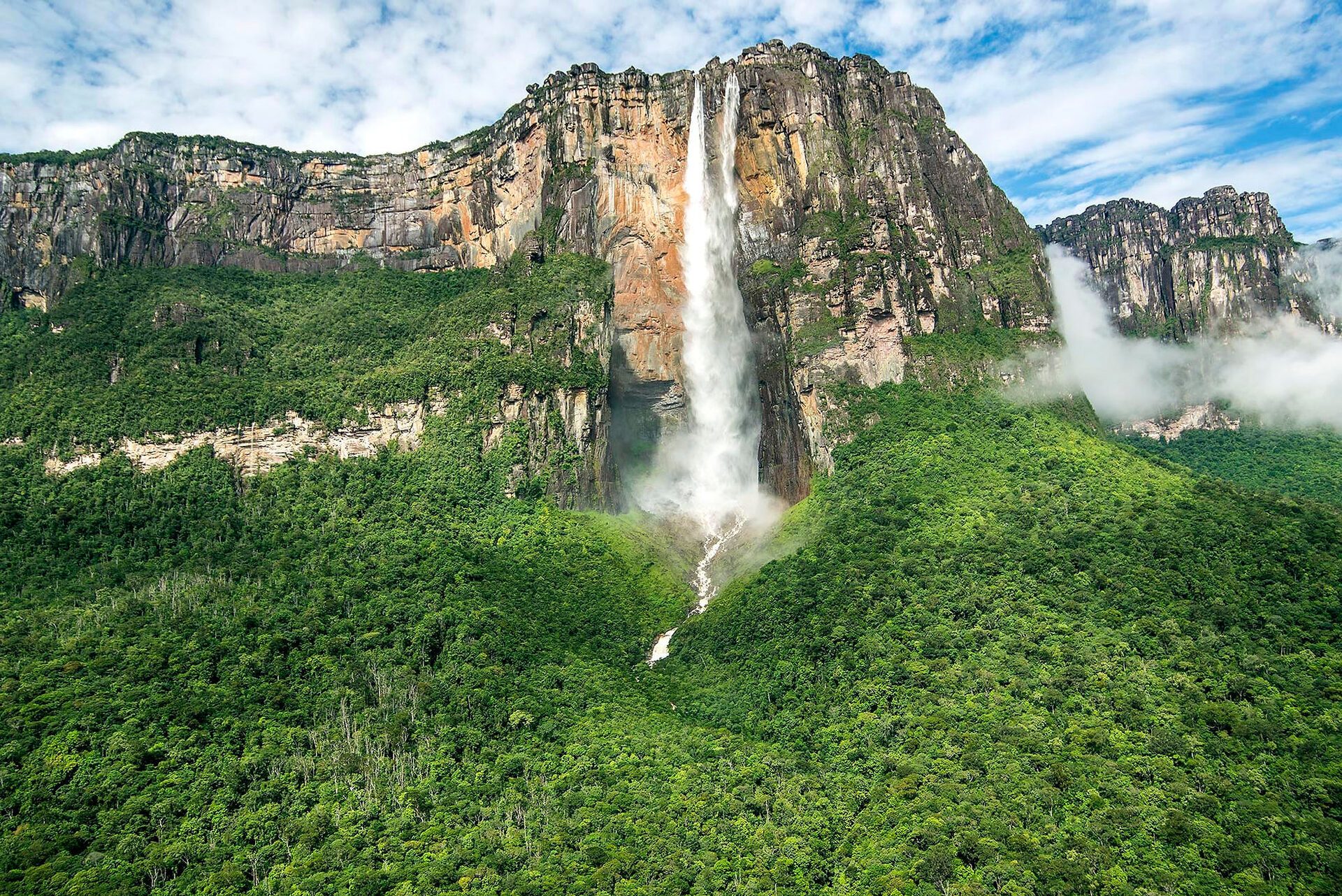
Angel Falls (Salto Angel) is the world's highest uninterrupted waterfall (979 meters) and is in Canaima National Park, accessible only by small plane or multi-day river/trekking expedition from Ciudad Bolivar. While it is one of South America's great natural wonders, reaching it safely in the current security environment is extremely difficult. The US government strongly advises against all travel to Venezuela.
Do US citizens need a visa to visit Venezuela?
US citizens can technically visit Venezuela for up to 90 days without a visa. HOWEVER, the US State Department has issued a Level 4 "Do Not Travel" advisory for Venezuela due to crime, civil unrest, kidnapping, and arbitrary arrest of US citizens. The US Embassy in Caracas has severely limited ability to assist US citizens. Travel to Venezuela is STRONGLY DISCOURAGED regardless of visa requirements.
Is it safe to visit Venezuela?
NO. Venezuela is currently one of the most dangerous countries in the world for travelers. The ongoing political and economic crisis has created extreme conditions including violent crime, kidnapping (including express kidnapping), civil unrest, severe shortages of food and medicine, poor medical facilities, and arbitrary detention. US Embassy services are extremely limited. If you are already in Venezuela, the State Department recommends departure. This situation has persisted for years with no improvement in sight.
What would Venezuela offer tourists under normal conditions?
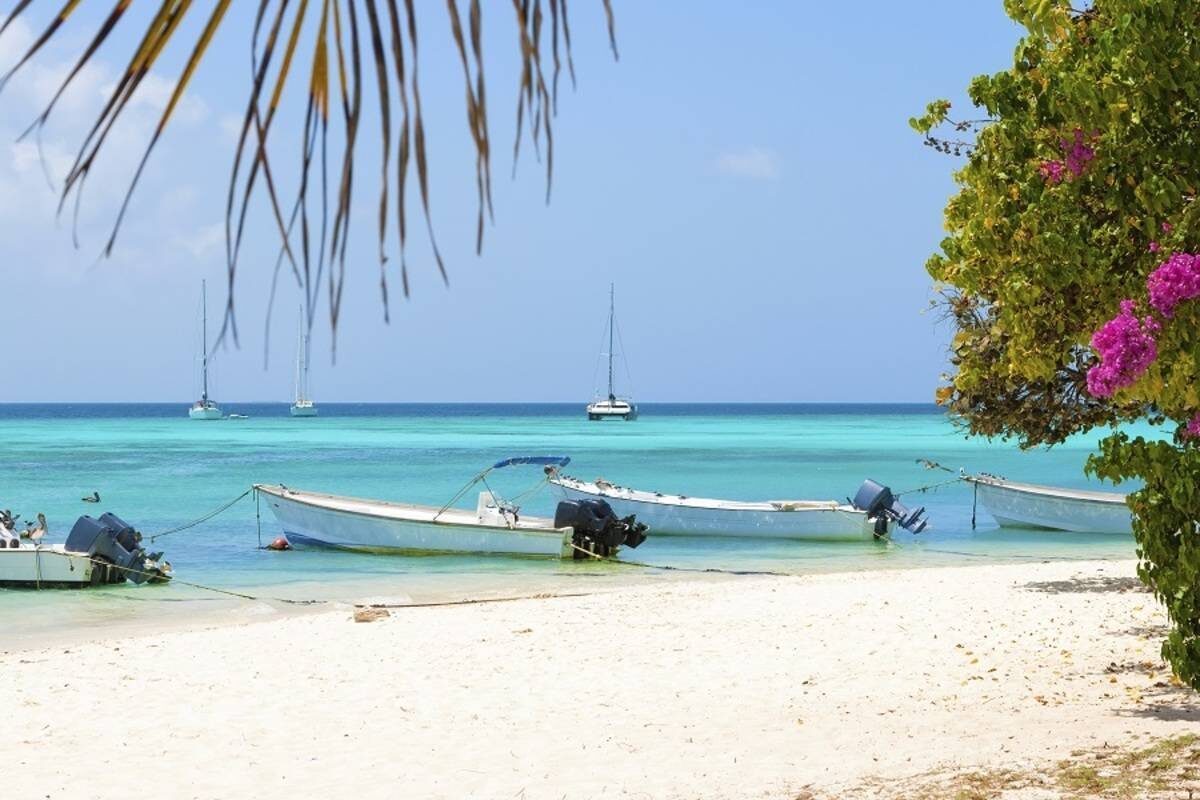
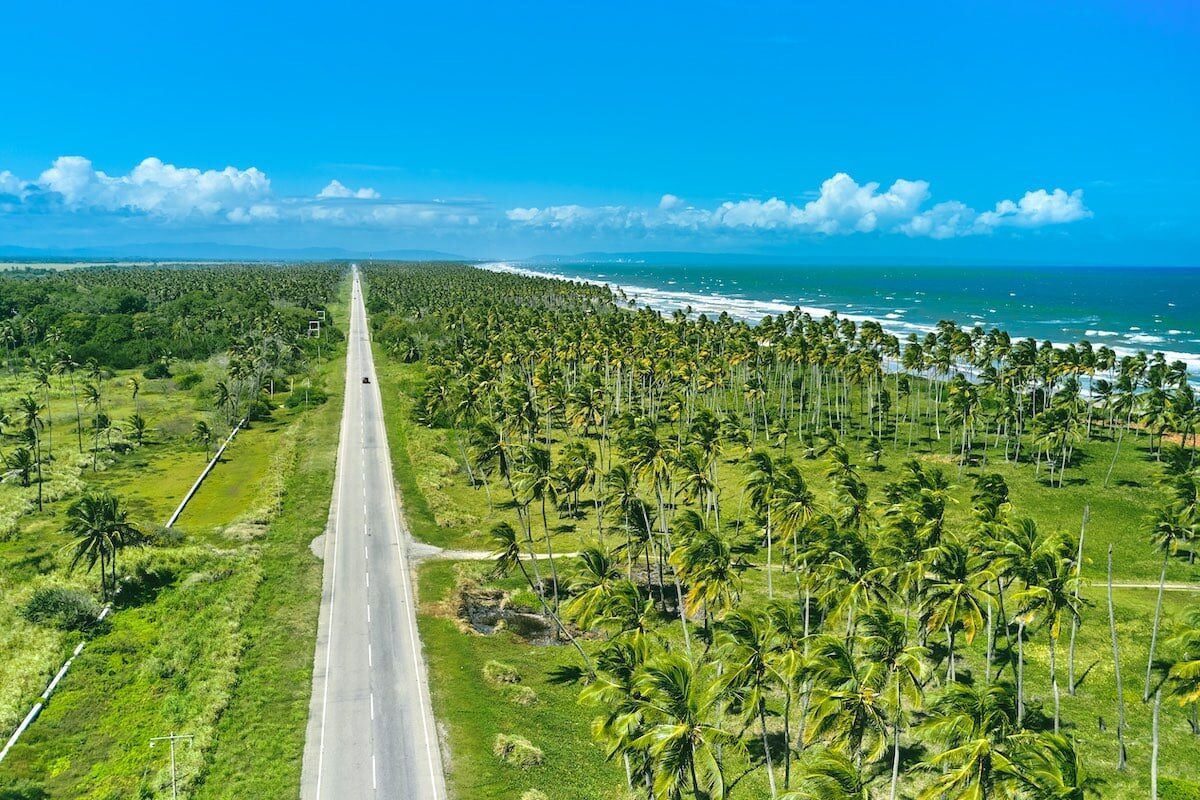
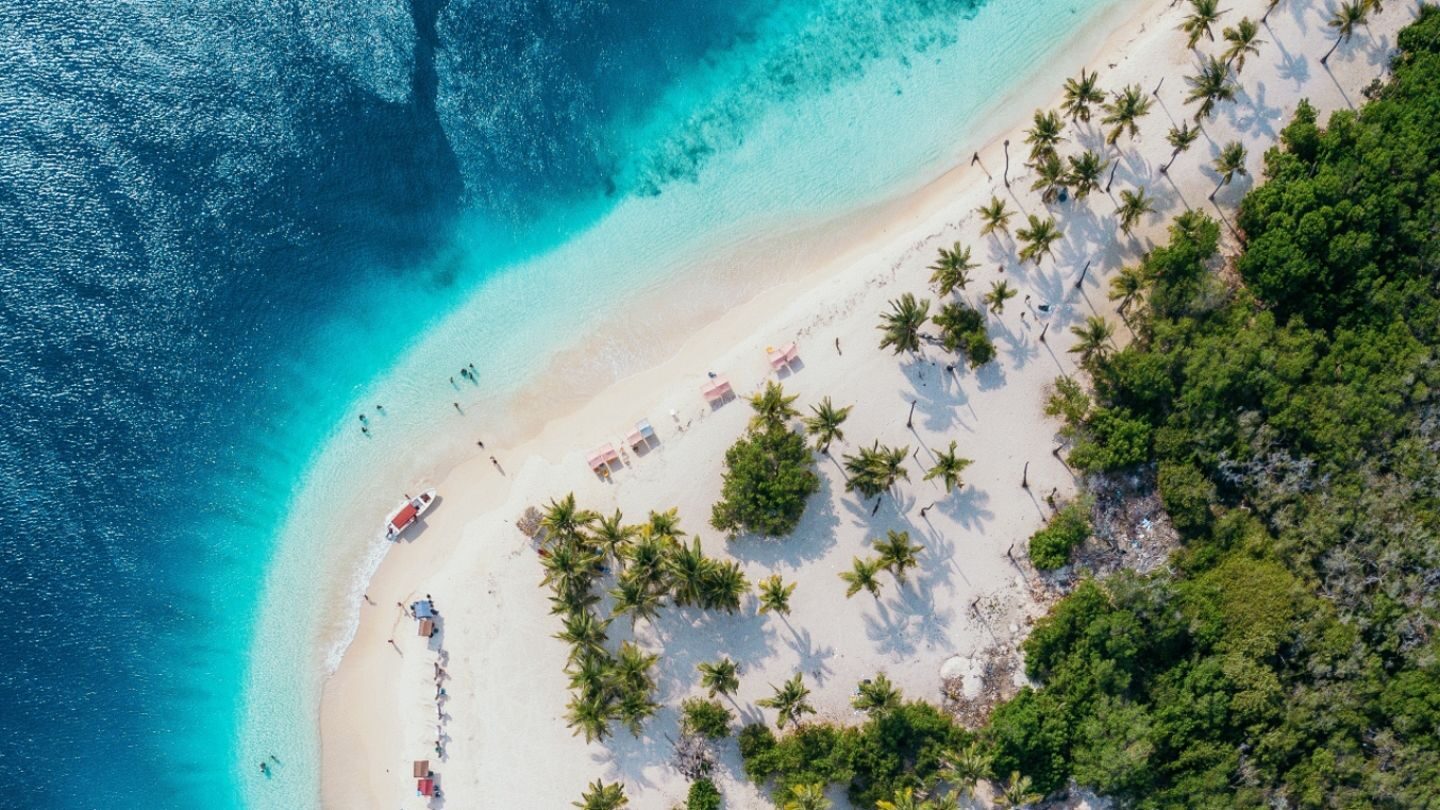
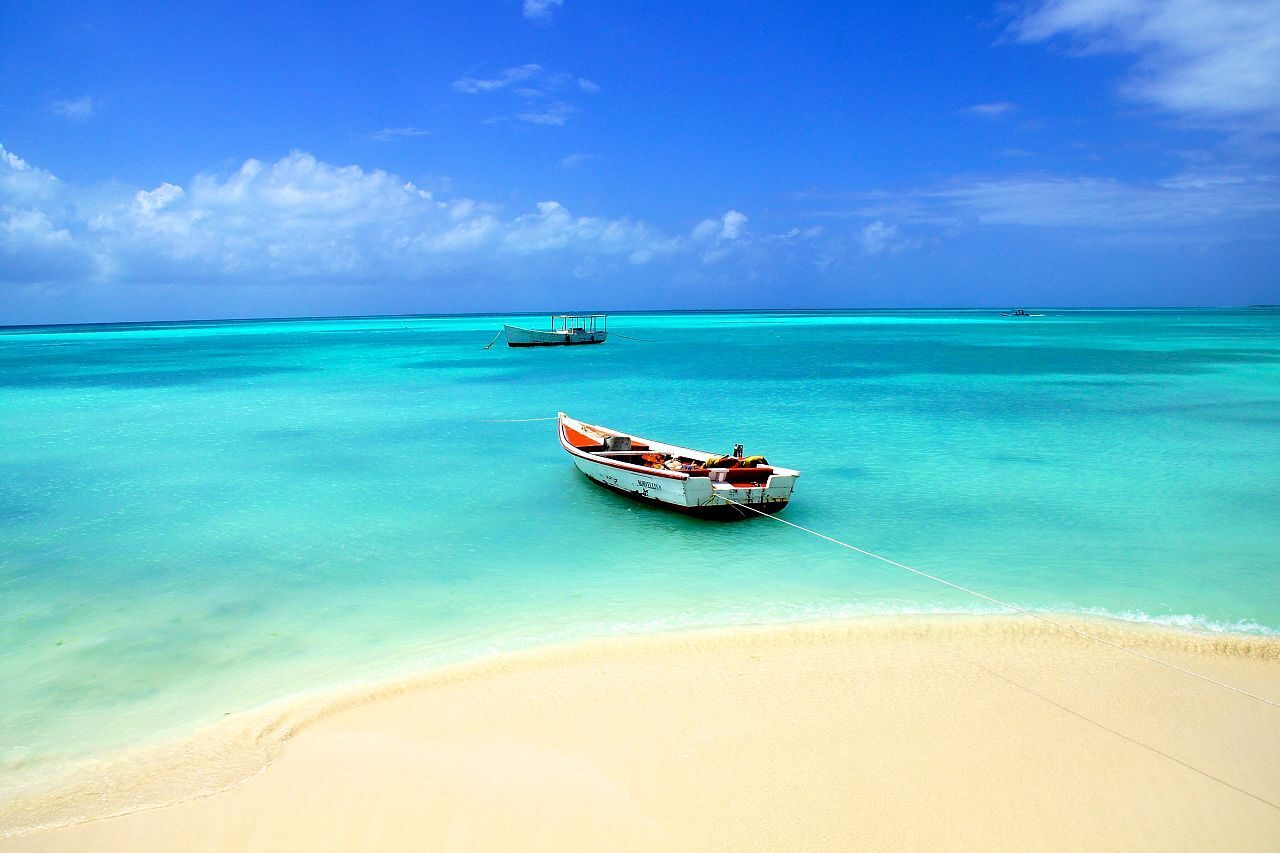
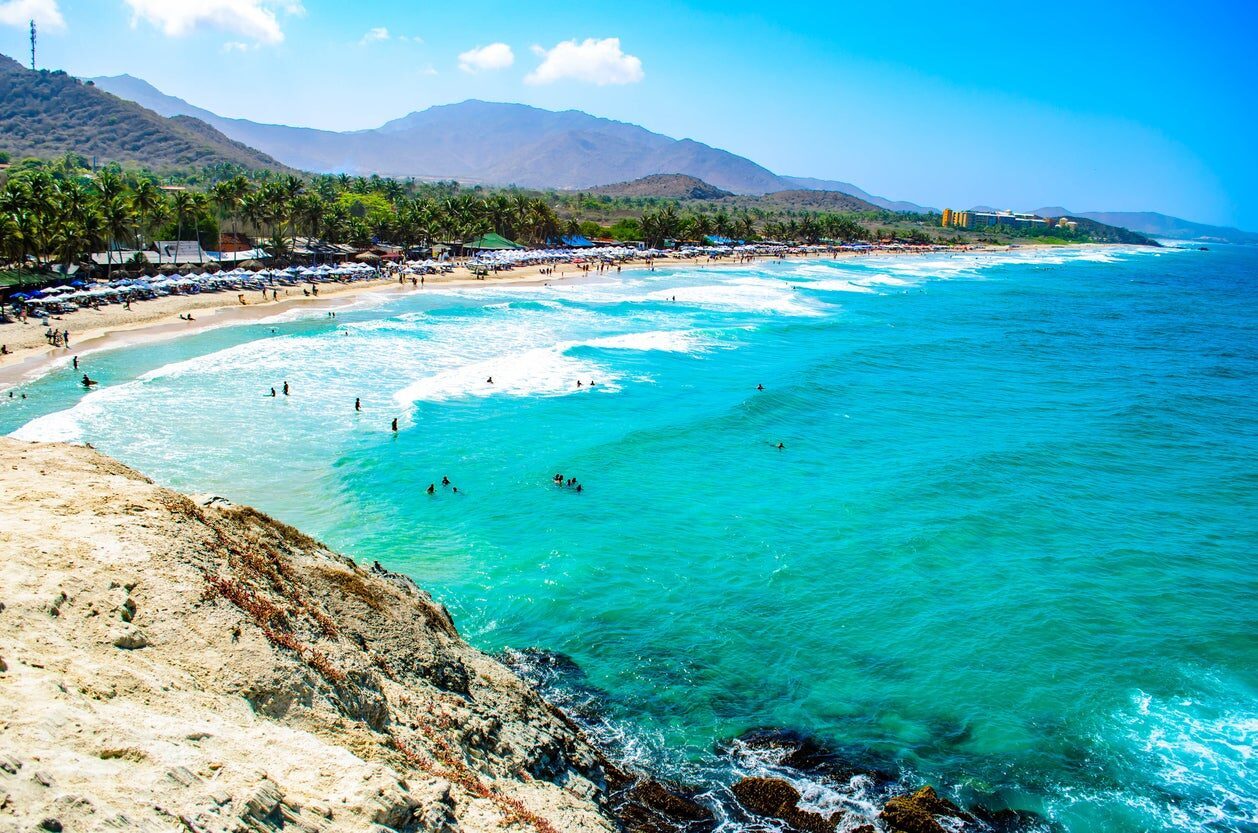
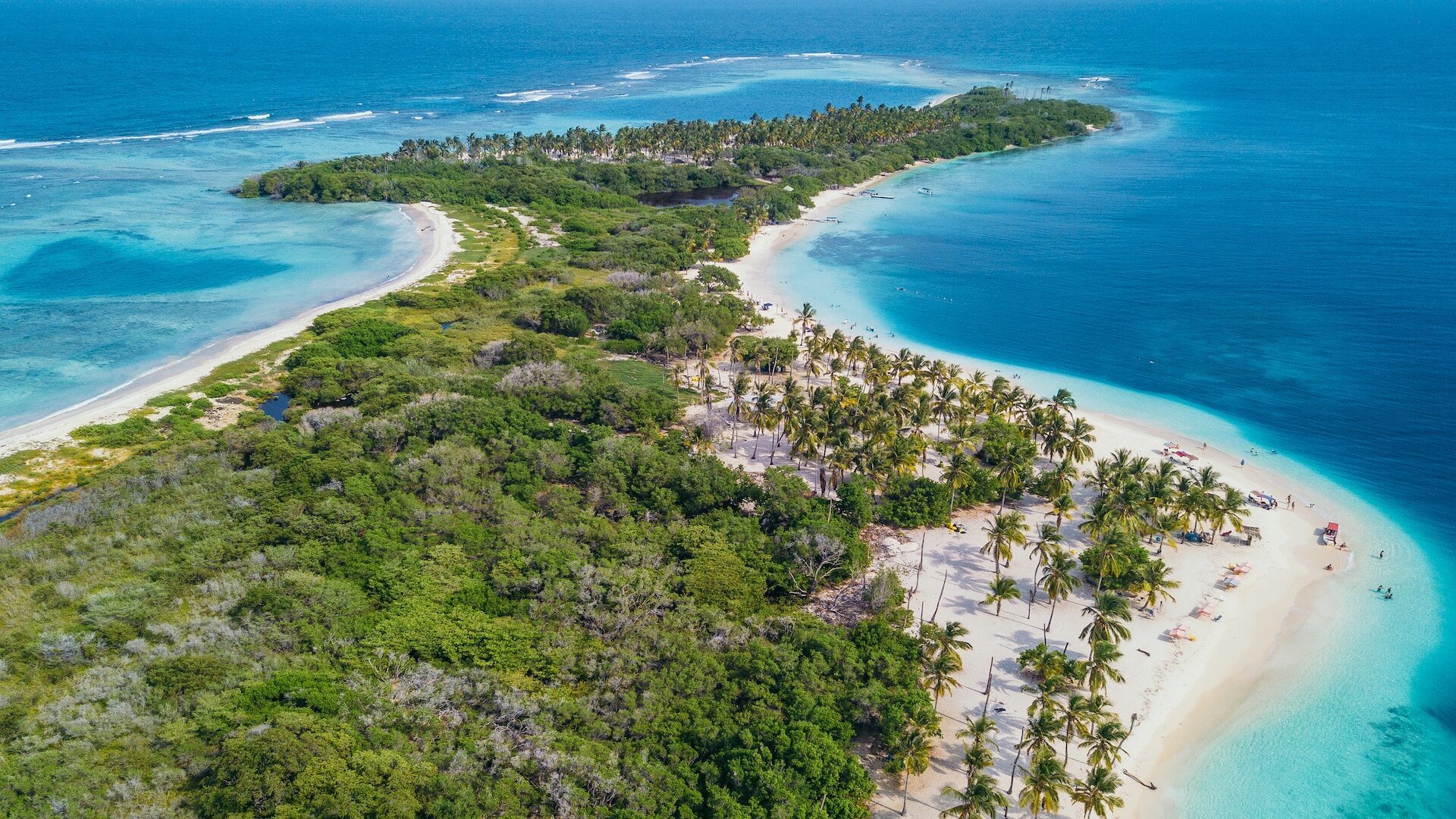
Venezuela has extraordinary natural attractions that once drew visitors: Angel Falls (the world's highest waterfall), the tepuis (flat-topped mountains) of Canaima National Park, Caribbean beaches on Margarita Island and Los Roques archipelago, the Andes mountains around Mérida, Amazon jungle, and the Orinoco Delta. The country has colonial architecture, vibrant culture, and beautiful landscapes. Sadly, the ongoing crisis has made tourism virtually impossible and irresponsible. Perhaps one day conditions will allow tourists to experience Venezuela's beauty again.