Vatican City Visa RequirementsFor United States passport holders
Vatican City is a sovereign state within Rome, Italy. US citizens can visit freely as part of visiting Rome: no visa, passport check, or entry fee to the country itself (though major attractions like the Vatican Museums and Sistine Chapel charge admission).
Great news! United States passport holders can enter Vatican City without a visa for tourism or business purposes. You can stay up to 1 days.
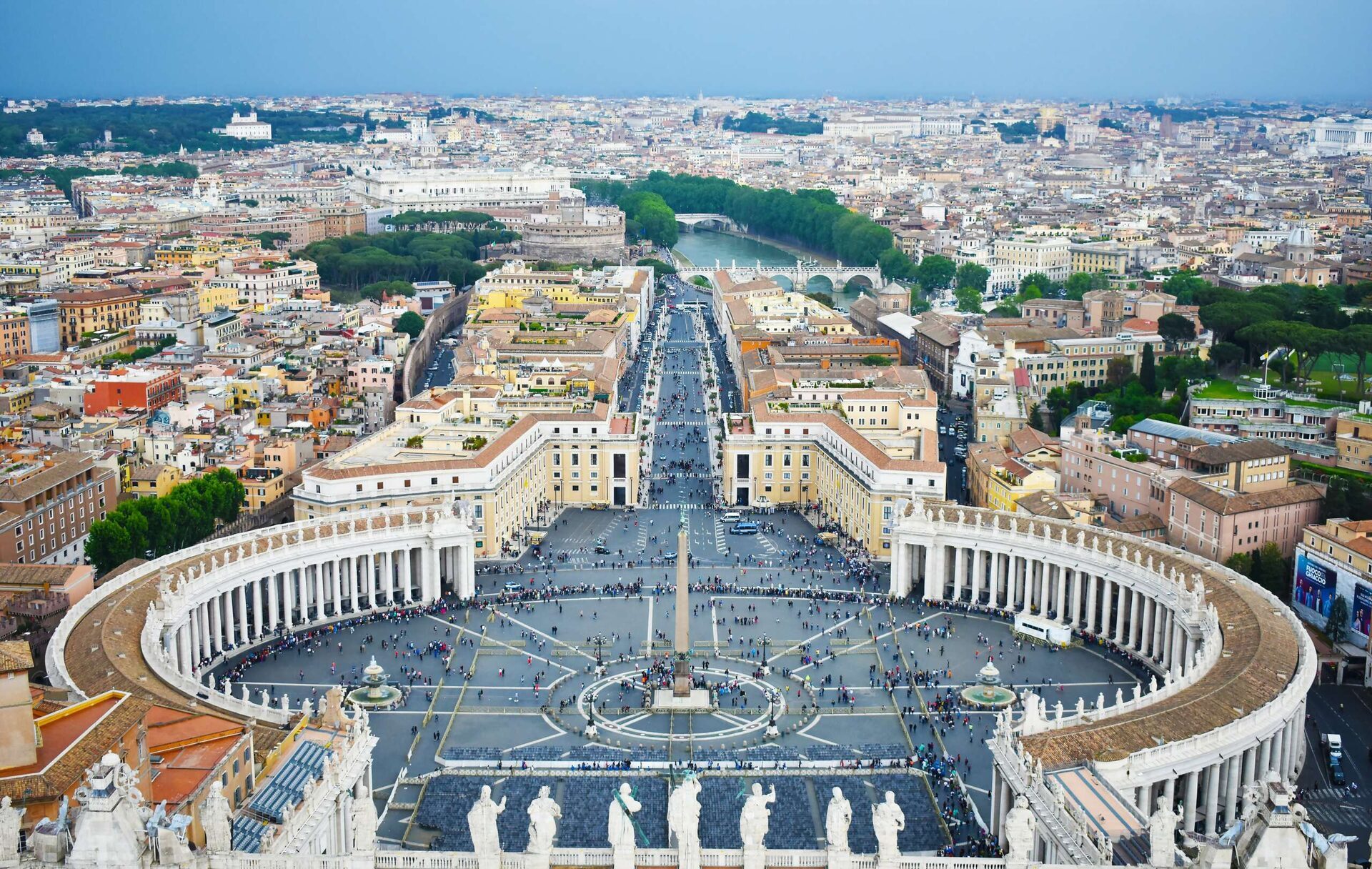
No visa or passport is required. Vatican City is accessed through Rome, Italy (Schengen) by walking through St. Peter's Square or the Vatican Museums entrance. Standard Schengen 90-day visa-free rules apply for US citizens entering Italy. No separate Vatican immigration exists.
Entry Requirements
Passport Validity
6 months beyond date of entry
Blank Pages
2 blank pages required
Multiple Entry
Single entry only
Work Permitted
No - requires work visa
Entry Conditions
No formal entry requirements. Modest dress required for religious sites.
Required Documents
Valid US Passport
Must be valid for at least 3-6 months beyond your planned departure date (varies by country)
Return or Onward Ticket
Proof of departure from the country, such as a return flight or onward travel booking
Proof of Accommodation Recommended
Hotel reservation, Airbnb booking, or address where you will be staying
Proof of Sufficient Funds Recommended
Credit cards, bank statements, or cash to cover expenses during your stay
Travel Insurance Recommended
Recommended for all international travel covering medical emergencies
Travel Essentials
Health & Safety
Safety Rating
Vaccinations
Routine.
Tap Water
Safe to drink
Safety Tips
Extremely safe. Watch for pickpockets in crowds.
Money & Costs
Currency
€ Euro (EUR)
Daily Budget (USD)
Budget: $30 · Mid: $50 · Luxury: $100+
Tipping
Not expected.
Practical Info
Power
Type C, F, L, 230V
Driving
Right side
Emergency
112
Getting There
Culture & Travel Tips
Best Time to Visit
Vatican City can be visited year-round, but timing significantly impacts your experience. The best times are early spring (March-May) and autumn (September-November) when weather is pleasant and crowds somewhat smaller. Summer brings intense heat and overwhelming tourist crowds, with wait times for St. Peters and the Vatican Museums stretching for hours. Winter offers shorter lines but some outdoor areas may be less pleasant. Papal audiences occur Wednesday mornings, and Easter and Christmas bring special ceremonies but massive crowds. Book Vatican Museums tickets well in advance regardless of season to skip the notoriously long lines.
Cultural Notes
Vatican City is the spiritual center of the Catholic Church and the seat of the Pope, drawing pilgrims and tourists alike. The tiny city-state is home to around 800 residents, most of them clergy, and has its own media, banking, and postal systems. The Swiss Guard, in their Renaissance uniforms, have protected the Pope since 1506. The art collection is one of worlds most important, including Michelangelos Sistine Chapel ceiling and works by Raphael, Caravaggio, and countless others. For believers, the Vatican holds profound spiritual significance; for art lovers, it is an unparalleled collection. Respectful behavior is expected throughout - this is an active place of worship as much as a tourist destination.
Insider Tips
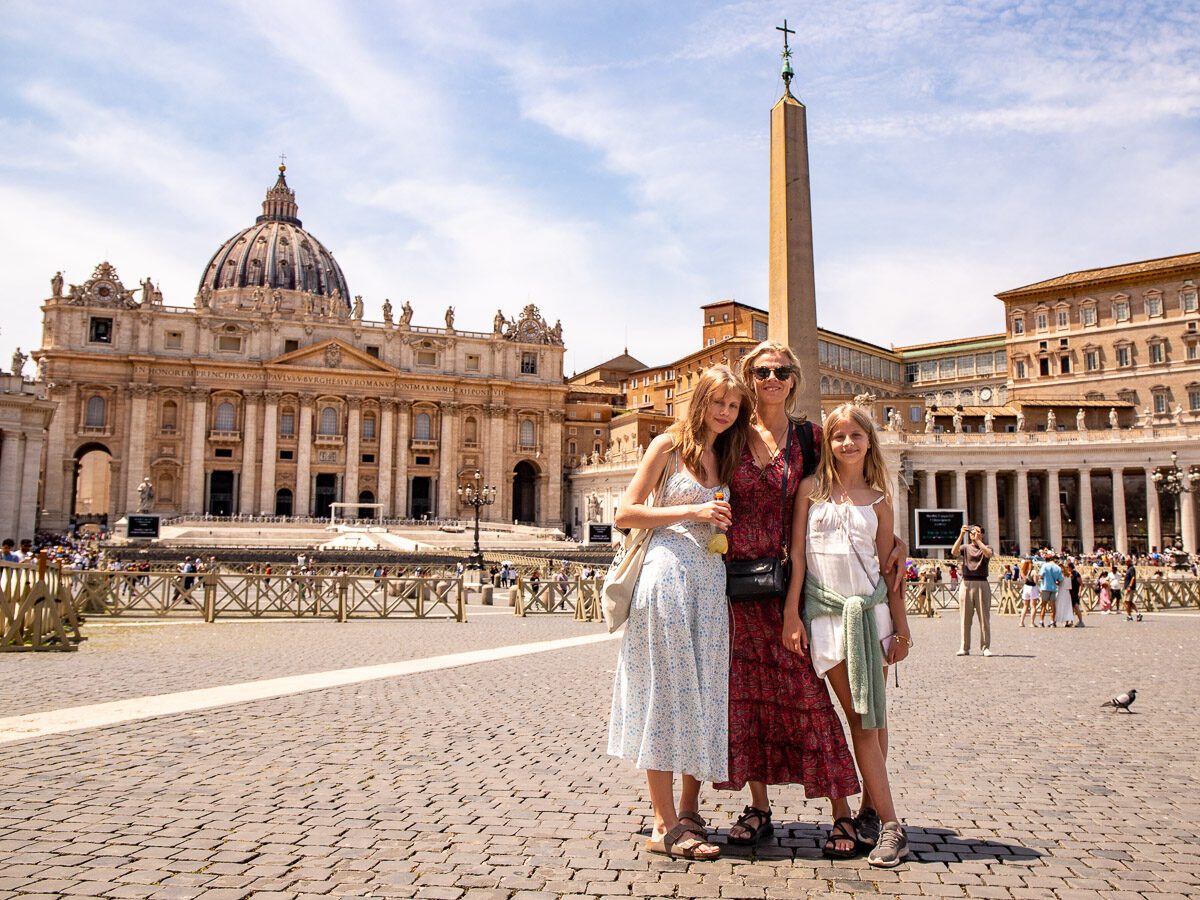
Vatican City is the worlds smallest country but contains some of humanitys greatest artistic treasures. The Vatican Museums and Sistine Chapel require advance booking - walk-up lines can exceed 3-4 hours in peak season. Early morning or late afternoon slots are less crowded. St. Peters Basilica is free but lines can be long; arrive at opening time. Dress code is strictly enforced: covered shoulders and knees required for both men and women. The dome climb offers spectacular views but involves 551 steps. St. Peters Square is always accessible. The Vatican has its own post office (popular for postmarked mail), pharmacy, and euro coins. Photography without flash is allowed in most areas but not in the Sistine Chapel.
Current Travel Situation
United States to Vatican City: What You Need to Know
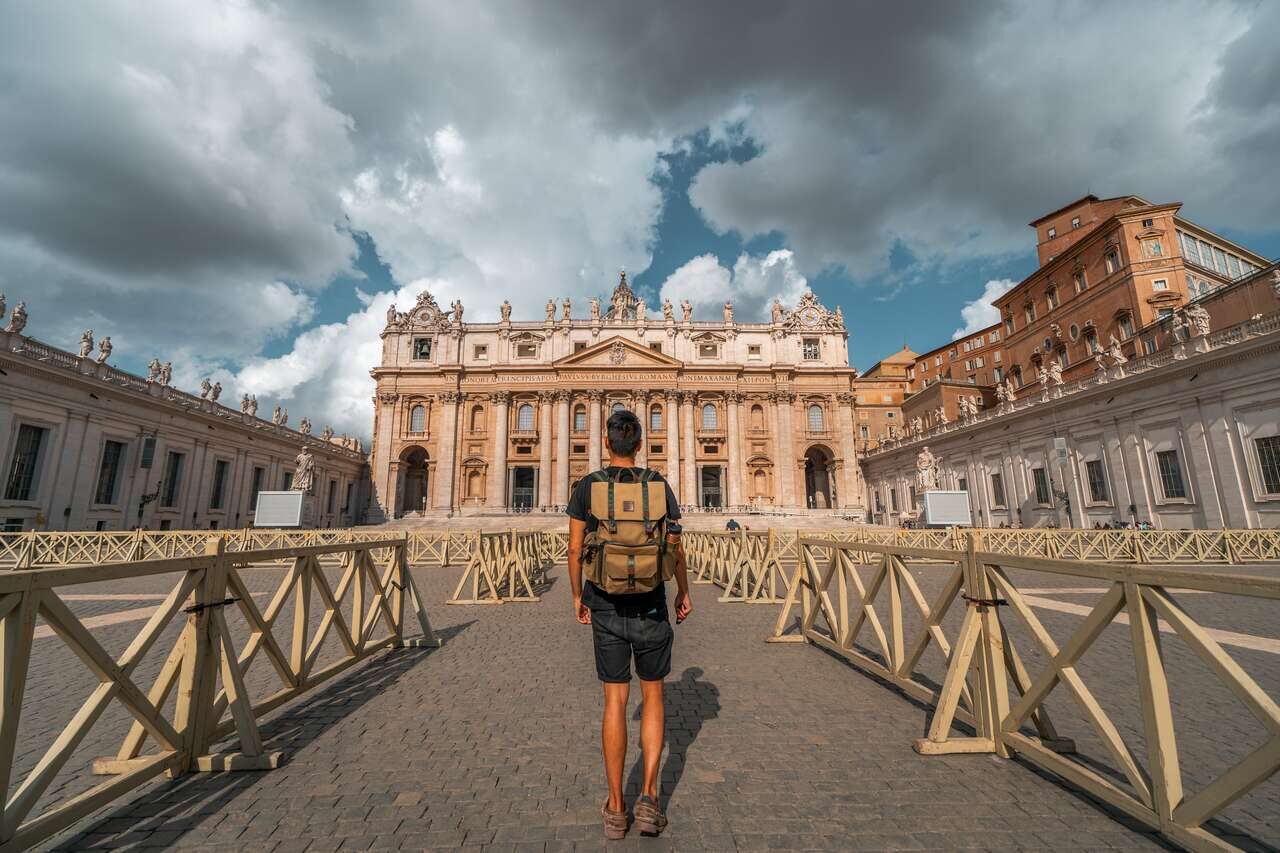
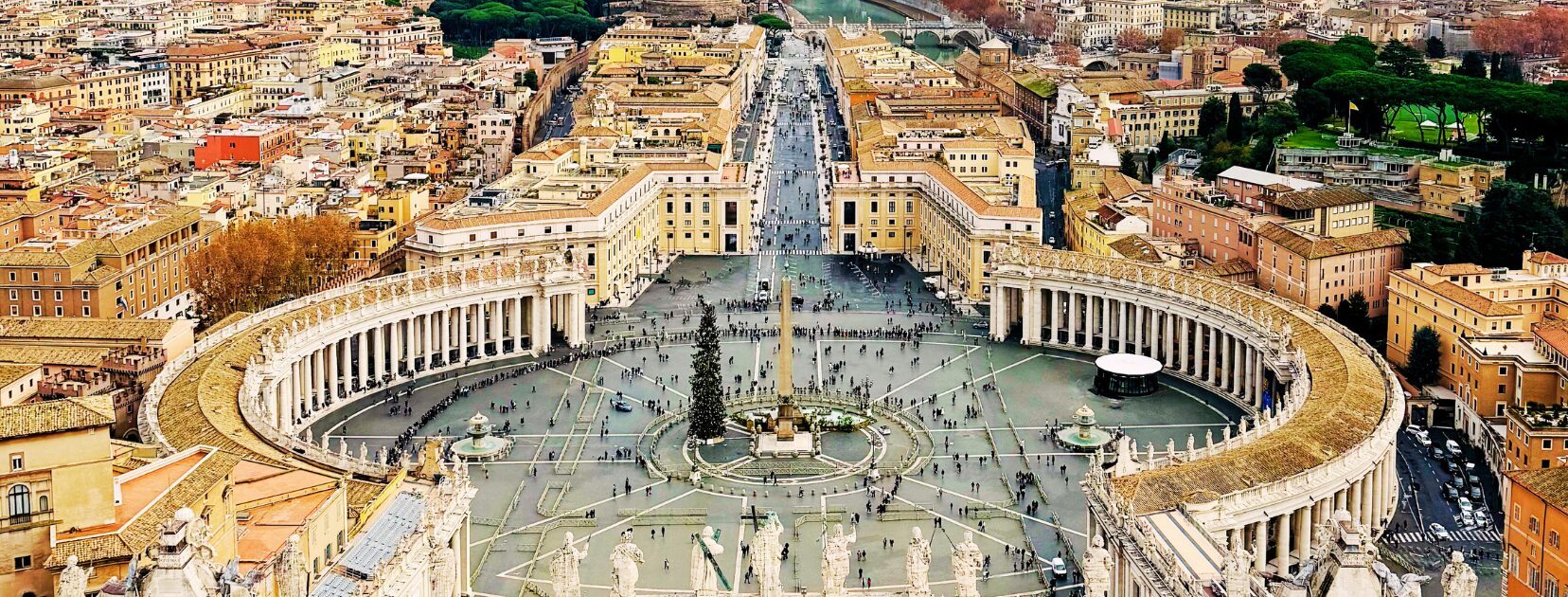
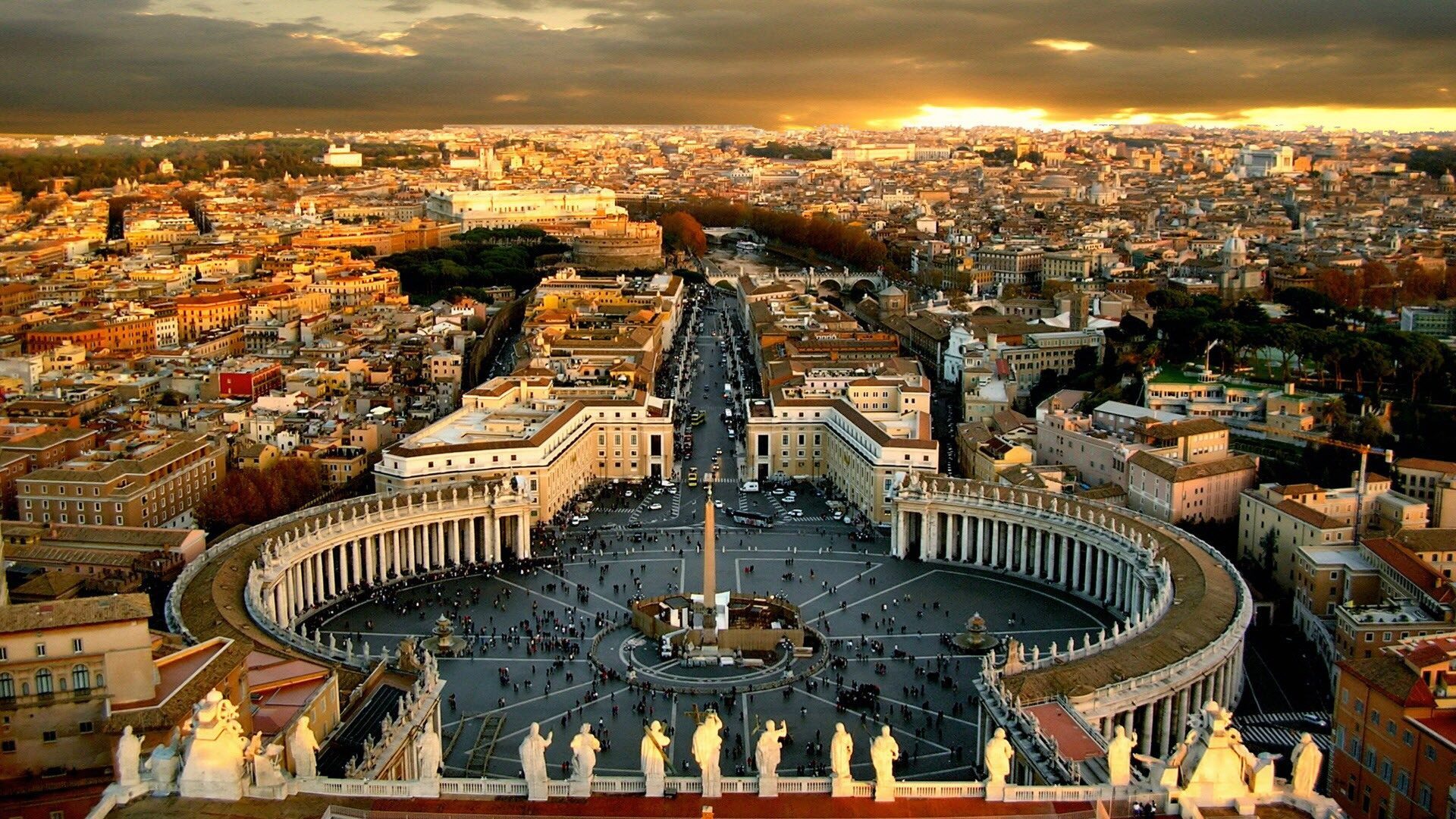
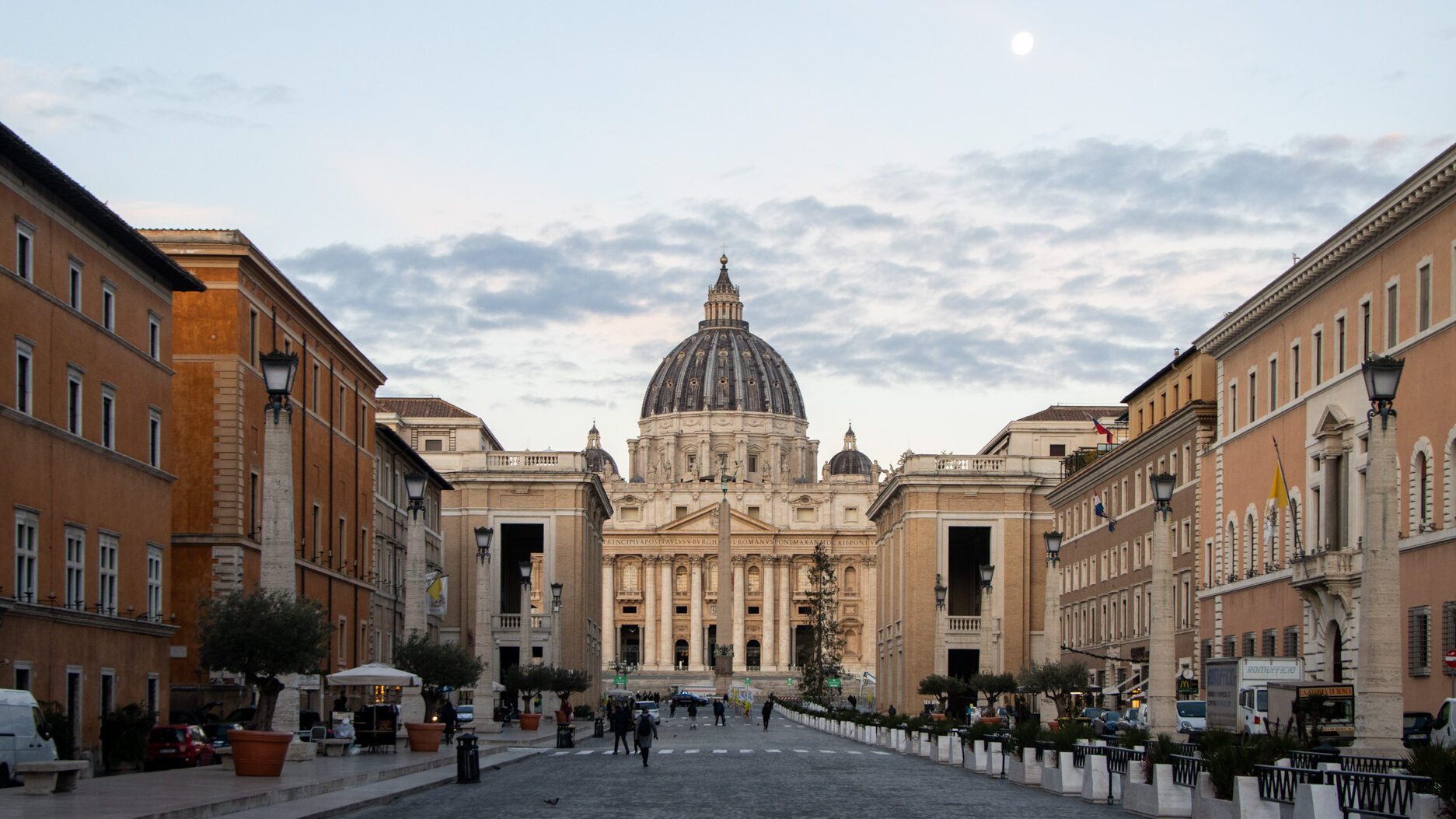
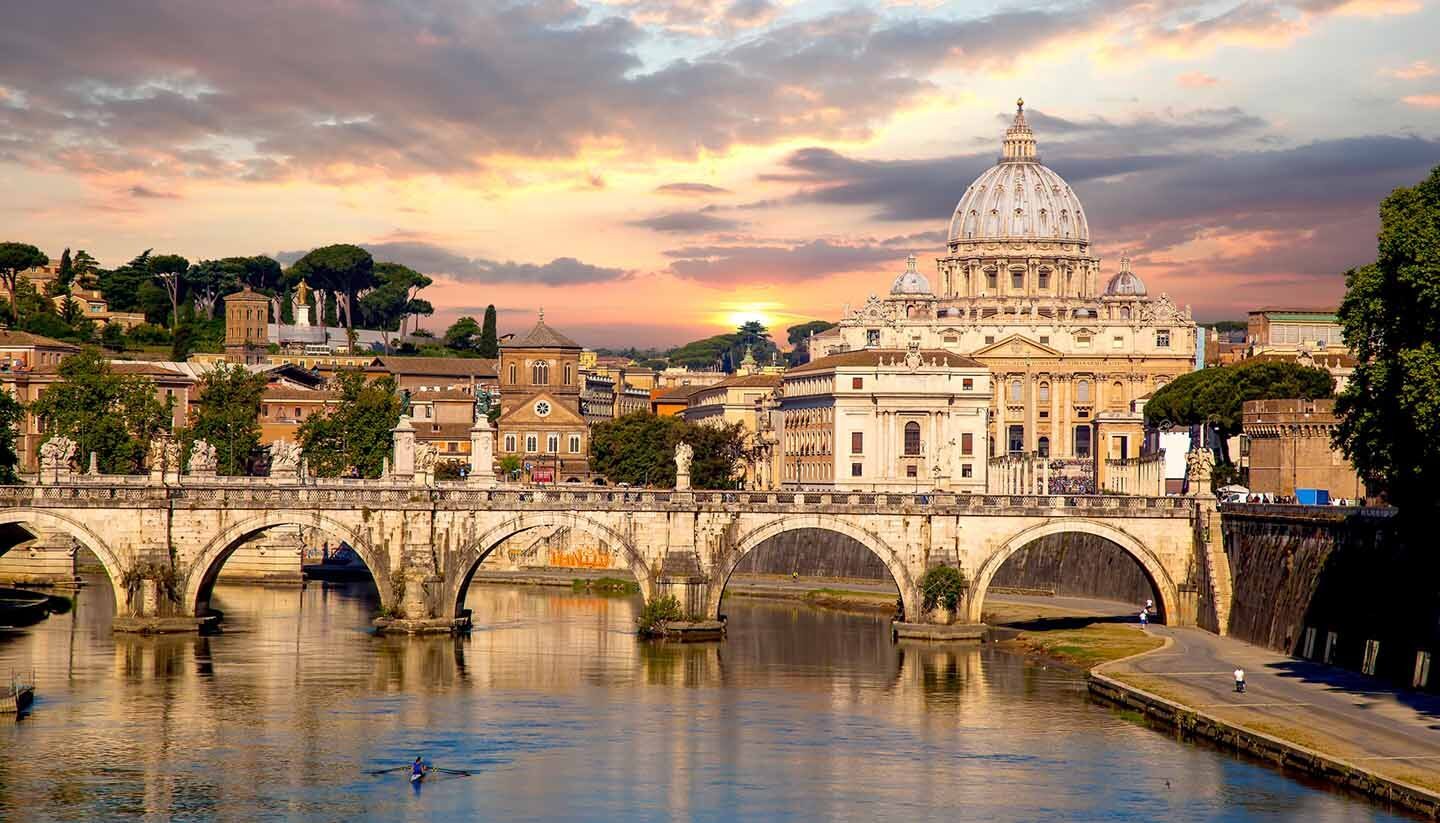
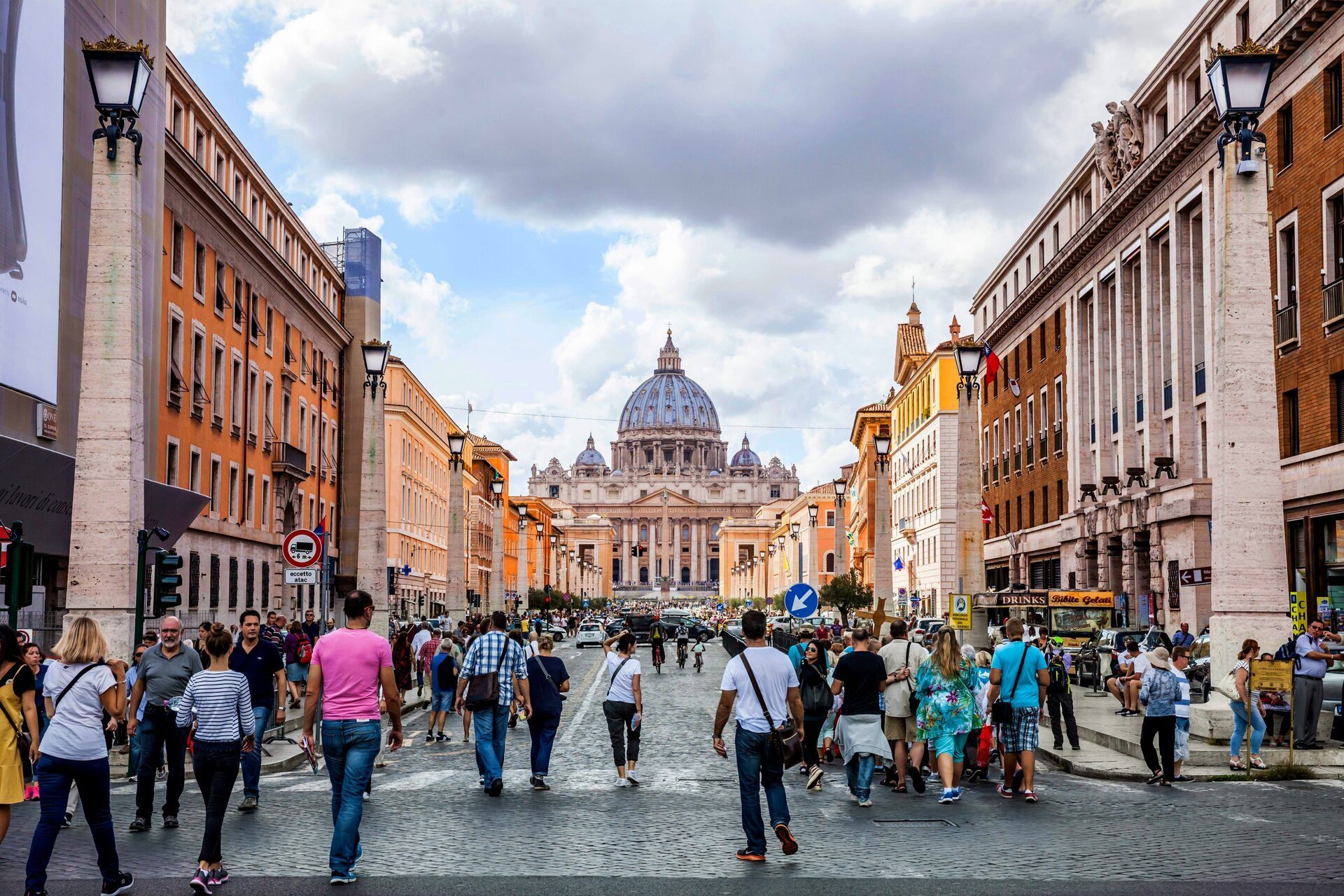
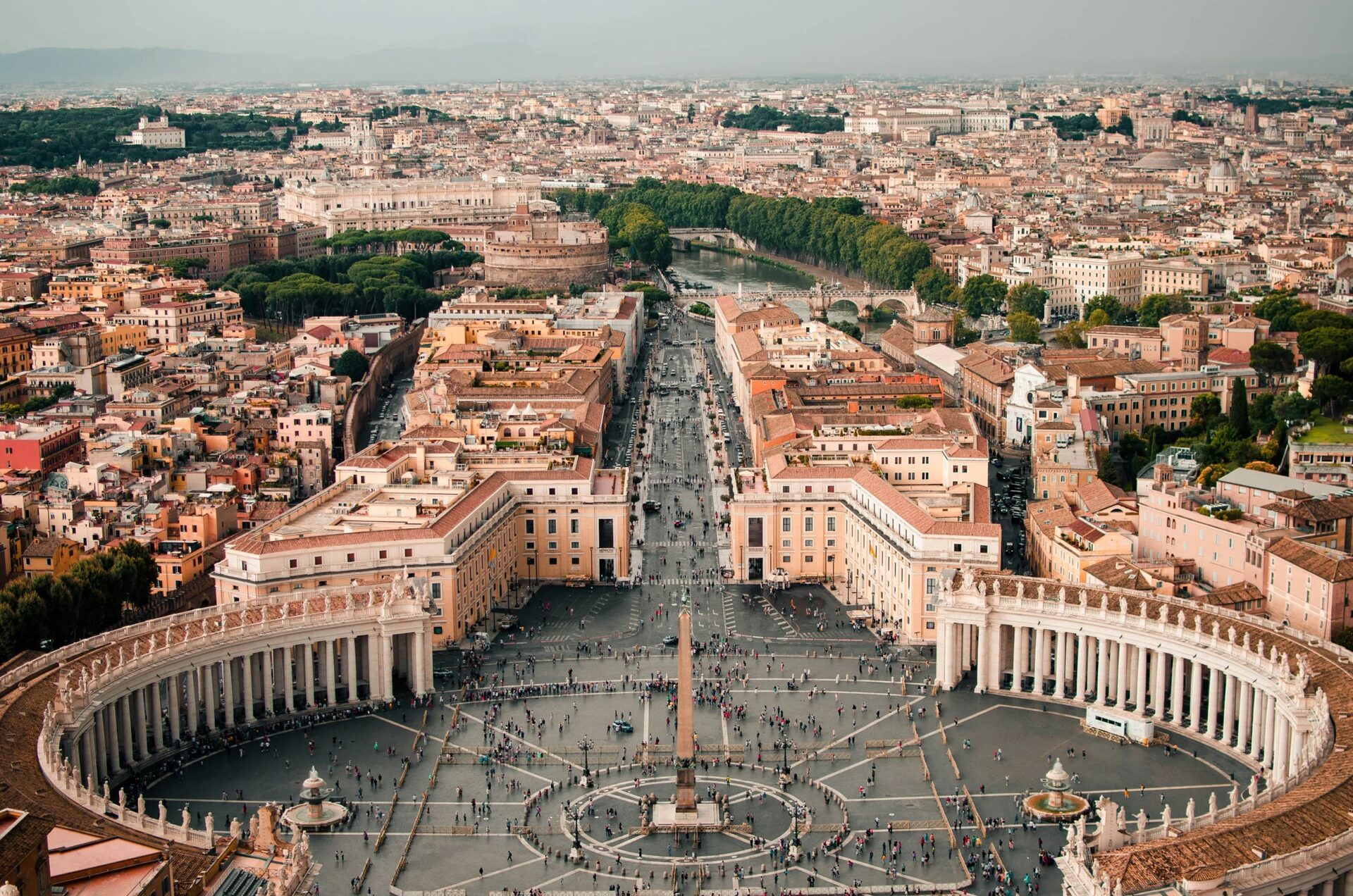
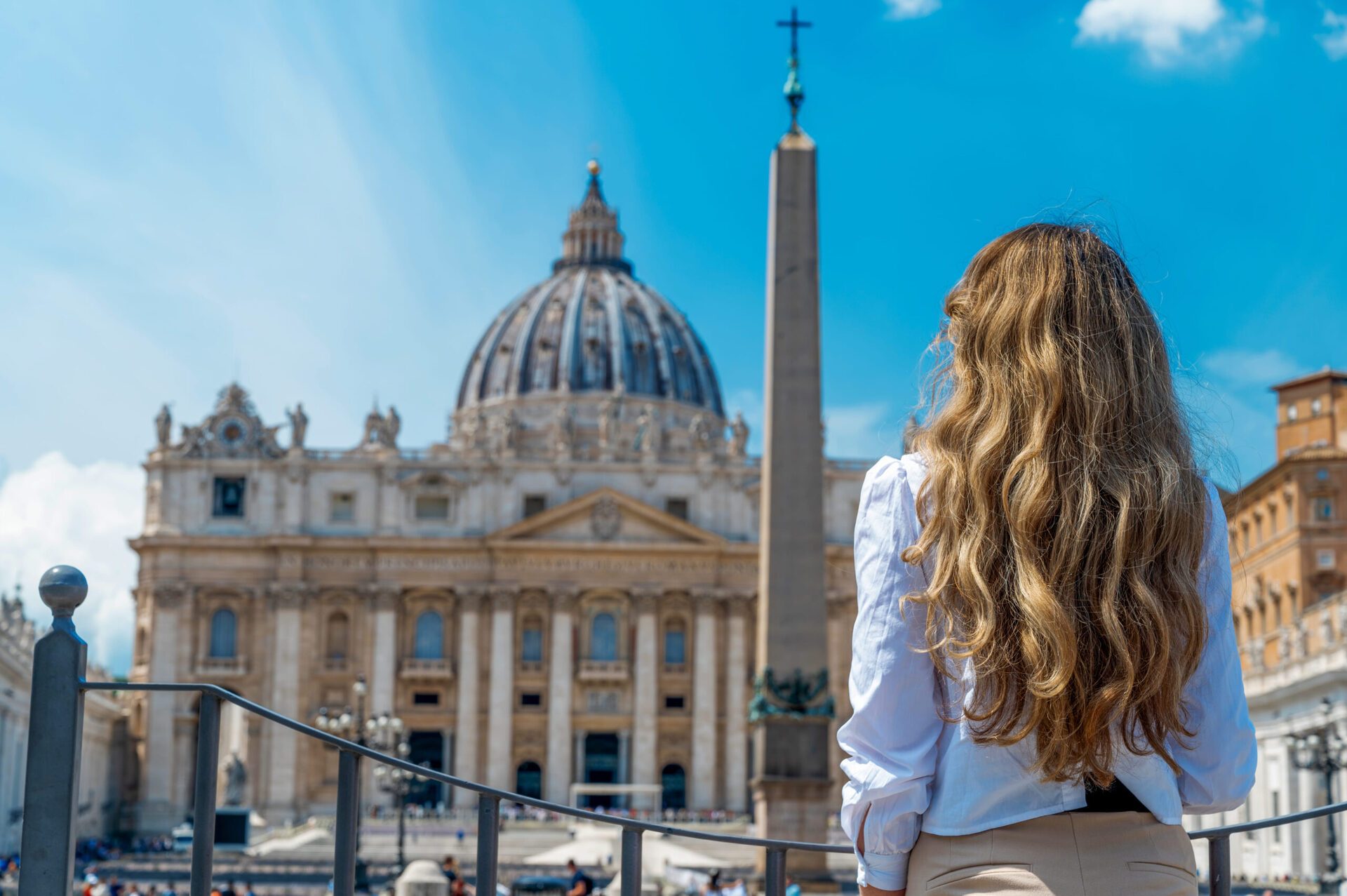
Vatican City is the world's smallest country by both area (0.44 km2) and population (approximately 800 people). It is the headquarters of the Roman Catholic Church and home to the Pope. Geographically, it is surrounded entirely by Rome, Italy. Entry to the country (crossing St. Peter's Square and approaching the Basilica) is free and requires no passport check. However, the Vatican Museums (which include the Sistine Chapel) require advance tickets. The Vatican has its own postal service, bank, newspaper, and radio station.
How to Get There
The nearest Rome international airports are Fiumicino (FCO, 30 km, 35 minutes by express train) and Ciampino (CIA, 15 km). From central Rome, the Vatican is reachable by Metro Line A (Ottaviano stop) or multiple bus lines in 15-30 minutes. US domestic flights connect to Rome via transatlantic carriers from most major US cities.
Money & Banking
Vatican City uses the Euro (EUR) and has the same prices as Rome. Vatican Museum admission costs EUR 17-30 depending on booking type. Dress code applies: shoulders and knees must be covered to enter the Basilica and Museums. Tap water from Vatican's drinking fountains (nasoni) is safe.
Practical Tips
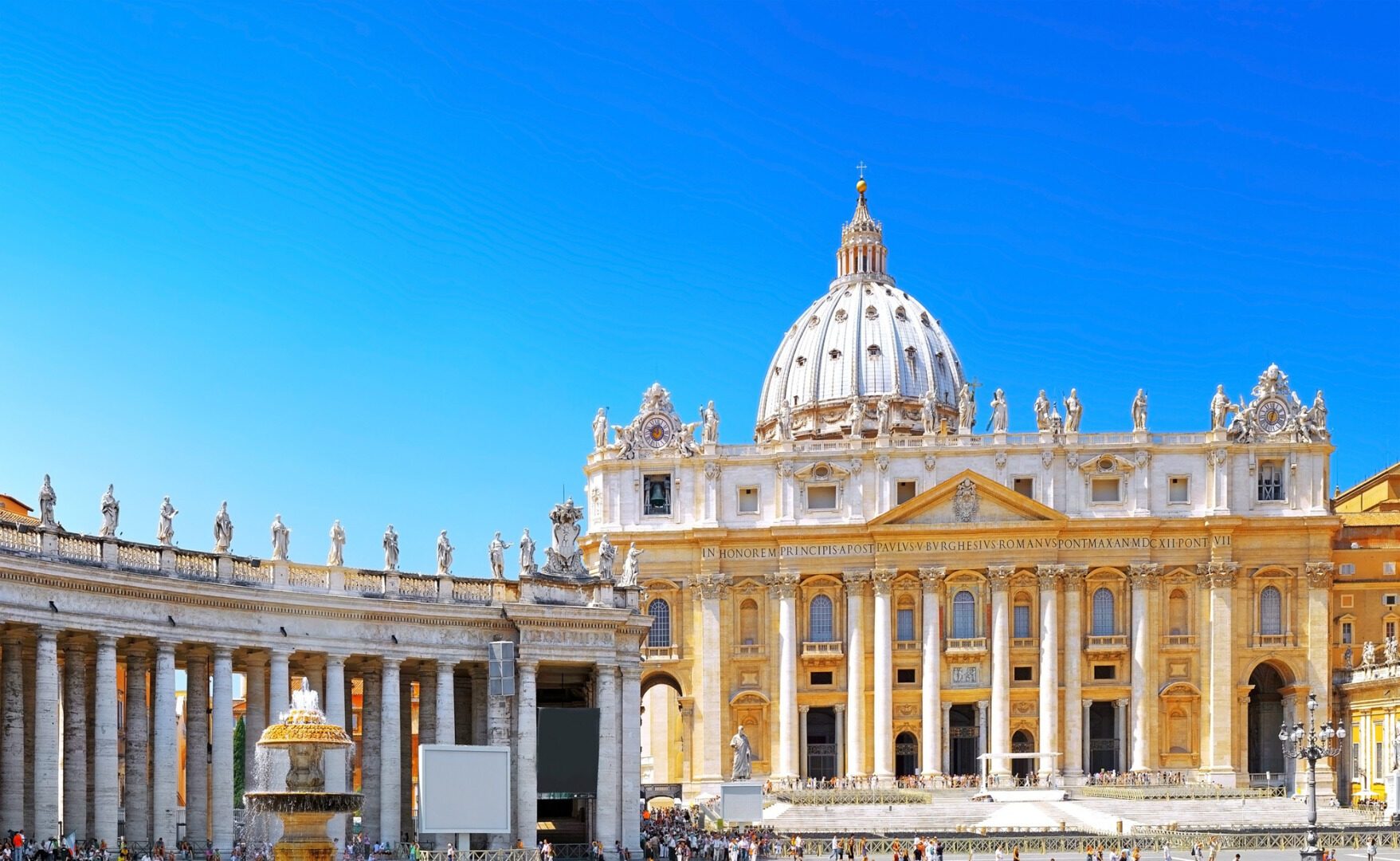
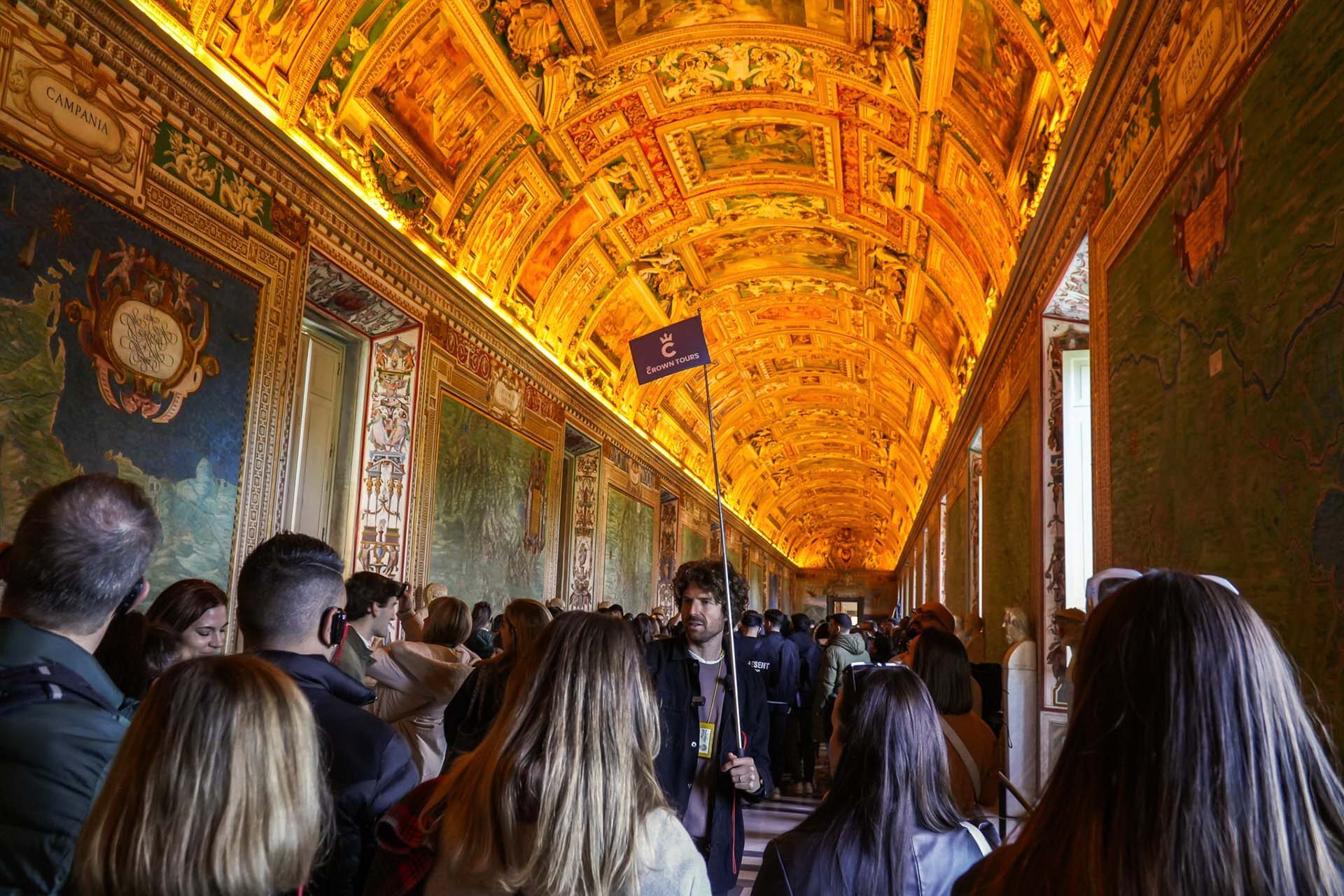
St. Peter's Basilica (free entry) is extraordinary: Michelangelo's dome, Bernini's Pieta, the papal altar above St. Peter's tomb, and the panoramic view from the dome terrace are unmissable. The Vatican Museums contain the Sistine Chapel (Michelangelo's ceiling fresco, painted 1508-1512), the Raphael Rooms, and one of the world's greatest art collections. Book Vatican Museums tickets well in advance; same-day entry queues can be 3-4 hours. The Vatican Gardens (behind the Basilica) require separate admission but are peaceful. A papal audience (Wednesday, free tickets via the Prefecture of the Papal Household) is memorable for Catholics.
Frequently Asked Questions
Is Vatican City a real country?
Yes. Vatican City (Holy See) is a fully sovereign state recognized by 183 countries. It has its own government (the Pope as Head of State), currency (Euro), postal service, radio station, newspaper, and passports (issued only to Vatican residents and clergy). It has been a sovereign state since the 1929 Lateran Treaty with Italy.
Do I need to book Vatican Museums tickets in advance?
Yes, strongly recommended. The Vatican Museums (including the Sistine Chapel) are among Rome's most popular attractions. Walk-up queues regularly reach 2-4 hours in peak season. Advance booking at museivaticani.va reserves your entry time and costs EUR 4 extra -- well worth it. Skip-the-line tours from external operators are also available. Book at least 2-4 weeks ahead for June-August.
What is the dress code for Vatican City?
Visitors entering St. Peter's Basilica and the Vatican Museums must have shoulders covered and knees covered. Shorts above the knee and tank tops are not permitted. Papal security (Pontifical Swiss Guard) enforces this at the Basilica entrance. Carry a scarf or light jacket to cover up if needed. This applies to both men and women.