Tunisia Visa RequirementsFor United States passport holders
US passport holders can visit Tunisia visa-free for up to 90 days. No advance visa application is required.
Great news! United States passport holders can enter Tunisia without a visa for tourism or business purposes. You can stay up to 90 days.
No visa is needed for US citizens for stays up to 90 days. Carry a valid US passport (6+ months validity recommended), onward ticket, and proof of accommodation. Tunisia requires visitors to have their passport stamped on entry; report to passport control even if a queue is not visible. No pre-registration is needed.
Entry Requirements
Passport Validity
3 months beyond date of entry
Blank Pages
1 blank page required
Multiple Entry
Allowed
Work Permitted
No - requires work visa
Entry Conditions
Passport valid for at least 3 months beyond entry. Return/onward ticket. May be asked for hotel booking.
Fines and complications at departure. May affect future entry.
Required Documents
Valid US Passport
Must be valid for at least 3-6 months beyond your planned departure date (varies by country)
Return or Onward Ticket
Proof of departure from the country, such as a return flight or onward travel booking
Proof of Accommodation Recommended
Hotel reservation, Airbnb booking, or address where you will be staying
Proof of Sufficient Funds Recommended
Credit cards, bank statements, or cash to cover expenses during your stay
Travel Insurance Recommended
Recommended for all international travel covering medical emergencies
Travel Essentials
Health & Safety
Safety Rating
Vaccinations
Hepatitis A and B, Typhoid, and routine vaccinations.
Tap Water
Bottled water recommended
Safety Tips
Tunisia has improved significantly since 2015. Tourist areas are generally safe. Avoid the Libyan border region and remote areas near Algeria. Check travel advisories. Security presence is visible at tourist sites.
Money & Costs
Currency
DT Tunisian Dinar (TND)
Daily Budget (USD)
Budget: $35 · Mid: $70 · Luxury: $180+
Tipping
Tipping 10% expected at restaurants. Small tips for guides and drivers.
Practical Info
Power
Type Type C/E, 230V, 50Hz
Driving
Right side
Emergency
197 (police), 190 (ambulance), 198 (fire)
Getting There
Main Airports
Djerba (DJE) · Enfidha (NBE) · Tunis (TUN)
Culture & Travel Tips
Best Time to Visit
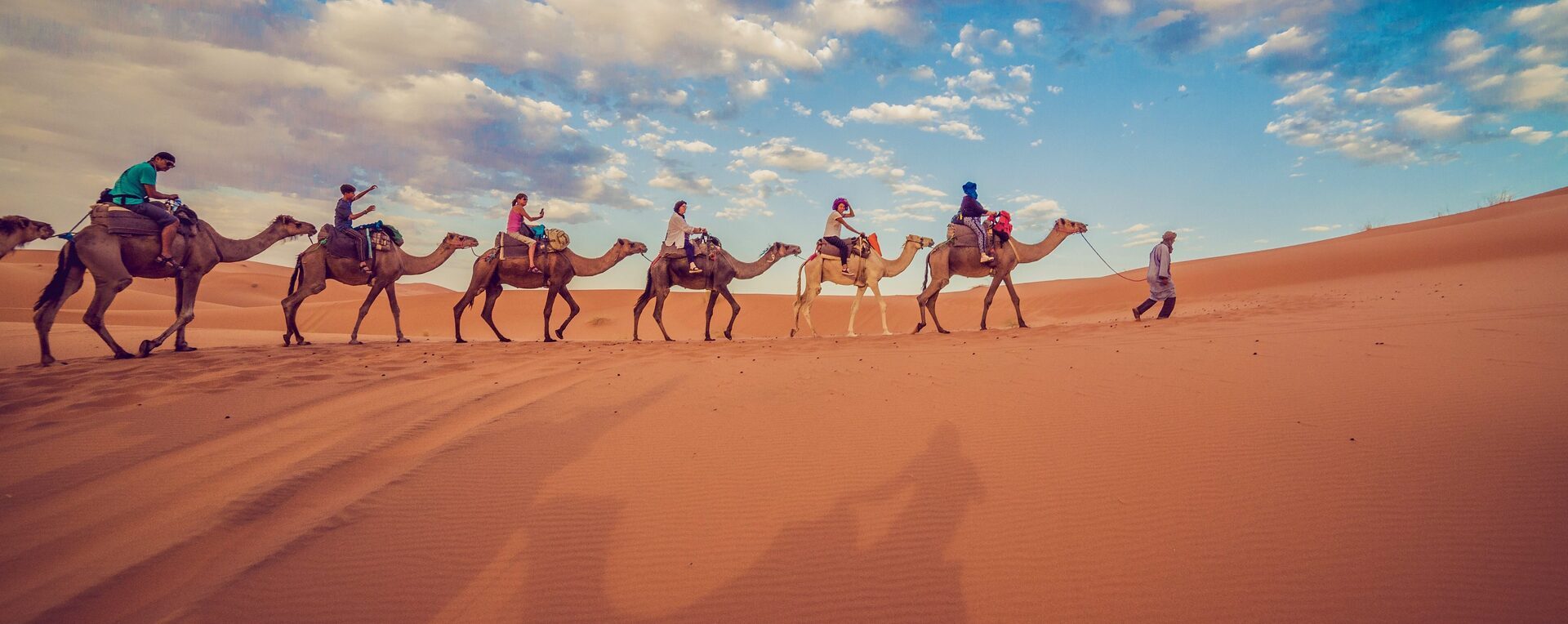
Tunisia has a Mediterranean climate in the north and desert conditions in the south. The best time to visit is spring (March-May) or autumn (September-November) when temperatures are pleasant throughout the country. Summer (June-August) brings scorching heat, particularly in the interior and south, though coastal resorts remain popular with European beach tourists. Winter (December-February) is mild in the north but cold at night in the desert - this is actually ideal for Sahara excursions. The Sahara is best visited October-April when daytime temperatures are bearable. Ramadan affects restaurant hours and daily rhythms.
Cultural Notes
Tunisia is the birthplace of the Arab Spring (2010-2011 revolution that toppled Ben Ali) and remains the most democratic Arab country, though with challenges. Tunisian culture blends Arab, Berber, and Mediterranean influences. Islam is central to life but practice is generally moderate - alcohol is available and dress codes relaxed compared to Gulf states. The medinas are UNESCO treasures with authentic daily life. Tunisian women have more rights than in many Arab countries, thanks to progressive post-independence laws. The economy relies heavily on tourism, making visitor spending important for local communities. Tunisians are generally warm and hospitable, proud of their ancient and modern history. Security has improved since the 2015 terrorist attacks, but check travel advisories.
Insider Tips
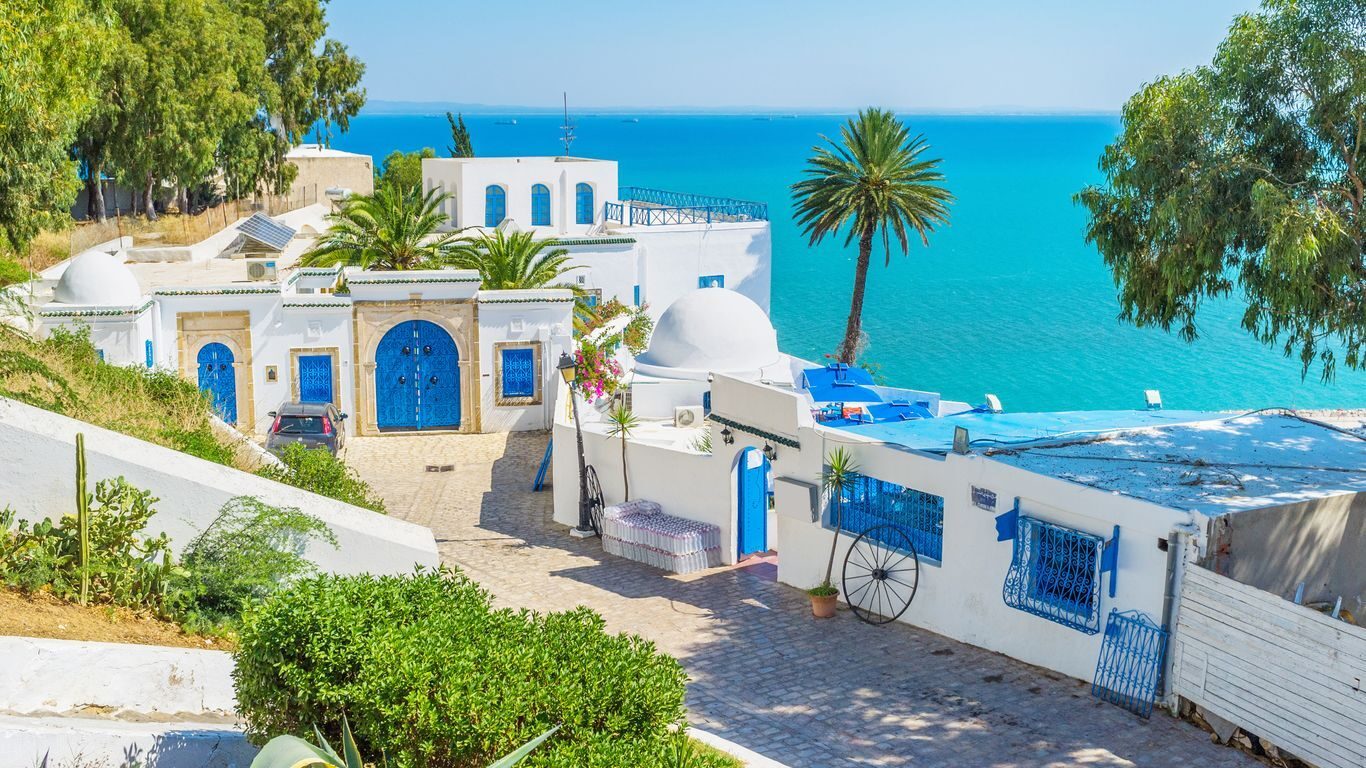
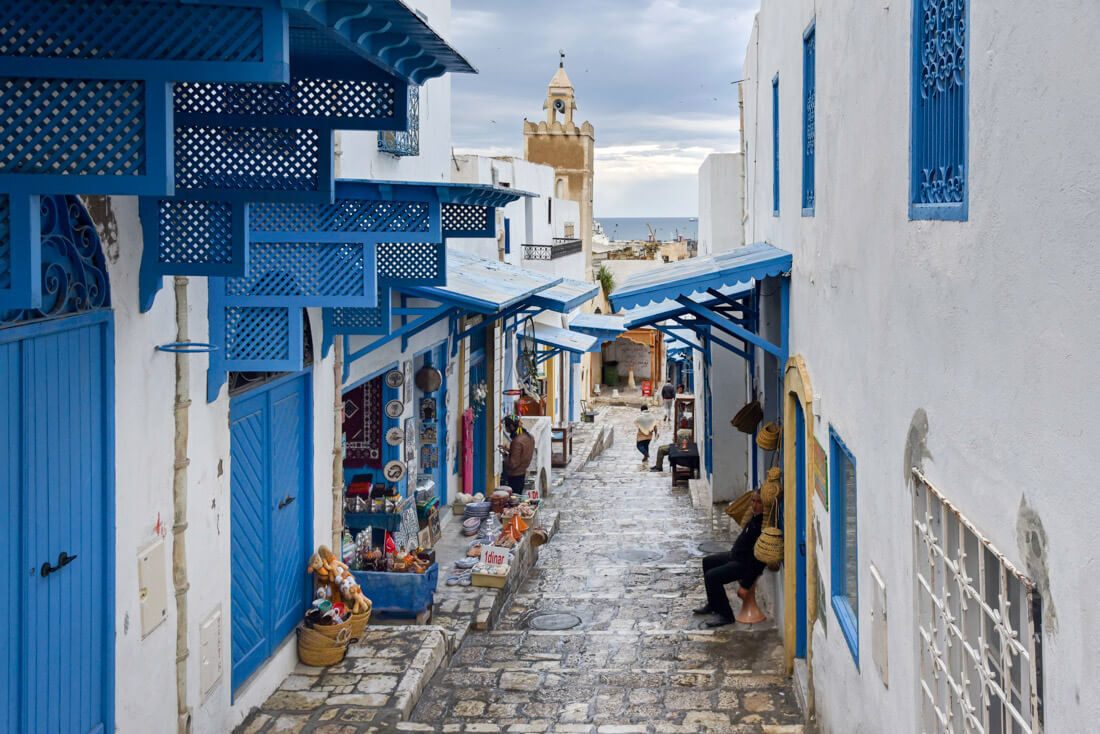
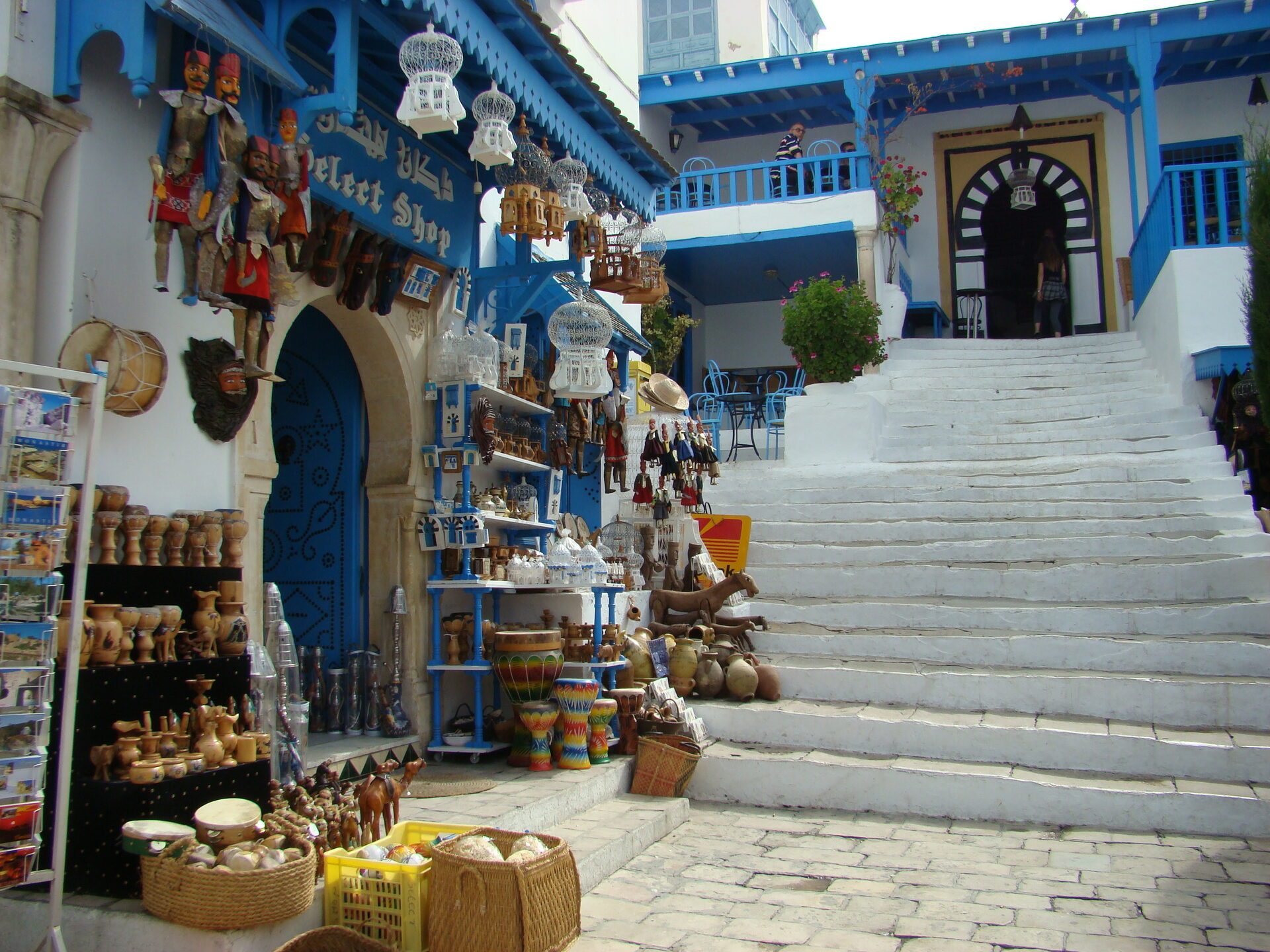
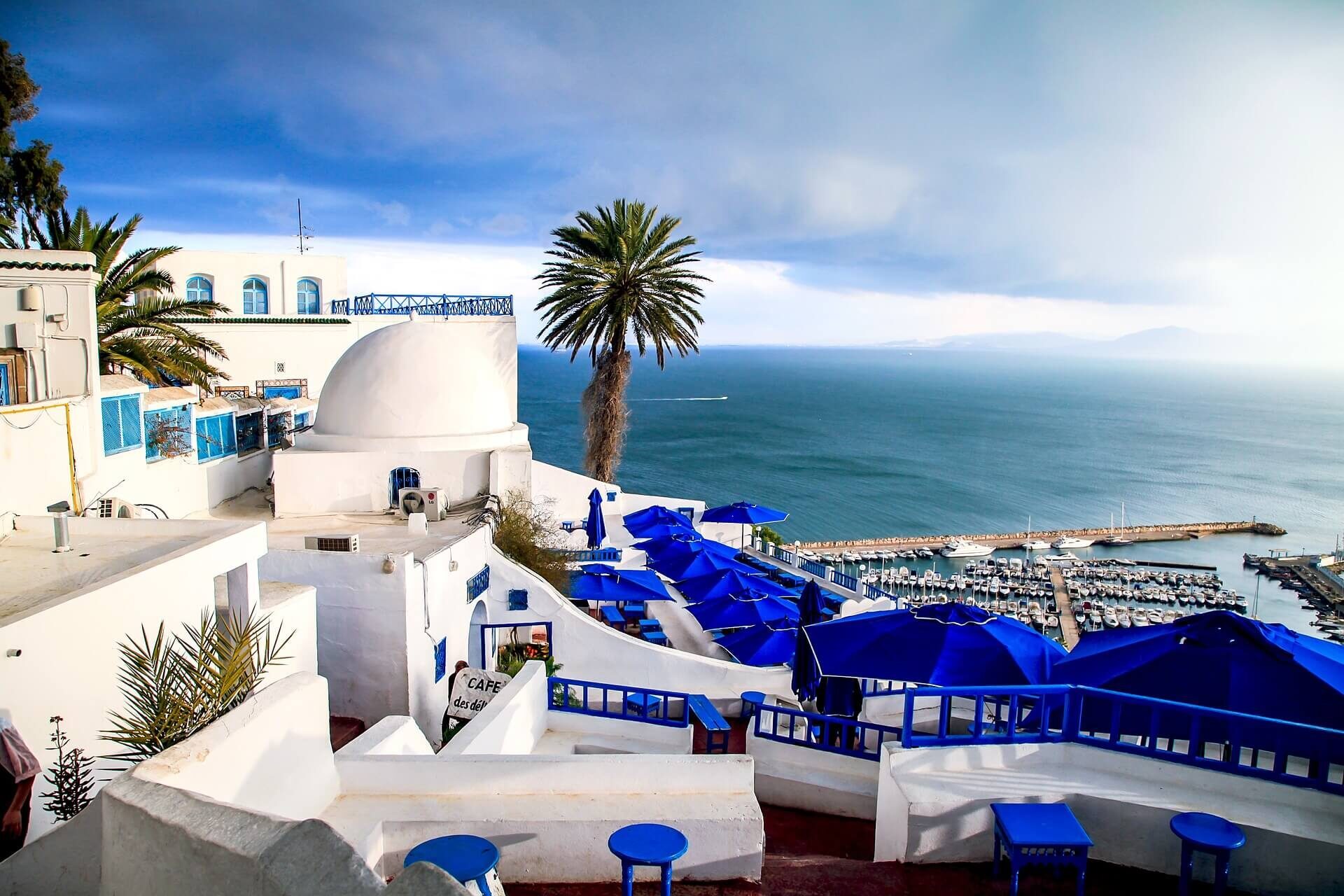
Tunisia offers a compact introduction to North Africa with Roman ruins, Star Wars film locations, Sahara desert, and Mediterranean beaches all within a small country. Carthage and the Bardo Museum near Tunis showcase ancient heritage. The Sahara oasis towns of Tozeur and Douz serve as gateways to desert camps. Dougga Roman ruins rival anything in the Mediterranean. Sidi Bou Said is a picturesque blue-and-white village. The medina of Tunis and Kairouan (Islam fourth holiest city) offer authentic experiences. Trains and louages (shared taxis) connect most destinations. The Tunisian dinar is the currency; credit cards work in tourist areas. French and Arabic are the languages; English is limited outside hotels. Harissa paste and couscous are staples.
Current Travel Situation
United States to Tunisia: What You Need to Know
Tunisia is a North African country bridging Arab and Mediterranean cultures, with a coastline on the Mediterranean Sea. Tunis Carthage International Airport (TUN) is the main gateway with connections from major European cities (Paris, Frankfurt, Rome, Istanbul). There are no direct flights from the US. Tunisia has significant ancient Roman and Carthaginian heritage, the Sahara Desert on its southern edge, and popular beach resorts on its eastern coast. The US State Department advises increased caution (Level 2) due to terrorism threats, particularly near the Libya border, Kasserine, and certain rural areas.
How to Get There
Paris (CDG) and Frankfurt (FRA) have frequent direct flights to Tunis (around 2-3 hours). Rome (FCO), Milan (MXP), and Madrid (MAD) also have good connections. Overland entry from Algeria is possible at certain crossings but is complex and not recommended for most tourists. The Libya border is closed to tourist crossings.
Money & Banking
Tunisia uses the Tunisian Dinar (TND). Import and export of TND is restricted, so exchange at the airport or banks on arrival. ATMs are available in Tunis and major towns; rural and desert areas are cash-only. Tunisia is very affordable; a restaurant meal costs $5-10, budget guesthouses run $20-40/night, and even upscale beach resorts are cheaper than European equivalents. USD and Euros can be exchanged at banks and some hotels.
Practical Tips
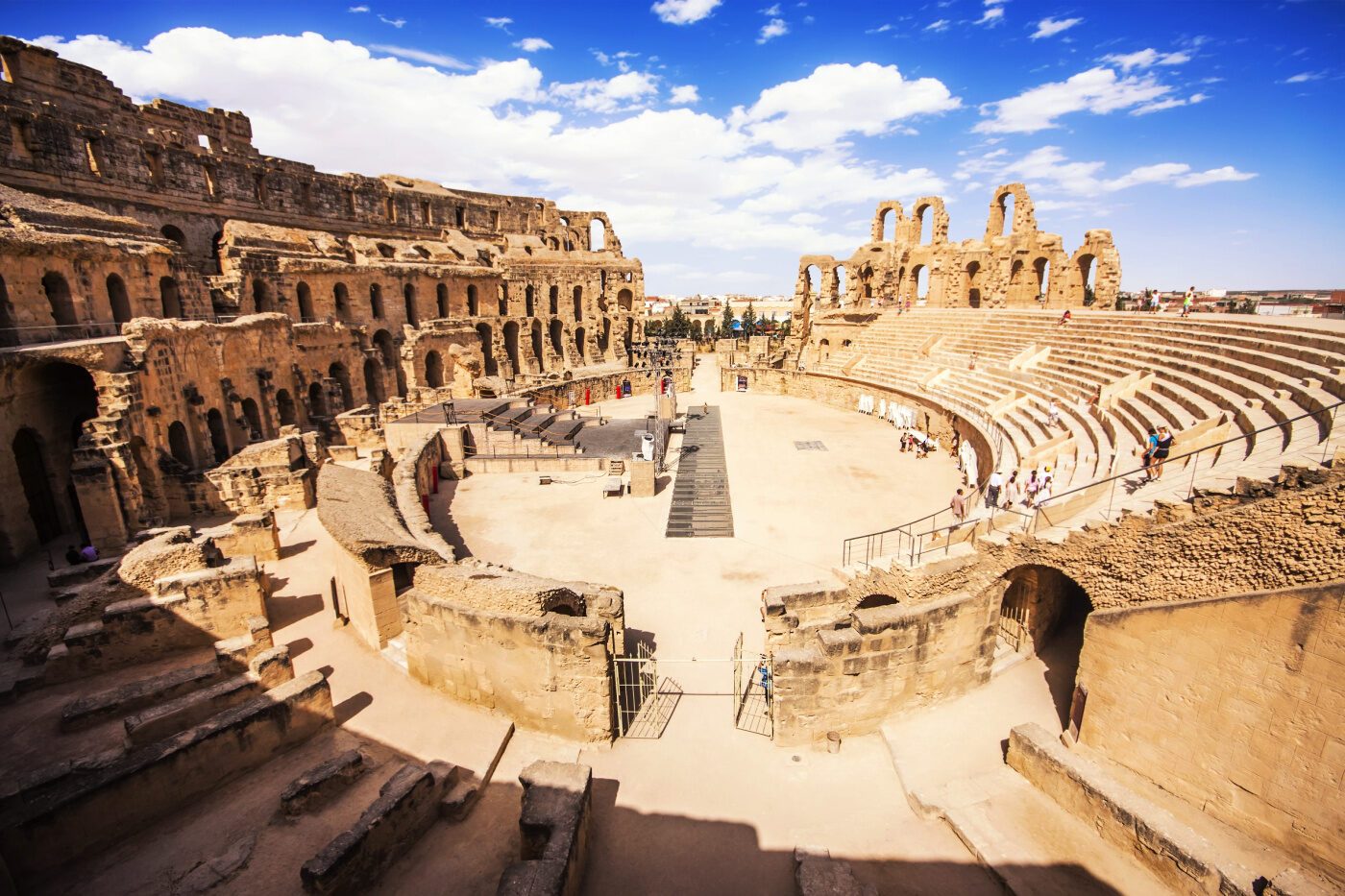
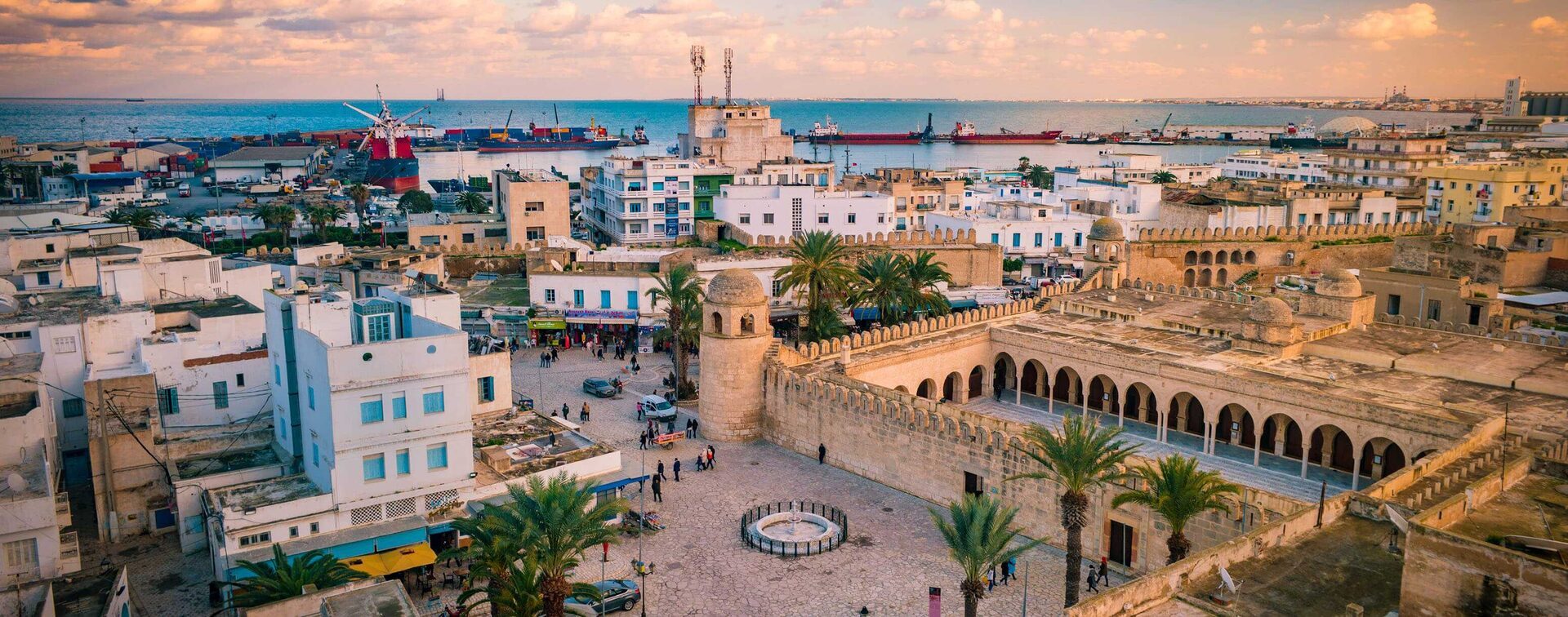
Tunis's Medina (old city, UNESCO) is one of the best-preserved Islamic medieval cities in the world; the great Zitouna Mosque and bustling souqs are must-visits. The Bardo National Museum has the world's finest collection of Roman mosaics. The ancient ruins of Carthage and the white-and-blue hilltop village of Sidi Bou Said are popular day trips from Tunis. Dougga (Roman ruins, UNESCO), El Jem (Roman colosseum, one of the largest in the world), and the Matmata troglodyte villages (Star Wars filming location) are inland highlights. The Saharan south (Douz, Tozeur, Chott el Djerid salt flats) is extraordinary.
Frequently Asked Questions
Is Tunisia safe for American tourists?
Tunis, Sousse, and major tourist areas are generally safe. The US State Department advises Level 2 (Increased Caution) due to terrorism threats in certain areas -- particularly near the Algerian and Libyan borders, Kasserine governorate, and some national parks. Stick to tourist circuits and follow embassy security updates.
What is the best time to visit Tunisia?
Spring (March-May) and autumn (September-November) are ideal -- mild temperatures across the country. Summer (June-August) is very hot inland and in the south, but beach resorts on the coast are busy. Winter is pleasant in coastal areas but cold in the mountains. The Saharan south is best in spring and autumn.
Is the El Jem Roman amphitheater as impressive as Rome's Colosseum?
El Jem (Thysdrus) is the third-largest Roman amphitheater ever built and one of the best-preserved. It seats 35,000 people and stands nearly intact in the middle of a small town. Many visitors find it more impressive than Rome's Colosseum because you can walk freely inside without crowds. It is a UNESCO World Heritage Site.
Do US citizens need a visa to visit Tunisia?
No, US citizens can visit Tunisia for up to 90 days without a visa for tourism purposes. You'll need a passport valid for at least 3 months beyond your entry date. At immigration, you may be asked about accommodation and return travel. Tunisia is one of the more accessible North African destinations for American travelers, with no advance visa requirements. The country offers a mix of Mediterranean beaches, Saharan desert, and Roman ruins.
Is Tunisia safe to visit?
Tunisia's security has improved significantly since the 2015 terrorist incidents. Popular tourist areas including Tunis, Carthage, Sidi Bou Said, Hammamet, Djerba, and the southern desert attractions are generally safe with visible security presence. Avoid the border regions with Libya and Algeria. Always check current travel advisories before visiting. The Tunisian government has invested heavily in tourism security. Most visitors have positive, safe experiences, but remaining aware of your surroundings is advisable.
Where were the Star Wars movies filmed in Tunisia?
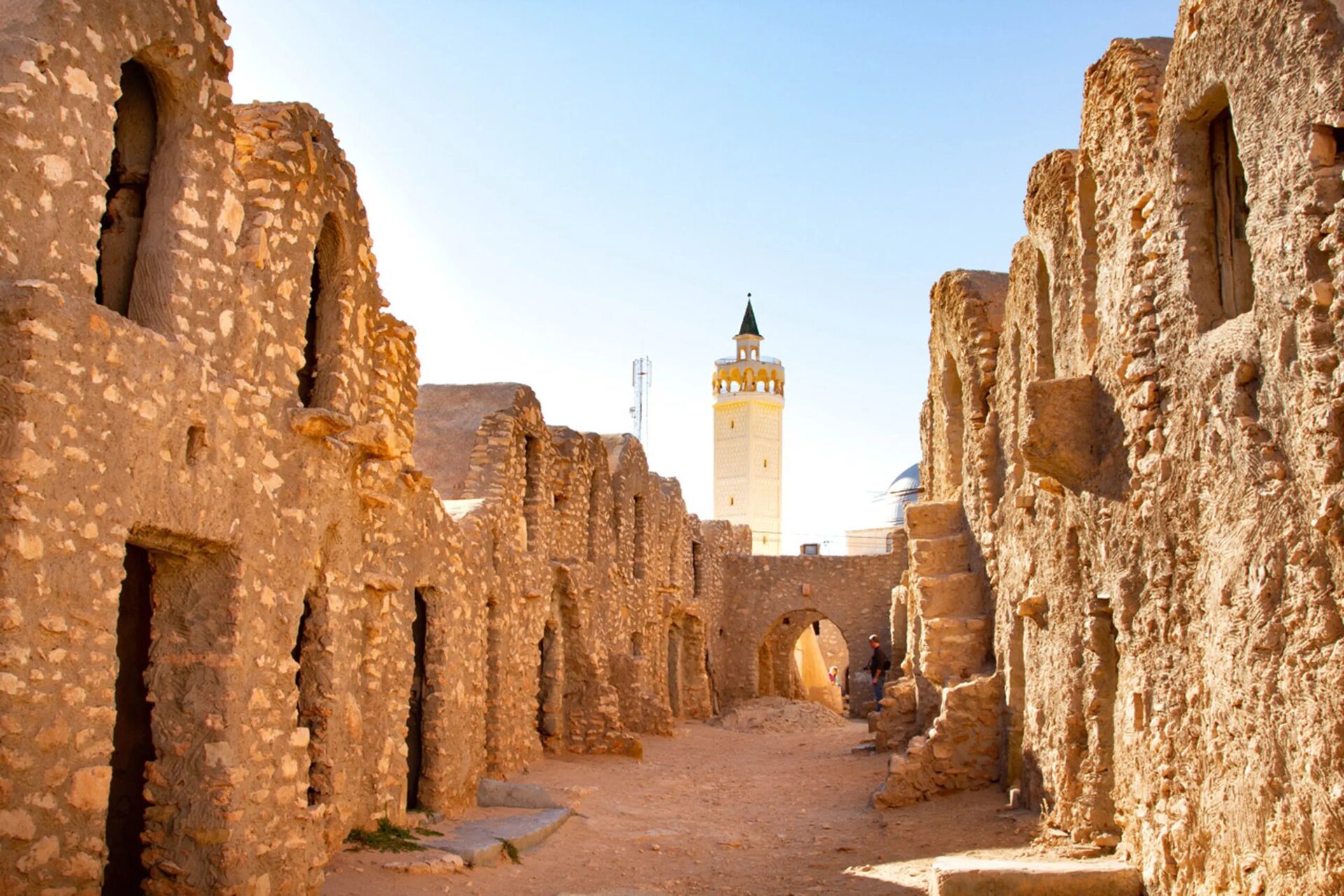
Tunisia served as the planet Tatooine in multiple Star Wars films. Key filming locations include: Matmata, where the underground troglodyte homes became Luke Skywalker's childhood home (the Hotel Sidi Driss is the actual location and still operates); Ong Jmal near Nefta, where the "Star Wars Canyon" and Mos Espa set remain; Ksar Ouled Soltane with its distinctive granary; and the island of Djerba. Southern Tunisia desert tours often include Star Wars sites. The Mos Espa set near Tozeur has been partially preserved in the desert. These locations are popular attractions for fans.
What are the main attractions in Tunisia?
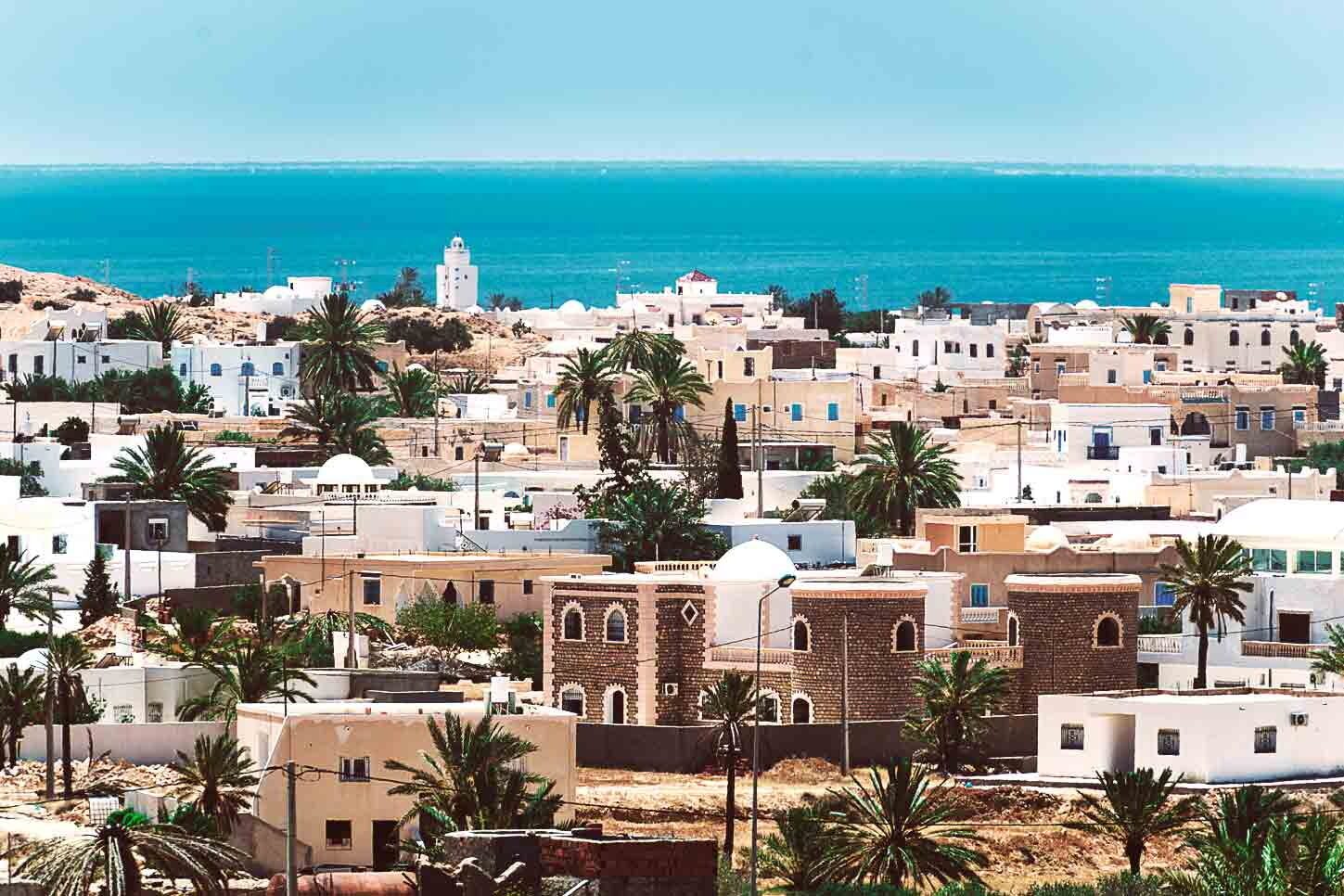
Tunisia offers remarkable diversity. The Medina of Tunis is a UNESCO World Heritage Site with traditional souks and architecture. Carthage has ruins of the ancient Phoenician city that rivaled Rome. Sidi Bou Said is a stunning blue-and-white clifftop village. Dougga is considered one of the best-preserved Roman towns in North Africa. The Sahara Desert around Tozeur and Douz offers dune experiences and oasis towns. Djerba island has beaches and the ancient El Ghriba Synagogue. The resort town of Hammamet offers Mediterranean relaxation. Star Wars filming locations in the south attract devoted fans.