Taiwan Visa RequirementsFor United States passport holders
US passport holders can visit Taiwan visa-free for up to 90 days. No advance application is required.
Great news! United States passport holders can enter Taiwan without a visa for tourism or business purposes. You can stay up to 90 days.
No visa is needed. Carry your valid US passport (should be valid for at least 6 months beyond your intended stay), proof of onward or return travel out of Taiwan, accommodation details, and evidence of sufficient funds. There is no pre-travel registration required for US citizens visiting Taiwan.
Entry Requirements
Passport Validity
6 months beyond date of entry
Blank Pages
2 blank pages required
Multiple Entry
Allowed
Work Permitted
No - requires work visa
Entry Conditions
Valid passport for 6+ months. Return ticket. Proof of accommodation may be requested.
Required Documents
Valid US Passport
Must be valid for at least 3-6 months beyond your planned departure date (varies by country)
Return or Onward Ticket
Proof of departure from the country, such as a return flight or onward travel booking
Proof of Accommodation Recommended
Hotel reservation, Airbnb booking, or address where you will be staying
Proof of Sufficient Funds Recommended
Credit cards, bank statements, or cash to cover expenses during your stay
Travel Insurance Recommended
Recommended for all international travel covering medical emergencies
Travel Essentials
Health & Safety
Safety Rating
Vaccinations
Routine vaccines (MMR, Tetanus, COVID-19). Hepatitis A and Japanese encephalitis for some travelers.
Tap Water
Bottled water recommended
Safety Tips
Taiwan is extremely safe - consistently ranked among the world's safest destinations. Violent crime is rare, and petty crime is uncommon. Women can walk alone at night safely. The main concerns are natural disasters (typhoons, earthquakes) and traffic (scooters are everywhere). Taiwan has excellent emergency services.
Money & Costs
Currency
NT$ New Taiwan Dollar (TWD)
Daily Budget (USD)
Budget: $50 · Mid: $100 · Luxury: $250+
Cards & ATMs
Cards are widely accepted in cities, hotels, and larger restaurants. Night markets and traditional shops prefer cash. Taiwan is more cash-dependent than Korea or Japan. Always carry some NT dollars.
Tipping
Tipping is not customary or expected in Taiwan. Service charges are included in restaurants when applicable. Leaving a tip may cause confusion. Simply pay the listed price everywhere.
Practical Info
Power
Type A, B, 110V, 60Hz
Driving
Right side
Emergency
Emergency: 110 (Police), 119 (Fire/Ambulance)
Tourist Hotline: 0800-011-765
Mobile/SIM
Buy a tourist SIM at the airport from Chunghwa Telecom, Taiwan Mobile, or FarEasTone. Plans cost NT$300-500 for 5-30 days with generous data. Coverage is excellent across the island. Registration requires passport. Alternatively, use eSIM from international providers.
Getting There
Main Airports
Kaohsiung (KHH) · Taipei (TSA) · Taipei (TPE)
Airport Transfers
Taoyuan Airport (TPE): MRT Airport Line to Taipei Main Station (NT$160, 35 minutes). Bus 1819 to Taipei Main (NT$125, 55 minutes). Taxi NT$1,200-1,500 (40-60 minutes). Taipei Songshan (TSA): Domestic and some regional flights, accessible by MRT Brown Line - very convenient.
Local Transport
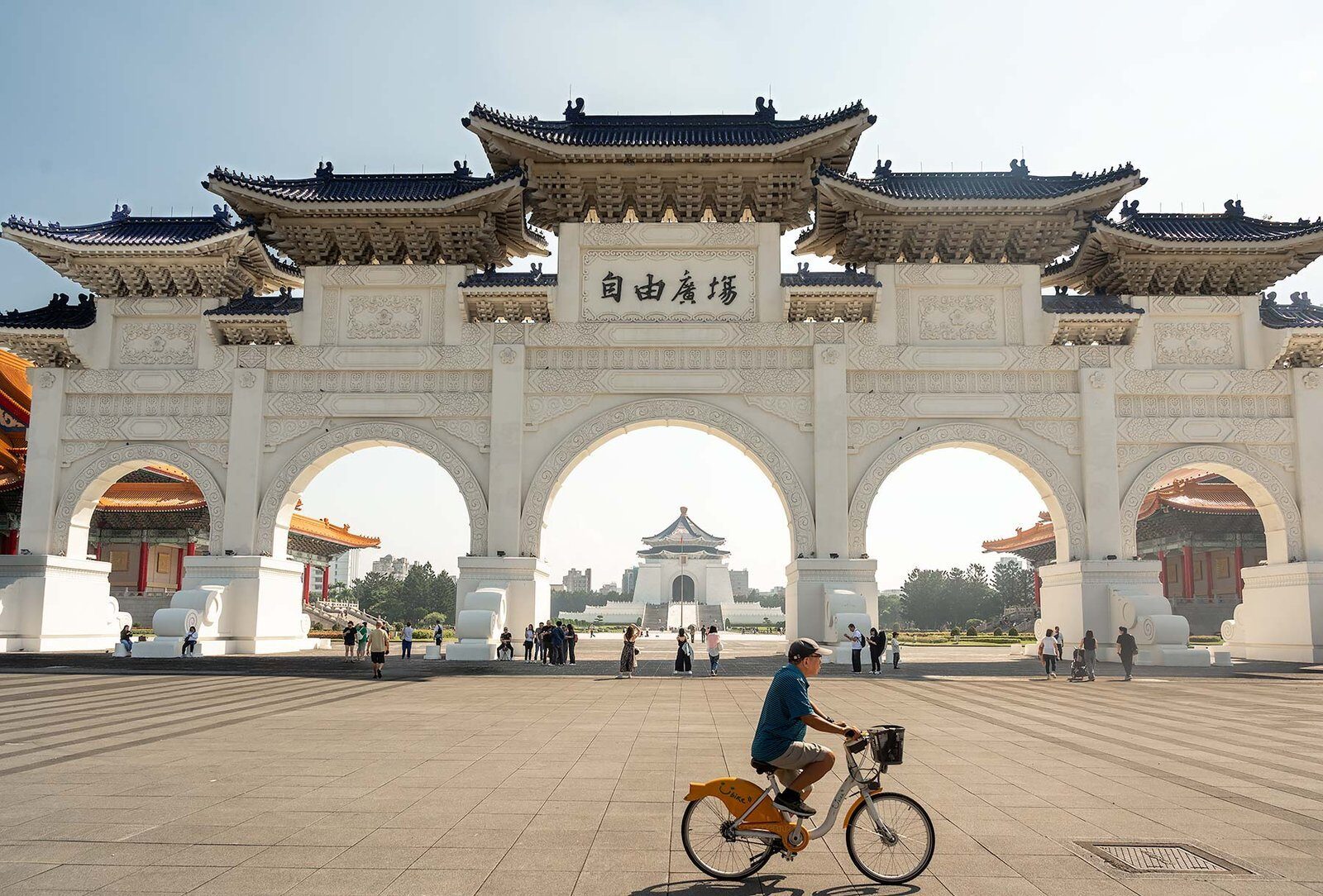
Taipei has an excellent MRT (metro) system - clean, efficient, and with English signage. Get an EasyCard for all transport. Taiwan High Speed Rail (HSR) connects western cities (Taipei to Kaohsiung in 90 minutes). Conventional trains reach eastern Taiwan. Buses fill gaps. YouBike public bikes are popular in cities.
Culture & Travel Tips
Best Time to Visit
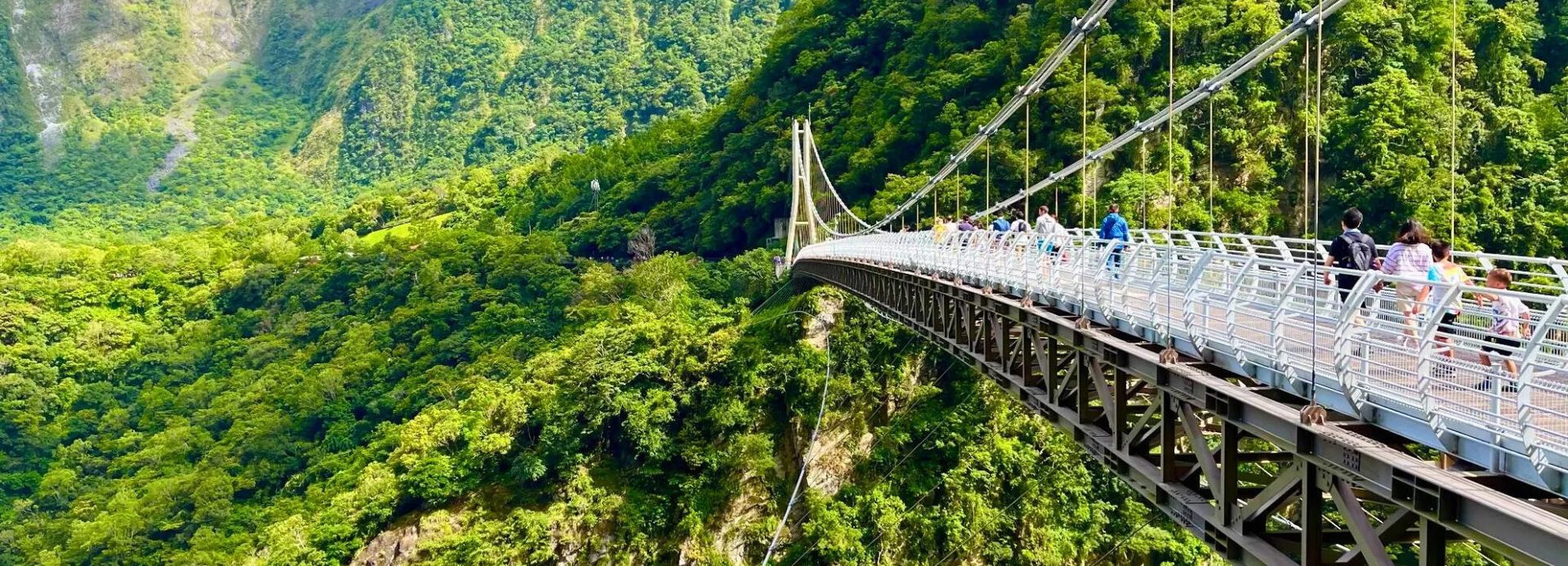
Taiwan has a subtropical climate in the north and tropical in the south. The best times to visit are spring (March-May) and autumn (October-November) when temperatures are pleasant and rainfall moderate. Summer (June-September) is hot and humid with typhoon season risks, though mountain areas offer cooler escapes. Winter (December-February) is mild in the south but cool and sometimes rainy in Taipei. Cherry blossoms bloom in the mountains in February-March. The Lantern Festival (February/March) and Dragon Boat Festival (June) are cultural highlights. Taroko Gorge and high mountain areas are accessible year-round but may have road closures after storms.
Cultural Notes
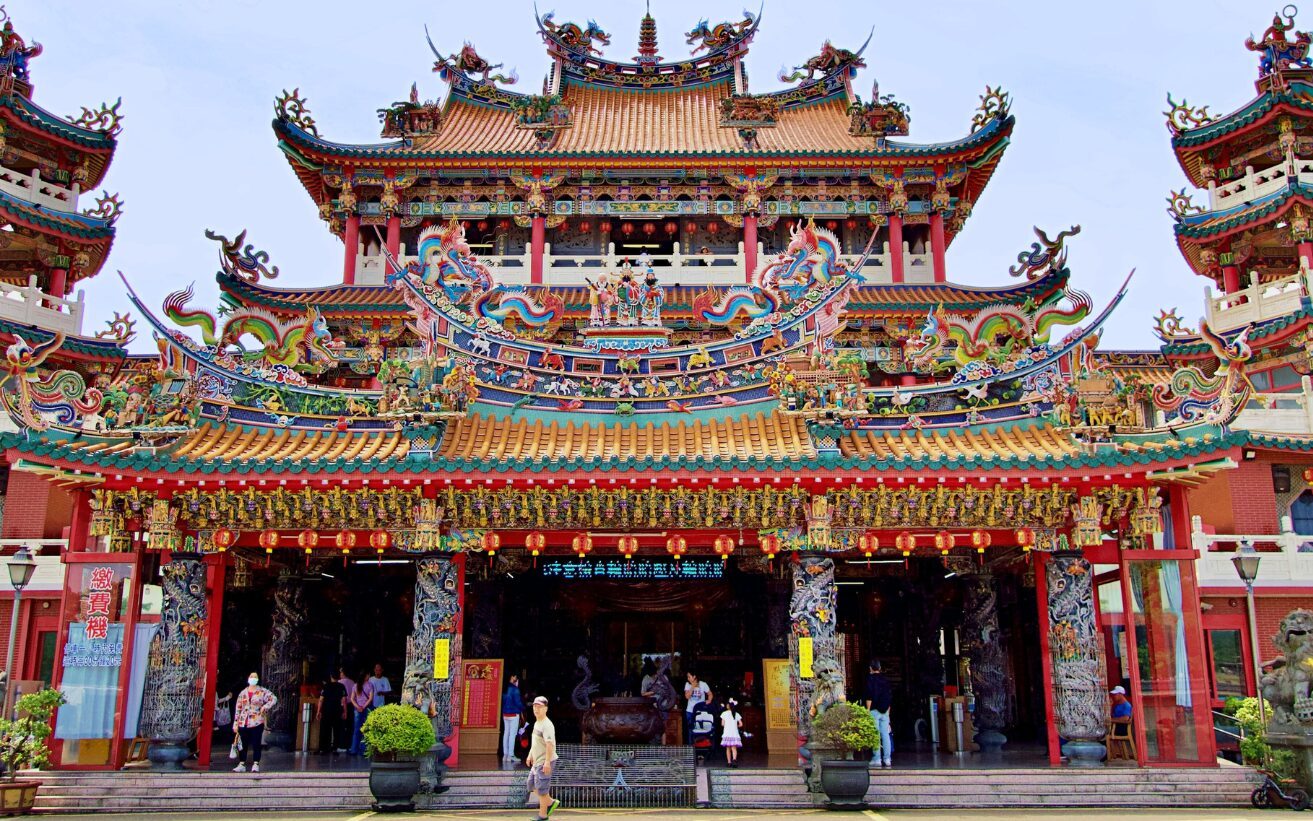
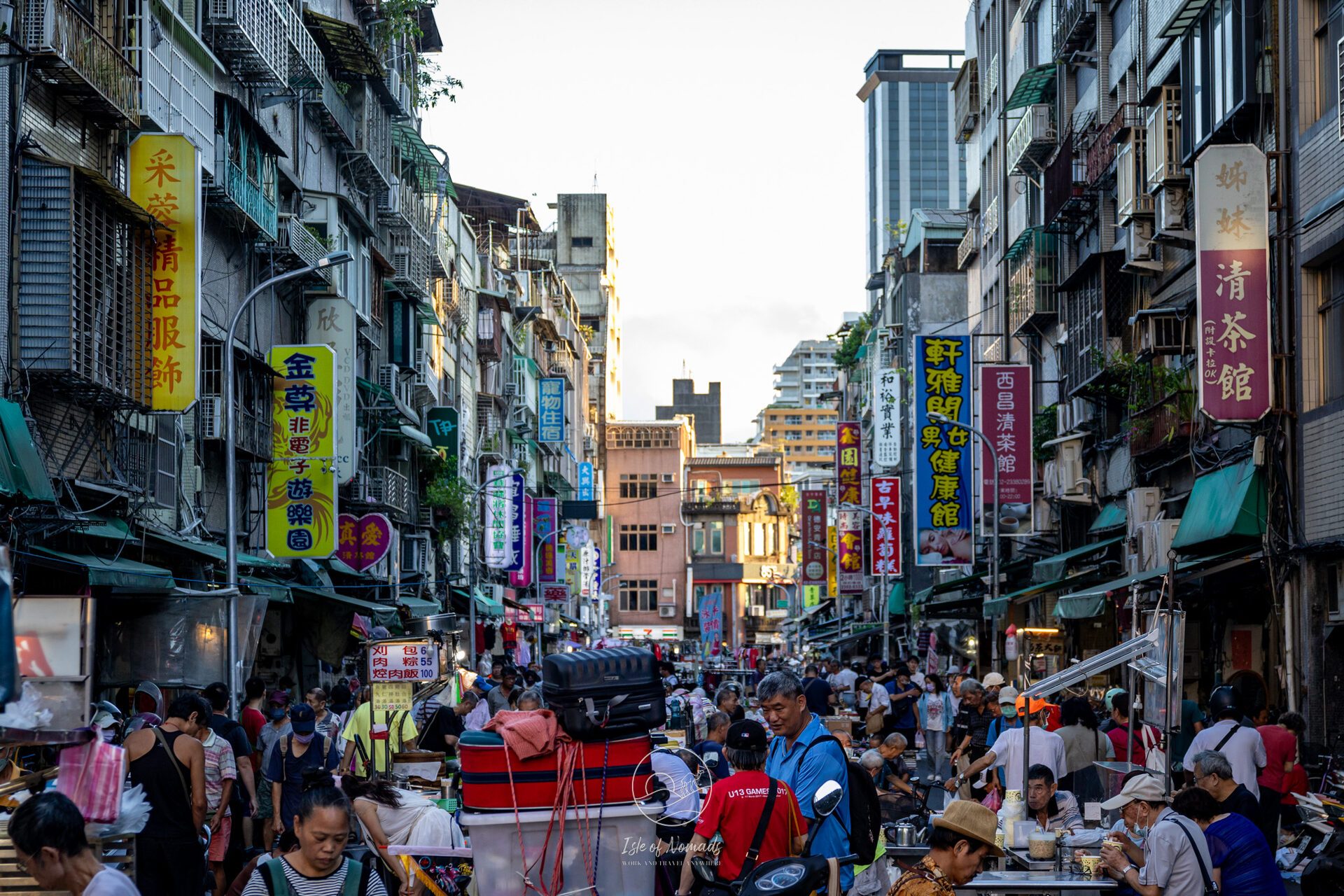
Taiwan has a complex identity shaped by indigenous peoples, Chinese immigration, Japanese colonization (1895-1945), and its current status as a de facto independent democracy not recognized by most countries due to the Peoples Republic of China claim. This political situation creates sensitivities - avoid assuming Taiwanese are "Chinese" or taking political sides. Taiwanese are exceptionally friendly and helpful to visitors. Traditional Chinese culture thrives here, preserved while mainland China underwent the Cultural Revolution. Buddhist, Taoist, and folk temples are everywhere; Mazu sea goddess is widely worshipped. Night market culture is essential to social life. The healthcare and tech industries are world-leading. LGBTQ+ rights are the most progressive in Asia.
Insider Tips
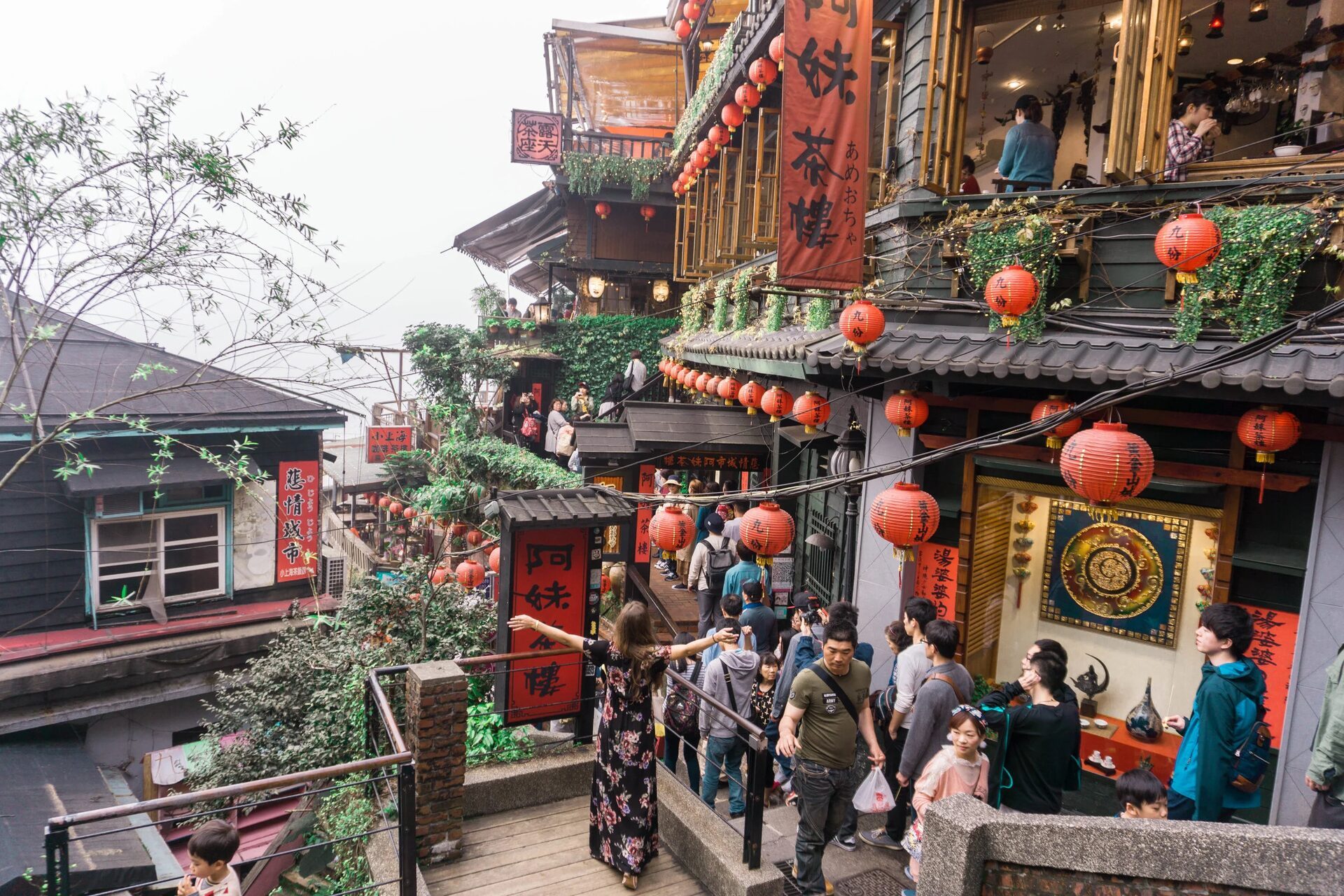
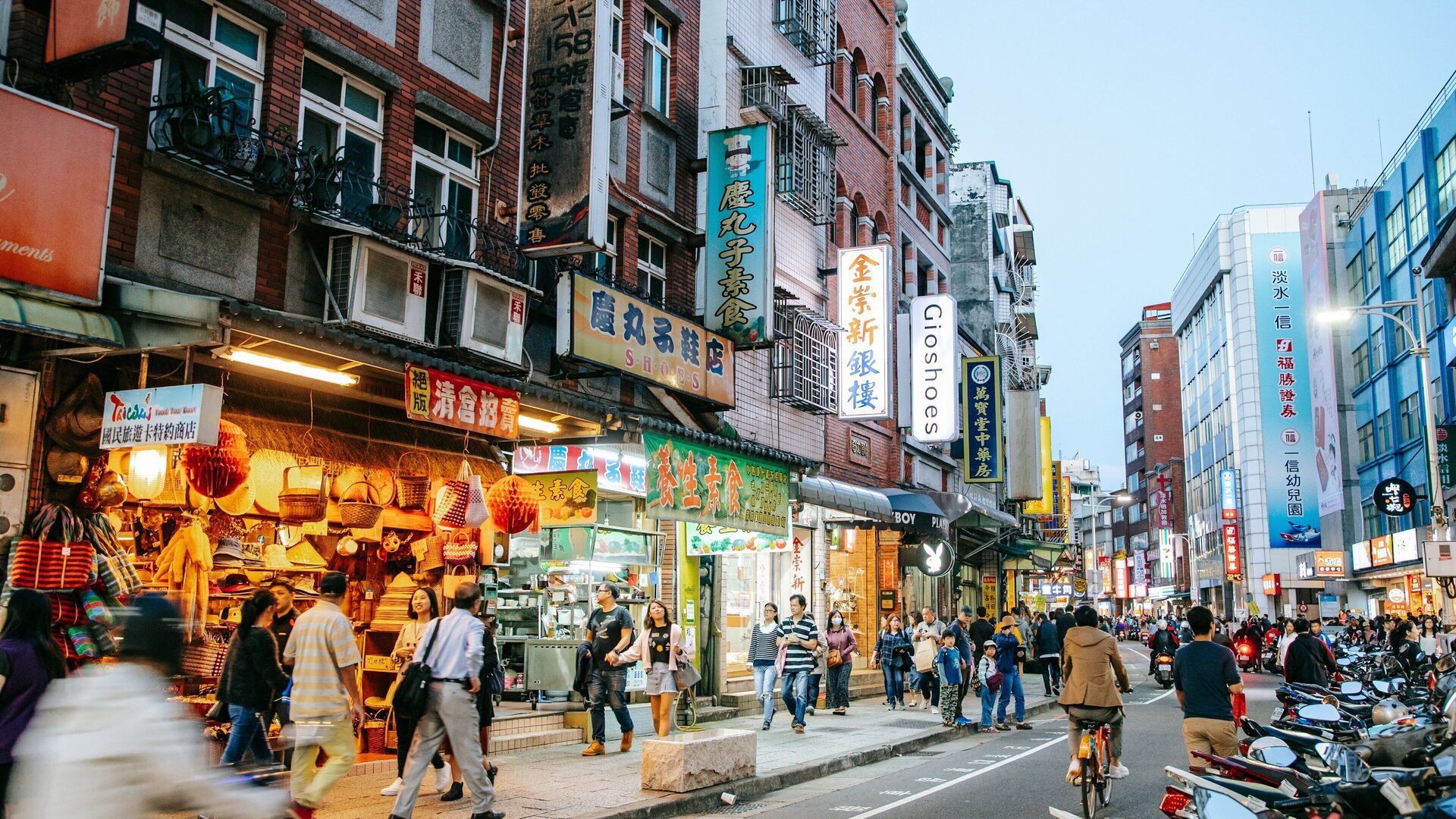
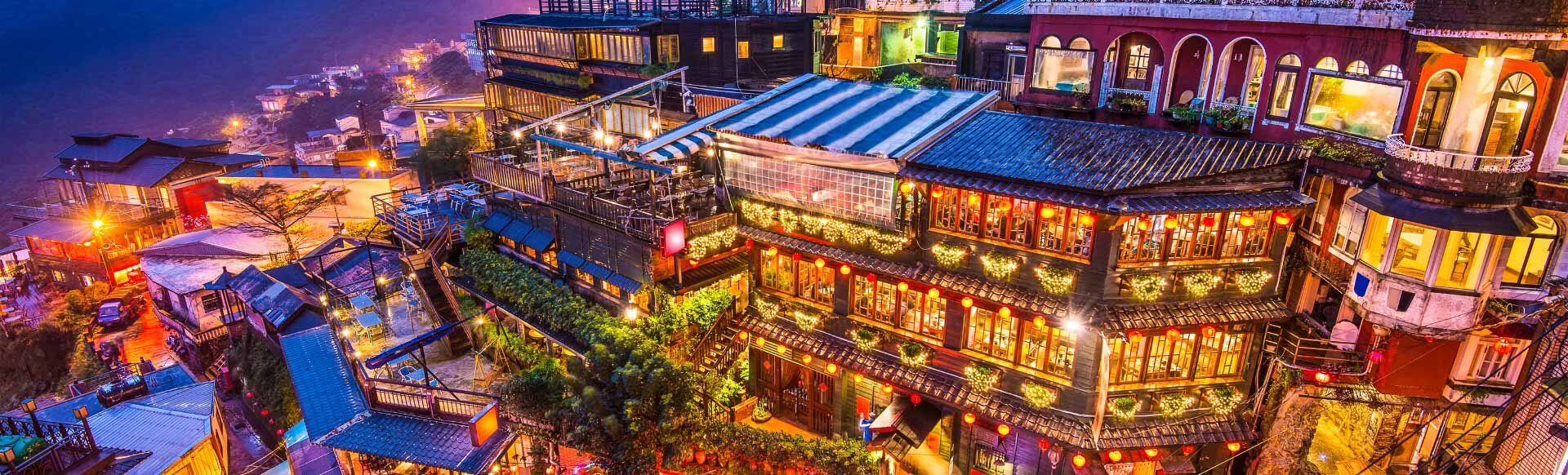
Taiwan is one of Asias most underrated destinations, combining ancient Chinese temples with cutting-edge modernity, spectacular nature with world-class food. Taipei offers the iconic Taipei 101, excellent night markets, and temple-dotted neighborhoods. Taroko Gorge is a dramatic marble canyon with hiking trails. Sun Moon Lake and Alishan provide scenic mountain escapes. Jiufen old town evokes Spirited Away. The high-speed rail connects major western cities; local trains and buses reach everywhere else efficiently. An EasyCard simplifies transit. The Taiwan dollar is the currency. Mandarin Chinese is the language; English is limited outside Taipei. Taiwanese cuisine - beef noodles, xiao long bao, bubble tea, night market snacks - is legendary.
Dress Code
Taiwanese dress casually - t-shirts and shorts are fine in summer. Be modest at temples. Bring layers as air conditioning is aggressive everywhere. Comfortable walking shoes are essential for night markets and hiking.
Current Travel Situation
United States to Taiwan: What You Need to Know
Taiwan (officially the Republic of China, ROC) has maintained a visa-free program for US citizens since 2012, allowing stays of up to 90 days per visit. Taiwan Taoyuan International Airport (TPE) is the main gateway, with direct flights from Los Angeles, New York, San Francisco, Seattle, Dallas, and other US cities. Taipei Songshan (TSA) handles some regional routes. Taiwan operates independently from mainland China (PRC) and is not subject to China's visa rules. The political situation between Taiwan and mainland China remains complex but does not typically affect tourist travel.
How to Get There
Direct flights from the US West Coast to Taipei take approximately 12-14 hours. Tokyo (Japan) and Seoul (South Korea) are popular stopover cities for East Asia itineraries combining Taiwan with Japan or Korea. Hong Kong to Taipei is about 1.5 hours by air. The Taiwan High Speed Rail (HSR) connects Taipei to Kaohsiung in 90 minutes, making north-south travel very efficient.
Money & Banking
Taiwan uses the New Taiwan Dollar (TWD/NTD). Cards are widely accepted in Taipei and cities; smaller towns, night markets, and traditional shops often prefer cash. ATMs are abundant; 7-Eleven and FamilyMart (both everywhere) have international ATMs. Taiwan is very affordable: street food at night markets runs $1-3 per item, and mid-range restaurant meals cost $8-15. The EasyCard (similar to a transit card) is useful for MRT, buses, and some convenience stores.
Practical Tips
Taipei's night markets (Shilin, Raohe, Ningxia) are an essential food experience. The National Palace Museum holds one of the world's greatest collections of Chinese art and artifacts. Taroko Gorge in Hualien is a breathtaking marble canyon. Sun Moon Lake and Alishan mountain offer scenic respites. Jiufen (old mining village) and the Yehliu Geopark are popular day trips. Taiwanese food (beef noodle soup, scallion pancakes, bubble tea) is outstanding and inexpensive.
Frequently Asked Questions
Is Taiwan the same as China for visa purposes?
No. Taiwan (ROC) and mainland China (PRC) are governed separately and have completely different visa rules. The 90-day visa-free entry for US citizens to Taiwan does not apply to mainland China, which requires a separate visa.
Is Taiwan safe to visit given tensions with China?
Taiwan is very safe for tourists. Crime rates are low, infrastructure is excellent, and the country is welcoming to foreign visitors. Geopolitical tensions with mainland China exist but do not affect day-to-day tourist travel. The US does maintain a travel awareness notice but there is no active travel advisory discouraging tourism.
What is the best way to get around Taiwan?
The Taiwan High Speed Rail (HSR) connects Taipei to Kaohsiung in 90 minutes and is the fastest way to travel north-south. The Taipei MRT is clean and easy to use. For east coast destinations like Taroko Gorge, trains or rental scooters are popular. The EasyCard transit card works across most public transport.
Do US citizens need a visa to visit Taiwan?
No, US citizens can visit Taiwan without a visa for up to 90 days for tourism, business visits, attending conferences, and visiting friends or relatives. Your passport must be valid for at least 6 months beyond your planned stay. You'll need a confirmed return or onward ticket. While no visa is required, ensure you have proof of accommodation and sufficient funds if asked. Taiwan is a welcoming destination with straightforward entry requirements for American visitors.
What is Taiwan's political status and should I be concerned about cross-strait tensions?
Taiwan is a self-governing democracy with its own government, currency, and military, but mainland China claims sovereignty over it. The United States maintains unofficial relations through the American Institute in Taiwan (AIT), which functions as an embassy. For tourists, daily life in Taiwan is completely normal and unaffected by cross-strait political tensions. Taiwan is extremely safe, modern, and tourist-friendly. The situation has been stable for decades, and millions of tourists visit annually without any issues. Stay informed through official channels but don't let geopolitical concerns deter your visit.
Is Taiwan expensive to visit compared to other Asian destinations?
Taiwan offers excellent value for money. It's more affordable than Japan or South Korea but slightly pricier than Southeast Asian countries. Street food and night market meals cost $1-5 USD, local restaurants $5-15 USD. Accommodation ranges from budget hostels ($15-25 USD) to mid-range hotels ($50-100 USD). Public transportation is efficient and cheap; the Taipei MRT and intercity buses are affordable. Major expenses are usually international flights. Taiwan's renowned night market food culture lets you eat incredibly well for little money. High-quality products, from electronics to tea, offer good value.
What cultural etiquette should I know for Taiwan?
Taiwanese people are known for their friendliness and helpfulness toward visitors. Remove shoes when entering homes and some traditional establishments. Gift-giving is common; if invited somewhere, bring a small gift (fruit, pastries). Avoid sticking chopsticks upright in rice (associated with funeral rites). Tipping is not customary or expected. Taiwan uses a mix of Traditional Chinese characters (not simplified like mainland China). The official language is Mandarin Chinese, though Taiwanese Hokkien is widely spoken. Basic Mandarin phrases are appreciated but English is increasingly common, especially among younger generations and in Taipei.
How do I get around Taiwan efficiently?
Taiwan has excellent public transportation. The Taipei Metro (MRT) is clean, efficient, and English-friendly. For island-wide travel, the Taiwan High Speed Rail (THSR) connects Taipei to Kaohsiung in about 90 minutes. Frequent and comfortable intercity buses are affordable alternatives. An EasyCard (like Taipei's version of a transit card) works on MRT, buses, trains, and convenience stores, island-wide. YouBikes (public bikes) are available throughout major cities. Domestic flights connect to Penghu, Kinmen, and east coast cities. Renting scooters is popular for exploring smaller towns but requires an International Driving Permit.
United States Embassy
American Institute in Taiwan
100 Jinhu Road, Neihu District
Taipei 11461
+886 2 2162 2000