Syria Visa RequirementsFor United States passport holders
US citizens require a visa to visit Syria. The US State Department has issued a Level 4 "Do Not Travel" advisory for Syria. The Assad government fell in December 2024 and a transitional government is in place, but the security situation remains extremely volatile.
United States passport holders require a visa to enter Syria.
Under the old Assad government, US citizens were effectively barred from obtaining tourist visas. Under the new transitional government, the visa situation is in flux. The US Embassy in Damascus has been closed since 2012; US citizen services are provided by the US Embassy in Beirut (Lebanon) or Amman (Jordan). Check current US Embassy advisories before attempting any travel.
Entry Requirements
Passport Validity
6 months beyond date of entry
Blank Pages
2 blank pages required
Multiple Entry
Single entry only
Work Permitted
No - requires work visa
Entry Conditions
Visa required. No U.S. consular services available. Travel is extremely dangerous.
Required Documents
Valid US Passport
Must be valid for at least 6 months beyond your planned stay with at least 2 blank pages for visa stamps
Completed Visa Application Form
Fill out the official visa application form from the embassy or consulate
Passport-size Photos
Two recent color photos (2x2 inches or 35x45mm) with white background, taken within last 6 months
Proof of Accommodation
Hotel reservations, rental agreement, or invitation letter with host address
Proof of Sufficient Funds
Recent bank statements (last 3 months), credit card statements, or sponsorship letter
Round-trip Flight Itinerary
Confirmed return or onward flight booking showing departure from the country
Employment or Business Letter
Letter from employer stating position, salary, and approved leave dates, or business registration documents
Travel Insurance Recommended
Comprehensive travel insurance covering medical expenses and emergency evacuation
Cover Letter Recommended
Personal letter explaining purpose of visit, itinerary, and ties to home country
Travel Essentials
Health & Safety
Safety Rating
Vaccinations
Hepatitis A, Hepatitis B, Typhoid, Rabies
Tap Water
Bottled water recommended
Safety Tips
Syria has been in devastating civil war since 2011. Multiple armed factions, ongoing airstrikes, terrorism, kidnapping, and complete breakdown of services make it one of the world's most dangerous countries. All travel is strongly advised against. Most embassies have closed. There is no safe area.
Money & Costs
Currency
£ Syrian Pound (SYP)
Daily Budget (USD)
Budget: $30 · Mid: $70 · Luxury: $150+
Tipping
Not applicable as tourism does not exist.
Practical Info
Power
Type C, E, L, 220V 50Hz
Driving
Right side
Emergency
No reliable emergency services.
Getting There
Main Airports
Damascus (DAM)
Culture & Travel Tips
Best Time to Visit
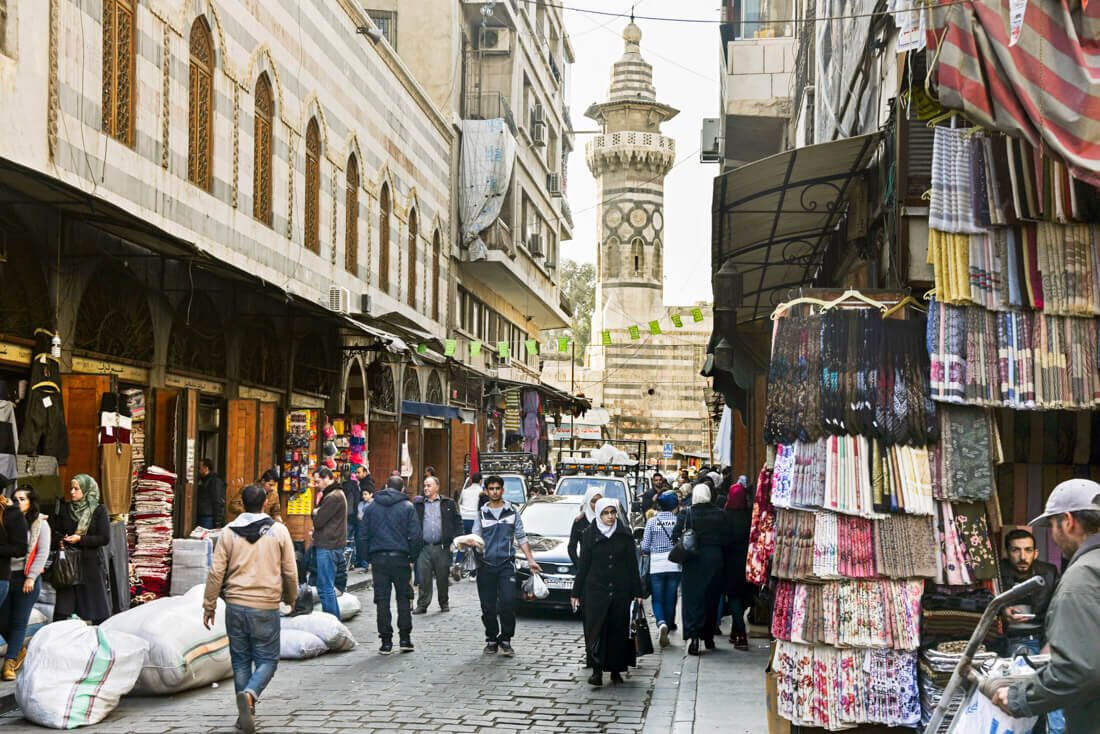
IMPORTANT: Syria has been devastated by civil war since 2011. Travel is extremely dangerous and not recommended by any government. The conflict has destroyed much of the countrys infrastructure and heritage sites. Historically, spring (March-May) and autumn (September-November) offered pleasant Mediterranean climate in coastal areas and comfortable conditions for exploring ancient cities. Summers were hot and dry; winters mild but rainy on the coast. Damascus and Aleppo had ancient souks and architecture that ranked among the worlds greatest. Until peace and reconstruction occur, these treasures remain largely inaccessible or destroyed.
Cultural Notes
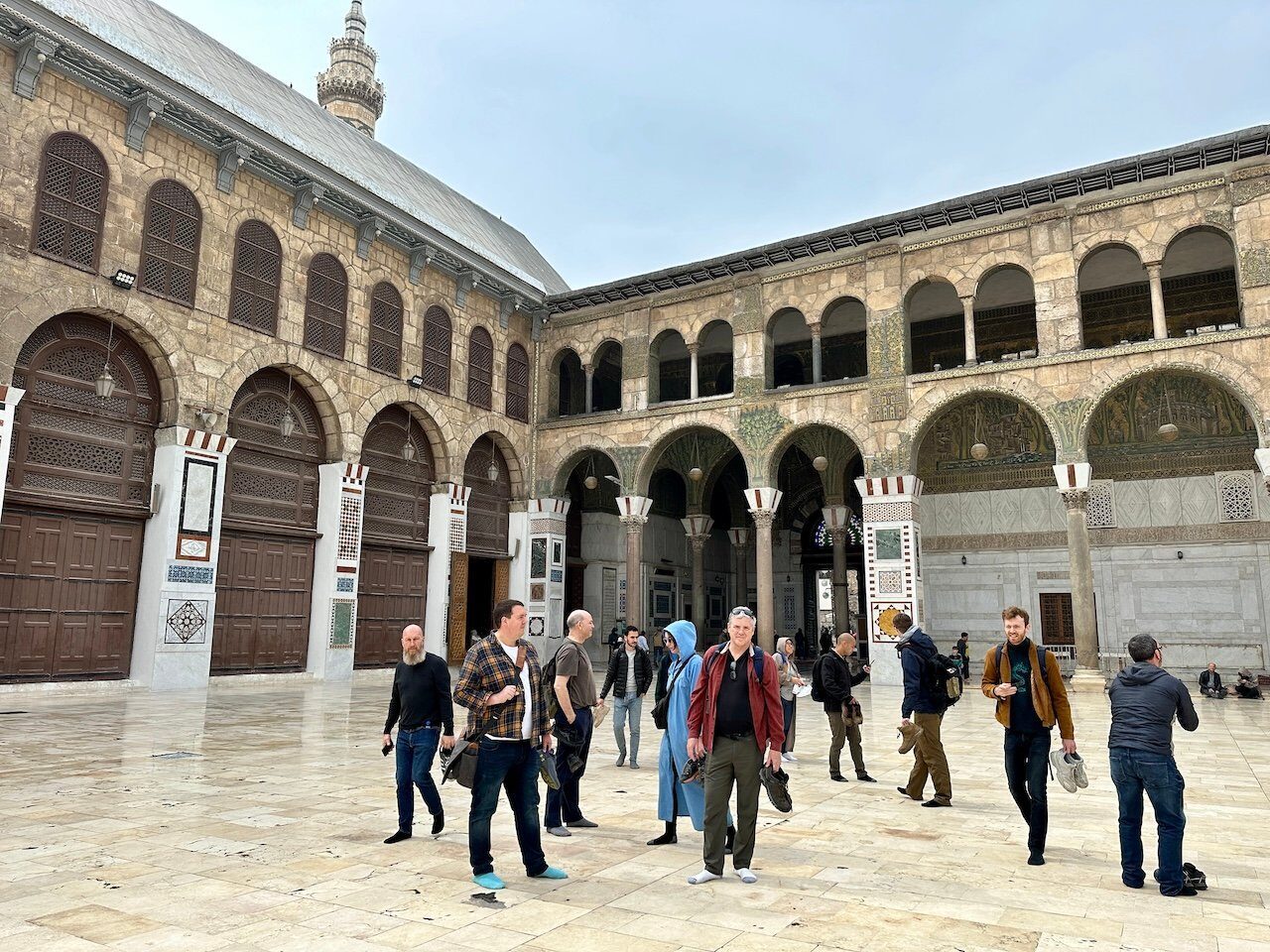
Syrian culture represents millennia of civilization at the crossroads of empires - Assyrian, Babylonian, Roman, Byzantine, Islamic dynasties all left their mark. Damascus claims to be the worlds oldest continuously inhabited city. Syria was the heart of Umayyad Islamic civilization, with the Umayyad Mosque in Damascus being one of Islams holiest sites. The country was traditionally a mosaic of religious communities: Sunni Arab majority, Alawites, Christians of various denominations, Druze, Kurds, and others. The Assad regimes Alawite minority rule contributed to civil war dynamics. The Syrian diaspora now numbers millions worldwide, with many hoping to eventually return and rebuild. Syrian cuisine, including kibbeh, hummus, and sweets, has spread globally through these communities.
Insider Tips
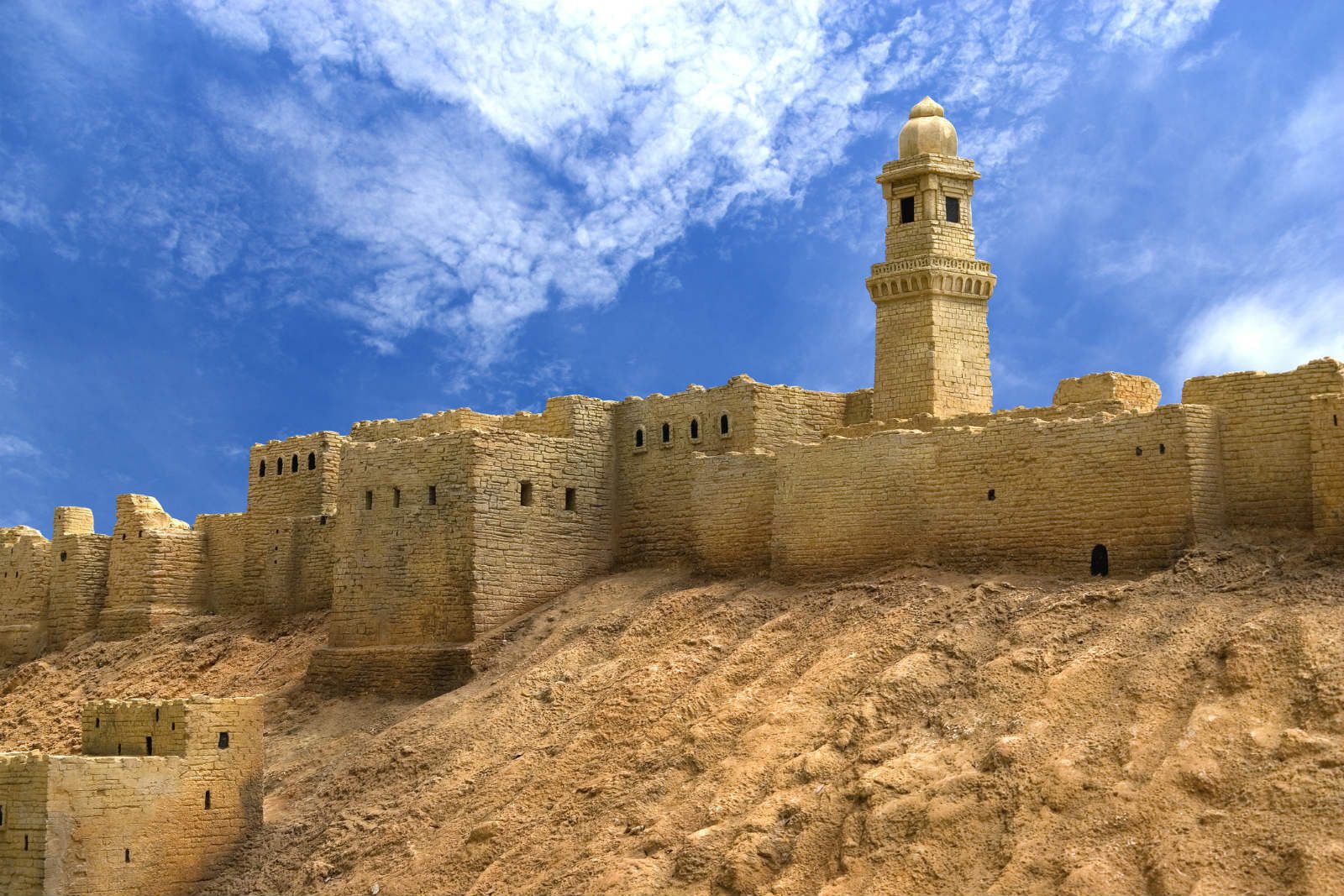
WARNING: Syria is in active civil war with multiple armed factions, heavy military activity, and extreme danger for any traveler. All governments advise against travel. No tourism infrastructure exists. Foreigners face kidnapping, arbitrary detention, and crossfire risks. This information is for historical reference only. Pre-war Syria was one of the Middle East richest archaeological destinations: Damascus is one of the worlds oldest continuously inhabited cities, Aleppo had magnificent souks and citadel, Palmyra Roman ruins stood in the desert, and Krak des Chevaliers was the ultimate Crusader castle. The Syrian people were known for hospitality. Tragically, many of these sites have been damaged or destroyed, and millions of Syrians have become refugees.
Current Travel Situation
United States to Syria: What You Need to Know
Syria descended into civil war in 2011 following the Arab Spring uprisings against President Bashar al-Assad. After 13 years of devastating conflict, the Assad government fell in a rapid rebel offensive in December 2024, with Assad fleeing to Russia. The transitional government led by Hayat Tahrir al-Sham (HTS) and allied rebel factions took control. The situation in early 2025 is rapidly evolving: some areas of Damascus have seen celebrations, but widespread security concerns remain, including unexploded ordnance, armed factions in various areas, and extreme infrastructure damage. Damascus International Airport (DAM) has resumed limited operations. The US State Department maintains a Level 4 advisory.
How to Get There
Damascus International Airport has resumed limited flights to Beirut, Amman, Dubai, Istanbul, and Doha. The Beirut-Damascus road crossing (3-4 hours) was a major entry point historically. Amman-Damascus overland is also possible. Security checkpoints and the fluid control of different armed factions make all overland travel within Syria risky.
Money & Banking
Syria uses the Syrian Pound (SYP), which has collapsed in value during the civil war. USD is widely used in practice. Banking infrastructure is severely damaged. International card networks do not work. Bring sufficient USD cash.
Practical Tips
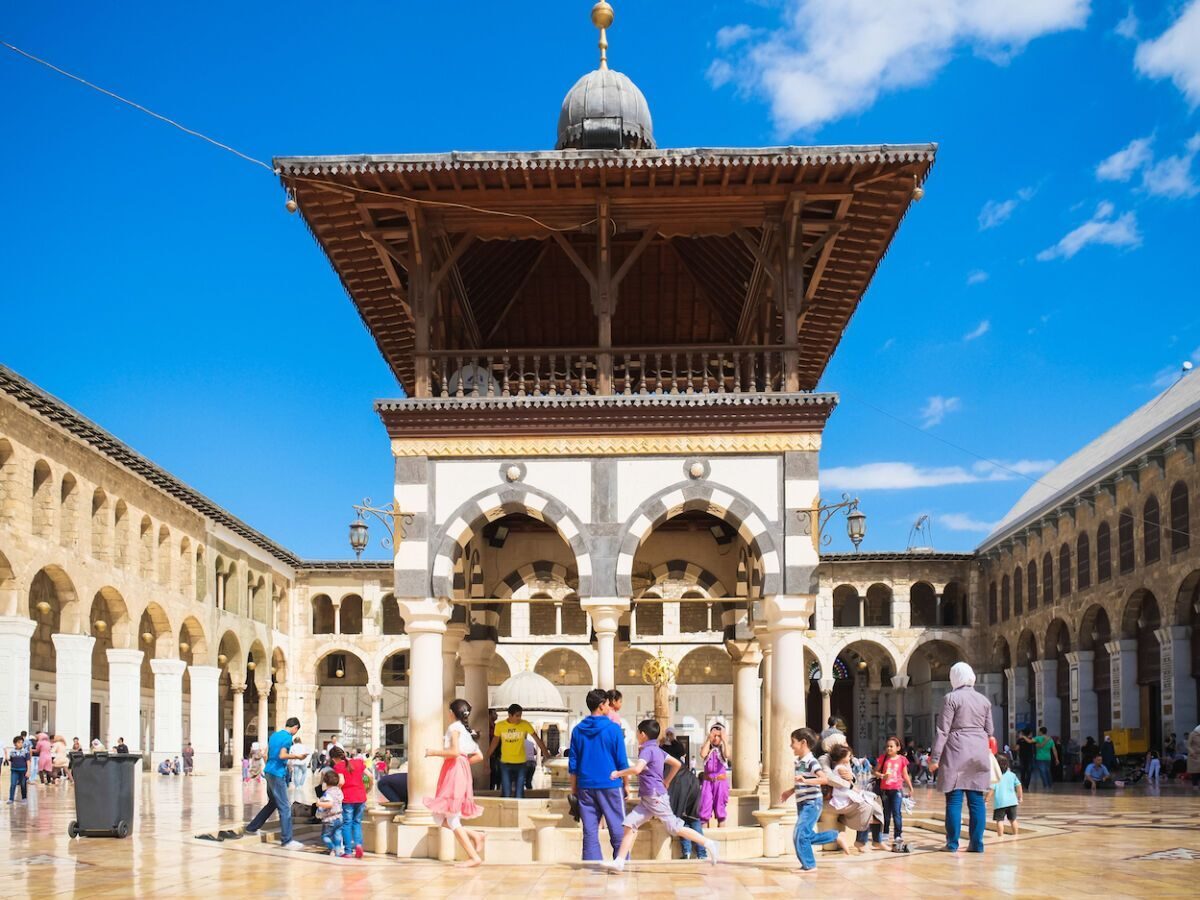
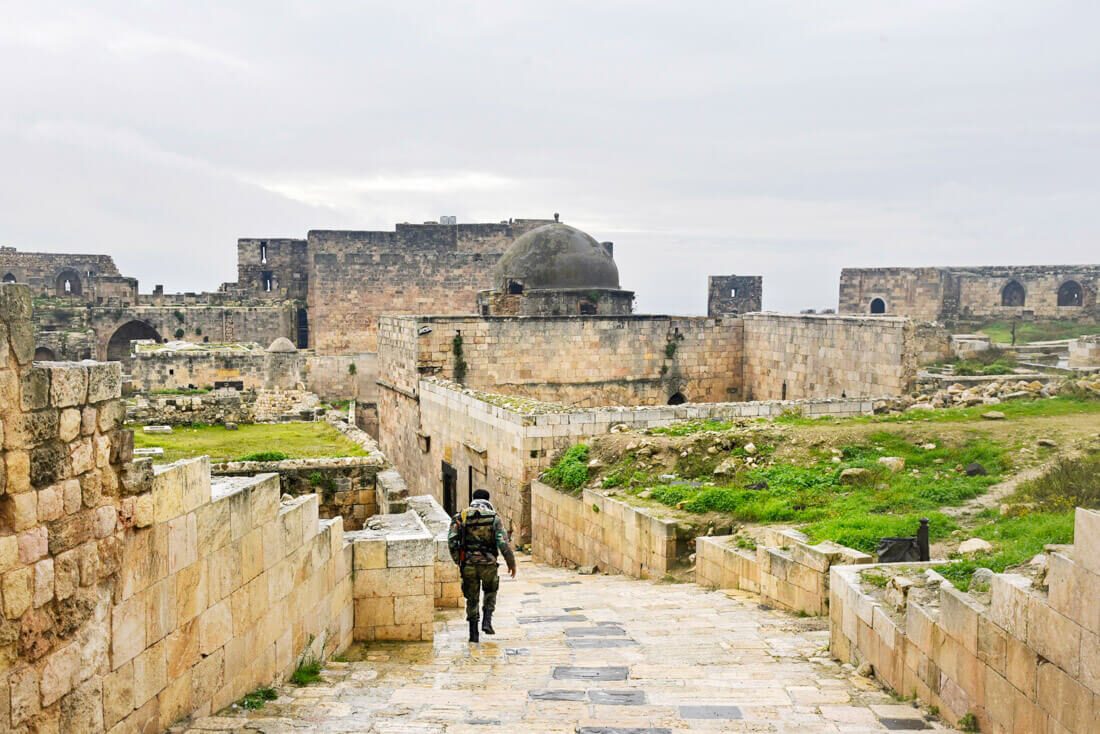
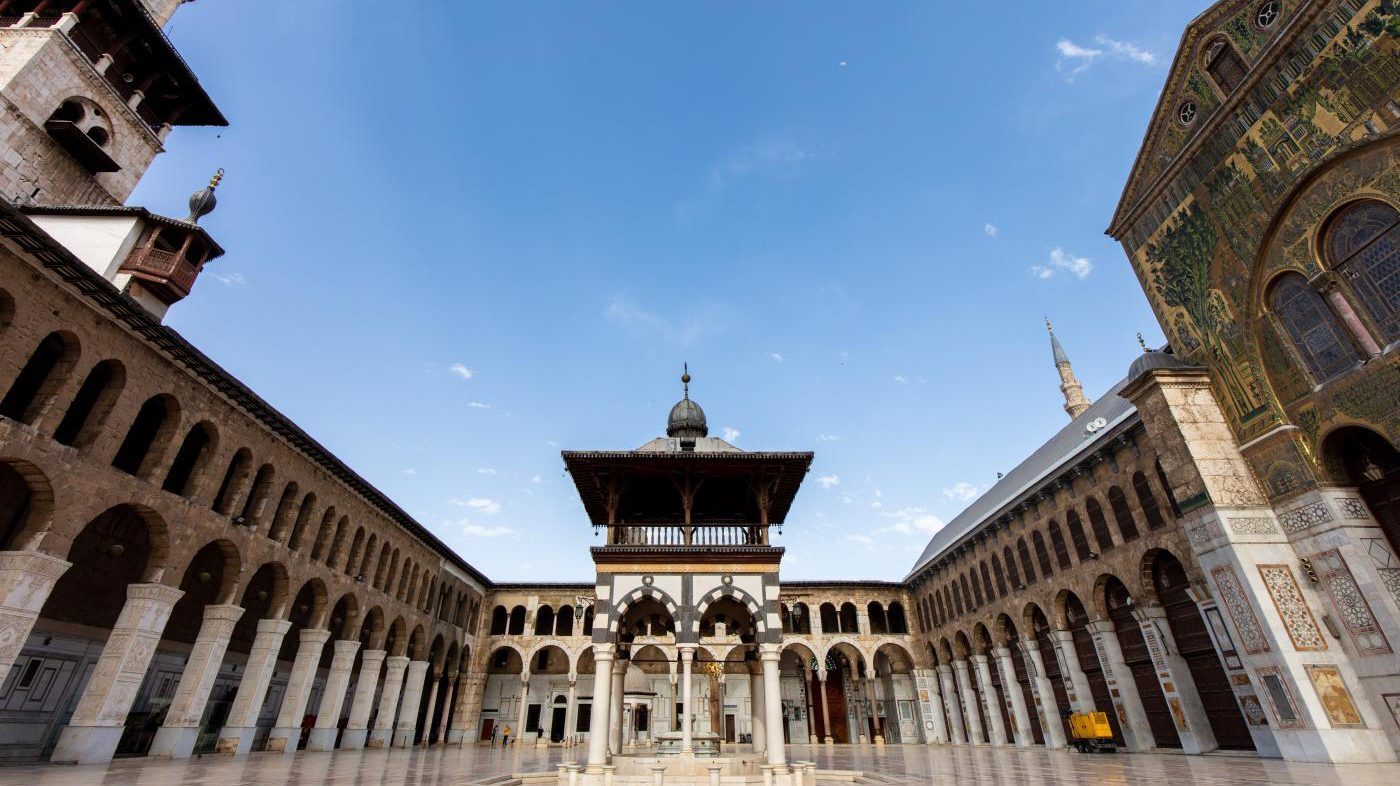
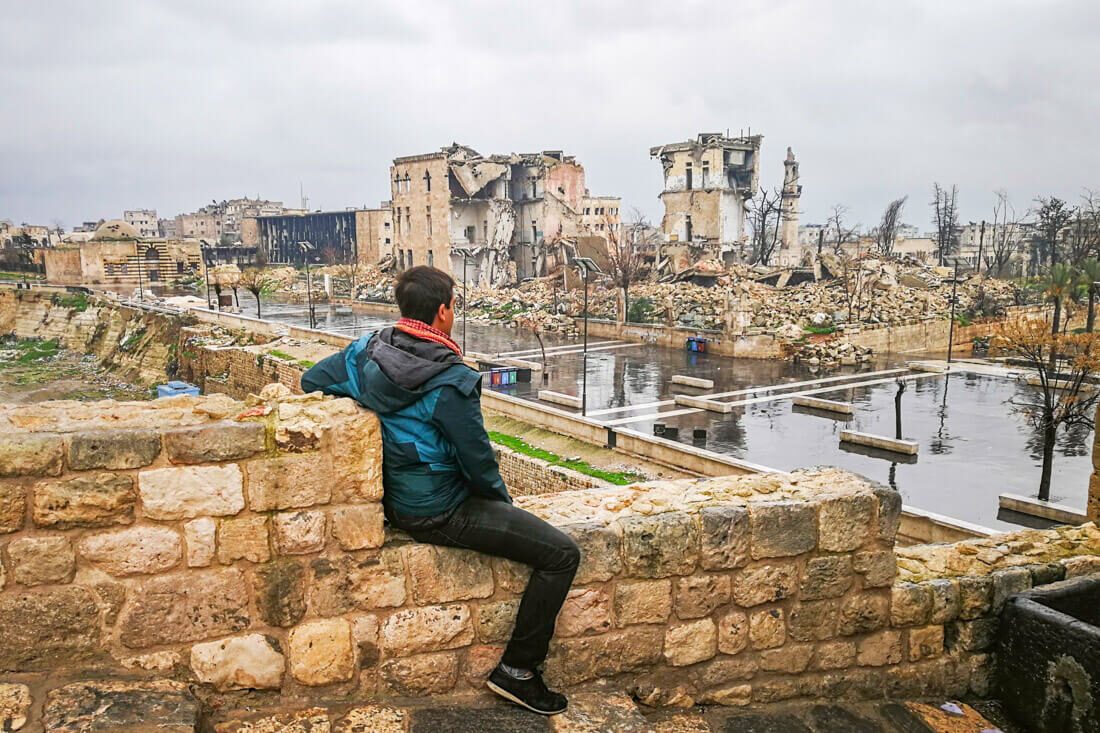
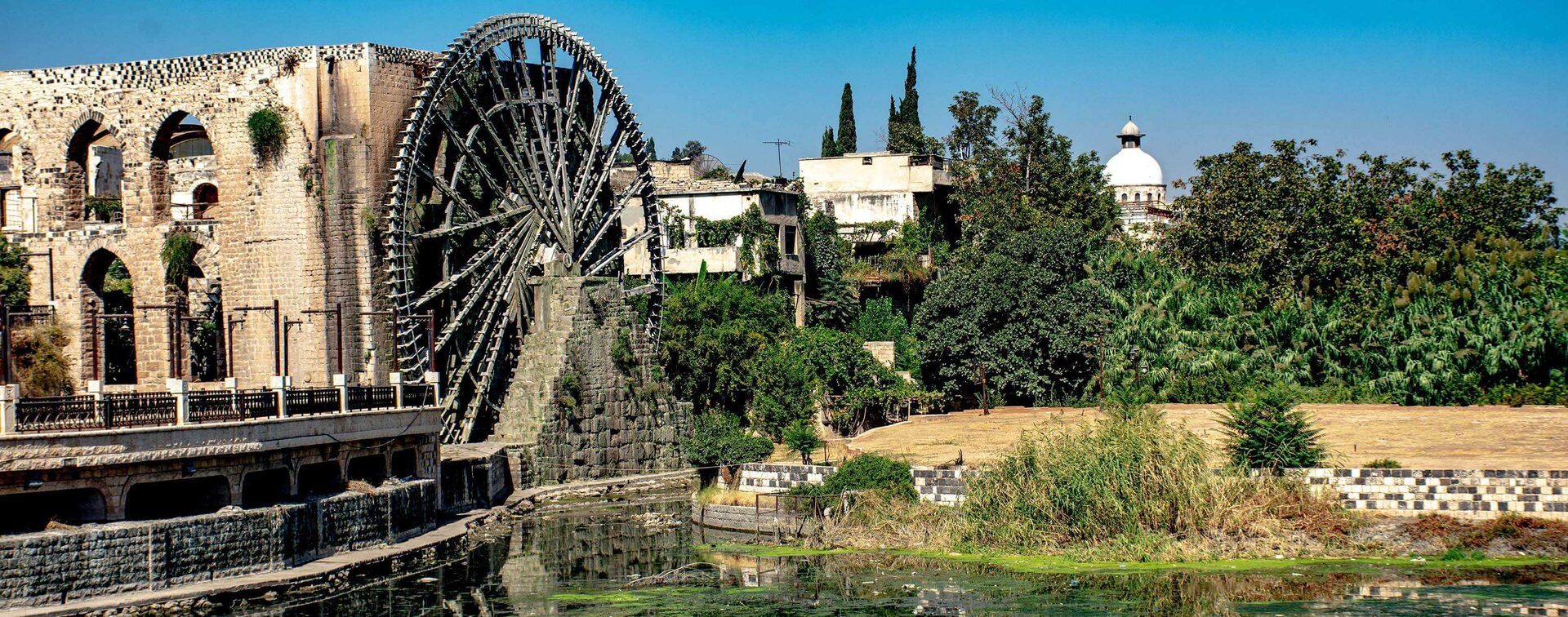
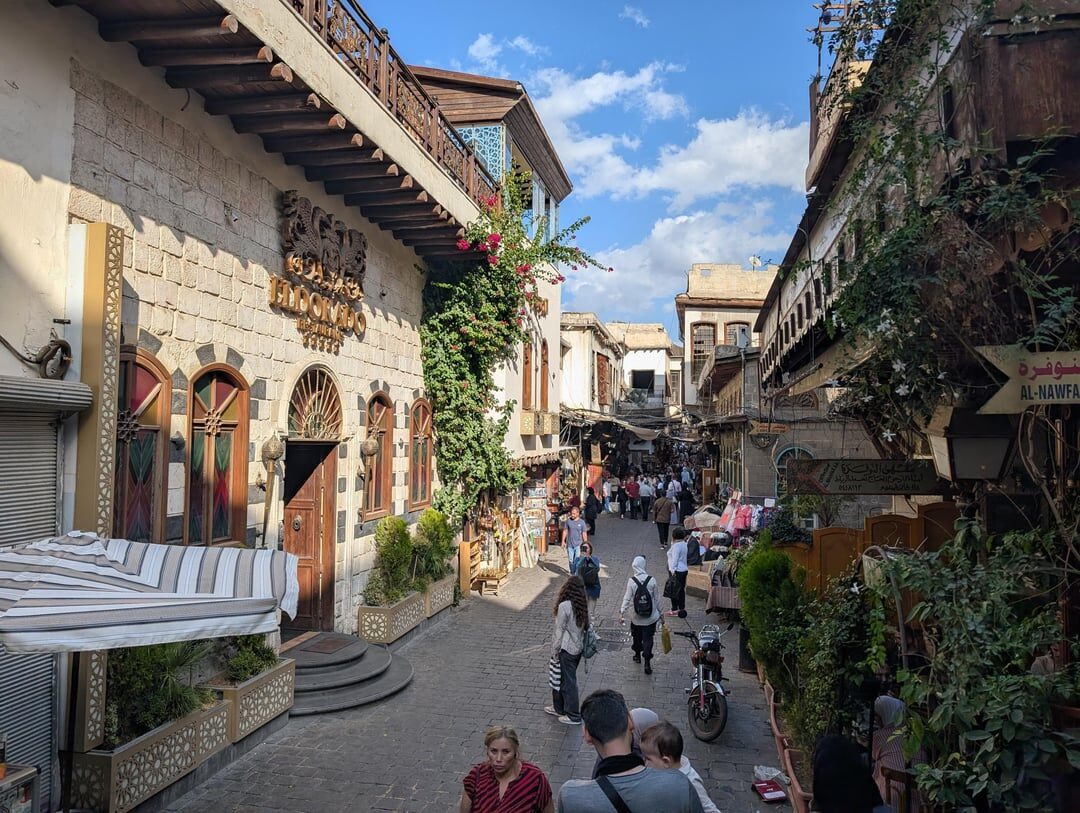
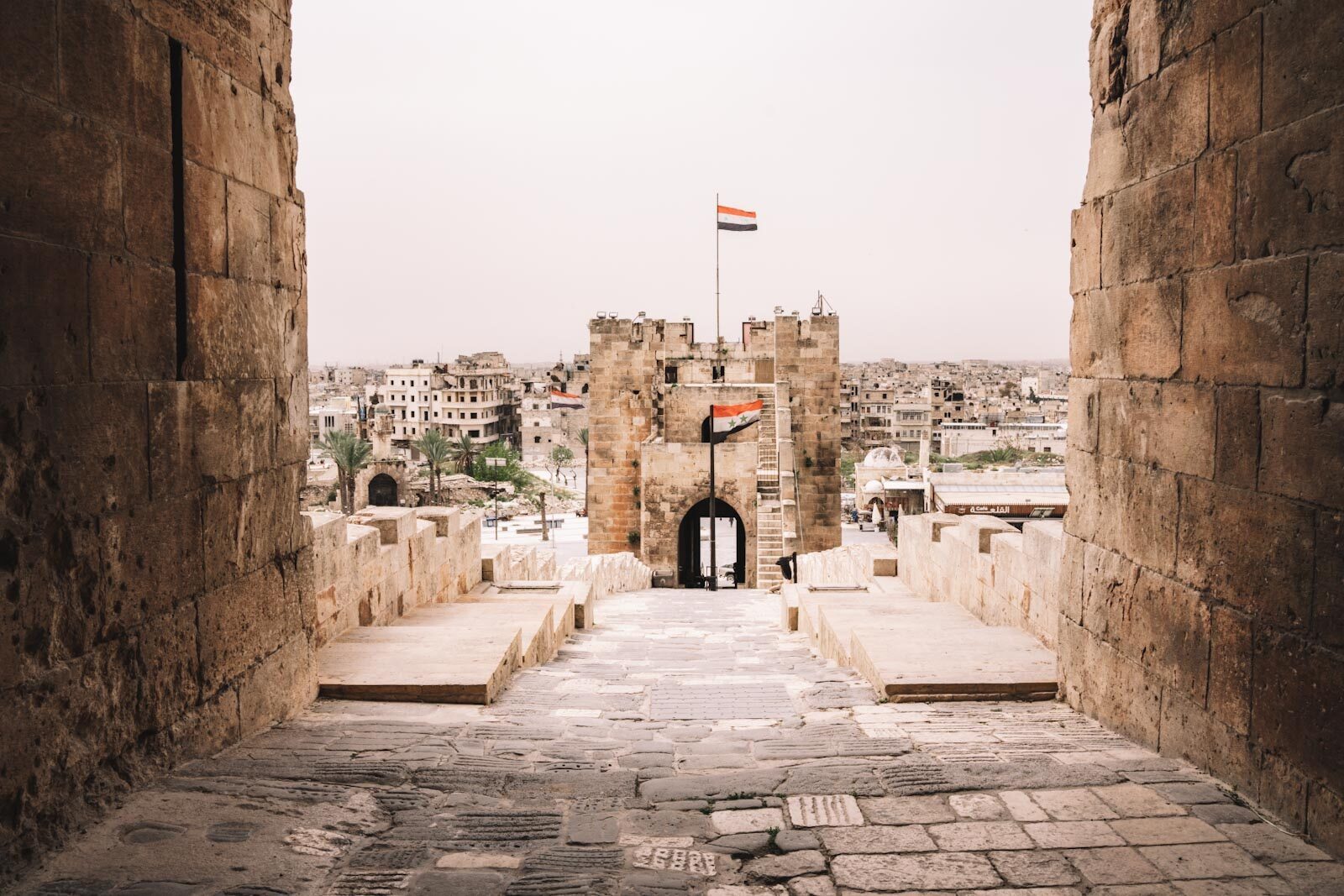
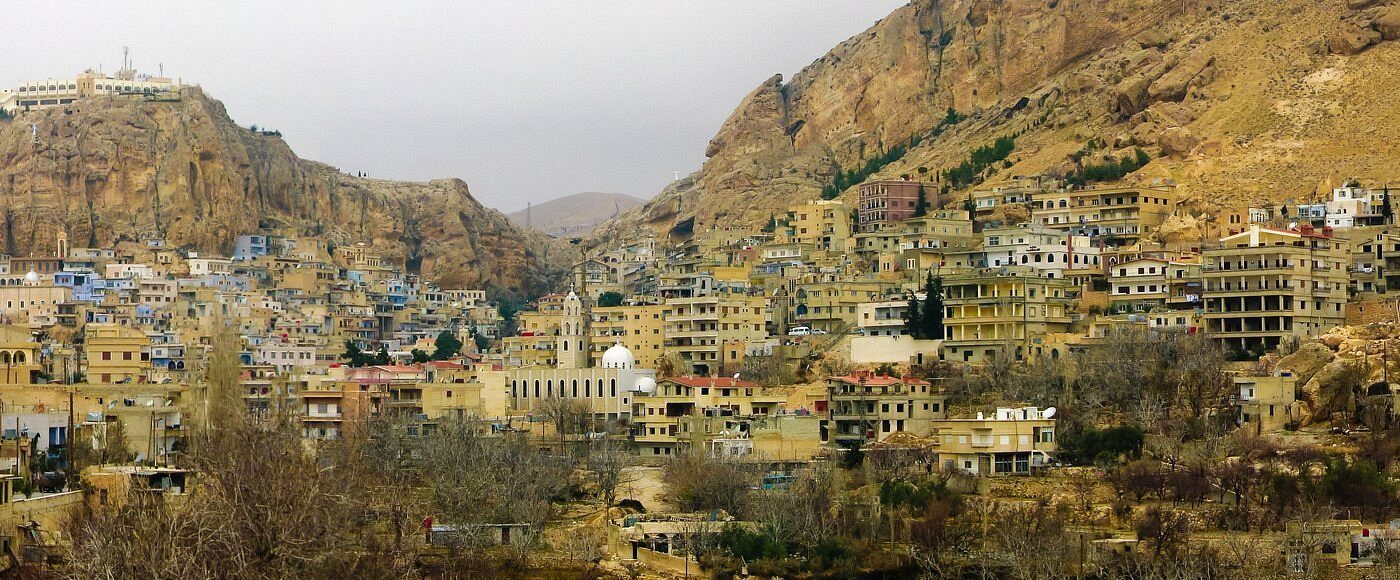
Syria has extraordinary historical heritage that was severely damaged during the civil war: Aleppo's Old City (UNESCO, heavily destroyed in the battle of Aleppo 2012-2016), Palmyra (UNESCO, significant Roman ruins partially destroyed by ISIS in 2015), the Crusader castle Krak des Chevaliers (UNESCO), and the Old City of Damascus (UNESCO, one of the world's oldest continuously inhabited cities). Some sites are being stabilized by post-war reconstruction efforts. Travel remains extremely risky; research current conditions carefully.
Frequently Asked Questions
What happened in Syria in December 2024?
After 13 years of civil war, a rebel offensive led by Hayat Tahrir al-Sham (HTS) and allied factions rapidly captured Aleppo, Hama, and Homs before reaching Damascus. President Bashar al-Assad fled to Russia on December 8, 2024, ending his family's 54-year rule. A transitional government took control. The security situation remained highly volatile in early 2025 with multiple armed factions, liberated prisoners, and an uncertain political future.
Are Syria's ancient sites accessible now?
Some of Syria's extraordinary ancient sites survived the civil war (the Old City of Damascus remains largely intact) while others were severely damaged (Aleppo's souqs and mosques, Palmyra's Temple of Bel and Arch of Triumph destroyed by ISIS). Post-Assad, some cautious assessments are happening, but the security situation and unexploded ordnance make independent visits extremely risky. Monitor current advisories.
Is Syria safe to visit after Assad fell?
The US State Department maintains a Level 4 "Do Not Travel" advisory for Syria. While the fall of Assad is a historic change, the security situation remains extremely volatile. Multiple armed factions control different areas, infrastructure is severely damaged, and the political transition is uncertain. A small number of journalists have entered Syria, but tourist travel is not advisable in the current environment.