Switzerland Visa RequirementsFor United States passport holders
US citizens can visit Switzerland visa-free for up to 90 days within any 180-day Schengen period. Switzerland is one of Europe's most beautiful and expensive countries.
Great news! United States passport holders can enter Switzerland without a visa for tourism or business purposes. You can stay up to 90 days.
No visa is required for stays up to 90 days in the Schengen Area. Present your valid US passport at the Swiss border (airport or land crossing). ETIAS registration may be required starting in 2025 , check current ETIAS status. Your passport should be valid for at least 3 months beyond planned Schengen departure. Switzerland uses the Swiss franc (CHF), not the euro, though euros are often accepted at a disadvantage.
Switzerland is part of the Schengen Area. Your stay counts toward the 90-day limit within any 180-day period for the entire Schengen zone. Learn more about Schengen rules →
Entry Requirements
Passport Validity
6 months beyond departure from Schengen
Blank Pages
2 blank pages required
Multiple Entry
Allowed
Work Permitted
No - requires work visa
Required Documents
Valid US Passport
Must be valid for at least 3 months beyond planned departure from Schengen Area
Proof of Onward Travel
Return or onward flight out of Schengen Area
Valid US Passport
Must be valid for at least 3-6 months beyond your planned departure date (varies by country)
Return or Onward Ticket
Proof of departure from the country, such as a return flight or onward travel booking
Proof of Accommodation Recommended
Hotel bookings recommended
Proof of Sufficient Funds Recommended
Bank statement or credit card — Switzerland is expensive
Proof of Accommodation Recommended
Hotel reservation, Airbnb booking, or address where you will be staying
Proof of Sufficient Funds Recommended
Credit cards, bank statements, or cash to cover expenses during your stay
Travel Insurance Recommended
Recommended for all international travel covering medical emergencies
Travel Essentials
Health & Safety
Safety Rating
Vaccinations
Routine vaccines
Tap Water
Safe to drink
Safety Tips
Extremely safe country.
Money & Costs
Currency
CHF Swiss Franc (CHF)
Daily Budget (USD)
Budget: $120 · Mid: $250 · Luxury: $500+
Cards & ATMs
Cards widely accepted.
Tipping
Service included. Rounding up appreciated.
Practical Info
Power
Type C, J, 230V, 50Hz
Driving
Right side
Emergency
Emergency: 112
Police: 117
Ambulance: 144
Mobile/SIM
Buy at Swisscom, Sunrise. Expensive.
Getting There
Airport Transfers
Zurich: Train 12min. Geneva: Train 6min.
Local Transport
Excellent trains, buses, boats. Swiss Pass recommended.
Culture & Travel Tips
Best Time to Visit
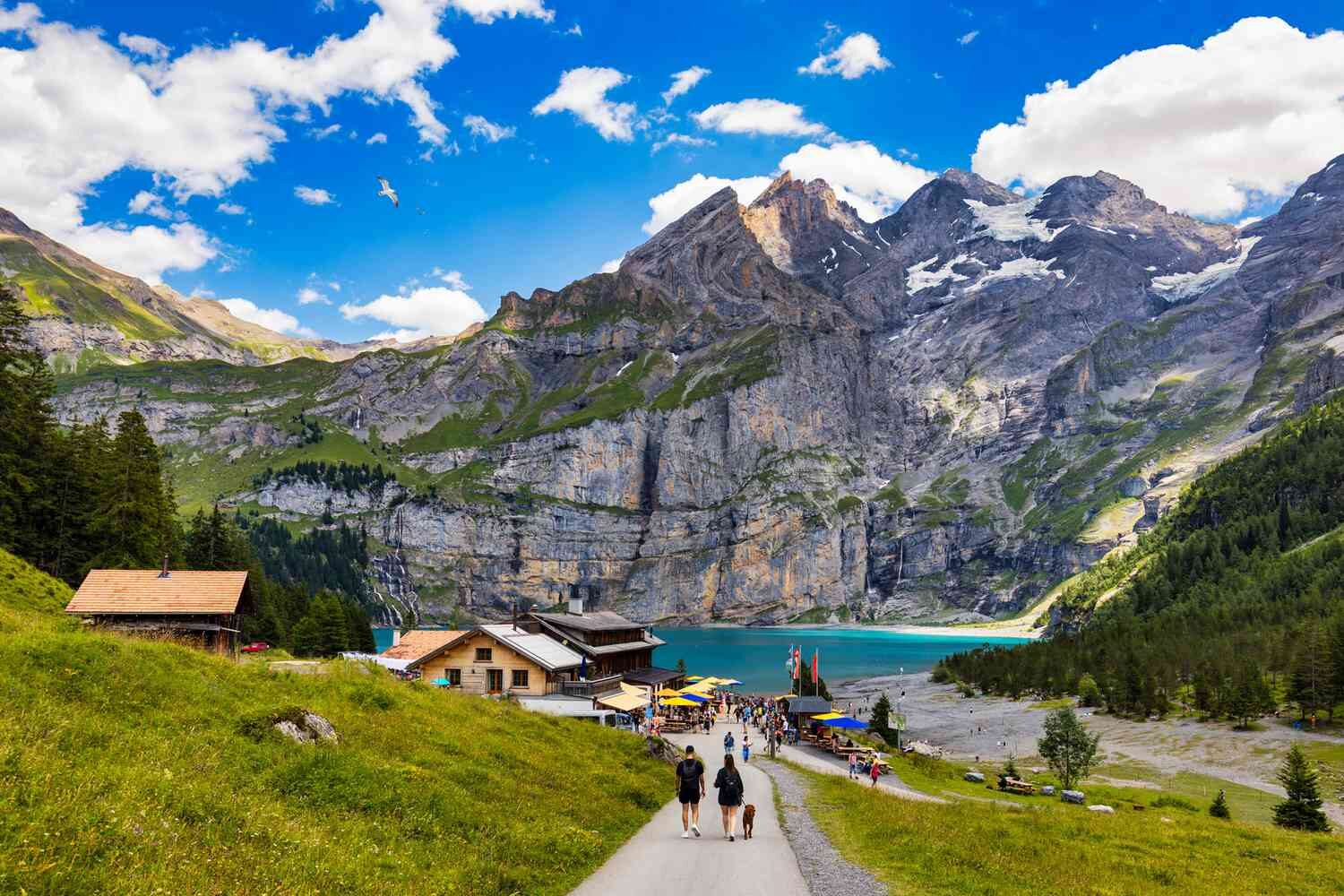
Switzerland shines year-round with two distinct peak seasons: summer (June-August) for hiking and alpine scenery, and winter (December-March) for world-class skiing.
June through September offers the best hiking conditions with high alpine passes open and wildflower meadows in bloom. July and August are warmest but busiest and most expensive.
Ski season runs December through April depending on altitude. Christmas and February school holidays see peak prices and crowds. January and March offer better value with excellent conditions.
Spring (April-May) and fall (September-October) provide shoulder season benefits: smaller crowds, better prices, and still-beautiful scenery. Some high-altitude attractions may be closed.
September brings grape harvest and wine festivals in Lausanne and the Lavaux region - a wonderful time to visit French-speaking Switzerland.
The weather is famously changeable - expect four seasons in one day in the mountains. Always pack layers regardless of season.
Cultural Notes
Switzerland has four official languages: German (63%), French (23%), Italian (8%), and Romansch (1%). Regional identity is strong - don't assume everyone speaks German.
Swiss punctuality is legendary and expected. Trains, buses, and meetings run exactly on time. Being late is disrespectful.
Privacy is valued - Swiss people are polite but reserved. Conversations stay surface-level until relationships develop. This isn't coldness; it's respect for boundaries.
Noise regulations are taken seriously - quiet hours (typically 10pm-7am and Sunday all day) are legally enforced. Don't do laundry or make noise during these times in residential areas.
Quality matters more than price to Swiss consumers. Cheap is often viewed with suspicion. Products are built to last and craftsmanship is respected.
Chocolate and cheese are serious business - visit proper chocolatiers and fromageries. Fondue and raclette are winter traditions but available year-round in tourist areas.
Insider Tips
Switzerland is extremely expensive - budget travelers need to plan carefully. Self-catering, picnic lunches with supermarket food, and mountain huts can reduce costs significantly.
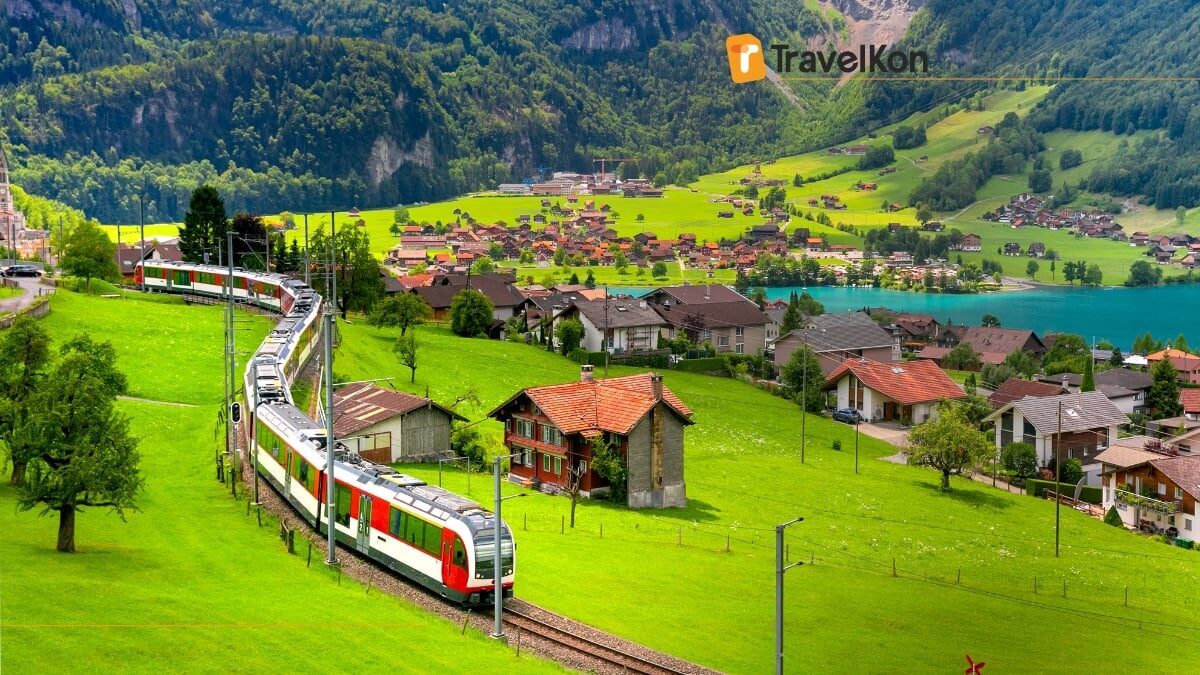
The Swiss Travel Pass is excellent value if you're moving between cities - unlimited trains, boats, buses, plus discounts on mountain railways. Swiss trains are punctual, clean, and scenic.
Major credit cards work everywhere but Switzerland uses Swiss Francs (CHF), not Euros. Some tourist areas accept Euros but give change in Francs at poor rates.
Mountain railways and cable cars cost extra beyond your rail pass - budget for these separately. They're expensive but often the only way to reach spectacular viewpoints.
Tap water is safe and excellent throughout Switzerland - save money by refilling bottles at public fountains and taps.
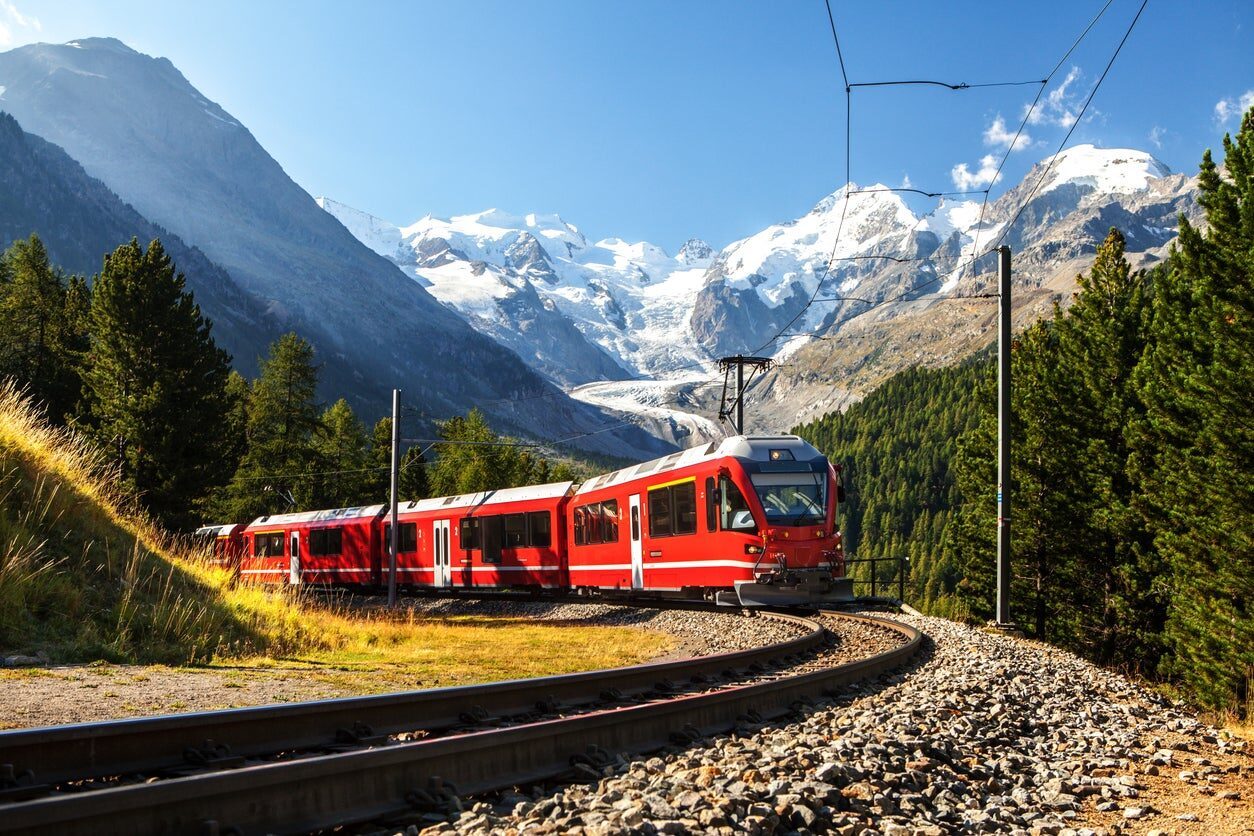
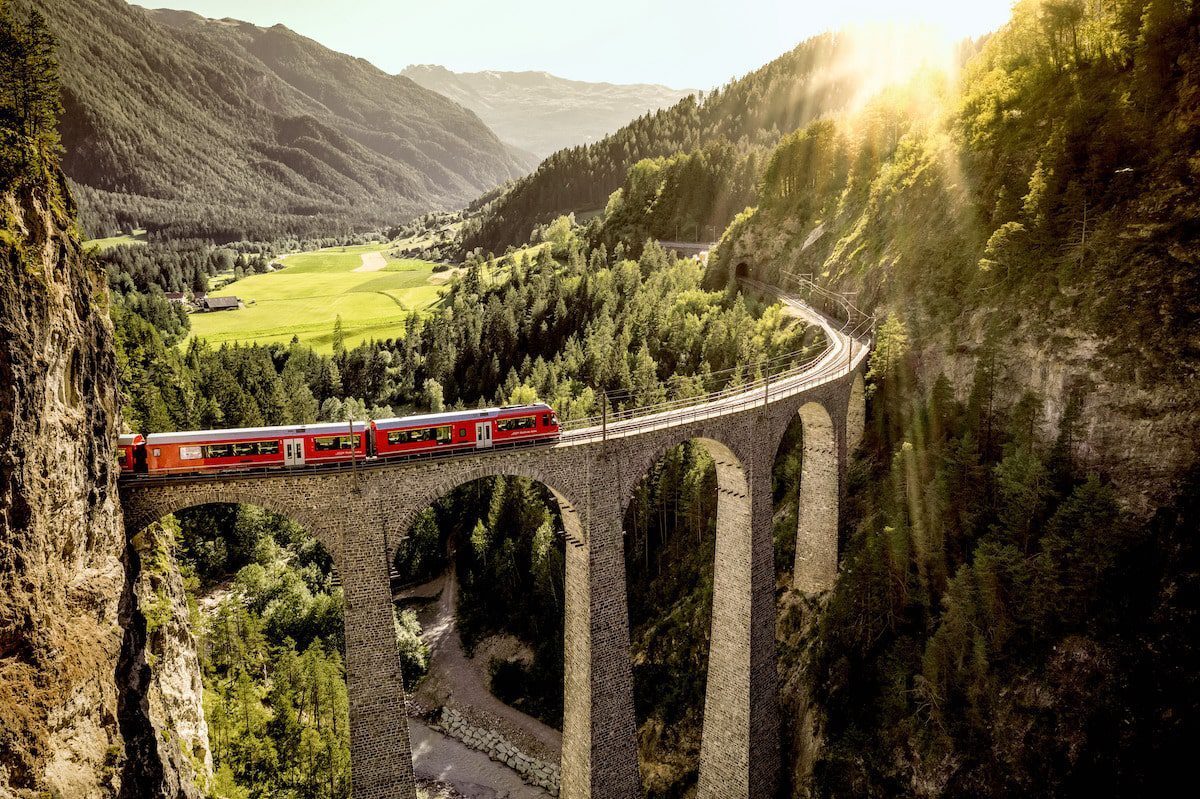
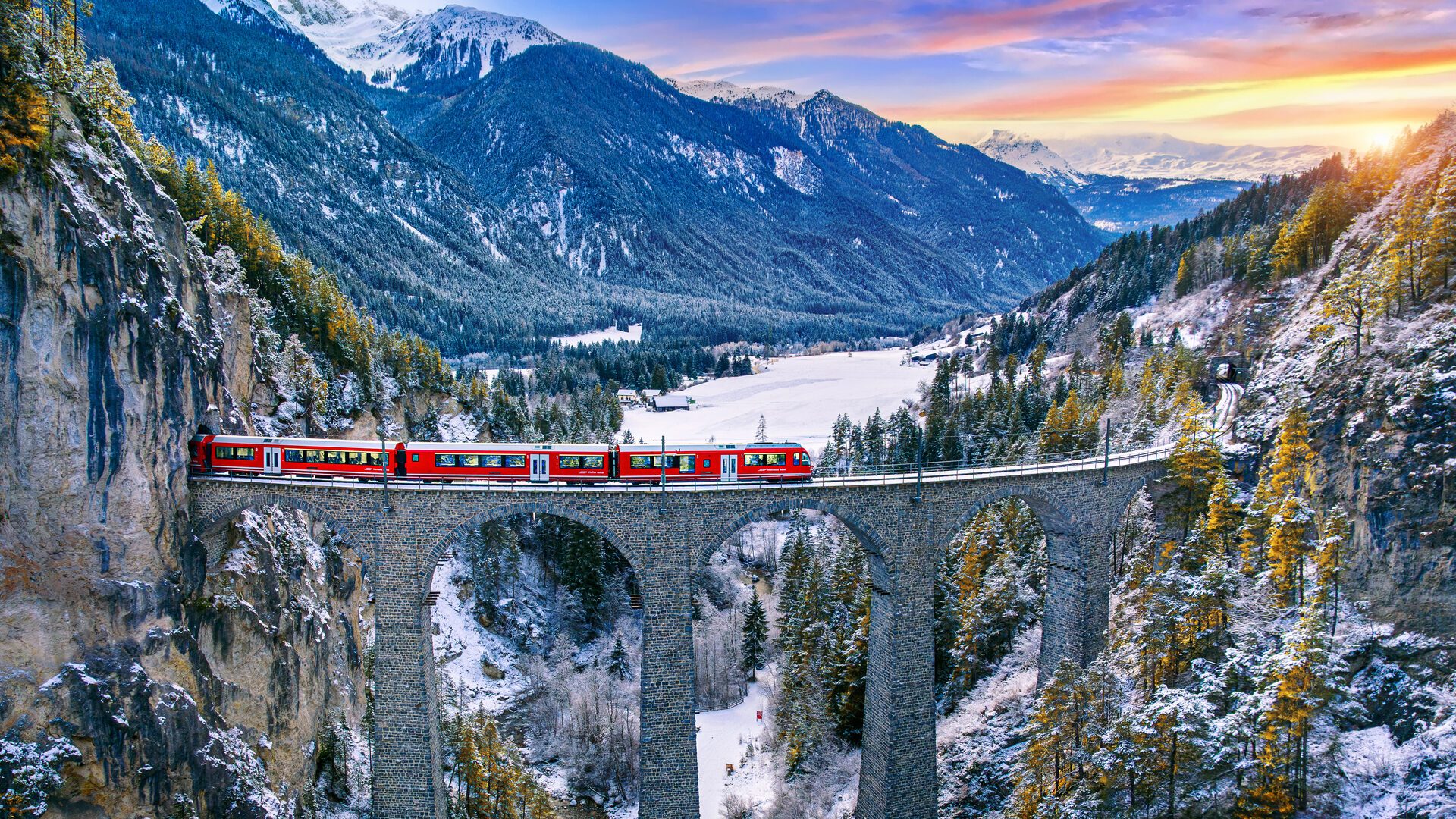
Book scenic train routes (Glacier Express, Bernina Express, GoldenPass) in advance, especially for window seats in summer. Regular trains cover the same routes cheaper if you're flexible.
Dress Code
Casual to smart casual.
Current Travel Situation
United States to Switzerland: What You Need to Know
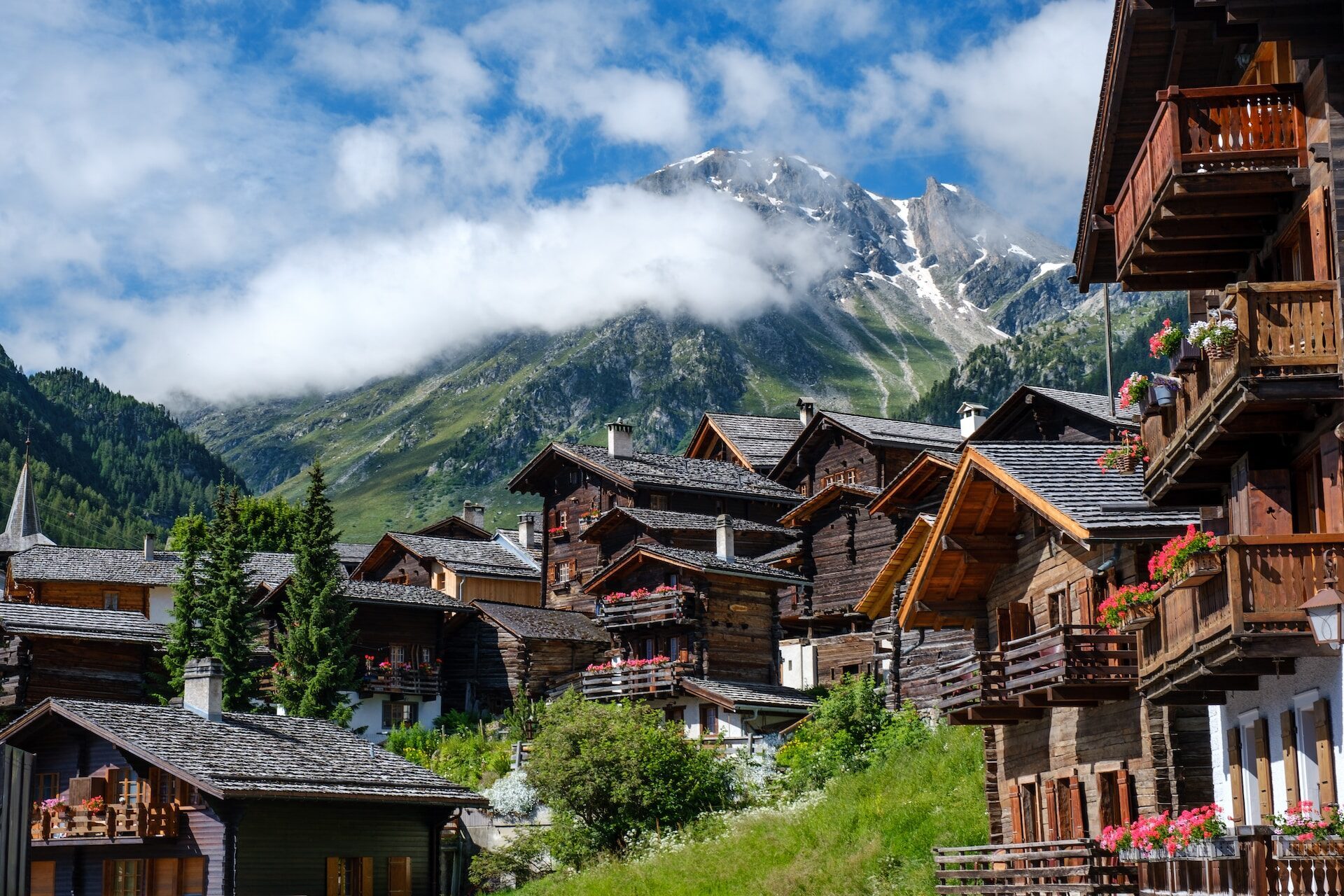
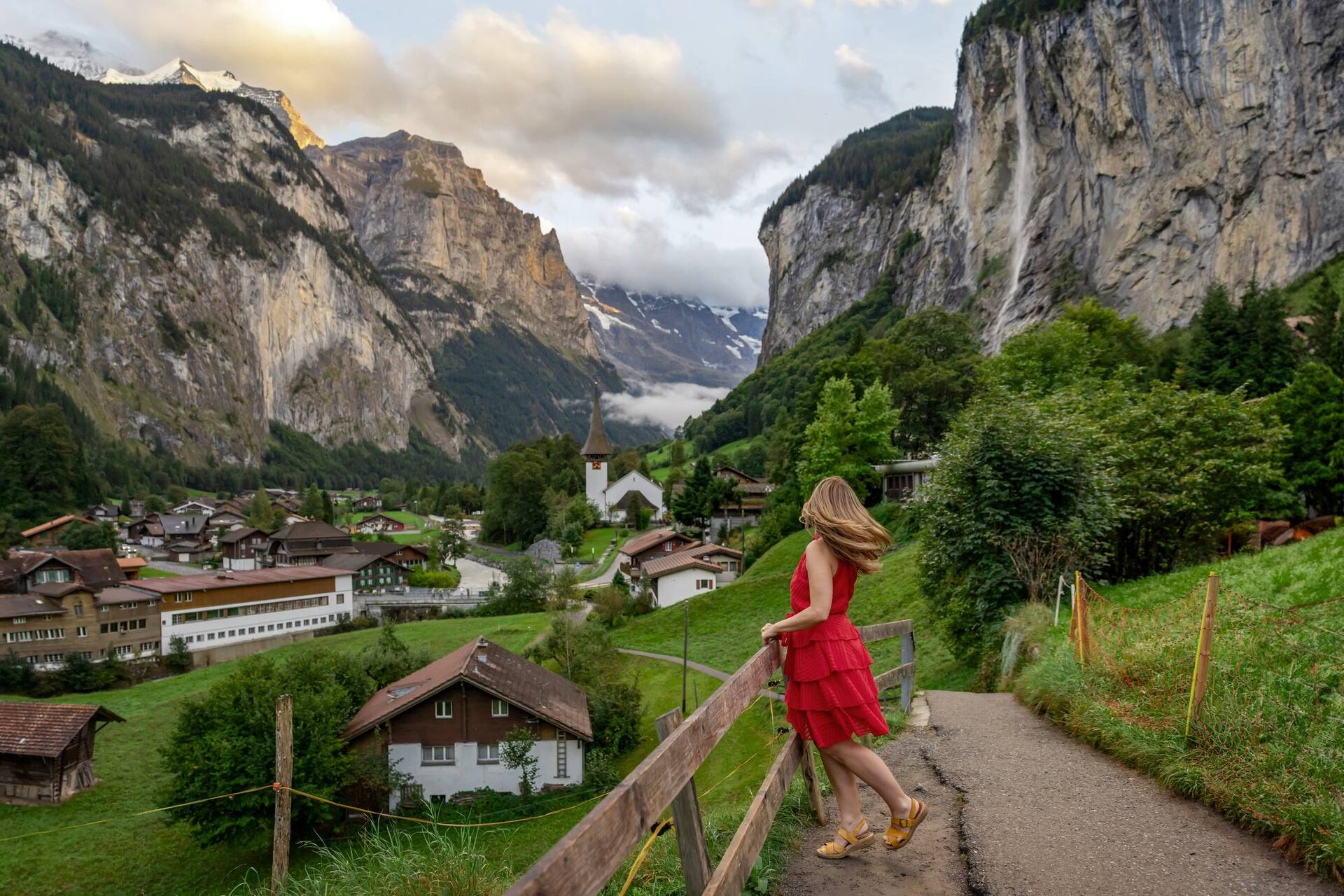
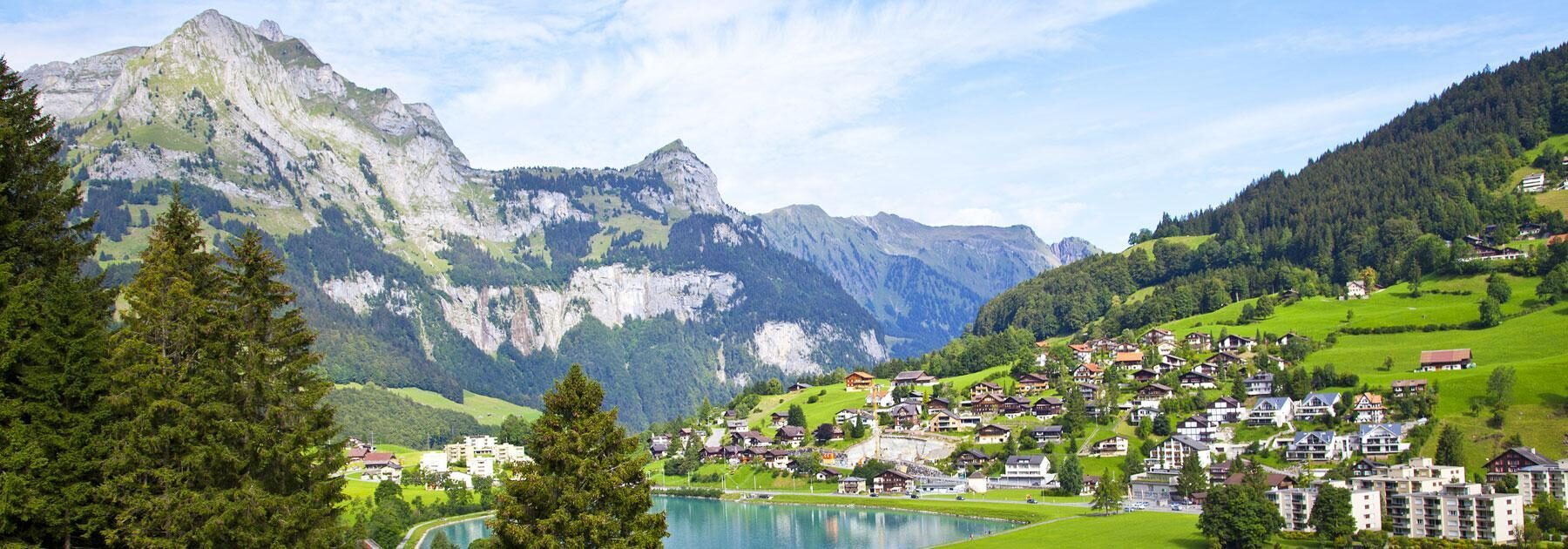
Switzerland is a Schengen member (though not an EU member), so US citizens' 90-day Schengen visa exemption applies collectively with other Schengen countries. Switzerland is renowned for its dramatic Alpine scenery (the Matterhorn, Jungfrau, Swiss National Park), world-famous watches, chocolate, and cheese, the banking capital Zurich, the international organizations hub Geneva (United Nations, Red Cross), and Bern (the federal capital). Switzerland has four official languages: German, French, Italian, and Romansh , reflecting its position at Europe's cultural crossroads. Switzerland is one of the world's wealthiest nations with correspondingly high prices.
How to Get There
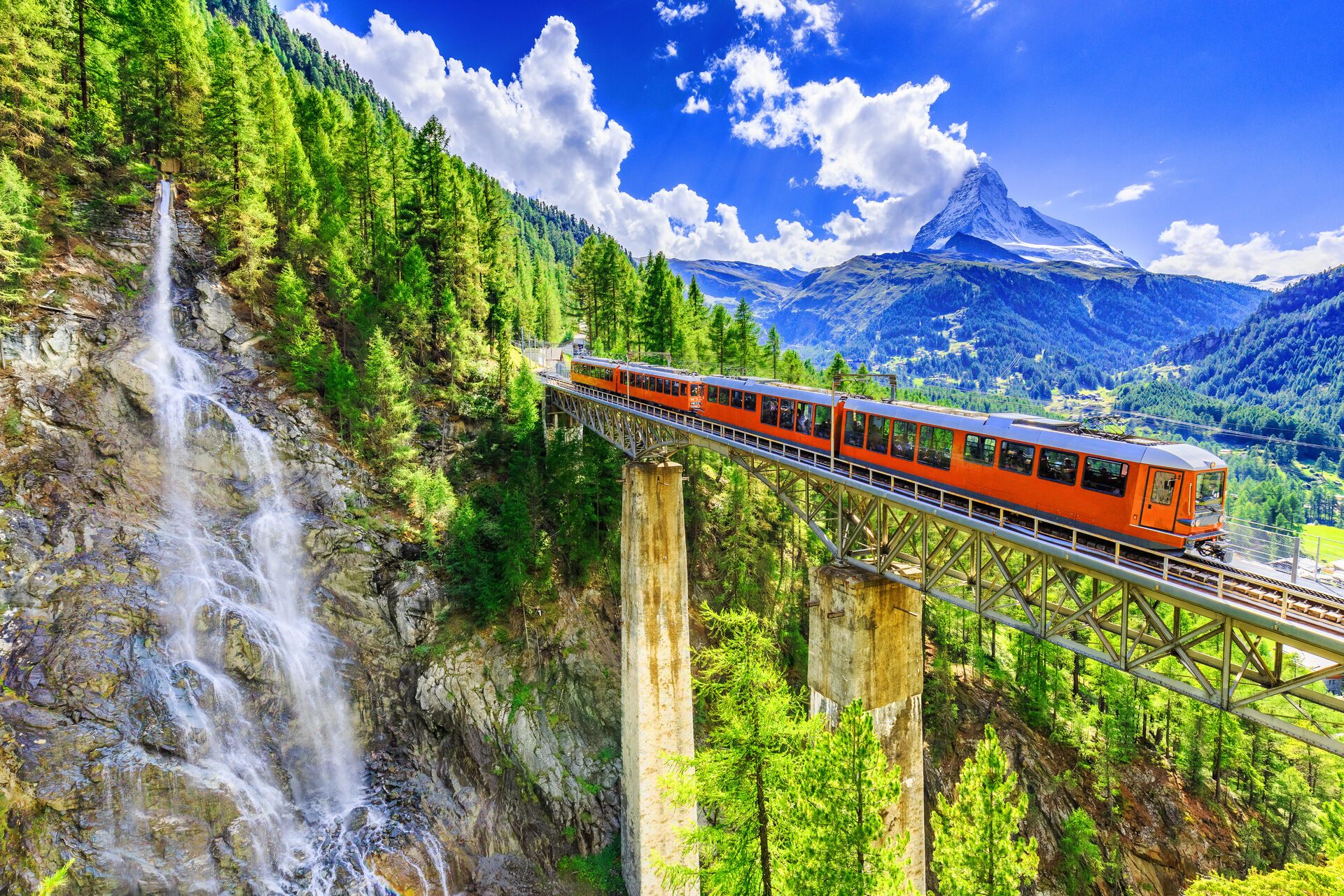
Switzerland's central location makes it ideal for multi-country European trips. France is 3 hours from Zurich to Paris by TGV. Italy (Milan) is 3.5 hours from Zurich by train. Germany (Munich) is 4 hours. Austria is accessible from eastern Switzerland. The Swiss Half Fare Card (available to tourists) gives 50% off all Swiss trains, boats, and most mountain railways for 1 month , excellent value for exploring the Alps. The Glacier Express (Zermatt to St. Moritz, 8 hours) and Bernina Express (Chur to Tirano, 4 hours) are two of Europe's most scenic train journeys.
Money & Banking
Switzerland uses the Swiss franc (CHF) at approximately 0.87 CHF = 1 USD. Switzerland is very expensive by any standard , meals at moderate restaurants cost CHF 25-40 ($27-45 USD); accommodation from CHF 100-250 ($110-275 USD)/night. Budget travelers should picnic with supermarket food (Migros and Coop are excellent), take advantage of the Swiss mountain hiking networks (hiking is free once you reach the mountain), and look for regional Swiss half-price cards. Card payments are universal.
Practical Tips
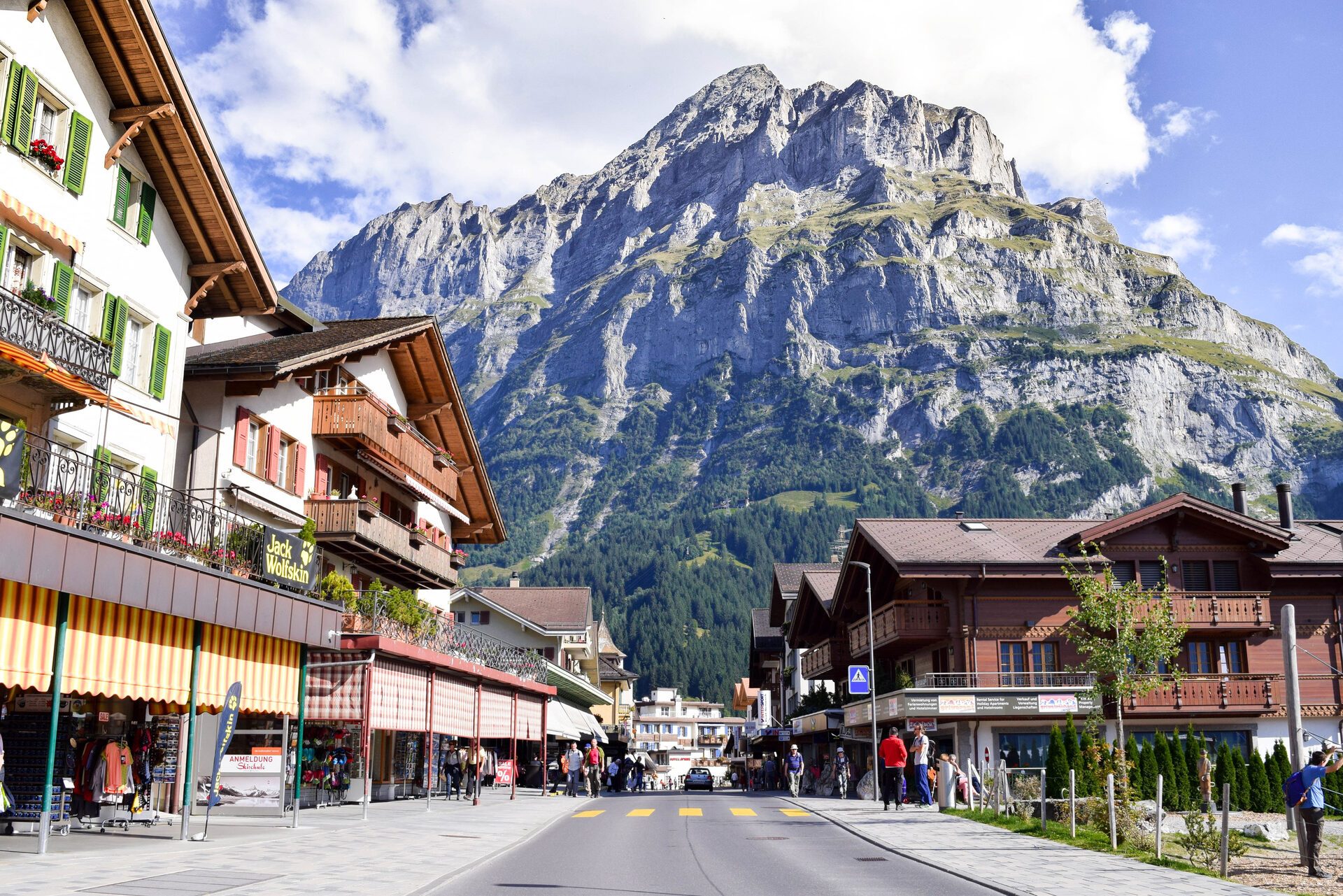
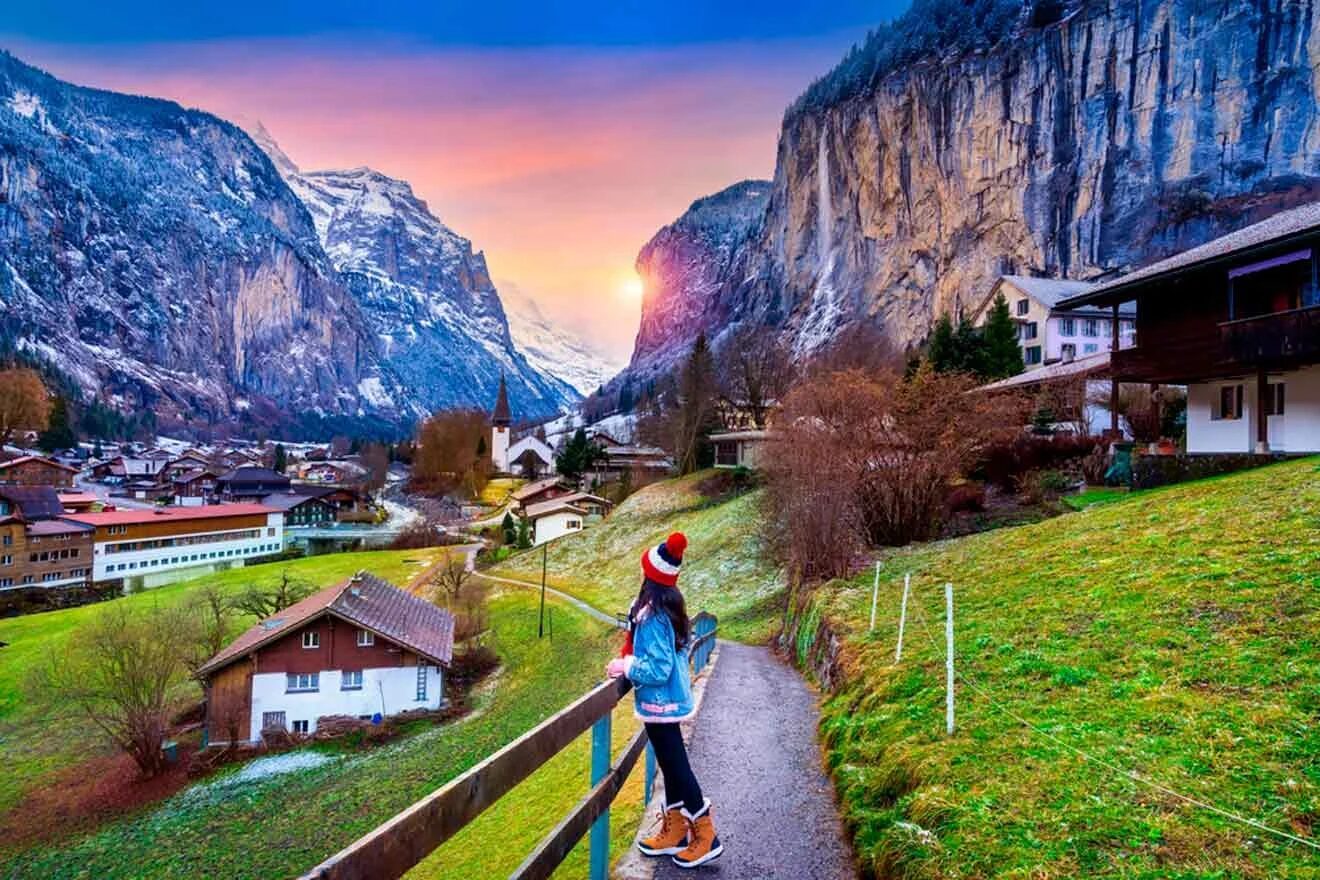
Zermatt (car-free village, views of the Matterhorn) and the Jungfrau Region (Interlaken, Grindelwald) are Switzerland's most iconic Alpine destinations. The Zermatt-Matterhorn glacier paradise cable car system is extraordinary. Lake Geneva (Lac Leman) with Montreux, the Chateau de Chillon, and Lausanne is especially beautiful. Lucerne with its covered medieval bridge (Kapellbrucke) and easy access to Mt. Pilatus and Mt. Rigi is a perfect Swiss base. Swiss trains are legendary for punctuality. The Swiss Travel System includes trains, buses, and lake boats , a Swiss Travel Pass covers all of these.
Frequently Asked Questions
Do US citizens need a visa for Switzerland?
No. US citizens can visit Switzerland visa-free for up to 90 days as part of the Schengen Area. Note: ETIAS pre-registration may be required starting 2025. Check current status.
Is Switzerland extremely expensive for US tourists?
Yes, Switzerland is one of the world's most expensive countries. Budget at least $150-200 USD per day minimum. Money-saving tips: picnic with supermarket food (Migros/Coop), use a half-fare card for 50% off rail, and choose accommodation in smaller towns rather than Zurich or Geneva.
Does Switzerland use the euro?
No. Switzerland uses the Swiss franc (CHF). While euros are widely accepted in tourist areas, the exchange rate at shops and restaurants is typically unfavorable. Use Swiss francs or card payments for the best value.