Sweden Visa RequirementsFor United States passport holders
US citizens can visit Sweden without a visa for up to 90 days in any 180-day period as part of the Schengen Area.
Great news! United States passport holders can enter Sweden without a visa for tourism or business purposes. You can stay up to 90 days.
No visa is needed. Your US passport must be valid throughout the stay. Prepare proof of sufficient funds, accommodation bookings, and an onward or return ticket. ETIAS, a small pre-travel authorization expected in 2025, will require a EUR 7 fee for Schengen entry once live.
Sweden is part of the Schengen Area. Your stay counts toward the 90-day limit within any 180-day period for the entire Schengen zone. Learn more about Schengen rules →
Entry Requirements
Passport Validity
3 months beyond departure from Schengen
Blank Pages
1 blank page required
Multiple Entry
Allowed
Work Permitted
No - requires work visa
Entry Conditions
Passport valid at least 3 months beyond planned Schengen departure, issued within previous 10 years. May require proof of accommodation, itinerary, sufficient funds (SEK 450-600/day), and travel insurance.
Overstaying results in fines, deportation, and Schengen-wide entry ban.
Required Documents
Valid US Passport
Must be valid for at least 3-6 months beyond your planned departure date (varies by country)
Return or Onward Ticket
Proof of departure from the country, such as a return flight or onward travel booking
Proof of Accommodation Recommended
Hotel reservation, Airbnb booking, or address where you will be staying
Proof of Sufficient Funds Recommended
Credit cards, bank statements, or cash to cover expenses during your stay
Travel Insurance Recommended
Recommended for all international travel covering medical emergencies
Travel Essentials
Health & Safety
Safety Rating
Vaccinations
Routine vaccinations should be current. Tick-borne encephalitis vaccine for extended outdoor activities in certain regions.
Tap Water
Safe to drink
Safety Tips
Sweden is very safe with low crime rates. Standard urban precautions apply. The biggest challenge is typically the high cost of living.
Money & Costs
Currency
kr Swedish Krona (SEK)
Daily Budget (USD)
Budget: $90 · Mid: $200 · Luxury: $500+
Tipping
Tipping is not expected. Rounding up for exceptional service is appreciated.
Practical Info
Power
Type Type F, 230V, 50Hz
Driving
Right side
Emergency
112 (all emergencies)
Getting There
Main Airports
Gothenburg (GOT) · Malmö (MMX) · Stockholm (ARN) · Stockholm (NYO)
Culture & Travel Tips
Best Time to Visit
Summer (June-August) for midnight sun and outdoor activities. Winter (December-February) for Northern Lights, skiing, and ice hotels. Spring and fall offer shoulder season benefits. Be aware of limited daylight in winter.
Cultural Notes
Swedes value punctuality, personal space, and equality. Queuing is taken seriously (look for number systems). Fika is a sacred social ritual. Swedes are environmentally conscious. Midsummer is the biggest celebration after Christmas.
Insider Tips
Sweden is nearly cashless; cards accepted everywhere, some places don't accept cash at all. Learn about fika (coffee and pastry breaks) and lagom (moderation). Tap water is excellent. Allemansrätten allows public access to nature.
Current Travel Situation
United States to Sweden: What You Need to Know
Sweden is a founding Schengen member and EU state. Stockholm Arlanda (ARN) is the main international hub, with direct flights from New York, Los Angeles, Chicago, and other US cities. Gothenburg (GOT) and Malmo (MMX) serve regional travel. Sweden borders Norway and Finland (both Schengen) and Denmark via the Oresund Bridge, allowing seamless overland travel. The 90-day Schengen allowance is shared with all 26 member countries.
How to Get There
Copenhagen is reachable from Malmo by commuter train across the Oresund Bridge in 35 minutes, an easy day trip or entry point. Helsinki is accessible by ferry from Stockholm (overnight, 17 hours, via Viking Line or Tallink Silja). Oslo is a 5-hour train from Stockholm.
Money & Banking
Sweden uses the Swedish Krona (SEK). Cards (especially contactless) are accepted almost universally; Sweden is among the most cashless countries globally. Cash is rarely needed and some places refuse it. Sweden is expensive: budget $100-150/day minimum. Stockholm is one of Europe's pricier capitals. Tax-free shopping is available for purchases over SEK 200 at participating stores when departing the EU.
Practical Tips
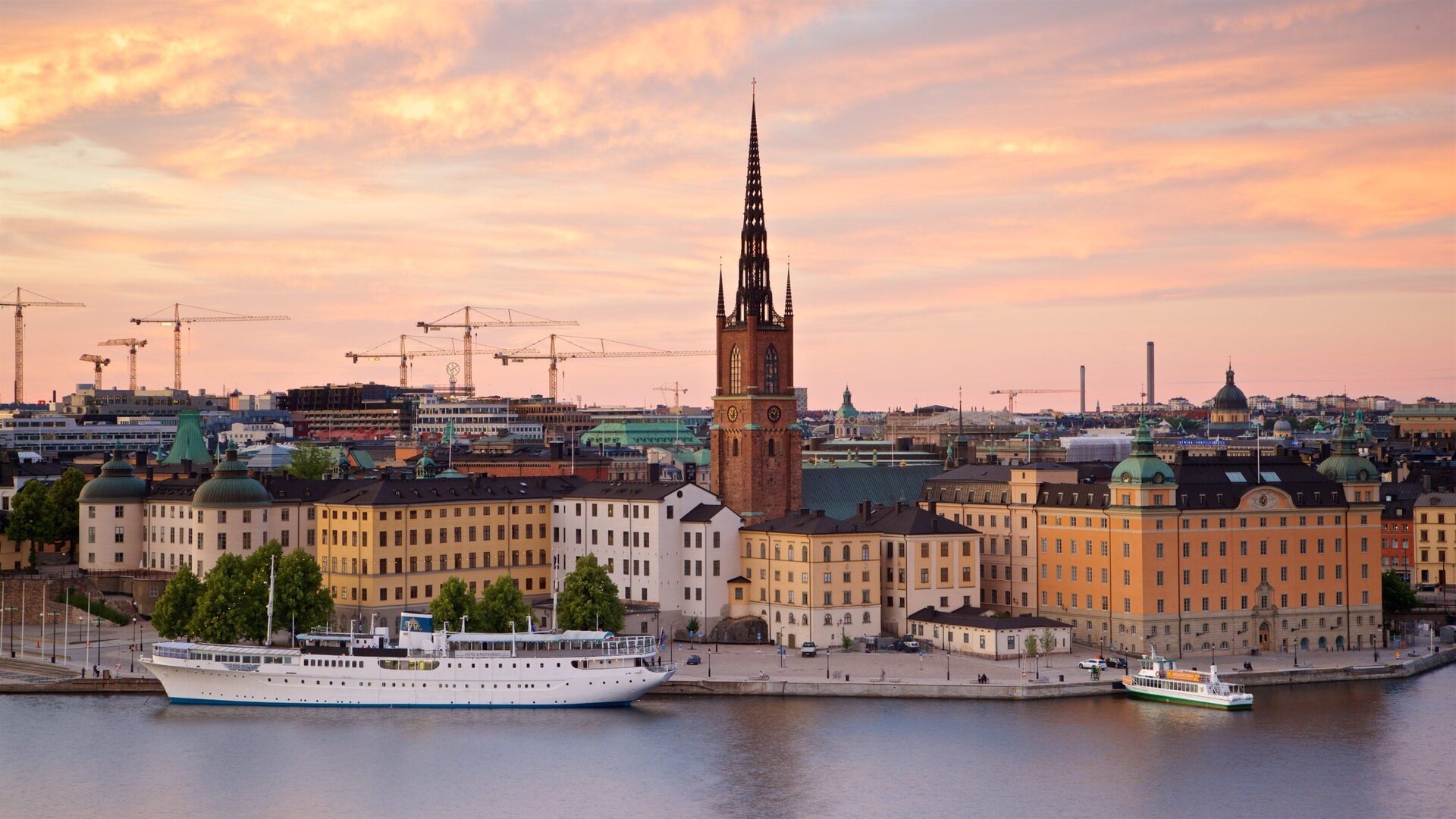
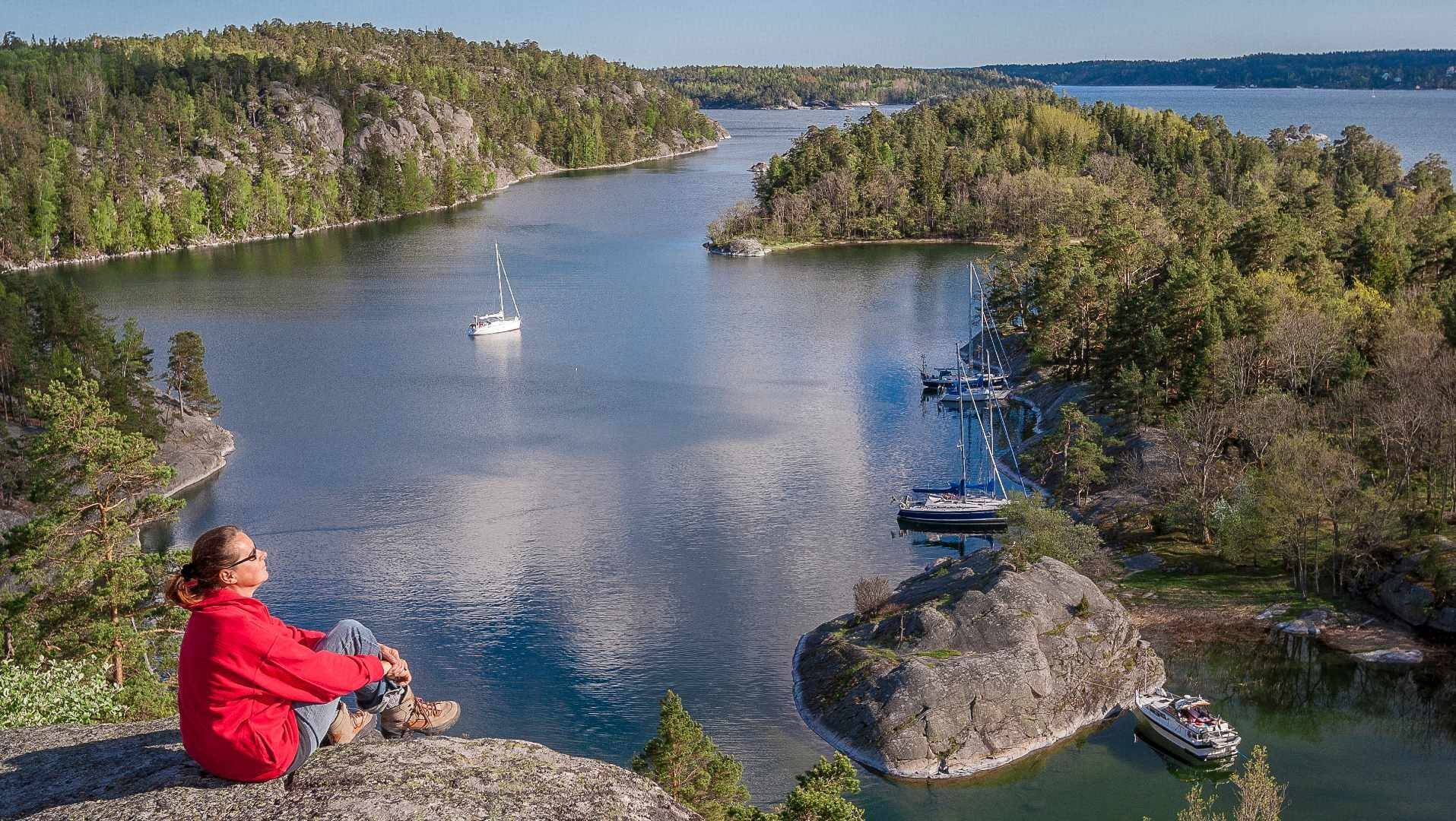
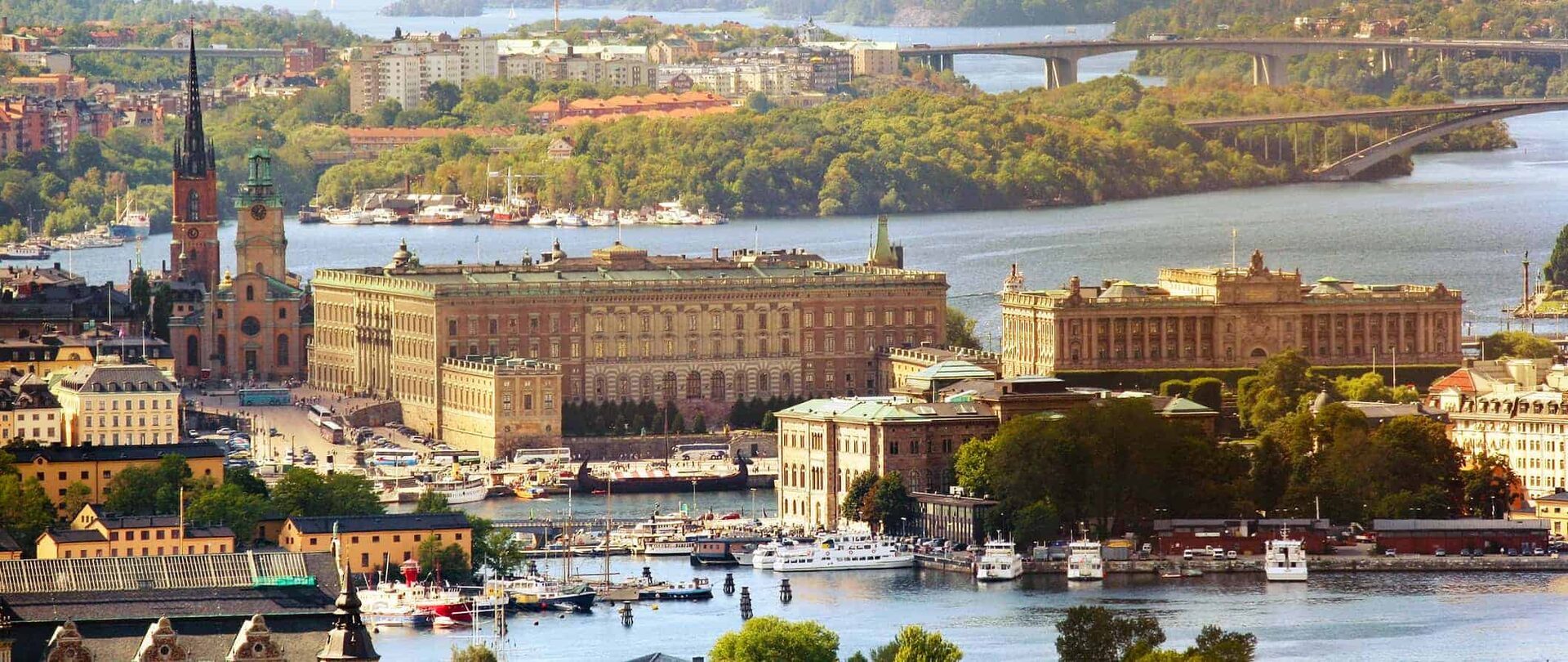
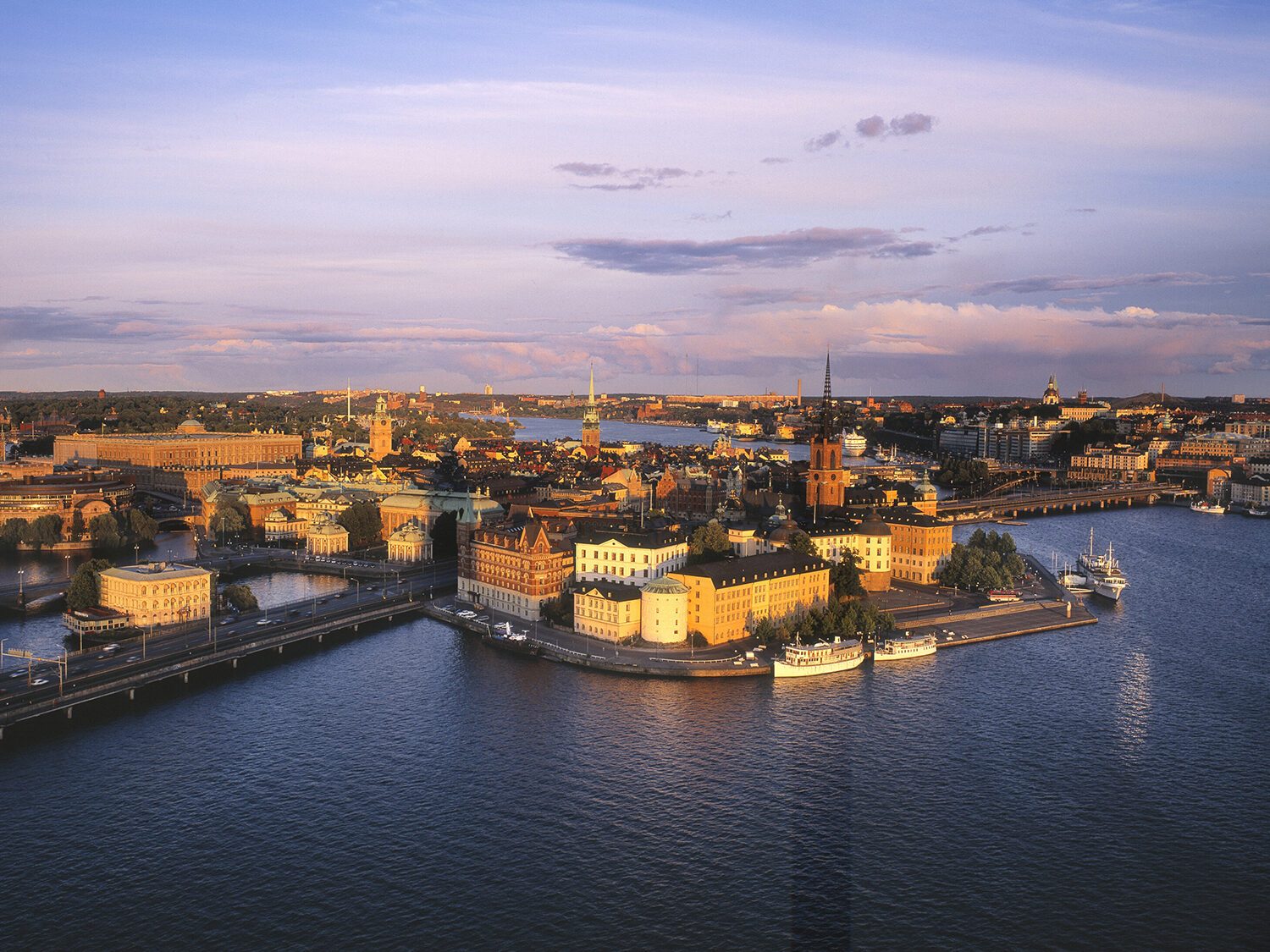
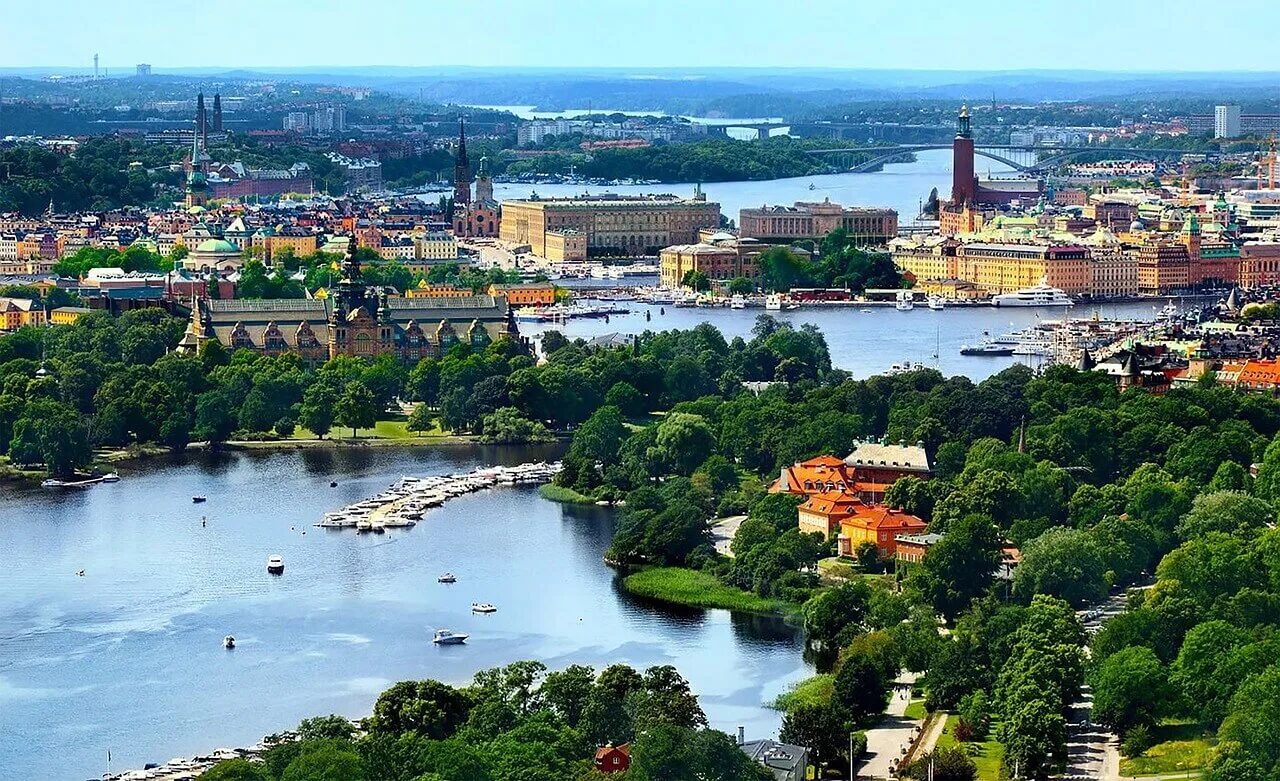
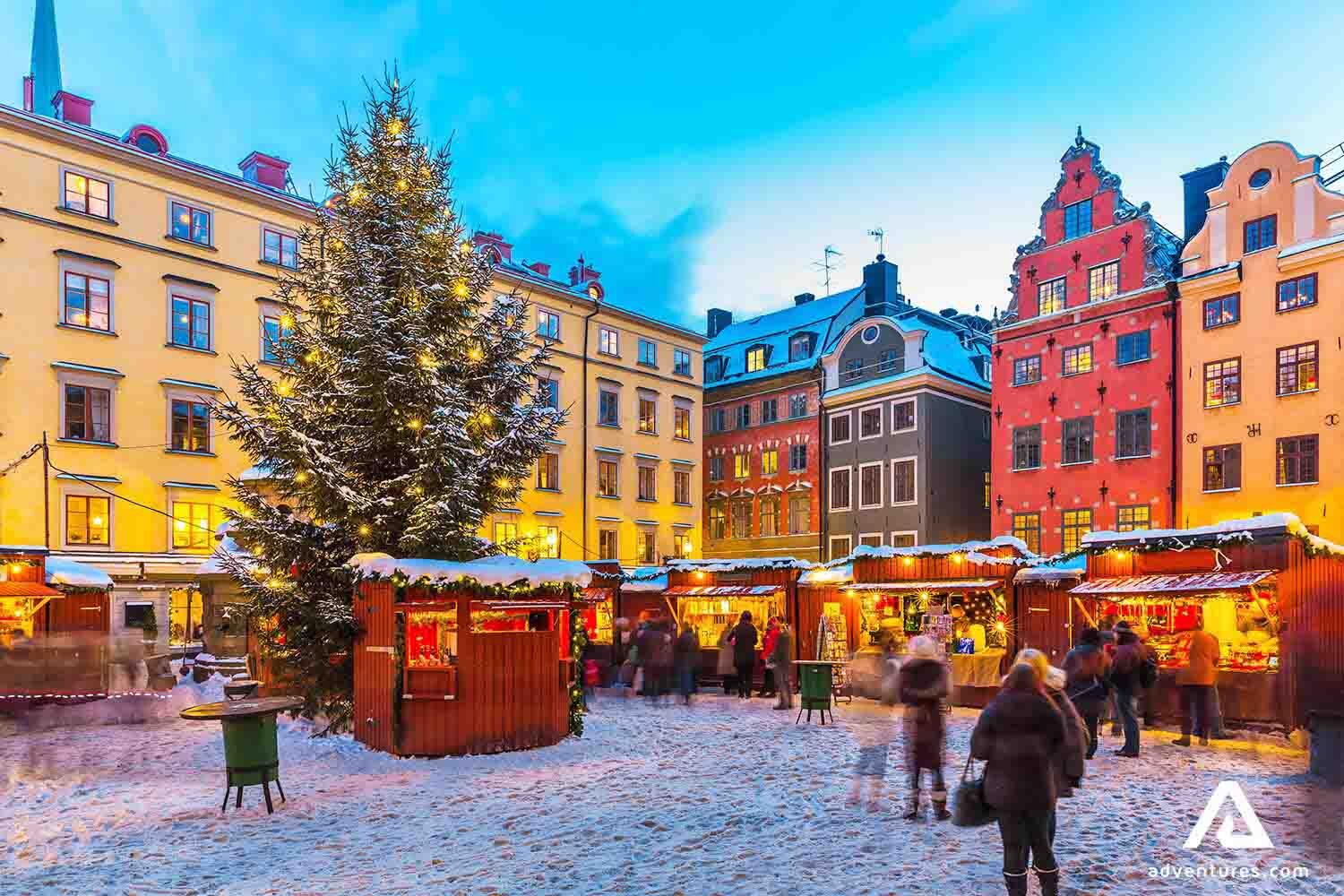
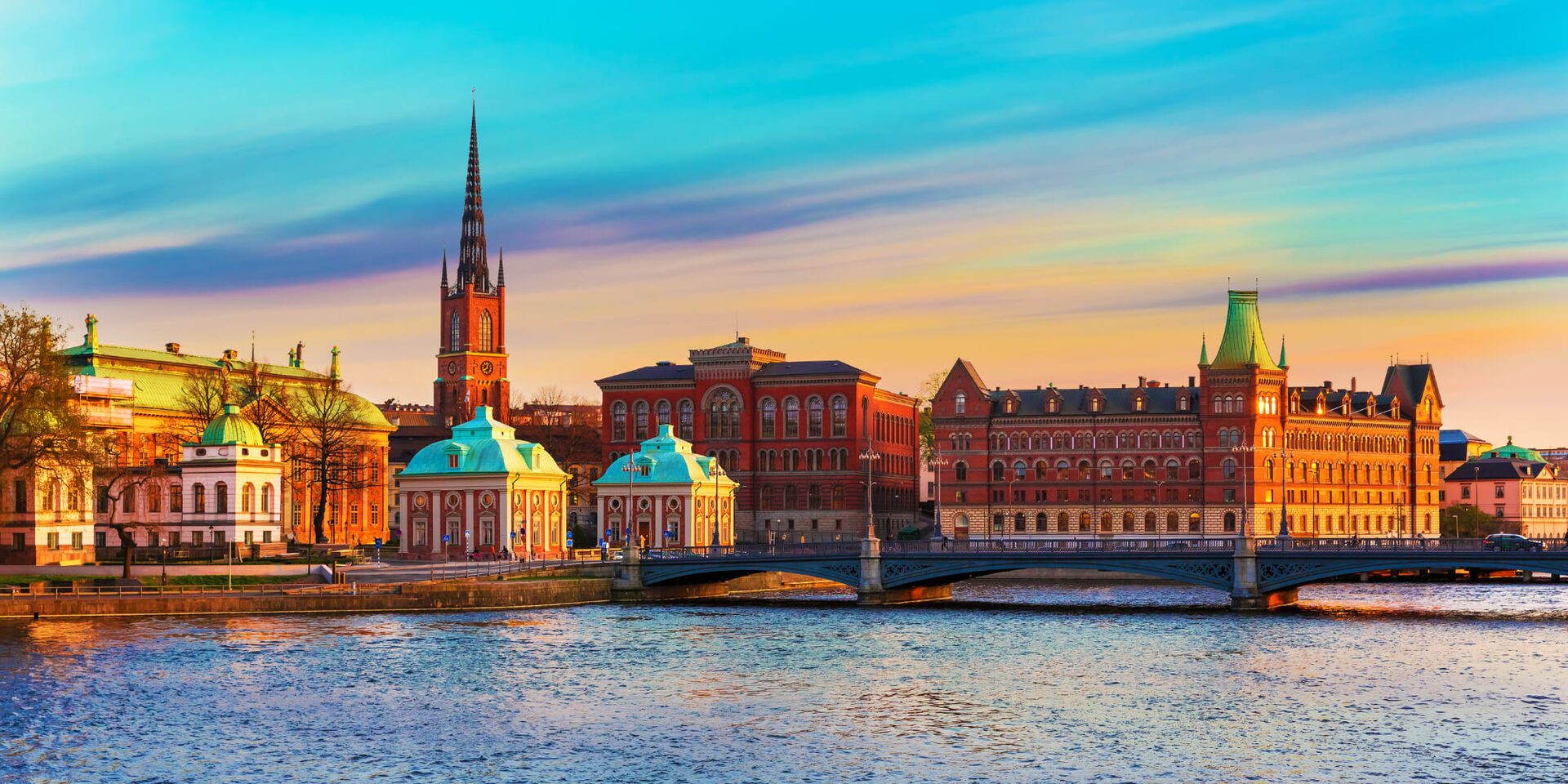
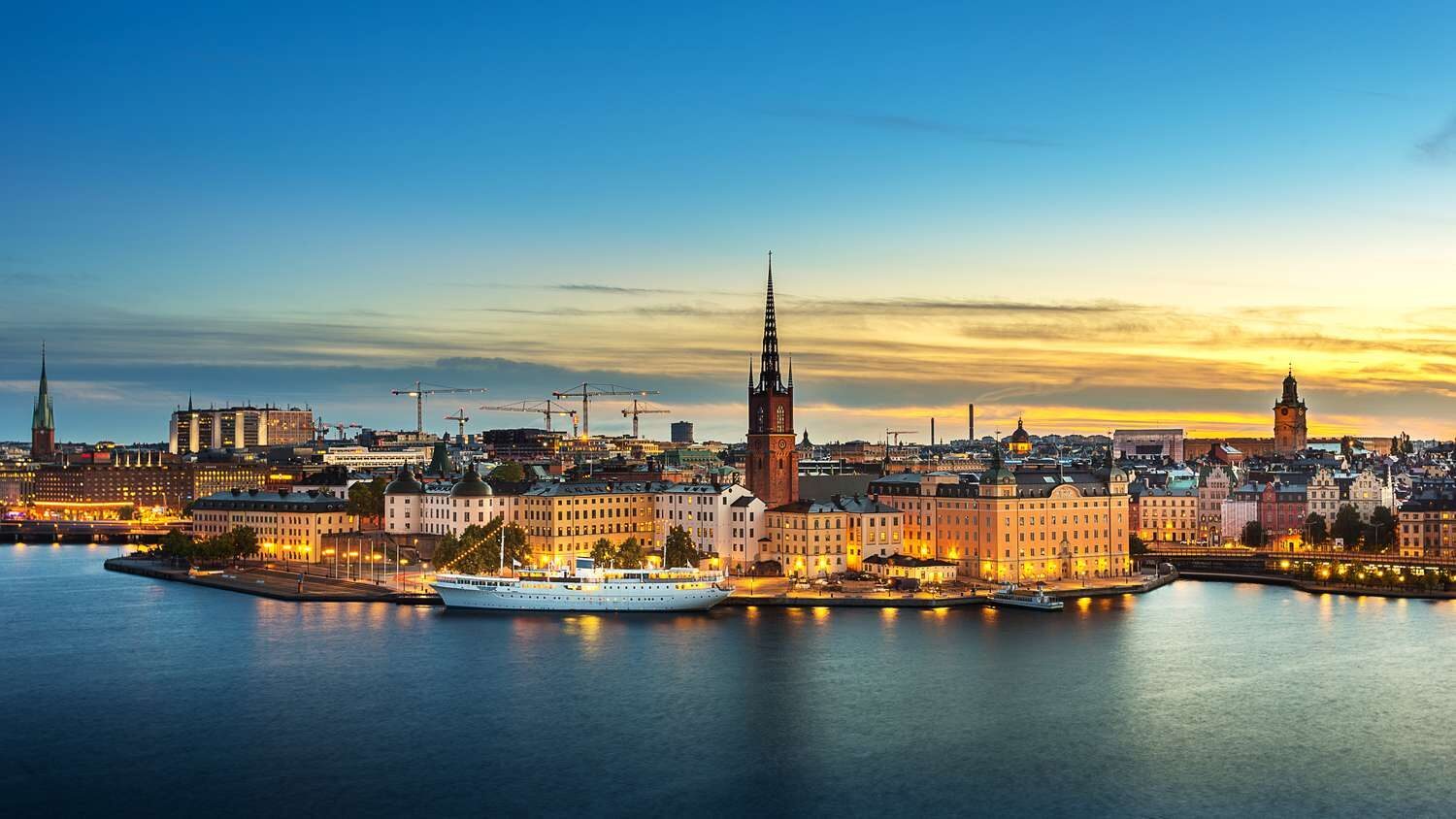
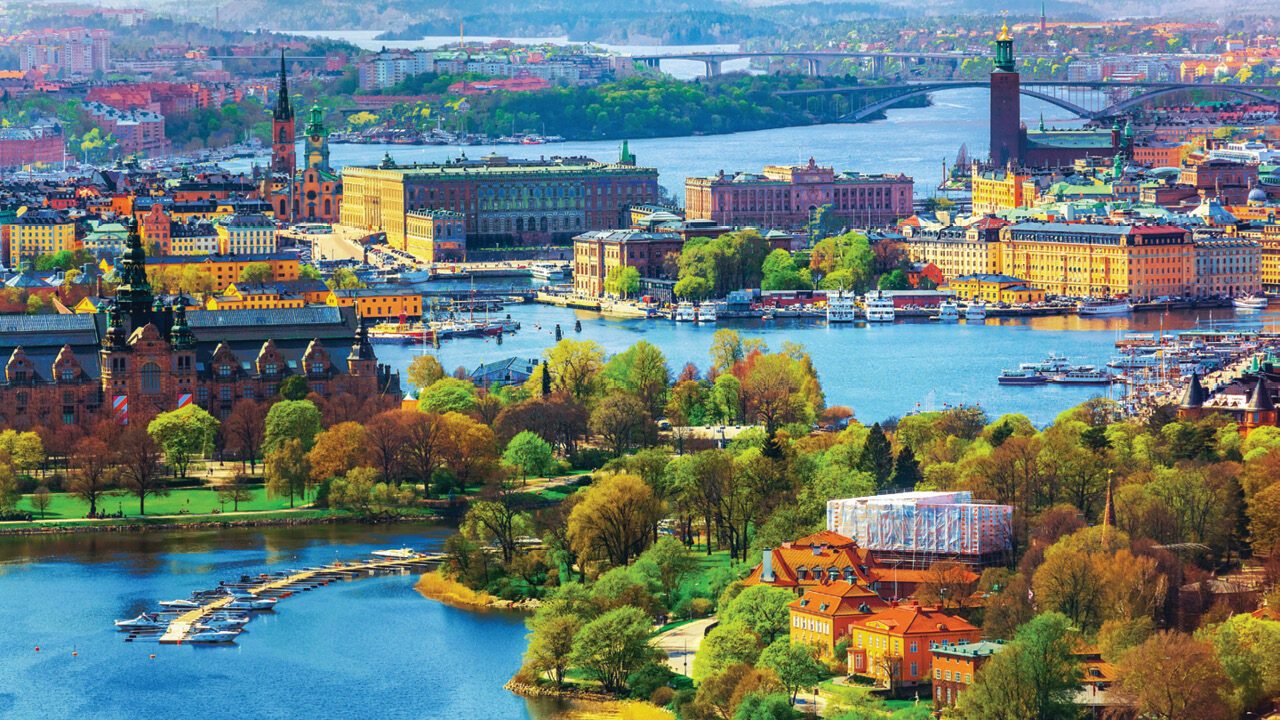
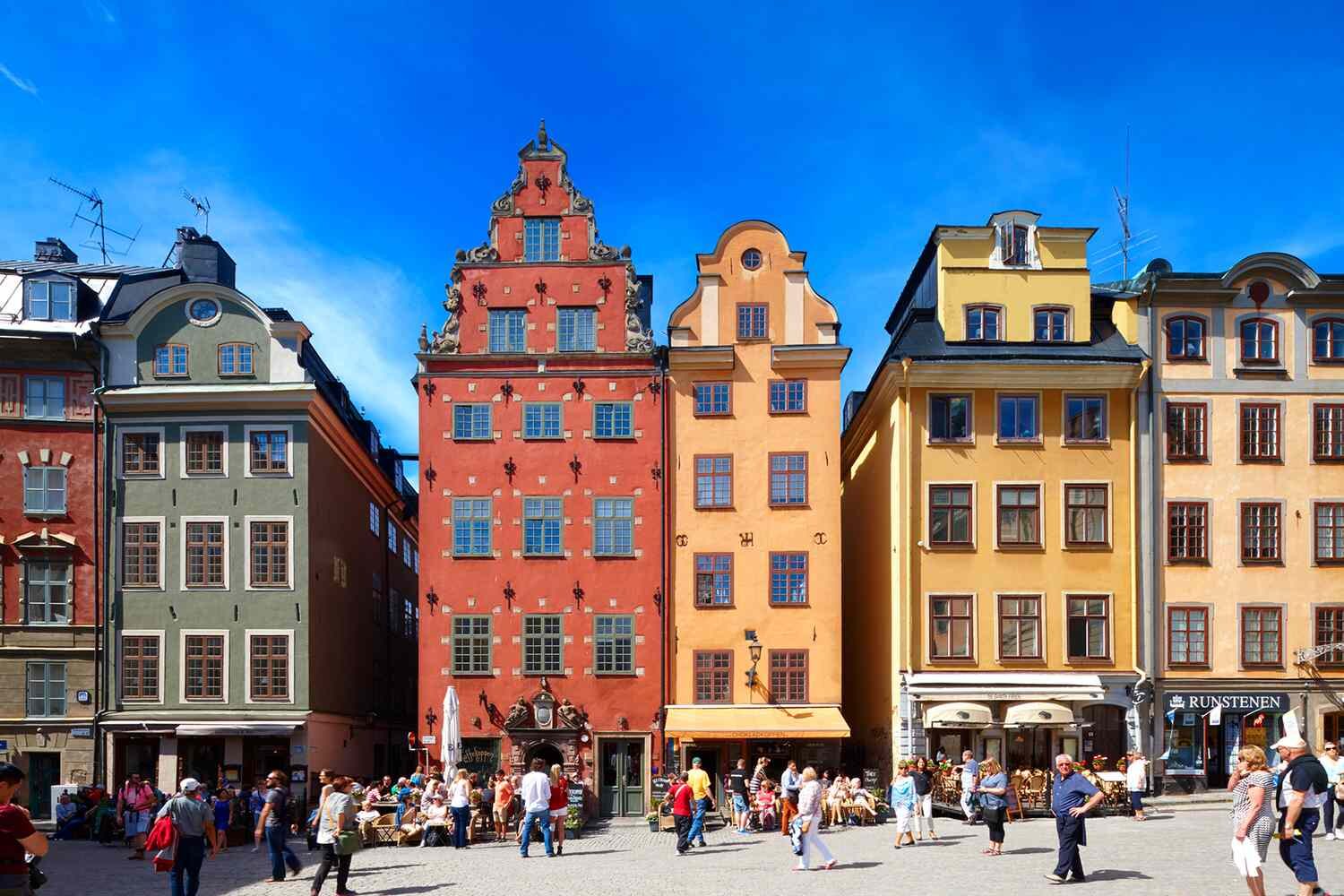
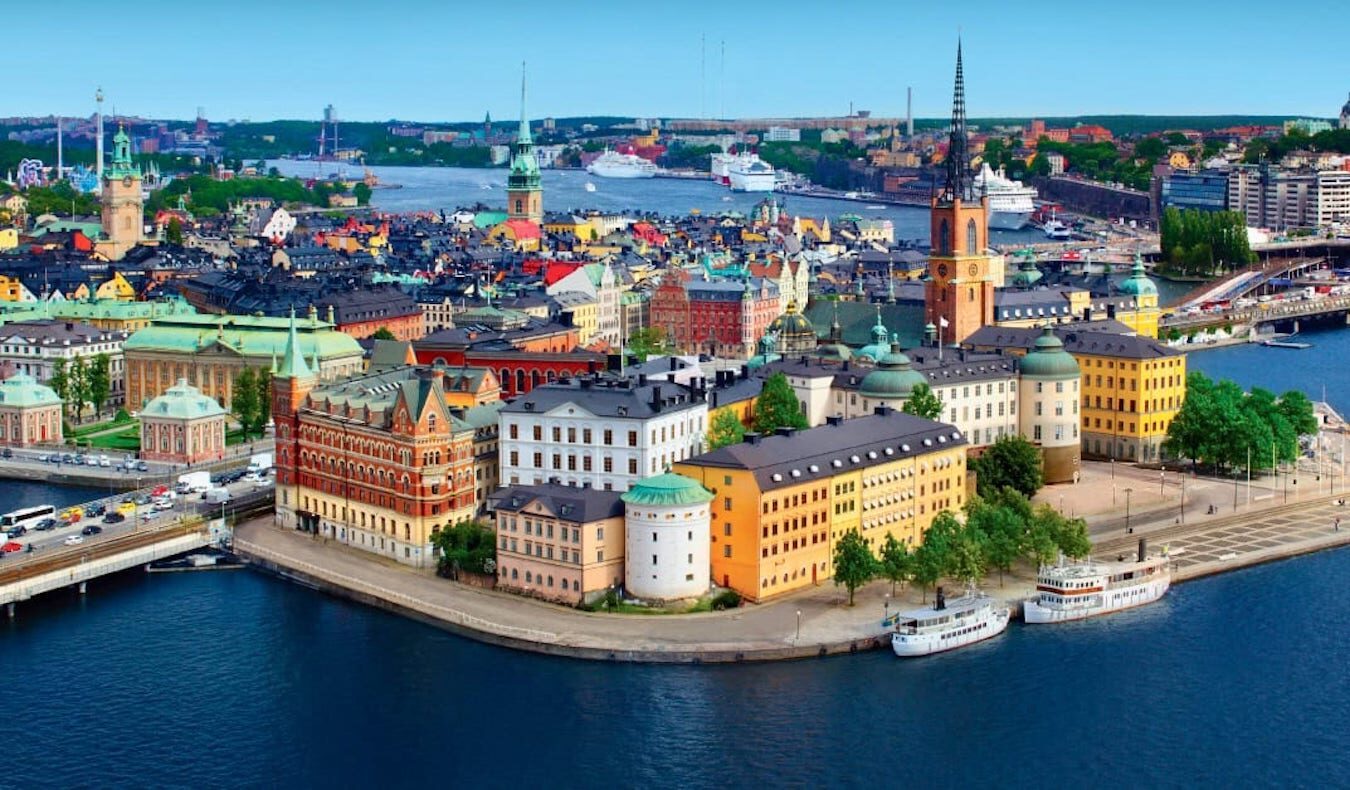
Stockholm's Gamla Stan (Old Town) and the Vasa Museum (a 17th-century warship) are must-sees. The Swedish archipelago offers incredible kayaking and island-hopping. Midsommar (late June) is a uniquely Swedish celebration worth experiencing. Kiruna in Swedish Lapland offers Northern Lights, dog sledding, and the famous Icehotel. The right to roam (allemansratten) allows free camping on any non-cultivated land.
Frequently Asked Questions
Can I drive from Sweden to Denmark without border control?
Yes. The Oresund Bridge connects Malmo (Sweden) and Copenhagen (Denmark) — both Schengen countries — so there is no passport check at the border. The crossing takes about 10 minutes by car.
Is cash necessary in Sweden?
Rarely. Sweden is extremely cashless — cards and contactless/mobile payments are accepted almost everywhere, including taxis, street food stalls, and churches. Some small vendors or rural markets may still prefer cash.
What is the best time to see the Northern Lights in Sweden?
The Northern Lights are visible in northern Sweden (Kiruna, Abisko, Lulea) from October through March. Abisko is considered one of the best spots due to its unique microclimate with frequent clear skies.
Do US citizens need a visa to visit Sweden?
No, US citizens can visit Sweden and other Schengen Area countries for up to 90 days within any 180-day period without a visa. Starting in 2025, ETIAS (European Travel Information and Authorization System) authorization will be required, costing €7 and valid for 3 years. Your passport must be valid for at least 3 months beyond your planned departure from the Schengen Area. This visa-free access covers tourism, experiencing the Northern Lights, business meetings, and family visits.
What is the best time to visit Sweden?
The best time depends on what you want to experience. Summer (June-August) offers midnight sun in the north, warm weather, long days, and access to the archipelagos. This is peak tourist season with higher prices. For the Northern Lights (Aurora Borealis), visit Swedish Lapland from September to March, with the best chances around the equinoxes. Winter (December-February) brings snowy landscapes perfect for dog sledding, ice hotels, and skiing, but extreme cold in the north. Spring (April-May) and fall (September-October) offer shoulder season benefits with moderate weather. Stockholm is enjoyable year-round, though winter days are short.
How do I get around Sweden?
Sweden has excellent transport infrastructure. SJ trains connect major cities efficiently; Stockholm to Gothenburg takes about 3 hours, and overnight trains reach northern Lapland. Book in advance for best prices. Domestic flights are common given Sweden's size; Stockholm to Kiruna is about 1.5 hours by air vs. 14 hours by train. Buses (FlixBus, Vy Bus4You) offer budget options. In cities, public transit is excellent; Stockholm's tunnelbana (metro) is famous for its artistic stations. Cycling is popular in cities. Renting a car provides freedom to explore the countryside and stop at scenic viewpoints. Roads are well-maintained, though winter driving requires caution.
Is Sweden expensive and how can I save money?
Sweden is one of Europe's most expensive countries, particularly for food, alcohol, and accommodation. However, budget strategies exist. Eat lunch at restaurants offering "dagens lunch" (daily lunch specials) for better value than dinner. Shop at supermarkets (ICA, Coop, Hemköp) and cook if you have kitchen access. Alcohol from Systembolaget (state liquor stores) is cheaper than at bars. Free activities abound: hiking with allemansrätten (right to roam), exploring Stockholm's Gamla Stan (Old Town), visiting many museums (several are free), and enjoying parks. Stay in hostels (STF Vandrarhem are excellent) or Airbnbs outside city centers. Use public transit passes for unlimited travel.
What should I experience in Swedish Lapland?
Swedish Lapland offers unique Arctic experiences. The Northern Lights are best viewed September-March in areas like Abisko (considered one of the world's best viewing spots due to its microclimate). Kiruna's ICEHOTEL is rebuilt from ice each winter and offers tours and overnight stays. Dog sledding, snowmobile safaris, and reindeer encounters provide Arctic adventure. Visit Sami communities to learn about Sweden's indigenous people and their reindeer-herding traditions. In summer, experience the Midnight Sun with continuous daylight above the Arctic Circle. The Kungsleden (King's Trail) is one of the world's great hiking trails. Jokkmokk's winter market (February) has been held since 1605.