Suriname Visa RequirementsFor United States passport holders
US citizens must obtain a Suriname e-tourist card online before travel. The fee is $45 and the authorization allows a stay of up to 90 days.
United States passport holders must apply for an electronic visa (eVisa) online before traveling to Suriname.
All visitors including US citizens must apply for the Tourist Card/E-Visa online at surinamevisaonline.com before travel. Required: valid US passport (6+ months validity), passport photo, return/onward ticket, and hotel/accommodation confirmation. Fee: $45 (paid online by card). Processing is typically instant to 1 business day. Print or download the approval to show on arrival at Paramaribo airport. Validity is 90 days from the date of entry.
Entry Requirements
Passport Validity
6 months beyond date of entry
Blank Pages
1 blank page required
Multiple Entry
Single entry only
Work Permitted
No - requires work visa
Entry Conditions
Passport valid for at least 6 months. Return/onward ticket. Hotel booking.
Fines and potential detention.
Required Documents
Valid US Passport
Must be valid for at least 6 months beyond your planned arrival date with at least one blank page
Digital Passport Photo
Recent color photo in JPEG format meeting specific size requirements (usually 35x45mm, 600x600 pixels)
Completed Online Application
Fill out the official eVisa application form on the government portal
Travel Itinerary
Detailed travel plans including dates and places you intend to visit
Proof of Accommodation
Hotel bookings, Airbnb reservations, or host invitation letter
Return or Onward Flight
Confirmed flight booking showing departure from the country
Proof of Sufficient Funds Recommended
Bank statements or credit card showing adequate funds for your stay
Travel Insurance Recommended
Recommended coverage for medical emergencies and trip cancellation
Travel Essentials
Health & Safety
Safety Rating
Vaccinations
Hepatitis A and B, Typhoid, Yellow Fever, Malaria prophylaxis, Rabies.
Tap Water
Bottled water recommended
Safety Tips
Paramaribo requires standard urban precautions, especially at night. Interior regions are safe but remote. Overall safer than neighbors.
Money & Costs
Currency
$ Surinamese Dollar (SRD)
Daily Budget (USD)
Budget: $50 · Mid: $100 · Luxury: $200+
Tipping
Tipping 10-15% appreciated at restaurants.
Practical Info
Power
Type Type A/B/C/F, 127V, 60Hz
Driving
Left side
Emergency
115 (police), 113 (fire), 115 (ambulance)
Getting There
Main Airports
Paramaribo (PBM)
Culture & Travel Tips
Best Time to Visit
Suriname has a tropical rainforest climate with two wet and two dry seasons. The long dry season (mid-August to late November) and short dry season (late January to mid-April) are best for rainforest excursions, wildlife viewing, and river travel. The wet seasons bring heavy rainfall that can make interior travel challenging but does not completely stop tourism. Paramaribo, the capital, is accessible year-round. The interior reserves require dry season visits for optimal conditions. November offers good wildlife viewing at the end of the dry season. The Owru Yari (New Year) festival showcases Surinamese culture in late December.
Cultural Notes
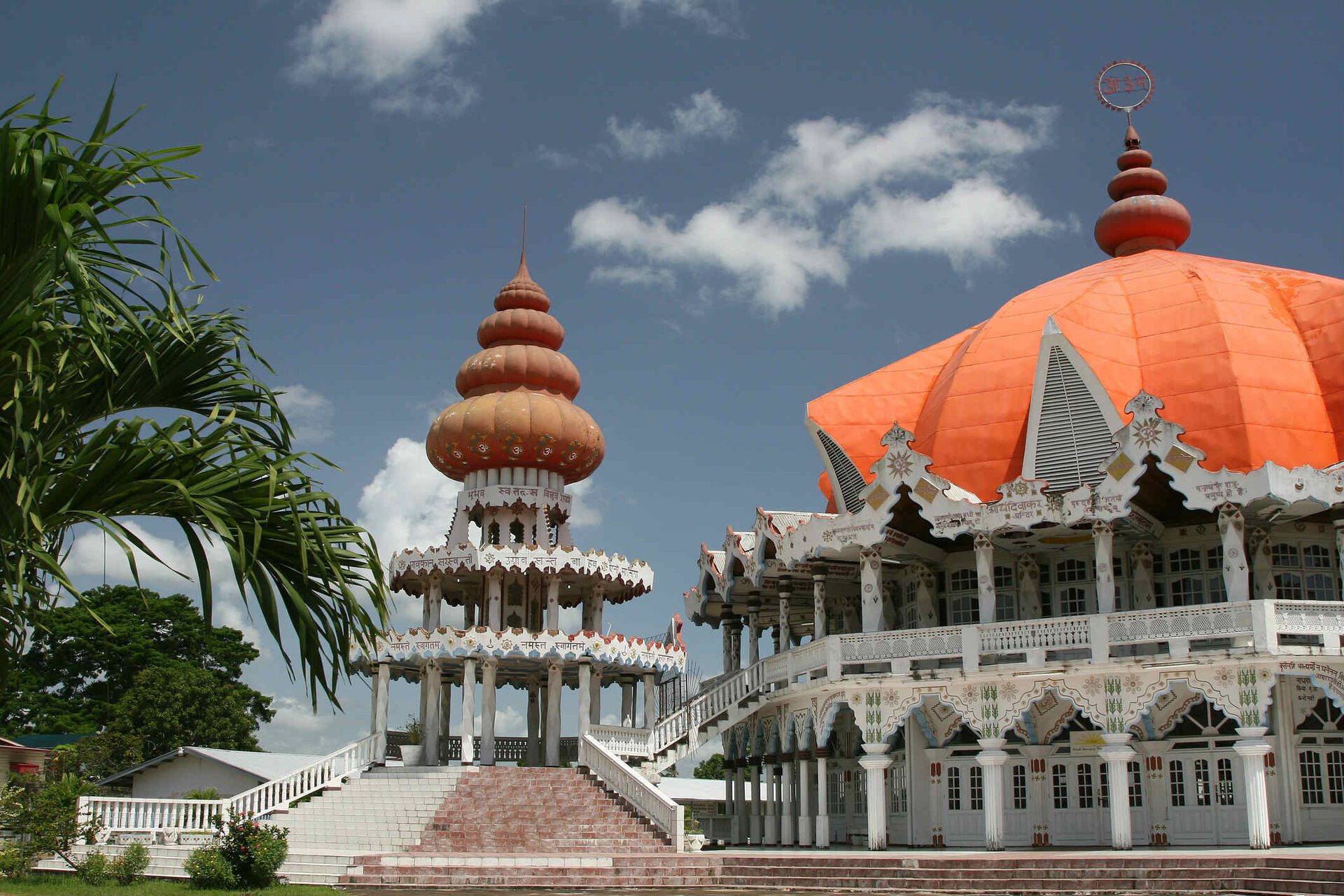
Suriname has one of the most diverse populations in the Americas - Indo-Surinamese (Hindustanis), Afro-Surinamese (Creoles), Javanese, Maroons, Indigenous peoples, Chinese, and Dutch. This creates a fascinating cultural mix where Hindu temples neighbor mosques and churches. The capital Paramaribo reflects this diversity in its cuisine, languages, and neighborhoods. Dutch is the official language but Sranan Tongo serves as the lingua franca. The interior Maroon communities maintain traditions brought from Africa centuries ago, including animist spiritual practices. Independence from the Netherlands came in 1975, followed by a period of military rule. Contemporary Suriname faces economic challenges but maintains its multicultural harmony.
Insider Tips
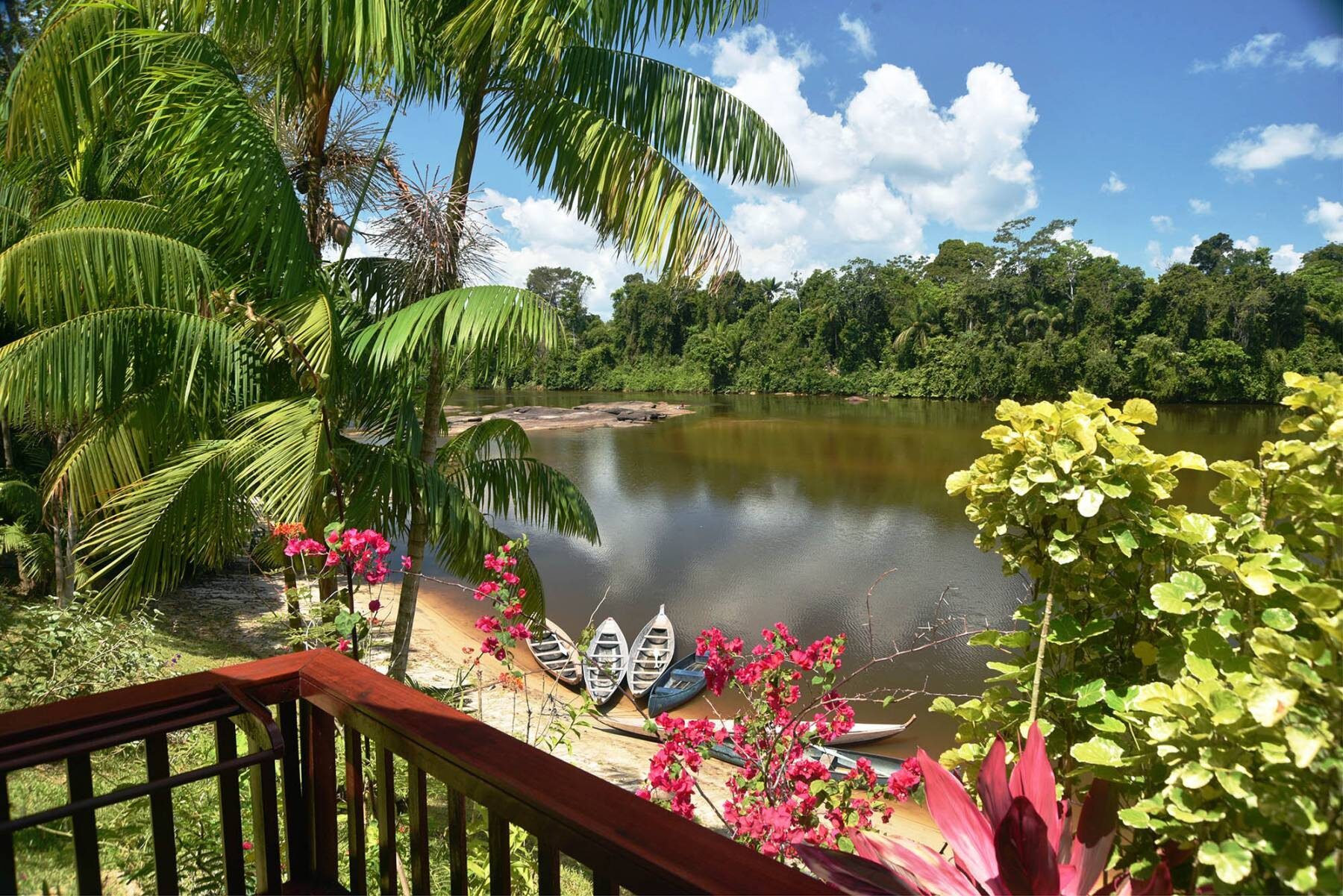
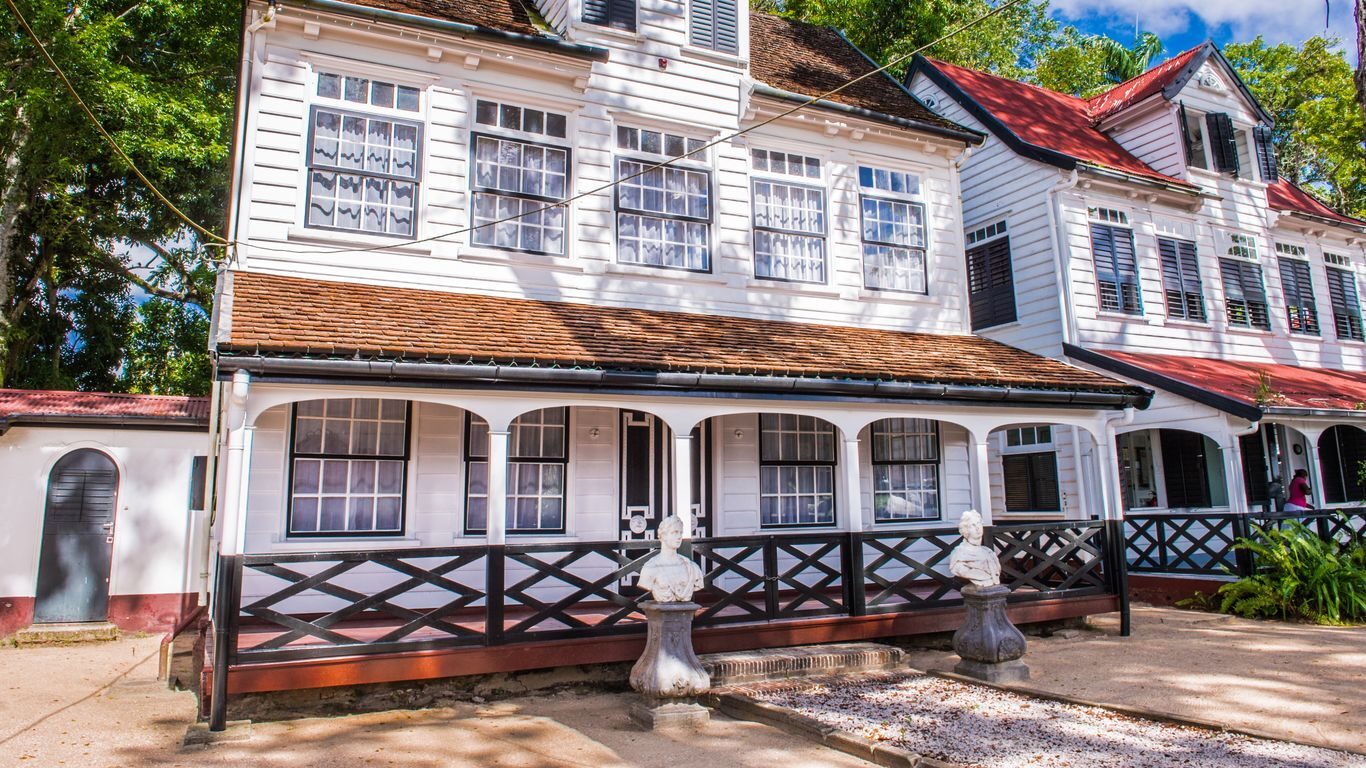
Suriname is South America most overlooked country, a former Dutch colony with pristine Amazon rainforest, diverse ethnic communities, and the charming UNESCO-listed capital of Paramaribo. The wooden Dutch colonial architecture of Paramaribo UNESCO World Heritage site is unique. The interior offers jungle lodges with access to howler monkeys, giant river otters, and countless bird species. Maroon communities along the rivers maintain African-descended cultures transported during the slave trade. The Surinamese dollar is the currency; bring US dollars or Euros for exchange. Dutch is the official language but Sranan Tongo (creole) is widely spoken; English is limited. Infrastructure is basic for interior travel; join organized tours.
Current Travel Situation
United States to Suriname: What You Need to Know
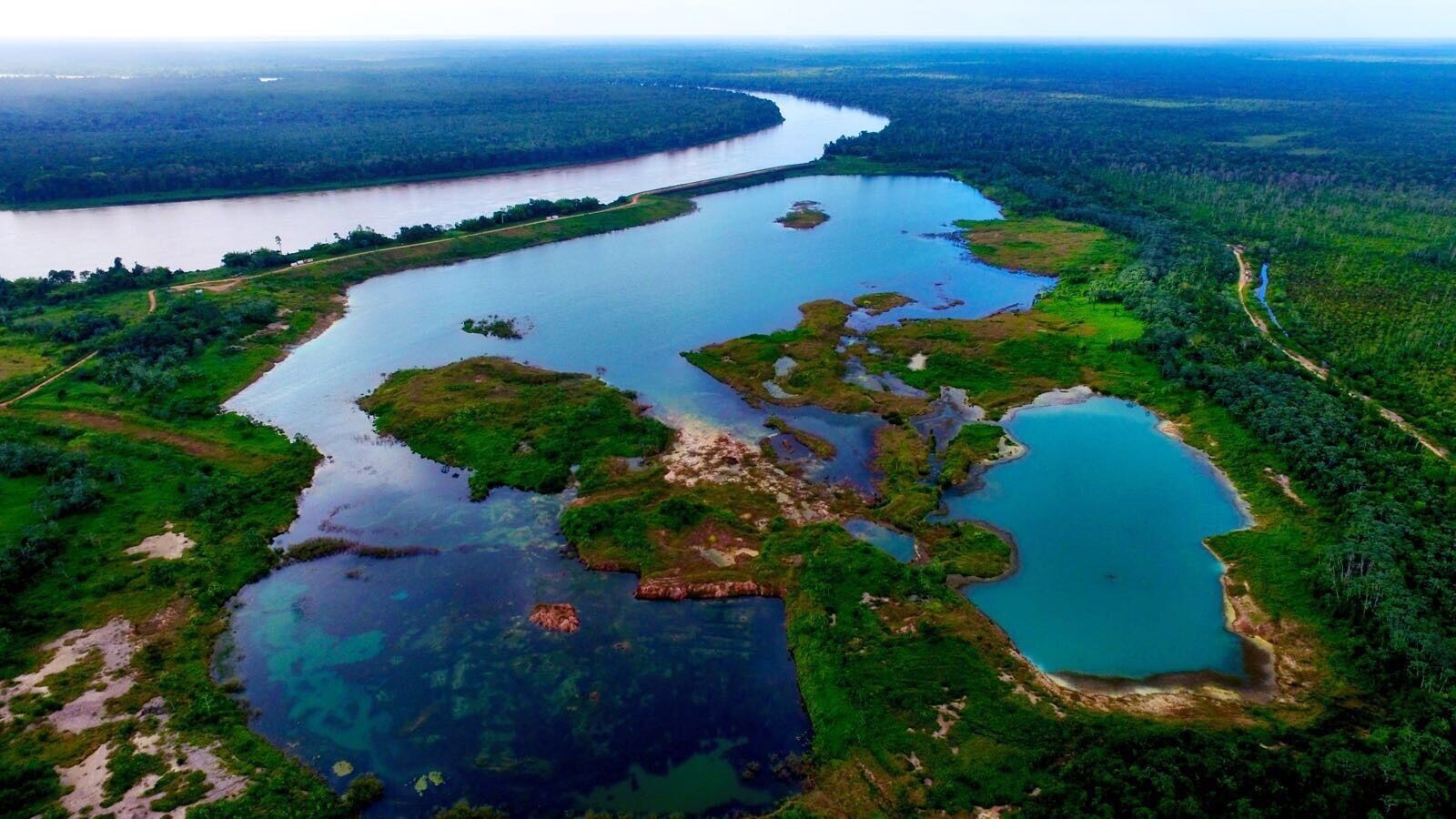
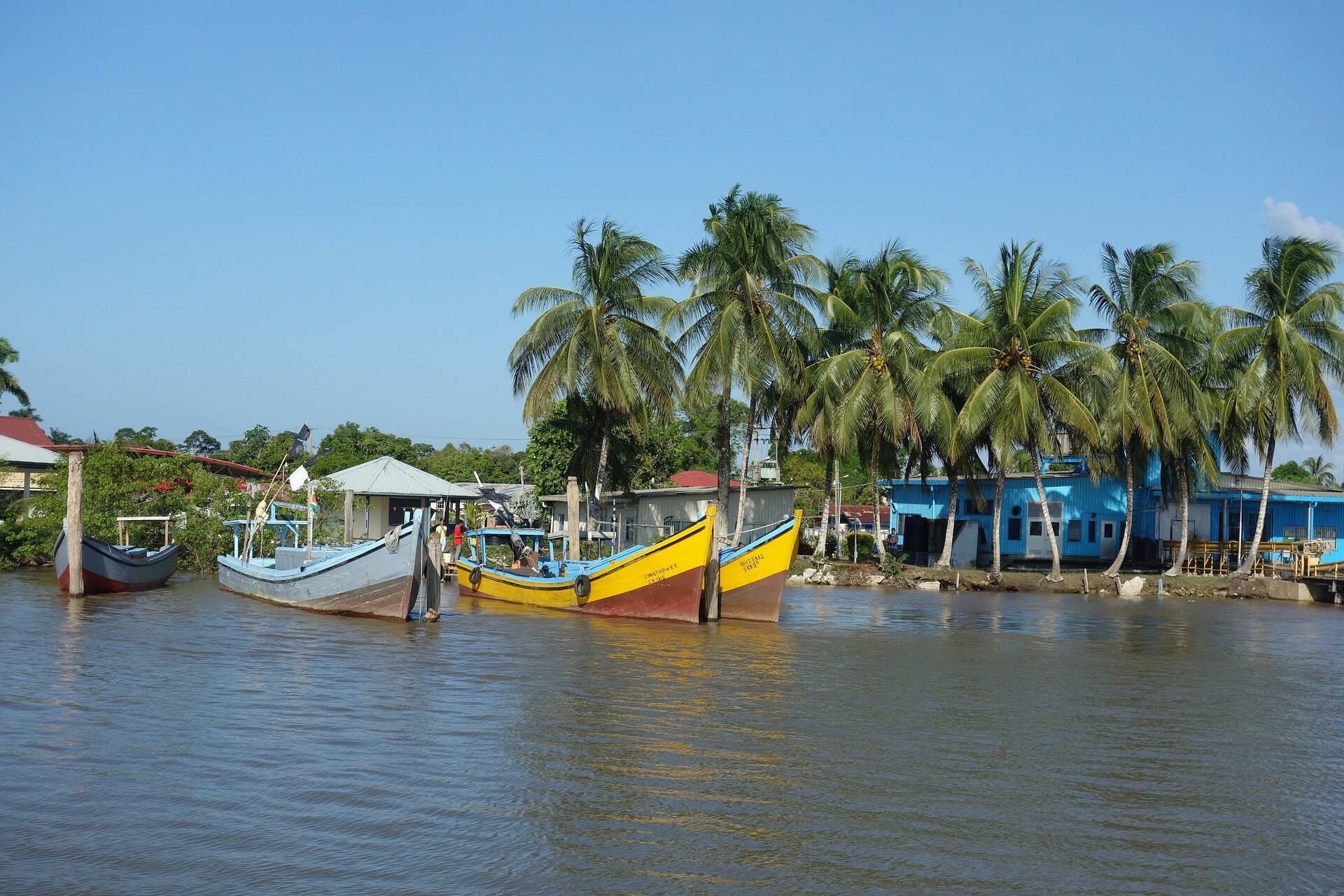
Suriname is a small country on the northeastern coast of South America, bordered by Guyana, Brazil, and French Guiana. It is the only Dutch-speaking country in South America and has an extraordinary mix of cultures, descended from African, Indian, Javanese, indigenous Amerindian, Chinese, and European populations. Johan Adolf Pengel International Airport (PBM) near Paramaribo has connections from Amsterdam (KLM), Trinidad (Caribbean Airlines), and a few regional cities. Over 90% of the country is covered by pristine Amazonian rainforest. The US State Department has a Level 2 advisory (Exercise Increased Caution).
How to Get There
Amsterdam (AMS) is the primary connection hub; KLM flies to Paramaribo multiple times weekly (8-9 hours). Port of Spain (Trinidad) has connections via Caribbean Airlines. There are no direct flights from the US. Miami (MIA) connections through Port of Spain or Belem (Brazil) are common. Guyana's Georgetown is accessible overland via the Moleson Creek-South Drain ferry crossing for combined Guiana Shield itineraries.
Money & Banking
Suriname uses the Surinamese Dollar (SRD). USD is accepted at some hotels and businesses. ATMs in Paramaribo dispense SRD; international cards work at major bank ATMs. Suriname is moderately priced: a local restaurant meal costs $5-10, budget accommodation $30-60/night. Jungle lodge tours in the interior are expensive ($150-300/person/night all-inclusive) but include guides, transport, and meals.
Practical Tips
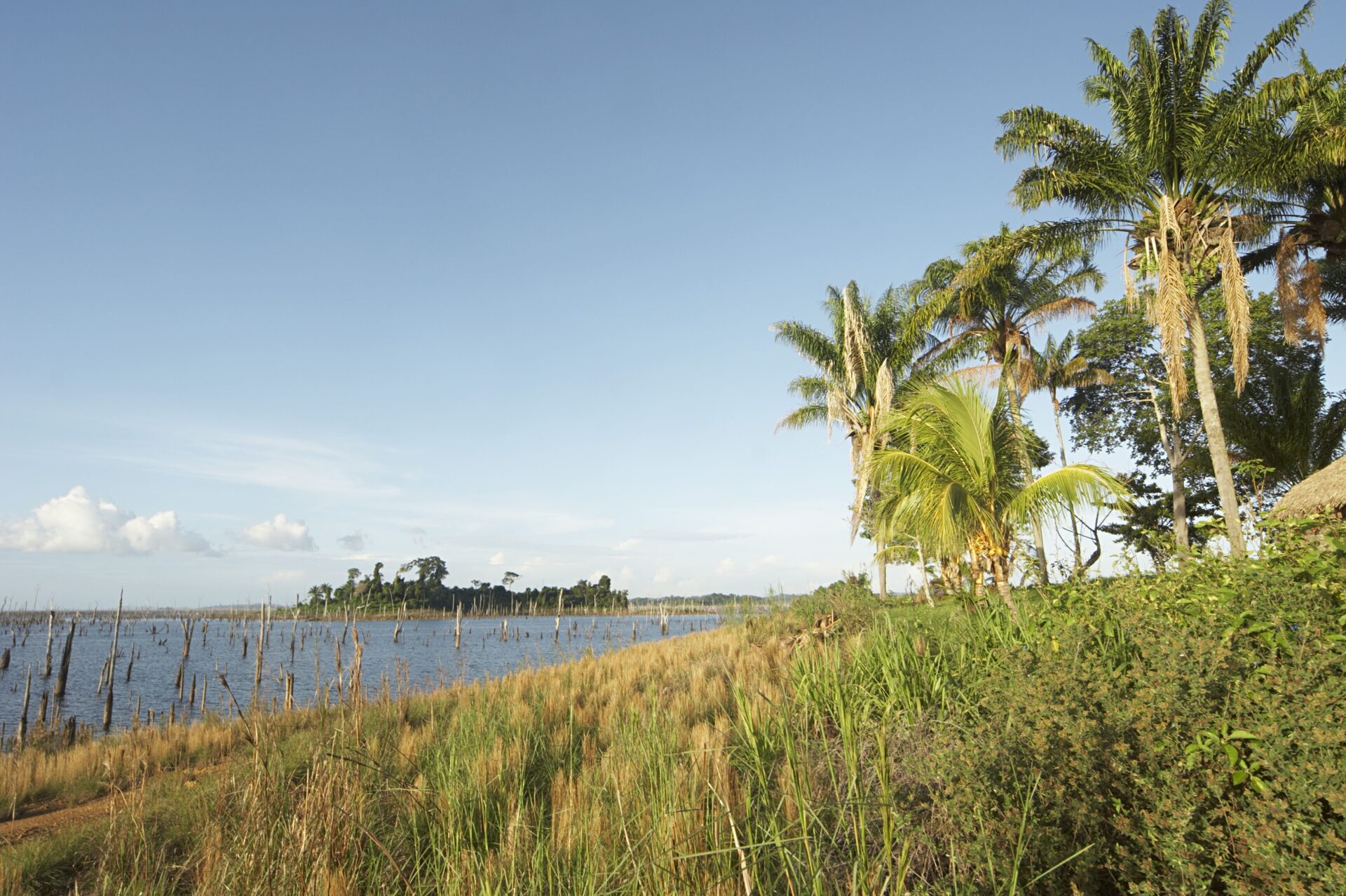
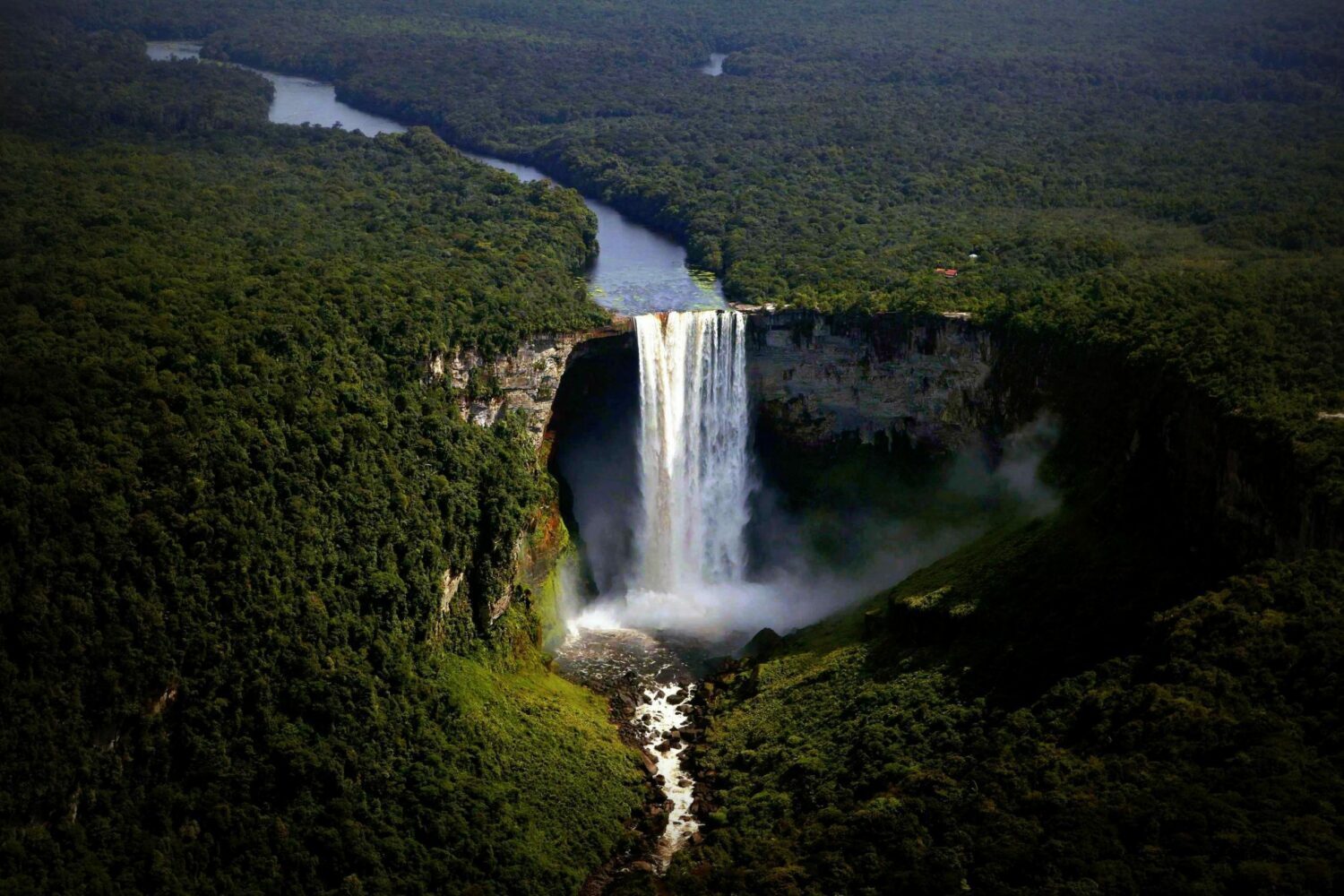
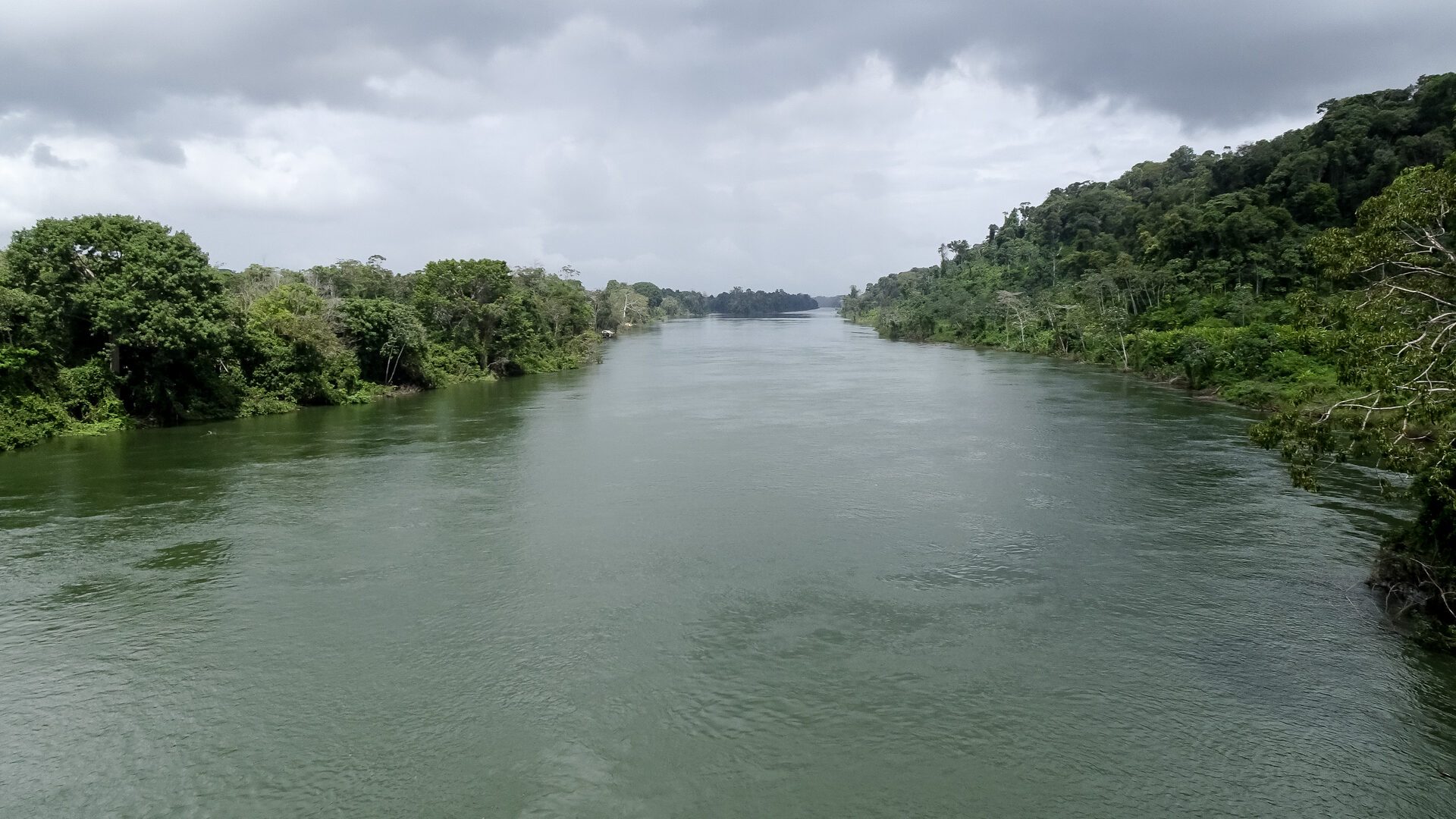
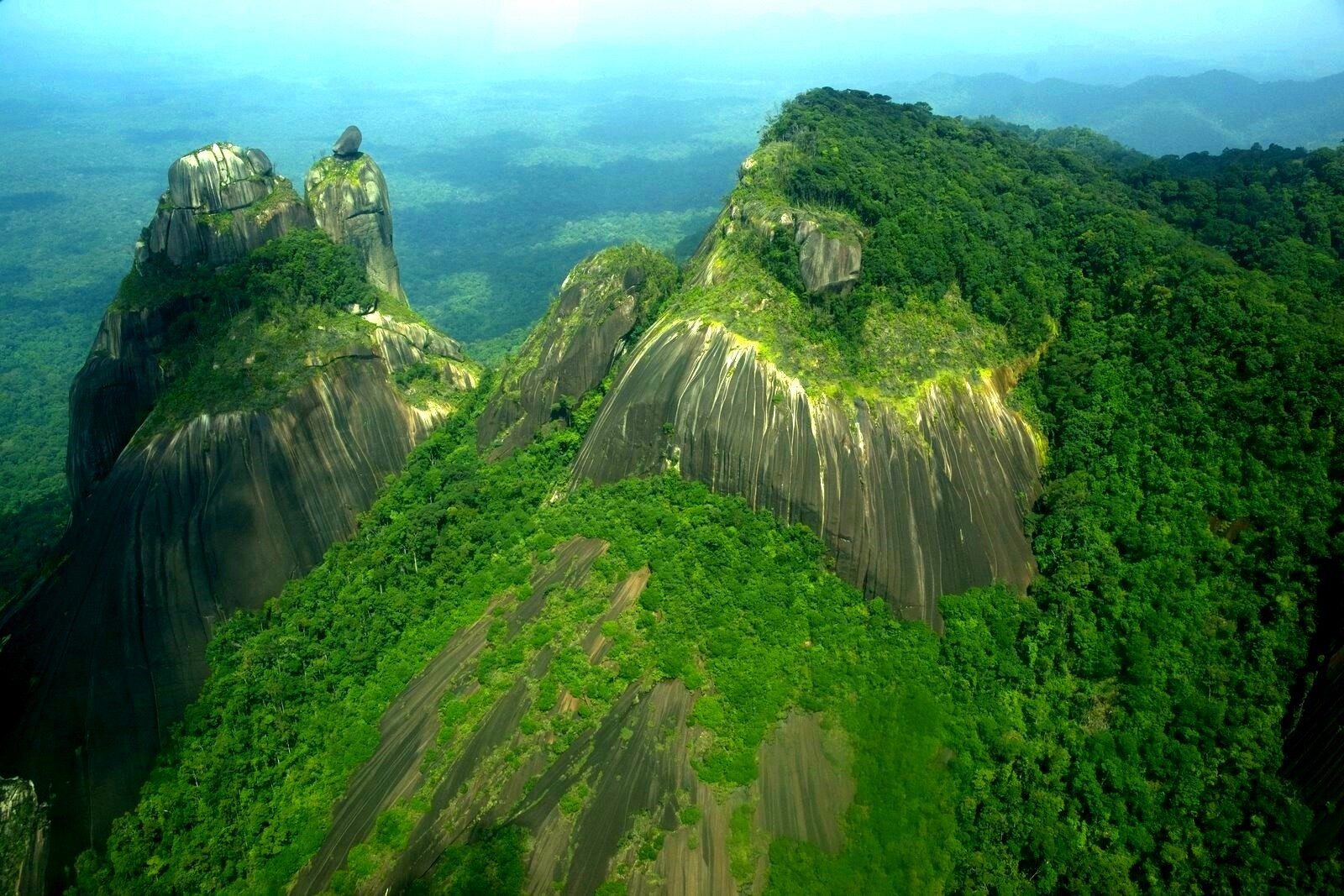
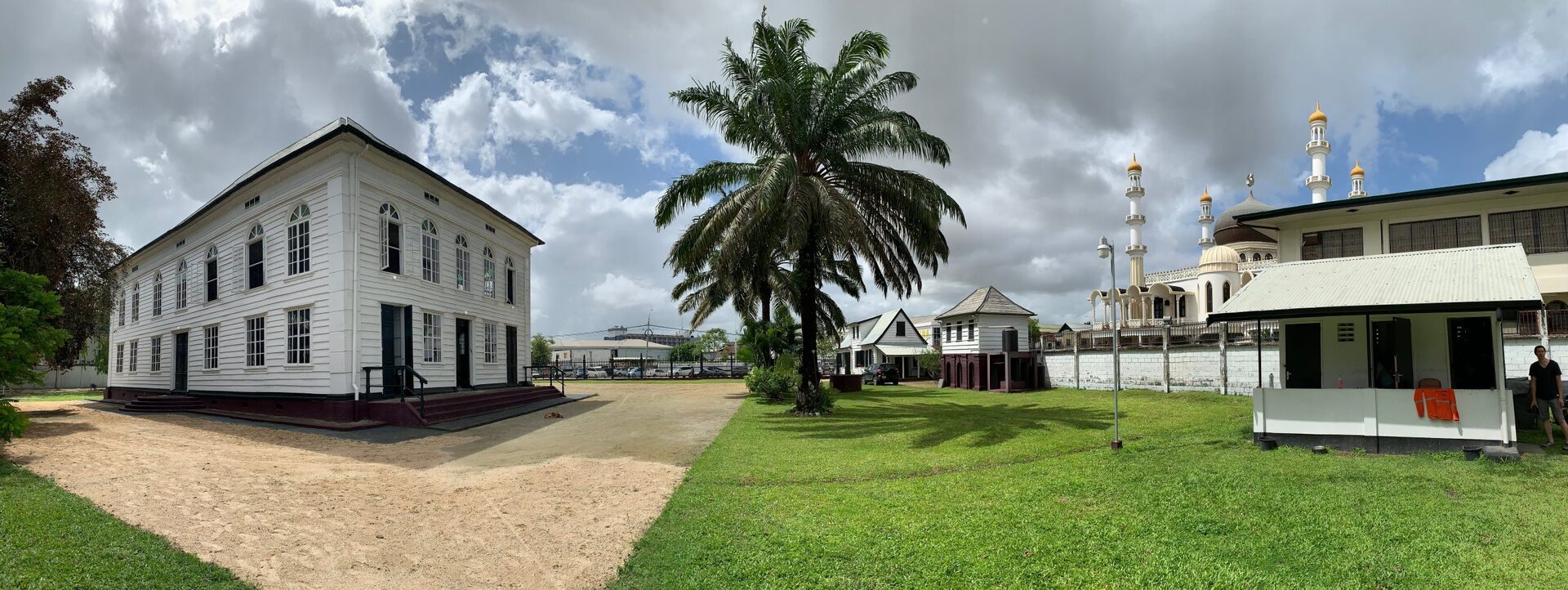
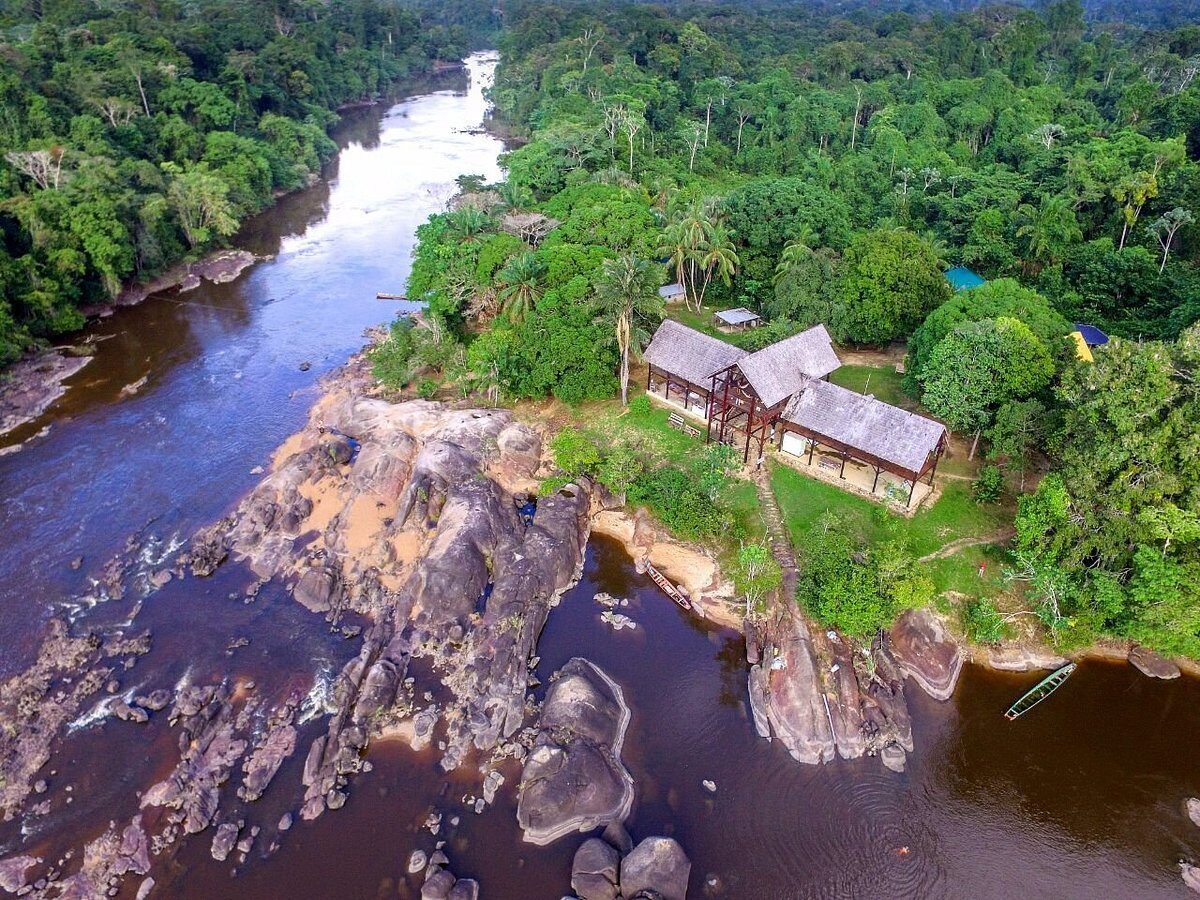
Paramaribo's historic inner city (UNESCO) is a unique mix of wooden Dutch colonial architecture and multicultural religious buildings, a synagogue next to a mosque is the city's most photographed image. Central Suriname Nature Reserve (UNESCO) covers 1.6 million hectares of untouched rainforest accessible only by small plane or multi-day river journey. The Maroon villages along the Suriname River offer immersive cultural experiences with descendants of escaped slaves. Bird diversity (over 700 species) makes Suriname a paradise for birdwatchers.
Frequently Asked Questions
Do I need to apply for a visa before visiting Suriname?
Yes. US citizens must obtain a Tourist Card/E-Visa at surinamevisaonline.com before travel. The $45 fee covers a 90-day stay. Processing is usually immediate. Visa on arrival is not available -- you must have the approval before boarding your flight.
What language is spoken in Suriname?
Dutch is the official language and widely spoken in Paramaribo and schools. However, most Surinamese also speak Sranan Tongo (an English-based creole that is the lingua franca), and many speak Hindi, Javanese, or Saramaccan depending on their community. English is understood in tourist areas and by younger generations.
What is unique about Suriname?
Suriname is remarkably unique -- the only Dutch-speaking country in South America, with over 90% rainforest cover, an astonishing multicultural population descended from African, Indian, Javanese, indigenous, and European communities, and two UNESCO World Heritage Sites. It is one of the least-visited yet most ecologically intact countries in the Americas.
Do US citizens need a visa to visit Suriname?
US citizens need an e-Tourist Card obtained online before arrival (suriname.vfsevisa.com). This costs $45 for a 90-day single entry and takes 2-3 business days to process. You'll need a passport valid for 6 months, a photo, proof of accommodation, and return ticket. The e-Tourist Card is sent by email and must be printed or shown electronically at immigration. This is not a visa-free destination, but the online process is straightforward.
Why visit Suriname?
Suriname offers unique experiences you won't find elsewhere in South America. Paramaribo's UNESCO-listed historic center features distinctive Dutch colonial wooden architecture alongside mosques, synagogues, and Hindu temples reflecting the country's remarkable diversity. The interior rainforest is pristine and largely unexplored, with jungle lodges offering wildlife experiences. Maroon communities (descendants of escaped slaves) maintain African-influenced traditions. You can visit sea turtle nesting sites. Suriname attracts adventurous travelers seeking authenticity rather than mass tourism. Dutch is the official language, making it distinct from Spanish/Portuguese-speaking neighbors.
How do I explore the Suriname interior?
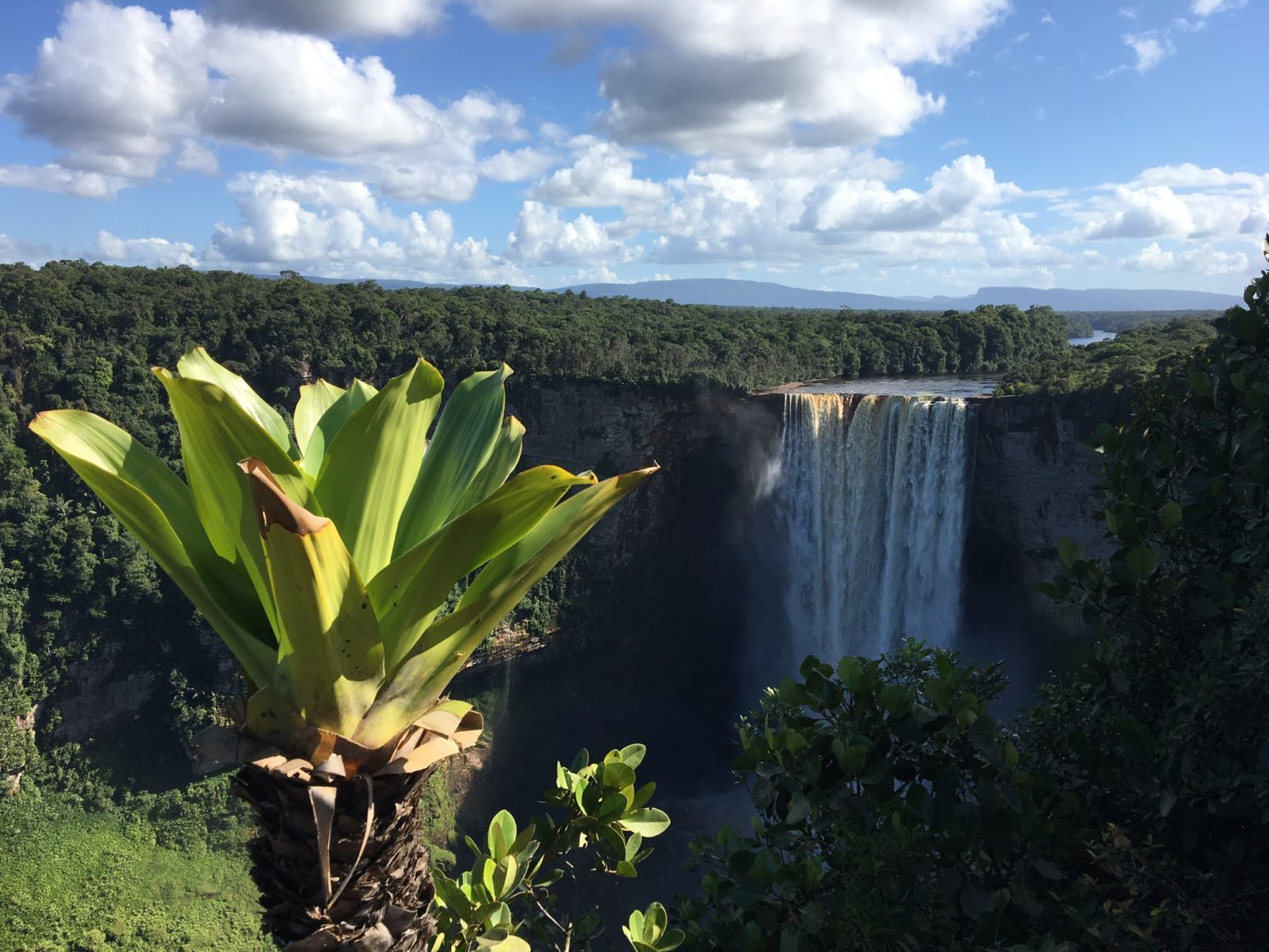
Suriname's interior rainforest requires planning as infrastructure is limited. Options include: flying to Maroon or indigenous villages (small planes from Paramaribo), boat trips up rivers like the Suriname or Coppename, or organized tours to jungle lodges. The Central Suriname Nature Reserve, a UNESCO World Heritage Site, covers 1.6 million hectares of pristine rainforest. Companies offer multi-day expeditions combining jungle hiking, wildlife spotting, visits to local communities, and waterfall excursions. This isn't budget travel; expect $100-200+/day for quality interior experiences. Independent travel in the interior is difficult without local contacts.