Sri Lanka Visa RequirementsFor United States passport holders
US citizens need an eVisa to visit Sri Lanka. The eVisa costs $50 USD and allows a 30-day stay, processed online in 1-3 business days.
United States passport holders must apply for an electronic visa (eVisa) online before traveling to Sri Lanka.
Apply for the Sri Lanka ETA online at eta.gov.lk (official government portal). The fee is $50 USD payable by credit card. Processing typically takes 1-3 business days. Single-entry ETA allows 30 days, extendable once to 60 days at a Department of Immigration office in Colombo. Your US passport must be valid for at least 6 months beyond your planned departure. Print or save the ETA approval email. Do not use third-party visa service websites that charge more than the official fee.
Entry Requirements
Passport Validity
6 months beyond date of entry
Blank Pages
1 blank page required
Multiple Entry
Single entry only
Work Permitted
No - requires work visa
Entry Conditions
Passport valid for at least 6 months from entry date. Proof of return/onward travel, hotel reservations, and sufficient funds may be requested.
Overstaying incurs fines and potential detention. Exit may be delayed while penalties are processed.
Required Documents
Valid US Passport
Must be valid for at least 6 months beyond intended departure from Sri Lanka
Sri Lanka ETA Approval
Apply at eta.gov.lk, costs $50 USD, takes 1-3 business days
Proof of Onward Travel
Return or onward flight ticket out of Sri Lanka
Proof of Accommodation
Hotel booking or host address
Valid US Passport
Must be valid for at least 6 months beyond your planned arrival date with at least one blank page
Digital Passport Photo
Recent color photo in JPEG format meeting specific size requirements (usually 35x45mm, 600x600 pixels)
Completed Online Application
Fill out the official eVisa application form on the government portal
Travel Itinerary
Detailed travel plans including dates and places you intend to visit
Proof of Accommodation
Hotel bookings, Airbnb reservations, or host invitation letter
Return or Onward Flight
Confirmed flight booking showing departure from the country
Proof of Sufficient Funds Recommended
May be requested at immigration
Proof of Sufficient Funds Recommended
Bank statements or credit card showing adequate funds for your stay
Travel Insurance Recommended
Recommended coverage for medical emergencies and trip cancellation
Travel Essentials
Health & Safety
Safety Rating
Vaccinations
Hepatitis A/B, typhoid, rabies recommended.
Tap Water
Bottled water recommended
Safety Tips
Sri Lanka is generally safe post-civil war. Tourist areas are secure. Take normal precautions in Colombo. Avoid discussing politics.
Money & Costs
Currency
₨ Sri Lankan Rupee (LKR)
Daily Budget (USD)
Budget: $30 · Mid: $80 · Luxury: $250+
Tipping
Tip 10% in restaurants, drivers and guides.
Practical Info
Power
Type D, G, M, 230V
Driving
Left side
Emergency
119 (police), 110 (fire), 1990 (ambulance)
Getting There
Main Airports
Colombo (CMB) · Hambantota (HRI)
Culture & Travel Tips
Best Time to Visit
Sri Lanka has a tropical climate complicated by two monsoons affecting different parts of the island. The southwest coast and hill country are driest from December to March, making this ideal for beach resorts like Galle and cultural sites like Kandy. The east coast and northern areas shine from May to September. This means somewhere in Sri Lanka is always in good season. The hill country (Ella, Nuwara Eliya) is cool year-round but can be misty. The cultural triangle (Sigiriya, Polonnaruwa, Anuradhapura) is best December-April. Wildlife viewing in Yala National Park peaks from February to July.
Cultural Notes
Sri Lanka is predominantly Buddhist, with Theravada Buddhism shaping culture, art, and daily life. Ancient cities and temples reflect over 2,500 years of Buddhist civilization. The island also has significant Tamil Hindu, Muslim, and Christian minorities. The civil war (1983-2009) between the government and Tamil Tigers left deep scars, particularly in the north and east; discussions require sensitivity. Sri Lankans are warm and hospitable, often going out of their way to help visitors. Temple etiquette requires removing shoes and covering shoulders and knees. Full moon (Poya) days are public holidays with alcohol sales restricted. Cinnamon, now a major export, was what drew European colonizers. The colonial legacy includes Portuguese, Dutch, and British architecture.
Insider Tips
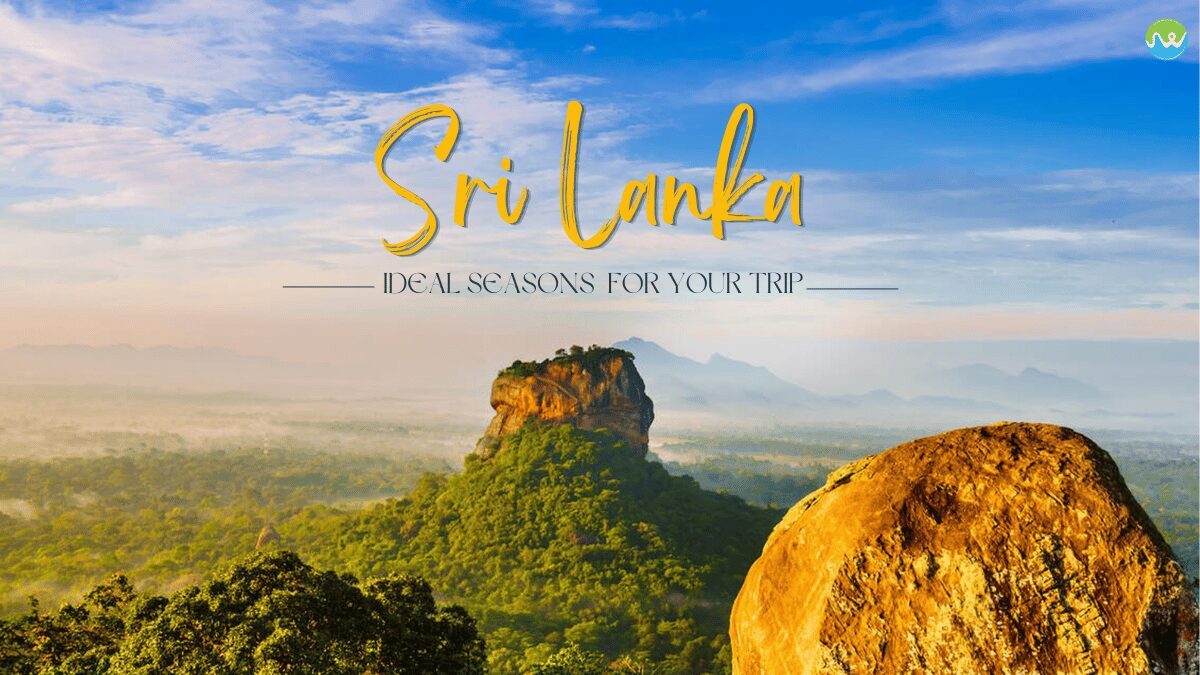
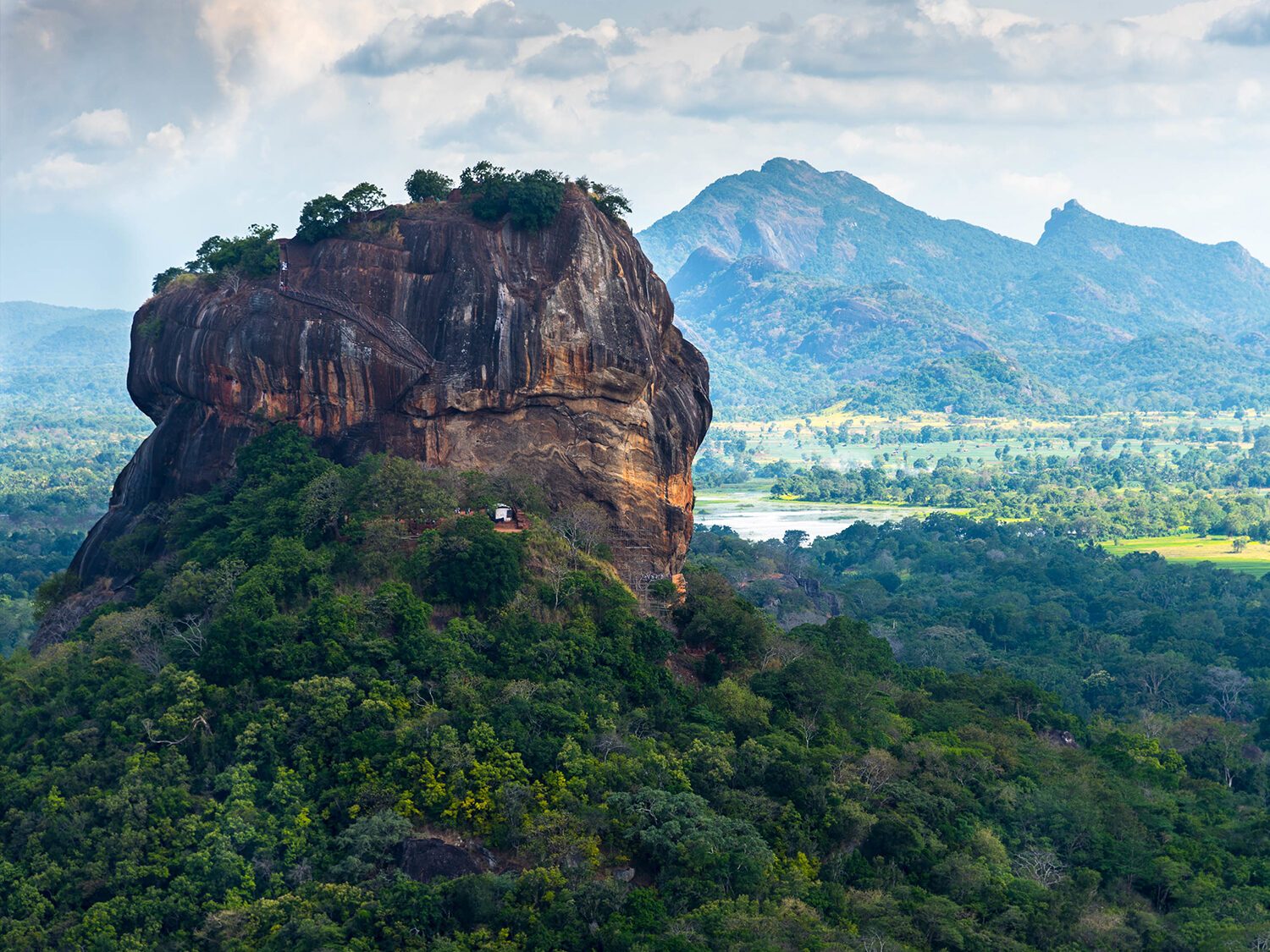
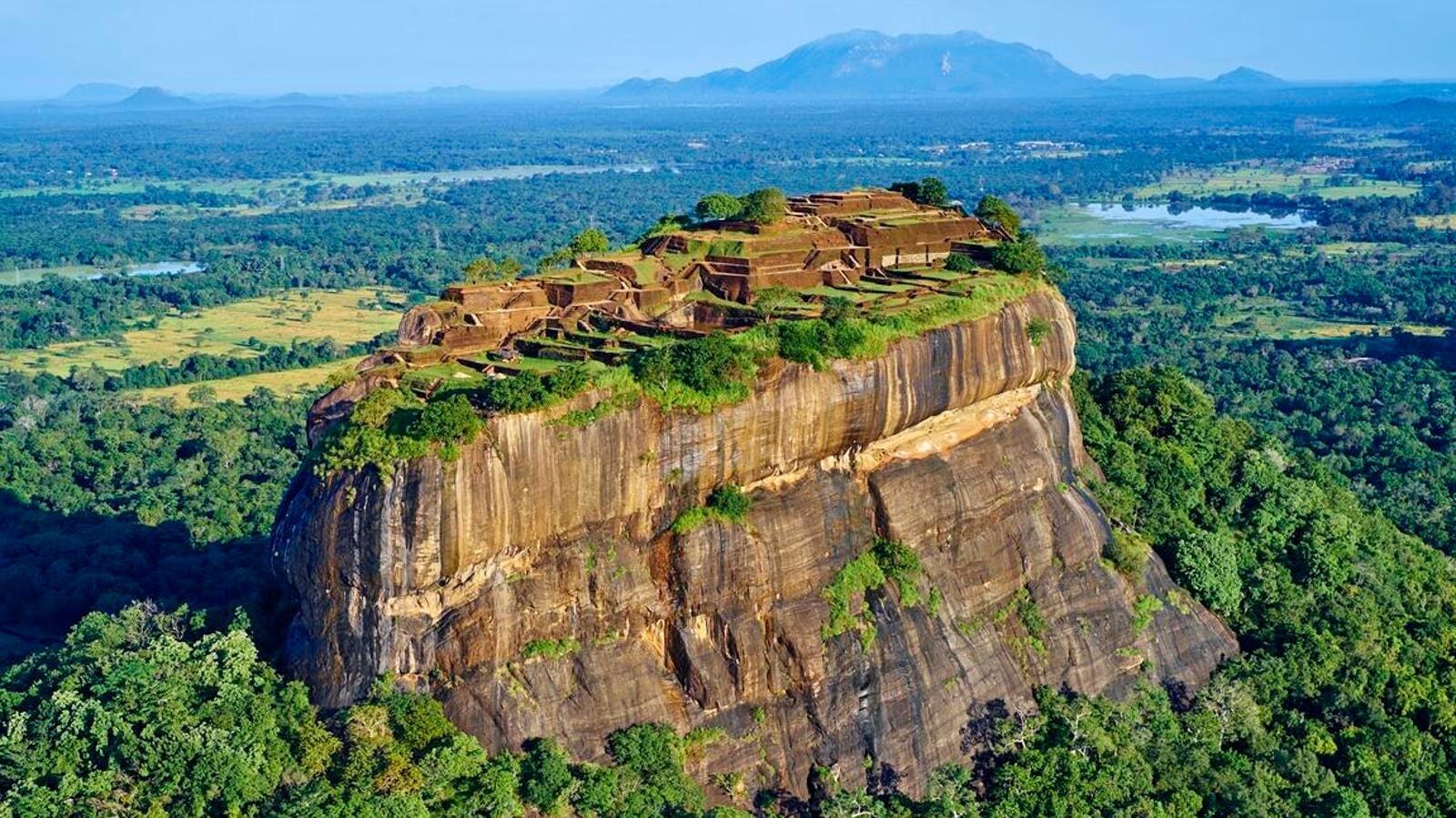
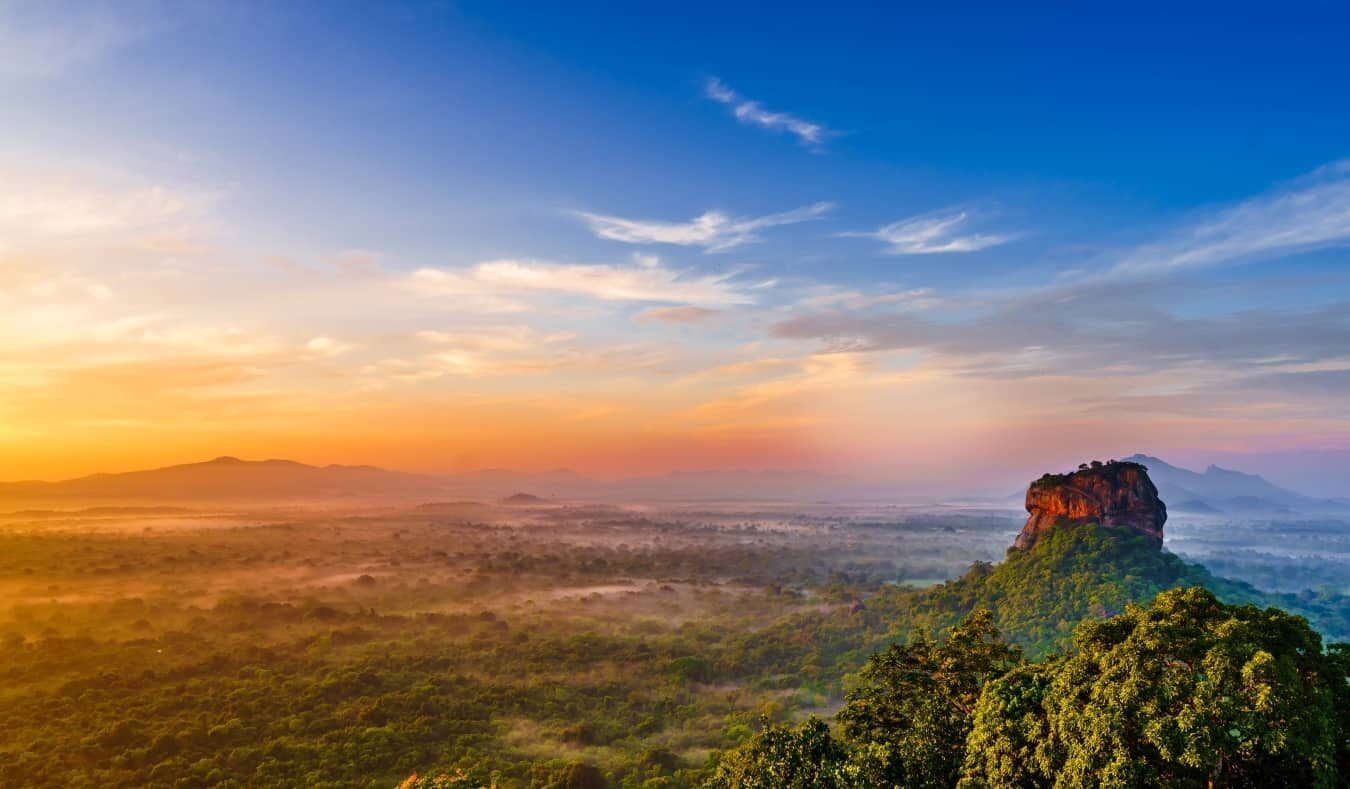
Sri Lanka packs incredible diversity into a compact island - ancient Buddhist temples, tea plantations, wildlife parks, and beaches are all within a few hours of each other. The cultural triangle in the north-central region includes UNESCO sites Sigiriya (lion rock fortress), Polonnaruwa, and Anuradhapura. Kandy hosts the Temple of the Sacred Tooth Relic. The scenic train from Kandy to Ella is one of Asias great rail journeys. Yala and Wilpattu parks offer leopard and elephant sightings. Domestic trains and buses are cheap but slow; hiring a driver is affordable and convenient. The Sri Lankan rupee is the currency. English is widely spoken. Try rice and curry, hoppers (bowl-shaped pancakes), and Ceylon tea.
Current Travel Situation
United States to Sri Lanka: What You Need to Know
Sri Lanka operates a fully online visa system for US citizens through the Electronic Travel Authorization (ETA) system. The island nation off the southern tip of India recovered from the devastating 2022 economic crisis and remains a popular tourist destination known for ancient temples, tea plantations, wildlife safaris, and beautiful beaches. Sri Lanka has two monsoon seasons affecting different parts of the island at different times , the southwest coast (Galle, Unawatuna) is best from December to March, while the east coast (Trincomalee, Arugam Bay) is best from May to September. The country has a rich Buddhist heritage with UNESCO-listed ancient cities.
How to Get There
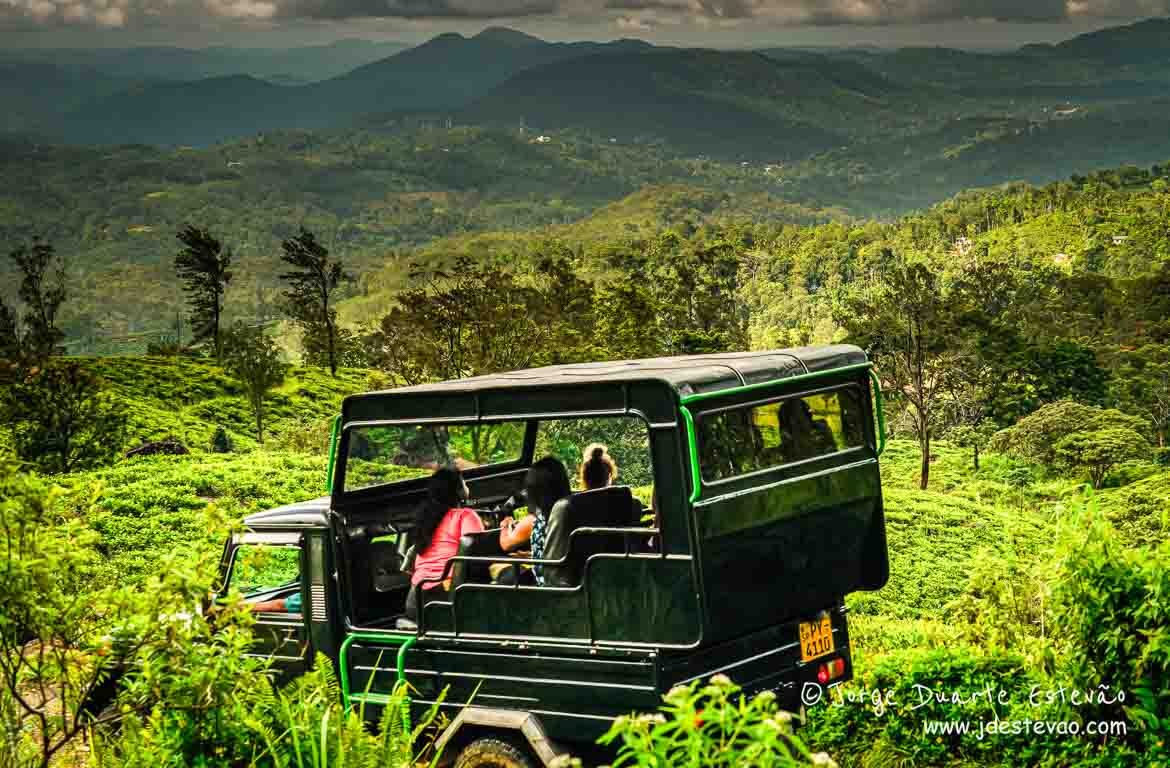
India is the natural companion destination to Sri Lanka , accessible by flight from Colombo to Chennai, Mumbai, or Delhi. The Maldives (visa-on-arrival free) is a luxury extension accessible by short flight from Colombo. Within Sri Lanka, the Cultural Triangle (Sigiriya, Polonnaruwa, Anuradhapura) and the Hill Country (Kandy, Ella, Nuwara Eliya) are the main tourism circuits. A 2-3 week itinerary can cover both circuits plus beaches.
Money & Banking
Sri Lanka uses the Sri Lankan rupee (LKR). The currency recovered significantly after the 2022 crisis. ATMs in Colombo and tourist areas accept Visa and Mastercard. Card acceptance is improving at hotels and restaurants but cash is preferred in rural areas and small shops. Currency exchange is available at the airport and in cities. The Sri Lankan rupee trades at approximately 300 LKR = 1 USD. Sri Lanka is a moderately affordable destination.
Practical Tips
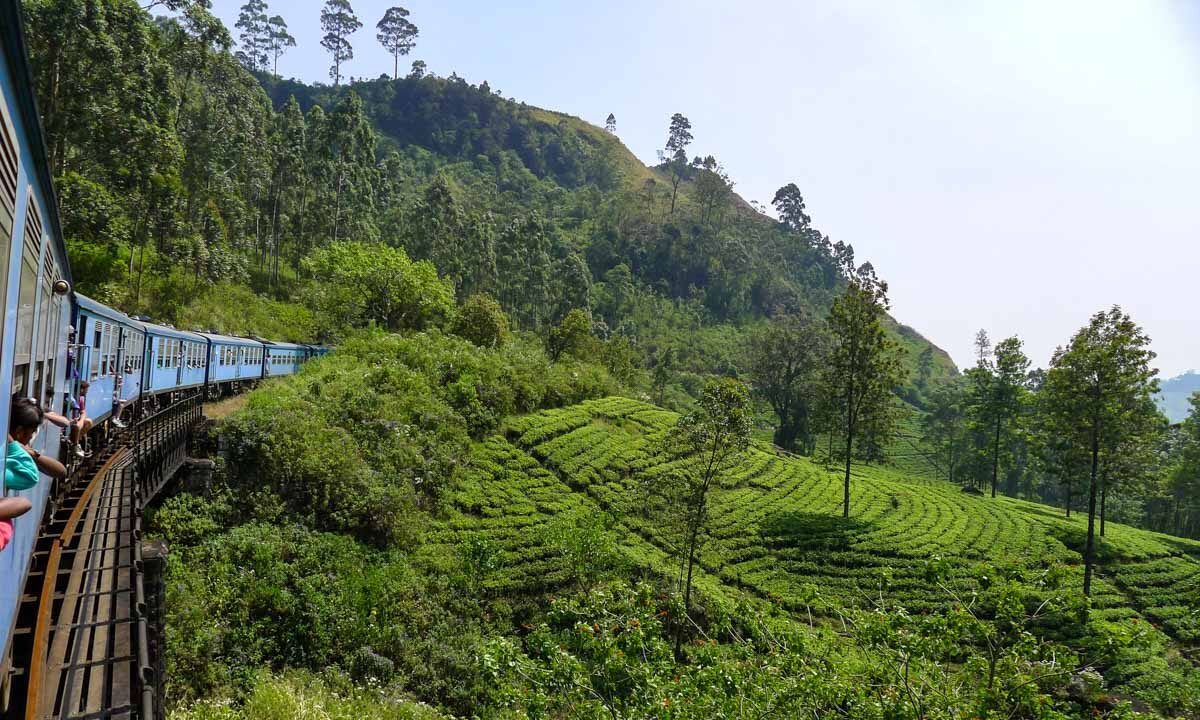
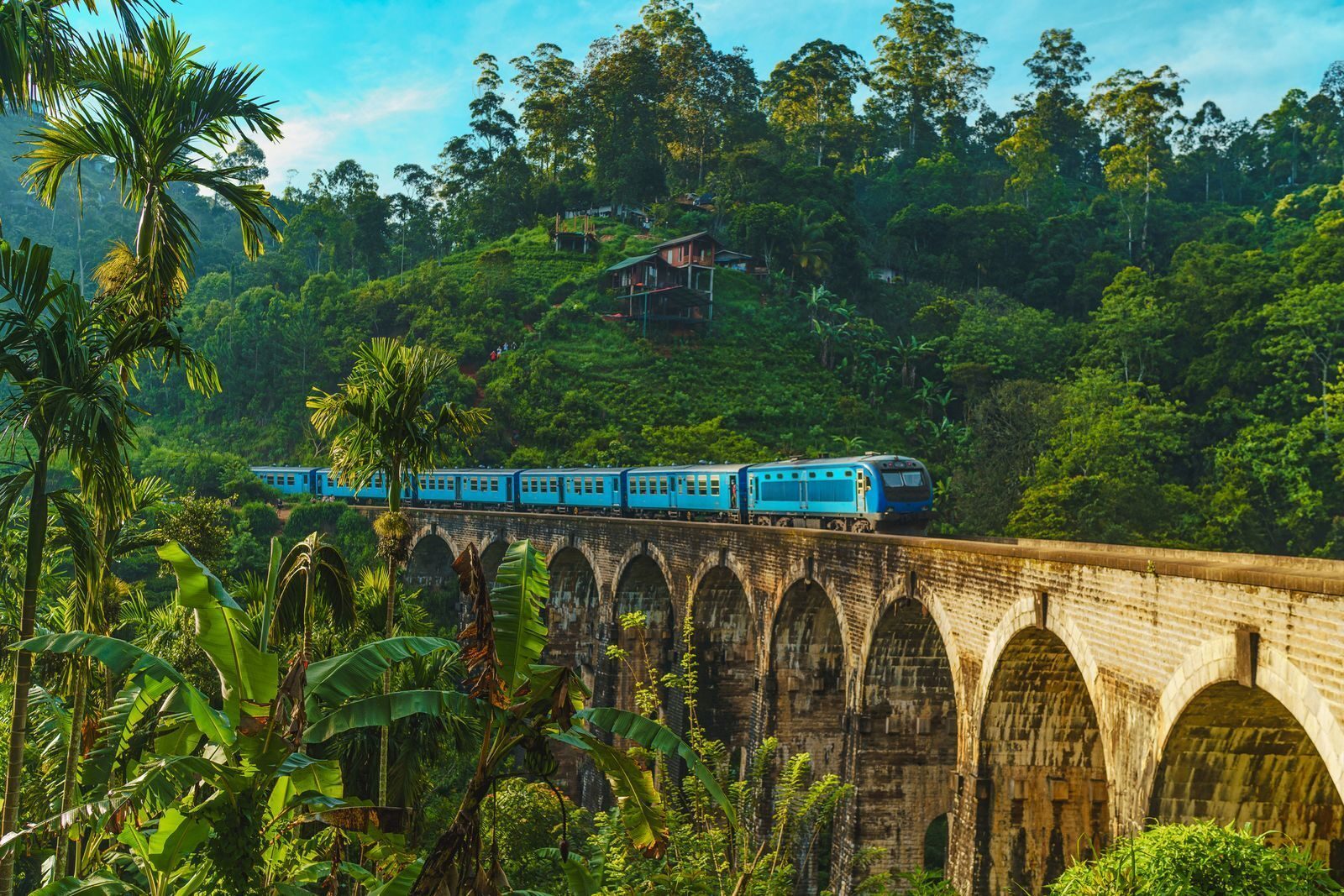
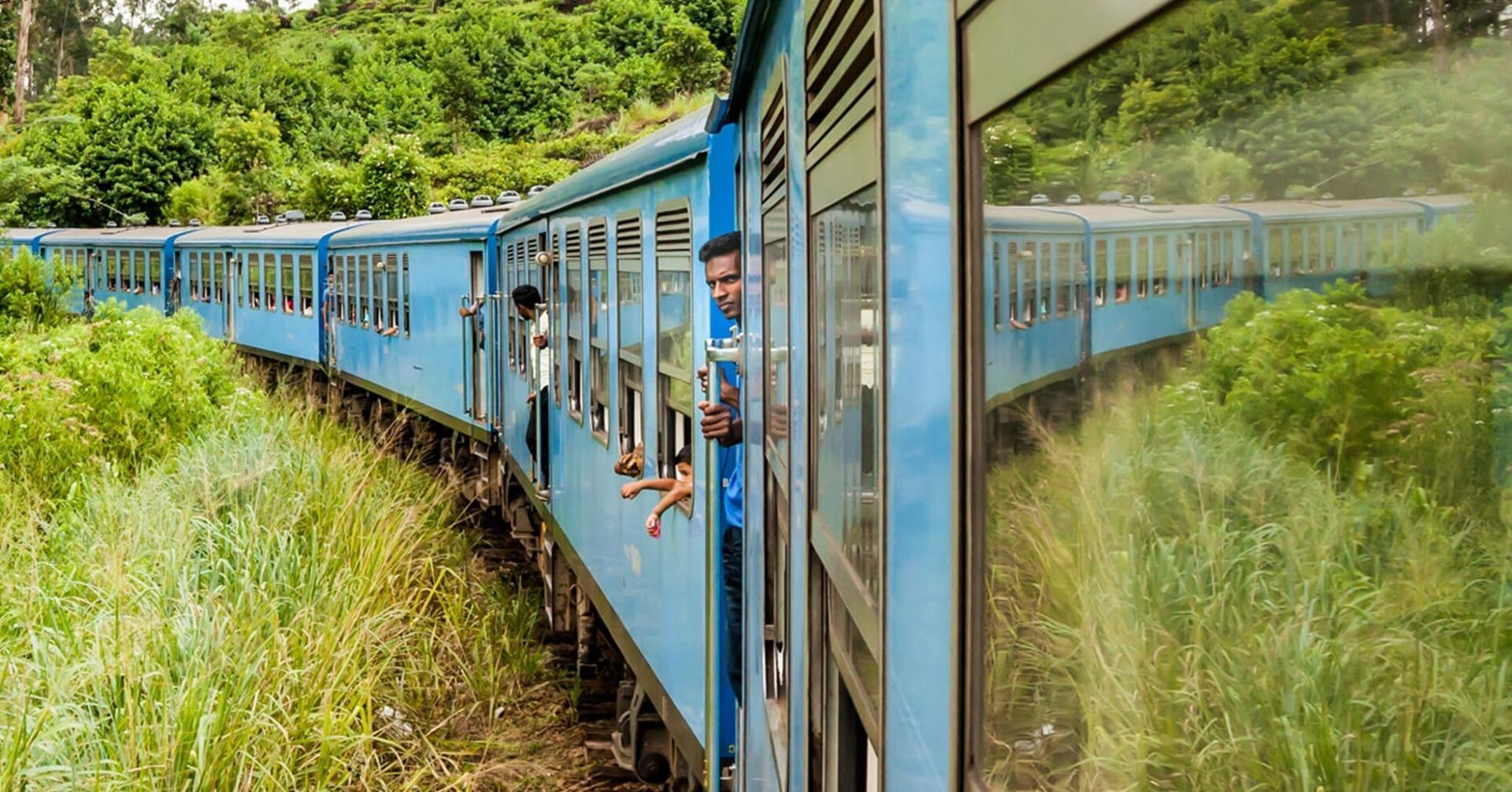
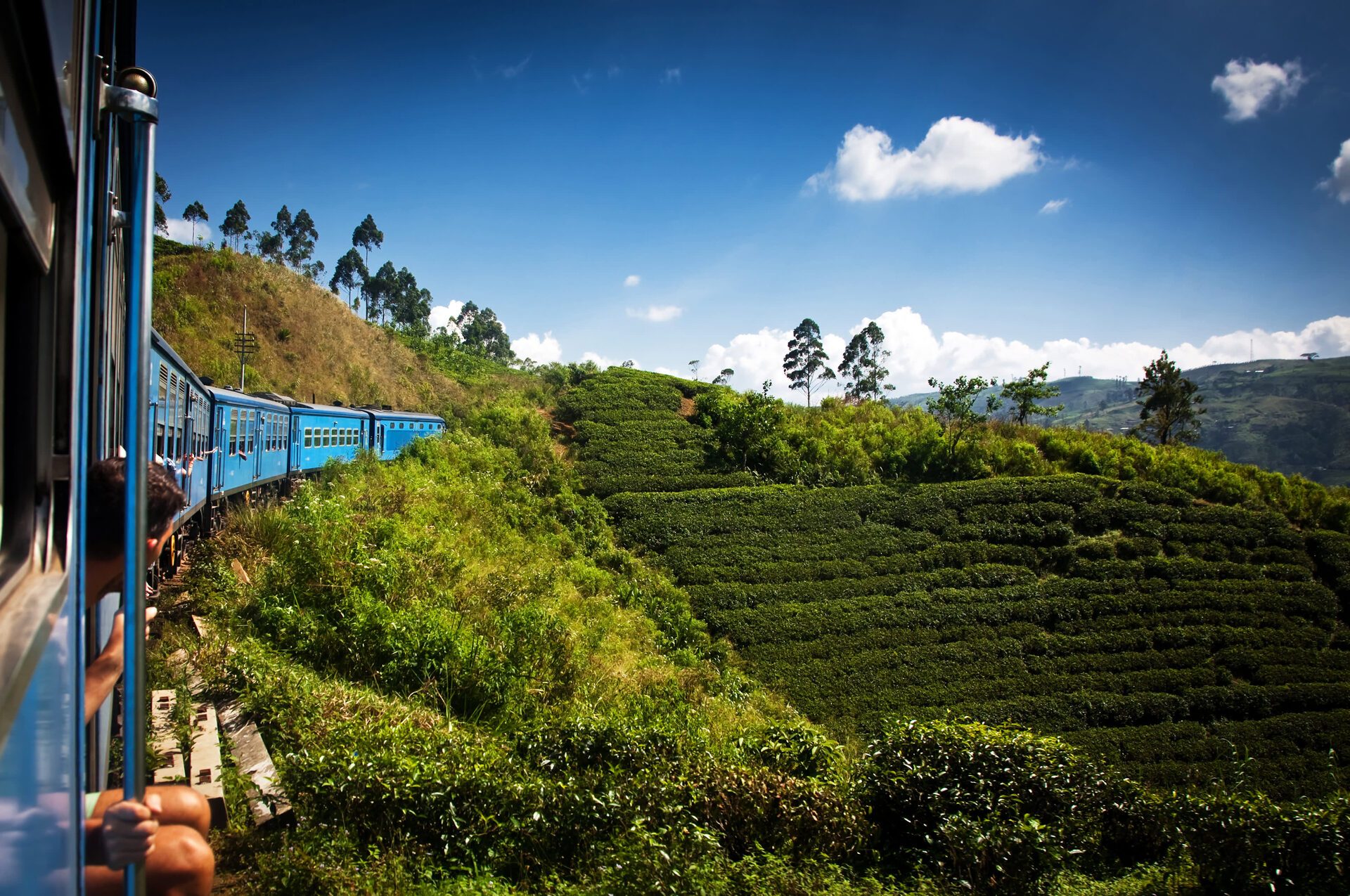
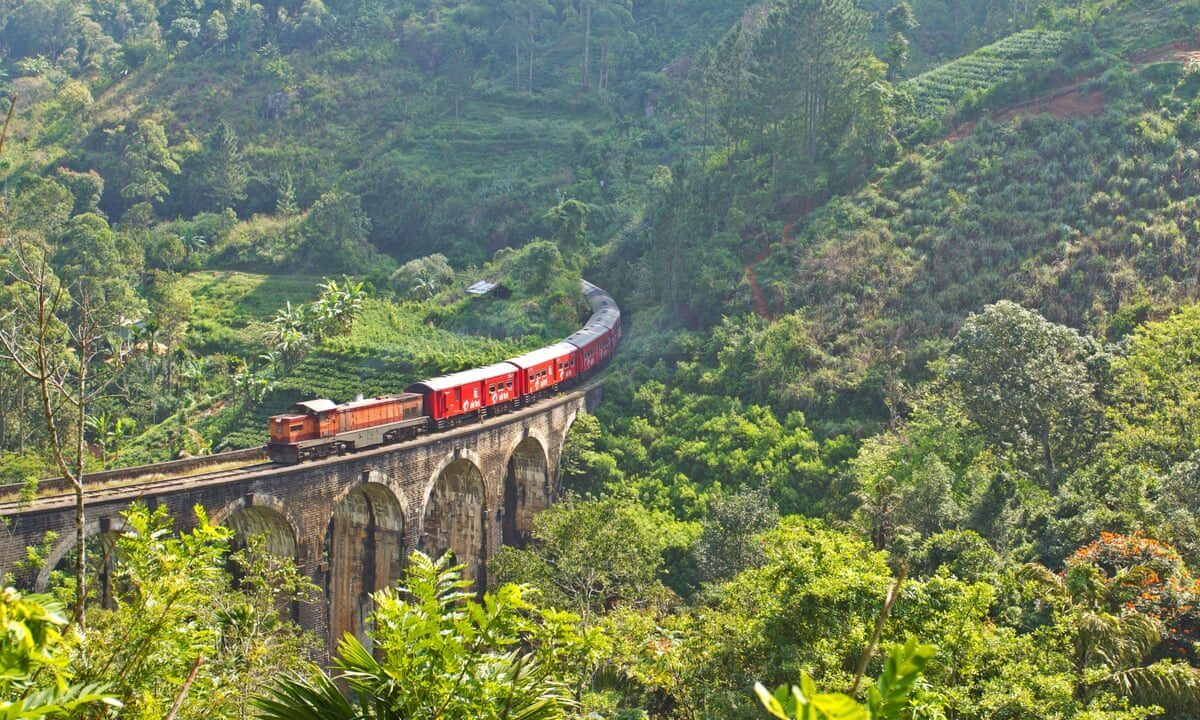
Sri Lanka drives on the left side of the road (British legacy). Tuk-tuks are the main way to get around locally and should be negotiated up front. Trains offer scenic rides, especially the famous Ella-Kandy mountain route , book in advance as this is extremely popular. Sri Lanka is a predominantly Buddhist country; dress modestly when visiting temples (cover shoulders and knees, remove shoes). The 2019 Easter bombings affected tourism temporarily but security has stabilized. Keep your passport copies separate from the original.
Frequently Asked Questions
Do US citizens need a visa to visit Sri Lanka?
Yes, US citizens need an Electronic Travel Authorization (ETA) before arrival. Apply online through the official website (srilankaevisa.lk) at least 3 days before travel. The single-entry tourist ETA costs $50 and allows a stay of up to 30 days. Processing typically takes 1-3 business days. You'll need a passport valid for 6 months, proof of return travel, and a confirmed address in Sri Lanka. The ETA can be extended for up to 60 additional days at the Department of Immigration in Colombo.
How do I apply for a Sri Lanka eVisa?
Apply online at eta.gov.lk, the official Sri Lanka immigration portal. The fee is $50 USD for a single-entry 30-day authorization. Processing takes 1-3 business days. Beware of third-party websites charging higher fees.
What is the best way to travel around Sri Lanka?
Sri Lanka offers diverse transport options. Trains are scenic and affordable, particularly the famous hill country route from Kandy to Ella, one of the world's most beautiful train journeys. Book first or second class observation seats in advance for the best views. Buses reach everywhere but can be crowded. Tuk-tuks are great for short trips; always negotiate price first. Hiring a car with driver is popular and relatively affordable, providing flexibility and local knowledge. Domestic flights connect Colombo to Jaffna and some tourist areas.
Can I extend my Sri Lanka eVisa?
Yes. You can extend once for an additional 30 days (total 60 days) at the Department of Immigration and Emigration office in Colombo. Extensions must be applied for before your original 30 days expire.
Is Sri Lanka safe for tourists after the 2019 bombings?
Yes, Sri Lanka has significantly enhanced security measures since the 2019 Easter bombings and is considered safe for tourism. The government has invested heavily in tourist safety, with increased security presence at hotels, churches, and public places. Tourism has recovered strongly, and millions of visitors enjoy Sri Lanka annually without incident. Exercise normal precautions: be aware of your surroundings, avoid large gatherings, and monitor local news. The country's natural beauty, wildlife, and cultural sites make it a rewarding destination.
When is the best time to visit Sri Lanka?
It depends on which part you want to visit. The southwest coast and Cultural Triangle are best from December to March (dry season). The east coast is best from May to September. The Hill Country and Kandy are good year-round with slightly wetter conditions from April to June.
What should I wear when visiting temples in Sri Lanka?
Temple dress code is strictly enforced at all Buddhist sites in Sri Lanka. Both men and women must cover shoulders and knees. Long pants or skirts below the knee are required, and sleeveless tops are not acceptable. Shoes must be removed before entering temple grounds (not just buildings), so wear easily removable footwear. Hats should also be removed. White or light-colored clothing is respectful. Never turn your back on Buddha statues for photos, and don't pose touching or sitting on statues. Follow these rules at all religious sites, Buddhist, Hindu, and Muslim alike.
Is Sri Lanka safe for US tourists?
Sri Lanka is generally safe for tourists. The US State Department currently rates it at Level 1 or 2 (check current status). The 2019 Easter attacks were a one-time event and security has been enhanced since. Normal precautions apply — petty theft in crowded areas, traffic safety, and occasional political demonstrations.