South Sudan Visa RequirementsFor United States passport holders
US citizens require a visa to visit South Sudan. The US State Department has issued a Level 4 "Do Not Travel" advisory for South Sudan due to ongoing armed conflict, civil unrest, crime, and the risk of kidnapping and arbitrary detention.
United States passport holders require a visa to enter South Sudan.
Apply at a South Sudanese embassy abroad; the nearest for US citizens is typically in Washington D.C. or via neighboring countries. Required: completed visa application, valid US passport (6+ months validity), two passport photos, yellow fever certificate, invitation letter, return ticket, and approximately $100 fee. Processing is unpredictable. Travel is strongly discouraged.
Entry Requirements
Passport Validity
6 months beyond date of entry
Blank Pages
2 blank pages required
Multiple Entry
Single entry only
Work Permitted
No - requires work visa
Entry Conditions
Visa required from embassy. Yellow fever certificate required.
Required Documents
Valid US Passport
Must be valid for at least 6 months beyond your planned stay with at least 2 blank pages for visa stamps
Completed Visa Application Form
Fill out the official visa application form from the embassy or consulate
Passport-size Photos
Two recent color photos (2x2 inches or 35x45mm) with white background, taken within last 6 months
Proof of Accommodation
Hotel reservations, rental agreement, or invitation letter with host address
Proof of Sufficient Funds
Recent bank statements (last 3 months), credit card statements, or sponsorship letter
Round-trip Flight Itinerary
Confirmed return or onward flight booking showing departure from the country
Employment or Business Letter
Letter from employer stating position, salary, and approved leave dates, or business registration documents
Travel Insurance Recommended
Comprehensive travel insurance covering medical expenses and emergency evacuation
Cover Letter Recommended
Personal letter explaining purpose of visit, itinerary, and ties to home country
Travel Essentials
Health & Safety
Safety Rating
Vaccinations
Hepatitis A, Hepatitis B, Typhoid, Malaria prophylaxis, Meningitis, Rabies, Cholera
Tap Water
Bottled water recommended
Safety Tips
South Sudan is one of the world's most dangerous countries. Civil conflict, inter-ethnic violence, widespread crime, and lack of rule of law make it extremely hazardous. Kidnapping, armed robbery, and violence against foreigners occur. Most governments advise against all travel. Only humanitarian workers with security support operate here.
Money & Costs
Currency
£ South Sudanese Pound (SSP)
Daily Budget (USD)
Budget: $100 · Mid: $200 · Luxury: $400+
Tipping
Not applicable as tourism does not exist.
Practical Info
Power
Type C, D, 230V 50Hz
Driving
Right side
Emergency
No reliable emergency services.
Getting There
Main Airports
Juba (JUB)
Culture & Travel Tips
Best Time to Visit
The dry season (December-March) would be the most practical time for travel if it were safe. The rainy season makes many roads impassable. However, due to the ongoing conflict and instability, no time is safe for tourism.
Cultural Notes
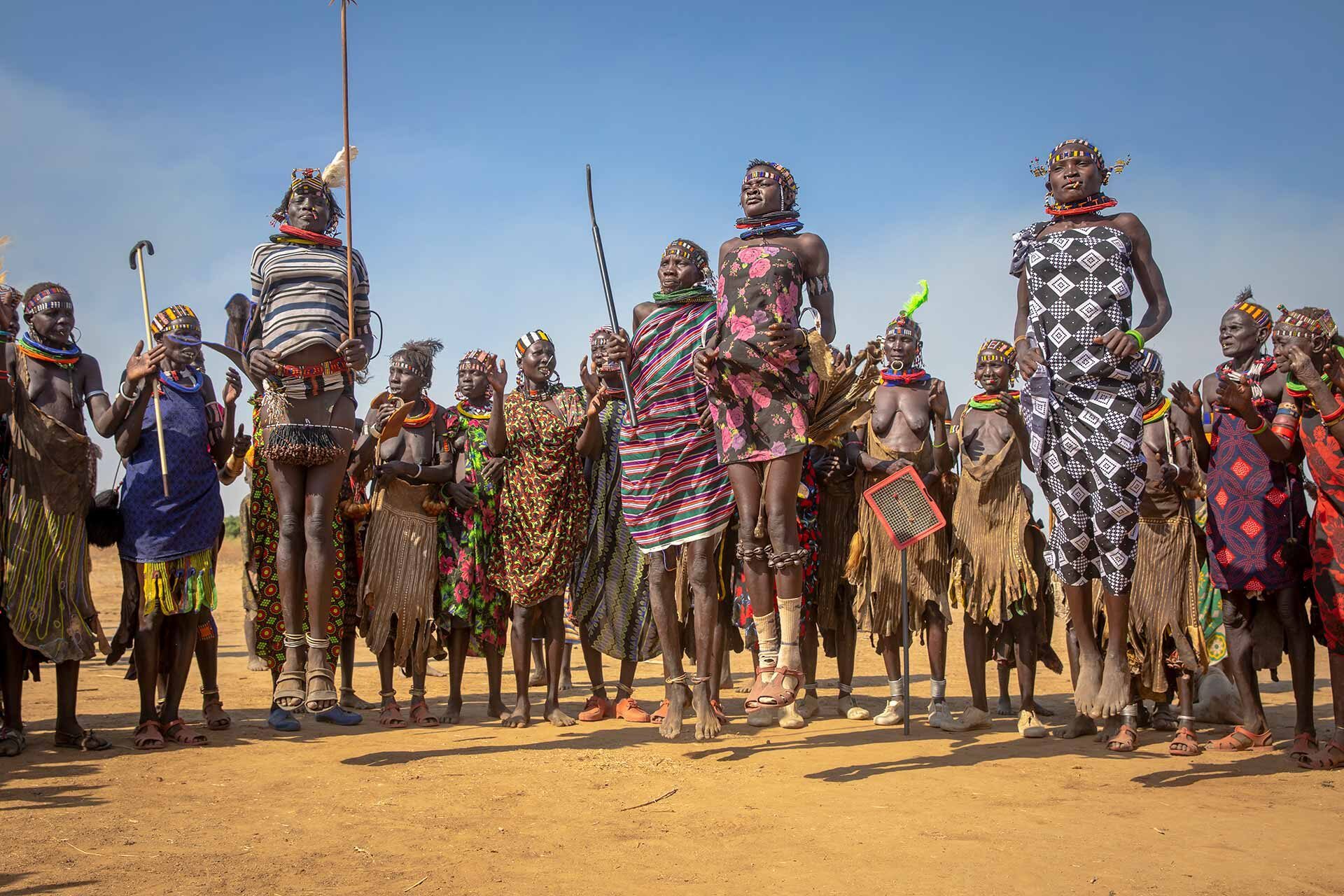
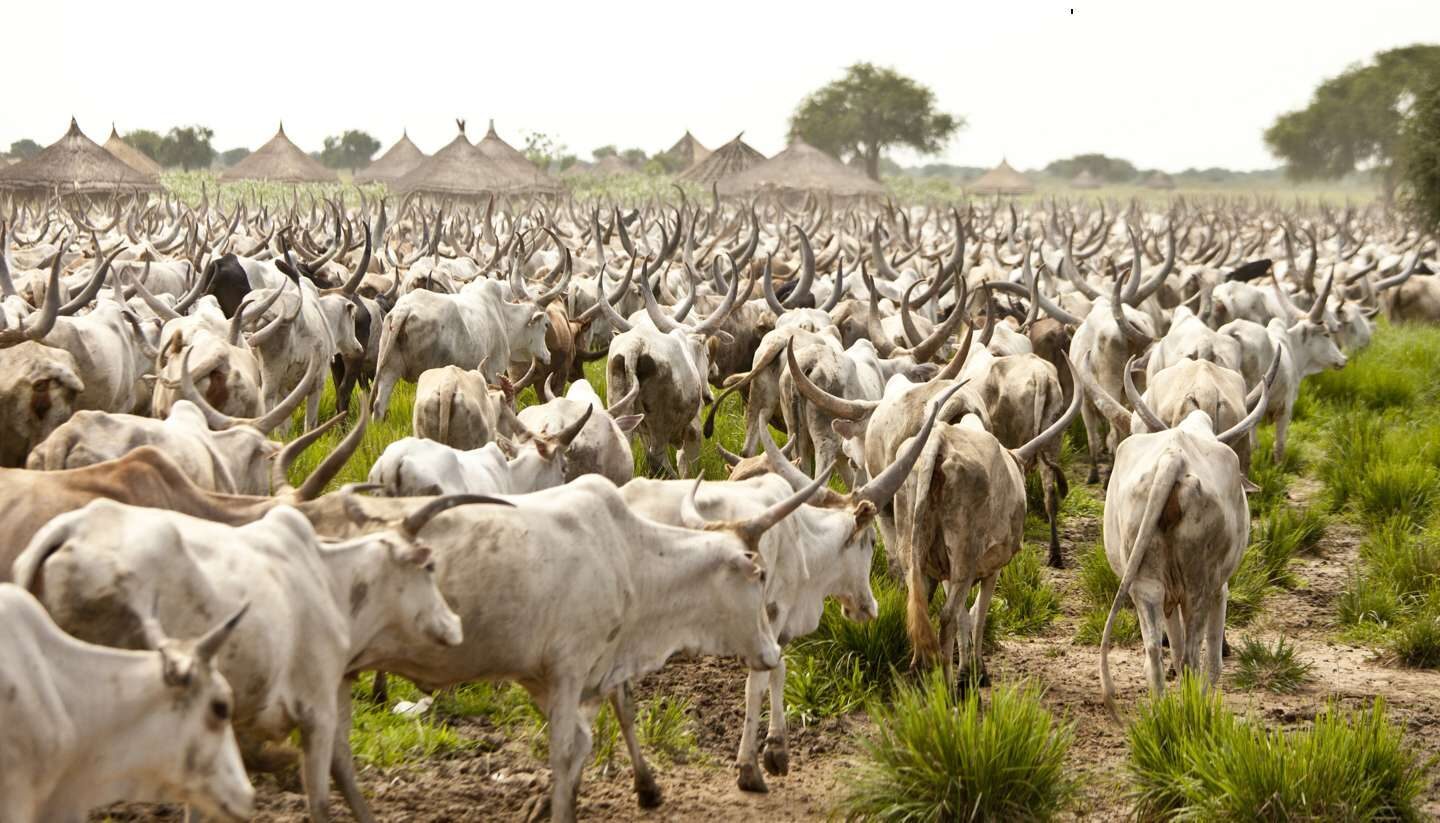
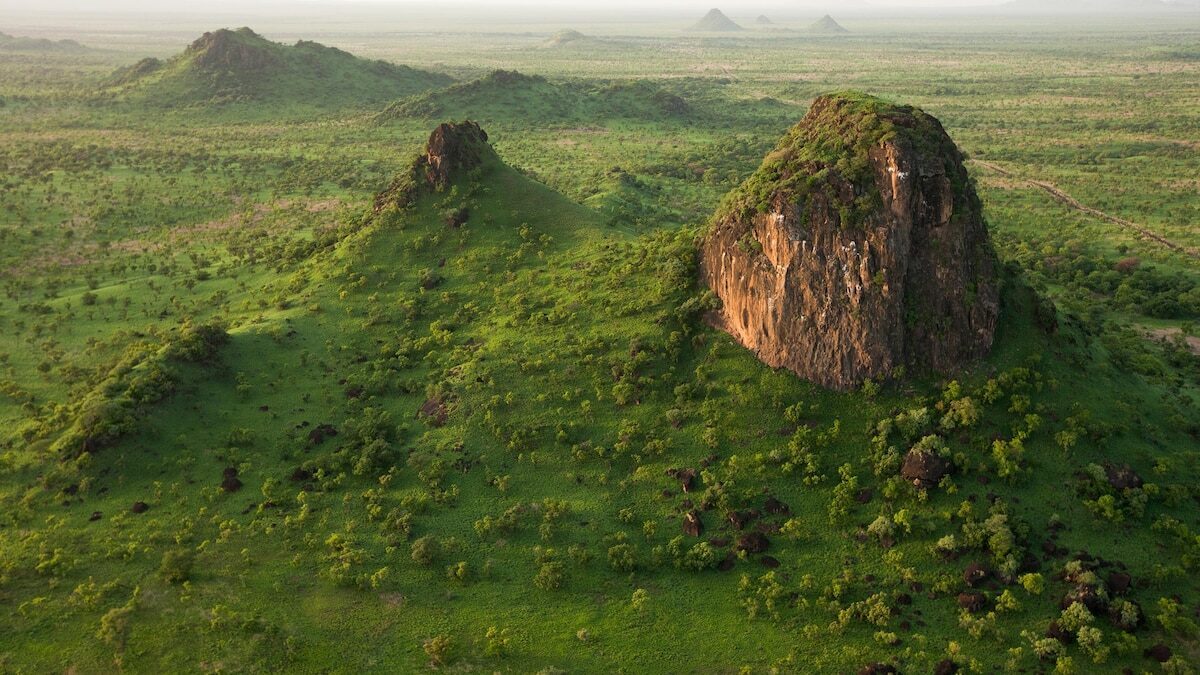
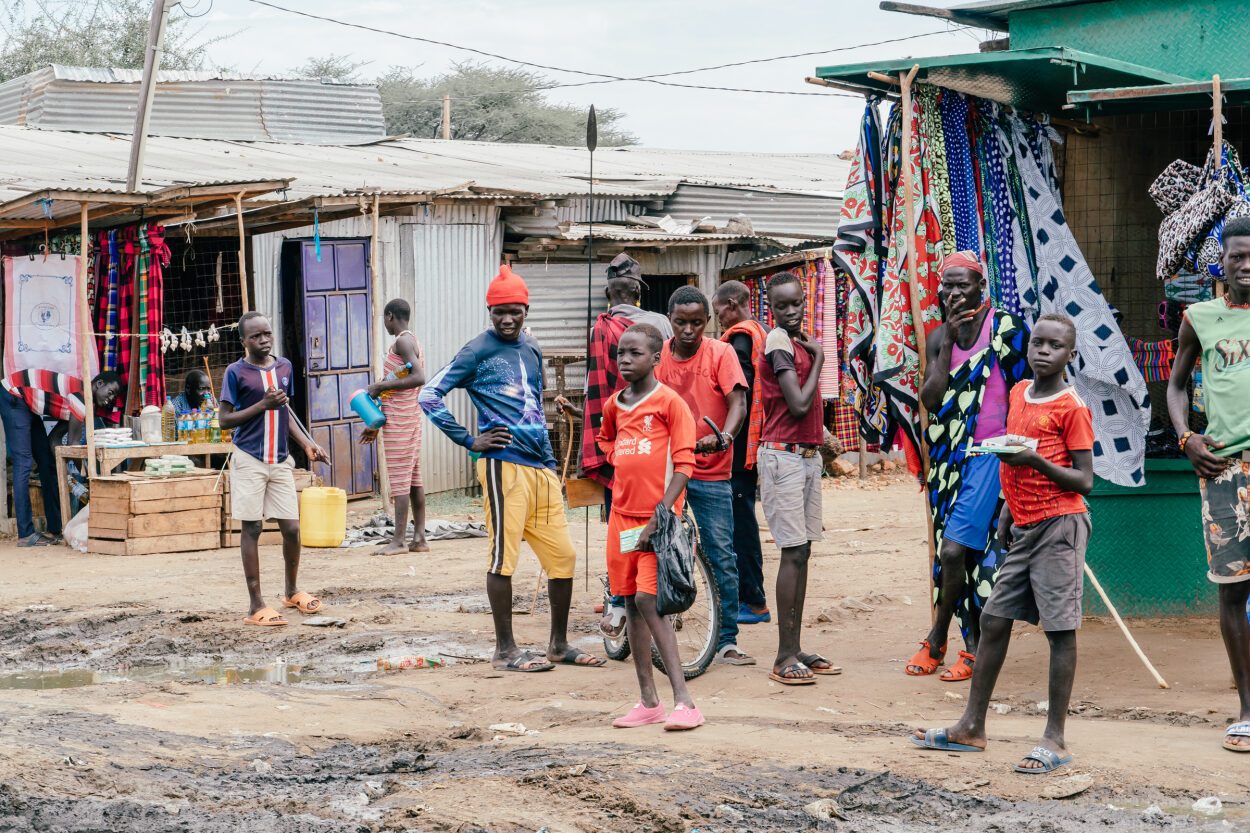
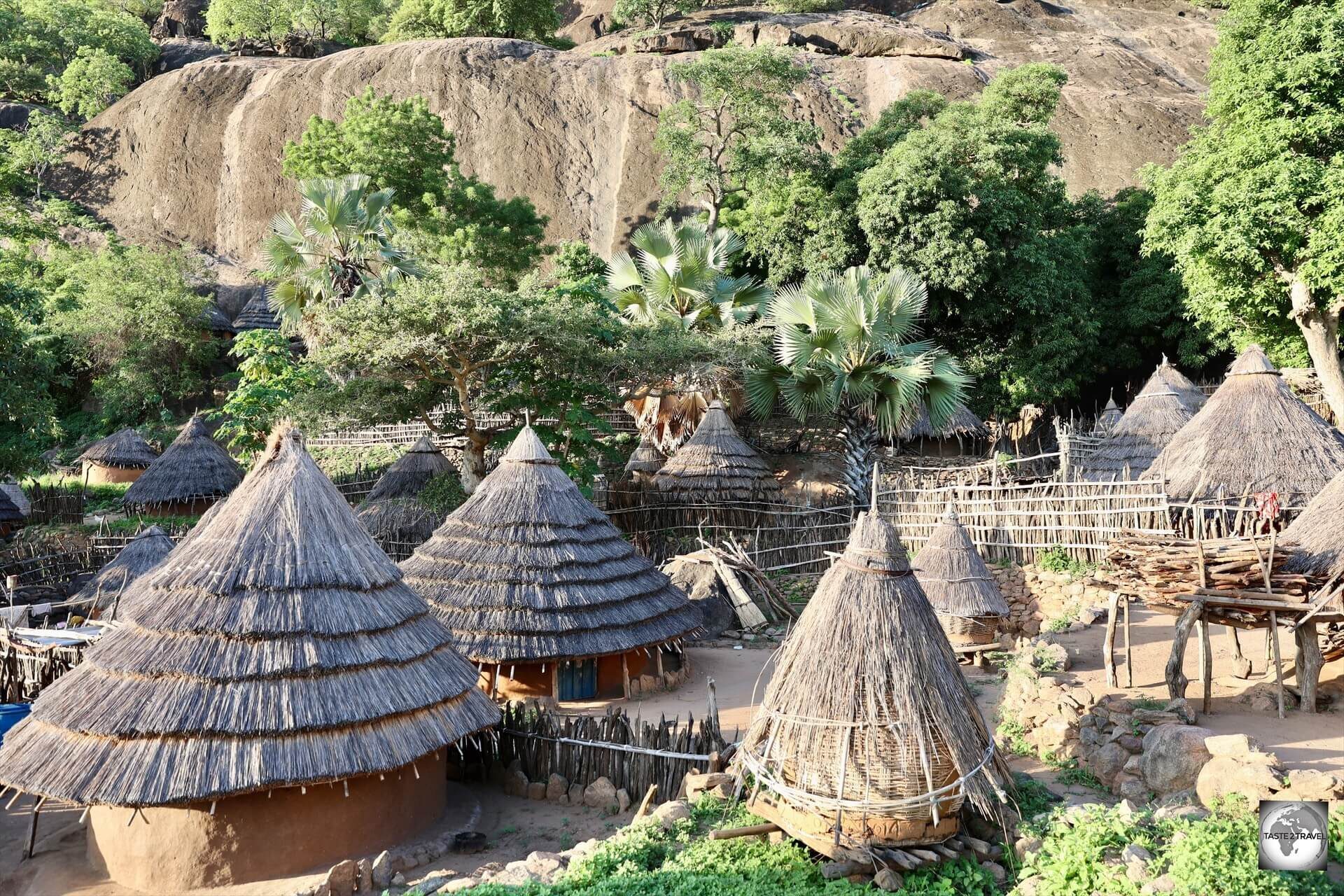
South Sudan gained independence in 2011 as the world's newest country. It has over 60 ethnic groups with the Dinka and Nuer being largest. Traditional cattle culture is important to many groups. The country has significant wildlife populations that survived the war, including some of Africa's largest animal migrations.
Insider Tips
English is the official language. The South Sudanese Pound is the currency but USD is preferred. Infrastructure is virtually non-existent outside Juba. No normal tourism exists. Travel is only possible with organized humanitarian or professional operations with security protocols.
Current Travel Situation
United States to South Sudan: What You Need to Know
South Sudan became the world's newest country in 2011 following independence from Sudan. Almost immediately, it descended into civil war (2013-2018) between forces loyal to President Salva Kiir and former Vice President Riek Machar. A fragile peace agreement was reached in 2018 but violence continues in many states. The humanitarian situation is one of the world's worst: famine conditions, massive displacement, and widespread atrocities. Juba International Airport (JUB) has limited connections from Nairobi, Addis Ababa, Kampala, and Cairo. The US Embassy in Juba operates with reduced staffing.
How to Get There
Nairobi (Kenya) and Addis Ababa (Ethiopia) have air connections to Juba. Regional connections from Kampala (Uganda), Khartoum (Sudan, though Sudan is now also in civil war), and Cairo also exist. All routes carry significant risk given the security environment.
Money & Banking
South Sudan uses the South Sudanese Pound (SSP). USD is widely accepted and often preferred in Juba. ATMs are unreliable and banking infrastructure is extremely limited. Bring sufficient USD cash for any stay.
Practical Tips
Travel to South Sudan is strongly discouraged. The US State Department has a Level 4 advisory. If you are in South Sudan, depart immediately if it is safe to do so. Juba and the relatively more stable Equatoria region have been visited by a small number of aid workers, journalists, and adventurous travelers, but independent tourist travel is extremely dangerous. Boma National Park in the east has extraordinary wildlife (second-largest mammal migration in Africa) but is completely inaccessible safely.
Frequently Asked Questions
Is South Sudan safe for tourists?
No. The US State Department has a Level 4 "Do Not Travel" advisory for South Sudan. The country has been in various stages of civil war since 2013, with ongoing conflict in multiple states. Kidnapping, armed robbery, and attacks on civilians and aid workers occur regularly. The US Embassy has reduced staffing. Travel is strongly discouraged.
What is the wildlife like in South Sudan?
South Sudan has potentially extraordinary wildlife -- the Boma-Jonglei landscape hosts the world's second-largest land animal migration (over 1 million white-eared kob and other antelope). Nimule National Park on the Uganda border has elephants. However, none of these areas are safely accessible for tourists given the ongoing conflict, lack of infrastructure, and security risks.
What happened after South Sudan's independence in 2011?
South Sudan became independent from Sudan in July 2011 after a referendum following decades of civil war. In December 2013, a political dispute between President Salva Kiir (Dinka) and Vice President Riek Machar (Nuer) escalated into ethnic civil war. Despite a 2018 peace deal, violence has continued. Millions have been displaced and famine conditions have recurred repeatedly.