Slovenia Visa RequirementsFor United States passport holders
US passport holders can travel to Slovenia visa-free for up to 90 days in any 180-day period under the Schengen Agreement.
Great news! United States passport holders can enter Slovenia without a visa for tourism or business purposes. You can stay up to 90 days.
No visa is required. Your US passport should be valid throughout your stay. Have proof of sufficient funds, accommodation details, and a return or onward ticket ready for inspection at the border. ETIAS will add a EUR 7 pre-registration step for Schengen entry once the system launches in 2025.
Slovenia is part of the Schengen Area. Your stay counts toward the 90-day limit within any 180-day period for the entire Schengen zone. Learn more about Schengen rules →
Entry Requirements
Passport Validity
6 months beyond departure from Schengen
Blank Pages
2 blank pages required
Multiple Entry
Allowed
Work Permitted
No - requires work visa
Required Documents
Valid US Passport
Must be valid for at least 3-6 months beyond your planned departure date (varies by country)
Return or Onward Ticket
Proof of departure from the country, such as a return flight or onward travel booking
Proof of Accommodation Recommended
Hotel reservation, Airbnb booking, or address where you will be staying
Proof of Sufficient Funds Recommended
Credit cards, bank statements, or cash to cover expenses during your stay
Travel Insurance Recommended
Recommended for all international travel covering medical emergencies
Travel Essentials
Health & Safety
Safety Rating
Vaccinations
Tick-borne encephalitis if hiking.
Tap Water
Safe to drink
Safety Tips
Slovenia is very safe. Virtually no crime concerns. Mountain activities require preparation.
Money & Costs
Currency
€ Euro (EUR)
Daily Budget (USD)
Budget: $50 · Mid: $120 · Luxury: $300+
Tipping
Round up or 10% for good service.
Practical Info
Power
Type C, F, 230V
Driving
Right side
Emergency
112 (all emergencies)
Getting There
Main Airports
Ljubljana (LJU)
Culture & Travel Tips
Best Time to Visit
Slovenia has a varied climate with Mediterranean influences on the coast and alpine conditions in the mountains. Late spring (May-June) and early autumn (September-October) offer ideal conditions for the popular Lake Bled, Ljubljana, and wine regions - pleasant temperatures, fewer crowds, and colorful landscapes. Summer (July-August) is warm and peak season, with swimming possible at lakes and the short Adriatic coast. Winter (December-March) transforms the Julian Alps into ski destinations; Kranjska Gora and Vogel offer affordable slopes. Autumn wine harvest season in Maribor and Goriska Brda is particularly appealing.
Cultural Notes
Slovenia is a small nation proud of its distinct identity among South Slavic peoples. The language, Slovenian, sets it apart from Croatian and Serbian neighbors. Culturally, Slovenians lean more toward Central Europe (Austria, Italy) than the Balkans. Independence from Yugoslavia came peacefully in 1991 after a brief ten-day conflict. Slovenians tend to be reserved, nature-loving, and environmentally conscious - Ljubljana was European Green Capital in 2016. The beekeeping tradition (apiaries painted with folk art) is uniquely Slovenian. Catholic heritage is visible but society is secular. The country punches above its weight in sport, particularly ski jumping and basketball. Quality of life is high by European standards.
Insider Tips
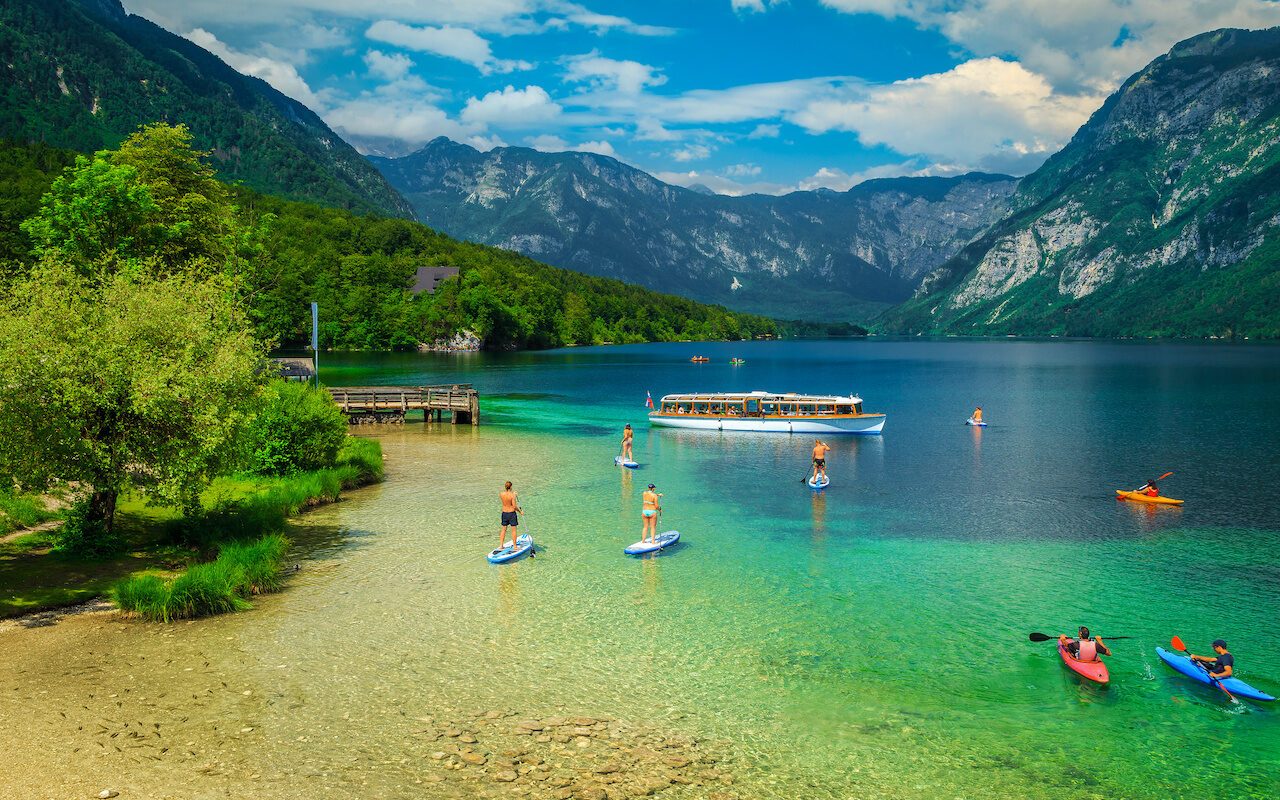
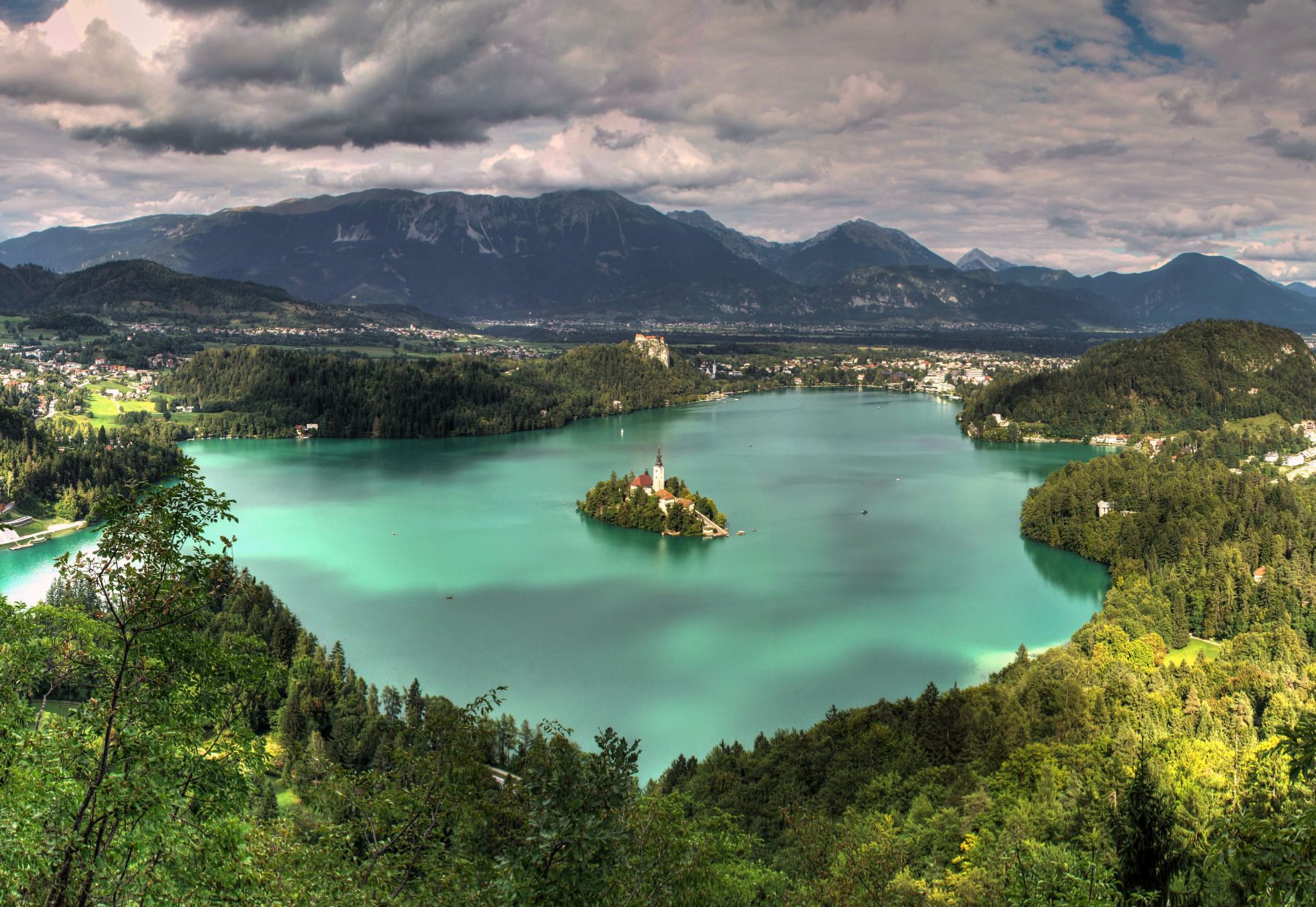
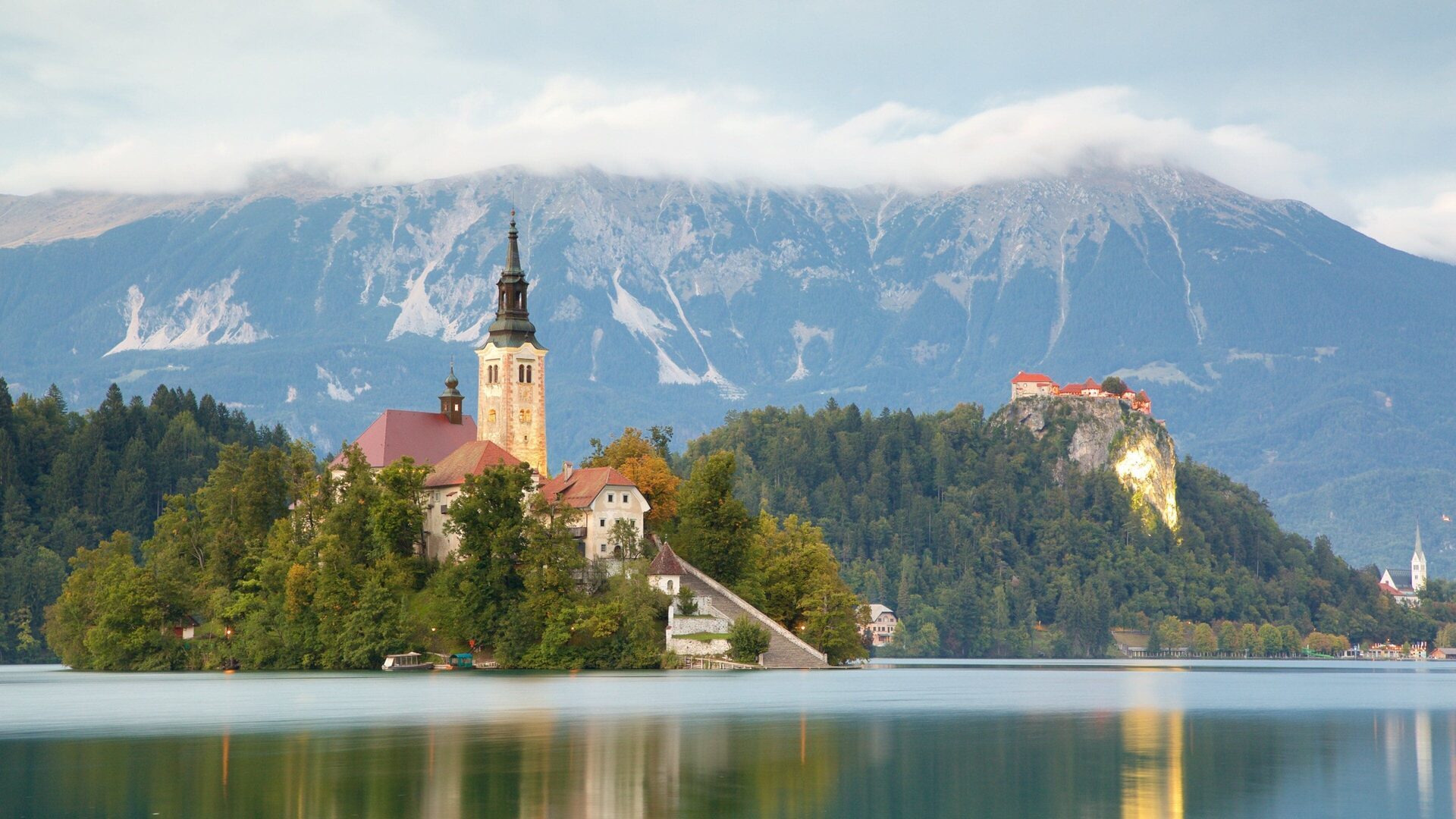
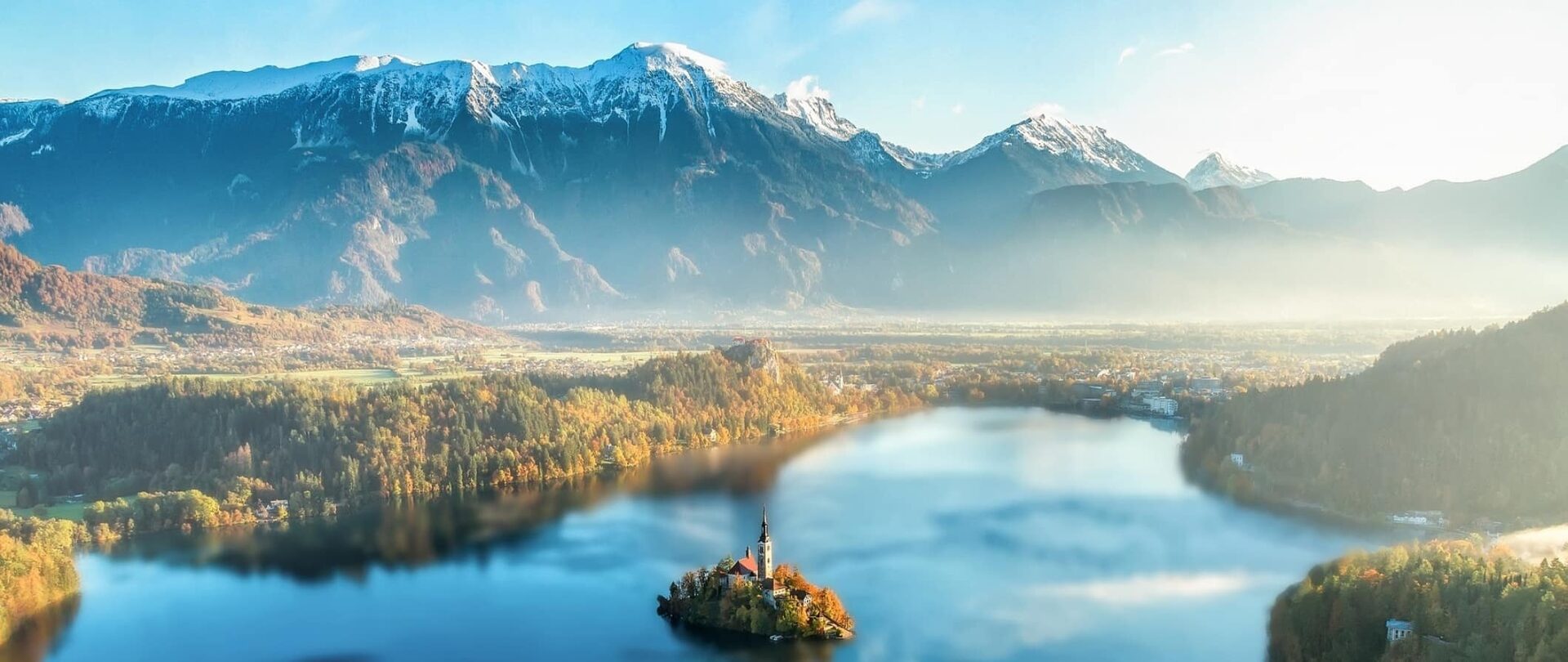
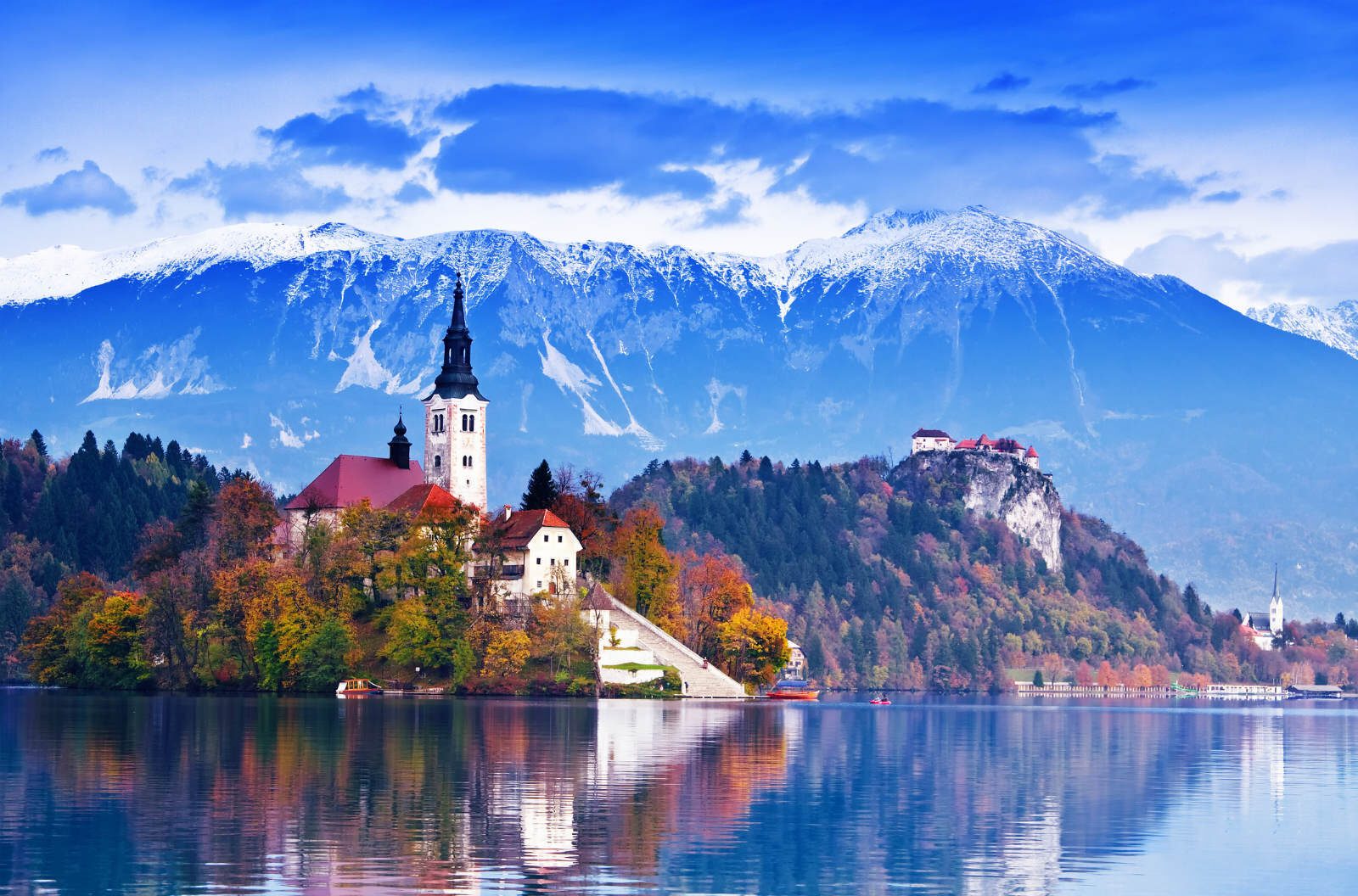
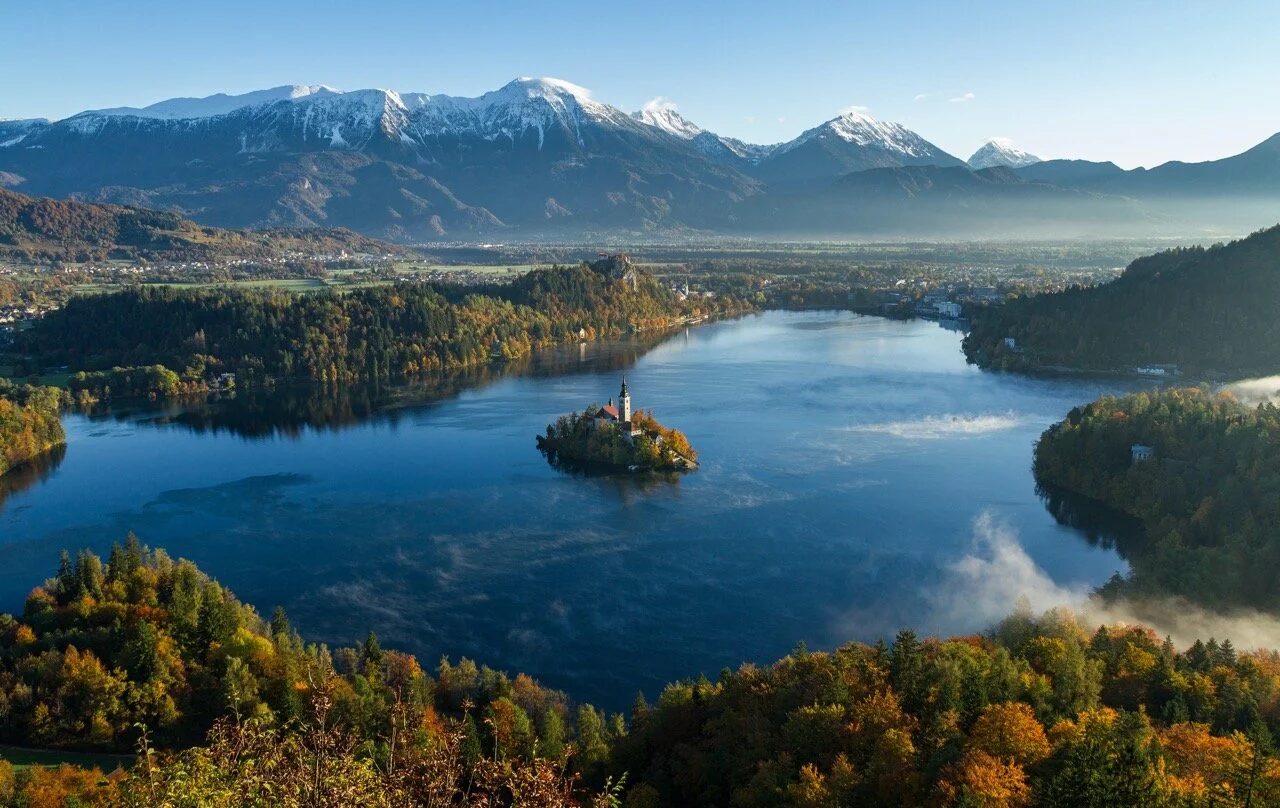
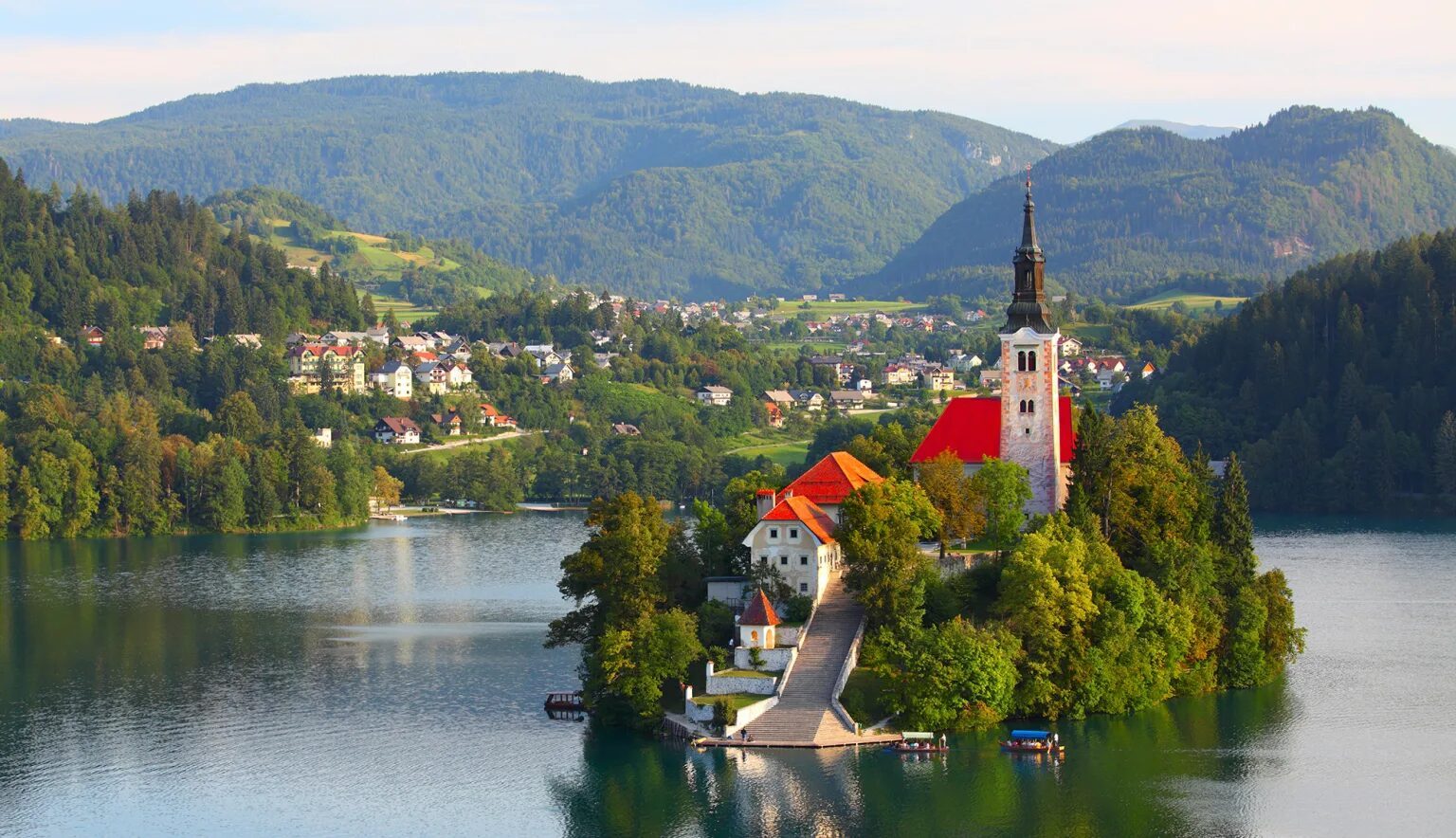
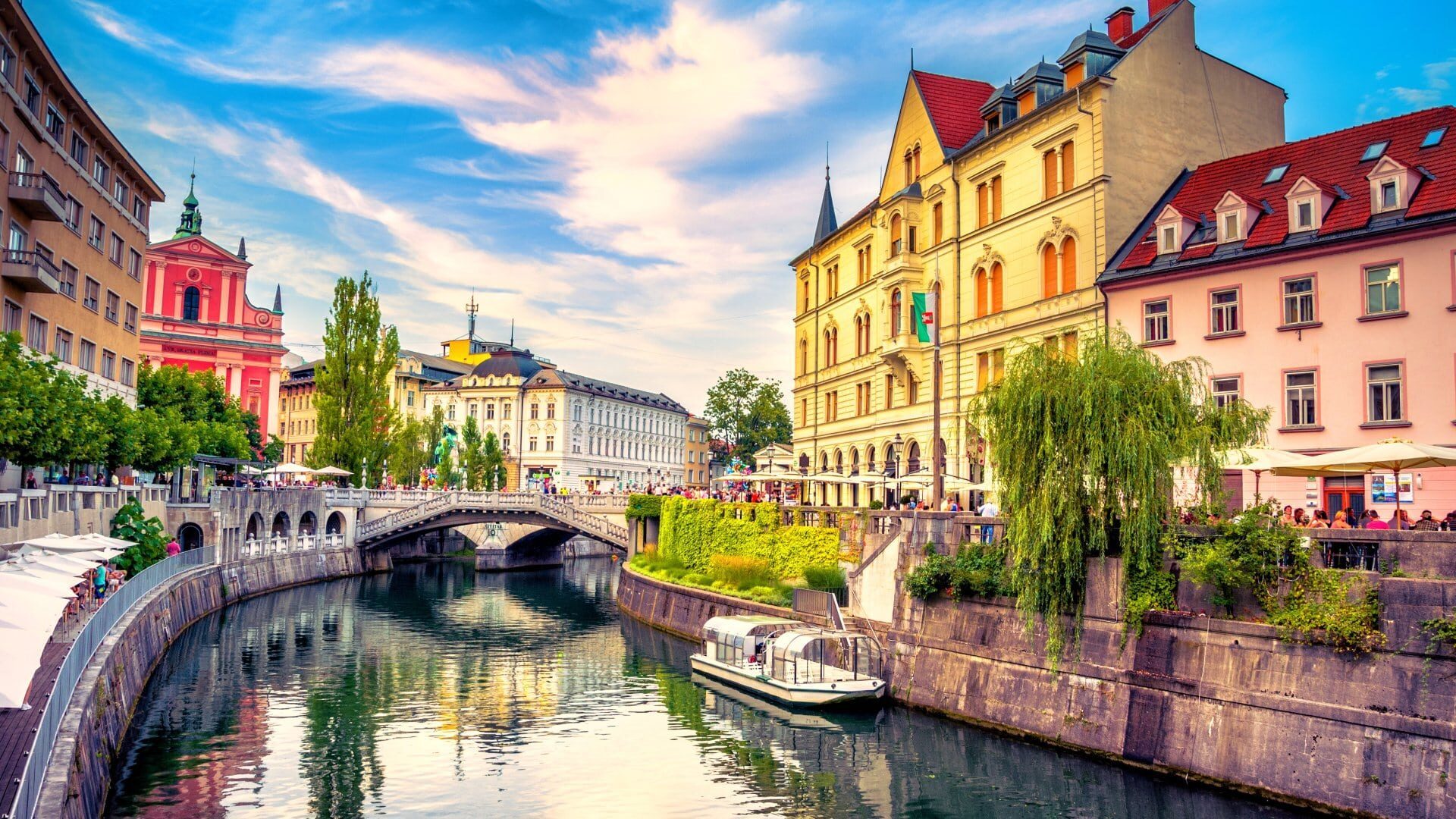
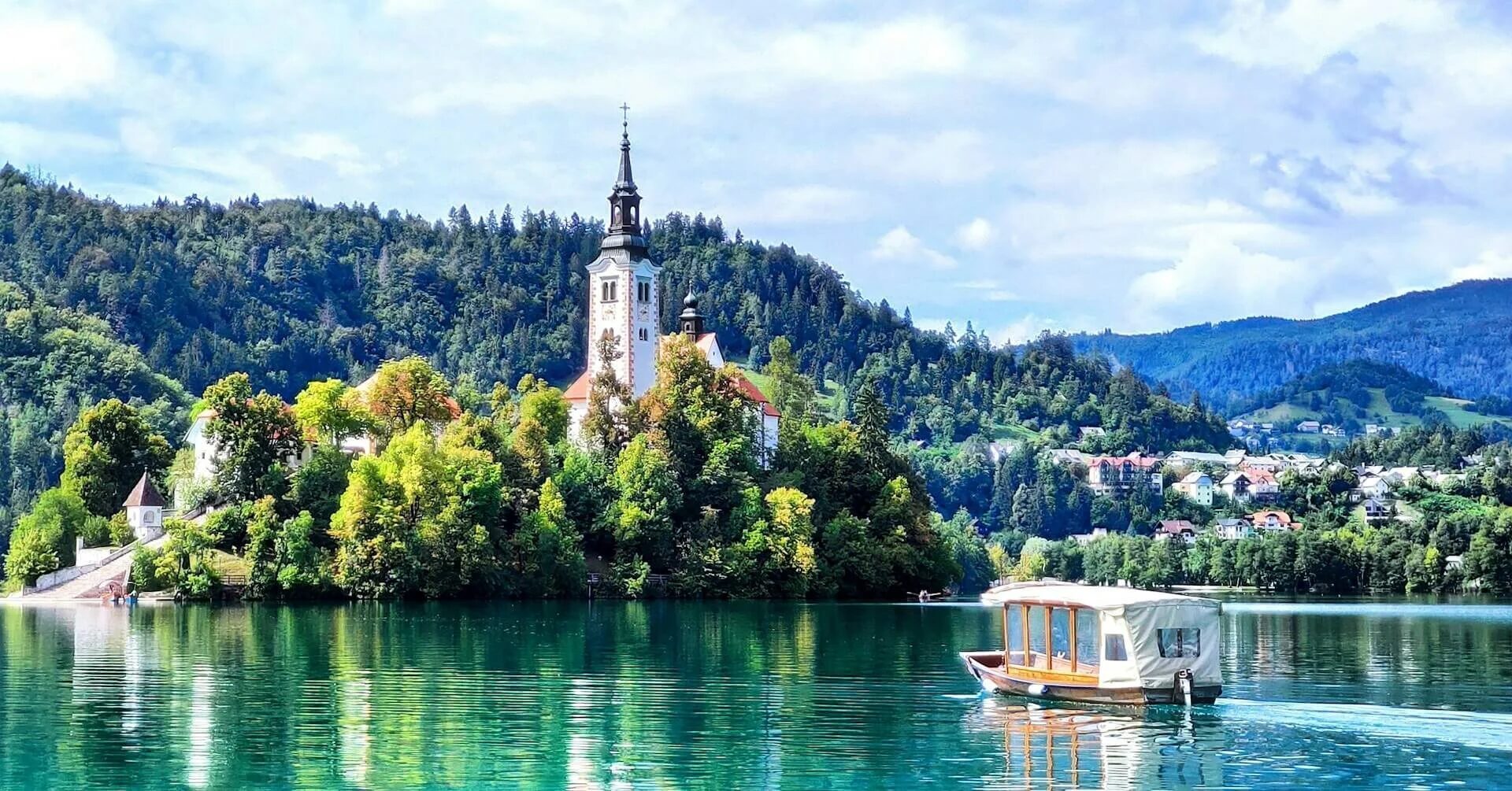
Slovenia packs incredible diversity into a tiny country - alpine lakes, medieval towns, karst caves, and a sliver of Mediterranean coast all within two hours of Ljubljana. Lake Bled with its island church is the postcard image, but Lake Bohinj offers similar beauty with fewer tourists. The capital Ljubljana is charming, compact, and car-free in the center. The Postojna Cave system and Predjama Castle are dramatic day trips. Slovenia uses the Euro (first former Yugoslav state to join the EU). Trains and buses connect main destinations; renting a car opens up hidden gems. Slovenian cuisine reflects its position between Alps and Mediterranean - try štruklji (rolled dumplings) and local wines.
Current Travel Situation
United States to Slovenia: What You Need to Know
Slovenia is a Schengen member and EU country that uses the Euro. It borders Italy, Austria, Hungary, and Croatia, all accessible without passport checks within Schengen. Ljubljana Joze Pucnik Airport (LJU) is small and mainly serves European destinations; most transatlantic travelers arrive via Vienna, Frankfurt, or Amsterdam and connect onward. Slovenia is compact; the entire country can be explored in a week or two.
How to Get There
Vienna (Austria) is just 3.5 hours by train, a natural pairing. Trieste (Italy) is an hour by bus from Ljubljana. Venice is accessible in under 3 hours. Zagreb (Croatia) is 2 hours from Ljubljana by bus or train, an easy combination for a Balkan-Western Europe itinerary.
Money & Banking
Slovenia uses the Euro (EUR). Cards are widely accepted in Ljubljana and tourist areas; smaller towns and markets may prefer cash. Slovenia sits in the mid-range on cost: expect $80-120/day. Ljubljana is cheaper than Vienna or Paris but more expensive than Balkan neighbors. ATMs are plentiful.
Practical Tips
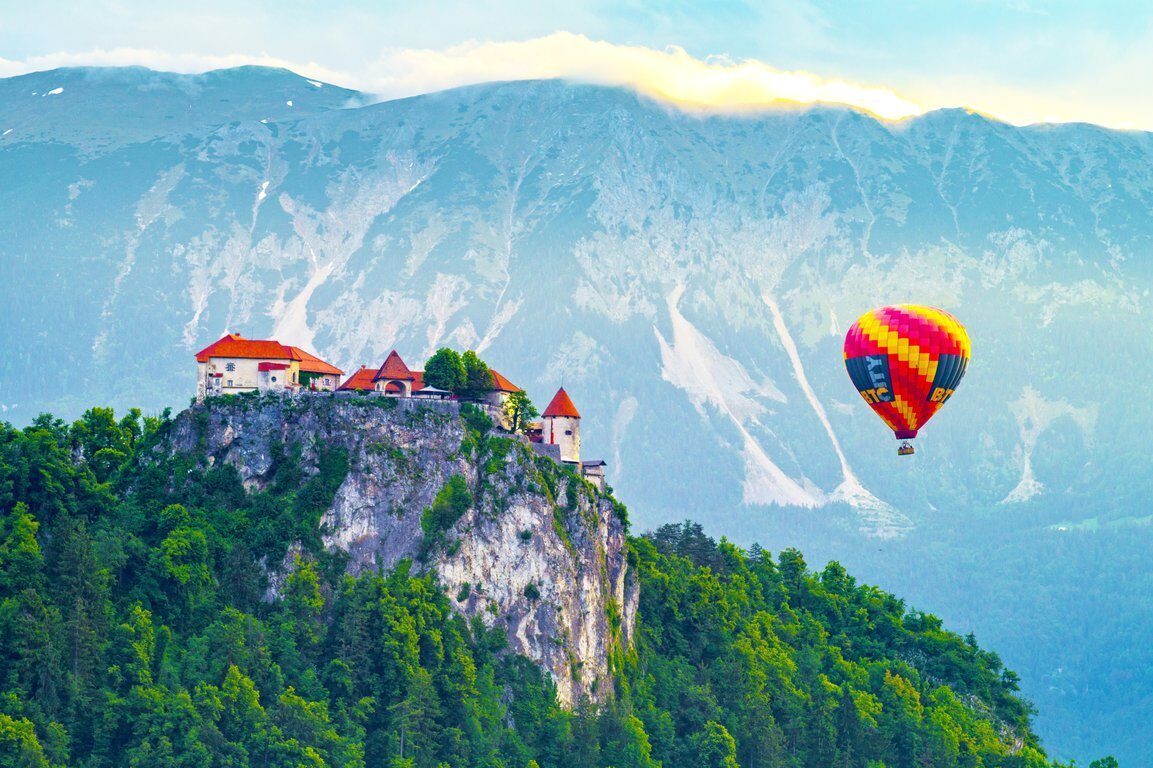
Lake Bled is one of Europe's most photographed spots: the island church and Bled Castle are extraordinary. Triglav National Park offers excellent hiking and skiing. The Postojna Cave and Predjama Castle (a medieval fortress built into a cliff) are fascinating day trips. Ljubljana is a charming, walkable capital with excellent coffee culture. The Soca River valley is a paradise for white-water rafting and kayaking.
Frequently Asked Questions
How do most Americans get to Slovenia?
Most fly into Vienna (VIE), Frankfurt (FRA), or Amsterdam (AMS) and connect to Ljubljana (LJU), or take a train or bus from Vienna or Trieste. Direct transatlantic flights to Ljubljana do not exist.
Can I visit Lake Bled as a day trip from Ljubljana?
Yes. Lake Bled is about 55 km northwest of Ljubljana — roughly an hour by bus or car. Day trips are very popular, though staying overnight lets you enjoy the lake after the day-trippers leave.
Is Slovenia expensive?
Moderately. Ljubljana is more affordable than Vienna or Paris but pricier than Zagreb or Budapest. Budget $80–120/day for mid-range travel. Lake Bled accommodations can be expensive in peak summer.