Slovakia Visa RequirementsFor United States passport holders
US citizens can visit Slovakia visa-free for up to 90 days in any 180-day period as part of the Schengen Agreement.
Great news! United States passport holders can enter Slovakia without a visa for tourism or business purposes. You can stay up to 90 days.
No visa is required. Carry your valid US passport, proof of onward travel, accommodation confirmation, and evidence of sufficient funds. ETIAS will add a EUR 7 pre-registration requirement for Schengen entry once launched in 2025.
Slovakia is part of the Schengen Area. Your stay counts toward the 90-day limit within any 180-day period for the entire Schengen zone. Learn more about Schengen rules →
Entry Requirements
Passport Validity
6 months beyond departure from Schengen
Blank Pages
2 blank pages required
Multiple Entry
Allowed
Work Permitted
No - requires work visa
Required Documents
Valid US Passport
Must be valid for at least 3-6 months beyond your planned departure date (varies by country)
Return or Onward Ticket
Proof of departure from the country, such as a return flight or onward travel booking
Proof of Accommodation Recommended
Hotel reservation, Airbnb booking, or address where you will be staying
Proof of Sufficient Funds Recommended
Credit cards, bank statements, or cash to cover expenses during your stay
Travel Insurance Recommended
Recommended for all international travel covering medical emergencies
Travel Essentials
Health & Safety
Safety Rating
Vaccinations
Tick-borne encephalitis if hiking.
Tap Water
Safe to drink
Safety Tips
Slovakia is very safe. Mountain activities require preparation.
Money & Costs
Currency
€ Euro (EUR)
Daily Budget (USD)
Budget: $40 · Mid: $90 · Luxury: $200+
Tipping
10% is standard.
Practical Info
Power
Type C, E, 230V
Driving
Right side
Emergency
112 (all emergencies)
Getting There
Main Airports
Bratislava (BTS)
Culture & Travel Tips
Best Time to Visit
Slovakia has a continental climate with warm summers and cold, snowy winters. The best time for city sightseeing and hiking is late spring (May-June) or early fall (September-October) when temperatures are pleasant and tourist crowds manageable. Summer (July-August) is ideal for hiking in the High Tatras and visiting thermal spas, though popular areas get busy. Winter (December-March) transforms Slovakia into a ski destination - the High Tatras and Low Tatras offer affordable slopes compared to the Alps. Christmas markets in Bratislava (December) are charming, and traditional villages are atmospheric under snow.
Cultural Notes
Slovakia has been independent only since 1993, following the peaceful Velvet Divorce from Czechoslovakia, but Slovak identity stretches back centuries. The country is proudly distinct from the Czech Republic with its own language (similar but different), folk traditions, and national character. Slovaks tend to be more rural and traditional than their Czech neighbors. Folk culture remains alive in villages like Vlkolinec (UNESCO-listed) and during festivals featuring traditional embroidered costumes. Religion plays a larger role than in Czech Republic, with Catholic traditions prominent. The dramatic landscapes of the Tatras and numerous castles (over 100 ruins) inspire national pride. Slovaks are warm hosts once initial reserve is overcome.
Insider Tips
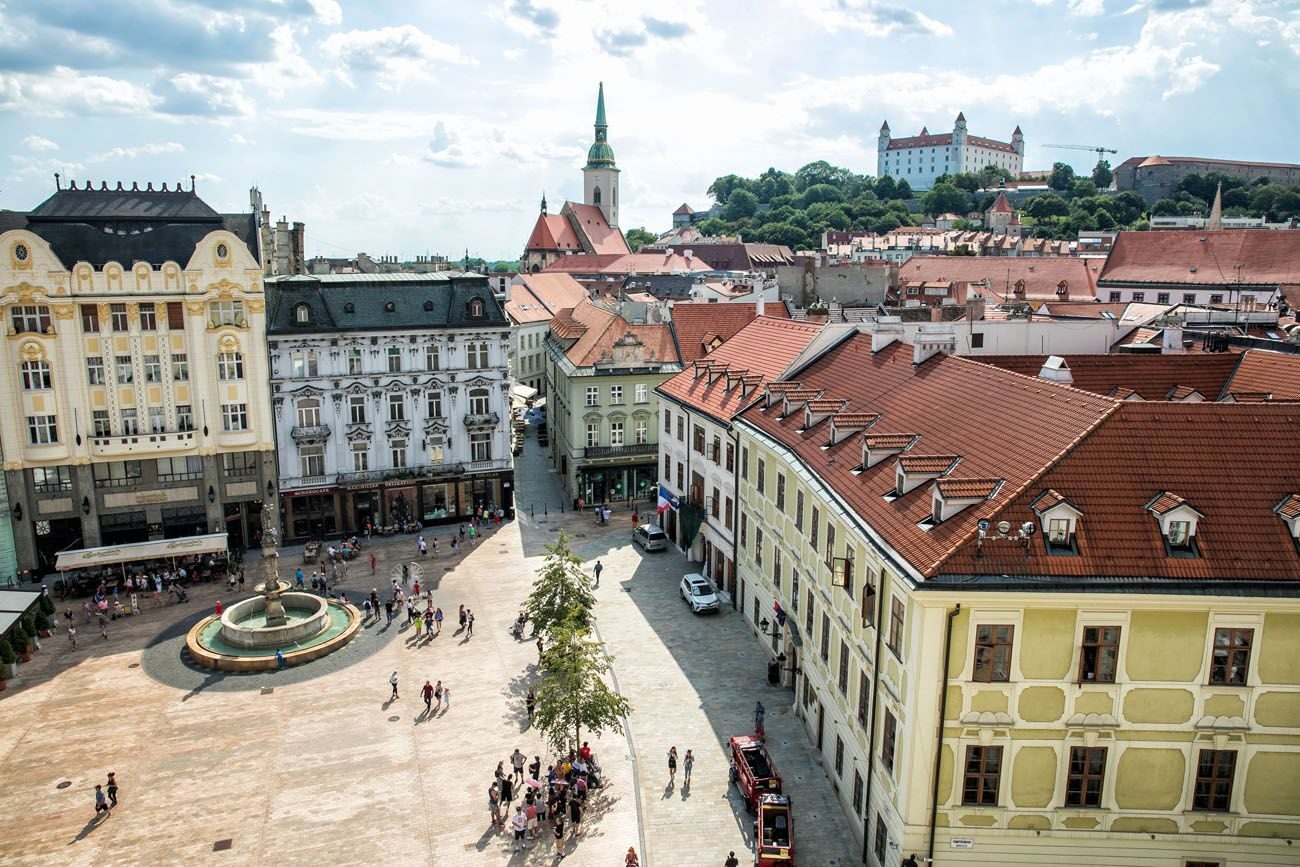
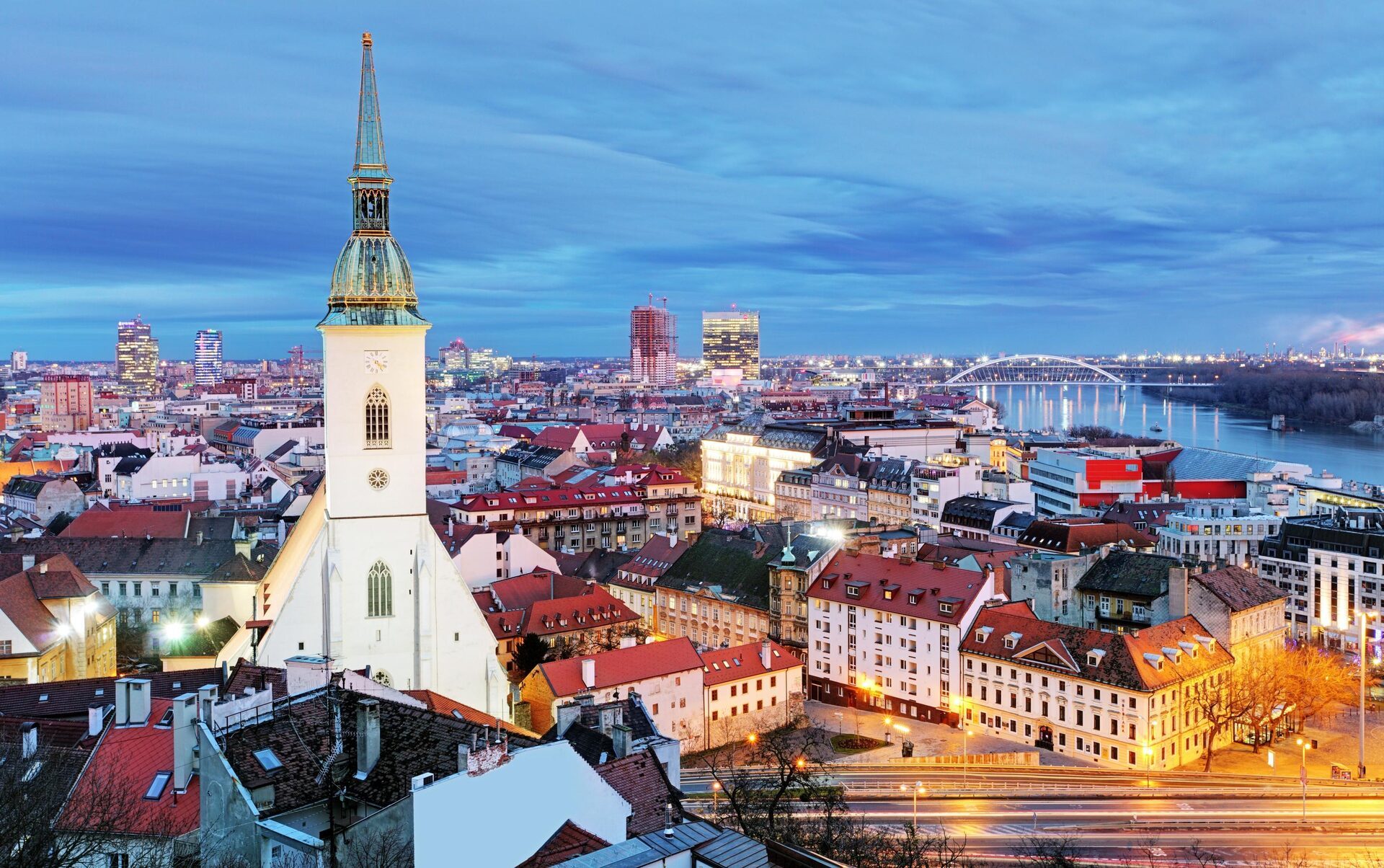
Slovakia is often overlooked in favor of its more famous neighbor, the Czech Republic, but offers equally impressive castles, better hiking, and lower prices. Bratislava is a compact capital easily explored on foot, with a charming old town and quirky statues. The High Tatras offer alpine scenery at accessible prices, with mountain huts for overnight stays. Spis Castle is one of Europes largest castle complexes. Trains connect major cities efficiently, and buses reach smaller towns. Slovakia uses the Euro. Try bryndzove halusky (potato dumplings with sheep cheese), kapustnica (sauerkraut soup), and Zlaty Bazant beer. English is widely spoken in tourist areas, less so in villages. Thermal spas like Piestany are excellent.
Current Travel Situation
United States to Slovakia: What You Need to Know
Slovakia joined Schengen in 2007 and uses the Euro. Bratislava (BTS) is just 60 km from Vienna and connected by fast catamaran and frequent bus/train services, making it one of the easiest European capitals to reach. Vienna International Airport (VIE) is actually closer to Bratislava than Bratislava's own airport for many visitors. Slovakia borders Austria, Czech Republic, Poland, Hungary, and Ukraine.
How to Get There
Bratislava is conveniently paired with Vienna (1 hour by train or 75-minute catamaran on the Danube), Budapest (2.5 hours by train), and Prague (4 hours by train). All are Schengen or EU destinations. The High Tatras mountains in northern Slovakia are near the Polish border and easily combined with Krakow.
Money & Banking
Slovakia uses the Euro (EUR). Cards are widely accepted in cities and tourist areas; carry some cash for rural markets and smaller establishments. Slovakia is one of the more affordable Eurozone countries: meals cost $6-12, accommodation $40-70/night in Bratislava. The High Tatras region has similar pricing.
Practical Tips
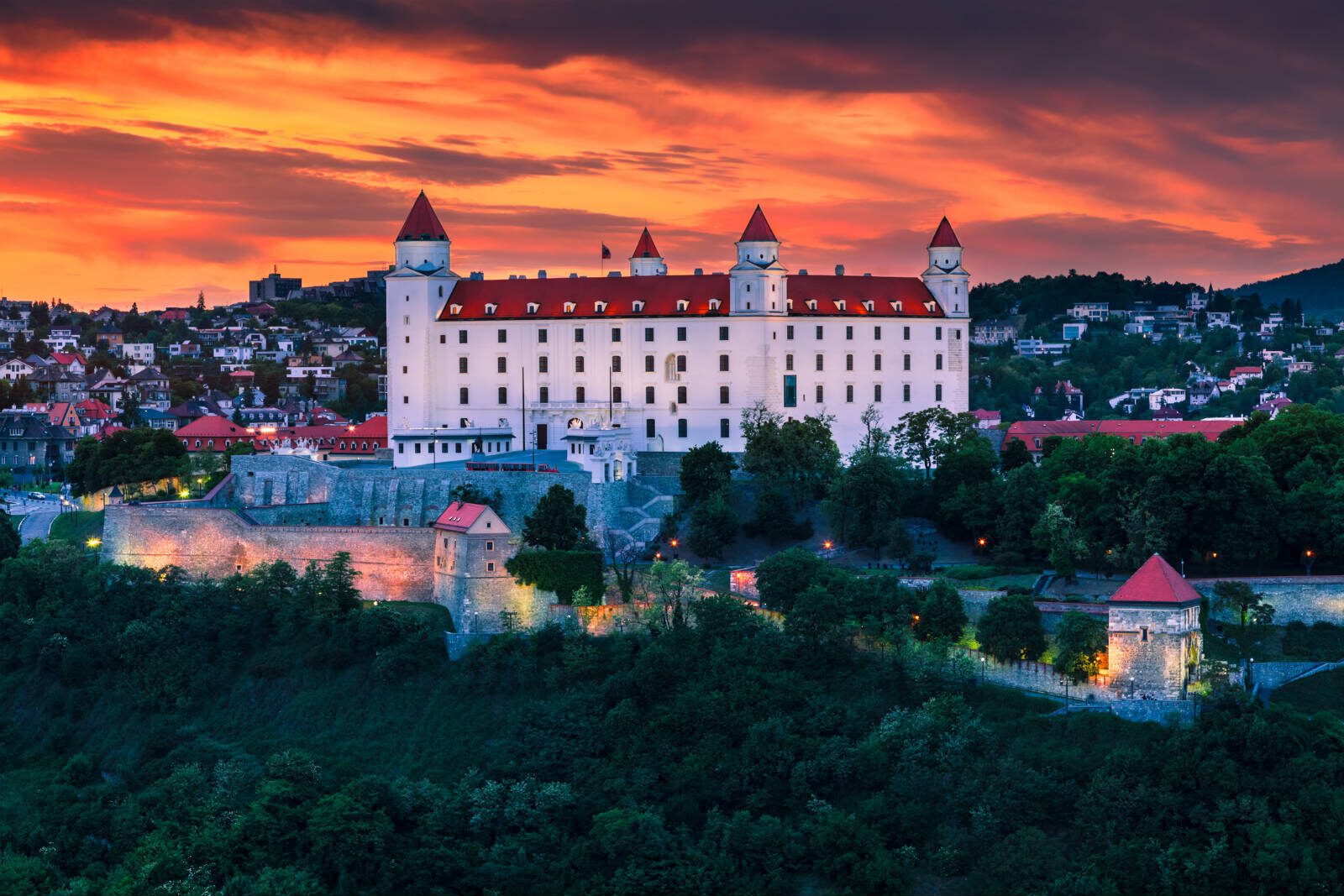
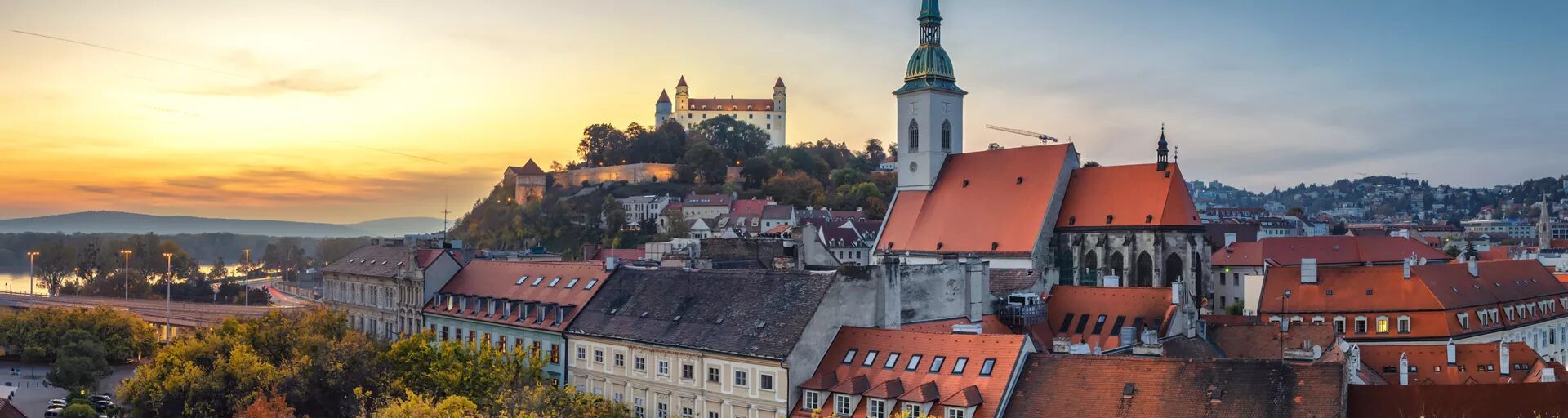
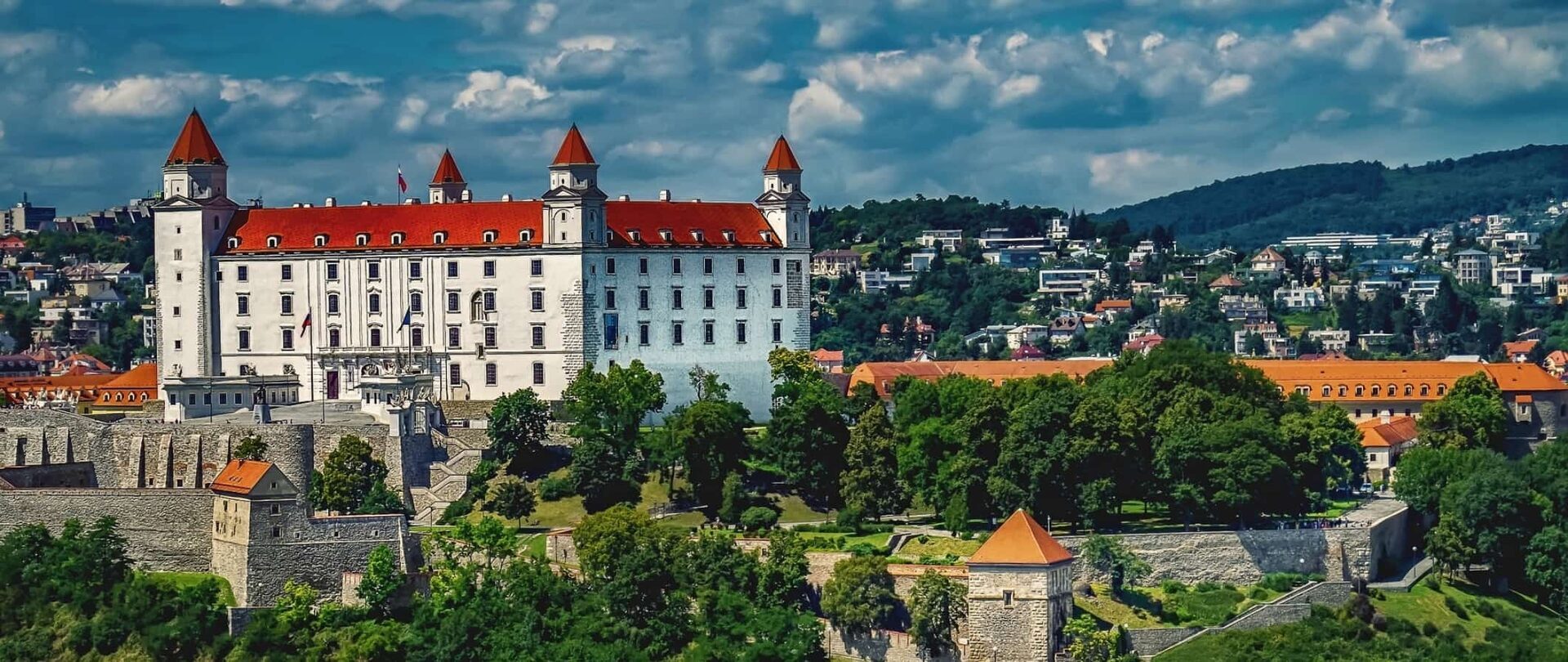
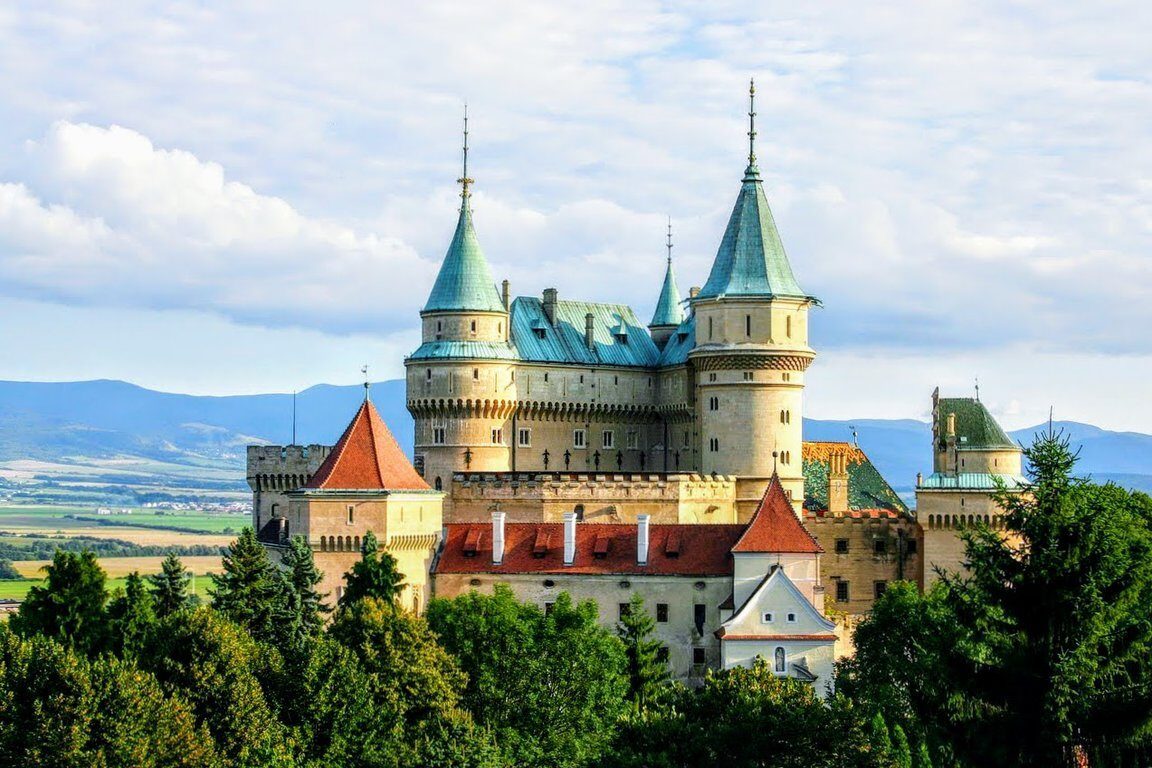
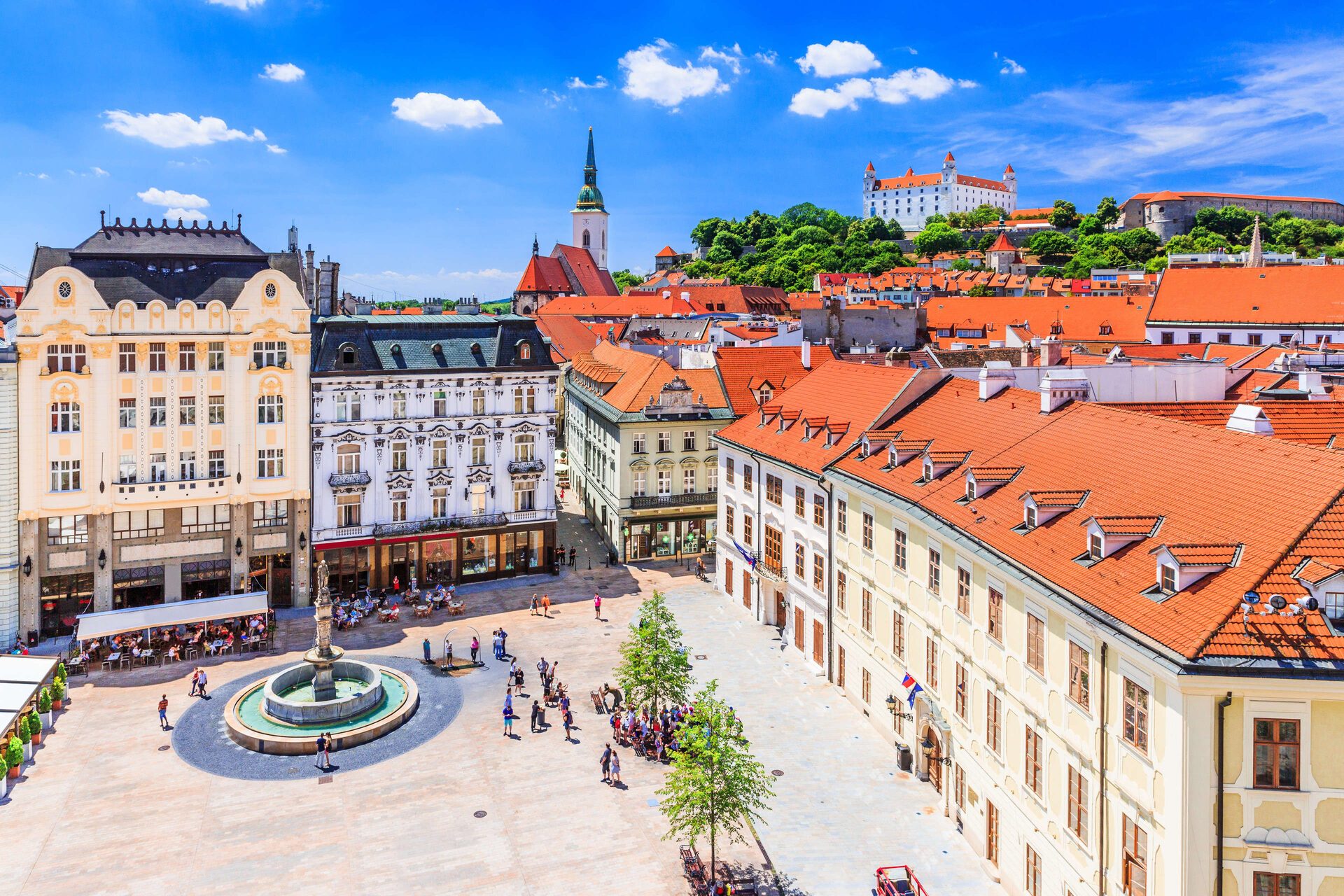
Bratislava Castle and the old town are compact and walkable. The High Tatras national park offers outstanding hiking (Mount Rysy is the highest peak) and ski resorts like Jasna. Bojnice Castle is one of Central Europe's most visited castles. Slovakia has 7 UNESCO World Heritage Sites including wooden churches in the Carpathian mountain area. Slovak food, halusky (potato dumplings with sheep cheese), is hearty and inexpensive.
Frequently Asked Questions
Is Bratislava worth visiting if I am already going to Vienna?
Absolutely. The two cities are just 60 km apart and connected by hourly trains (1 hour) and a scenic Danube catamaran (75 minutes). Bratislava has its own character — a hilltop castle, charming old town, excellent beer culture, and lower prices than Vienna.
Is Vienna Airport closer to Bratislava than Bratislava Airport?
Yes. Vienna International Airport (VIE) is about 50 km from Bratislava city center. The BTS Bratislava Airport is 9 km from downtown but has fewer international connections, so many travelers fly into Vienna and travel by bus or train to Bratislava.
What is the High Tatras region?
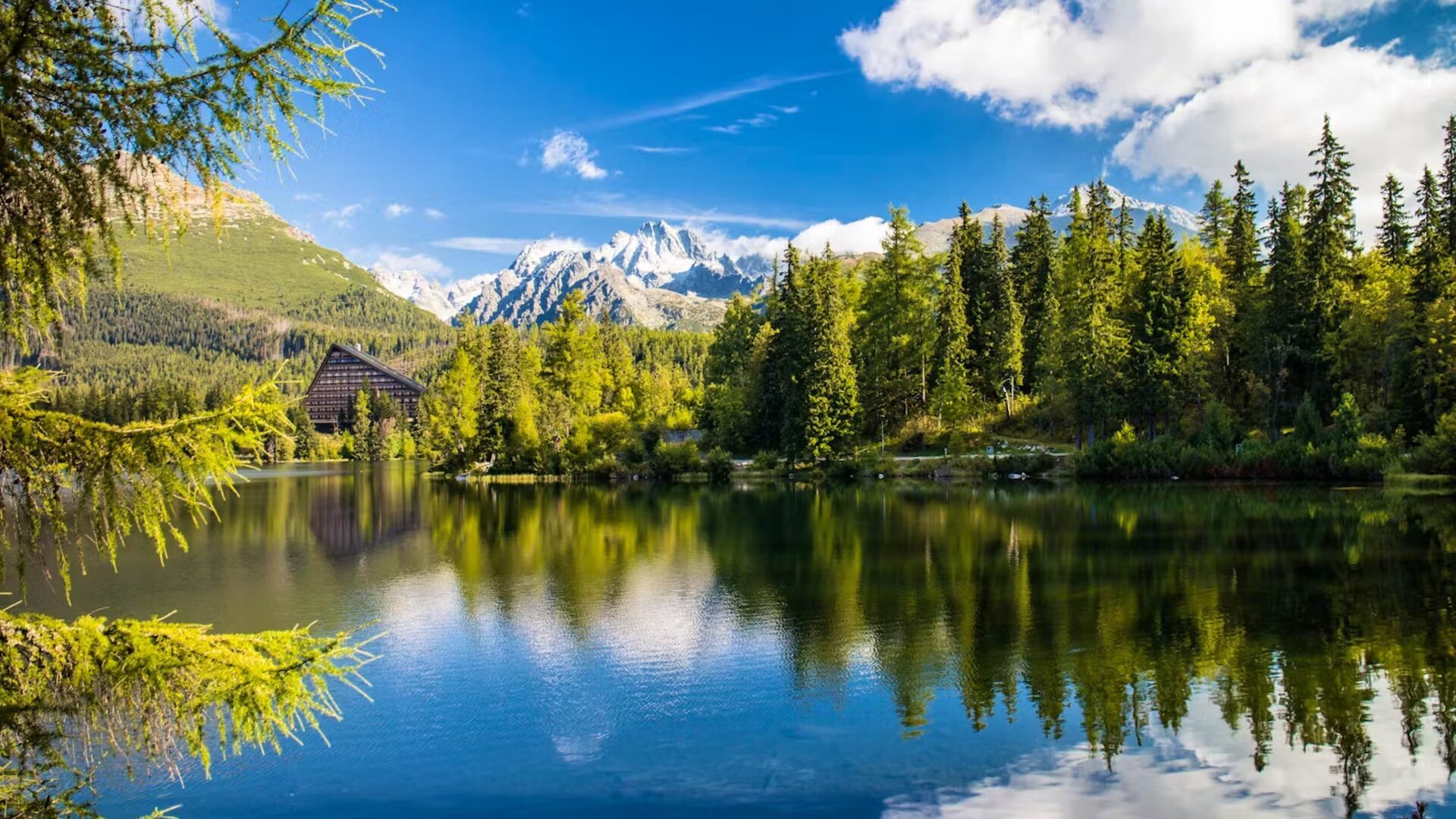
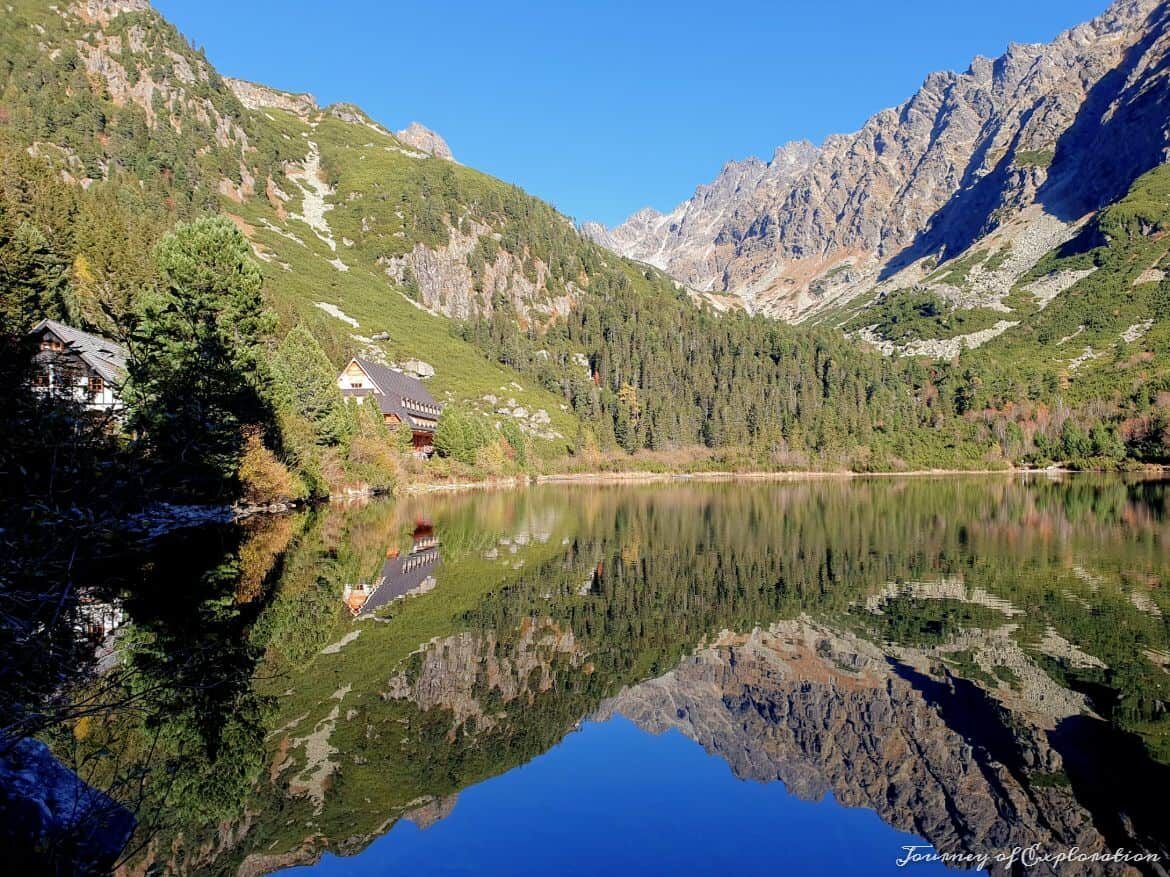
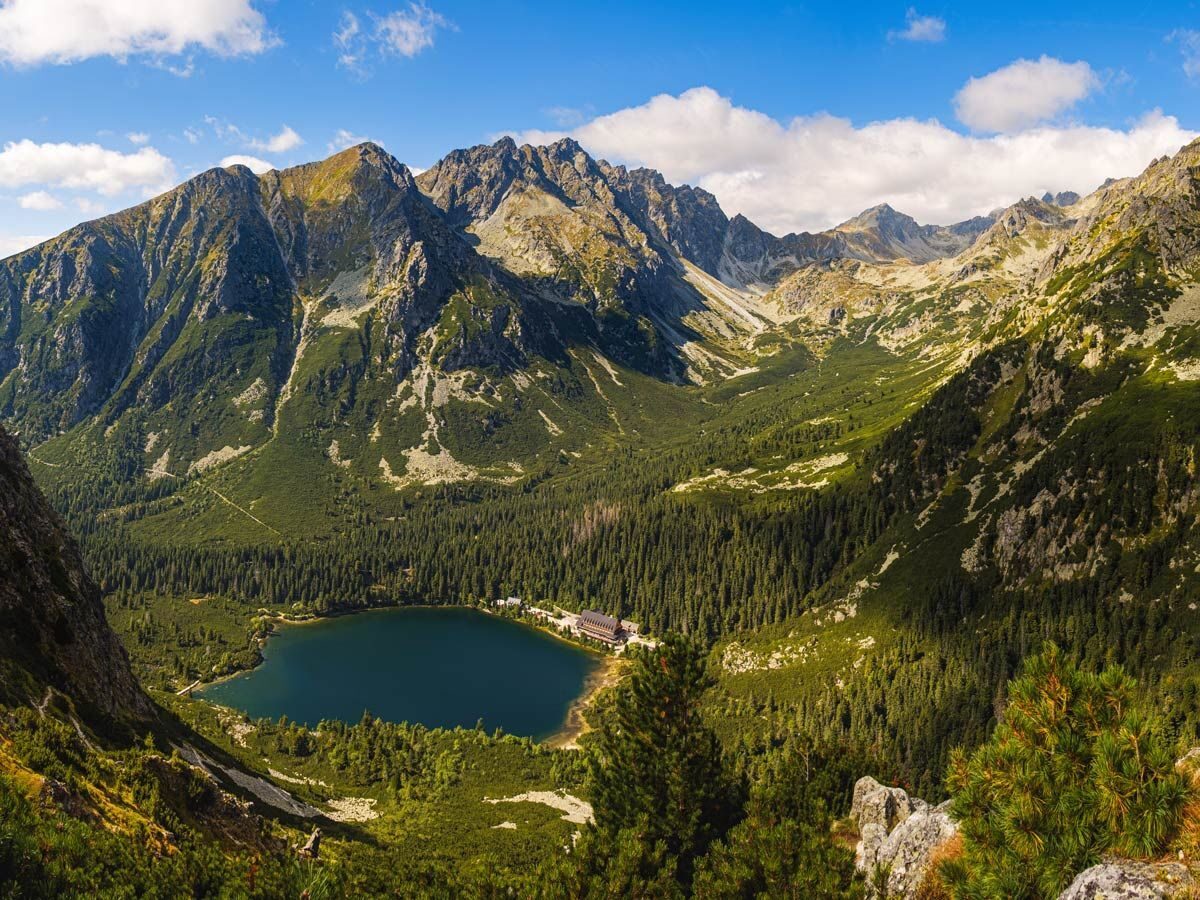
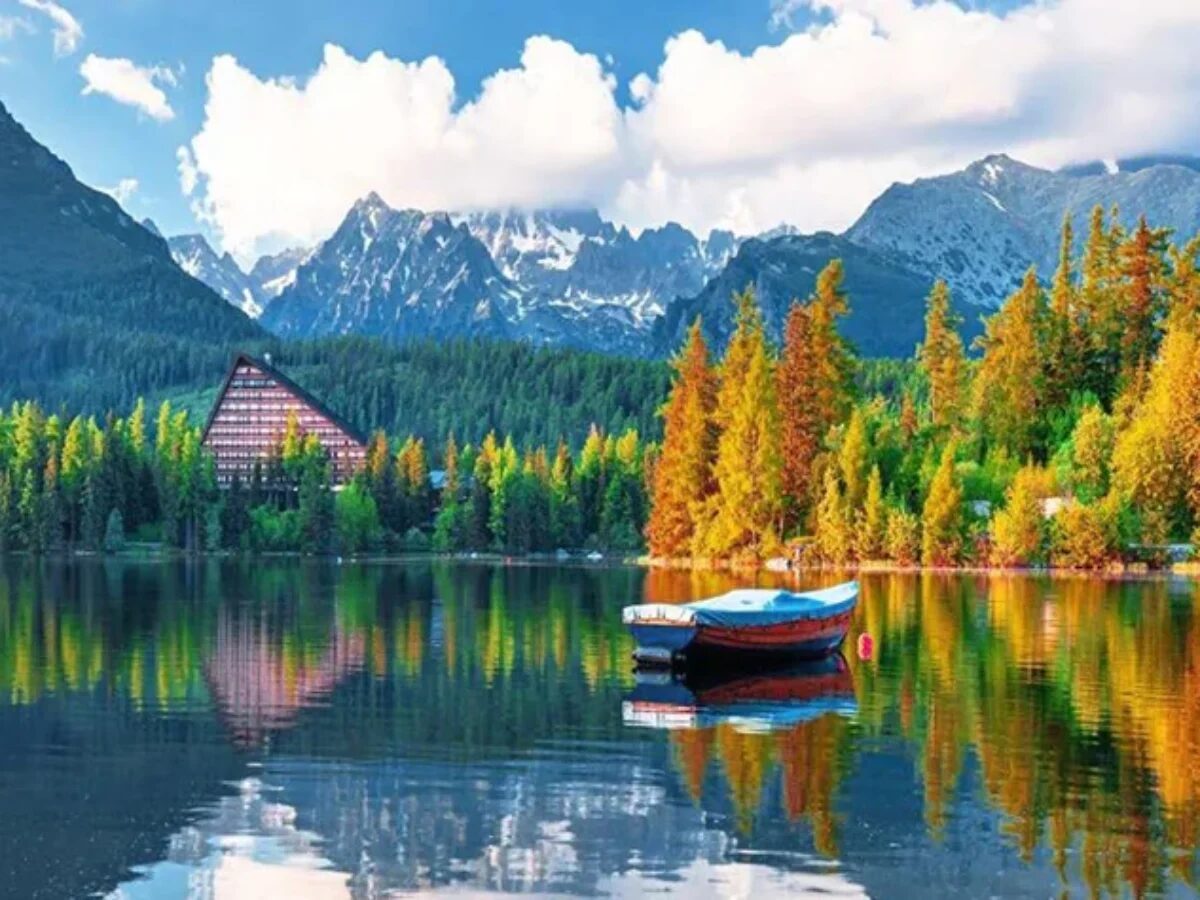
The High Tatras (Vysoké Tatry) is a mountain national park in northern Slovakia on the border with Poland. It offers excellent hiking, skiing, and dramatic Alpine scenery. The resort town of Poprad is the gateway city, reachable by train from Bratislava in about 3.5 hours.