Serbia Visa RequirementsFor United States passport holders
US passport holders can visit Serbia without a visa for up to 90 days in a 180-day period. Serbia is not a Schengen member, so these days do not count against your Schengen allowance.
Great news! United States passport holders can enter Serbia without a visa for tourism or business purposes. You can stay up to 90 days.
No visa is needed. Carry your valid US passport and be ready to show proof of accommodation and sufficient funds if asked. Serbia does not have ETIAS or similar pre-travel requirements. Register with police within 24 hours if staying at private accommodation (hotels do this automatically).
Entry Requirements
Passport Validity
6 months beyond date of entry
Blank Pages
2 blank pages required
Multiple Entry
Allowed
Work Permitted
No - requires work visa
Required Documents
Valid US Passport
Must be valid for at least 3-6 months beyond your planned departure date (varies by country)
Return or Onward Ticket
Proof of departure from the country, such as a return flight or onward travel booking
Proof of Accommodation Recommended
Hotel reservation, Airbnb booking, or address where you will be staying
Proof of Sufficient Funds Recommended
Credit cards, bank statements, or cash to cover expenses during your stay
Travel Insurance Recommended
Recommended for all international travel covering medical emergencies
Travel Essentials
Health & Safety
Safety Rating
Vaccinations
Routine vaccinations.
Tap Water
Safe to drink
Safety Tips
Serbia is generally safe. Avoid discussing Kosovo politics. Belgrade is lively and secure.
Money & Costs
Currency
din Serbian Dinar (RSD)
Daily Budget (USD)
Budget: $35 · Mid: $80 · Luxury: $180+
Tipping
10% is appreciated.
Practical Info
Power
Type C, F, 230V
Driving
Right side
Emergency
192 (police), 193 (fire), 194 (ambulance)
Getting There
Main Airports
Belgrade (BEG)
Culture & Travel Tips
Best Time to Visit
Serbia has a continental climate with warm summers and cold winters. The best times to visit are late spring (May-June) and early autumn (September-October) when temperatures are pleasant and cultural events abound. Summer brings music festivals including the famous EXIT Festival in Novi Sad (July). Belgrade has vibrant nightlife year-round but peaks in summer when riverside splavovi (floating clubs) come alive. Winter can be cold and gray, though ski resorts like Kopaonik offer affordable slopes. Orthodox Christmas (January 7) and Easter feature traditional celebrations. The Guča Trumpet Festival in August is a wild celebration of Balkan brass music.
Cultural Notes
Serbian culture is deeply connected to Orthodox Christianity, medieval history, and a complex 20th-century past. The 1990s wars and NATO bombing of 1999 remain sensitive topics - approach with tact. Kosovo independence is not recognized by Serbia, and discussions can be heated. Despite recent history, Serbs are overwhelmingly welcoming to foreign visitors, including Americans. Family and friendship bonds are strong, with gatherings centered around food and rakija. Music traditions range from turbo-folk (love it or hate it) to traditional gusle performances. Saint days (Slava) are important family celebrations unique to Serbian Orthodox tradition. Football passions run high, particularly the Red Star vs. Partizan Belgrade rivalry.
Insider Tips
Serbia is the Balkans underrated gem, offering hearty cuisine, legendary nightlife, and welcoming locals at remarkably low prices. Belgrade is famous for its nightlife - the floating river clubs (splavovi) are unique experiences. Novi Sad charms with its Austro-Hungarian architecture and Petrovaradin Fortress. The monastery route in southern Serbia includes UNESCO-listed medieval treasures. Buses connect all destinations efficiently; trains are slower but scenic. The Serbian dinar is the currency; ATMs are widespread. English is common among younger generations; Serbian dominates elsewhere. Try cevapi, pljeskavica, kajmak, and rakija (fruit brandy). Smoking is common. Serbs are proud and hospitable - expect lengthy meals and toasts.
Current Travel Situation
United States to Serbia: What You Need to Know
Serbia is an EU candidate country but not yet an EU or Schengen member, which means your Serbia days run on a separate 90/180 counter from Schengen. Belgrade Nikola Tesla Airport (BEG) has direct connections to major European hubs and some transatlantic routing via connections in Istanbul, Frankfurt, or Vienna. Serbia borders Hungary (Schengen), Croatia (Schengen), Bosnia-Herzegovina, North Macedonia, Bulgaria, and Romania. The Serbian capital Belgrade is a vibrant, affordable city with one of Europe's best nightlife scenes.
How to Get There
Budapest to Belgrade trains take about 8 hours on the EuroCity service. Sofia to Belgrade is 8-9 hours by bus or train. Sarajevo to Belgrade is about 5 hours by bus. Budget airlines (Wizz Air, Ryanair) connect Belgrade to much of Europe cheaply. Istanbul to Belgrade is a popular overland or flight combination.
Money & Banking
Serbia uses the Serbian Dinar (RSD). Euros are sometimes accepted informally but change is given in RSD. ATMs are plentiful in Belgrade and cities. Cards are accepted at most restaurants and hotels in Belgrade; smaller towns are more cash-oriented. Serbia is very affordable: a hearty meal costs $5-8, a beer is $2, and a good hostel or budget hotel room is $20-40/night.
Practical Tips
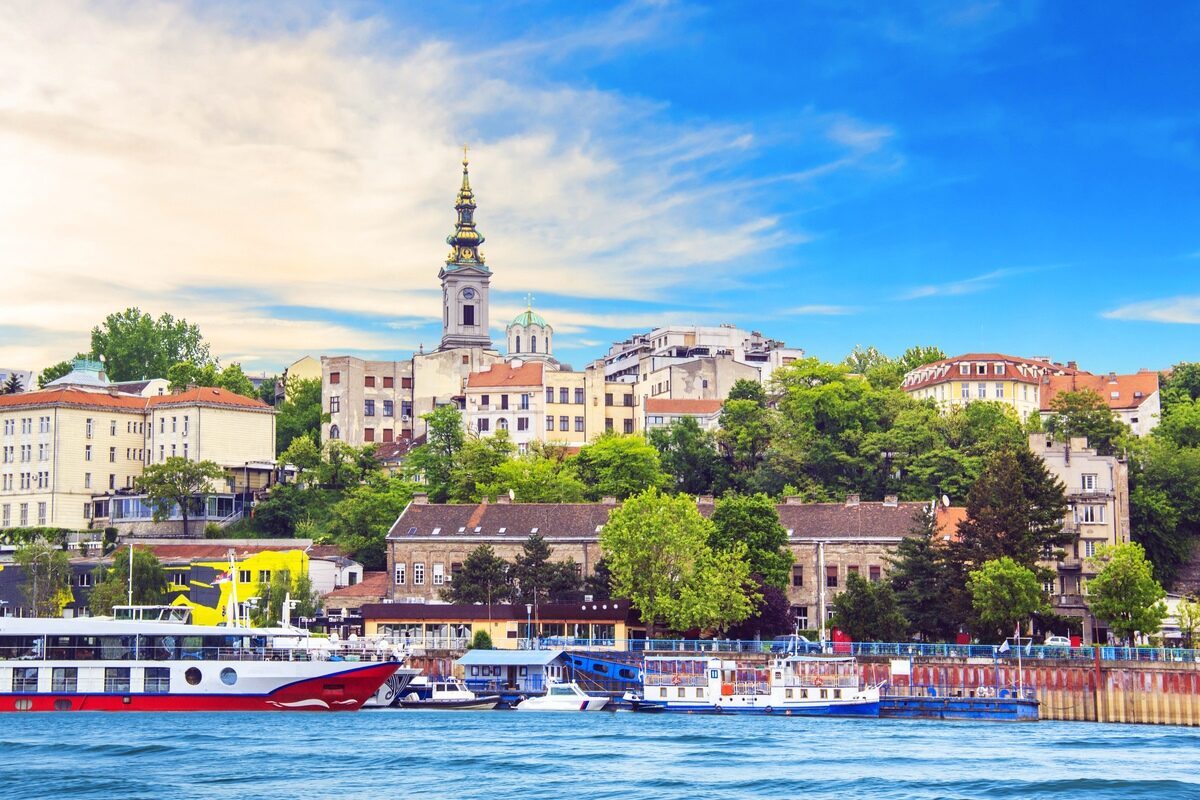
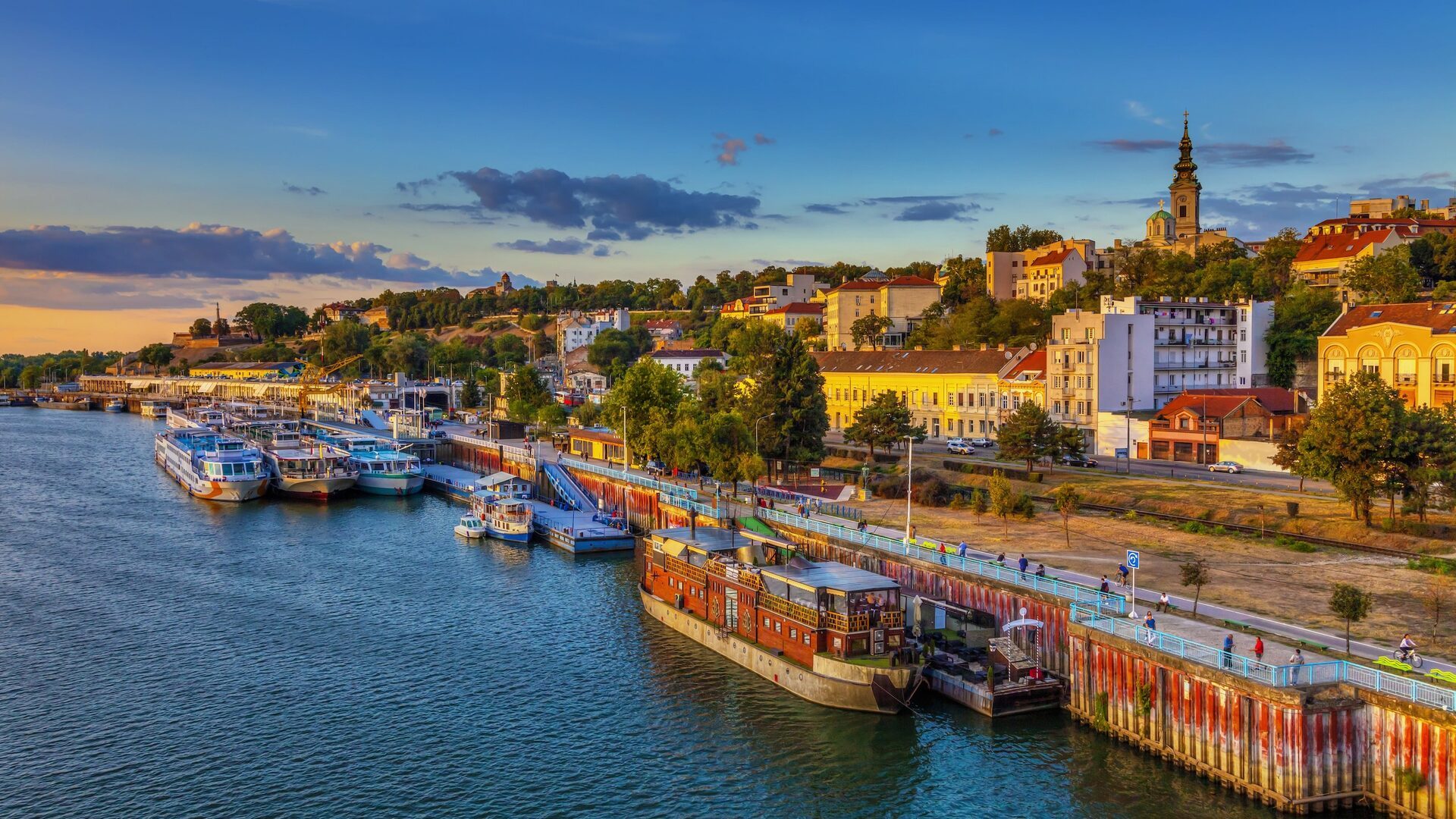
Belgrade's fortress (Kalemegdan) above the confluence of the Sava and Danube rivers is the city's landmark. The bohemian Skadarlija neighborhood is lined with traditional taverns (kafanas). The floating clubs (splavovi) on the rivers are legendary in European nightlife. Novi Sad hosts the EXIT festival (July), one of Europe's largest music festivals. Studenica and Sopocani monasteries are UNESCO sites worth the trip.
Frequently Asked Questions
Do my days in Serbia count against my Schengen limit?
No. Serbia is not a Schengen member, so time spent there does not affect your 90/180-day Schengen allowance. This makes Serbia a popular option for extending a European trip beyond the Schengen limit.
Do I need to register with the police in Serbia?
Yes, technically. Tourists staying in hotels or hostels are registered automatically. If you stay in a private apartment (Airbnb, with friends), you must register at the local police station within 24 hours. Failure to register can cause issues at departure.
Is Kosovo the same entry as Serbia?
No. Kosovo and Serbia are separate countries. If you enter Kosovo first and then try to enter Serbia, Serbia may refuse entry as it does not recognize Kosovo's independence and may view a Kosovo entry stamp as illegal entry. Cross in the order Serbia first, then Kosovo if you wish to visit both.