Senegal Visa RequirementsFor United States passport holders
US passport holders can visit Senegal visa-free for up to 90 days. Senegal is considered one of the most stable and welcoming countries in West Africa.
Great news! United States passport holders can enter Senegal without a visa for tourism or business purposes. You can stay up to 90 days.
No visa is required for US citizens. Carry your valid US passport (6+ months validity recommended), onward ticket, and accommodation details. No advance registration or e-visa is needed. Entry is typically quick at Dakar airport with a passport stamp for 90 days.
Entry Requirements
Passport Validity
6 months beyond date of entry
Blank Pages
1 blank page required
Multiple Entry
Allowed
Work Permitted
No - requires work visa
Entry Conditions
Passport valid for at least 6 months. Yellow fever certificate required. Return/onward ticket.
Fines for overstaying.
Required Documents
Valid US Passport
Must be valid for at least 3-6 months beyond your planned departure date (varies by country)
Return or Onward Ticket
Proof of departure from the country, such as a return flight or onward travel booking
Proof of Accommodation Recommended
Hotel reservation, Airbnb booking, or address where you will be staying
Proof of Sufficient Funds Recommended
Credit cards, bank statements, or cash to cover expenses during your stay
Travel Insurance Recommended
Recommended for all international travel covering medical emergencies
Travel Essentials
Health & Safety
Safety Rating
Vaccinations
Hepatitis A, Hepatitis B, Typhoid, Malaria prophylaxis, Meningitis
Tap Water
Bottled water recommended
Safety Tips
Senegal is one of the safest countries in West Africa and has never experienced a coup. Dakar and tourist areas are generally safe, though petty crime like pickpocketing occurs. The Casamance region in the south has seen sporadic separatist activity - check current advisories. Avoid isolated beaches at night and demonstrations.
Money & Costs
Currency
CFA CFA Franc (XOF)
Daily Budget (USD)
Budget: $35 · Mid: $80 · Luxury: $200+
Tipping
Tipping is appreciated but not mandatory. 10% in restaurants for good service. Small tips for guides, drivers, and hotel staff are welcome.
Practical Info
Power
Type C, D, E, K, 230V 50Hz
Driving
Right side
Emergency
17 (Police), 18 (Fire), 15 (Ambulance)
Getting There
Main Airports
Dakar (DSS) · Dakar (DKR) · Ziguinchor (ZIG)
Culture & Travel Tips
Best Time to Visit
The best time to visit Senegal is from November to May during the dry season. The weather is pleasant with temperatures between 20-30°C. The rainy season (June-October) brings humidity and occasional flooding but also lush landscapes. Bird watching is excellent from November to April when migratory species arrive. The coastal areas enjoy sea breezes year-round.
Cultural Notes
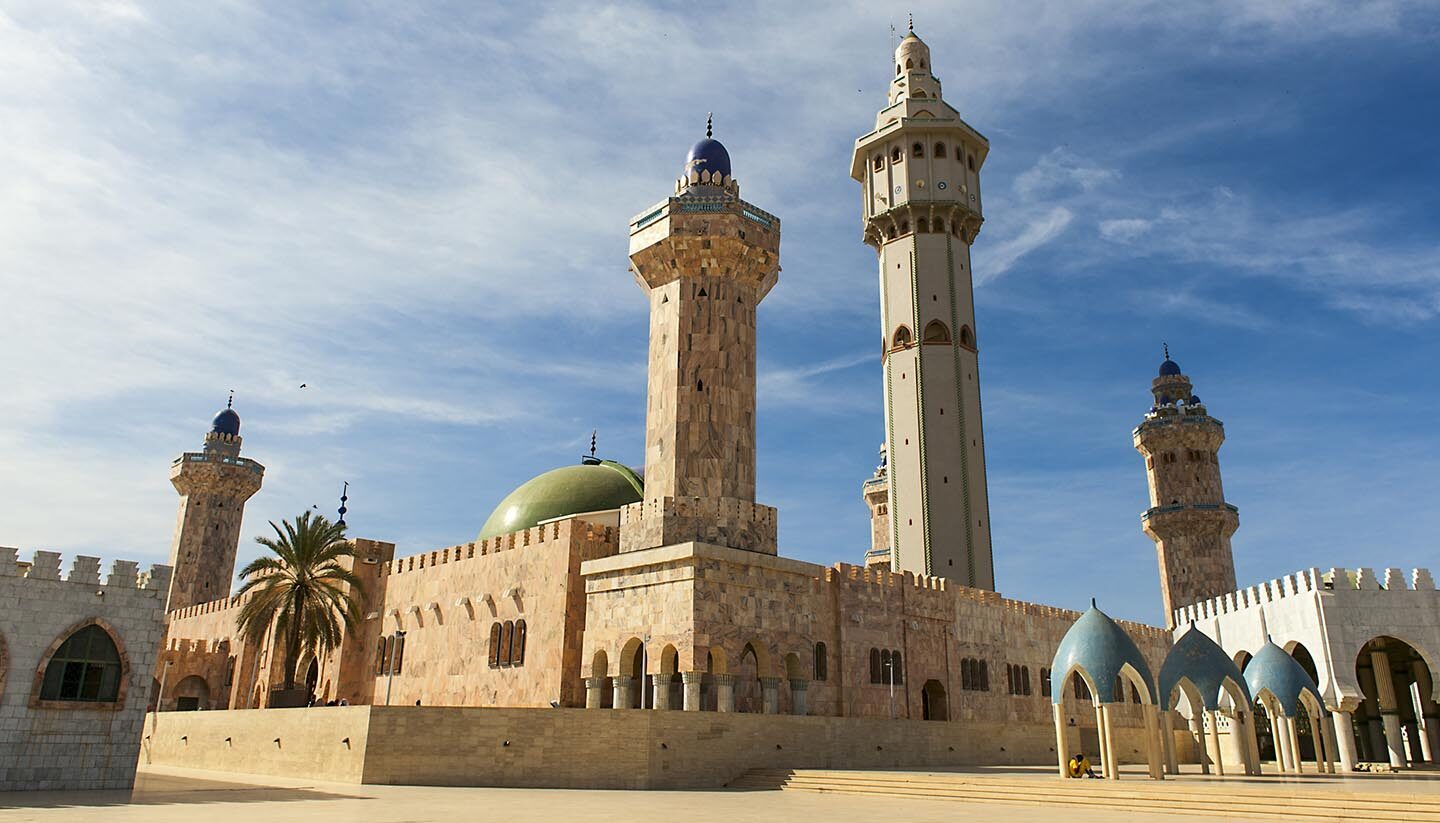
Senegal is known for its rich culture blending African traditions with French and Islamic influences. Music is integral - Senegal produced Youssou N'Dour and mbalax music. The Senegalese wrestling (Laamb) is the national sport. Hospitality (teranga) is sacred - guests are honored. Storytelling through griots preserves history. Art, fashion, and cuisine are vibrant.
Insider Tips
French is the official language, with Wolof widely spoken. The West African CFA franc is the currency. Bargaining is expected at markets. "Teranga" (hospitality) is central to Senegalese culture - accept offered tea and take time for greetings. Dress modestly, especially in rural areas. The country has excellent infrastructure by regional standards.
Current Travel Situation
United States to Senegal: What You Need to Know
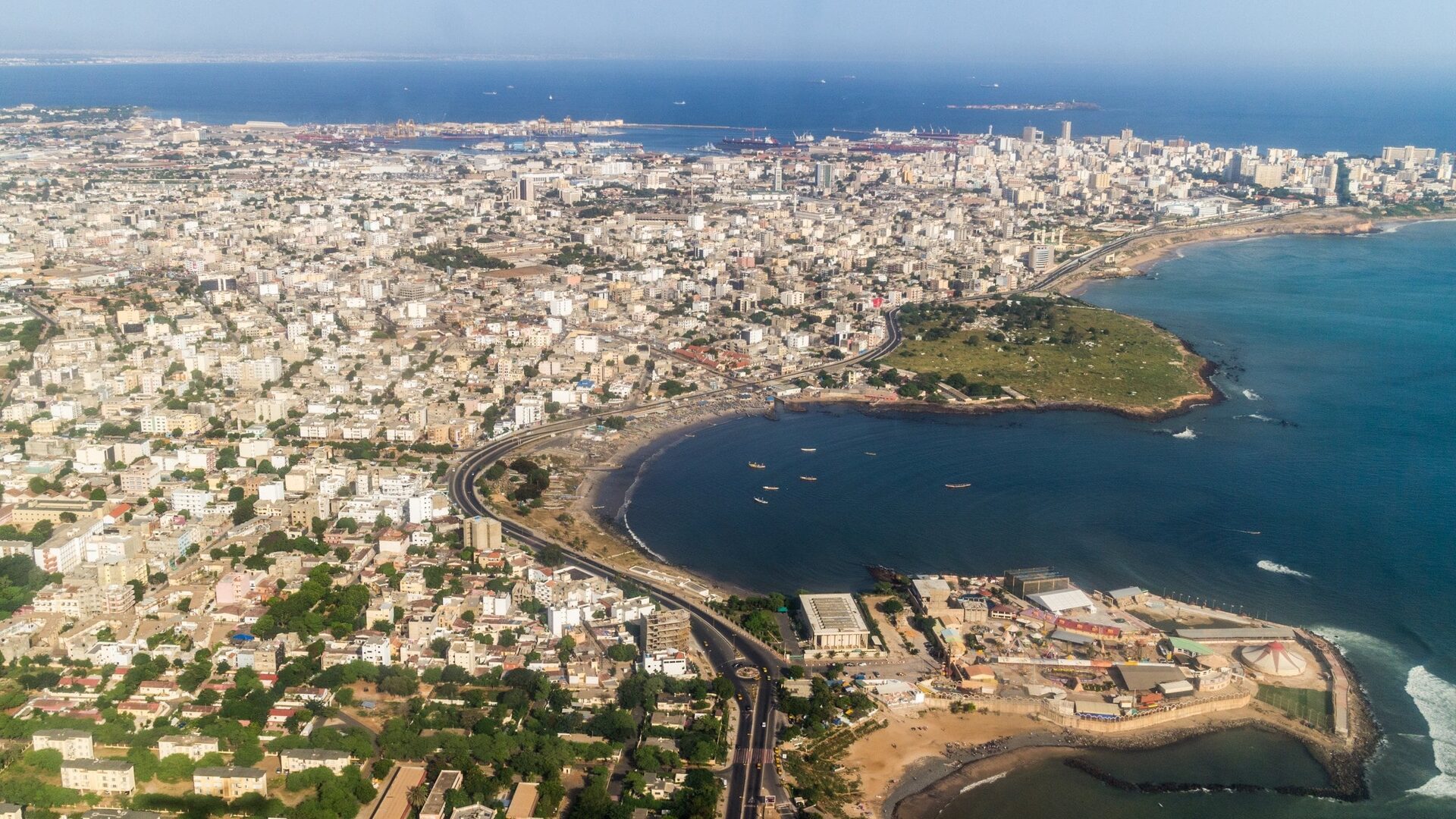
Senegal has maintained remarkable political stability since independence in 1960, making it a model for democratic governance in West Africa. Dakar-Blaise Diagne International Airport (DSS), opened in 2017, serves as a regional hub with connections from Paris (Air France), New York (Delta/Air Senegal), Brussels, Istanbul, and many African capitals. The JFK-Dakar route makes Senegal one of the few West African countries accessible on a direct US flight. The country borders Mauritania, Mali, Guinea-Bissau, Guinea, and The Gambia (which is entirely surrounded by Senegal).
How to Get There
Delta and Air Senegal operate direct flights from New York (JFK) to Dakar, the most direct access to West Africa from the US East Coast. Air France connects Dakar to Paris (CDG) and onward globally. For combined West Africa itineraries, Dakar is a natural hub with connections to The Gambia (accessible by car/bus south from Dakar), Cape Verde (short flight), and other regional destinations.
Money & Banking
Senegal uses the West African CFA Franc (XOF), pegged to the Euro. Major credit cards work at upscale hotels and restaurants in Dakar; cash is preferred elsewhere. ATMs in Dakar dispense CFA Francs; carry cash for travel outside the capital. Senegal is affordable: a local restaurant meal (thieboudienne fish and rice) costs $3-6. Accommodation ranges from $15/night guesthouses to $150/night boutique hotels in Dakar.
Practical Tips
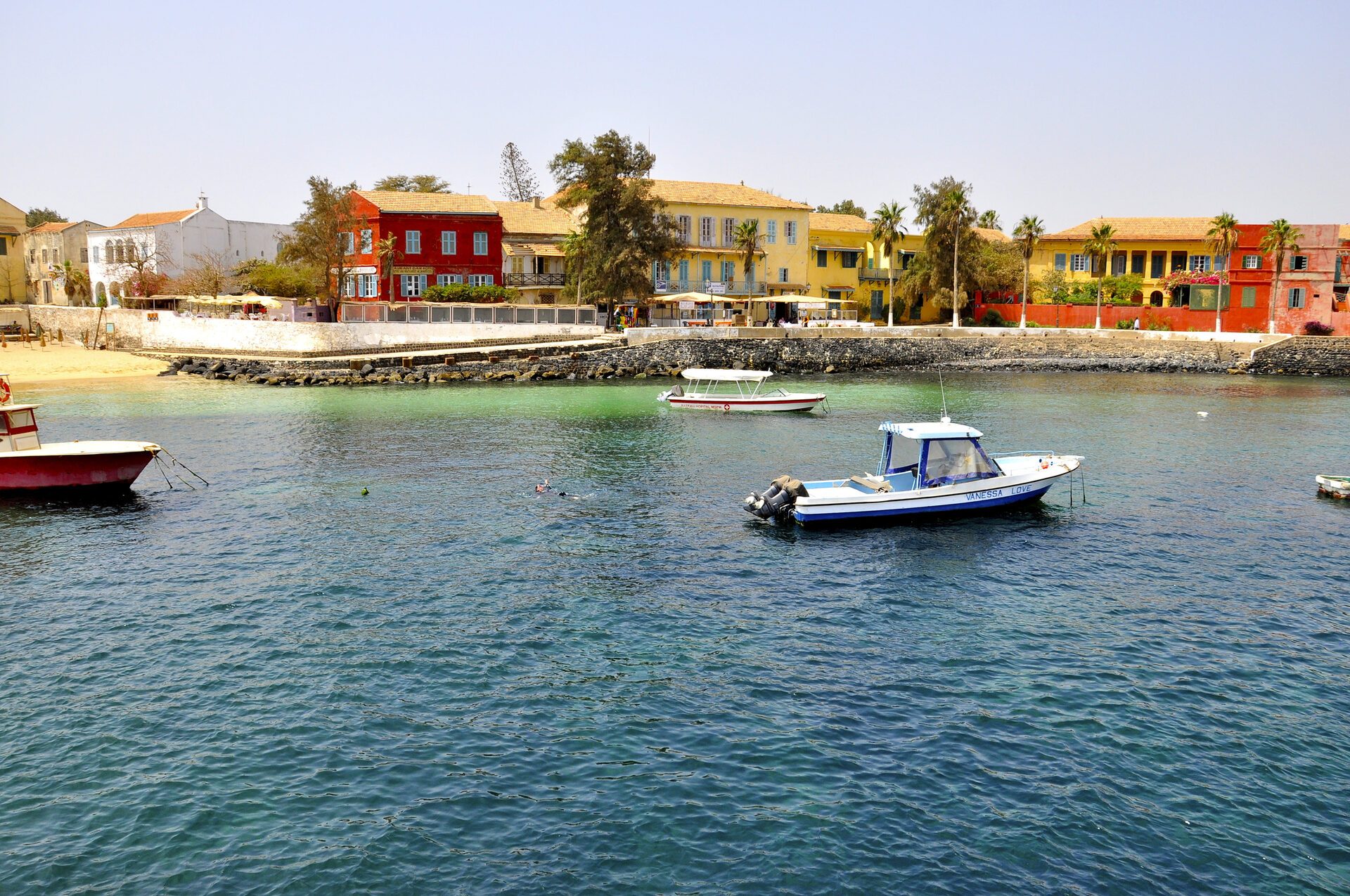
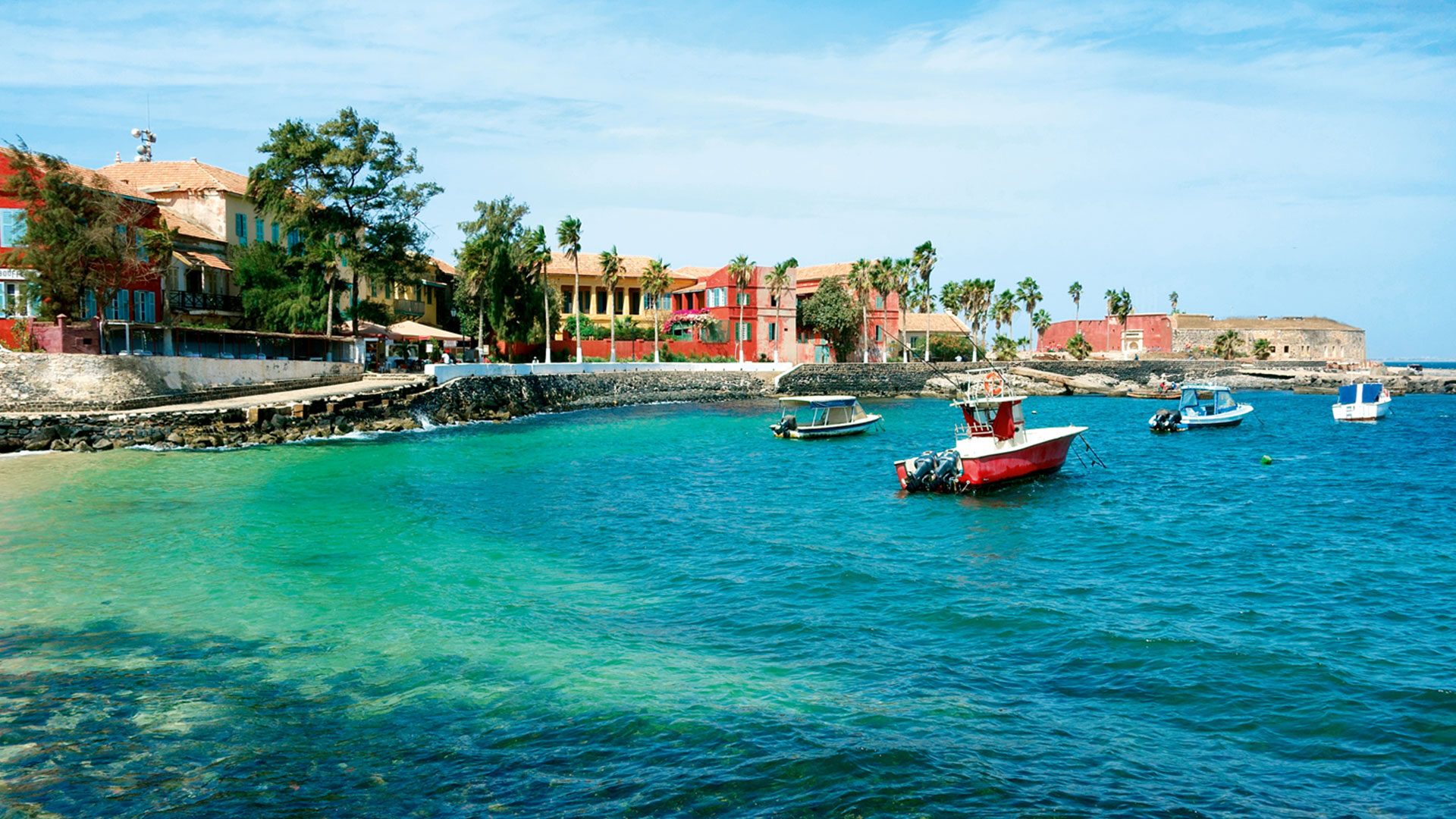
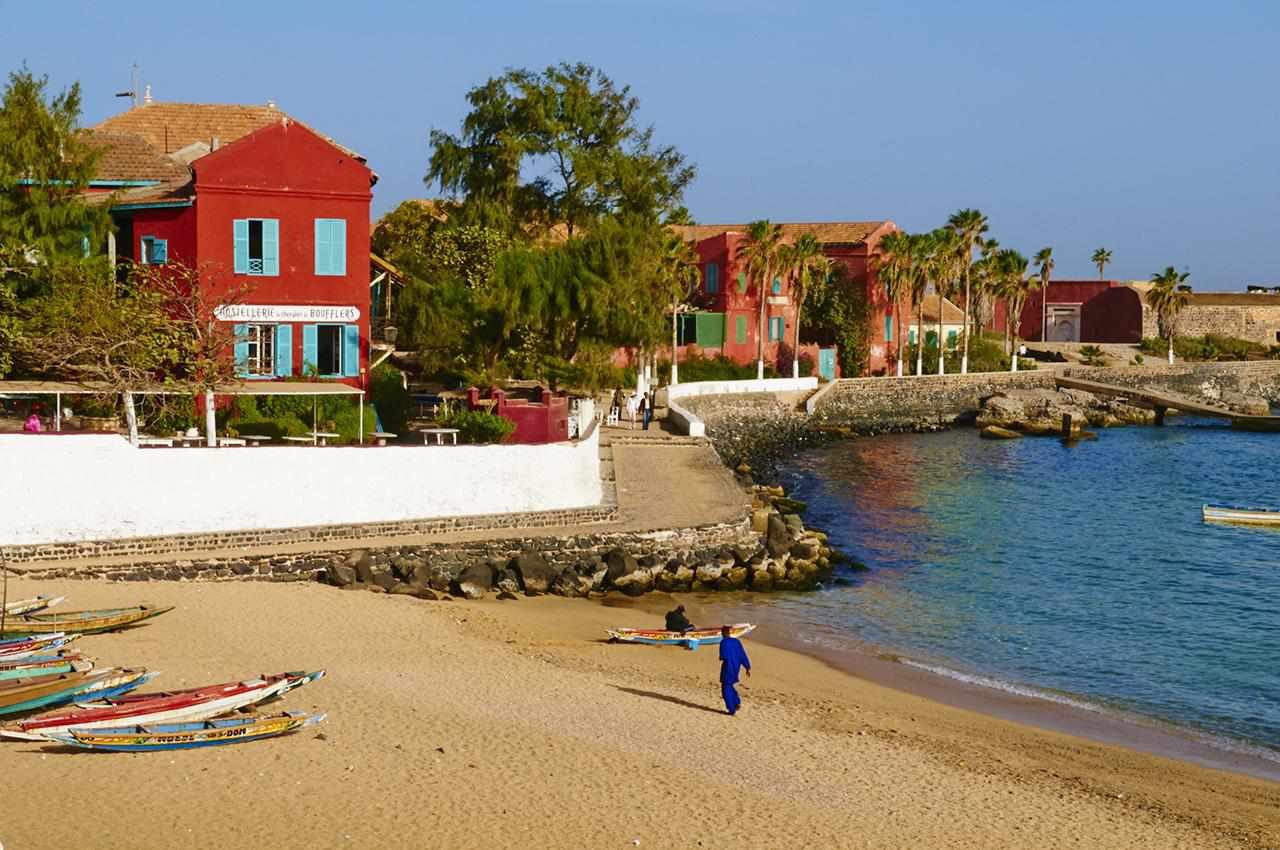
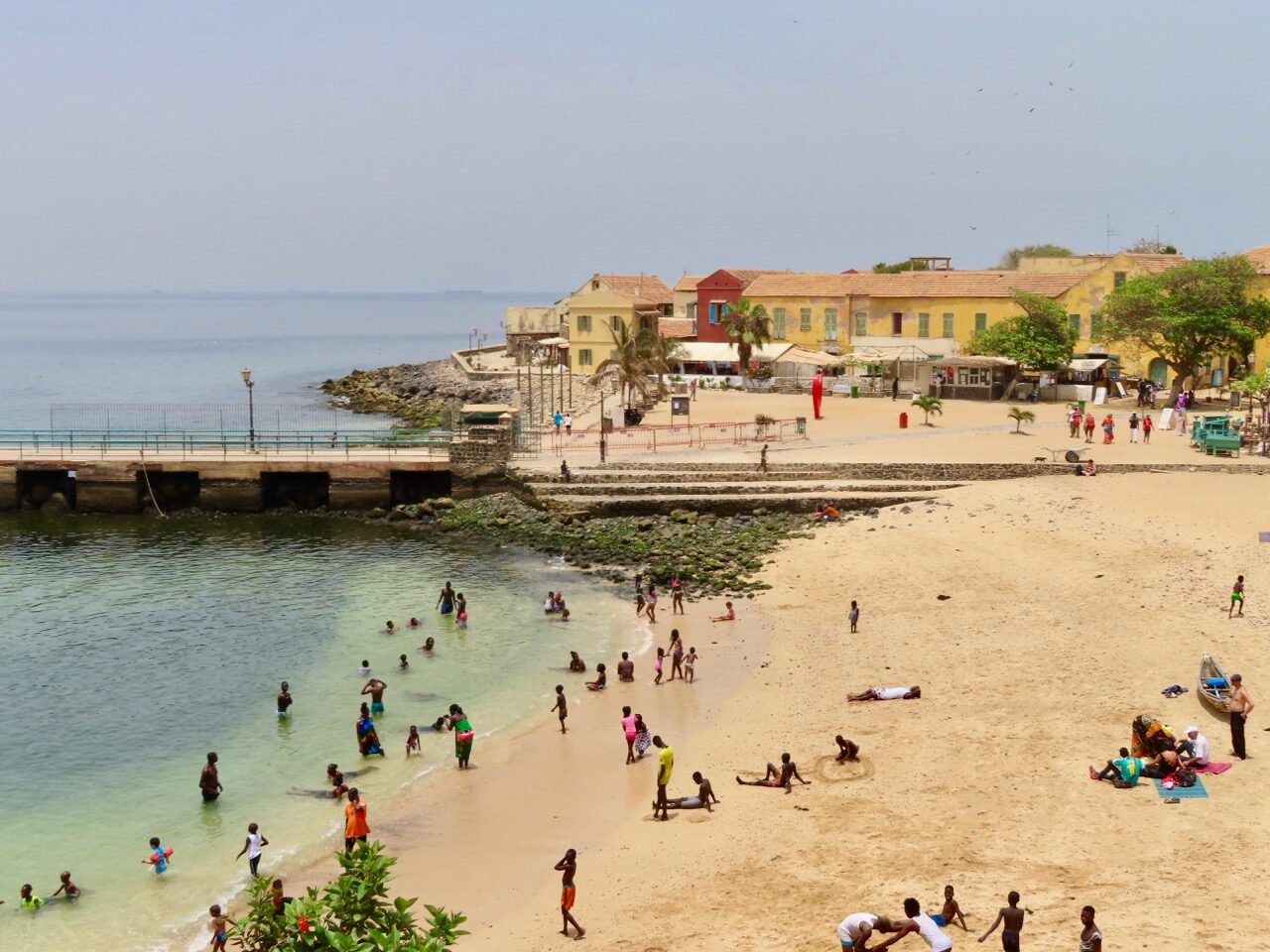
Dakar's Goree Island (UNESCO), a former slave trading post off the coast, is a powerful and somber historical site accessible by 20-minute ferry. The pink waters of Lake Retba (Lac Rose) get their color from salt-loving algae and are extraordinary. The Sine-Saloum Delta (mangroves, flamingos, dolphins) is a UNESCO biosphere reserve. Djoudj National Bird Sanctuary (UNESCO) hosts millions of migratory birds. The beach at Saly is a popular resort area. Wrestling (lutte senegalaise) and colorful sabar drumming events are cultural highlights.
Frequently Asked Questions
Are there direct flights from the US to Senegal?
Yes. Delta Air Lines and Air Senegal operate direct flights between New York JFK and Dakar (approximately 8-9 hours). This makes Senegal one of the most accessible West African countries from the United States. Air France connects through Paris for travelers from other US cities.
What is Goree Island?
Goree Island is a small island 3 km off the coast of Dakar that was a major center of the Atlantic slave trade from the 15th to 19th centuries. It is now a UNESCO World Heritage Site and important site of memory. The House of Slaves (Maison des Esclaves) with its "Door of No Return" is visited by millions, including several US presidents. A 20-minute ferry runs from Dakar throughout the day.
Is Senegal safe?
Yes. Senegal is one of West Africa's most stable and peaceful countries. The US State Department has a Level 1 advisory (Exercise Normal Precautions) for most of the country. Dakar is generally safe though petty theft occurs in tourist areas. The Casamance region in the south has had low-level separatist activity -- check current advisories before visiting the far south.
Do US citizens need a visa to visit Senegal?
No, US citizens can visit Senegal for up to 90 days without a visa. You'll need a passport valid for at least 6 months and a yellow fever vaccination certificate (mandatory). Senegal is one of West Africa's most welcoming and stable destinations, making it an ideal introduction to the region. The concept of "teranga" (hospitality) defines Senegalese culture, and visitors are warmly received.
What are the main attractions in Senegal?
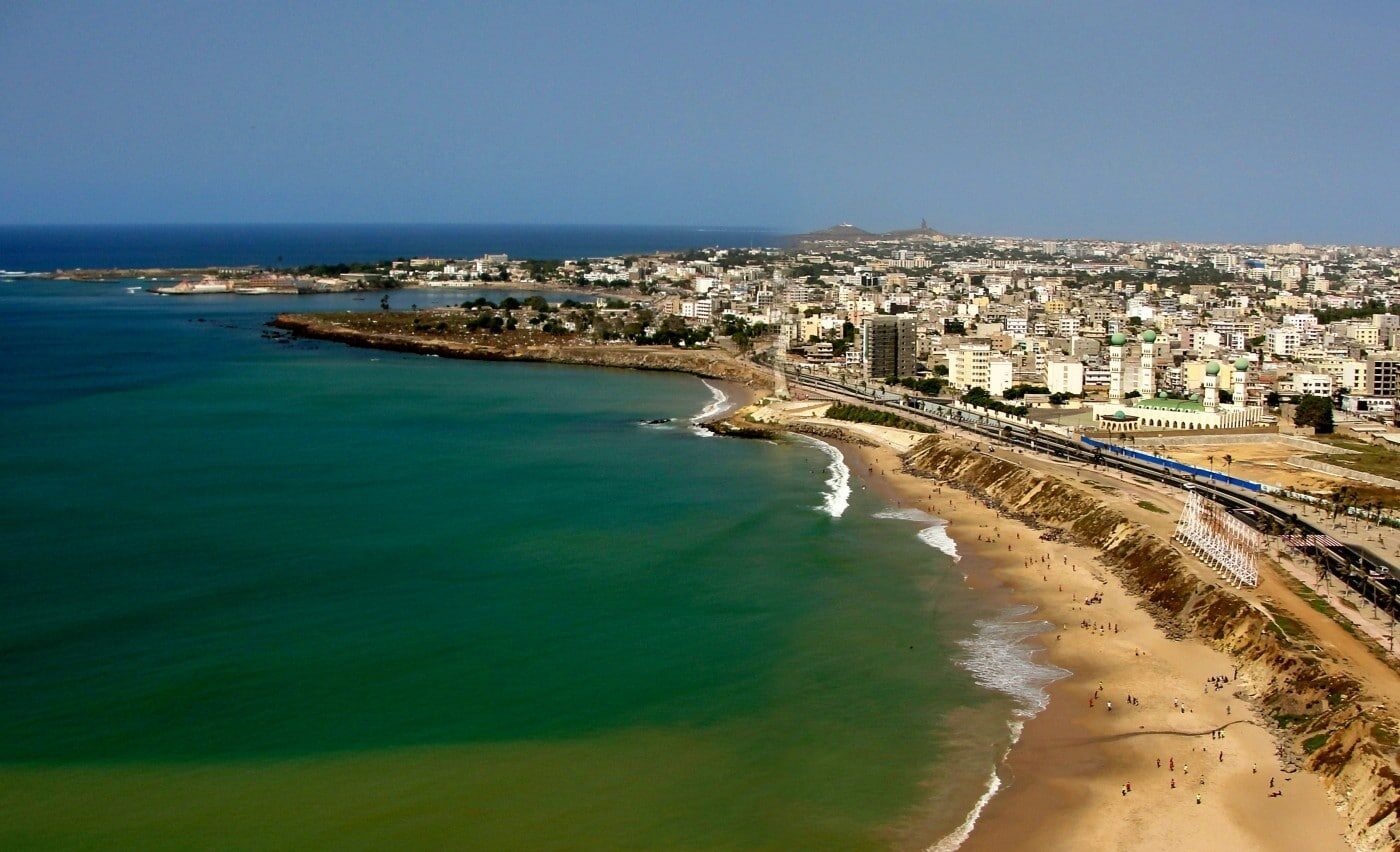
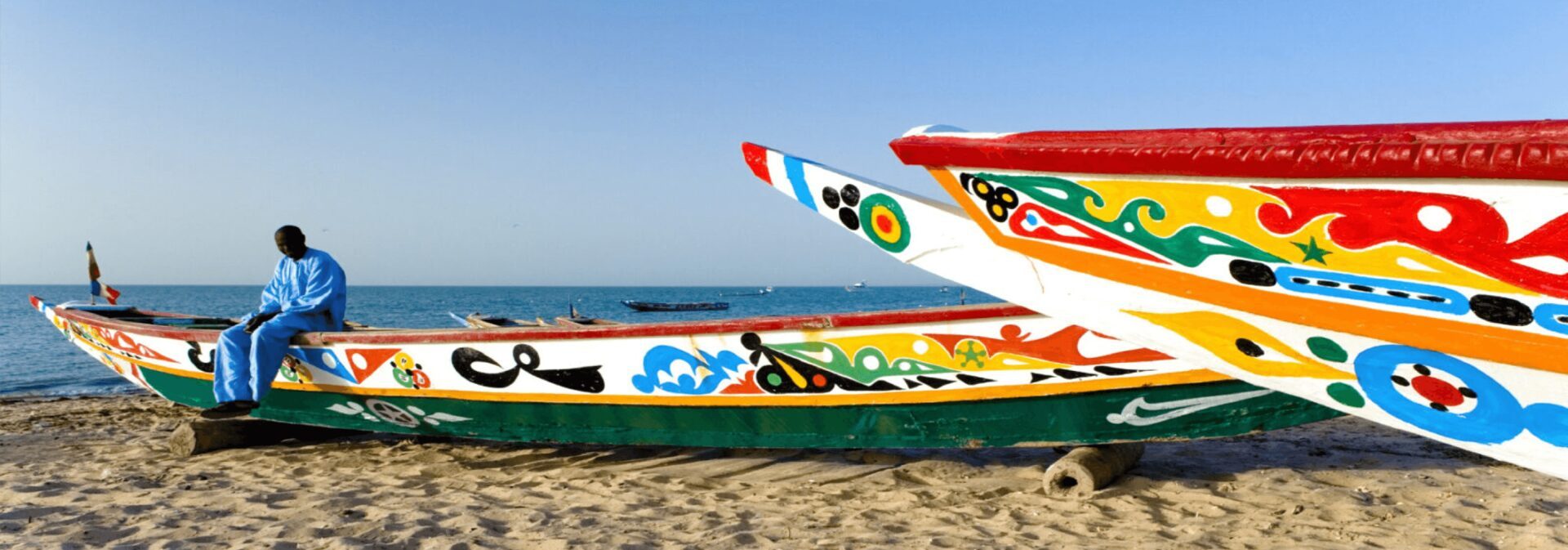
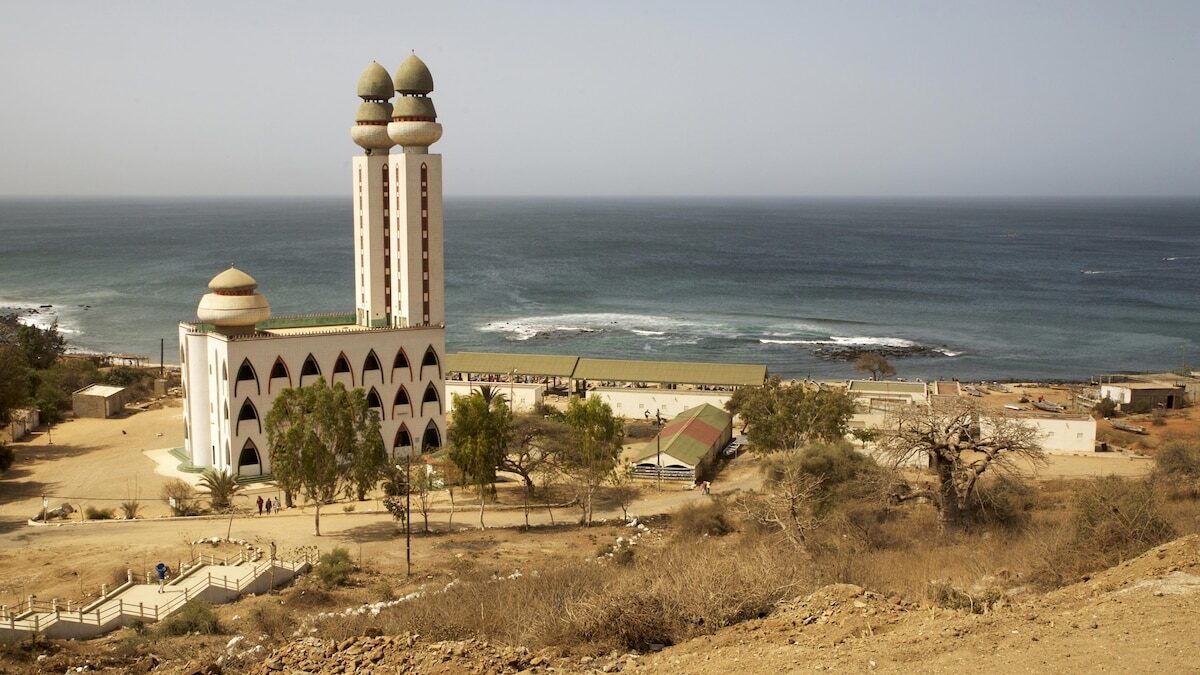
Senegal offers diverse experiences. Dakar is a vibrant capital with excellent music scene, beaches, and the African Renaissance Monument. Île de Gorée, a UNESCO site, is a poignant memorial to the slave trade. Saint-Louis is a charming colonial-era town also UNESCO-listed. The Djoudj Bird Sanctuary hosts millions of migratory birds. Sine-Saloum Delta offers beautiful mangrove landscapes. The Pink Lake (Lac Rose) has distinctive rosy waters. Casamance (though partly affected by separatist activity) has beautiful beaches and Diola culture. Senegal is also known for colorful fishing boats (pirogues) and textile dyeing.
What is Teranga and how will it affect my visit?
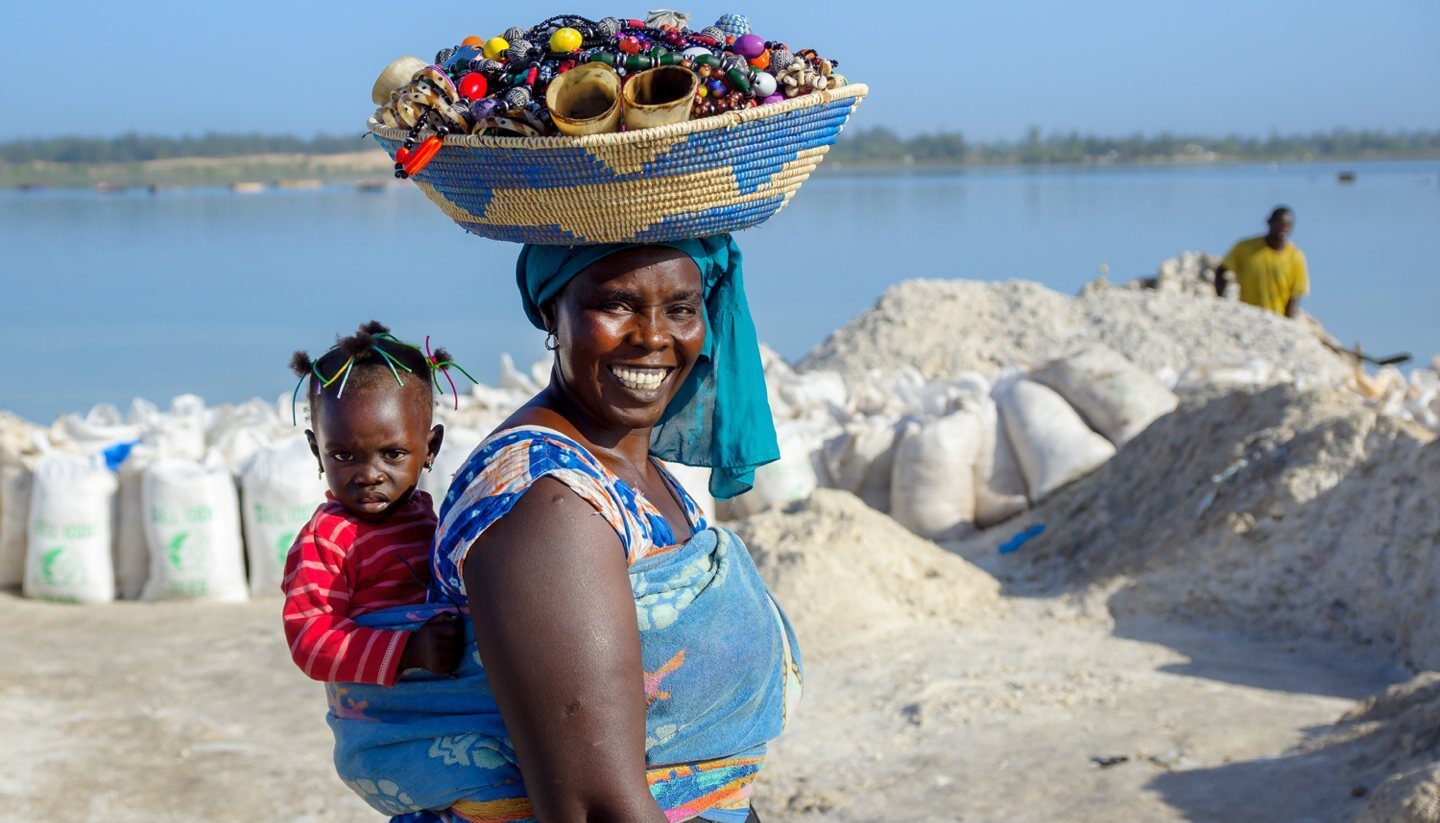
Teranga is a Wolof word meaning hospitality, and it's considered the defining characteristic of Senegalese culture. Visitors consistently report being welcomed with exceptional warmth, invited to share meals, and treated as honored guests. The traditional three cups of attaya (sweet mint tea) symbolizes this hospitality: the first cup is bitter like death, the second is mild like life, and the third is sweet like love. Accepting hospitality is important; declining tea repeatedly may cause offense. This openness makes Senegal one of the friendliest countries for tourists in Africa.