Saudi Arabia Visa RequirementsFor United States passport holders
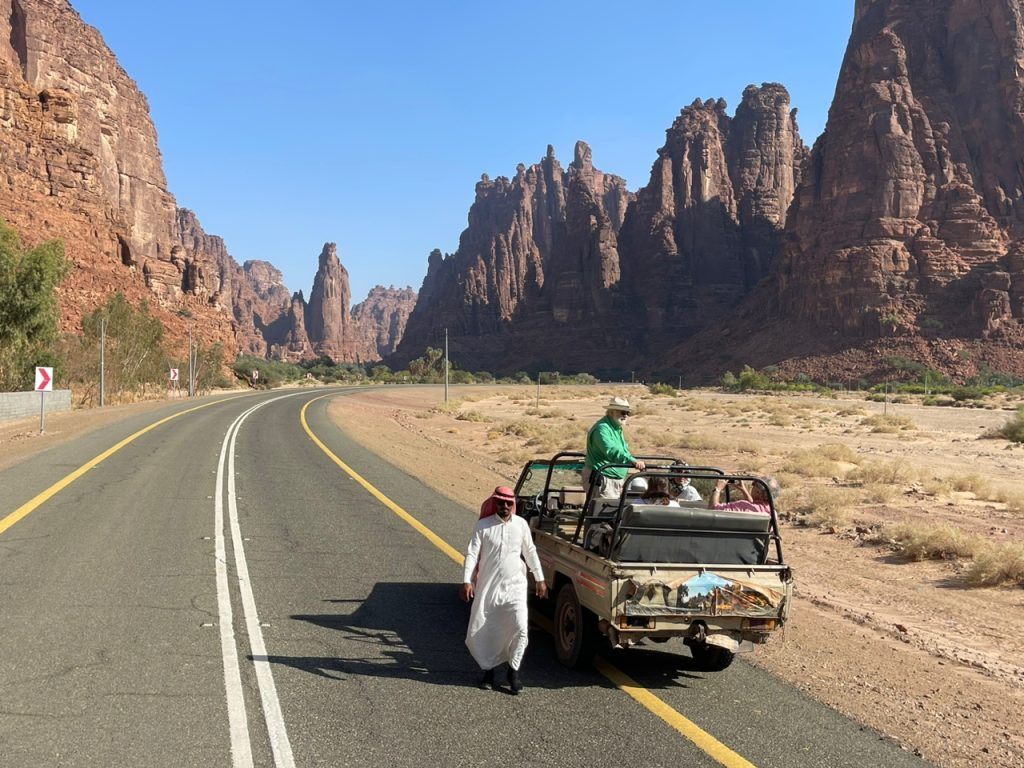
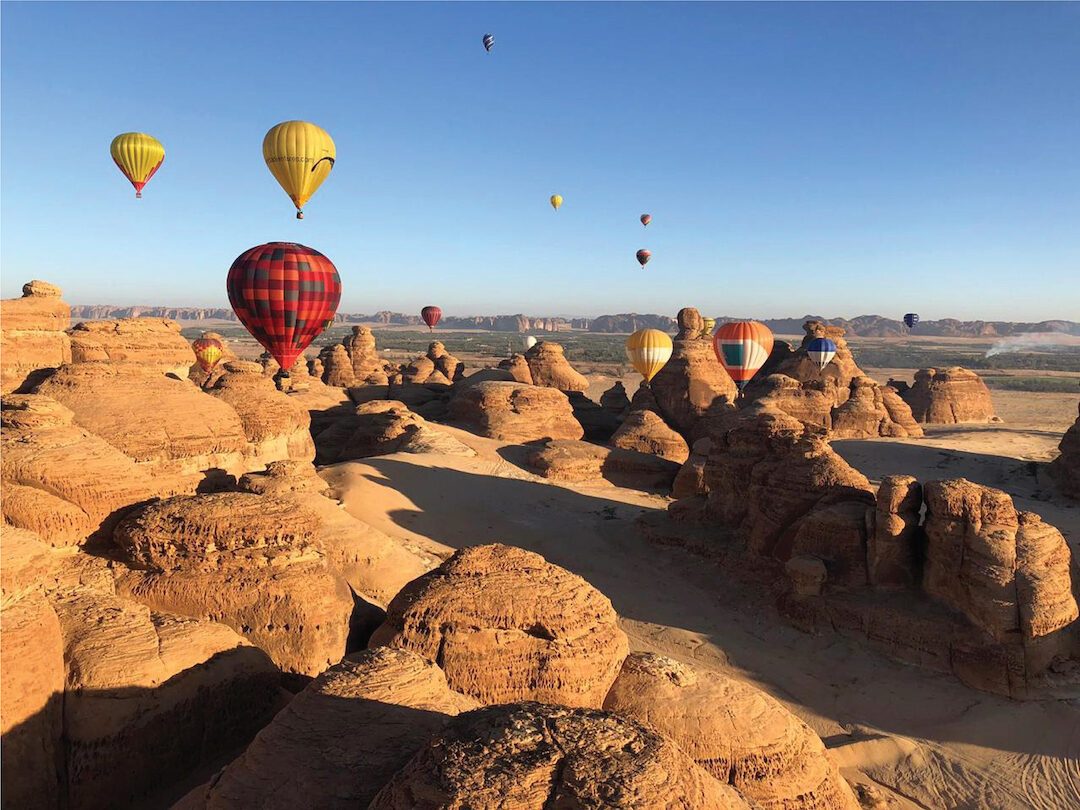
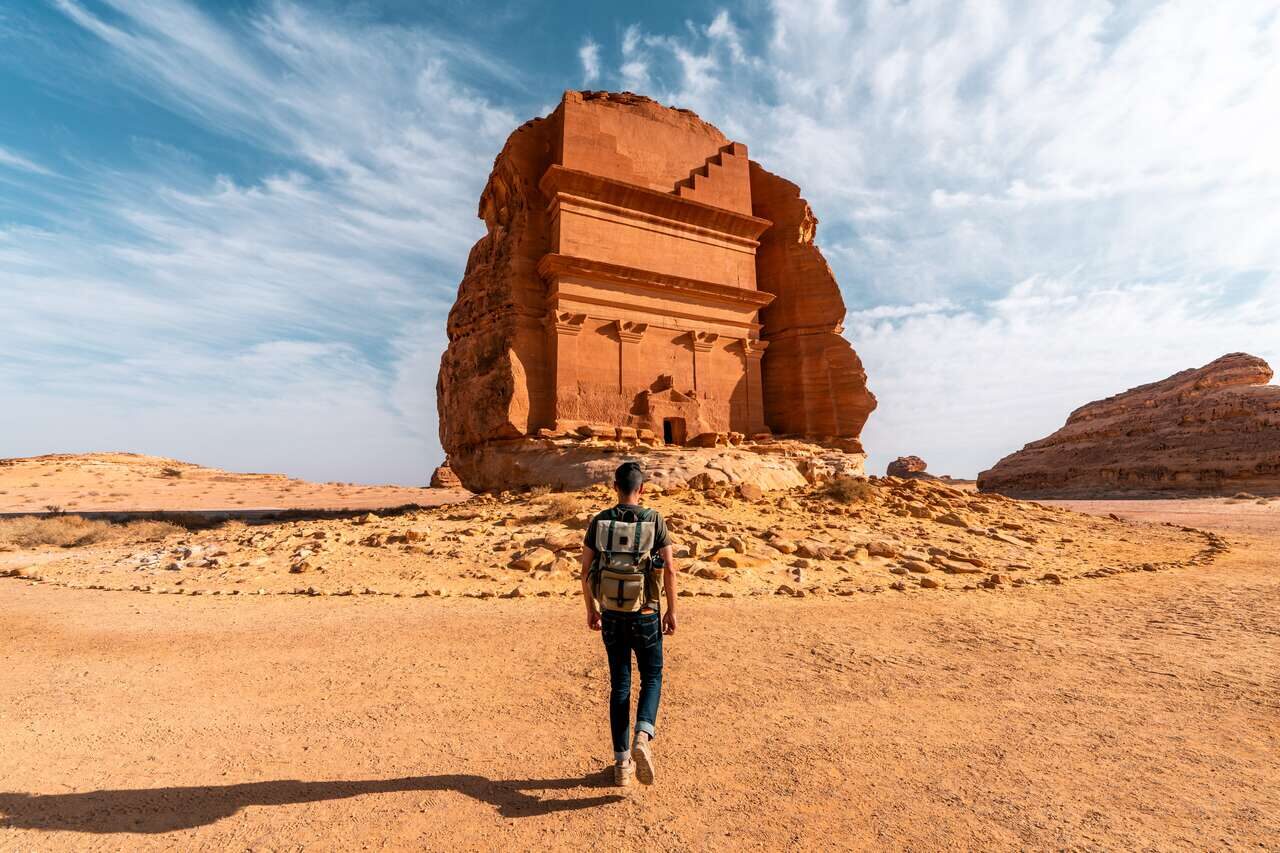
American citizens can obtain a Saudi Arabia tourist eVisa online before travel. The Saudi tourist eVisa costs approximately $120 USD and allows a single or multiple-entry stay of up to 90 days. Saudi Arabia opened to international tourism in September 2019, ending decades of virtually no tourist access. The country offers extraordinary archaeological sites including Hegra (UNESCO, a Nabataean city predating Petra), the historic Diriyah old capital, and the dramatic landscapes of Al-Ula.
United States passport holders must apply for an electronic visa (eVisa) online before traveling to Saudi Arabia.
Apply for a Saudi Arabia tourist eVisa online at visa.visitsaudi.com. The fee is SAR 450 ($120 USD). Required: valid US passport (minimum 6 months validity), passport photo, and basic travel information. Processing is typically instant or within a few minutes. The eVisa allows multiple entries and a total stay of 90 days per year. Dress code requirements: women do not need to wear the abaya (black robe) in public, but modest dress (covering shoulders and knees) is expected at religious sites and traditional areas. Alcohol is not available in Saudi Arabia (strictly prohibited). Non-Muslim visitors may not enter the holy sites of Mecca or Medina.
Entry Requirements
Passport Validity
6 months beyond date of entry
Blank Pages
2 blank pages required
Multiple Entry
Allowed
Work Permitted
No - requires work visa
Required Documents
For Your Visa Application
Valid US passport (minimum 6 months validity)
Passport photo
eVisa fee: ~$120 USD (SAR 450)
Required at Entry
Valid US Passport
Must be valid for at least 6 months beyond your planned arrival date with at least one blank page
Saudi Arabia eVisa (digital or printed)
Digital Passport Photo
Recent color photo in JPEG format meeting specific size requirements (usually 35x45mm, 600x600 pixels)
Valid US passport
Completed Online Application
Fill out the official eVisa application form on the government portal
Travel Itinerary
Detailed travel plans including dates and places you intend to visit
Proof of Accommodation
Hotel bookings, Airbnb reservations, or host invitation letter
Return or Onward Flight
Confirmed flight booking showing departure from the country
Proof of Sufficient Funds Recommended
Bank statements or credit card showing adequate funds for your stay
Travel Insurance Recommended
Recommended coverage for medical emergencies and trip cancellation
Travel Essentials
Health & Safety
Safety Rating
Vaccinations
Hepatitis A/B, typhoid recommended.
Tap Water
Bottled water recommended
Safety Tips
Saudi Arabia is generally safe for tourists. Strict laws must be followed. Women have more freedom than before but restrictions remain.
Money & Costs
Currency
SR Saudi Riyal (SAR)
Daily Budget (USD)
Budget: $80 · Mid: $200 · Luxury: $500+
Tipping
Not expected but appreciated.
Practical Info
Power
Type G, 220V
Driving
Right side
Emergency
999 (emergency), 997 (ambulance)
Getting There
Main Airports
Jeddah (JED) · Riyadh (RUH)
Culture & Travel Tips
Best Time to Visit
Saudi Arabia has an extreme desert climate, but the recent opening to tourism means exploring the best times is still being discovered by travelers. November through February offers the only comfortable period for most of the country, with temperatures around 20-25°C (68-77°F). Summers are brutally hot, exceeding 45°C (113°F) across most regions. The Red Sea coast near Jeddah is warm year-round but humid. The mountain resort of Taif offers cool summer escapes. Ramadan significantly affects travel with restricted daytime dining, but experiencing iftar can be memorable. Major events include the Riyadh Season entertainment festival (October-March) and the new AlUla cultural programming.
Cultural Notes
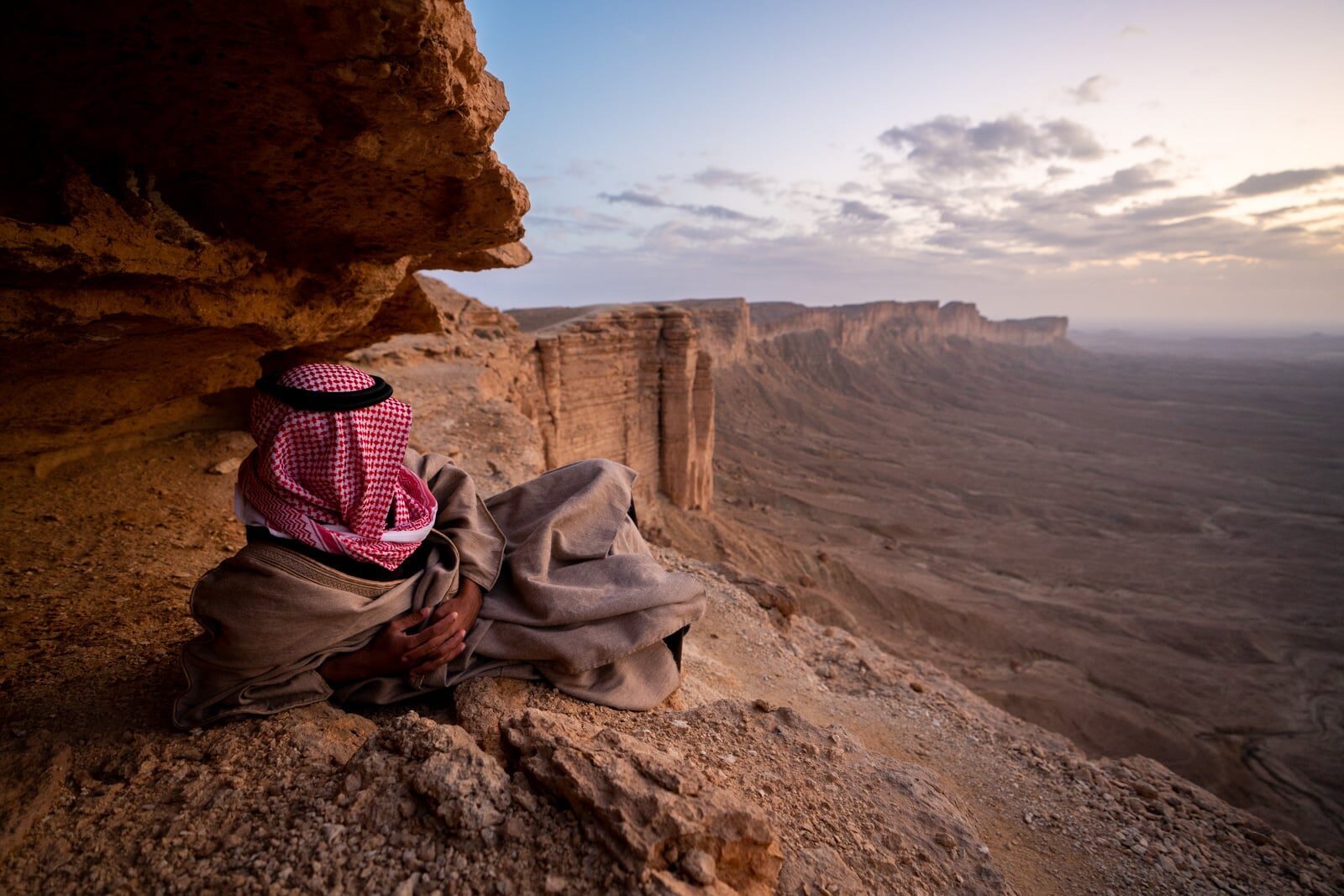
Saudi Arabia is undergoing rapid social transformation under Vision 2030, with previously unthinkable changes including cinemas, concerts, and women driving becoming normal. However, it remains a conservative Islamic society with the holy cities of Mecca and Medina (closed to non-Muslims) central to national identity. The kingdom practices Wahhabi Islam, though enforcement has relaxed significantly. Gender segregation has eased but some facilities remain divided. Prayer times punctuate daily life with businesses closing briefly. The royal family wields absolute power. Saudi hospitality, when offered, is lavish - Arabic coffee and dates are traditional welcomes. The diverse geography from coastal to mountain to desert means regional cultures and cuisines vary considerably.
Insider Tips
Saudi Arabia has only been open to tourism since 2019, making it one of the worlds newest destinations. The visa process (e-visa available for many nationalities) has been streamlined dramatically. Highlights include the ancient Nabataean city of Hegra (Mada in Salih, similar to Petra), the rock formations of AlUla, Jeddah historic Al-Balad district, and the vast Empty Quarter desert. The country is investing heavily in tourism infrastructure including the futuristic NEOM project. Dress modestly; women no longer require abayas but should cover shoulders and knees. Alcohol remains strictly prohibited. The Saudi riyal is the currency. Driving is possible with an international license. Uber works in major cities. English is increasingly common in tourist areas.
Current Travel Situation
United States to Saudi Arabia: What You Need to Know
Saudi Arabia launched its tourist visa programme in September 2019 as part of Vision 2030, Crown Prince Mohammed bin Salman's economic diversification plan to reduce oil dependency through tourism. Before 2019, Saudi Arabia issued tourist visas only to Muslim pilgrims (for Hajj and Umrah) and business visitors. The country has since opened to international visitors and is investing tens of billions of dollars in tourism infrastructure. NEOM (a futuristic linear city being built in the northwest), Diriyah (the UNESCO-listed original Saudi capital near Riyadh), and Al-Ula (the Nabataean and pre-Islamic archaeological sites in the Hejaz mountains) are flagship tourism projects. For Americans, Saudi Arabia offers one of the world's most genuinely new travel frontiers.
How to Get There
United, Delta, and American Airlines connect from US cities to Riyadh (RUH) or Jeddah (JED) via European or Gulf hubs. Saudia (Saudi Airlines) connects via multiple hubs. Direct connections are available via London (British Airways), Frankfurt (Lufthansa), Amsterdam (KLM), Paris (Air France), Dubai (Emirates), and Doha (Qatar Airways). SAUDIA operates some direct US-Saudi routes. Flight time from New York to Riyadh via connection is approximately 14-18 hours.
Money & Banking
Saudi Arabia uses the Saudi riyal (SAR). Saudi Arabia is moderately expensive for tourists: budget $80-150 USD per day for mid-range travel. Riyadh is an expensive city for accommodation and dining. Al-Ula is a high-end eco-luxury destination ($200-500/night for Ashar Resort or other resorts). Jeddah is the most tourist-friendly and affordable city. Traditional Saudi food (kabsa spiced rice with meat, mandi, jareesh, dates and Arabic coffee) is excellent. Soft drinks and juices are of course the available alternatives to alcohol.
Practical Tips
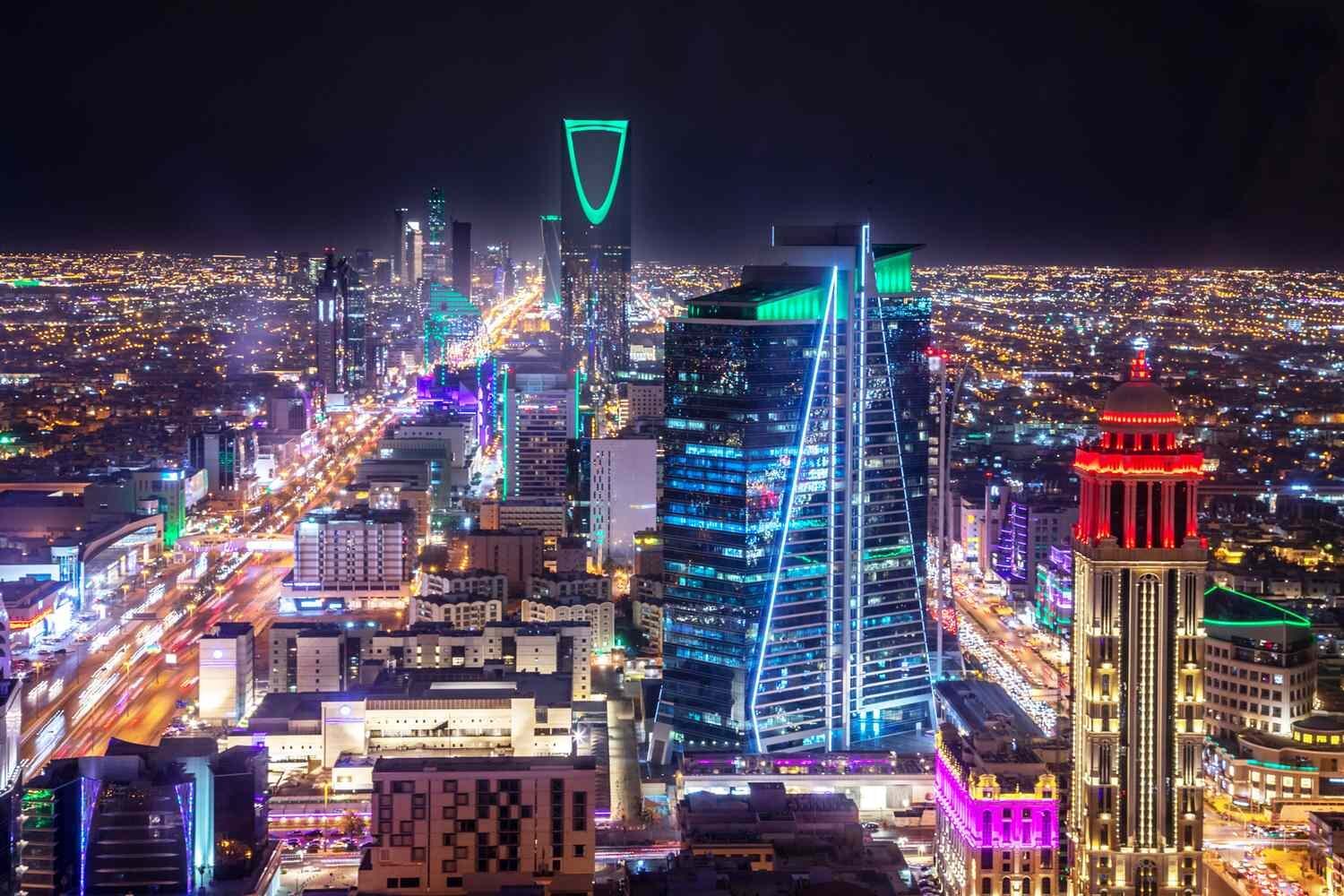
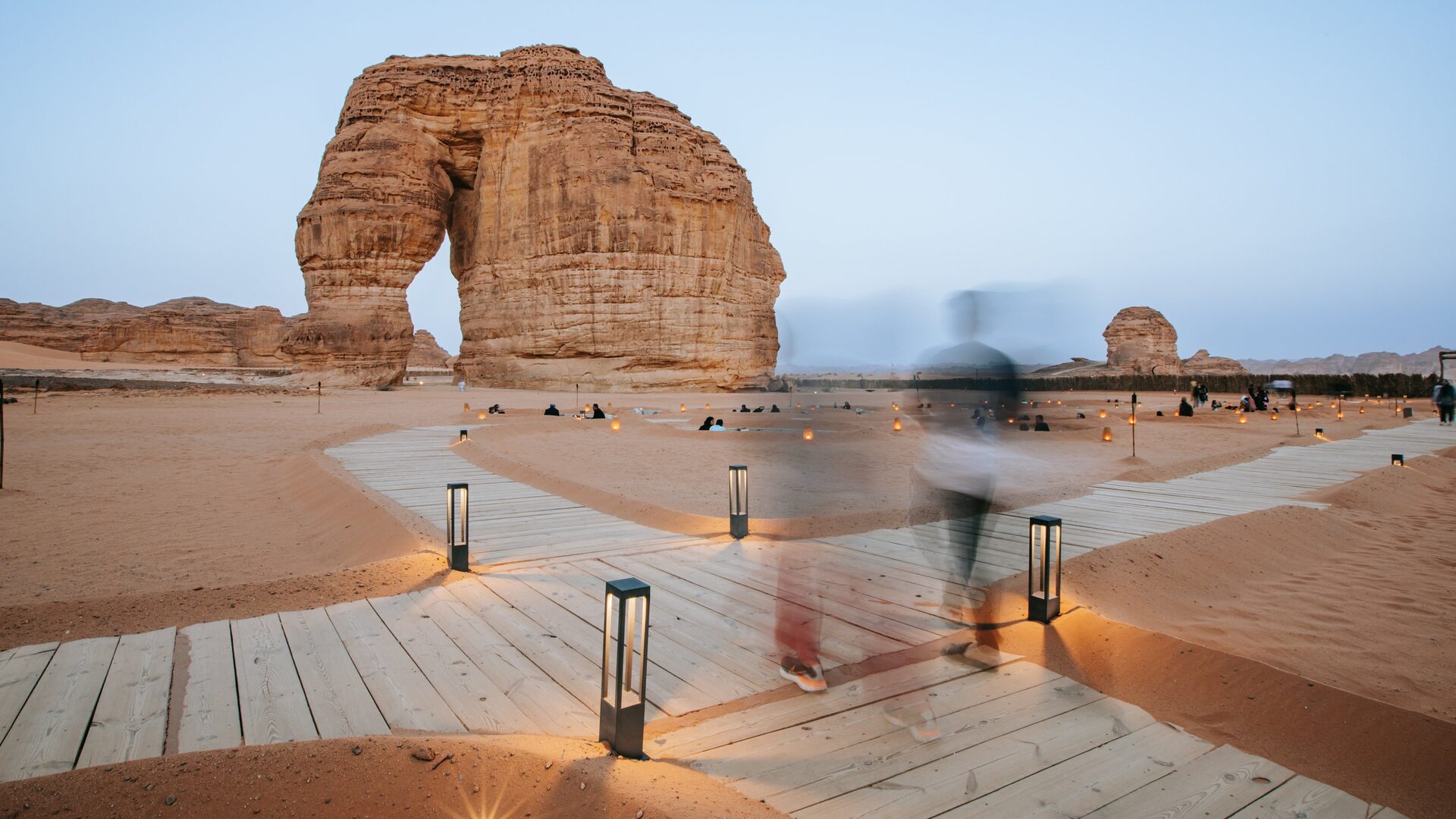
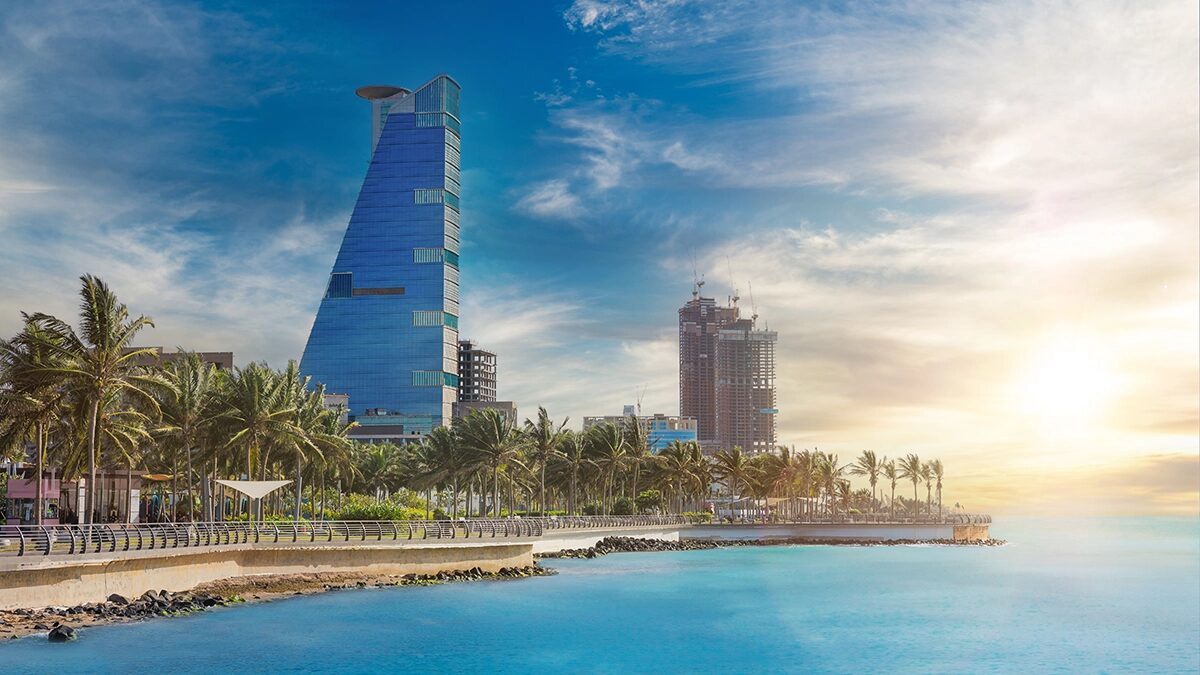
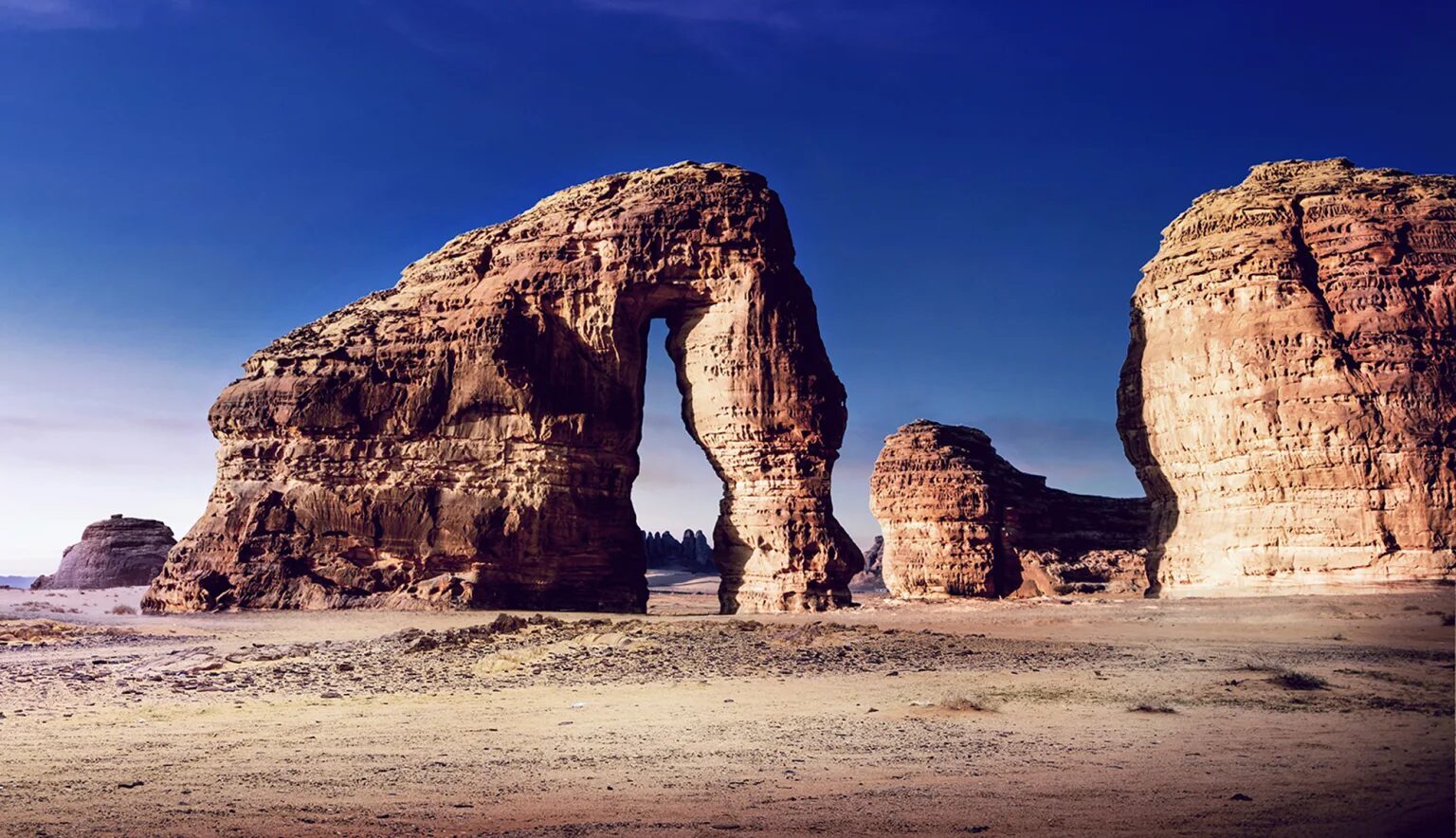
Diriyah (Riyadh suburb): the UNESCO-listed At-Turaif district (the original Saudi capital and founding home of the first Saudi state, beautifully restored). Riyadh: the National Museum, the Kingdom Tower, the Masmak Fortress. Jeddah: the Al-Balad historic quarter (UNESCO, traditional coral-stone houses and wooden-latticed windows), the Jeddah Corniche, the King Fahd Fountain (one of the world's tallest). Al-Ula: Hegra (Mada'in Saleh, Nabataean rock-cut tombs contemporary with Petra in Jordan, UNESCO, extraordinary and much less visited than Petra), and the Elephant Rock natural monument. NEOM region (under construction). The Empty Quarter (Rub' al Khali) desert: the world's largest sand desert, accessible from Riyadh with 4x4.
Frequently Asked Questions
Do US citizens need a visa for Saudi Arabia?
Yes, but it is easily obtained online. Apply at visa.visitsaudi.com for the Saudi tourist eVisa. Cost: approximately $120 USD (SAR 450). Applications are typically approved instantly. No embassy visit required.
Can Americans drink alcohol in Saudi Arabia?
No. Alcohol is strictly prohibited throughout Saudi Arabia. There are no exceptions for tourists. Non-alcoholic options (soft drinks, fresh juices, Arabic coffee, tea) are widely available and the food culture is excellent without alcohol.
Is Al-Ula worth visiting for Americans?
Yes. Al-Ula and Hegra (Mada'in Saleh) are one of the world's great undiscovered archaeological experiences. The Nabataean rock-cut tombs at Hegra are as impressive as Petra (Jordan) but receive a fraction of the visitors. The surreal sandstone landscape, the Elephant Rock formation, and the growing luxury resort infrastructure make Al-Ula one of the world's most exciting new tourism destinations.