Samoa Visa RequirementsFor United States passport holders
US passport holders can visit Samoa (independent state) visa-free for up to 60 days. Note that American Samoa is a US territory and is a separate destination.
Great news! United States passport holders can enter Samoa without a visa for tourism or business purposes. You can stay up to 60 days.
No visa is required. Carry your valid US passport (valid for at least 6 months beyond stay), return or onward ticket, and proof of accommodation. A travel entry fee (ETA) of SAT 40 (approximately $14) is collected on arrival. Entry can be extended beyond 60 days by applying to the Immigration Division in Apia.
Entry Requirements
Passport Validity
6 months beyond date of entry
Blank Pages
2 blank pages required
Multiple Entry
Single entry only
Work Permitted
No - requires work visa
Required Documents
Valid US Passport
Must be valid for at least 3-6 months beyond your planned departure date (varies by country)
Return or Onward Ticket
Proof of departure from the country, such as a return flight or onward travel booking
Proof of Accommodation Recommended
Hotel reservation, Airbnb booking, or address where you will be staying
Proof of Sufficient Funds Recommended
Credit cards, bank statements, or cash to cover expenses during your stay
Travel Insurance Recommended
Recommended for all international travel covering medical emergencies
Travel Essentials
Health & Safety
Safety Rating
Vaccinations
Hepatitis A and B, typhoid recommended.
Tap Water
Bottled water recommended
Safety Tips
Samoa is very safe for tourists with low crime rates. Main concerns are ocean currents and sun exposure. Sunday is sacred - most activities and businesses close.
Money & Costs
Currency
WS$ Samoan Tala (WST)
Daily Budget (USD)
Budget: $50 · Mid: $120 · Luxury: $300+
Tipping
Tipping is not customary in Samoan culture.
Practical Info
Power
Type I, 230V
Driving
Left side
Emergency
999 (police), 998 (fire), 996 (ambulance)
Getting There
Main Airports
Apia (APW)
Culture & Travel Tips
Best Time to Visit
Samoa has a tropical climate with a wet season (November-April) and dry season (May-October). The dry season offers the most pleasant conditions for beach activities and exploring the islands, with less humidity and minimal rainfall. Temperatures remain warm year-round (26-30°C/79-86°F). The wet season brings afternoon thunderstorms and cyclone risk, though mornings are often clear and prices lower. Traditional village visits and cultural experiences are available year-round. The Teuila Festival in September showcases Samoan culture with fire knife dancing, traditional singing, and canoe races.
Cultural Notes
Samoa (formerly Western Samoa) maintains strong traditional culture under the faasamoa (Samoan way) - the matai (chief) system governs village life, extended families share resources, and communal values prevail over individualism. Church is central to community life; Sunday is sacred with elaborate services followed by family feasts. Traditional Samoan society is hierarchical and protocol-driven - respect for elders and chiefs is paramount. The ava (kava) ceremony welcomes guests formally. Tattooing (tatau) is a rite of passage for men, with complex patterns covering legs and torso. Fire knife dancing originated here for warrior training. Samoa was the first Pacific nation to gain independence (1962). The date line adjustment in 2011 moved Samoa from the last to the first country to see each day.
Insider Tips
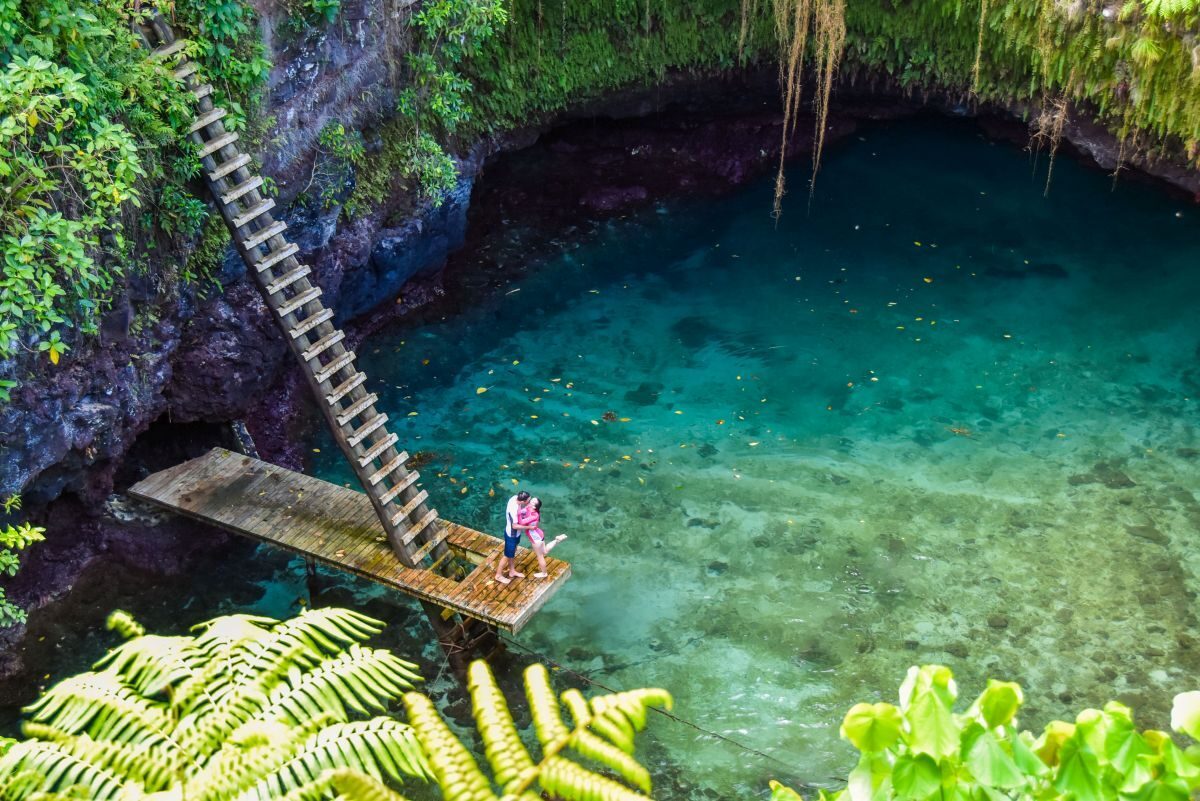
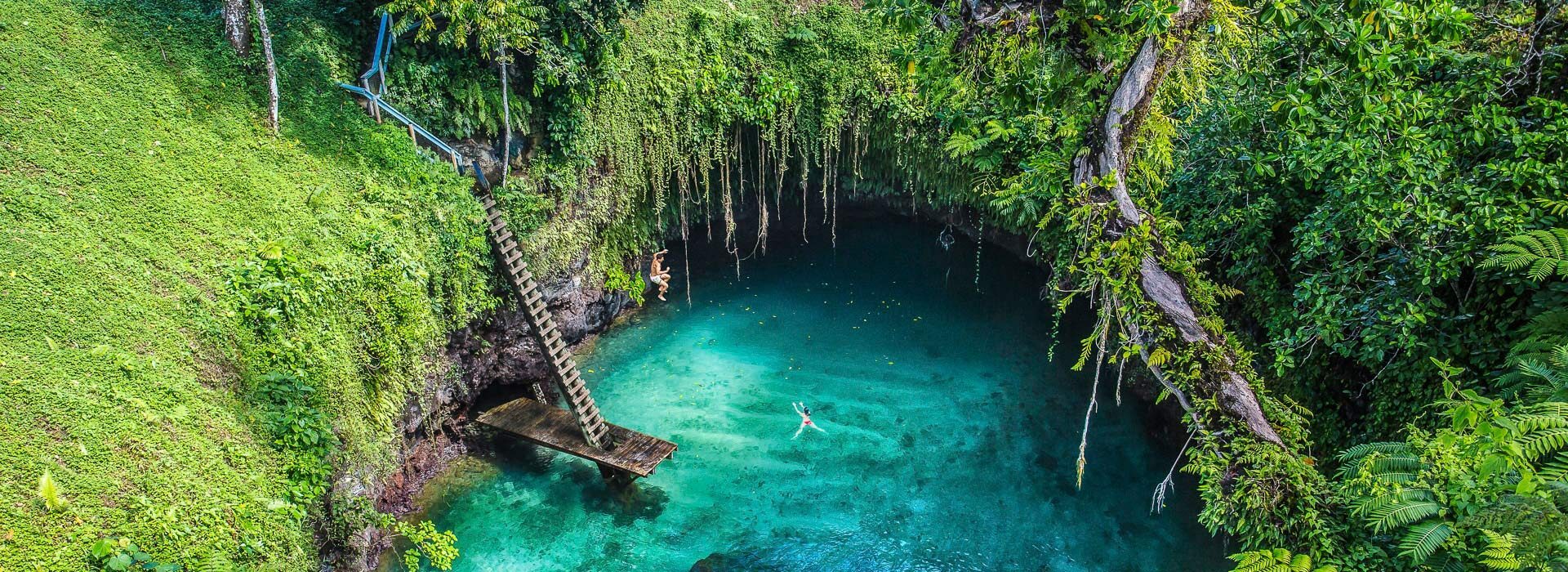
Samoa offers an authentic Polynesian experience largely untouched by mass tourism. Upolu, the main island, has the capital Apia, Robert Louis Stevensons former home, and beautiful beaches. Savaii is larger, less developed, and more traditional with volcanic landscapes and ancient star mounds. Beach fales (traditional open-air huts) offer affordable accommodation right on the sand. To Sua Ocean Trench, a stunning natural swimming hole, is a highlight. Transportation is limited - rent a car or use the occasional bus. The Samoan tala is the currency. English is widely spoken alongside Samoan. Sunday is strictly observed with church services and family gatherings; expect closures. Traditional tattooing remains important in Samoan culture.
Current Travel Situation
United States to Samoa: What You Need to Know
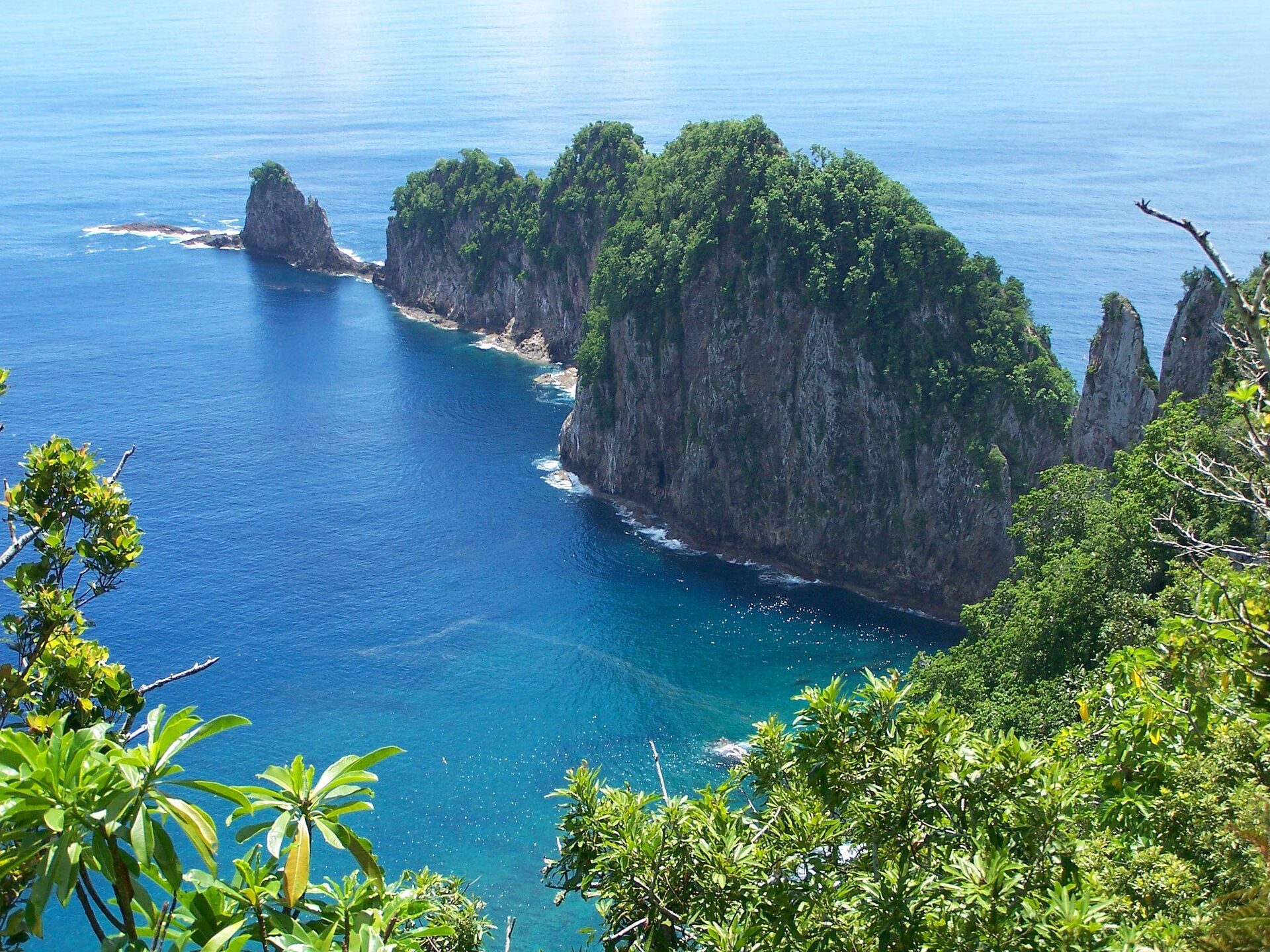
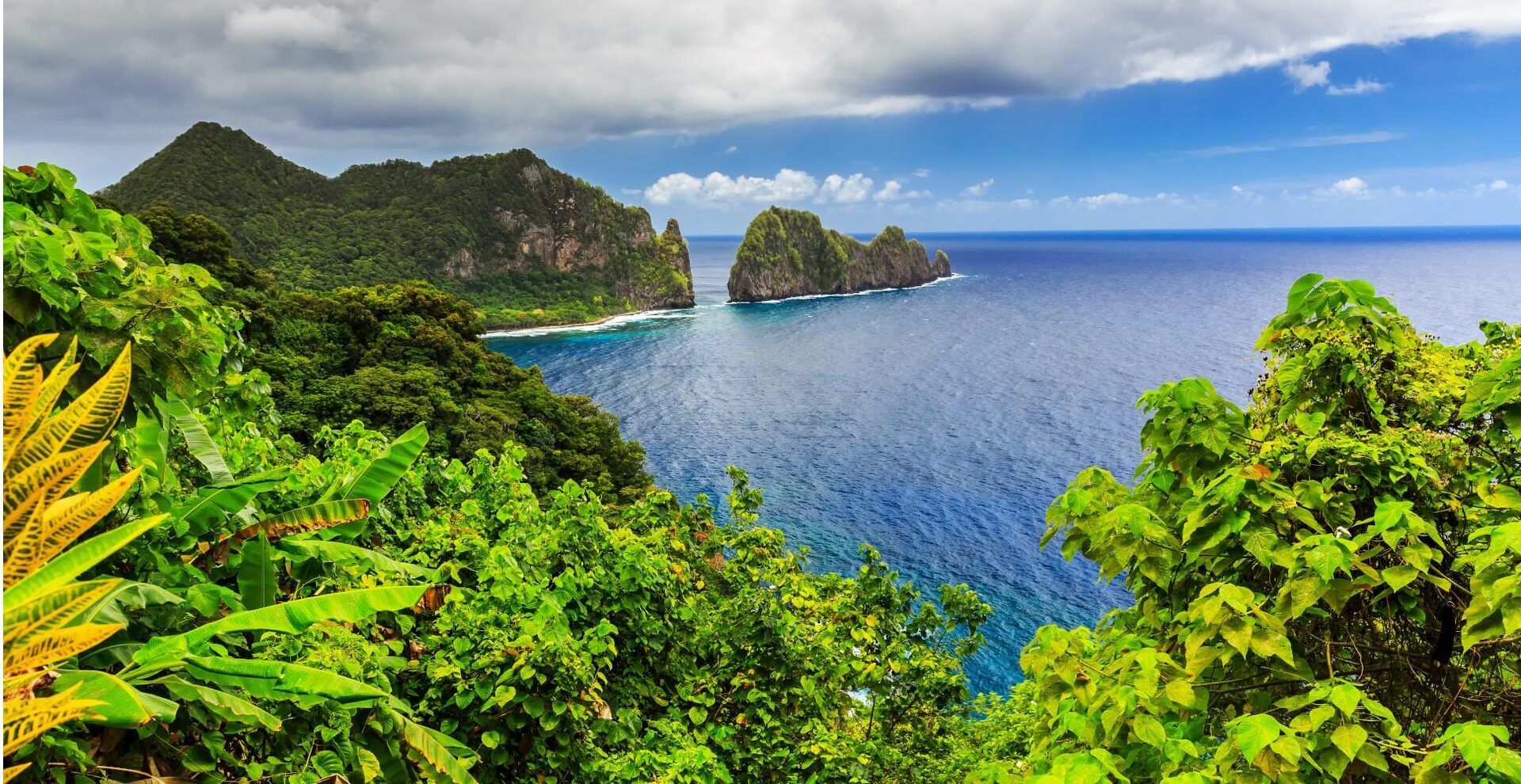
Samoa (the independent nation, formerly Western Samoa) consists of two main islands: Upolu and Savaii. Faleolo International Airport (APW) on Upolu serves as the main gateway. Direct flights from the US are not available; most travelers connect through Fiji (Nadi), Auckland (New Zealand), or Sydney (Australia). Samoa is known for its traditional Fa'a Samoa culture, pristine beaches, blowholes, waterfalls, and the To Sua Ocean Trench. The US State Department has a Level 1 advisory (Exercise Normal Precautions). Note: American Samoa (a US territory, AS/PPG airport) is a separate destination. US citizens do not need a passport there, but it is very difficult to reach from the independent nation of Samoa.
How to Get There
Auckland (AKL) and Sydney (SYD) are the primary hubs with Air New Zealand and Samoa Airways connections to Apia (APW). Fiji (NAN) also has connections via Fiji Airways. From the US West Coast, routing through Honolulu or Los Angeles to Auckland/Sydney and then to Samoa is typical. Total travel time from the US is 18-24 hours.
Money & Banking
Samoa uses the Samoan Tala (WST). USD is not widely accepted; exchange at banks or the airport. ATMs are available in Apia; outside the capital carry cash. Samoa is very affordable: a local restaurant meal (chop suey, palusami, oka) costs $5-10, guesthouses (fales on the beach) run $30-80/night all-inclusive with meals, and local transport is inexpensive. International resorts are pricier.
Practical Tips
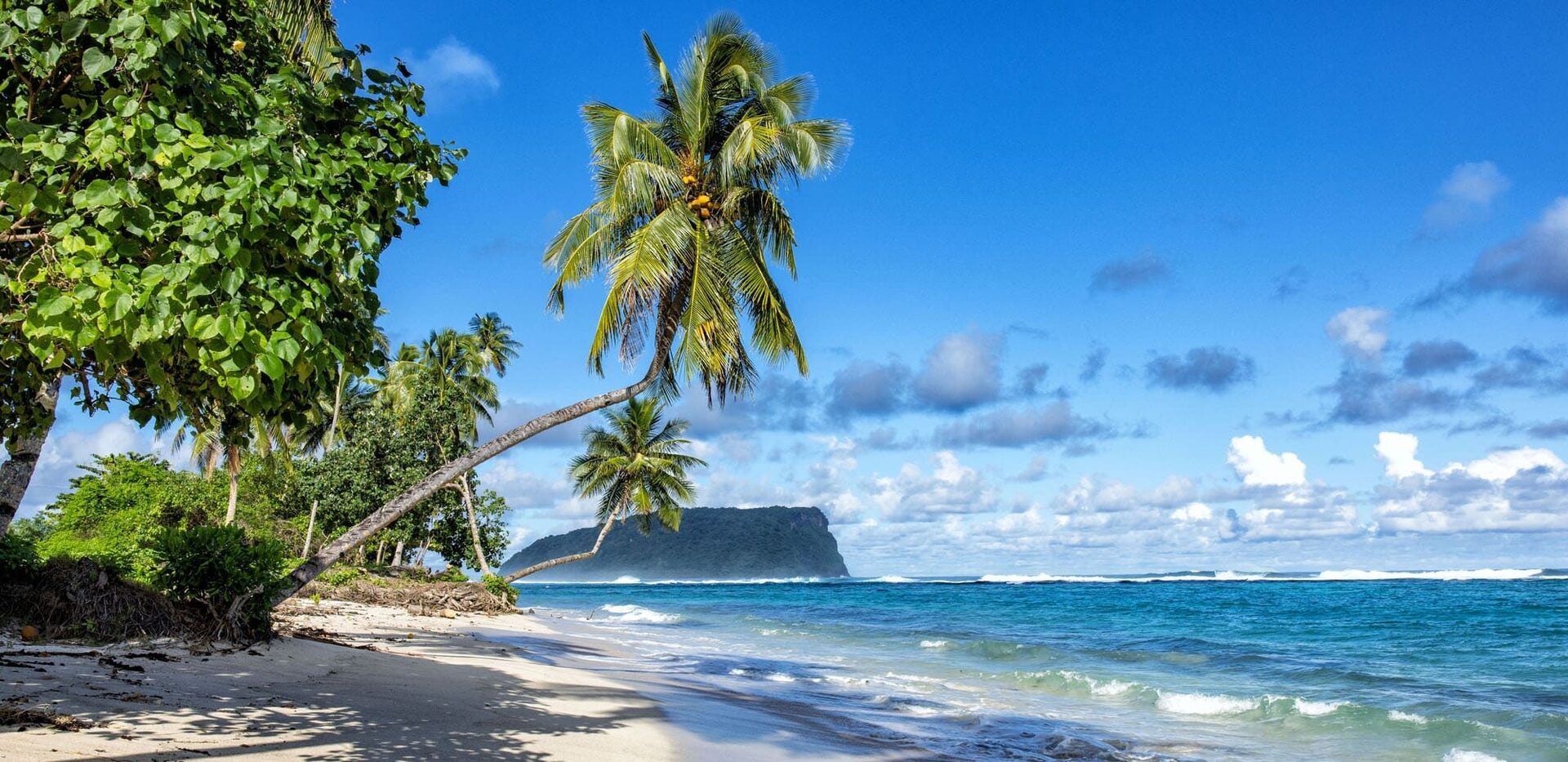
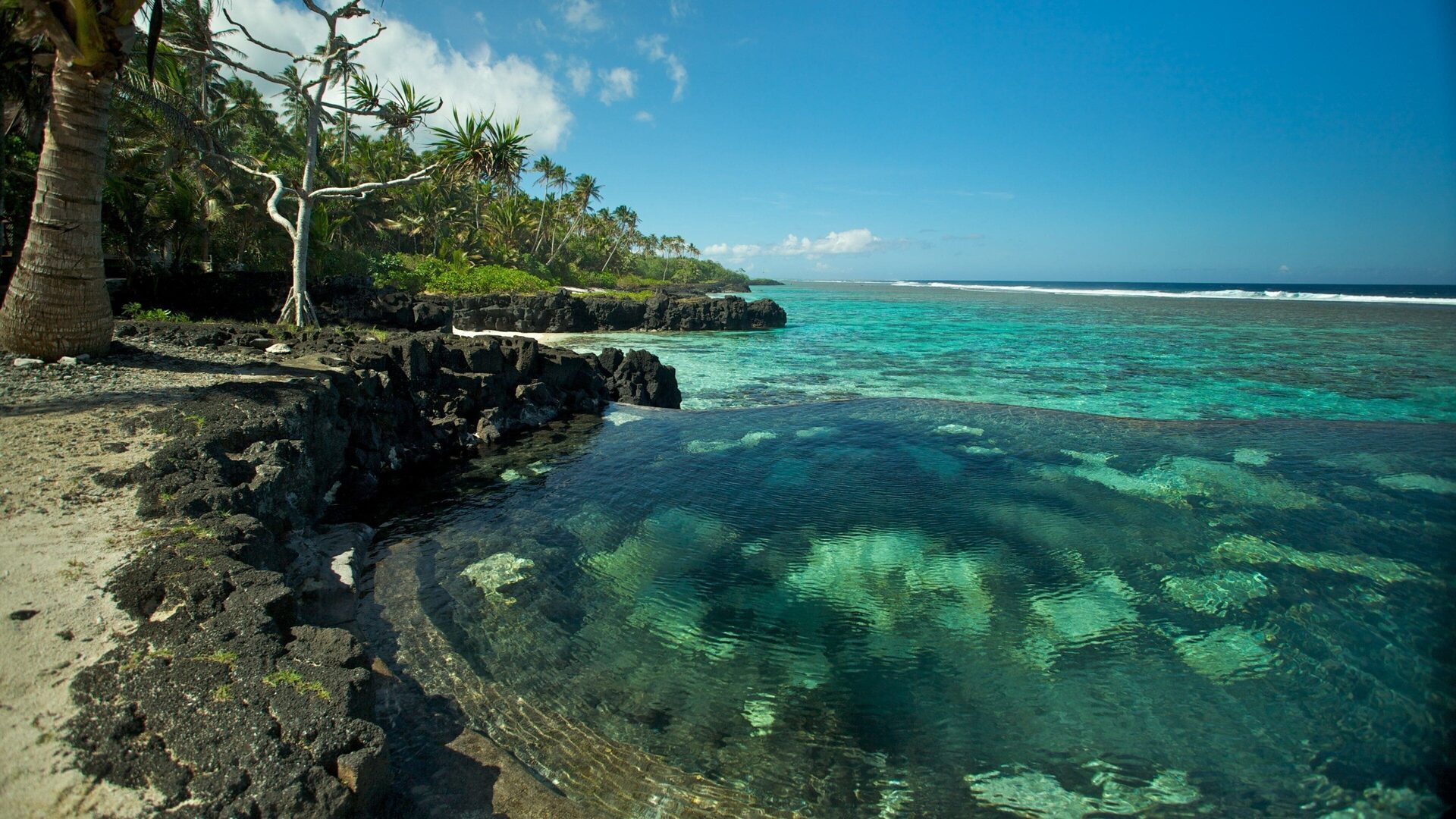
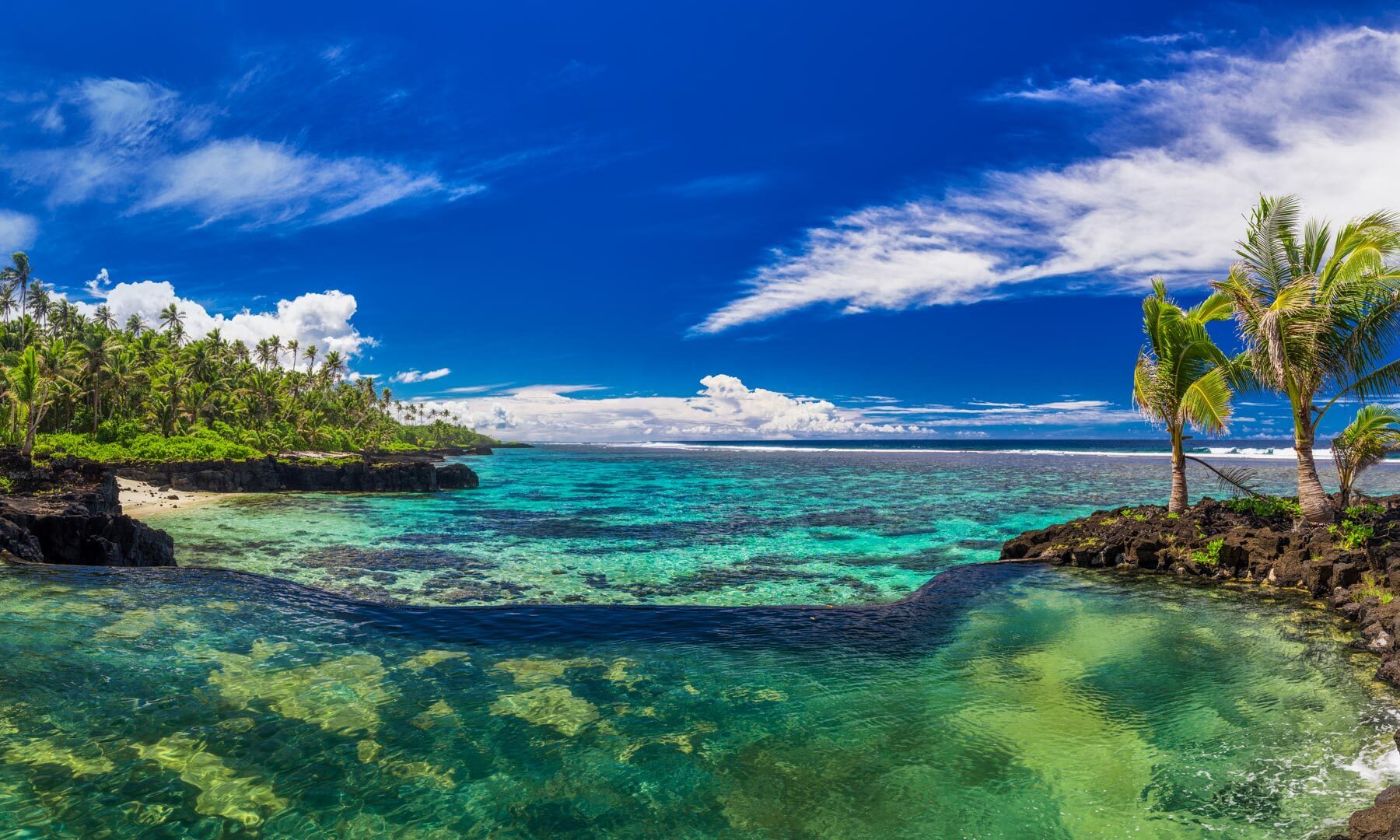
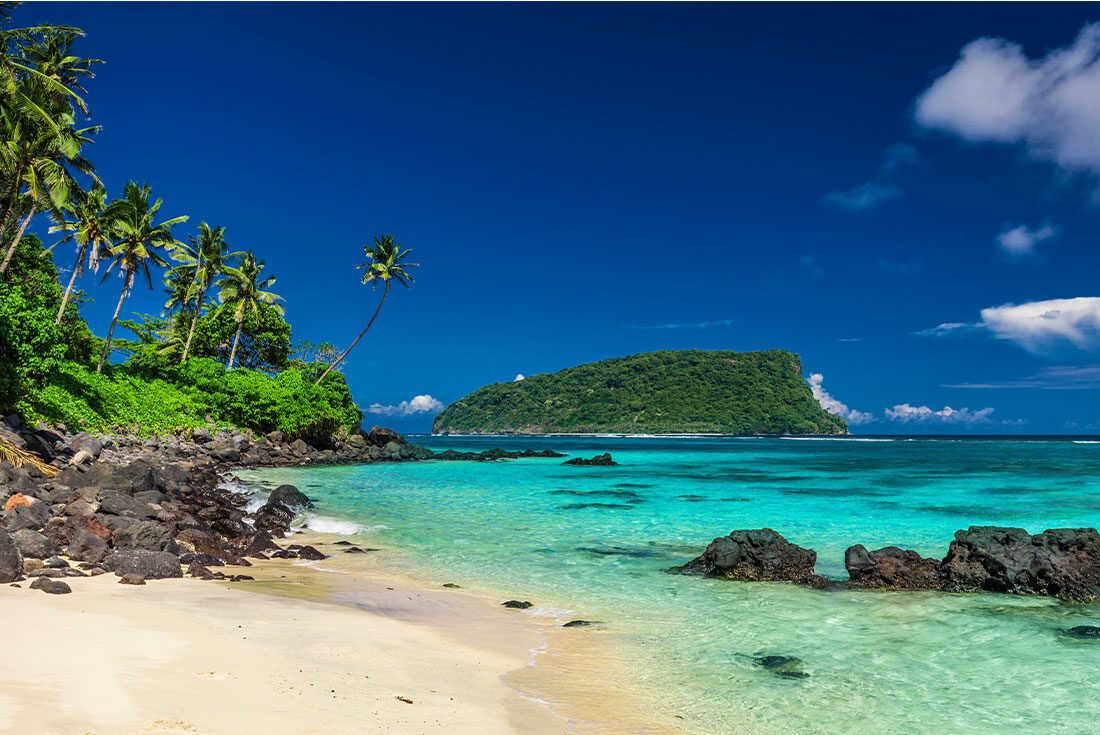
Apia is a small, relaxed capital with the Robert Louis Stevenson Museum (the author spent his final years in Samoa) and Palolo Deep Marine Reserve for snorkeling. The To Sua Ocean Trench on Upolu is an extraordinary natural swimming hole surrounded by terraced gardens. The south coast beaches (Lalomanu) are some of the Pacific's finest. Savaii Island is larger, more rural, and has lava fields, blowholes (Alofaaga Blowholes), and an extraordinary Polynesian cultural landscape. Traditional village life (fa'a Samoa) and Sunday fiafia feasts are cultural experiences.
Frequently Asked Questions
Is Samoa the same as American Samoa?
No. Samoa (WST currency, APW airport) is an independent nation. American Samoa (AS, PPG airport) is a US territory. They are neighboring but separate destinations. US citizens do not need a passport for American Samoa (US ID is sufficient) but it is difficult to access from the independent state of Samoa without a separate flight.
What is To Sua Ocean Trench?
To Sua (meaning "Big Swimming Hole") is a stunning natural swimming hole about 30 meters deep and 15 meters wide, surrounded by lush gardens and a terraced platform for diving. It is accessed by a long wooden ladder. Located on the south coast of Upolu near Lalomanu, it is Samoa's most iconic attraction. Entry fee applies.
What is fa'a Samoa?
Fa'a Samoa means "the Samoan way" -- the traditional social structure and cultural practices that remain central to Samoan life including communal living, respect for elders and chiefs (matai), Christian observance, and hospitality to guests. Village customs must be respected when visiting: ask before entering villages, dress modestly, and observe Sunday quiet hours.