Russia Visa RequirementsFor United States passport holders
US citizens require a visa to visit Russia. Travel is strongly discouraged due to the ongoing war in Ukraine, detention risks for Americans, and severe travel restrictions. The US State Department has issued a Level 4 "Do Not Travel" advisory for Russia.
United States passport holders require a visa to enter Russia.
A Russian tourist visa requires: a formal invitation letter (from a hotel, tour operator, or individual), a completed application, passport photos, and payment (approximately $160 for a single-entry 30-day tourist visa). Applications go through the Russian consulate or embassy in the US; though consular services are severely curtailed due to diplomatic expulsions. Processing times are unpredictable. E-visa access for Americans was suspended in 2022.
Entry Requirements
Passport Validity
6 months beyond date of entry
Blank Pages
2 blank pages required
Multiple Entry
Single entry only
Work Permitted
No - requires work visa
Required Documents
Valid US Passport
Must be valid for at least 6 months beyond your planned stay with at least 2 blank pages for visa stamps
Completed Visa Application Form
Fill out the official visa application form from the embassy or consulate
Passport-size Photos
Two recent color photos (2x2 inches or 35x45mm) with white background, taken within last 6 months
Proof of Accommodation
Hotel reservations, rental agreement, or invitation letter with host address
Proof of Sufficient Funds
Recent bank statements (last 3 months), credit card statements, or sponsorship letter
Round-trip Flight Itinerary
Confirmed return or onward flight booking showing departure from the country
Employment or Business Letter
Letter from employer stating position, salary, and approved leave dates, or business registration documents
Travel Insurance Recommended
Comprehensive travel insurance covering medical expenses and emergency evacuation
Cover Letter Recommended
Personal letter explaining purpose of visit, itinerary, and ties to home country
Travel Essentials
Health & Safety
Safety Rating
Vaccinations
Hepatitis A, tick-borne encephalitis.
Tap Water
Bottled water recommended
Safety Tips
CHECK TRAVEL ADVISORIES. Currently complicated due to geopolitical situation. Tourist areas historically safe.
Money & Costs
Currency
₽ Russian Ruble (RUB)
Daily Budget (USD)
Budget: $40 · Mid: $100 · Luxury: $300+
Tipping
10% appreciated.
Practical Info
Power
Type C, F, 220V
Driving
Right side
Emergency
112
Getting There
Main Airports
St. Petersburg (LED) · Moscow (SVO)
Culture & Travel Tips
Best Time to Visit
Russia vast territory spans 11 time zones with climates ranging from Arctic to subtropical. For most visitors, late spring (May-June) and early autumn (September) offer the best conditions for Moscow and St. Petersburg - comfortable temperatures, long days (especially during White Nights in June), and manageable crowds. Summer (July-August) is warm but peak season with higher prices. Russian winters are legendary - beautiful with snow-covered onion domes but brutally cold (down to -30°C/-22°F). The Trans-Siberian Railway is best June-September. Note: Due to the ongoing conflict in Ukraine, many countries have issued travel warnings, flight restrictions apply, and visa/payment options are severely limited.
Cultural Notes
Russian culture is rich and complex, shaped by Orthodox Christianity, Tsarist grandeur, Soviet ideology, and recent developments. Literature, ballet, classical music, and visual arts are points of immense national pride - Tolstoy, Dostoevsky, Tchaikovsky, and the Bolshoi represent cultural peaks. Russians can seem stern initially but are warm once trust is established. The "Russian soul" concept values depth of emotion and philosophical conversation. Toasting traditions with vodka are elaborate; refusing can offend. The current political situation and conflict in Ukraine have created deep divisions in Russian society and complicated the countrys international relationships. Historical memory, particularly of World War II (the "Great Patriotic War"), is sacred.
Insider Tips
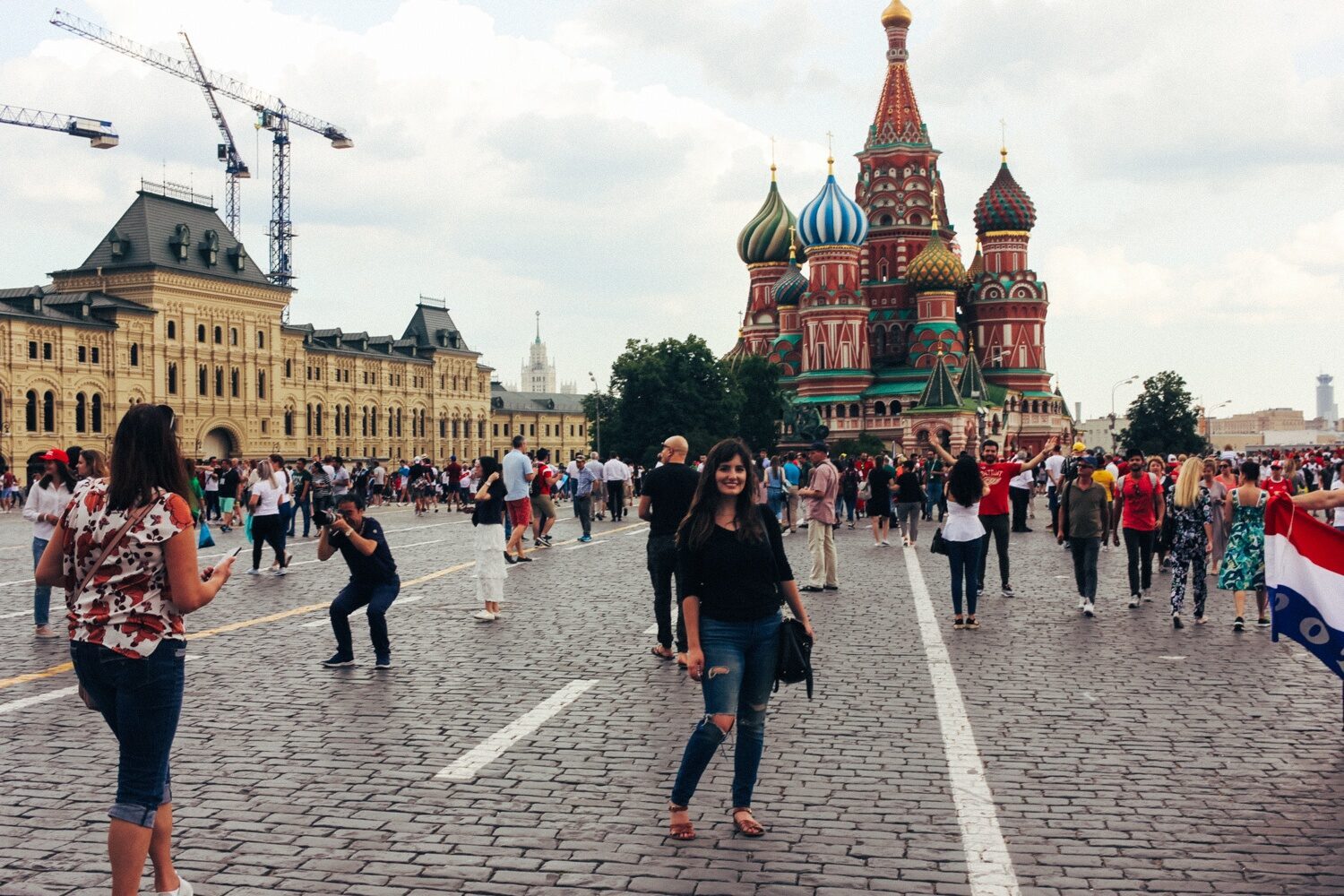
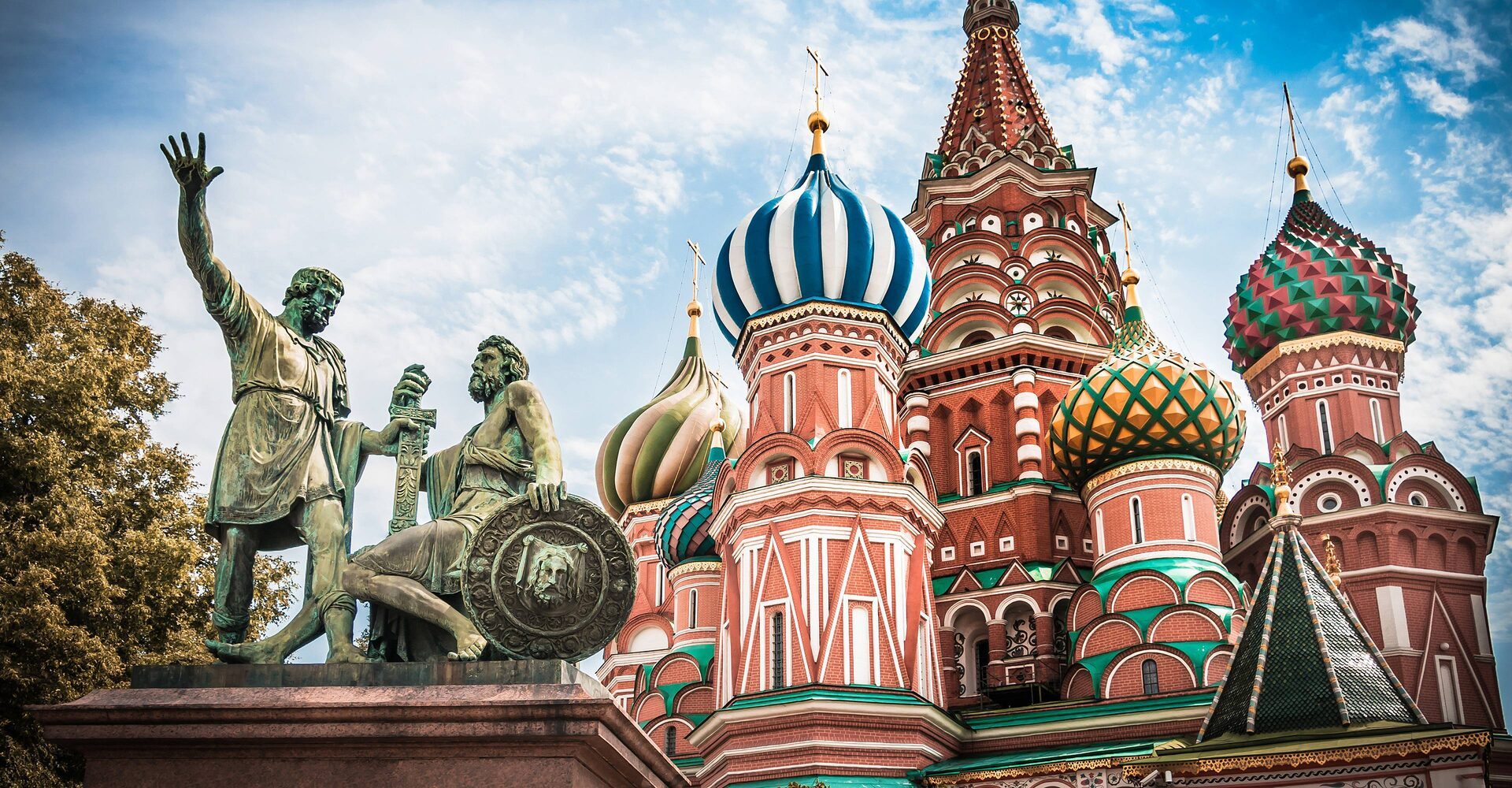
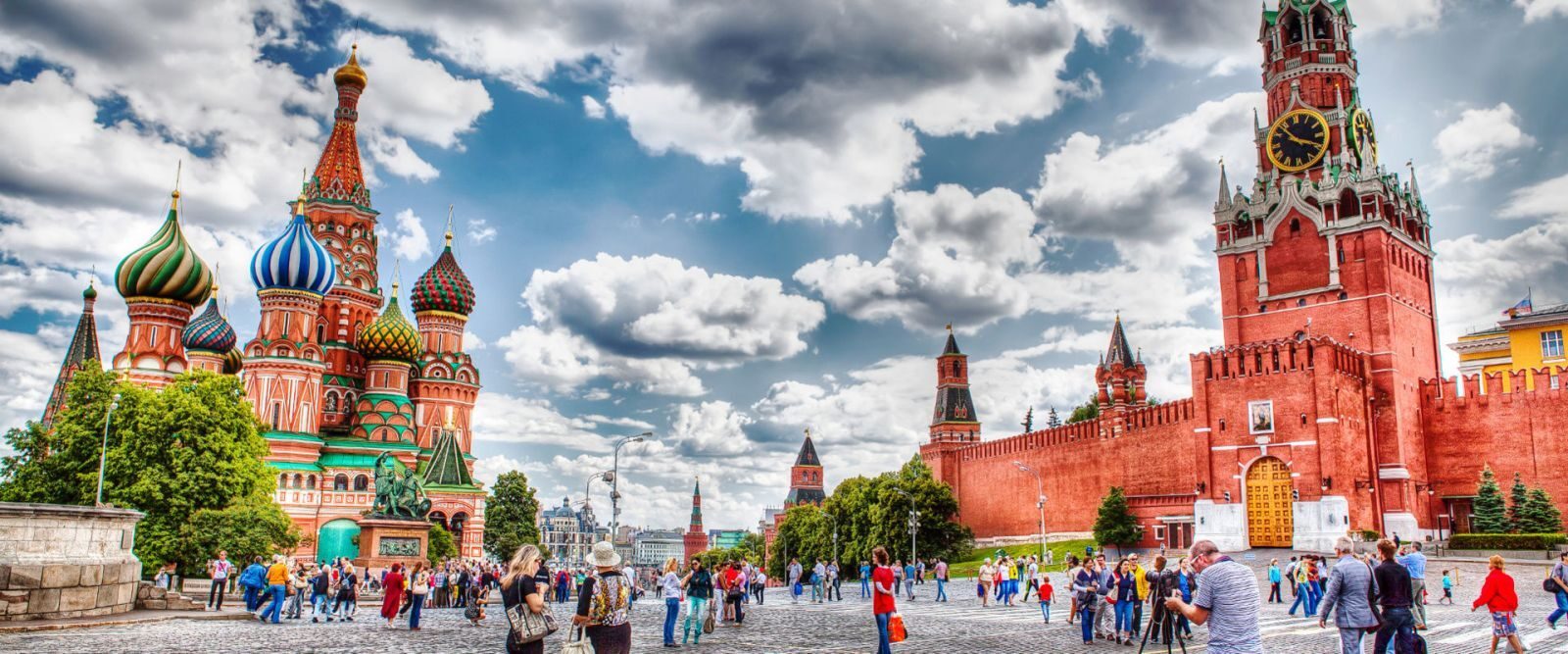
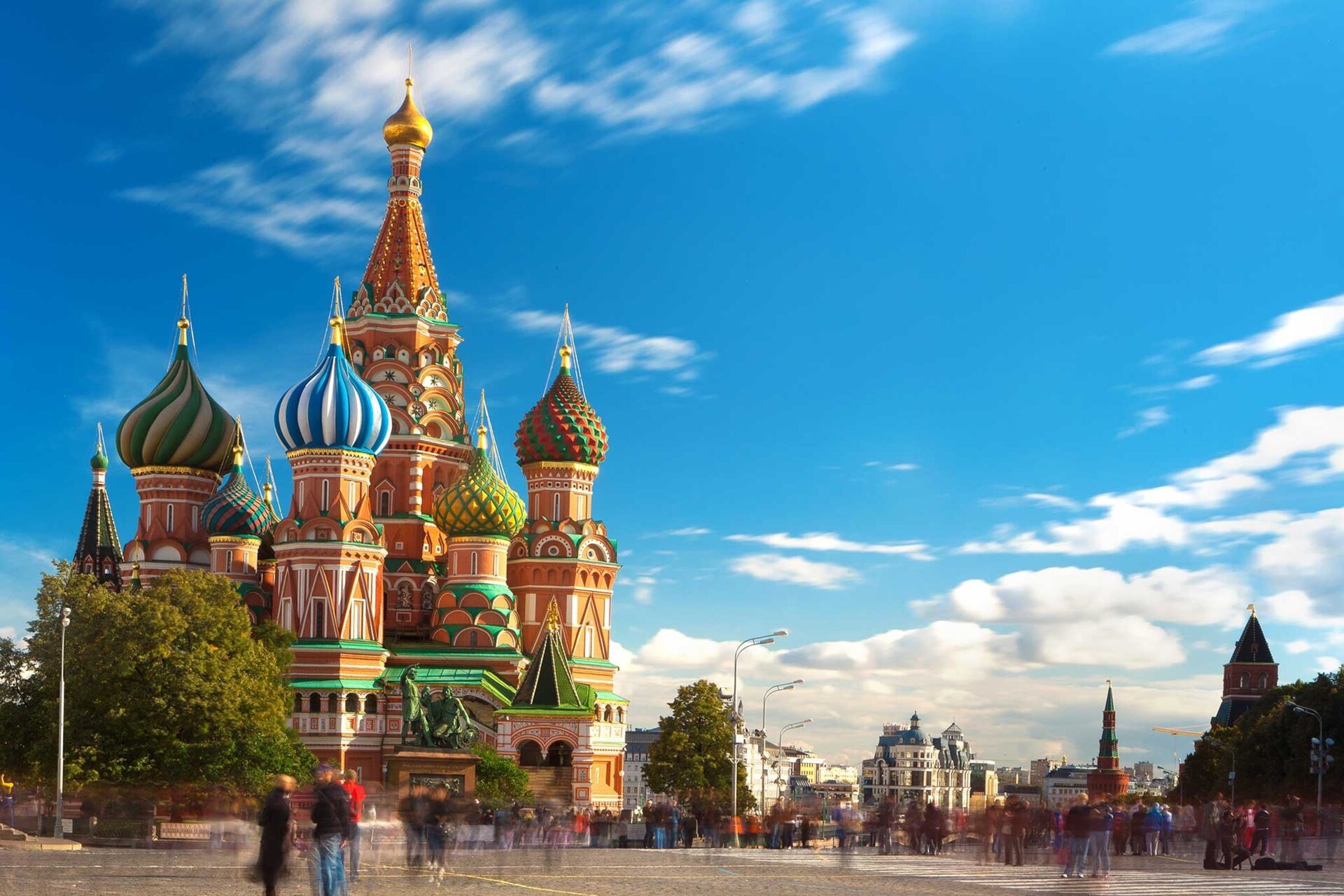
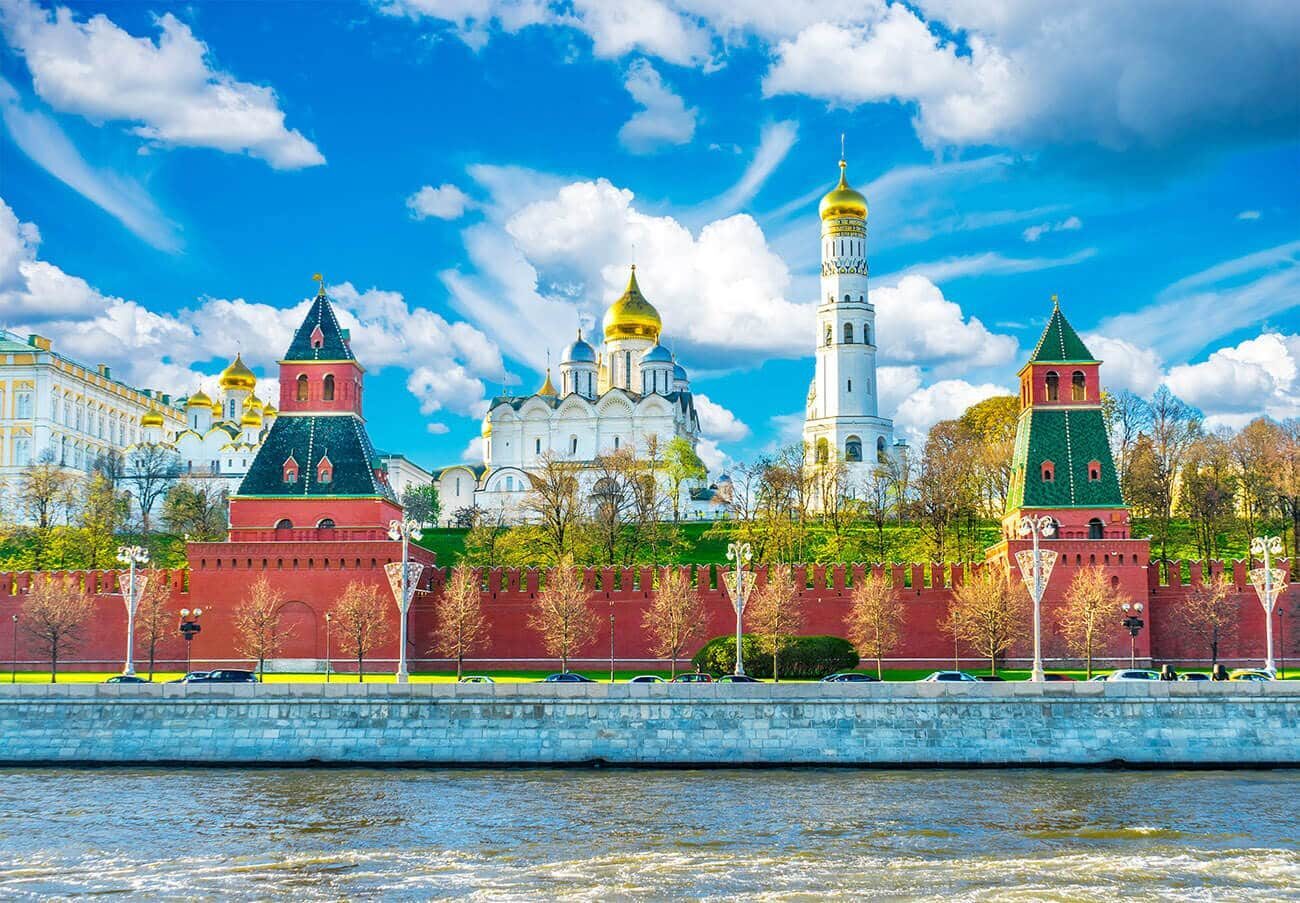
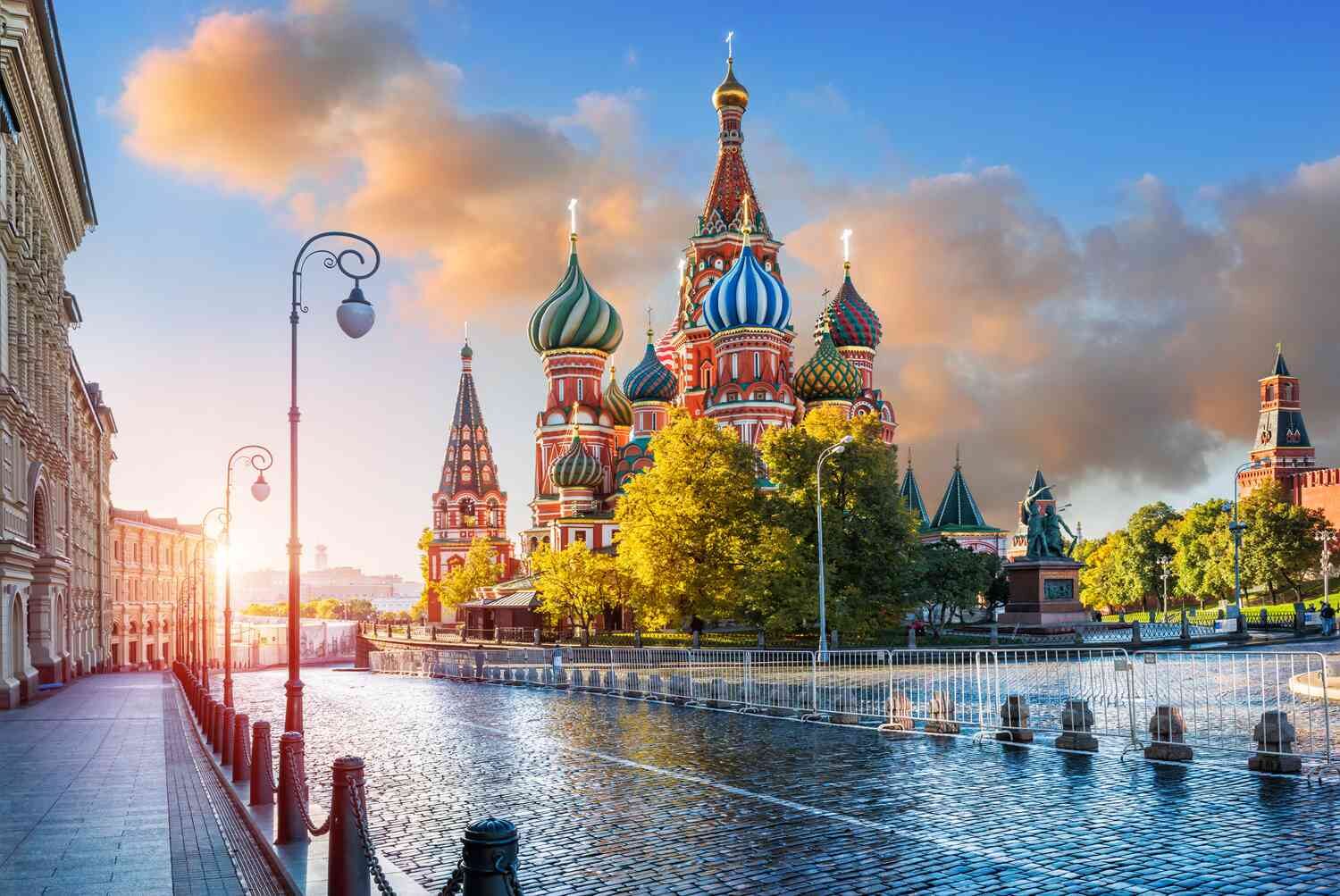
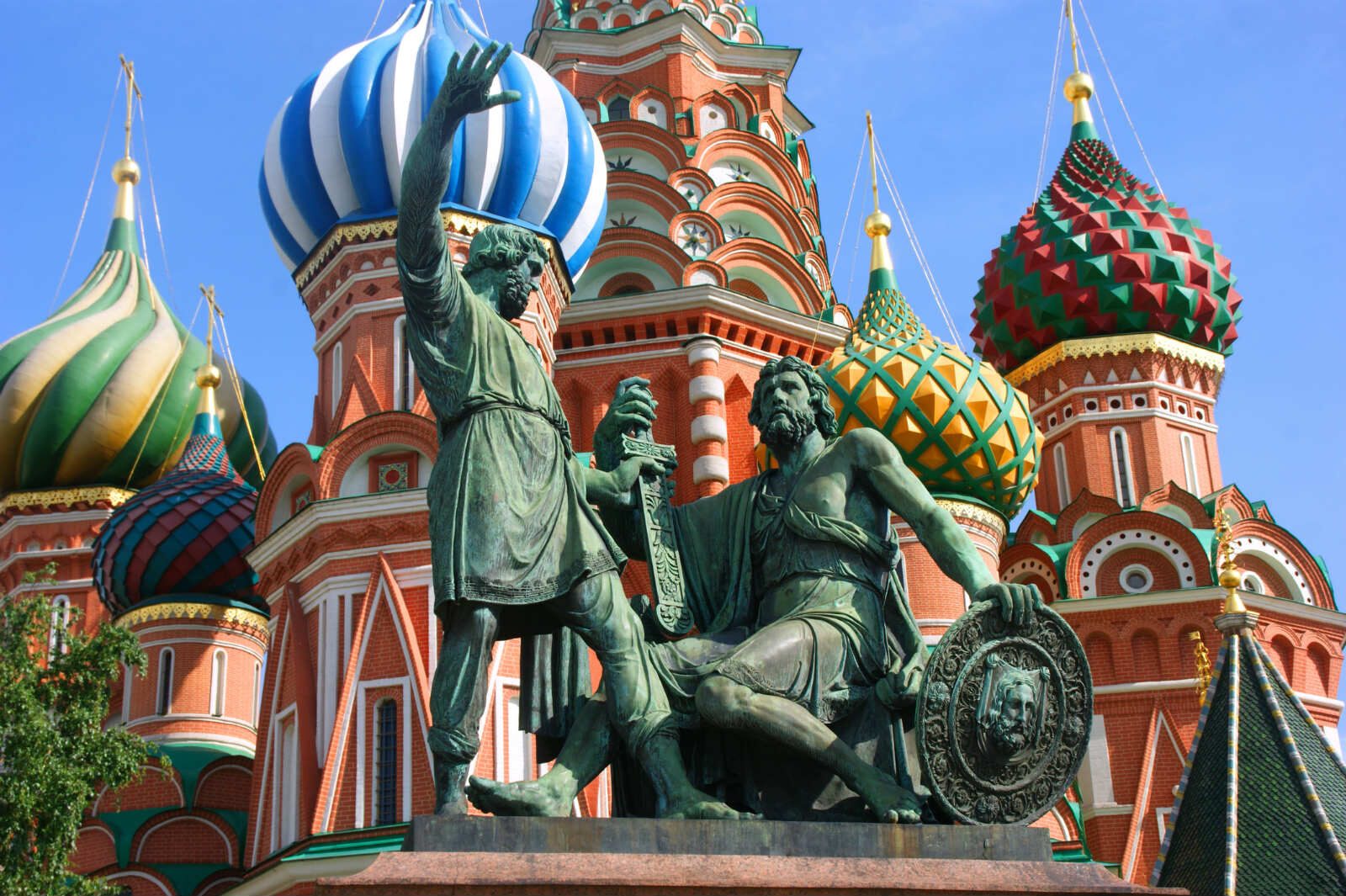
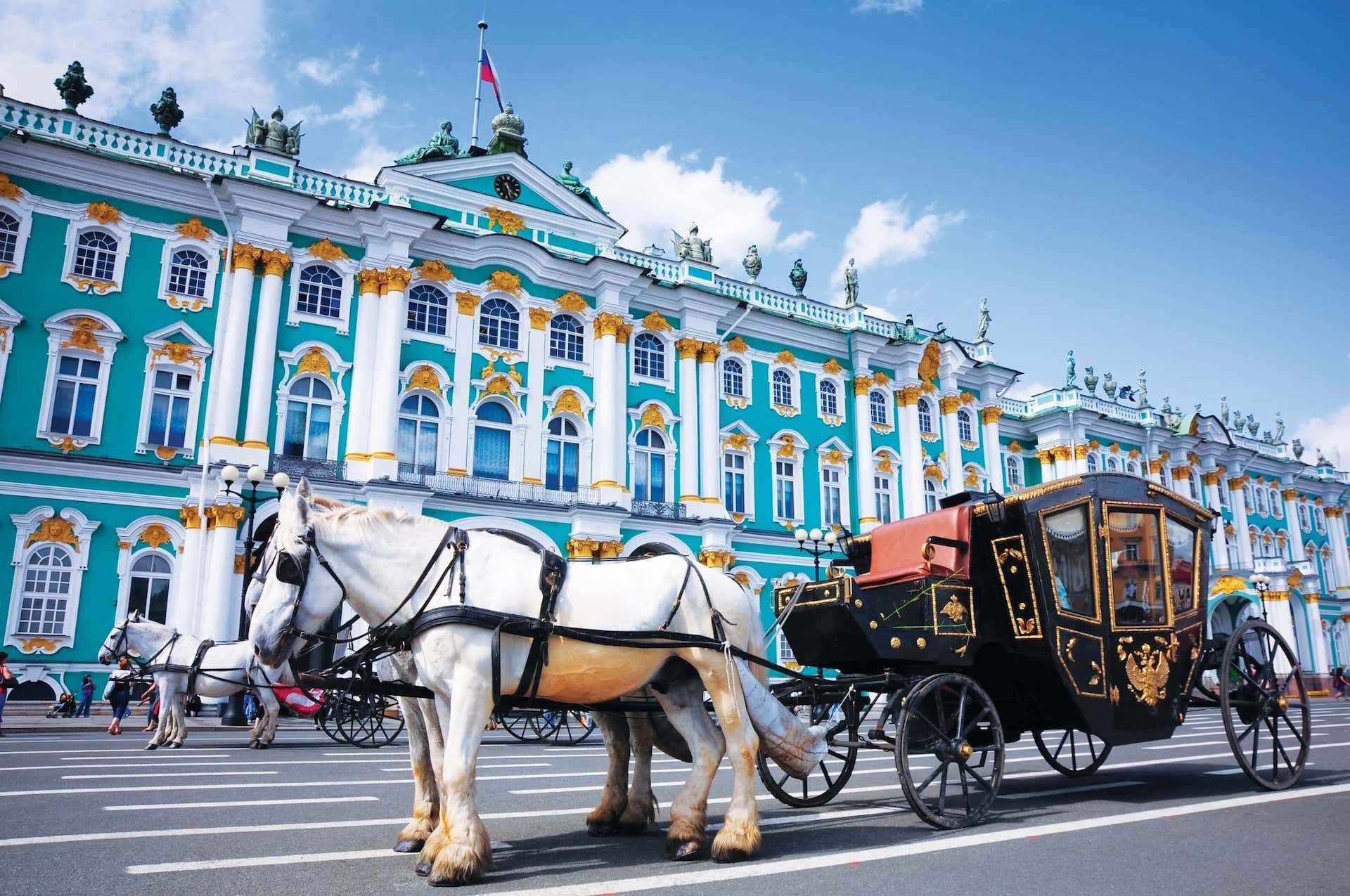
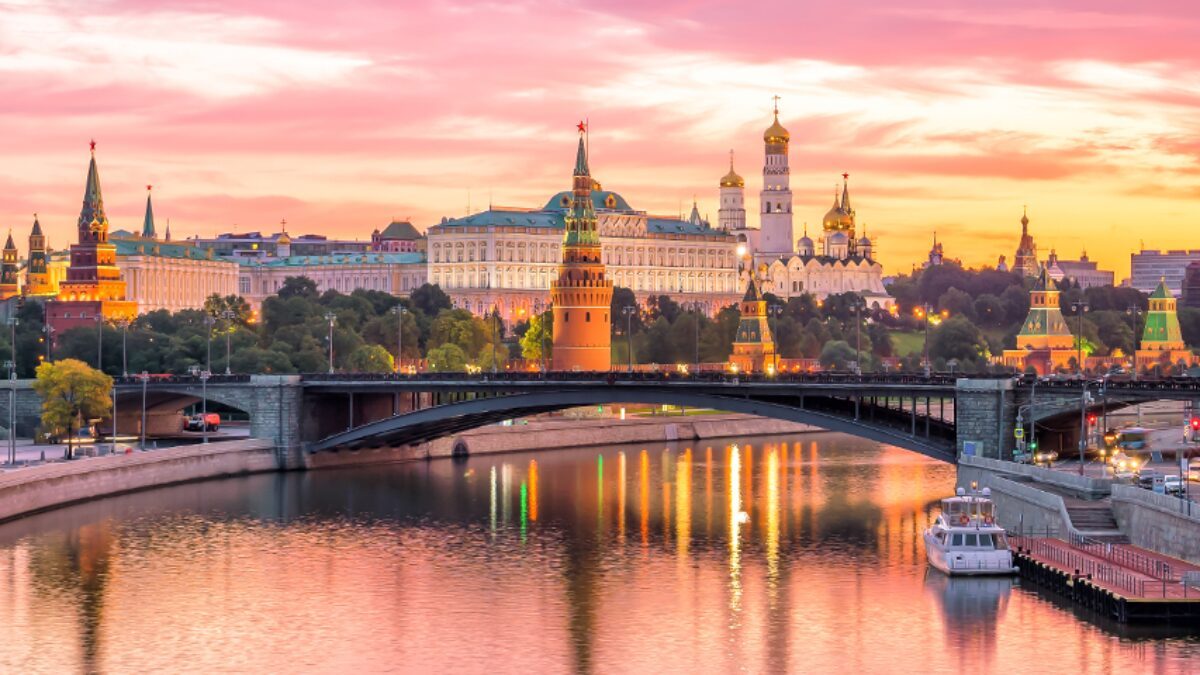
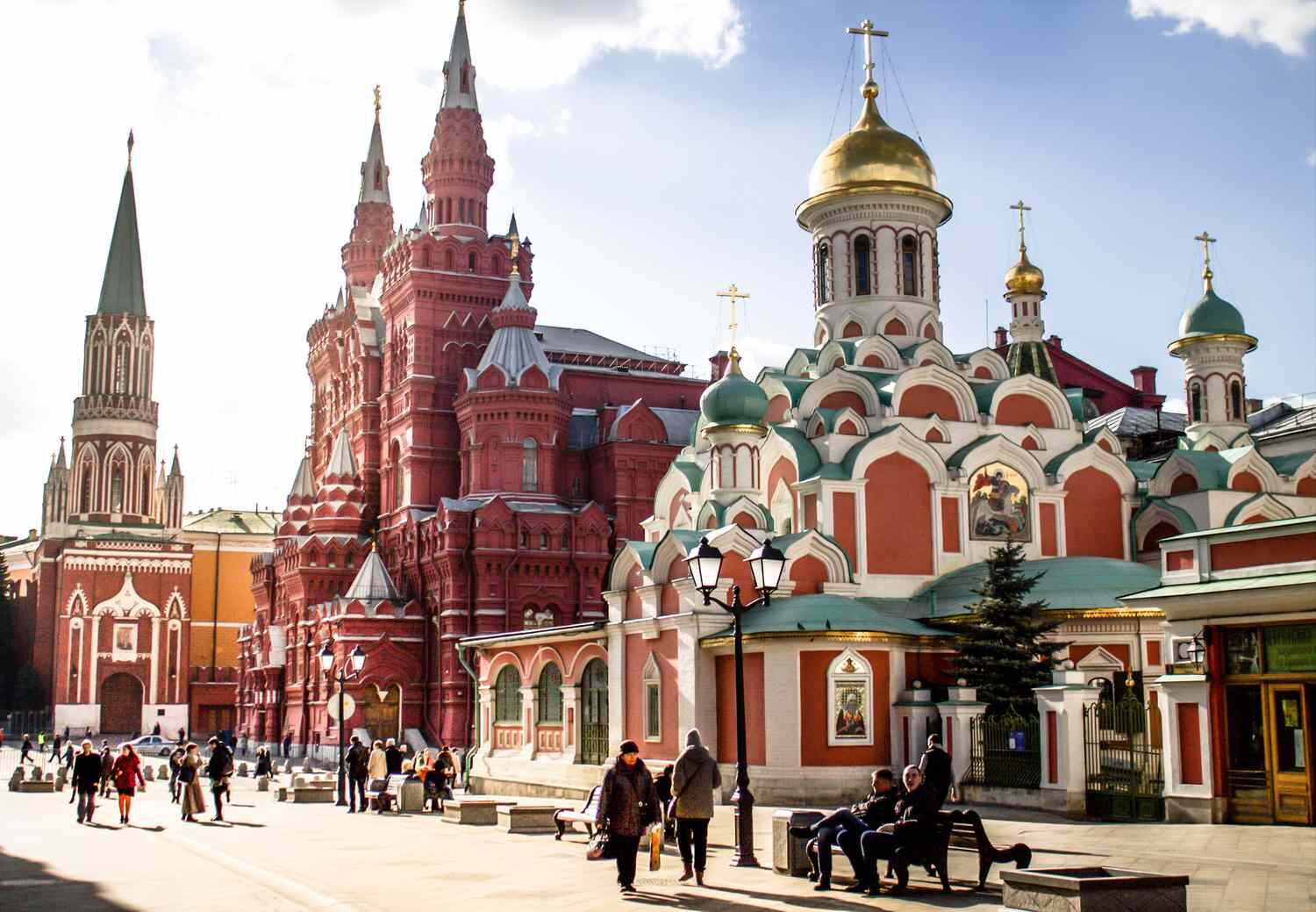
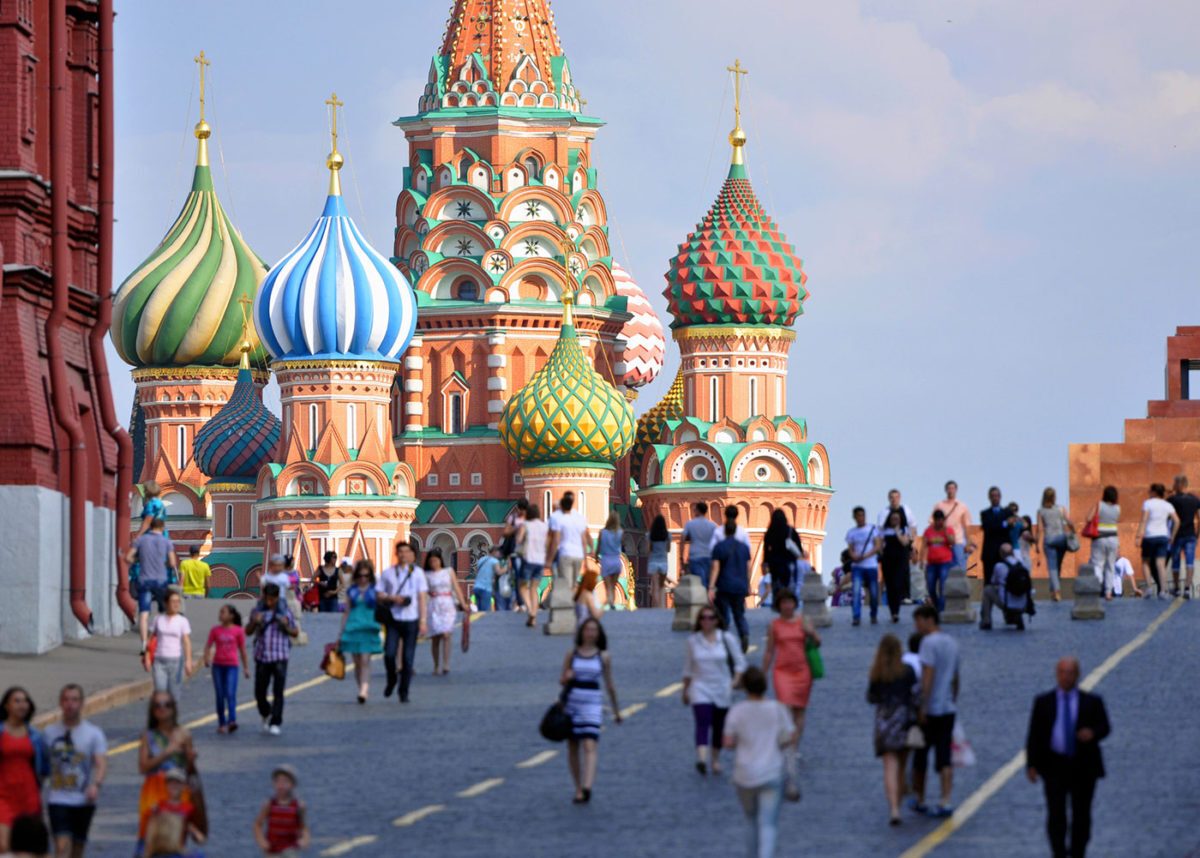
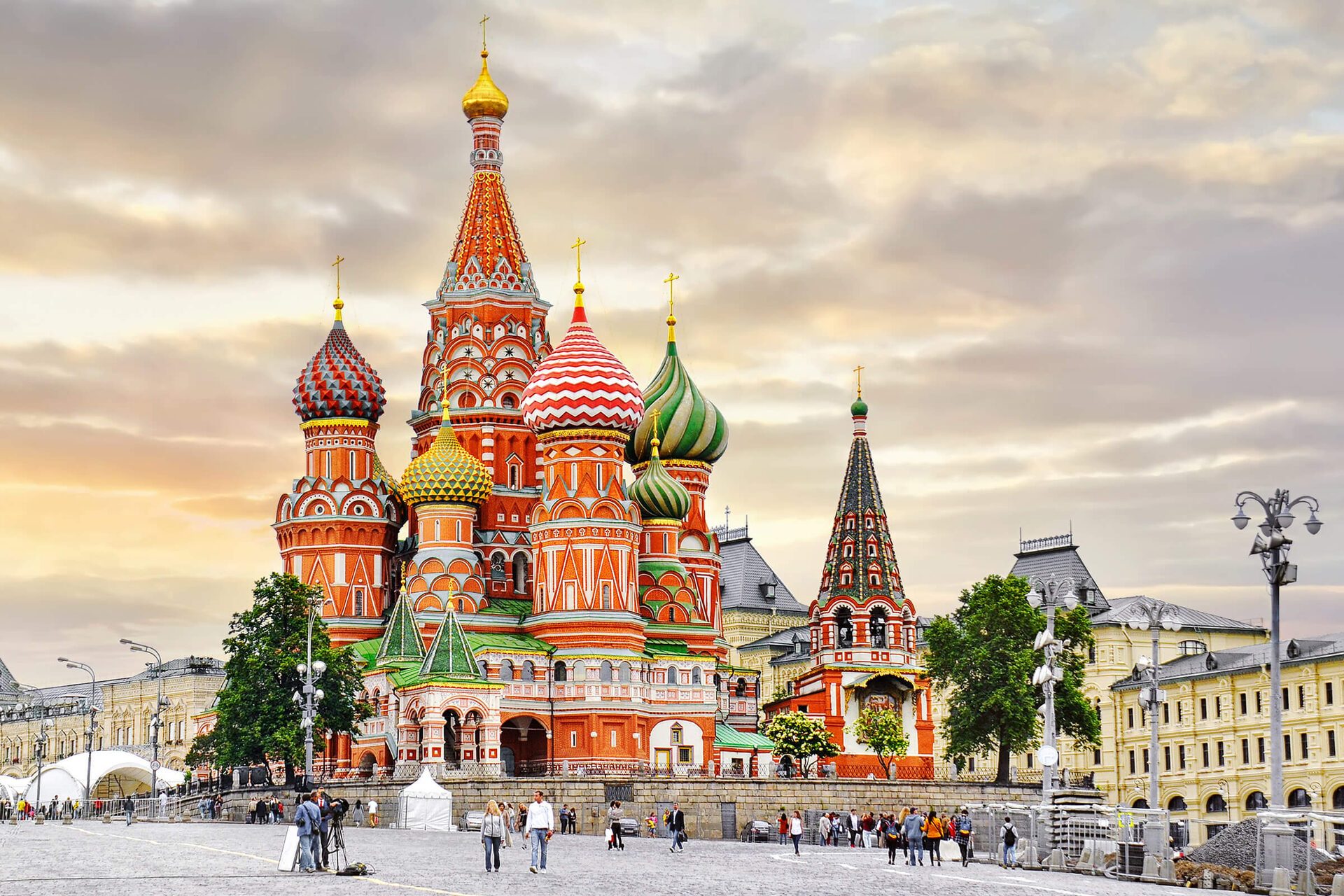
IMPORTANT: Due to the conflict in Ukraine since 2022, travel to Russia faces significant challenges including limited flight connections, card payment issues (Visa/Mastercard suspended), and diplomatic tensions affecting visa processing and traveler safety. Check current government advisories. For historical reference: Russia offers incredible cultural treasures - the Hermitage, Red Square, Kremlin, and Trans-Siberian Railway. The Moscow metro is an art museum underground. Russian cuisine features borscht, pelmeni, blini with caviar, and vodka. The ruble is the currency. Russian language skills are essential outside major tourist sites. Trains are excellent for long distances. The country is challenging but rewarding for prepared travelers.
Current Travel Situation
United States to Russia: What You Need to Know
Since Russia's invasion of Ukraine in February 2022, US-Russia relations have deteriorated severely. The US government maintains a Level 4 (Do Not Travel) advisory for Russia, its highest warning level. Americans in Russia face significant risks including arbitrary detention, wrongful arrest, and the possibility of being prevented from leaving the country. The dual-nationality problem is particularly acute: Russia does not recognize US citizenship for Russian-American dual nationals. Direct flights between the US and Russia were suspended in 2022 and have not resumed. Russia has expelled diplomatic staff, significantly limiting consular support for detained Americans.
How to Get There
Travel to Russia is not recommended. For those with unavoidable travel (dual nationals, journalist assignments, or specific humanitarian cases), indirect routing through UAE (Dubai), Turkey (Istanbul), or Armenia (Yerevan) was common before the 2022 suspension of direct flights. These connections still exist but involve complex logistics, potential sanctions compliance questions, and significant personal risk.
Money & Banking
Accessing money in Russia is extremely difficult for Americans. US-issued Visa and Mastercard stopped working in Russia in March 2022. American credit or debit cards cannot be used. The Russian banking system is cut off from SWIFT. Travelers must bring sufficient foreign cash (Euros, UAE Dirhams, or Chinese Yuan are most exchangeable). Wire transfers from US banks are blocked. Financial planning for any stay in Russia is very difficult.
Practical Tips
The US State Department strongly advises against all travel to Russia. Americans currently in Russia are urged to depart immediately if it is safe to do so. If you proceed despite the advisory: register with the US Embassy in Moscow via STEP (Smart Traveler Enrollment Program); know that US consular assistance is extremely limited given reduced Embassy staffing; carry copies of all documents; have a clear emergency plan. Dual US-Russian nationals should be aware they may be treated only as Russian citizens inside Russia.
Frequently Asked Questions
Is it safe for Americans to travel to Russia right now?
No. The US State Department has issued a Level 4 "Do Not Travel" advisory for Russia — the highest warning level. Americans in Russia face risks of arbitrary detention, being barred from leaving the country, and severely limited consular support. Travel is strongly discouraged.
Can I use my US credit card in Russia?
No. Visa and Mastercard suspended operations in Russia in March 2022. American credit and debit cards do not work. US travelers would need to bring sufficient foreign cash (Euros, UAE Dirhams) and plan for no card access throughout the trip.
Are there direct flights from the US to Russia?
No. Direct flights between the US and Russia were suspended in 2022 following Russia's invasion of Ukraine. There are no direct routes. Connections previously went through Dubai, Istanbul, or Yerevan but involve complex logistics and significant geopolitical risk.