Romania Visa RequirementsFor United States passport holders
US passport holders can visit Romania visa-free for up to 90 days in any 180-day period. Romania joined the Schengen Area in March 2024.
Great news! United States passport holders can enter Romania without a visa for tourism or business purposes. You can stay up to 90 days.
No visa application is required for US citizens. Carry your US passport (valid throughout your stay), proof of accommodation, return or onward travel, and sufficient funds. As with all Schengen countries, ETIAS is expected to require a EUR 7 pre-travel registration once the system launches in 2025.
Romania is part of the Schengen Area. Your stay counts toward the 90-day limit within any 180-day period for the entire Schengen zone. Learn more about Schengen rules →


Entry Requirements
Passport Validity
6 months beyond date of entry
Blank Pages
2 blank pages required
Multiple Entry
Allowed
Work Permitted
No - requires work visa
Required Documents
Valid US Passport
Must be valid for at least 3-6 months beyond your planned departure date (varies by country)
Return or Onward Ticket
Proof of departure from the country, such as a return flight or onward travel booking
Proof of Accommodation Recommended
Hotel reservation, Airbnb booking, or address where you will be staying
Proof of Sufficient Funds Recommended
Credit cards, bank statements, or cash to cover expenses during your stay
Travel Insurance Recommended
Recommended for all international travel covering medical emergencies
Travel Essentials
Health & Safety
Safety Rating
Vaccinations
Routine vaccines. Tick-borne encephalitis for rural.
Tap Water
Safe to drink
Safety Tips
Generally safe. Watch for pickpockets in cities.
Money & Costs
Currency
lei Romanian Leu (RON)
Daily Budget (USD)
Budget: $35 · Mid: $70 · Luxury: $180+
Cards & ATMs
Widely accepted in cities.
Tipping
10% in restaurants.
Practical Info
Power
Type C, F, 230V, 50Hz
Driving
Right side
Emergency
Emergency: 112
Mobile/SIM
Buy at Orange, Vodafone, Telekom.
Getting There
Airport Transfers
Bucharest: Express bus 3.5 lei/40min, taxi 50-70 lei.
Local Transport
Bucharest has metro. Trains connect cities.
Culture & Travel Tips
Best Time to Visit
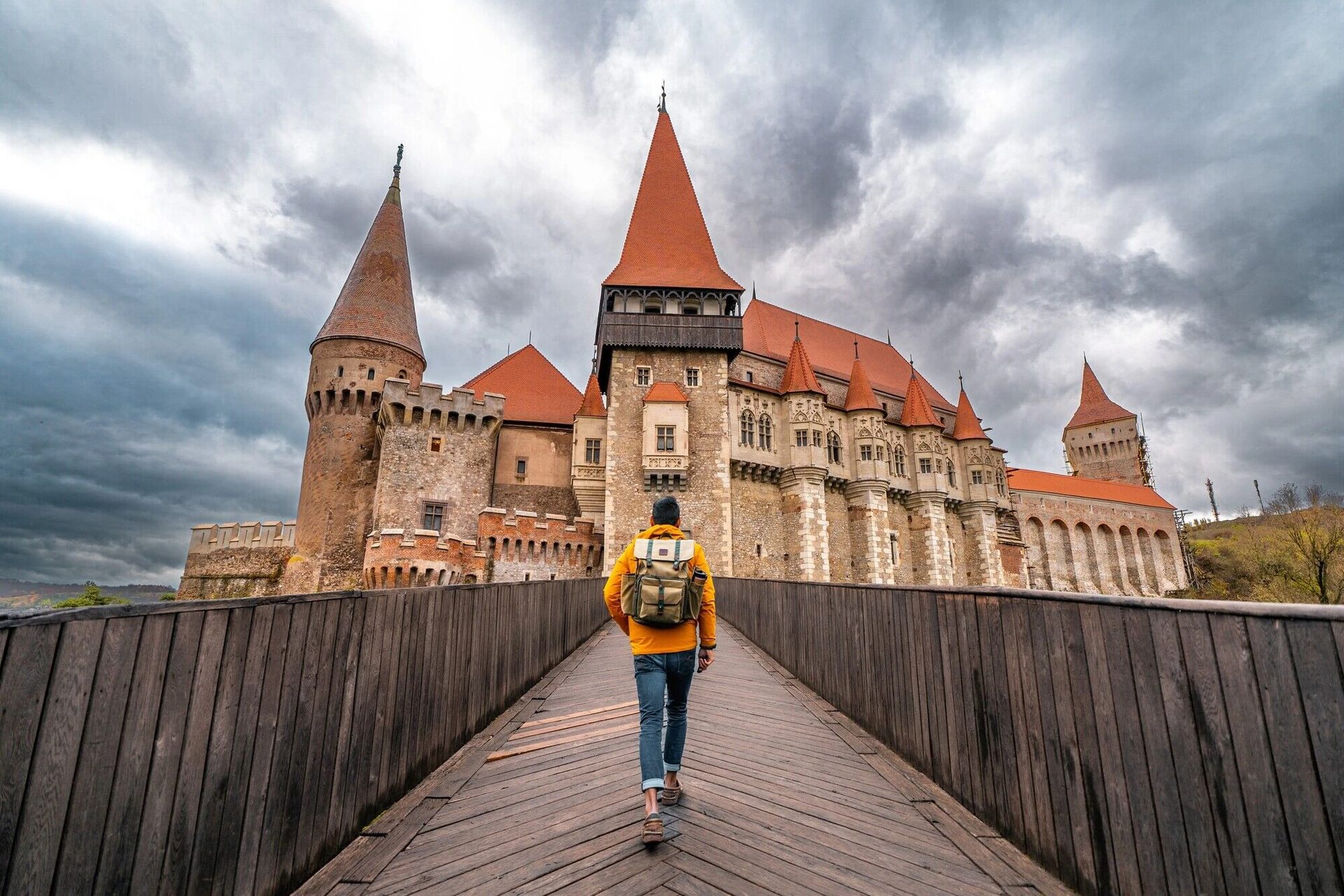
Romania is a year-round destination with distinct experiences each season. Late spring (May-June) and early fall (September-October) offer ideal temperatures for exploring Transylvania castles, painted monasteries of Bucovina, and hiking in the Carpathians. Summer is warm and perfect for Black Sea beaches, though popular areas get crowded. Winter transforms mountain villages into ski destinations - Poiana Brasov and Sinaia offer affordable skiing from December to March. The Carpathians are stunning with fall foliage in October. Traditional festivals and markets enliven every season, with Christmas markets in December being particularly charming.
Cultural Notes
Romania is a Latin island in a Slavic sea - the language derives from Roman colonization and Romanians are proud of this heritage. The country offers one of Europes last glimpses of traditional rural life, especially in Maramures where wooden churches dot the landscape and horse carts share roads with cars. Transylvania evokes Gothic imagery (thanks to Bram Stoker), but the reality is charming medieval towns, forested hills, and welcoming villages. Orthodox Christianity shapes cultural life with beautiful churches and religious holidays. Romanians are generally warm but may seem reserved initially. The communist period under Ceausescu left scars still visible in Bucharest architecture, but the country has transformed remarkably since 1989.
Insider Tips
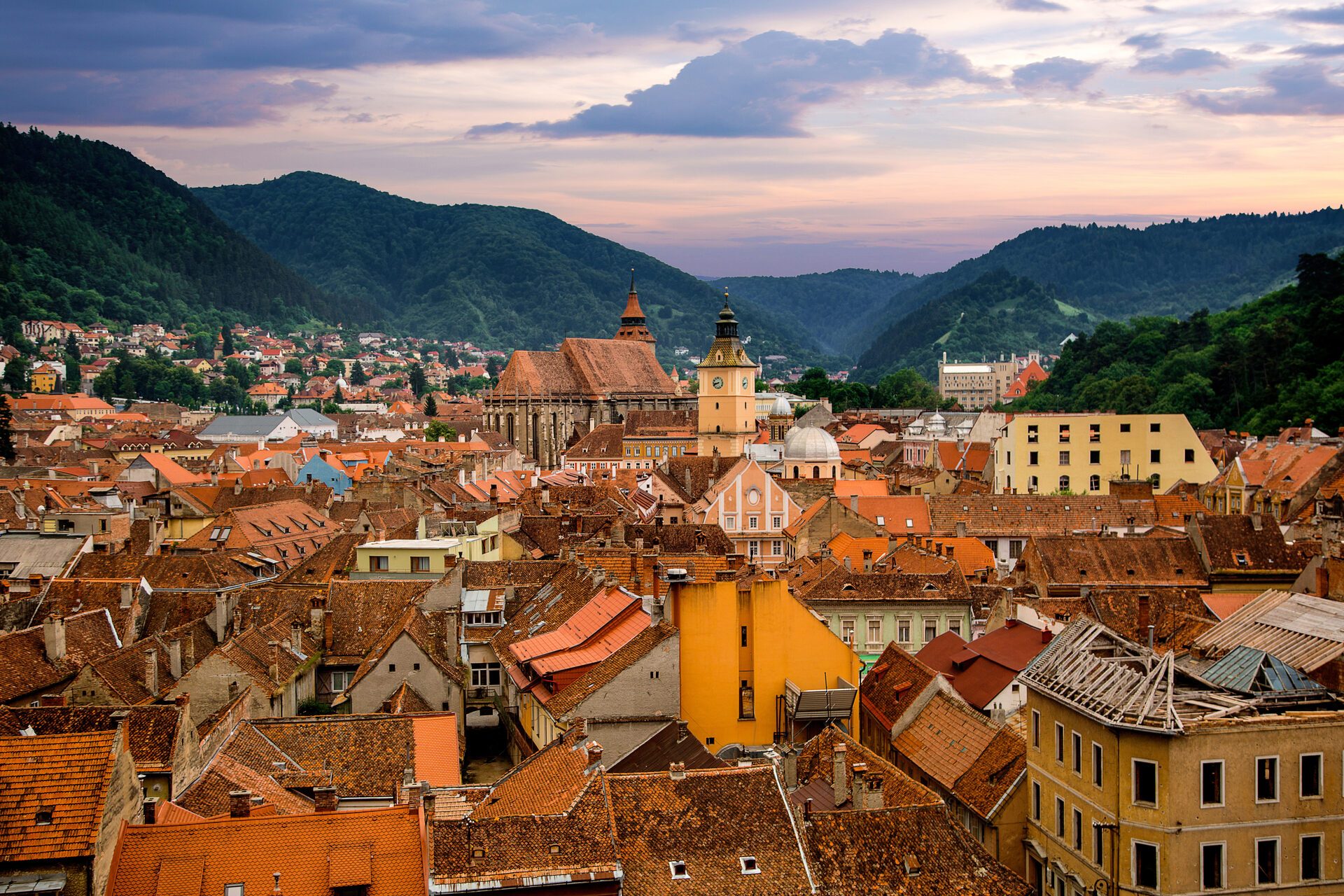
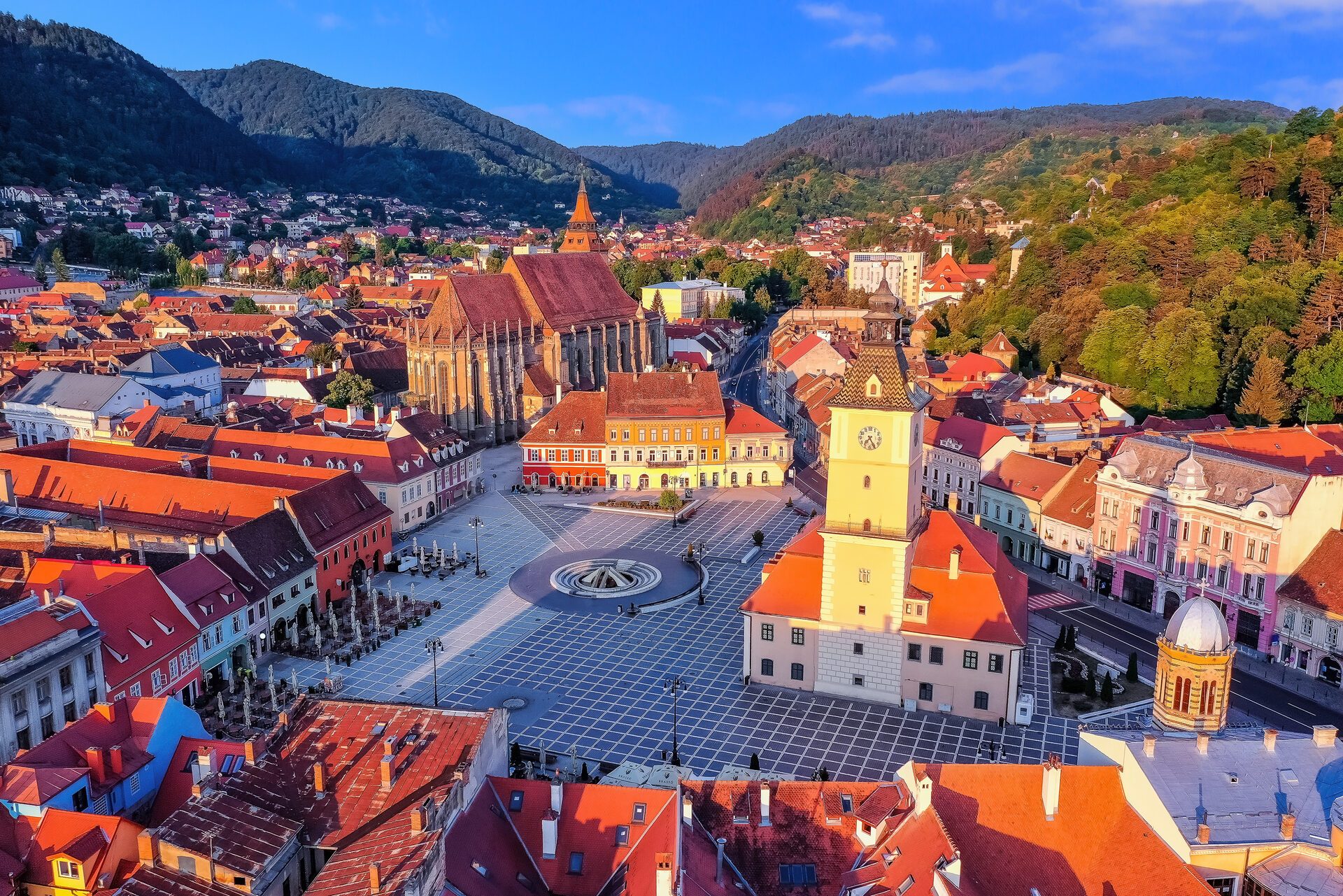
Romania offers exceptional value for travelers, with prices significantly lower than Western Europe despite EU membership. Trains connect major cities affordably, though buses are often faster and more reliable. Renting a car opens up the spectacular Transfagarasan and Transalpina mountain roads (open June-October only). Bucharest divides opinion - give it time to reveal its eclectic charm. The painted monasteries of Bucovina and the fortified churches of Transylvania are UNESCO treasures. Bran Castle (marketed as Dracula Castle) is touristy but the surrounding region is genuinely atmospheric. Try mici (grilled meat rolls), sarmale (stuffed cabbage), and tuica (plum brandy). Credit cards work in cities; carry cash for villages.
Dress Code
Casual to smart casual.
Current Travel Situation
United States to Romania: What You Need to Know
Romania became a full Schengen member for air and sea borders in March 2024, with land borders joining Schengen in January 2025. This means your Romania days now count against your overall 90/180-day Schengen allowance. The main international airports are Bucharest Henri Coanda (OTP) and Cluj-Napoca (CLJ). Romania is an EU member but does not use the Euro; the Leu (RON) remains the currency. Neighboring countries Bulgaria, Hungary, and Moldova are accessible easily by train or bus.
How to Get There
Budapest (Hungary) to Bucharest overnight trains are a popular overland route (around 15 hours). Sofia (Bulgaria) to Bucharest is a 7-hour train or bus ride. Flights from major Western European hubs to Bucharest are inexpensive on low-cost carriers like Wizz Air and Ryanair.
Money & Banking
Romania uses the Romanian Leu (RON). ATMs are widely available in cities; card acceptance is growing but cash is still preferred in rural areas and markets. Romania is very affordable: a sit-down restaurant meal costs $5-10 and budget accommodation $25-50/night. Currency exchange (casa de schimb) is abundant in Bucharest; avoid airport exchanges for better rates.
Practical Tips
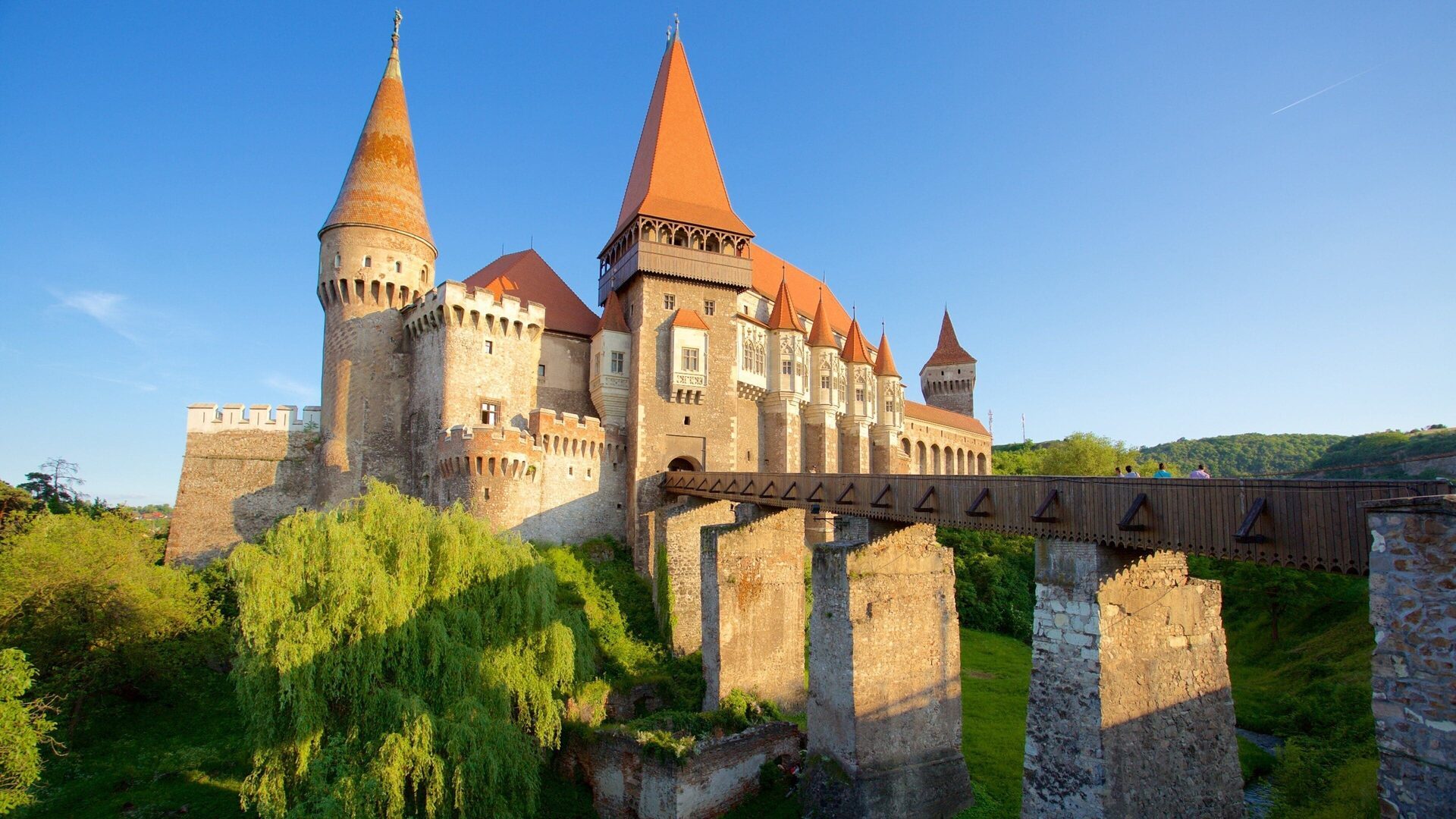
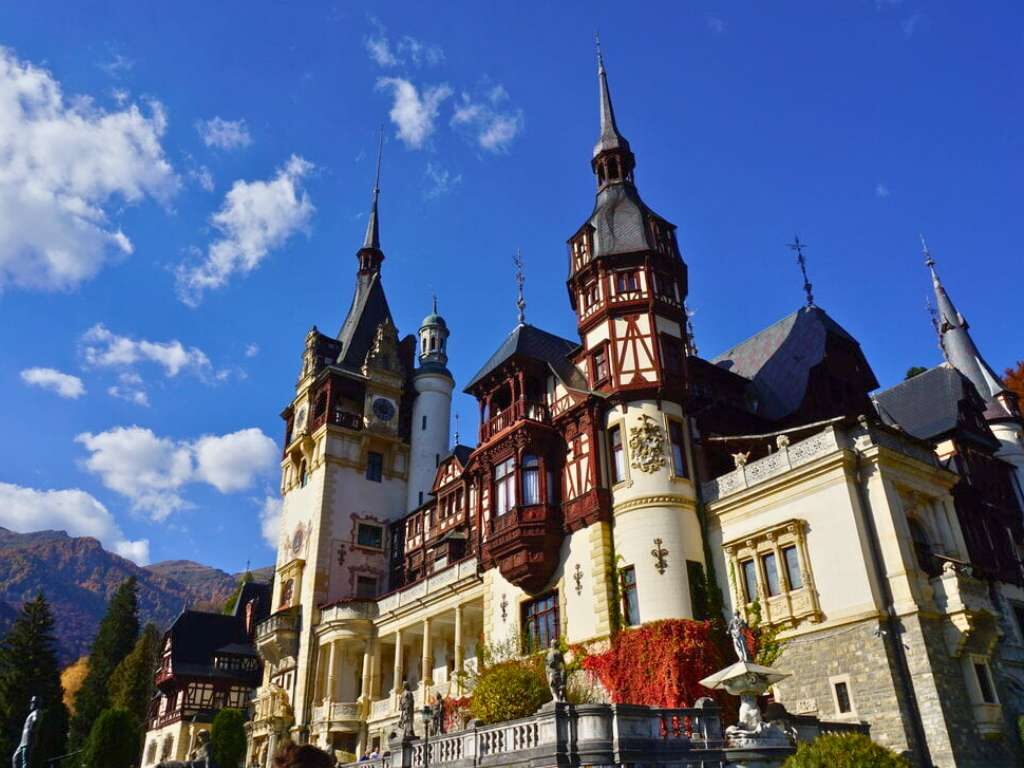
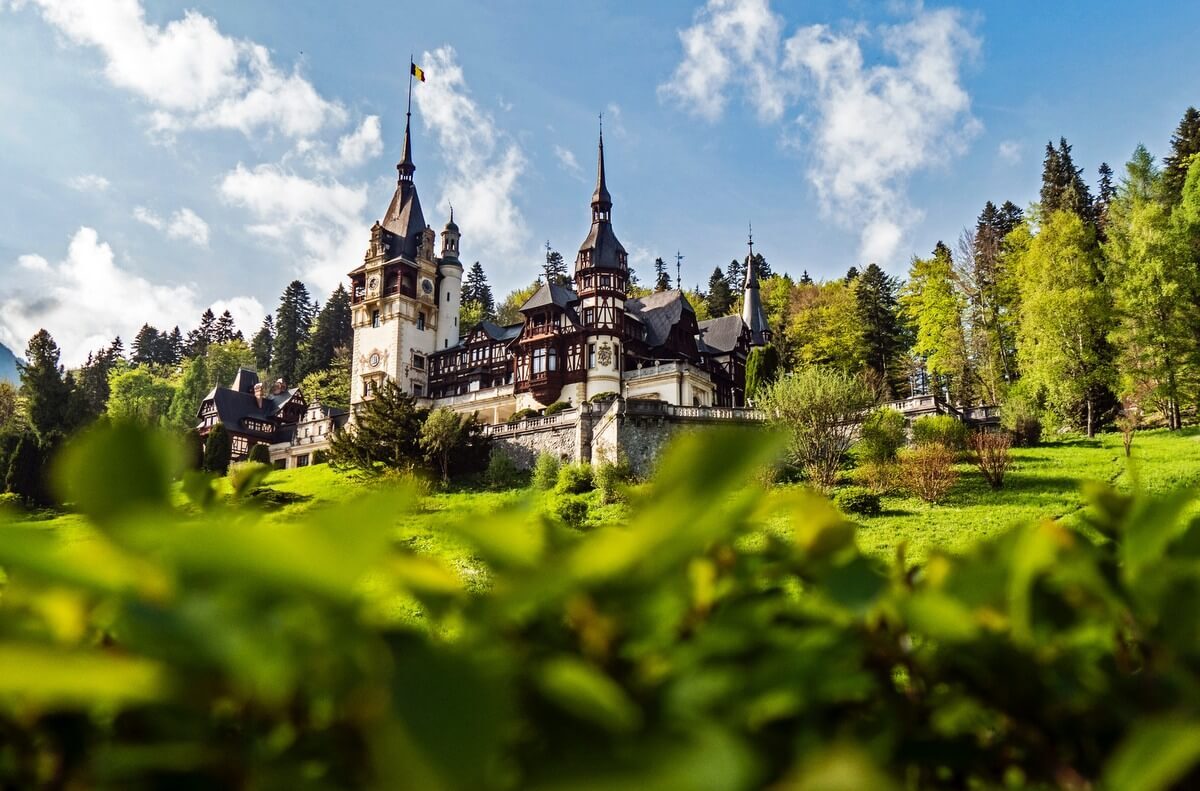
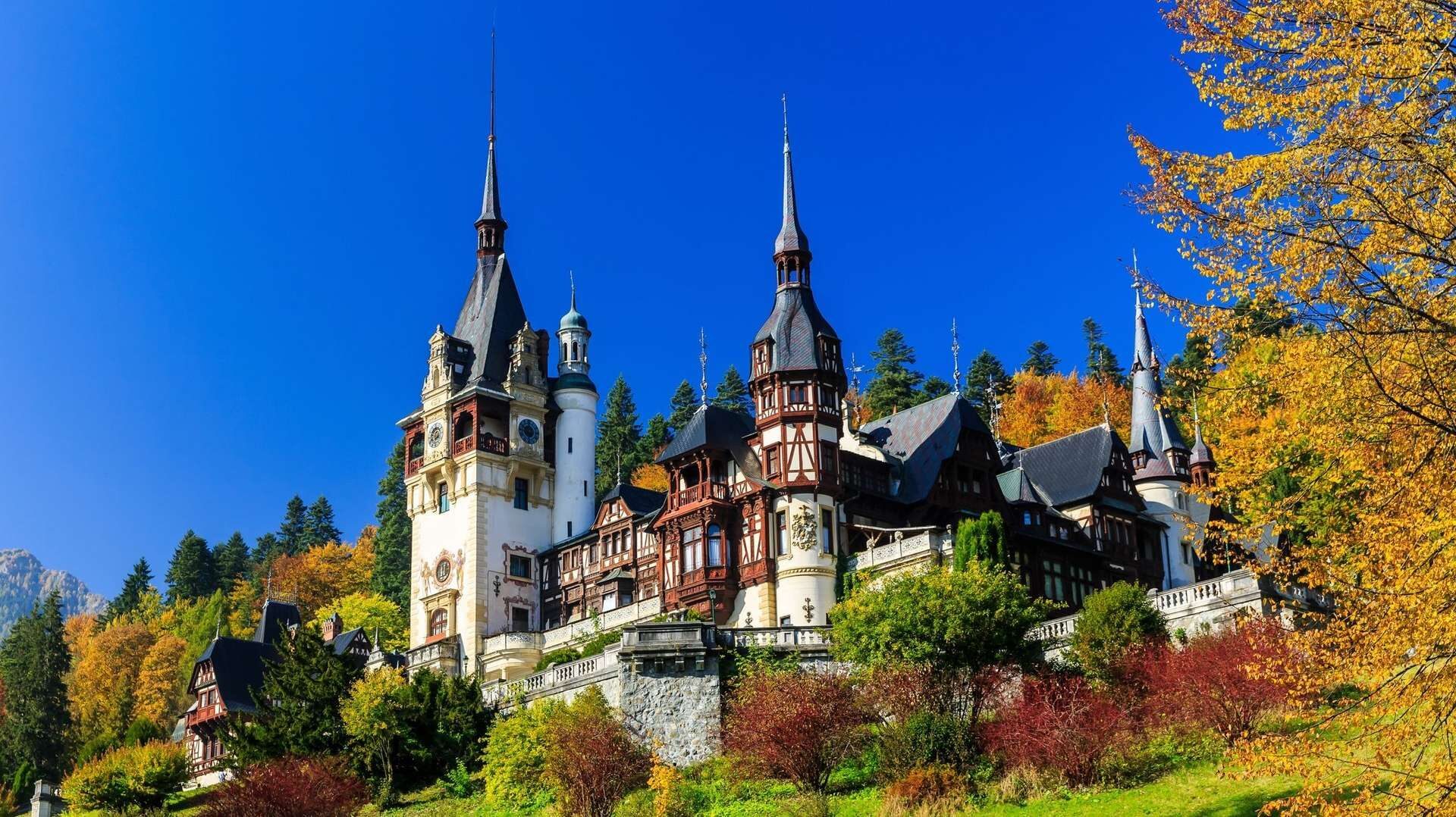
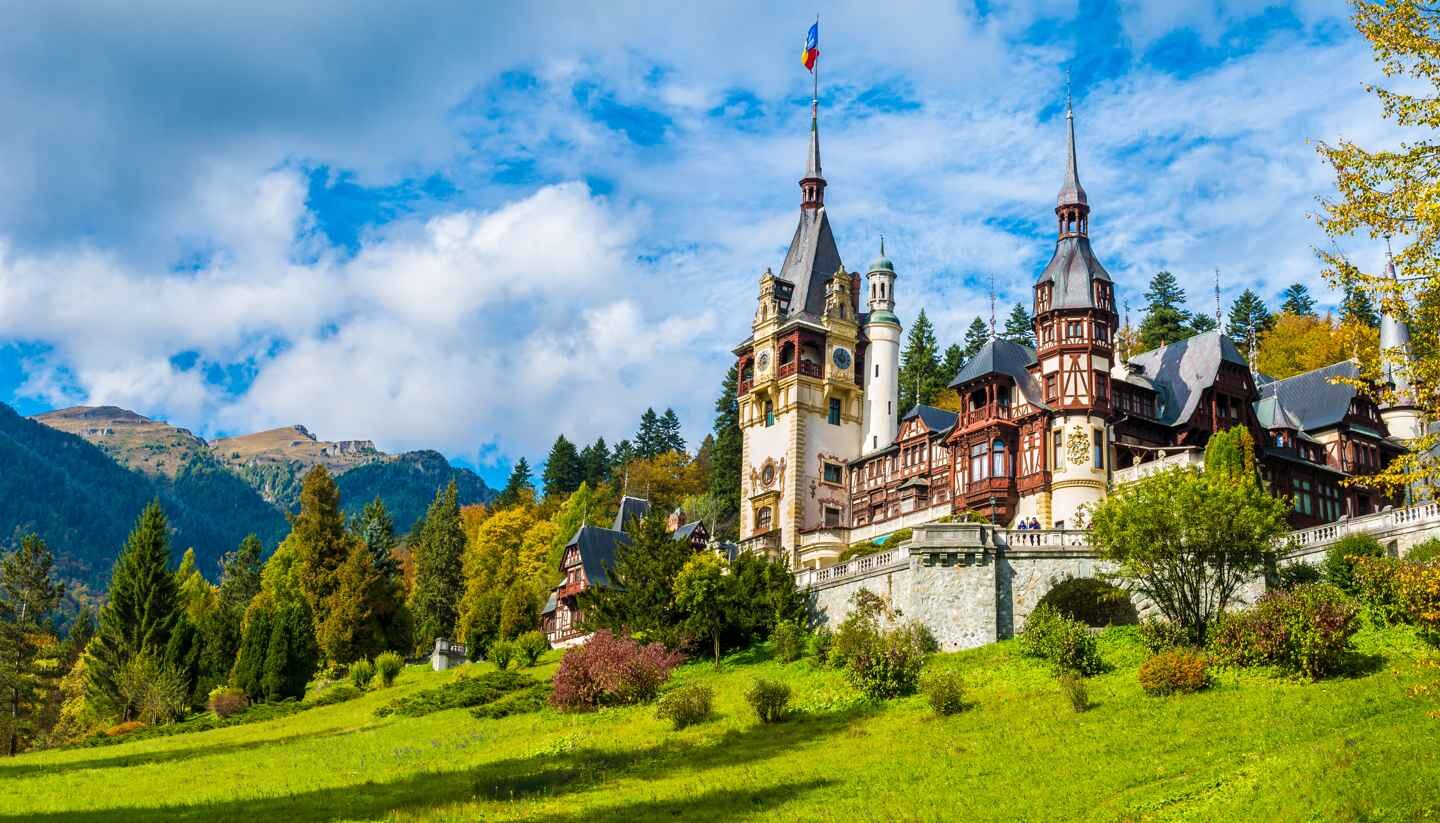
Transylvania is the crown jewel: Bran Castle (associated with Dracula), Peles Castle, and medieval Saxon towns like Sibiu and Sighisoara are extraordinary. The Transfagarasan Highway is one of the world's most spectacular mountain roads (open June-October). Bucharest has a vibrant nightlife and a fascinating mix of communist-era architecture and Belle Epoque buildings. The Danube Delta is a UNESCO biosphere reserve perfect for birdwatching.
Frequently Asked Questions
When did Romania join Schengen?
Romania joined the Schengen Area in stages — air and sea borders became Schengen in March 2024, and land borders followed in January 2025. Your Romania days now count toward your 90/180-day Schengen allowance.
Does Romania use the Euro?
No. Romania is an EU member but still uses the Romanian Leu (RON). Euro adoption is planned but not yet scheduled. ATMs dispensing RON are plentiful.
Is Transylvania safe to visit?
Yes, Transylvania and Romania generally are very safe for tourists. Crime rates are low and locals are hospitable. Standard travel precautions apply in Bucharest as in any large city — watch for pickpockets in crowded areas.