Poland Visa RequirementsFor United States passport holders
US citizens can travel to Poland visa-free for up to 90 days within any 180-day period under the Schengen Agreement.
Great news! United States passport holders can enter Poland without a visa for tourism or business purposes. You can stay up to 90 days.
No visa is needed. Ensure your passport is valid throughout your stay. Bring proof of accommodation, onward travel, and sufficient funds. Poland has not yet adopted the Euro; the Zloty (PLN) is the national currency. ETIAS is expected to add a small fee requirement for Schengen entry once launched in 2025.
Poland is part of the Schengen Area. Your stay counts toward the 90-day limit within any 180-day period for the entire Schengen zone. Learn more about Schengen rules →
Entry Requirements
Passport Validity
6 months beyond departure from Schengen
Blank Pages
2 blank pages required
Multiple Entry
Allowed
Work Permitted
No - requires work visa
Entry Conditions
Valid passport for 3+ months beyond stay. Proof of accommodation and sufficient funds may be requested.
Required Documents
Valid US Passport
Must be valid for at least 3-6 months beyond your planned departure date (varies by country)
Return or Onward Ticket
Proof of departure from the country, such as a return flight or onward travel booking
Proof of Accommodation Recommended
Hotel reservation, Airbnb booking, or address where you will be staying
Proof of Sufficient Funds Recommended
Credit cards, bank statements, or cash to cover expenses during your stay
Travel Insurance Recommended
Recommended for all international travel covering medical emergencies
Travel Essentials
Health & Safety
Safety Rating
Vaccinations
Routine vaccines (MMR, Tetanus, COVID-19). Tick-borne encephalitis if hiking in forests.
Tap Water
Safe to drink
Safety Tips
Poland is very safe for tourists. Violent crime is rare. Pickpocketing can occur at tourist sites and on public transport in major cities. Football (soccer) match days can see rowdy fans. Overall, Poland is one of Europe's safer destinations.
Money & Costs
Currency
zł Polish Zloty (PLN)
Daily Budget (USD)
Budget: $45 · Mid: $90 · Luxury: $200+
Cards & ATMs
Cards are widely accepted in cities and tourist areas. Some traditional markets, milk bars, and rural establishments may prefer cash. Always have some zloty available.
Tipping
Tipping 10-15% is customary in restaurants if service is good. Tell the server what you'd like to pay or leave money on the table. Taxi drivers and hotel staff appreciate rounding up or small tips.
Practical Info
Power
Type C, E, 230V, 50Hz
Driving
Right side
Emergency
Emergency: 112
Police: 997
Ambulance: 999
Fire: 998
Mobile/SIM
Buy a SIM card from Orange, Play, Plus, or T-Mobile shops. Tourist packages cost 25-50 PLN for generous data. EU SIMs work without roaming charges. Coverage is excellent throughout Poland.
Getting There
Main Airports
Krakow (KRK) · Warsaw (WAW)
Airport Transfers
Warsaw Chopin (WAW): Train to Centrum (4.40 PLN, 25 minutes). Bus 175/188 to center (4.40 PLN, 30-40 minutes). Taxi 40-50 PLN. Krakow Balice (KRK): Train to Główny station (12 PLN, 20 minutes). Bus 208/252 (6 PLN, 40 minutes). Taxi 80-100 PLN.
Local Transport
Polish trains (PKP Intercity) connect major cities affordably - book early for discounts. FlixBus and PolskiBus are cheap alternatives. Cities have good public transport with trams and buses. Bolt and Uber work in major cities.
Culture & Travel Tips
Best Time to Visit
Poland is best visited May through September when weather is pleasant (65-80°F/18-27°C) and outdoor attractions are accessible. Summer brings festivals, beach season on the Baltic, and long days.
Late spring (May-June) and early fall (September) offer ideal sightseeing weather with fewer crowds than peak summer.
Winter (December-February) is cold but Christmas markets are charming, ski resorts open in the Tatras, and cities like Kraków are atmospheric without crowds.
Avoid the two weeks around August 15 (Assumption) when all of Poland goes on vacation and coastal areas are extremely crowded.
Cultural Notes
Catholicism deeply influences Polish culture - churches are active community centers, religious holidays are observed, and traditions persist.
Polish hospitality is generous - if invited to a home, bring flowers (odd numbers, not chrysanthemums) or alcohol. Expect to be fed more than you can eat.
Vodka is the national drink and toasting traditions matter. 'Na zdrowie!' (to health) - maintain eye contact when clinking glasses.
The WWII history is ever-present - Poland lost 6 million people (17% of population). Approach this history with appropriate respect.
Insider Tips
Poland offers excellent value - significantly cheaper than Western Europe while maintaining high quality. Your money goes far on food, accommodation, and transport.
Polish trains (PKP Intercity) connect major cities efficiently. Book Pendolino express trains in advance for better prices.
The Polish Zloty (PLN) is the currency. Cards are widely accepted but carry some cash for smaller establishments and markets.
Kraków, Warsaw, Gdańsk, and Wrocław each deserve 2-3 days minimum. Don't try to rush - Polish cities reward slower exploration.
Auschwitz-Birkenau visits should be booked well ahead, especially for English-language tours. It's a profound, essential experience but emotionally demanding.
Dress Code
Casual dress is fine. Modest attire at religious sites. Poles generally dress well in cities.
Current Travel Situation
United States to Poland: What You Need to Know
Poland joined the Schengen Area in 2007 and is a full EU member. The 90-day limit is shared with all other Schengen countries. Warsaw Chopin (WAW) and Krakow (KRK) are the main international gateways, with numerous transatlantic and European connections. Poland shares open Schengen borders with Germany, Czech Republic, Slovakia, Lithuania, and Belarus (though the Belarus border is closed to tourist crossings). The Ukrainian border is open for travel but requires a visa for Ukraine onward.
How to Get There
Berlin-Warsaw trains (4-5 hours) are affordable and scenic. Prague-Krakow overnight buses run by FlixBus and RegioJet are popular backpacker routes. Wroclaw and Gdansk are accessible from Germany and Scandinavia by train or budget airline.
Money & Banking
Poland uses the Polish Zloty (PLN). ATMs are widely available in cities and towns. Visa and Mastercard are accepted at most businesses, though small village shops may be cash-only. Poland remains one of the more affordable EU destinations: a good meal costs $5-10 and accommodation $30-60/night. Currency exchange offices (kantors) in city centers often offer better rates than airport bureaux.
Practical Tips
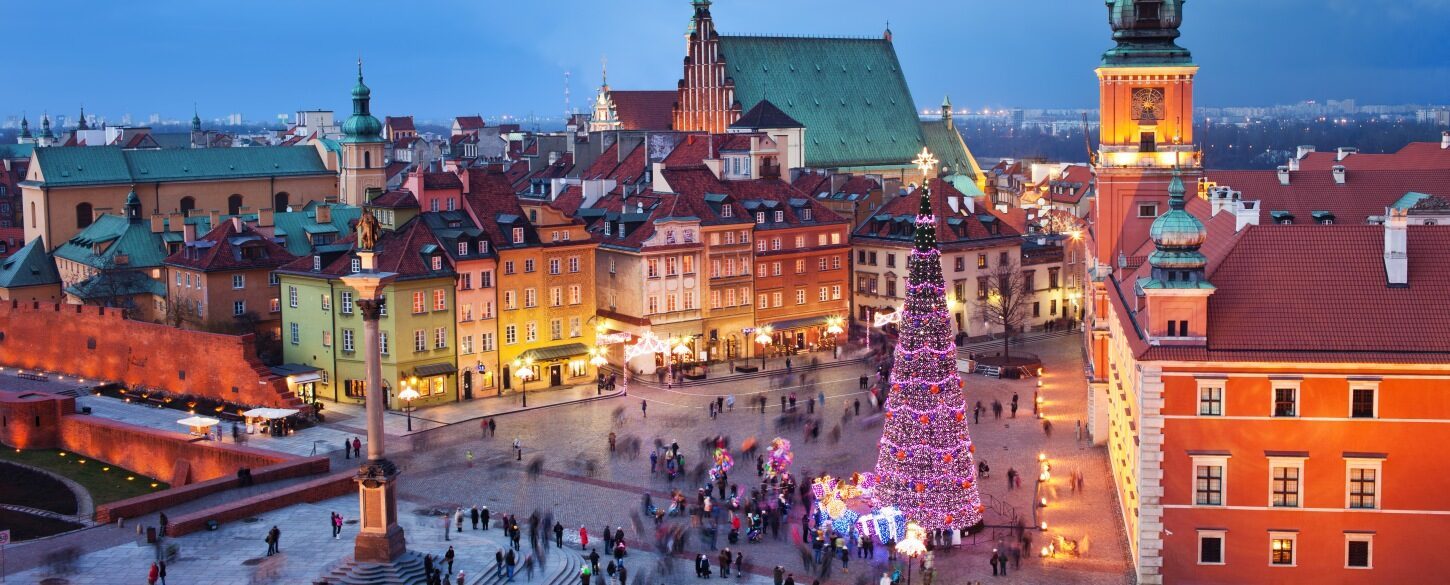
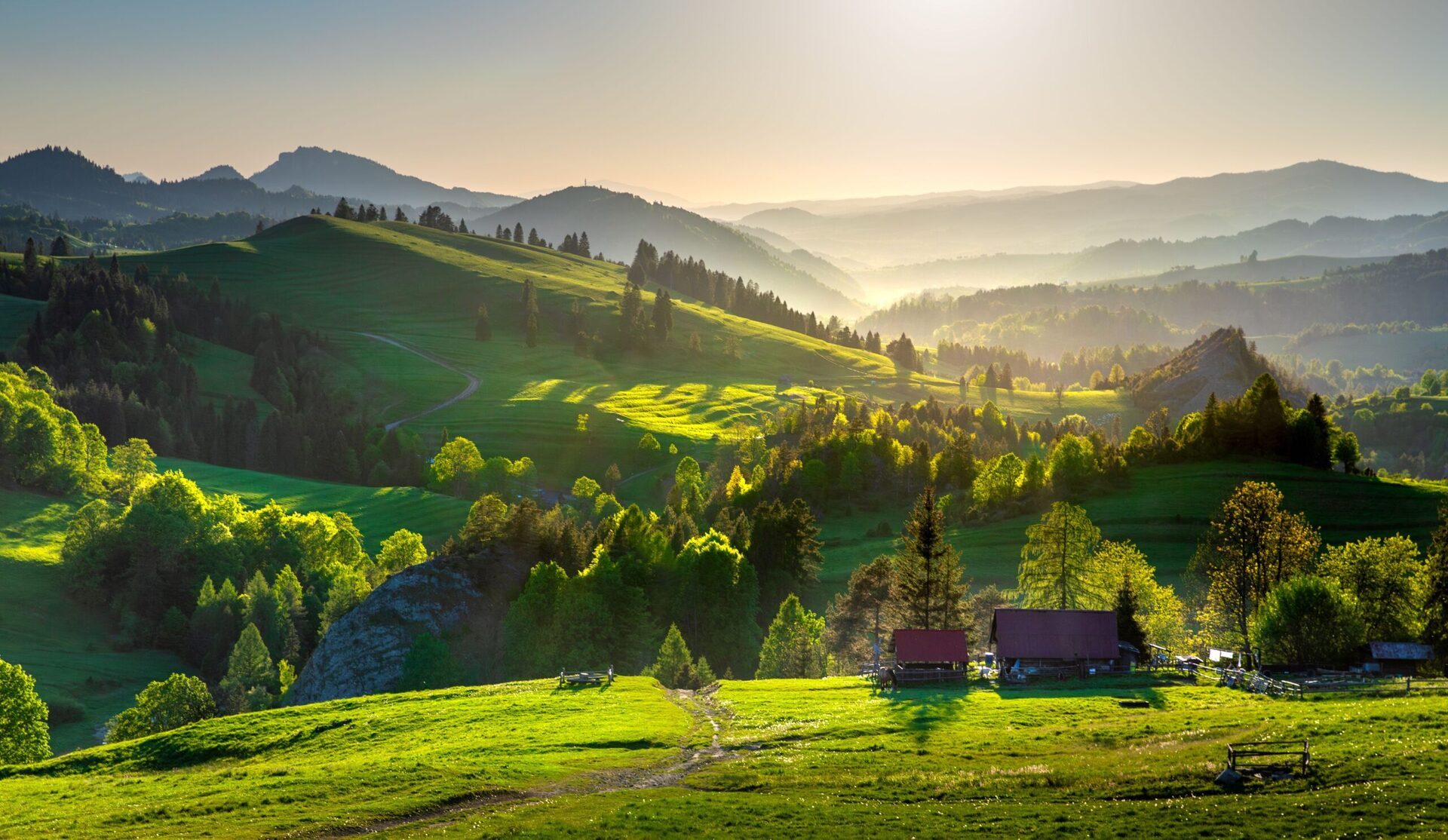
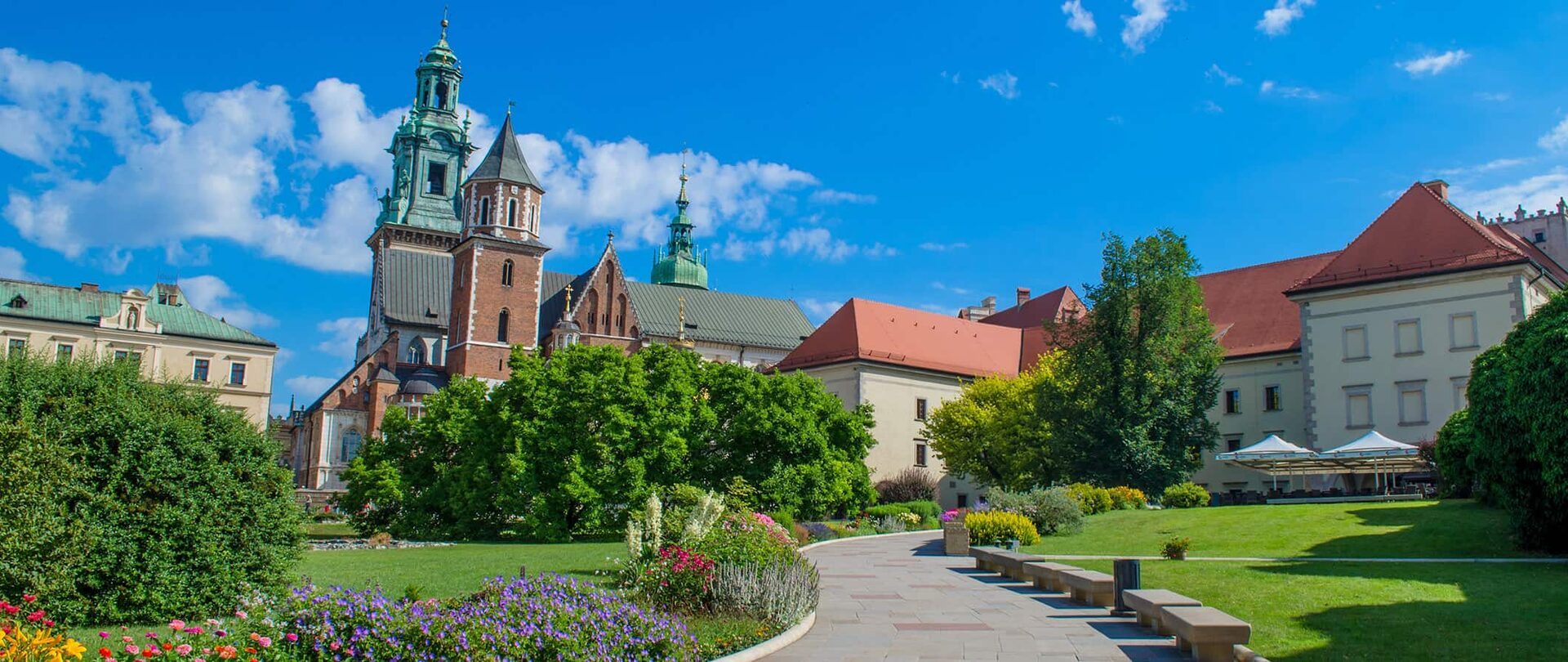
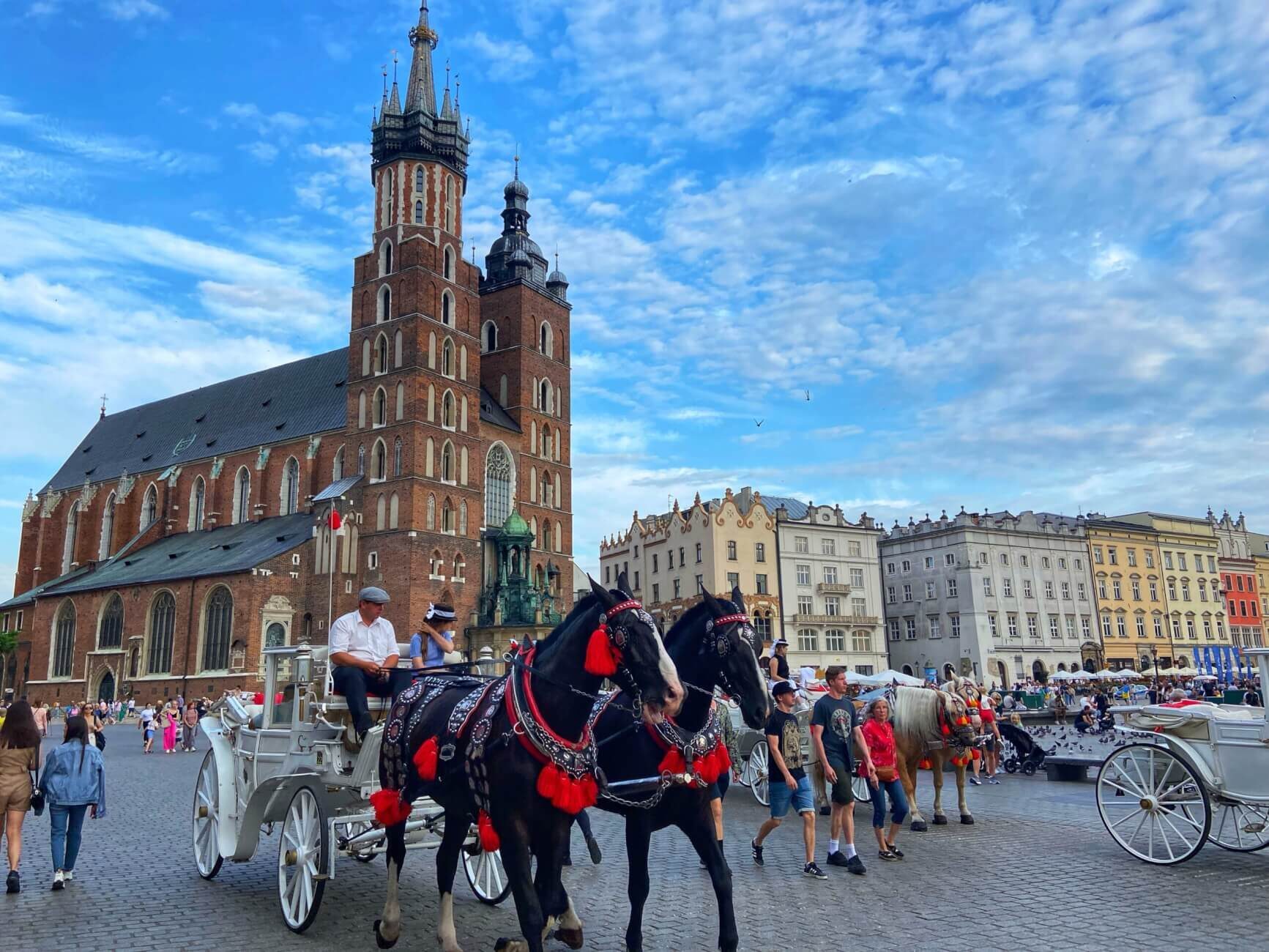
Krakow is the cultural heart of Poland: Wawel Castle, Old Town, and Auschwitz-Birkenau memorial are essential visits. Warsaw's rebuilt Old Town (a UNESCO site) and the POLIN Jewish history museum are top attractions. The Tatra Mountains near Zakopane offer excellent hiking in summer and skiing in winter. Poles are generally warm and English is widely spoken among younger generations and in tourist areas.
Frequently Asked Questions
Does Poland use the Euro?
No. Poland is an EU member but has not adopted the Euro. The local currency is the Polish Zloty (PLN). Card payments are widely accepted, but having some cash is useful in smaller towns.
Can I take a train from Germany to Poland?
Yes. Regular trains run between Berlin and Warsaw (4-5 hours) and Berlin and Wroclaw (3.5 hours). These cross the Schengen border without passport control, so travel is seamless.
Is it safe to visit Poland near the Ukrainian border?
Poland itself is safe, including areas near the Ukrainian border. There is no active conflict on Polish territory. The border is open for humanitarian and civilian travel but crossing into Ukraine requires a Ukraine visa.
Do US citizens need a visa to visit Poland?
No, US citizens can visit Poland and other Schengen Area countries for up to 90 days within any 180-day period without a visa. Starting in 2025, travelers will need ETIAS (European Travel Information and Authorization System) authorization, which costs €7 and is valid for 3 years. Your passport must be valid for at least 3 months beyond your planned departure from the Schengen Area. Poland has been a Schengen member since 2007, enabling seamless travel to neighboring Germany, Czech Republic, Slovakia, and Lithuania.
What should I know about visiting Auschwitz-Birkenau?
Visiting Auschwitz-Birkenau Memorial and Museum is a profound, somber experience. The site is located near Oświęcim, about 70 km from Kraków. Advance online booking is essential, especially in peak season; free entry but guided tours (required April-October between 10am-3pm) have a fee. Tours last approximately 3.5 hours covering both Auschwitz I and Auschwitz II-Birkenau camps. Dress respectfully (no shorts or revealing clothing), remain silent in certain areas, and photography is restricted in some buildings. The experience is emotionally intense. Visitors typically travel from Kraków by bus, train, or organized tour. Plan to spend at least half a day.
What currency is used in Poland?
Poland uses the Polish Złoty (PLN), not the Euro, despite being an EU member. Credit and debit cards are widely accepted in cities, though carry some cash for smaller shops, markets, and rural areas. ATMs (bankomat) are common; use those attached to banks for security. Avoid currency exchange offices (kantor) with "0% commission" or rates displayed only for selling, these often have hidden poor rates. Polish prices are generally lower than Western Europe, offering excellent value for food, accommodation, and transportation. Tipping 10-15% is customary in restaurants if service isn't included.
Is Poland safe for American tourists?
Poland is very safe for tourists, with low crime rates compared to many European countries. Standard urban precautions apply: watch for pickpockets in crowded tourist areas and on public transportation, don't leave bags unattended, and be aware of your surroundings at night. Violent crime against tourists is rare. Poles are generally friendly and helpful toward visitors. Emergency services are reliable. The country has excellent infrastructure and public transportation. LGBTQ+ travelers should be aware that some smaller towns have declared themselves "LGBT-free zones," though major cities like Warsaw, Kraków, and Gdańsk are more progressive and welcoming.
What are the must-visit destinations in Poland?
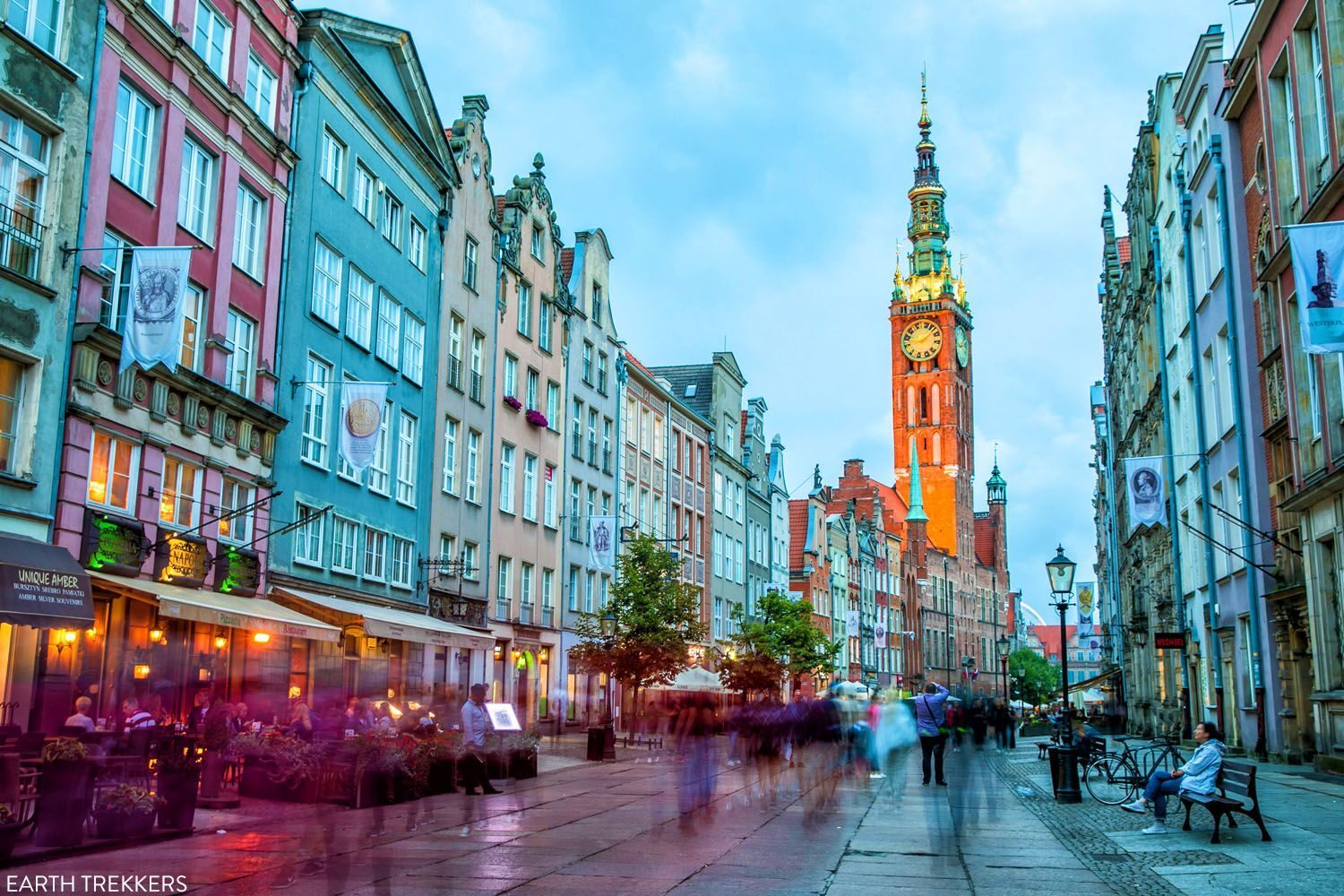
Beyond Warsaw and Kraków, Poland offers diverse attractions. Gdańsk on the Baltic coast has stunning reconstructed old town, amber shopping, and nearby beaches. Wrocław, with its hundred bridges and charming squares, is increasingly popular. The Tatra Mountains in the south offer hiking and skiing around Zakopane. Malbork Castle is the world's largest brick castle. Poznań has beautiful architecture and lively nightlife. The Białowieża Forest is one of Europe's last primeval forests, home to European bison. Lublin showcases multicultural history. Poland's food scene has evolved beyond pierogies (though those are delicious), with craft beer, coffee culture, and innovative restaurants especially in major cities.