Philippines Visa RequirementsFor United States passport holders
US citizens can visit the Philippines visa-free for up to 30 days. The Philippines has deep historical ties with the United States and is an exceptionally welcoming destination.
Great news! United States passport holders can enter Philippines without a visa for tourism or business purposes. You can stay up to 30 days.
No visa is required for the initial 30 days. Present your valid US passport on arrival at Ninoy Aquino International Airport (Manila), Mactan-Cebu International Airport (Cebu), or other international airports. Immigration will stamp your passport with a 30-day permission. Extensions are easily obtained at Bureau of Immigration (BI) offices throughout the Philippines , the first 29-day extension costs PHP 3,030 ($55 USD). Your passport must be valid for at least 6 months beyond your planned stay. All visitors must complete an eTravel registration at etravel.gov.ph before arriving.
Entry Requirements
Passport Validity
6 months beyond date of entry
Blank Pages
2 blank pages required
Multiple Entry
Single entry only
Work Permitted
No - requires work visa
Entry Conditions
Passport valid 6+ months. Return ticket. Extensions available at Bureau of Immigration.
Required Documents
Valid US Passport
Must be valid for at least 6 months beyond planned stay
eTravel Registration
Complete online at etravel.gov.ph before departure
Proof of Return or Onward Travel
Return flight ticket or onward travel confirmation required — strictly enforced
Valid US Passport
Must be valid for at least 3-6 months beyond your planned departure date (varies by country)
Return or Onward Ticket
Proof of departure from the country, such as a return flight or onward travel booking
Proof of Accommodation Recommended
Hotel booking may be requested by immigration
Proof of Accommodation Recommended
Hotel reservation, Airbnb booking, or address where you will be staying
Proof of Sufficient Funds Recommended
Credit cards, bank statements, or cash to cover expenses during your stay
Travel Insurance Recommended
Recommended for all international travel covering medical emergencies
Travel Essentials
Health & Safety
Safety Rating
Vaccinations
Hepatitis A & B, Typhoid, Japanese encephalitis, Rabies, COVID-19.
Tap Water
Bottled water recommended
Safety Tips
Exercise increased caution in the Philippines. Major tourist areas like Boracay, Palawan, and Cebu are generally safe. Avoid travel to Mindanao (except certain tourist areas) due to terrorism and kidnapping risks. Metro Manila has petty crime - use Grab and be vigilant with belongings. Traffic in Manila is among the world's worst. Typhoon season (June-November) can disrupt travel.
Money & Costs
Currency
₱ Philippine Peso (PHP)
Daily Budget (USD)
Budget: $30 · Mid: $60 · Luxury: $150+
Cards & ATMs
Cards accepted in malls and hotels. Cash for most places.
Tipping
Tipping is appreciated but not obligatory. Service charge (usually 10%) is often included at restaurants - if not, 10% is standard. Hotel bellhops appreciate ₱20-50 per bag, housekeeping ₱50-100 per day. Tour guides typically receive ₱200-500 per day. Taxi drivers don't expect tips but rounding up is kind. Always tip in pesos.
Practical Info
Power
Type A, B, C, 220V, 60Hz
Driving
Right side
Emergency
Emergency: 911
Police: 117
Fire: 117
Mobile/SIM
Buy a SIM card immediately at the airport from Globe or Smart - booths are in arrivals. Tourist SIMs with unlimited data for 7-30 days cost ₱300-1,000. Registration requires passport. Philippine internet speeds can be slow and coverage variable on remote islands. Globe generally has better coverage. WhatsApp, Viber, and especially Facebook Messenger are essential for local communication.
Getting There
Main Airports
Cebu (CEB) · Manila (MNL)
Airport Transfers
Manila NAIA: Grab is the easiest option (₱300-500 to Makati/BGC, 30-90 minutes depending on terminal and traffic). Yellow airport taxis use meters plus ₱100 flag down. The airport has four terminals - verify which one! Cebu-Mactan: Grab or MyBus to city (₱40, 1 hour). Taxi around ₱400.
Local Transport
Domestic flights are essential - Cebu Pacific and Philippine Airlines connect hundreds of destinations. Book early for better rates. Jeepneys are iconic but confusing for tourists. Tricycles serve local areas. Grab is essential in cities. Inter-island ferries (2GO, FastCat) connect major islands - book cabins for overnight trips. Manila's MRT/LRT is useful but crowded.
Culture & Travel Tips
Best Time to Visit
The Philippines has a tropical climate with three seasons: hot and dry (March-May), rainy (June-November), and cool and dry (December-February). The cool dry season offers the most pleasant conditions for beach hopping and island exploration. However, the country varies by region - Palawan and Visayas are best from December to May, while the eastern seaboard (Siargao) actually has better surf and weather from September to November. Typhoon season peaks from August to October, particularly affecting Luzon and the Visayas. The Sinulog Festival in Cebu (January) and Ati-Atihan in Kalibo showcase spectacular Filipino celebrations.
Cultural Notes
Filipino culture blends Malay, Spanish, American, and Chinese influences into something uniquely warm and festive. Family ties are paramount, and extended families often live together. Filipinos are known for their hospitality, musical talent, and resilient optimism despite natural disasters and economic challenges. The country is predominantly Catholic (unique in Asia), and religious festivals are celebrated with genuine fervor. Respect for elders is shown through "po" and "opo" (polite particles) and the "mano" gesture (pressing an elder hand to your forehead). Filipinos avoid direct confrontation and value "saving face" - deliver criticism gently. Karaoke is a national passion, and visitors are always encouraged to sing.
Insider Tips
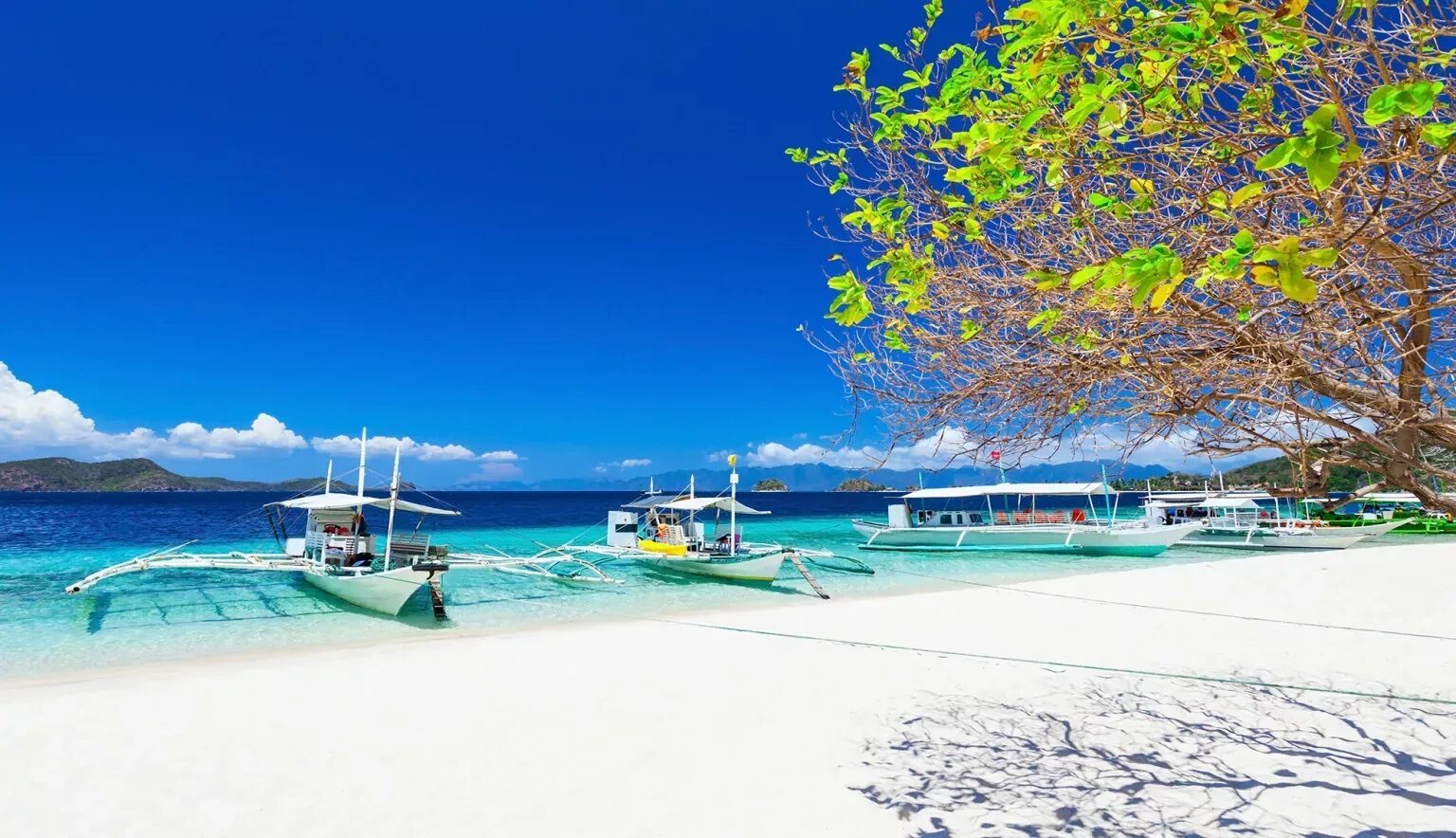
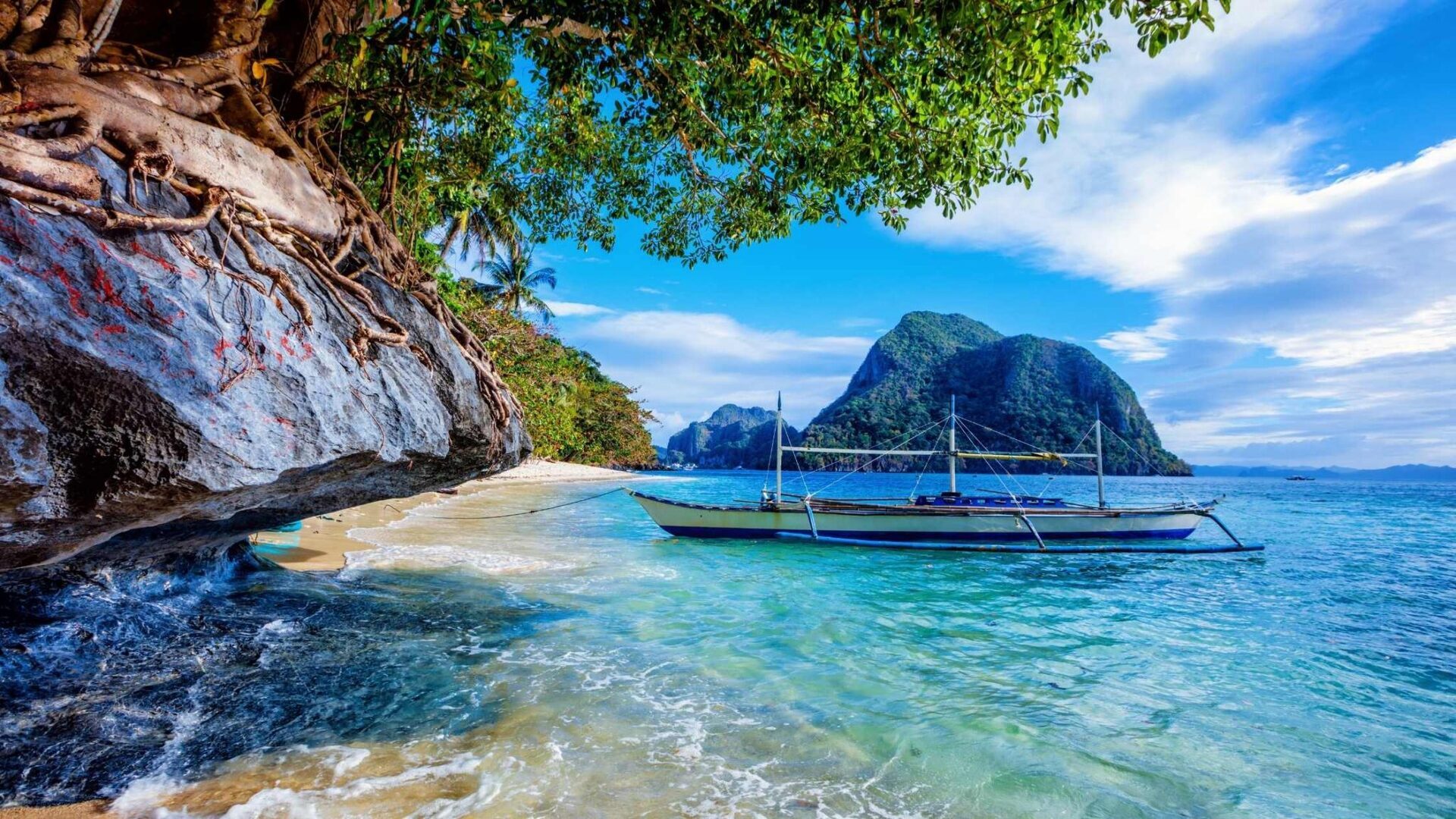
The Philippines comprises over 7,000 islands, making island hopping an essential part of any visit. Budget airlines like Cebu Pacific and AirAsia connect major destinations affordably - book in advance for best prices. Ferries and bangkas (outrigger boats) fill the gaps. Tricycles and jeepneys provide colorful local transport in towns. English is widely spoken, making communication easy. Filipino food is hearty - try adobo, lechon, sinigang, and fresh seafood grilled on the beach. Grab works in Manila and Cebu; elsewhere negotiate directly. The peso goes far, especially outside tourist hotspots. Locals are famously hospitable and always ready to help lost travelers.
Dress Code
Casual dress. Modest at churches.
Current Travel Situation
United States to Philippines: What You Need to Know
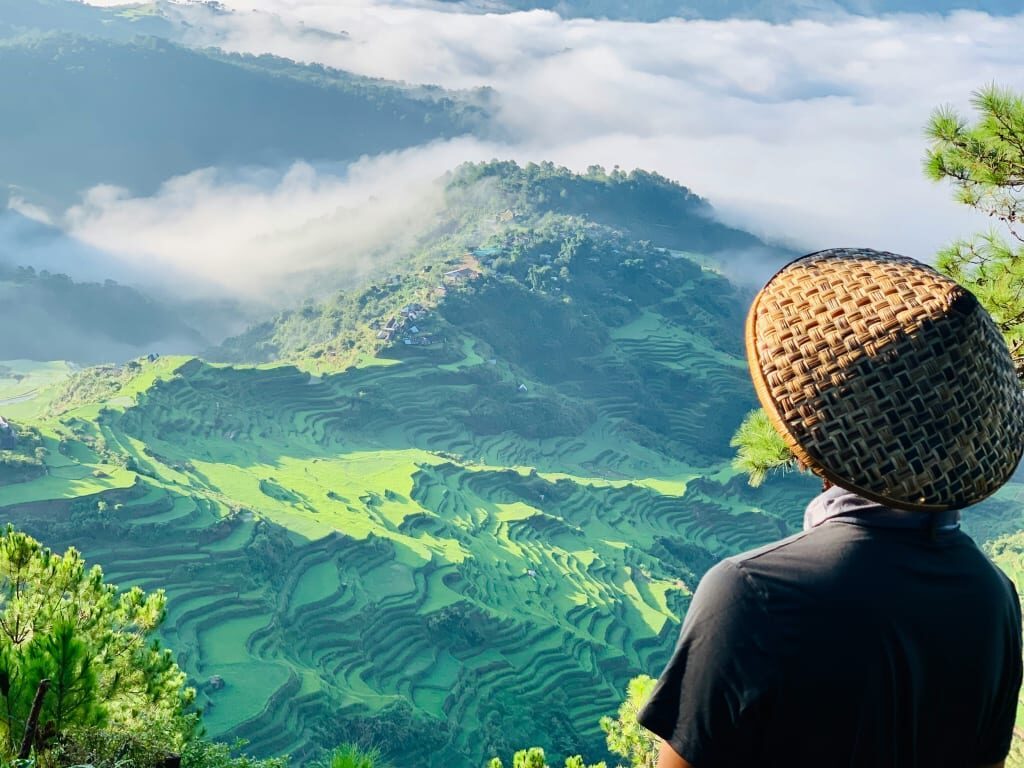
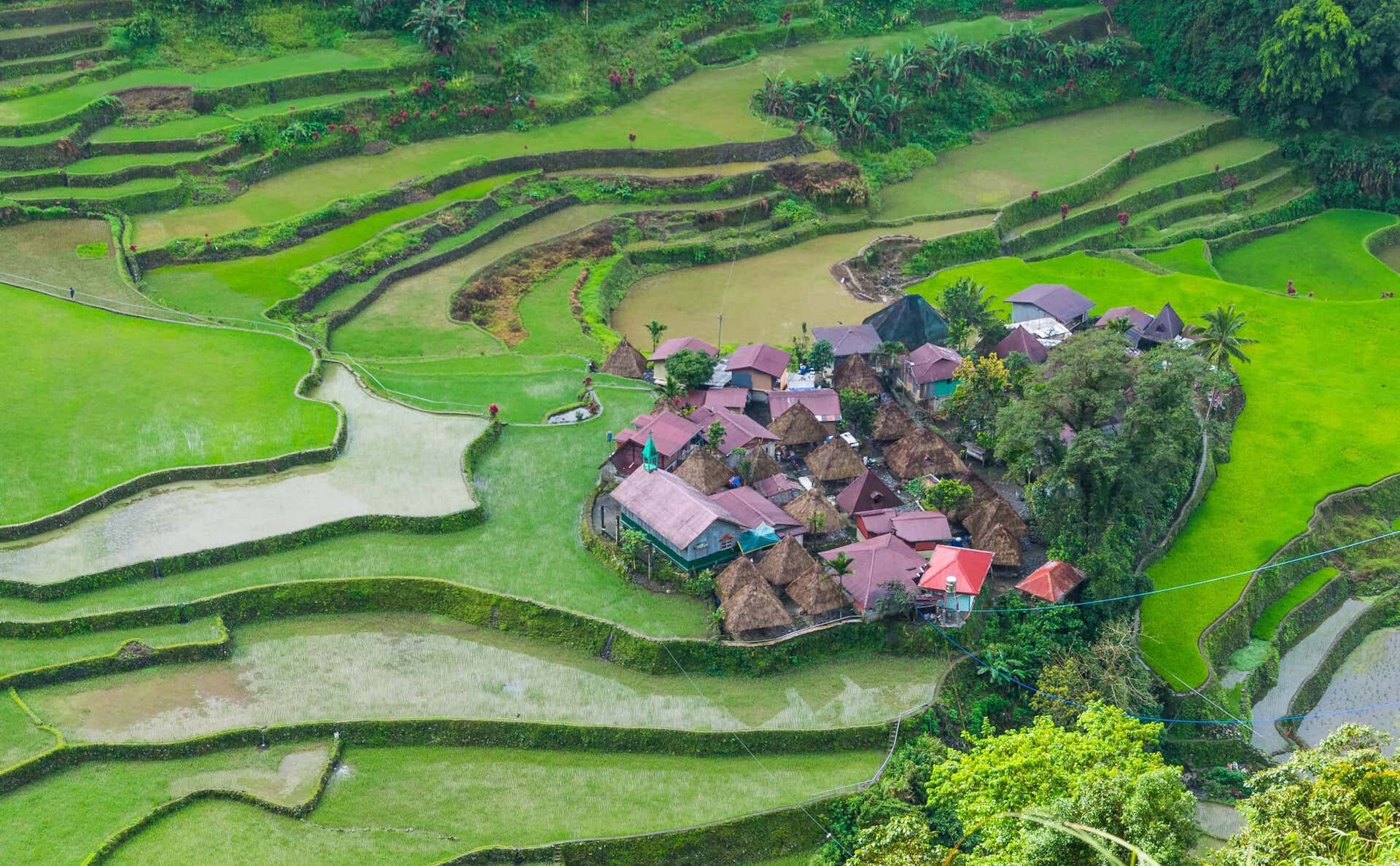
The Philippines and the United States have a unique historical relationship , the Philippines was a US territory from 1898 to 1946, and this shaped a deep cultural connection including widespread English language use throughout the Philippines. US citizens enjoy visa-free access for an initial 30 days, extendable to a cumulative 36 months with repeated Bureau of Immigration extensions. The Philippines offers extraordinary diversity: 7,100+ islands, world-class diving (Tubbataha Reef, Apo Island, Coron wrecks), pristine beaches (El Nido, Boracay, Siargao), UNESCO heritage (Banaue Rice Terraces, Baroque churches, Tubbataha Reef), and vibrant cities (Manila, Cebu).
How to Get There
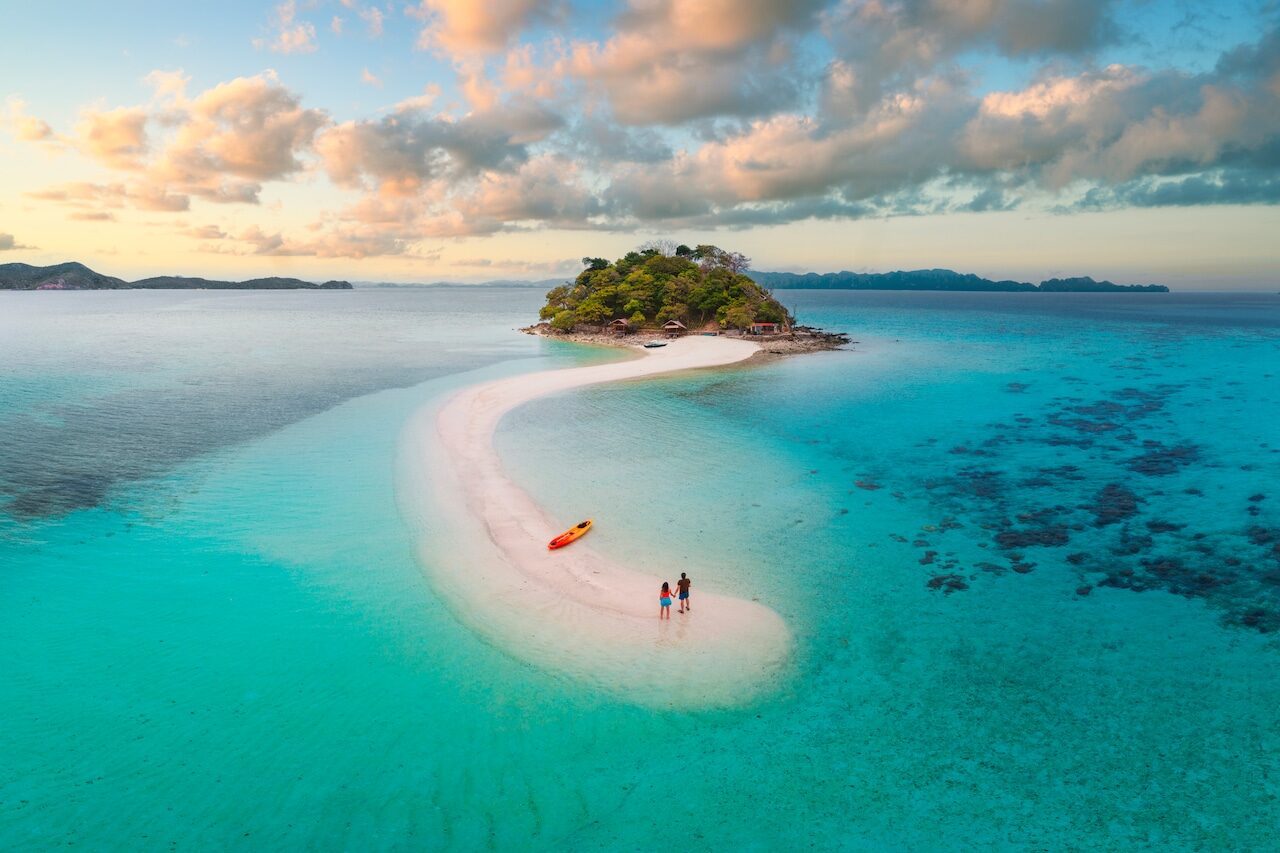
Taiwan (3.5 hours from Manila) and Japan (4 hours) are common extensions for US travelers visiting the Philippines. Hong Kong (2.5 hours) and Singapore (3.5 hours) are regional hubs. Within the Philippines, budget airlines (Cebu Pacific, Philippines AirAsia, Air Juan) connect Manila with Palawan, Cebu, Davao, and other islands at low cost. Puerto Princesa (Palawan) has the Puerto Princesa Subterranean River, a UNESCO World Heritage Site.
Money & Banking
The Philippines uses the Philippine peso (PHP). The peso trades at approximately 56-58 PHP per USD. ATMs accept Visa/Mastercard in Manila, Cebu, and tourist areas. Cash is preferred on smaller islands. Card acceptance at major hotels and restaurants is good in cities; cash elsewhere. The Philippines is moderately affordable , accommodation from $20-80 USD/night; local meals $3-10 USD. Palawan and Siargao are premium-priced relative to other Filipino destinations.
Practical Tips
English is the co-official language of the Philippines , communication is extraordinarily easy for Americans compared to most Asian countries. Filipino hospitality (mabuhay culture) is genuine and warm. The Philippines has had some security concerns in parts of Mindanao and the Sulu Archipelago (Level 4 advisory for those areas) , stick to recommended tourist areas. Typhoon season runs June-November; the dry season (December-May) is best for most island destinations. Manila traffic is notoriously bad , budget extra time for airport transfers.
Frequently Asked Questions
Do US citizens need a visa to visit the Philippines?
No, US citizens can enter the Philippines without a visa for stays up to 30 days. Your passport must be valid for at least 6 months beyond your arrival date. You'll need a return or onward ticket out of the Philippines. This initial 30-day period can be extended for up to 29 days at Philippine Bureau of Immigration offices (maximum 59 days total without a visa). For longer stays up to 3 years, you can continue to apply for extensions in-country for a fee each time.
Do US citizens need a visa for the Philippines?
No visa is required for the initial 30 days. Simply present your US passport at Philippine immigration. Complete the eTravel registration at etravel.gov.ph before departure. Your return ticket will be checked strictly.
How can I extend my stay in the Philippines?
Extensions are relatively easy to obtain at Philippine Bureau of Immigration (BI) offices found in major cities. The first extension (for 29 days) requires your passport, the application form, and a fee. Subsequent extensions can be obtained for 1-2 months at a time. If staying more than 6 months, you'll need to obtain an Alien Certificate of Registration I-Card (ACR I-Card) and Emigration Clearance Certificate (ECC) before departing. Many travel agencies offer extension services for a fee, handling the paperwork and lines for you.
Can I stay longer than 30 days in the Philippines as a US citizen?
Yes. The initial 30-day stay can be extended at Bureau of Immigration offices throughout the Philippines. Extensions are granted in increments (typically 29-59 days) up to a cumulative total of 36 months. The first extension costs approximately PHP 3,030.
Is the Philippines safe for tourists?
Most popular tourist destinations like Manila's tourist districts, Cebu, Boracay, Palawan, and Siargao are generally safe with normal precautions. Be aware of petty crime in urban areas, especially in crowded places. Use registered taxis, ride-sharing apps (Grab), or hotel-arranged transportation. Some areas have travel advisories due to terrorism, kidnapping, or civil unrest, particularly in the Mindanao region, Sulu Archipelago, and southern Palawan. Check the US State Department's specific advisories before travel. Typhoon season runs June through November; monitor weather reports during this period.
Is English widely spoken in the Philippines?
Yes. English is an official language of the Philippines alongside Filipino. It is widely used in business, government, media, and daily conversation in urban areas. This makes the Philippines one of the easiest Asian countries for English-speaking Americans to navigate independently.
Where is the best beach in the Philippines?
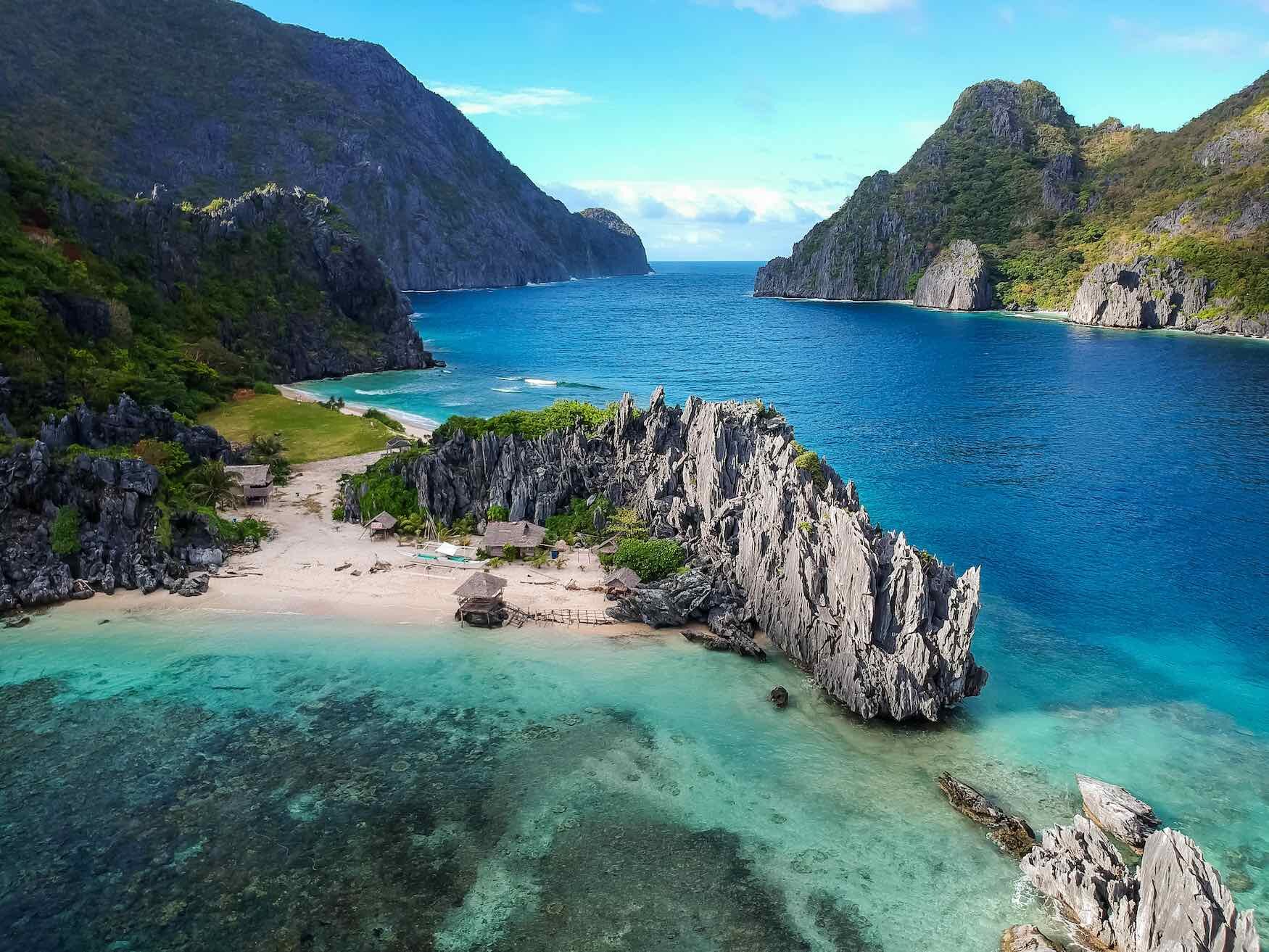
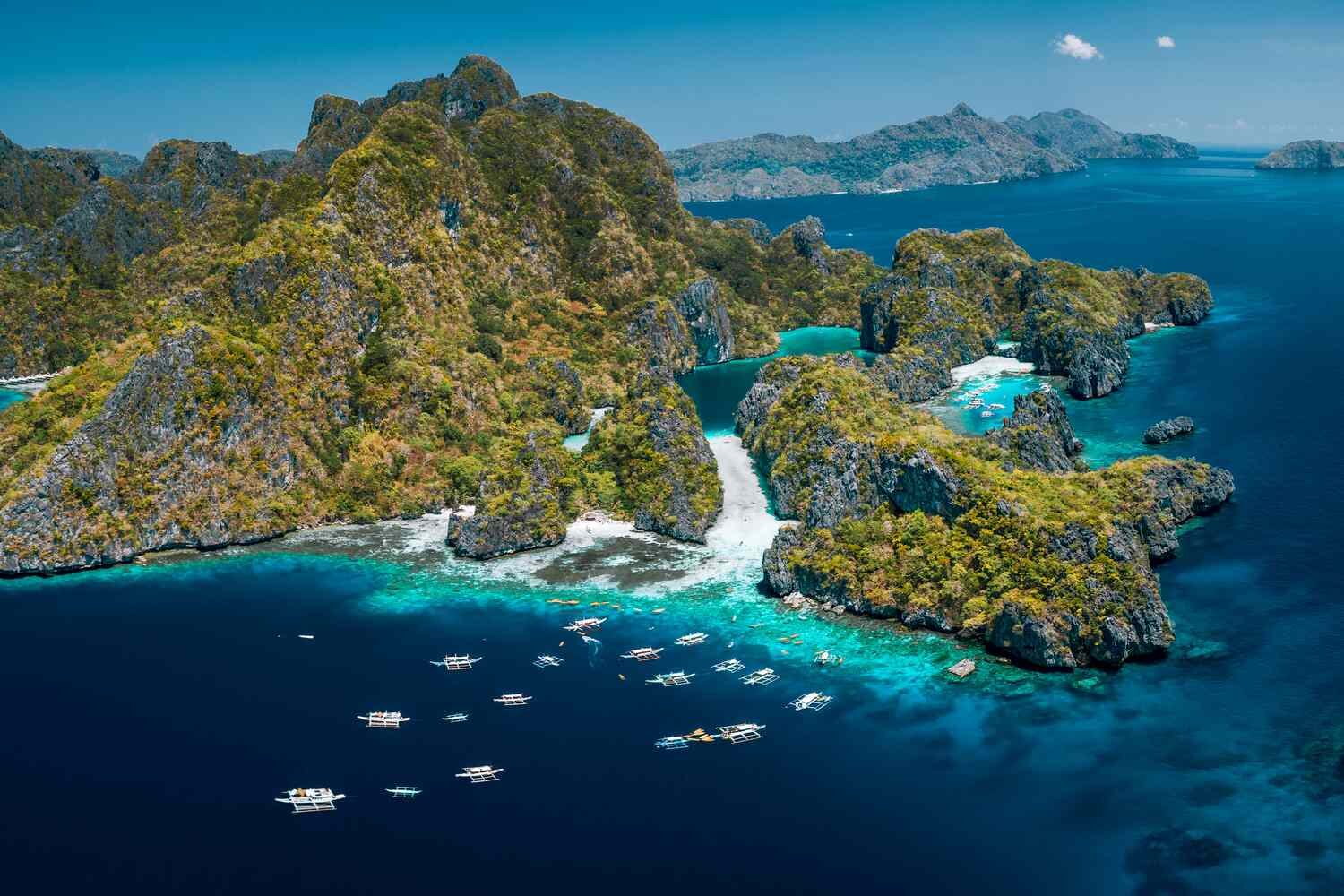
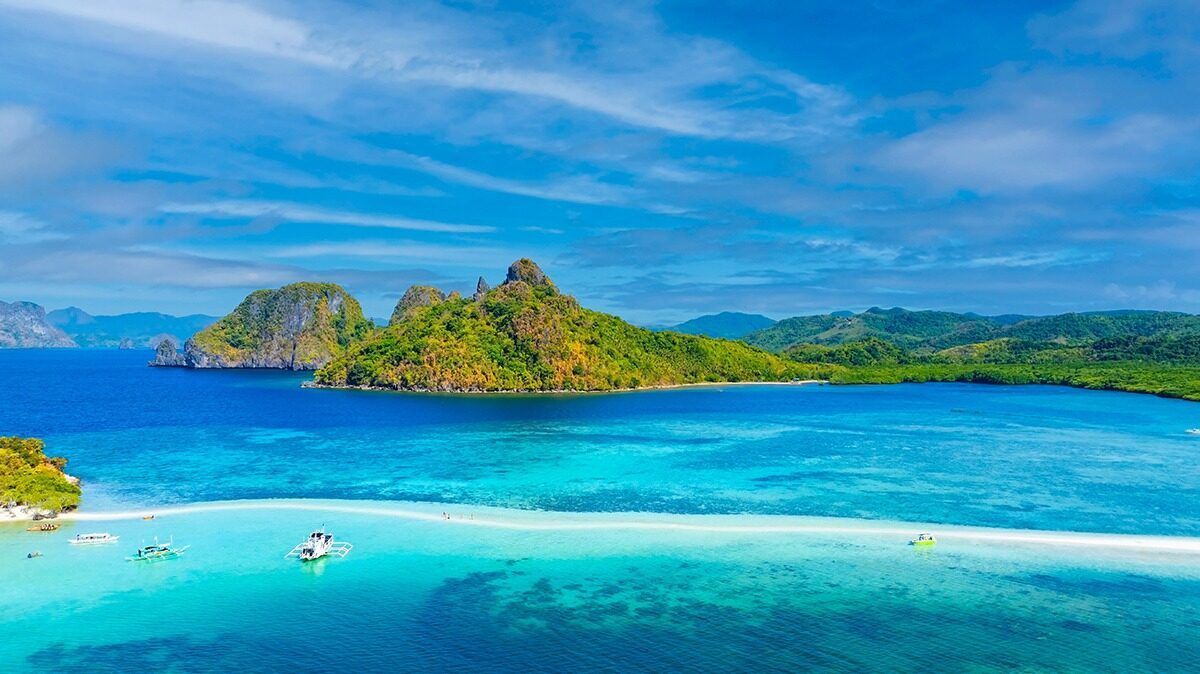
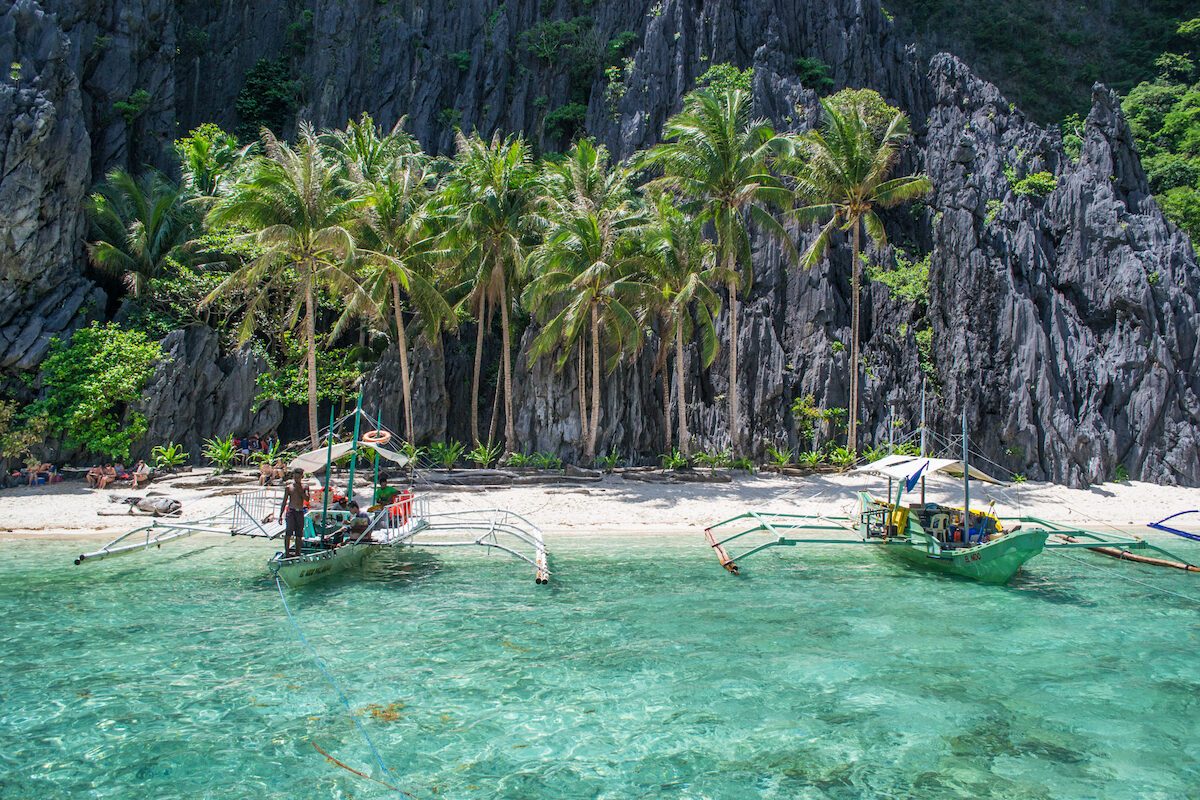
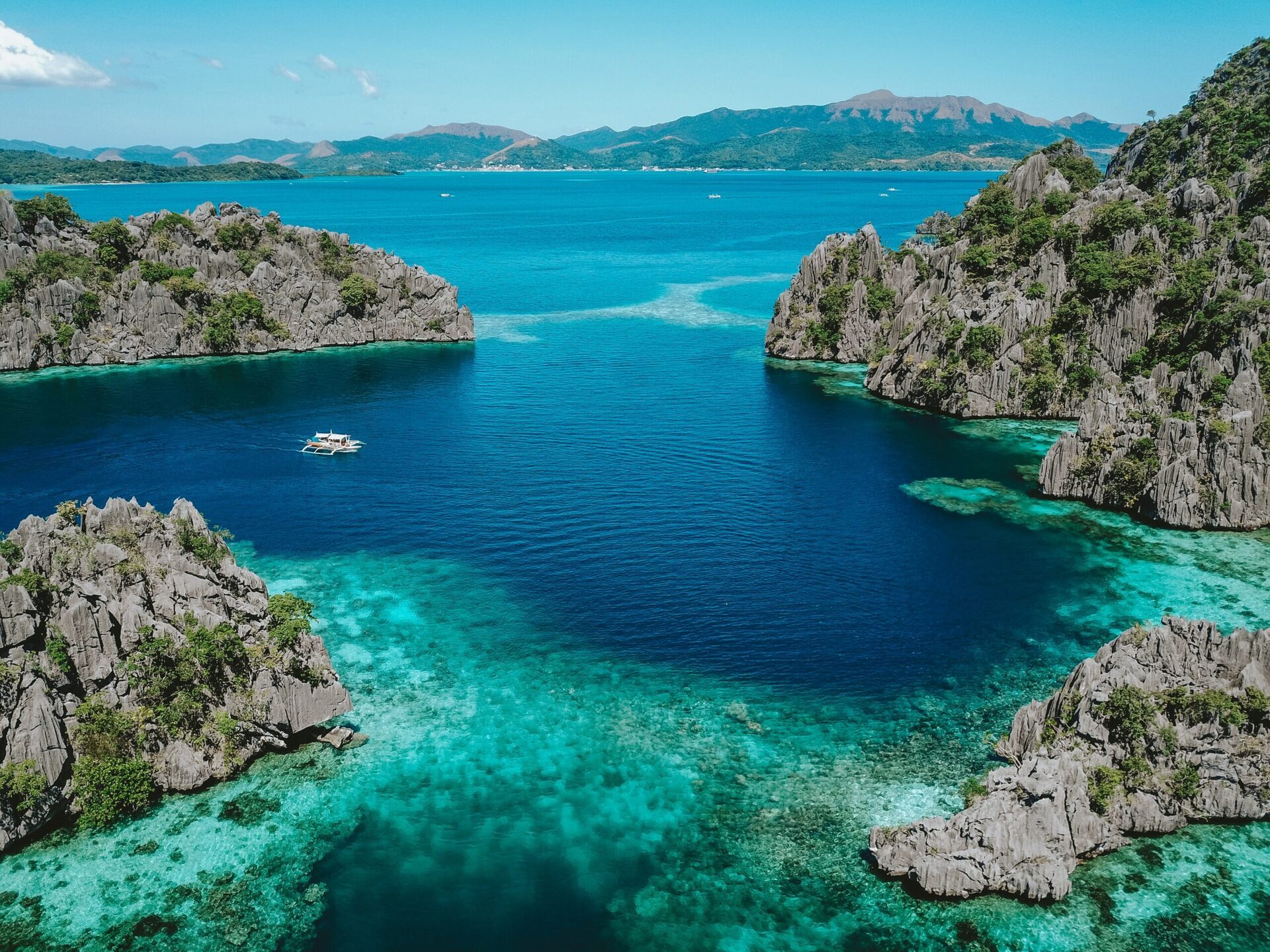
El Nido in Palawan (lagoons, limestone cliffs, pristine snorkeling) is consistently rated among the world's best beaches. Coron (Palawan) is outstanding for WWII wreck diving and lakes. Boracay (recently rehabilitated) has the famous White Beach. Siargao is the surfing capital. The Gili Islands comparison: El Nido is purer nature; Boracay is more resort-like.