Oman Visa RequirementsFor United States passport holders
US passport holders can obtain an Oman e-visa online for $20. The e-visa allows a single-entry stay of up to 30 days for tourism.
United States passport holders must apply for an electronic visa (eVisa) online before traveling to Oman.
Apply for the e-visa at evisa.rop.gov.om. Required: valid US passport (6+ months validity), passport photo, credit card for payment. The fee is OMR 6 (approximately $20) for a single-entry 30-day tourist visa. Processing is typically 24 hours. Multiple-entry and 1-year visitor visas are also available at higher fees. Oman also offers visa on arrival at Muscat airport for US citizens.
Entry Requirements
Passport Validity
6 months beyond date of entry
Blank Pages
1 blank page required
Multiple Entry
Single entry only
Work Permitted
No - requires work visa
Entry Conditions
Passport valid for at least 6 months. Confirmed accommodation. Return/onward ticket.
Fine of 10 OMR per day. Possible detention and deportation.
Required Documents
Valid US Passport
Must be valid for at least 6 months beyond your planned arrival date with at least one blank page
Digital Passport Photo
Recent color photo in JPEG format meeting specific size requirements (usually 35x45mm, 600x600 pixels)
Completed Online Application
Fill out the official eVisa application form on the government portal
Travel Itinerary
Detailed travel plans including dates and places you intend to visit
Proof of Accommodation
Hotel bookings, Airbnb reservations, or host invitation letter
Return or Onward Flight
Confirmed flight booking showing departure from the country
Proof of Sufficient Funds Recommended
Bank statements or credit card showing adequate funds for your stay
Travel Insurance Recommended
Recommended coverage for medical emergencies and trip cancellation
Travel Essentials
Health & Safety
Safety Rating
Vaccinations
Hepatitis A/B recommended.
Tap Water
Safe to drink
Safety Tips
Oman is extremely safe - one of the safest countries in the region. Crime is very low. Driving in wadis requires caution during rain.
Money & Costs
Currency
OMR Omani Rial (OMR)
Daily Budget (USD)
Budget: $70 · Mid: $150 · Luxury: $400+
Tipping
Tipping 10% is appreciated but not expected.
Practical Info
Power
Type C, G, 240V
Driving
Right side
Emergency
9999 (all emergencies)
Getting There
Main Airports
Muscat (MCT) · Salalah (SLL)
Culture & Travel Tips
Best Time to Visit
Oman has an extreme desert climate with scorching summers and pleasant winters. The best time to visit is October to April when temperatures are comfortable (20-30°C/68-86°F) and ideal for exploring Muscat, desert dunes, and mountain villages. Summer (May-September) brings unbearable heat exceeding 45°C (113°F), though Salalah in the south has a unique khareef (monsoon) season (July-September) that transforms it into a misty, green oasis - completely unlike the rest of Arabia. Ramadan affects restaurant hours and daily rhythms. The Muscat Festival in January-February showcases Omani culture.
Cultural Notes
Oman is the most traditional and conservative Gulf state in some ways, yet also the most tolerant - the late Sultan Qaboos maintained ties with all neighbors including Iran and Israel. Ibadi Islam, a distinct branch from Sunni and Shia, is the dominant faith, contributing to Omani religious moderation. Omani hospitality is legendary - guests are treated with extreme generosity. Traditional dress is almost universal: white dishdasha for men, colorful abayas for women. Oman has a strong seafaring heritage with dhow boats still built traditionally. Frankincense, harvested in Dhofar for millennia, remains an important cultural symbol. Renaissance Day (July 23) celebrates Sultan Qaboos modernization of the country. The current Sultan Haitham continues gradual development while preserving traditions.
Insider Tips
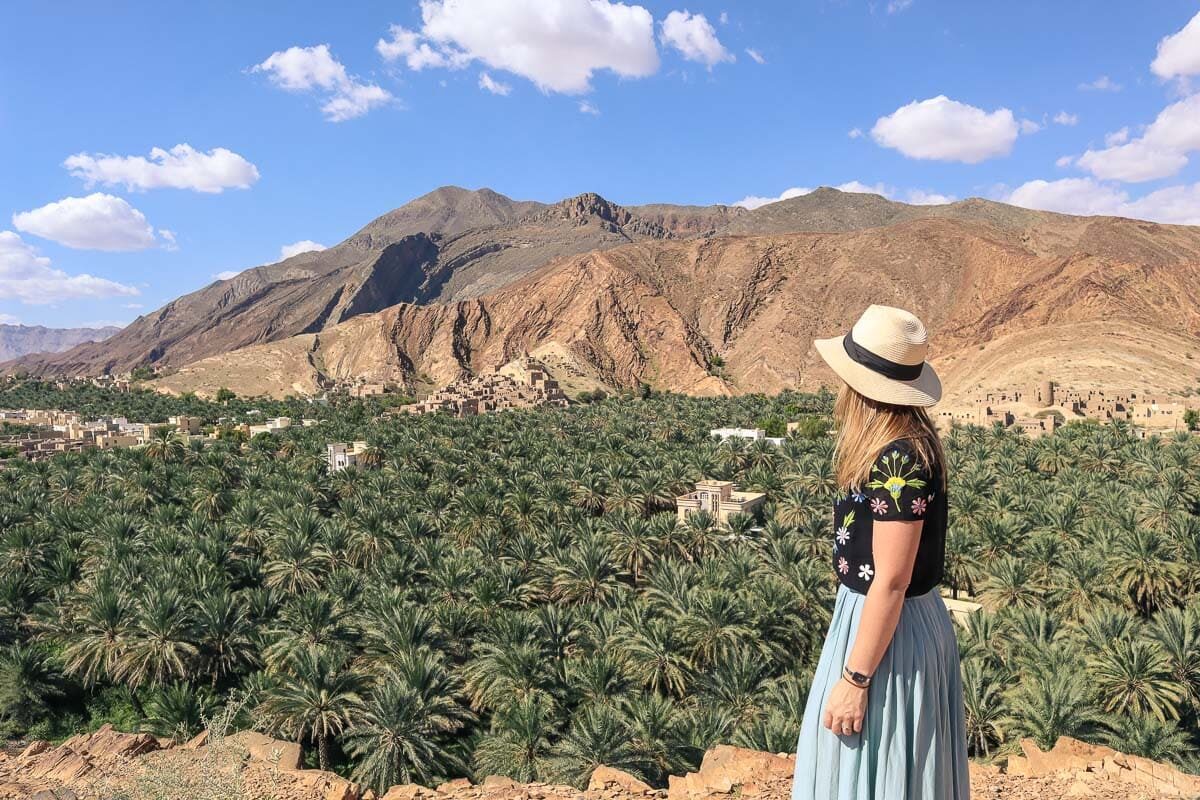
Oman is the most accessible and arguably most beautiful Arabian Peninsula destination, combining dramatic landscapes with genuine hospitality. The capital Muscat has stunning mosques (Sultan Qaboos Grand Mosque is unmissable), traditional souks, and excellent museums. Wahiba Sands offers desert camping and dune bashing. The Hajar Mountains feature dramatic wadis (valleys) with natural pools and canyon hiking. Nizwa and Bahla showcase fortresses and traditional life. Rent a 4WD for exploring beyond Muscat - infrastructure is excellent. The Omani rial is the currency. English is widely spoken. Omani cuisine features shuwa (slow-cooked meat), halwa, and kahwa coffee. Alcohol is available at hotels but not widely. Dress modestly, particularly outside resort areas.
Current Travel Situation
United States to Oman: What You Need to Know
Oman is widely considered one of the most welcoming and underrated countries in the Middle East. The Sultanate borders Saudi Arabia, UAE, and Yemen, and has coastlines on the Arabian Sea and Gulf of Oman. The main airport is Muscat Internation Airport (MCT), with connections from major European and Asian hubs. Oman is politically stable and peaceful compared to its war-affected neighbor Yemen. Omanis are known for their hospitality and the country retains a traditional character while modernizing rapidly. The US State Department has a Level 1 advisory (Exercise Normal Precautions).
How to Get There
Direct flights from the US to Oman are not available; most connect through London (Heathrow), Frankfurt, Doha, Dubai, or Abu Dhabi. Oman Air flies to Muscat from London, Frankfurt, Paris, and many Asian cities. Oman is often combined with Dubai (UAE); the two countries are 4.5 hours apart by road through the Hajar Mountains. The Empty Quarter desert region is accessible from Salalah in southern Oman.
Money & Banking
Oman uses the Omani Rial (OMR), one of the world's higher-valued currencies. Credit cards are widely accepted at hotels and larger businesses; smaller shops and souqs prefer cash. ATMs are readily available in Muscat and major towns. Oman is moderately priced for the Gulf; local restaurant meals cost $5-12, and guesthouses run $40-80/night outside of peak season. Muscat restaurant and hotel prices are on par with Bahrain.
Practical Tips
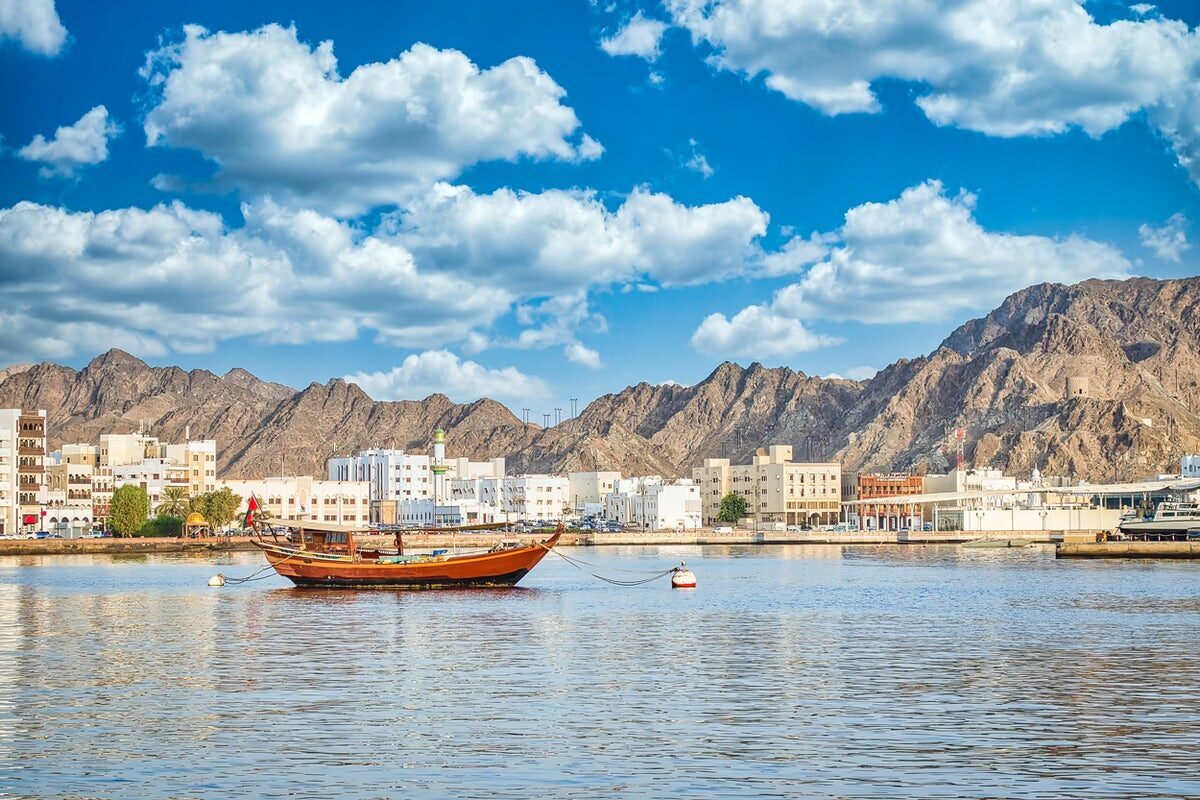
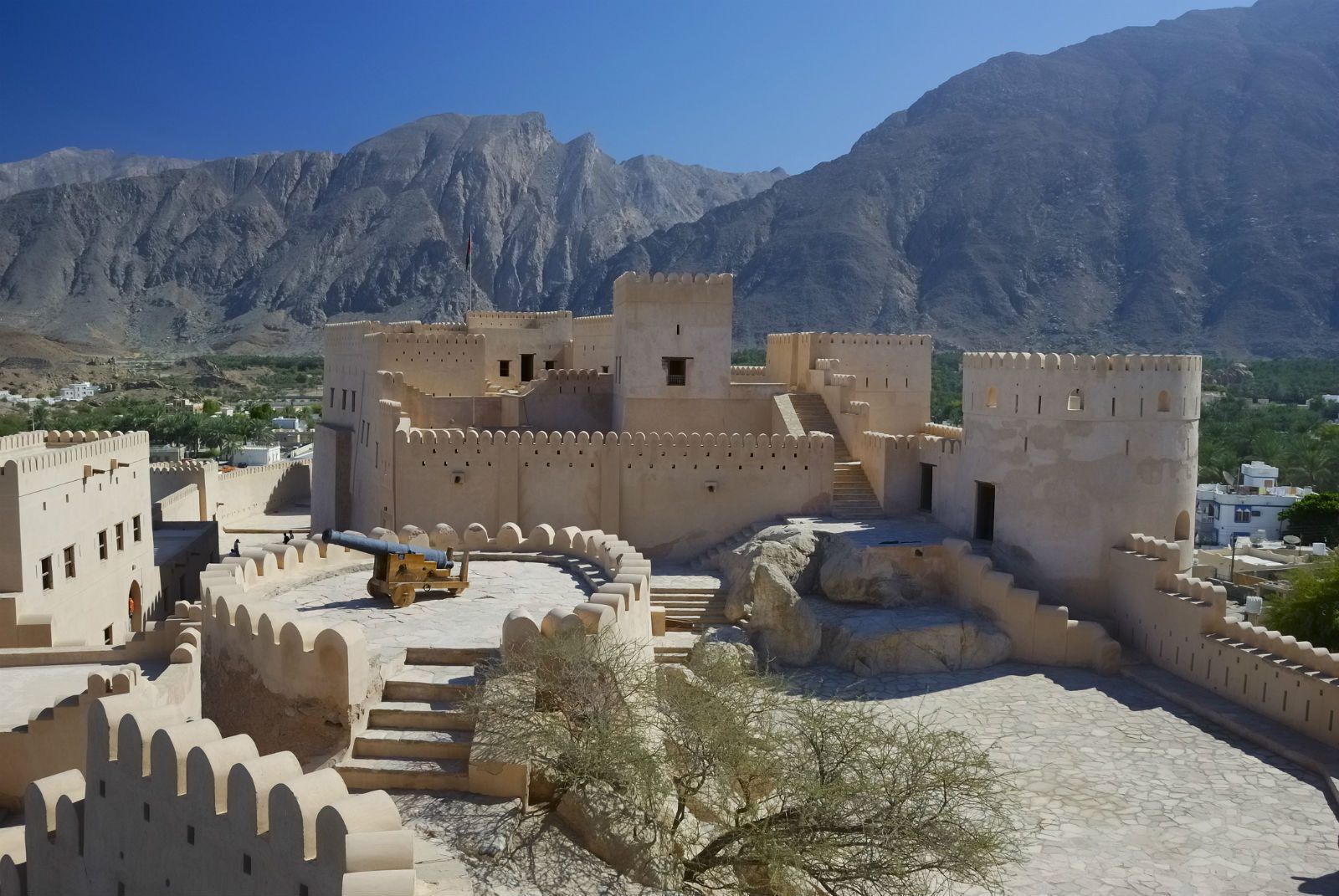
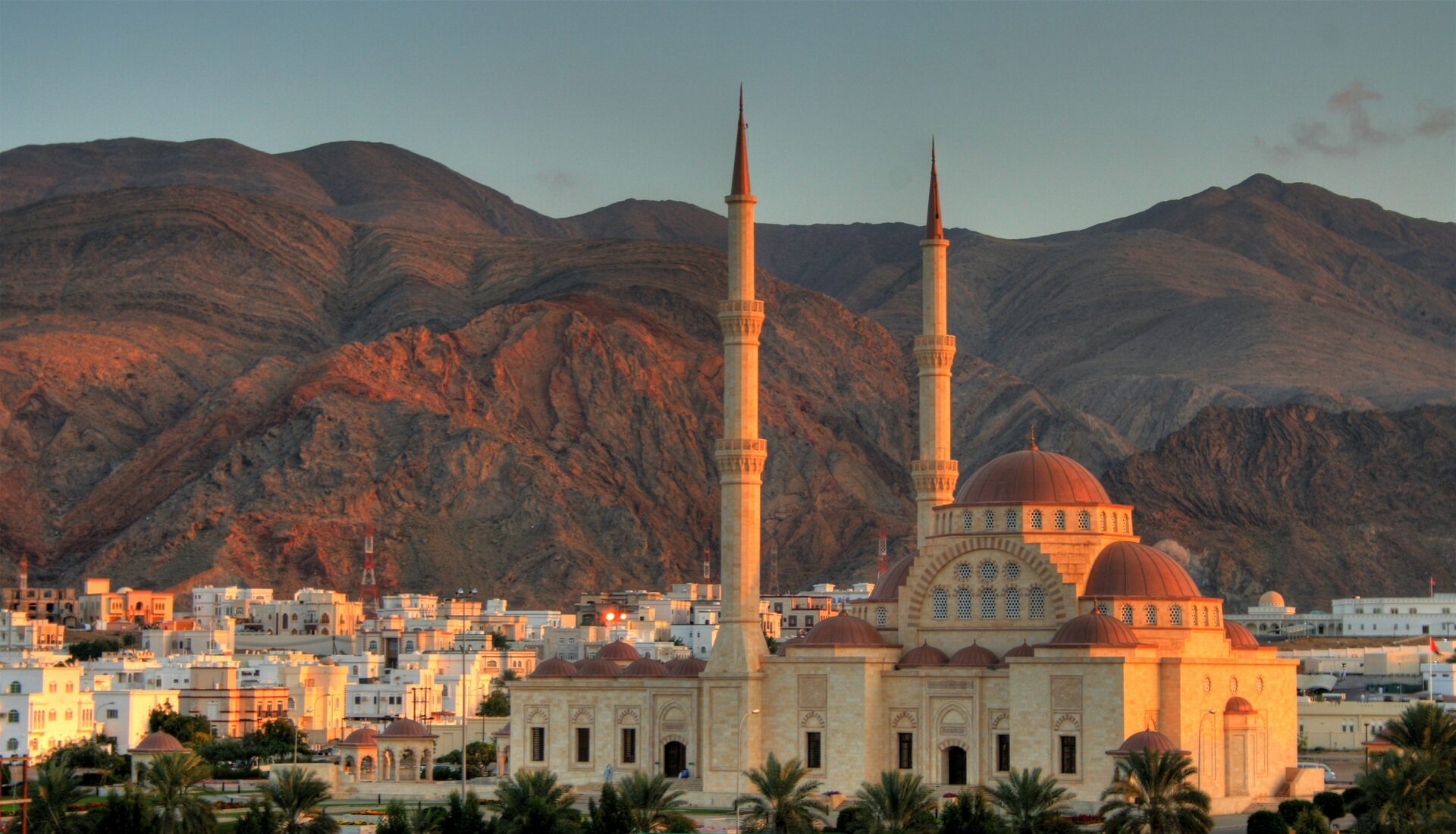
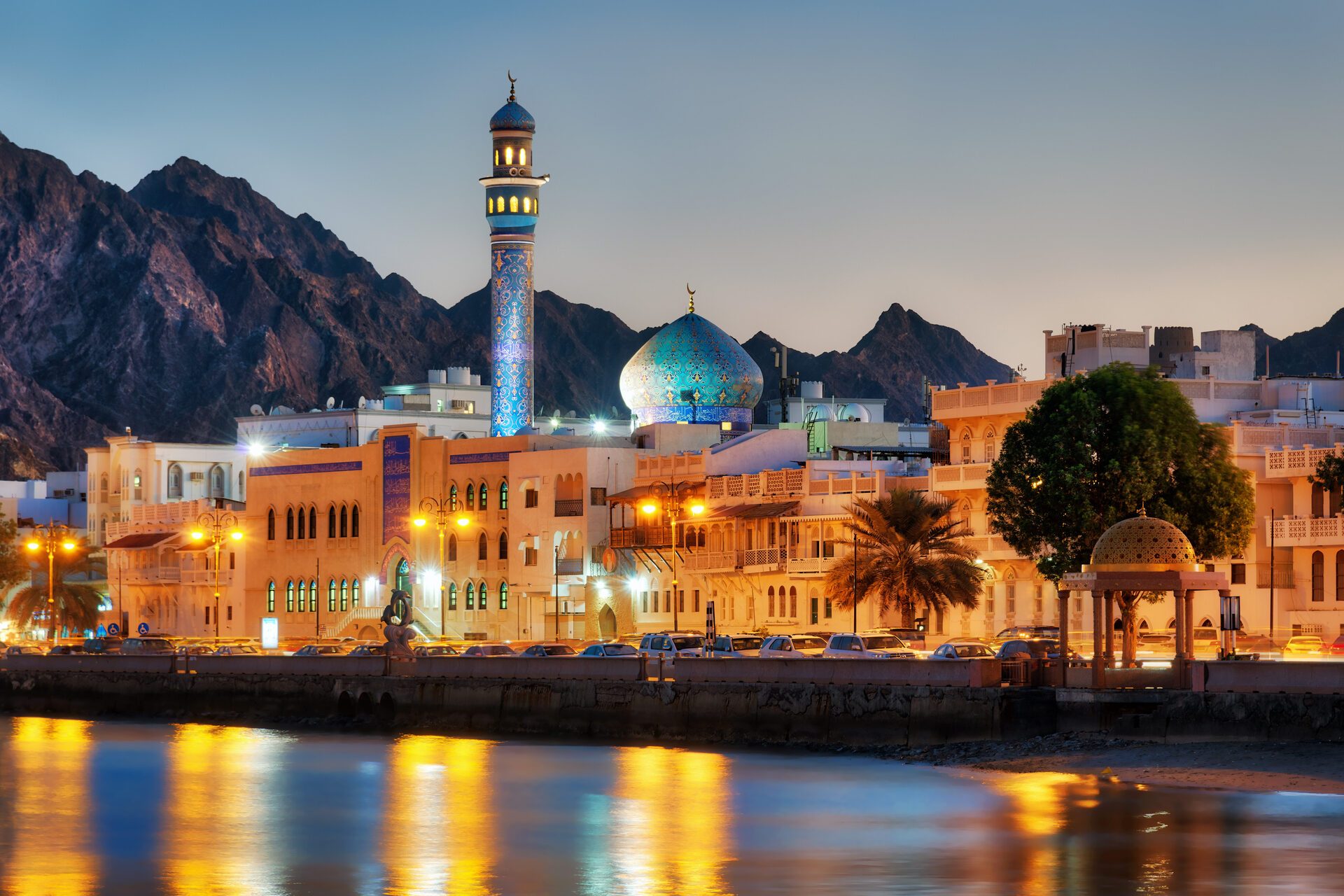
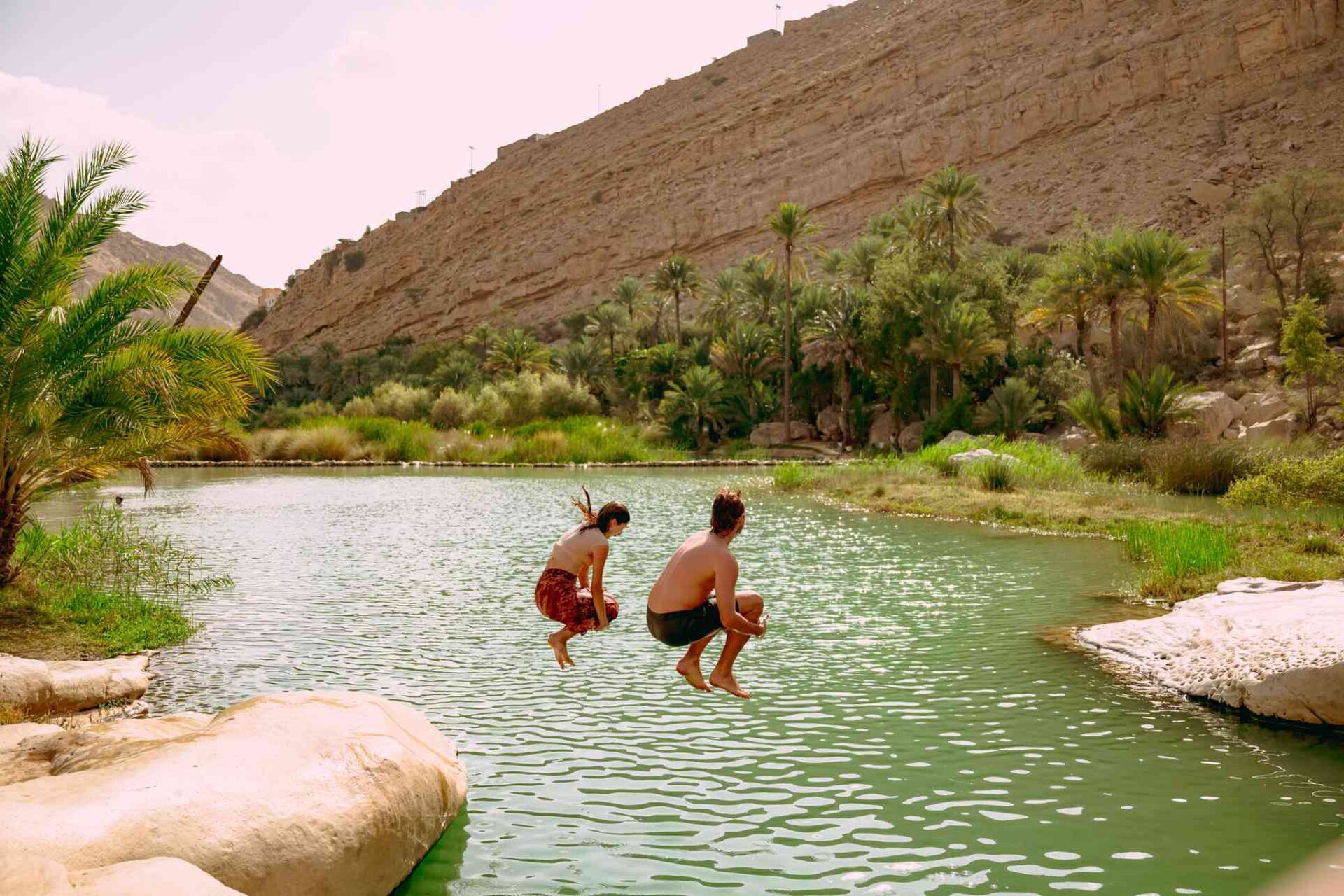
Muscat's Sultan Qaboos Grand Mosque is magnificent and open to non-Muslim visitors. The old town of Mutrah with its sprawling souq and historic fort is a must. Nizwa Fort and its famous Friday goat market give a window into traditional Omani life. Wadi Shab (a canyon with emerald pools) and Jebel Akhdar (Green Mountain, 2,000 m altitude) are stunning natural attractions. The Wahiba Sands desert and Ras al Jinz turtle sanctuary make excellent overnight adventures. Salalah (8 hours by road south) is green and lush during the summer khareef (monsoon) season.
Frequently Asked Questions
Is Oman safe for Americans?
Yes. Oman is one of the safest countries in the Middle East. The US State Department has a Level 1 (Exercise Normal Precautions) advisory. Crime is very low. Omanis are exceptionally hospitable toward foreign visitors. The border with Yemen is distant from tourist areas and not accessible.
Can I get an Oman visa on arrival?
Yes. US citizens can obtain a visa on arrival at Muscat International Airport. However, applying for the e-visa online in advance (evisa.rop.gov.om) avoids queues at arrival. Both options cost OMR 6 (approximately $20) for a single-entry 30-day tourist visa.
What makes Oman different from other Gulf destinations?
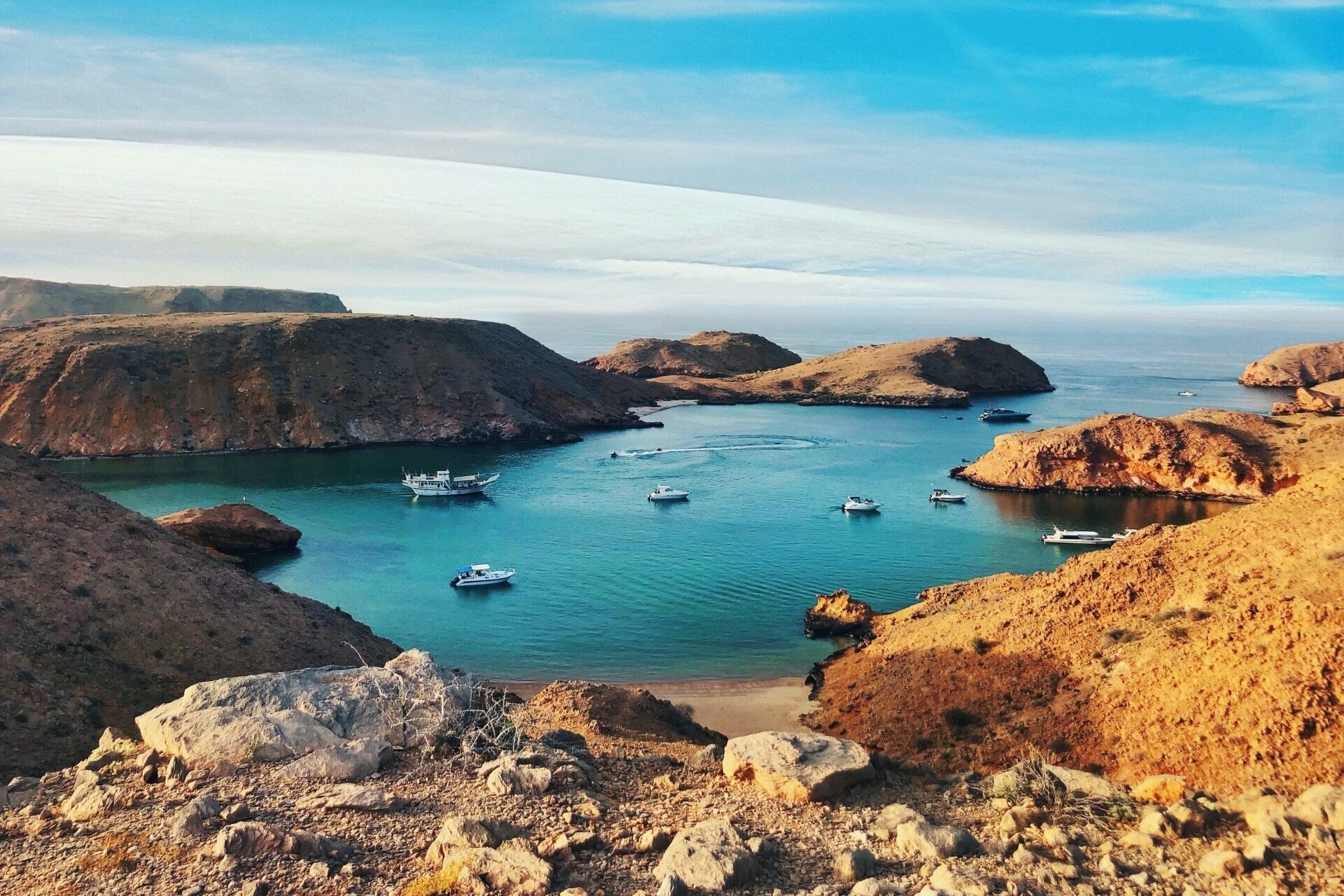
Oman stands out for its authentic character, dramatic landscapes, and lack of mass tourism. Unlike Dubai or Abu Dhabi, Oman has prioritized preserving traditional architecture, culture, and nature. The country has extraordinary wadi (canyon) hikes, a 1,700 km coastline, desert dunes, and frankincense-producing southern highlands -- all largely undiscovered by the tourist masses.
Do US citizens need a visa to visit Oman?
Yes, US citizens must obtain an e-Visa before arrival through the Royal Oman Police portal (evisa.rop.gov.om). Two main options exist: a 10-day single entry visa (5 OMR, approximately $13 USD) or a 30-day single entry visa (20 OMR, approximately $52 USD). Processing typically takes 1-3 business days. You'll need a passport valid for 6 months, confirmed hotel booking, and return/onward travel proof. Apply at least a week before travel to allow processing time.
How does Oman differ from other Gulf countries like UAE or Qatar?
Oman offers a more authentic, traditional Arabian experience compared to the flashy modernity of Dubai or Doha. While the UAE focuses on skyscrapers and mega-malls, Oman preserves its heritage with traditional architecture, historic forts, and unspoiled landscapes. Oman is more conservative (stricter dress codes, less accessible alcohol) but also more affordable and less commercialized. The country has dramatic natural beauty: rugged mountains, pristine wadis (valleys with pools), the Wahiba Sands desert, and the spectacular Musandam Peninsula. Omanis are renowned for their warm, genuine hospitality.
What are the must-see places in Oman?
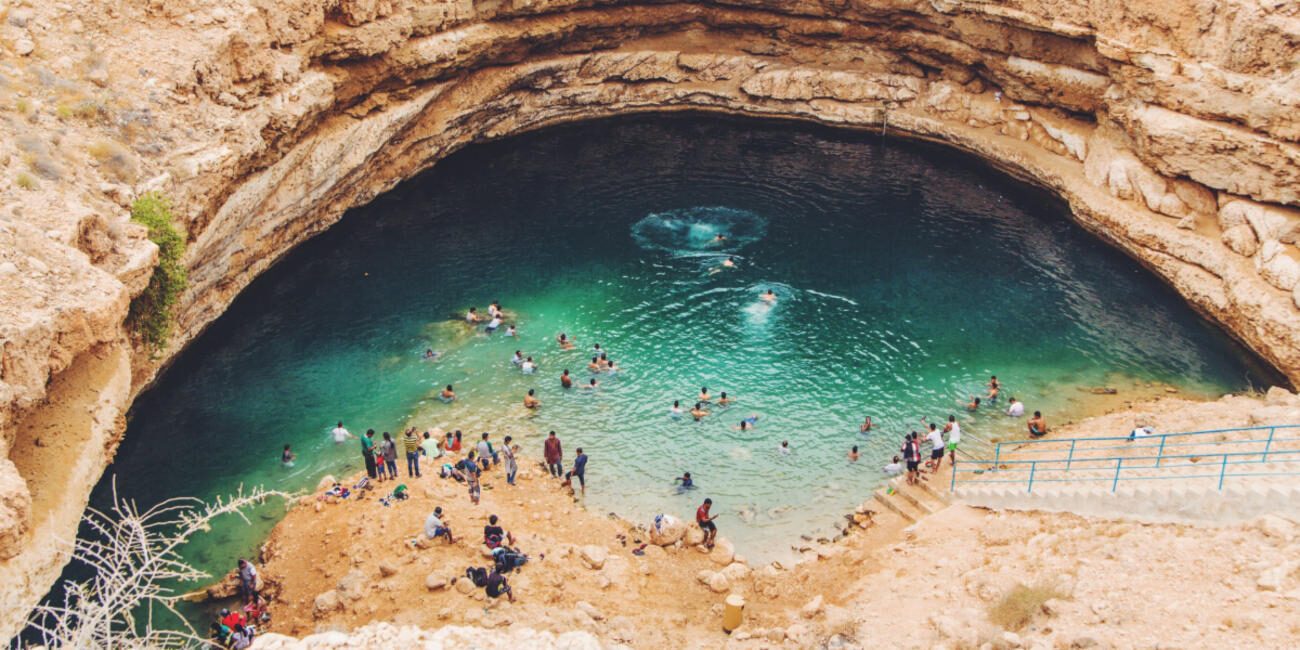
Oman offers diverse attractions. Muscat, the capital, has the magnificent Sultan Qaboos Grand Mosque, Mutrah Corniche and Souq, and the Royal Opera House. Nizwa features a historic fort and famous Friday livestock market. The Jebel Akhdar (Green Mountain) has cool temperatures and terraced villages. Wadi Shab and Wadi Bani Khalid offer swimming in stunning canyon pools. The Wahiba Sands desert provides classic Arabian dune landscapes with Bedouin camps. The Musandam Peninsula (Oman's fjords) has dramatic coastline accessible by dhow cruise. Salalah in the south has a unique monsoon-green season.
Do I need a 4x4 vehicle in Oman?
A 4x4 is highly recommended for exploring Oman beyond Muscat. Many of the country's best attractions, including wadis, desert areas, and mountain villages, require off-road driving. The sealed road network is good for city-to-city travel, but accessing places like Wadi Bani Khalid, Jebel Shams, and desert camps requires 4x4 capability. Major rental companies offer 4x4 vehicles at reasonable rates. If you only plan to stay in Muscat and take organized tours, a regular car works. Fuel is cheap. Driving is on the right side, and roads are generally excellent condition.