Nigeria Visa RequirementsFor United States passport holders
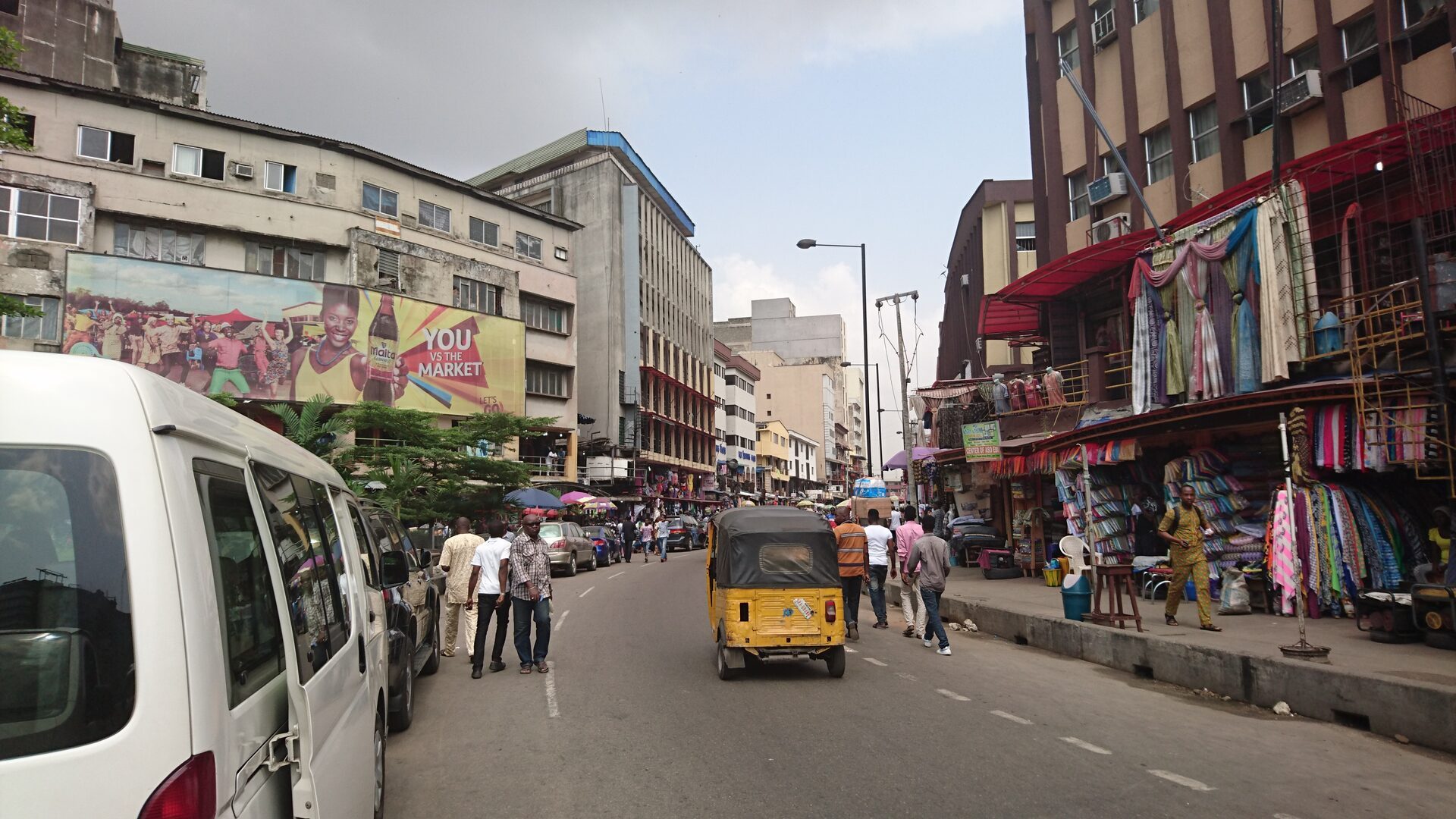
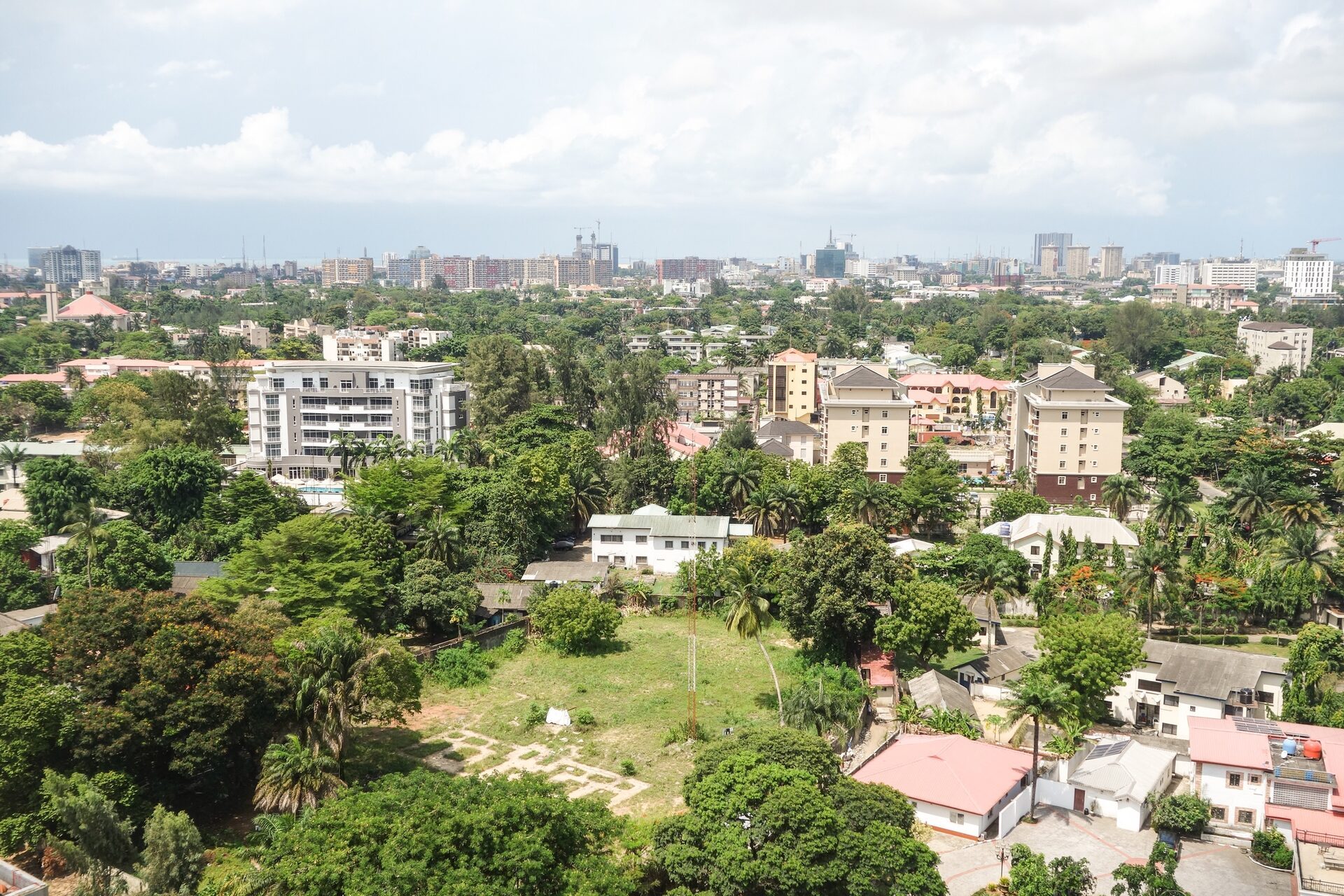
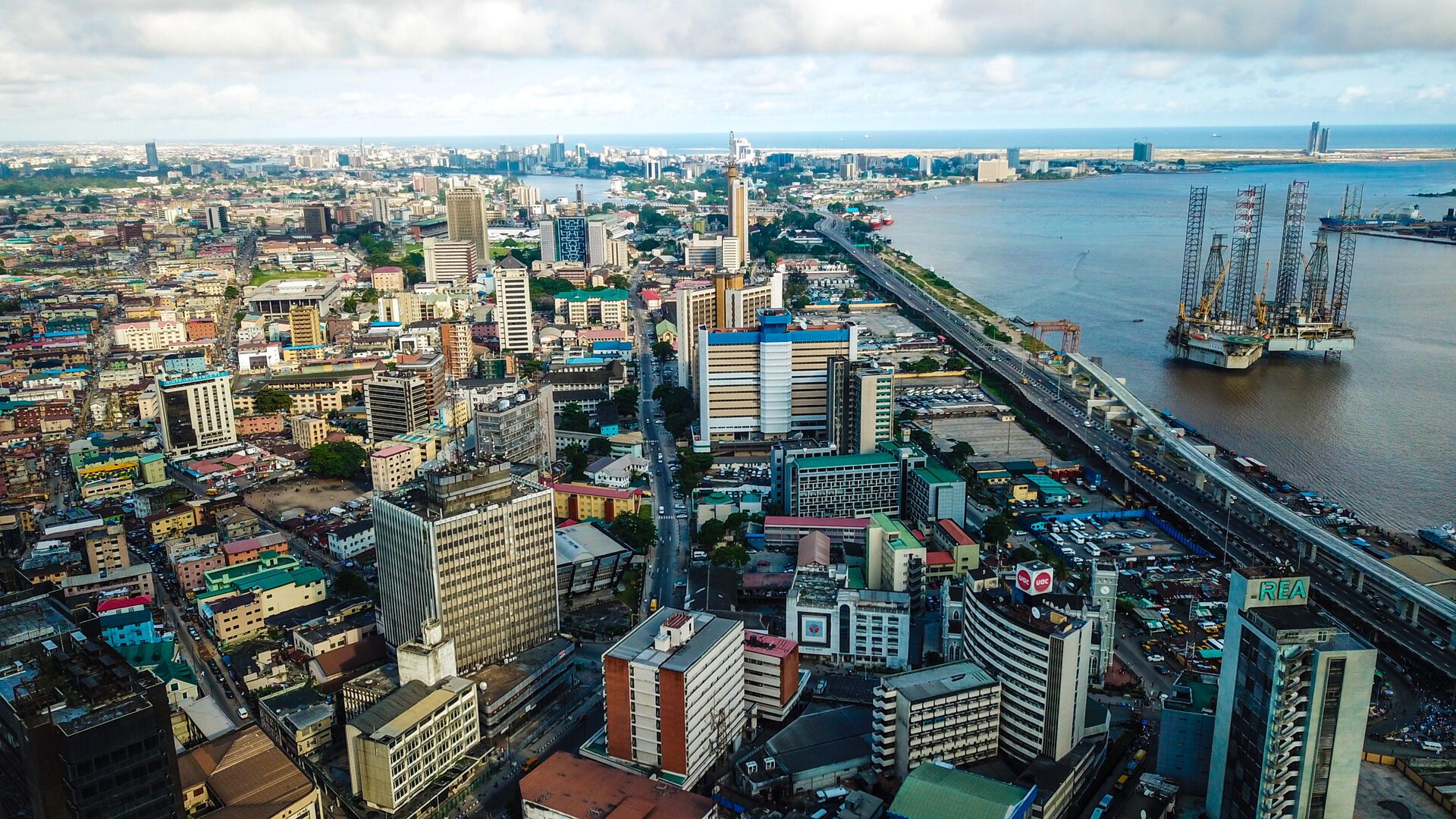
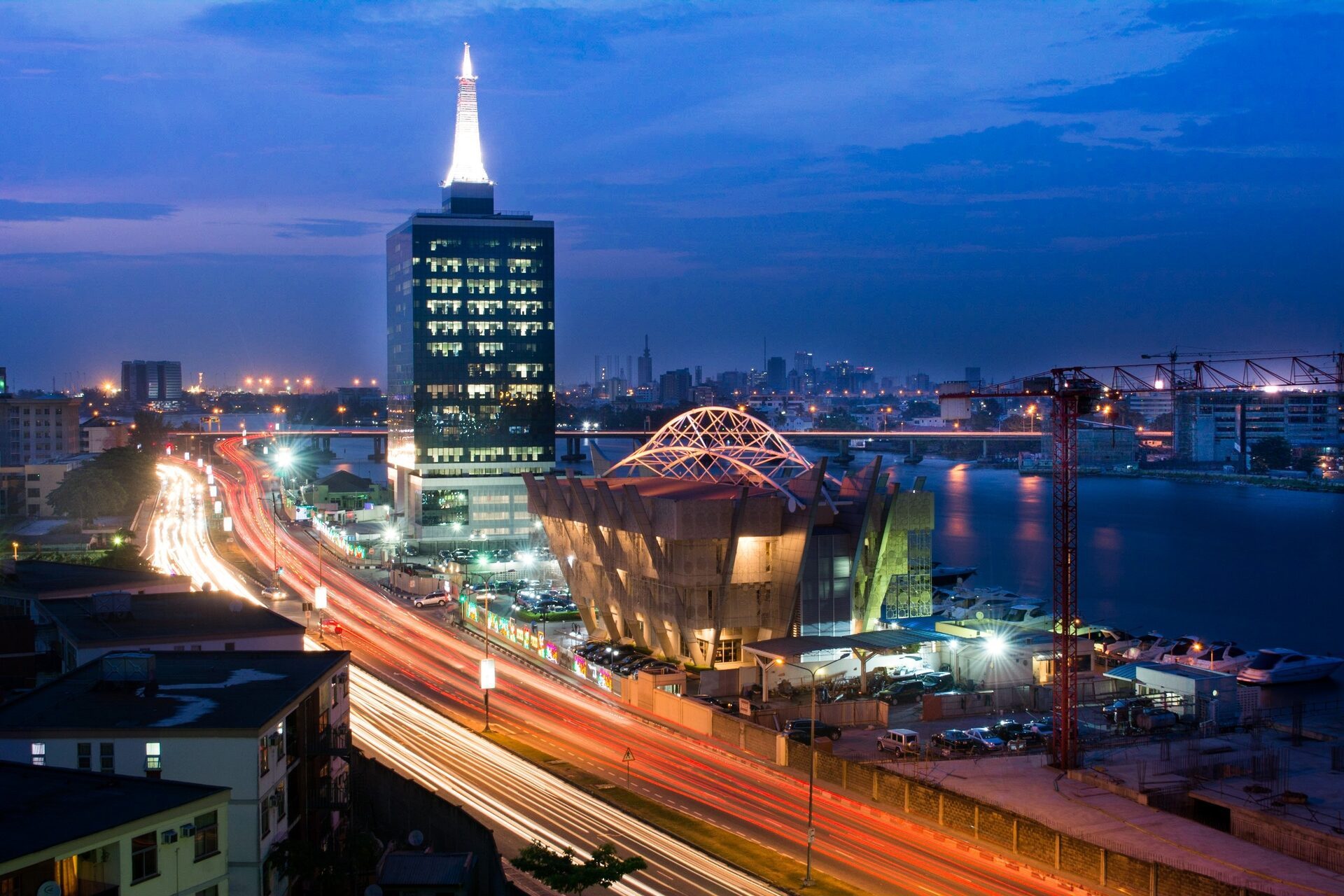
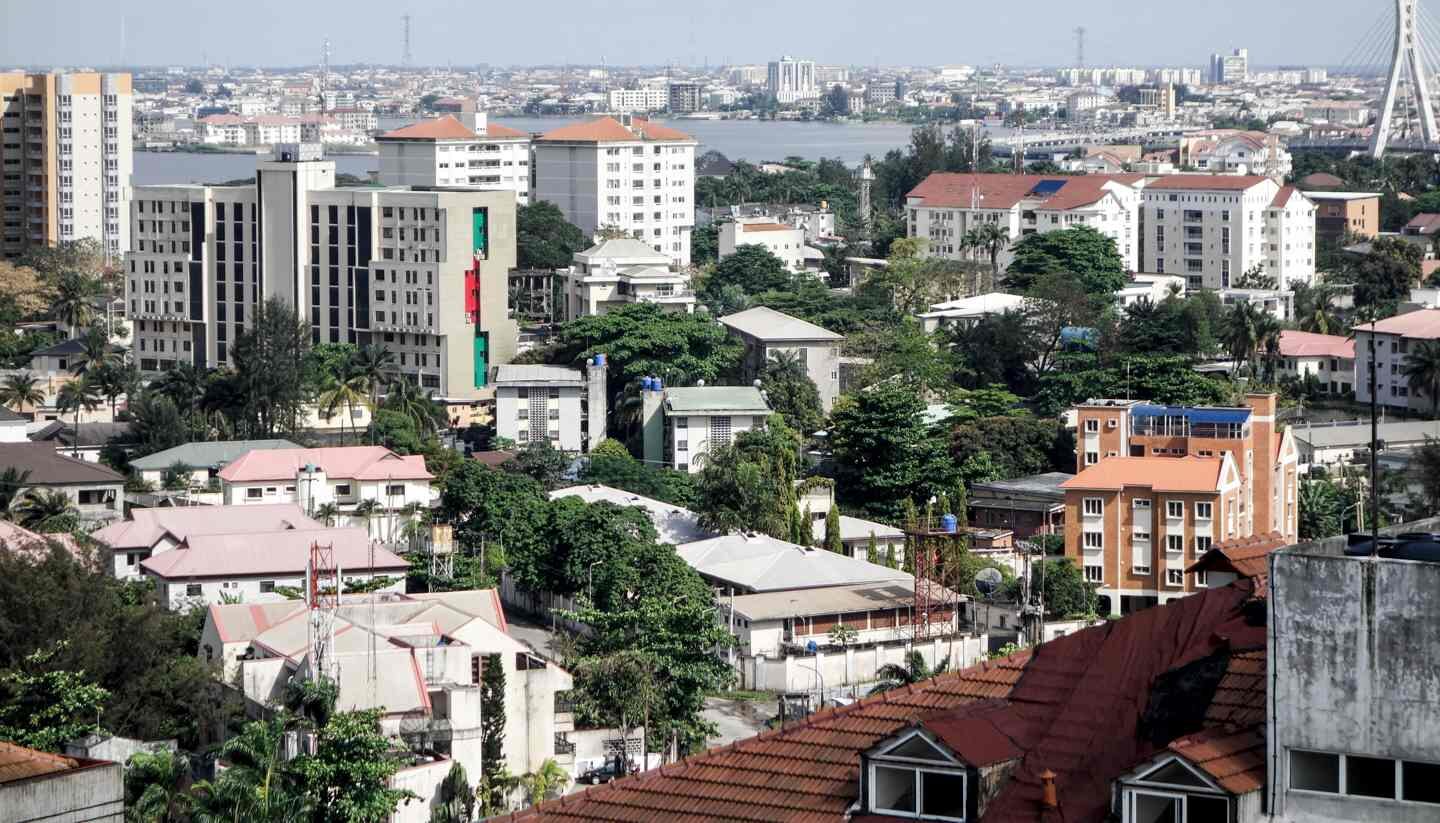
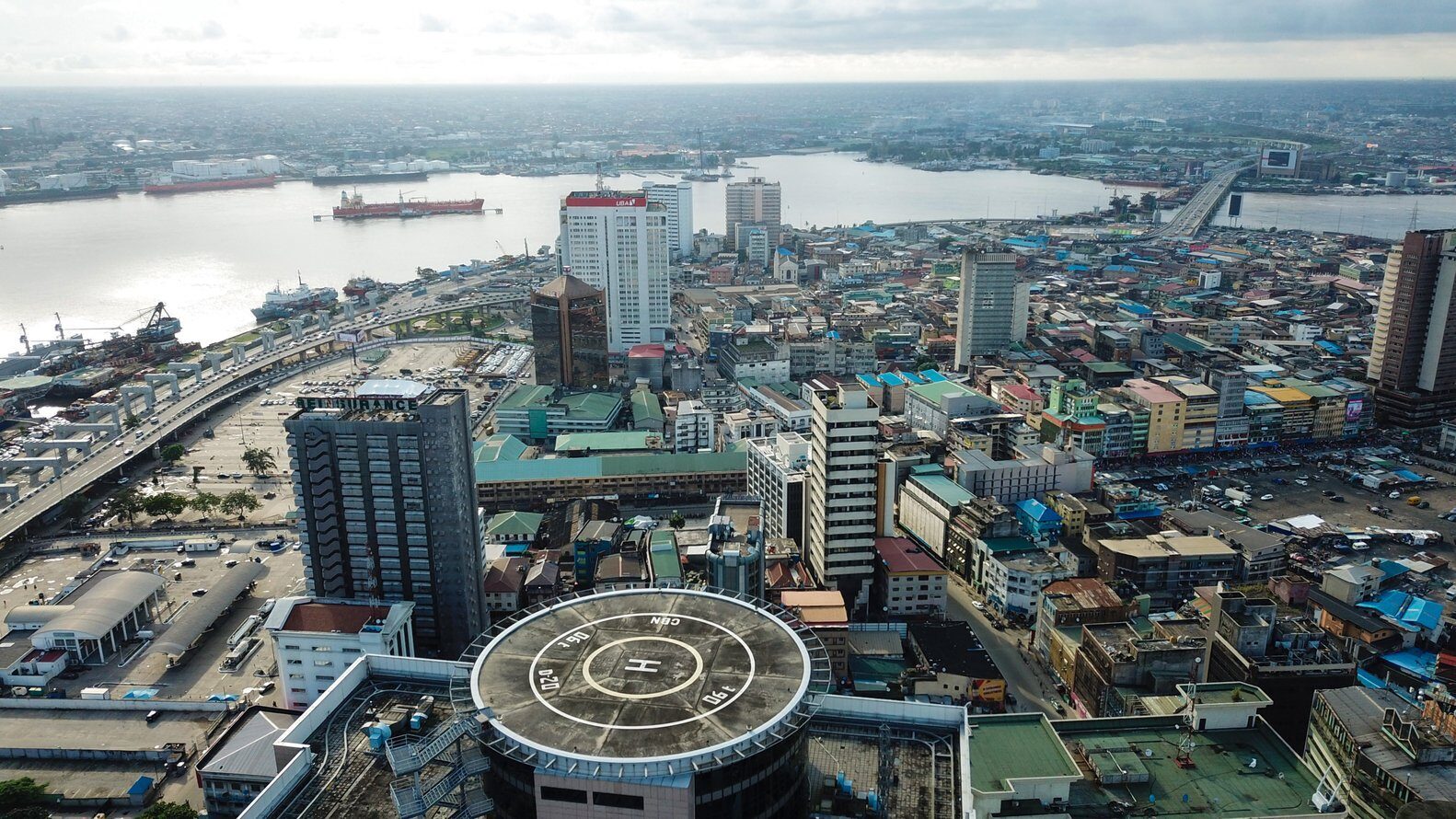
American citizens need a visa to visit Nigeria, applied for online through the Nigerian Immigration Service eVisa portal. The visa fee is $160 USD and processing typically takes 3-5 business days. Nigeria is Africa's most populous country and largest economy, offering Lagos (Africa's most dynamic megacity), the ancient emirate city of Kano, the national capital Abuja, and access to West Africa's most vibrant culture, music, and film industry (Nollywood).
United States passport holders require a visa to enter Nigeria.
Apply for a Nigeria eVisa online at immigration.gov.ng. The fee is $160 USD and processing takes 3-5 business days. Required: valid US passport (minimum 6 months validity), passport photo, purpose of visit details, accommodation address in Nigeria, return flight booking, and evidence of sufficient funds. Multiple-entry visas are available. A yellow fever vaccination certificate is mandatory for entry; carry the original WHO yellow card. Ensure all travel health precautions are taken: malaria prophylaxis, hepatitis A/B vaccinations are strongly recommended.


Entry Requirements
Passport Validity
6 months beyond date of entry
Blank Pages
2 blank pages required
Multiple Entry
Allowed
Work Permitted
No - requires work visa
Entry Conditions
Valid passport for 6+ months. Visa approval. Yellow fever certificate required.
Required Documents
For Your Visa Application
Valid US passport (minimum 6 months validity)
Passport photo
Return flight booking
Accommodation address in Nigeria
Evidence of sufficient funds
Yellow fever vaccination certificate (mandatory)
Visa fee: $160 USD
Required at Entry
Valid US Passport
Must be valid for at least 6 months beyond your planned stay with at least 2 blank pages for visa stamps
Printed eVisa approval
Completed Visa Application Form
Fill out the official visa application form from the embassy or consulate
Original yellow fever vaccination card
Valid US passport
Passport-size Photos
Two recent color photos (2x2 inches or 35x45mm) with white background, taken within last 6 months
Proof of Accommodation
Hotel reservations, rental agreement, or invitation letter with host address
Proof of Sufficient Funds
Recent bank statements (last 3 months), credit card statements, or sponsorship letter
Round-trip Flight Itinerary
Confirmed return or onward flight booking showing departure from the country
Employment or Business Letter
Letter from employer stating position, salary, and approved leave dates, or business registration documents
Travel Insurance Recommended
Comprehensive travel insurance covering medical expenses and emergency evacuation
Cover Letter Recommended
Personal letter explaining purpose of visit, itinerary, and ties to home country
Travel Essentials
Health & Safety
Safety Rating
Vaccinations
Hepatitis A and B, typhoid, meningitis, rabies, and malaria prophylaxis are strongly recommended. Consult a travel health clinic 6-8 weeks before departure.
Tap Water
Bottled water recommended
Safety Tips
Exercise increased caution in Nigeria. While major cities like Lagos and Abuja have areas safe for tourists, avoid travel to northeastern states due to insurgent activity. Use registered taxis, avoid displaying valuables, and stay informed about local conditions.
Money & Costs
Currency
₦ Nigerian Naira (NGN)
Daily Budget (USD)
Budget: $50 · Mid: $120 · Luxury: $300+
Cards & ATMs
Cards accepted in major hotels. Cash essential elsewhere.
Tipping
Tipping is appreciated but not obligatory. 10% in restaurants if not included, small tips for hotel staff and drivers.
Practical Info
Power
Type G, 240V
Driving
Right side
Emergency
112 (general), 199 (police), 767 (fire)
Mobile/SIM
Buy a SIM card from MTN, Airtel, or Glo. Registration requires passport, photo, and biometrics - process can take time. Data packages are affordable but coverage and speeds vary. Mobile money is increasingly important. WhatsApp is the primary communication method.
Getting There
Main Airports
Lagos (LOS) · Abuja (ABV) · Port Harcourt (PHC)
Airport Transfers
Lagos Murtala Muhammed (LOS): Airport is far from Victoria Island where most hotels are. Arrange hotel pickup or use verified taxi services ($30-50, 1-2 hours depending on traffic). Uber/Bolt available but verify driver. Abuja Nnamdi Azikiwe (ABV): Closer to city. Taxi to center $20-30 (30 minutes).
Local Transport
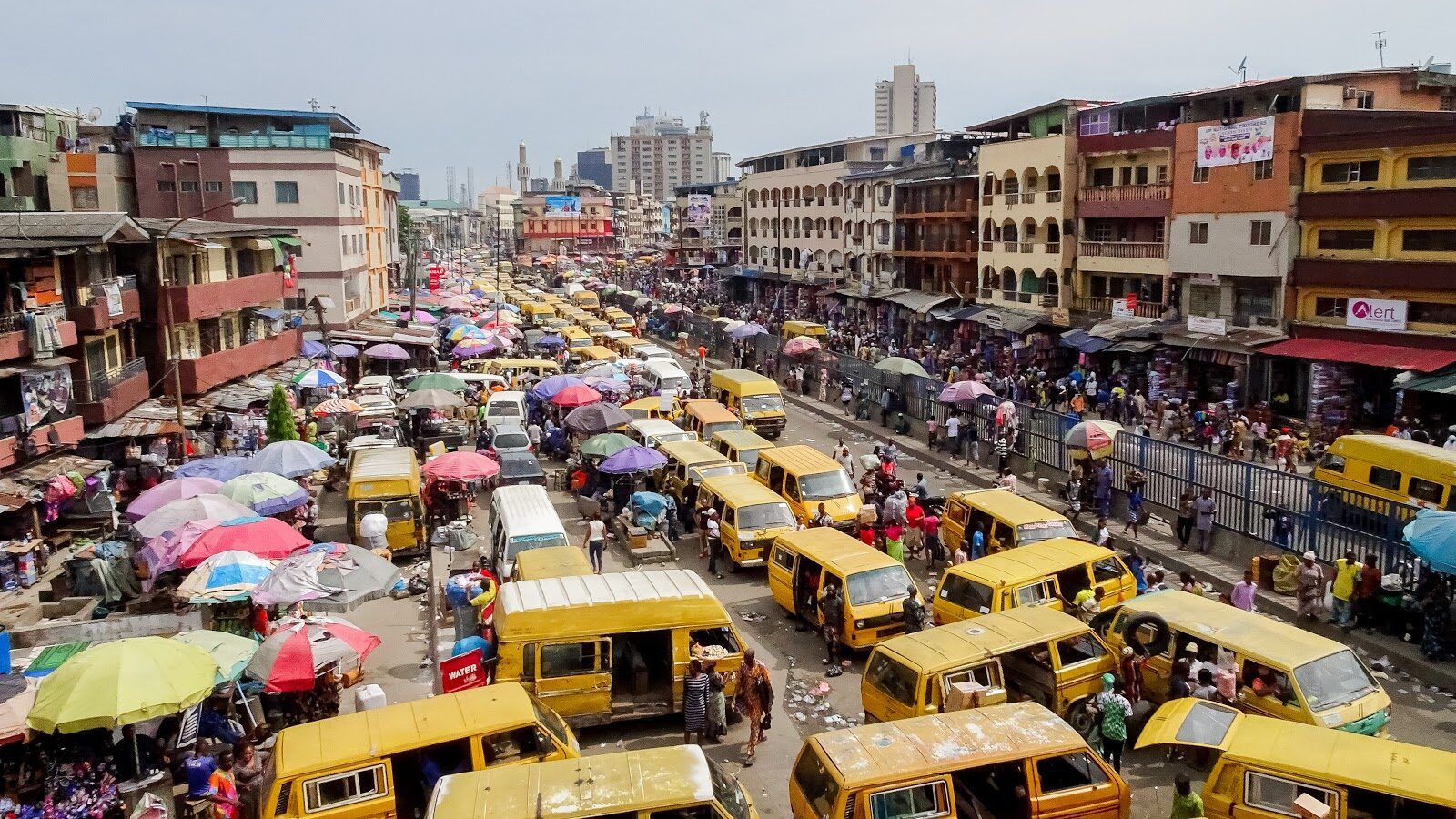
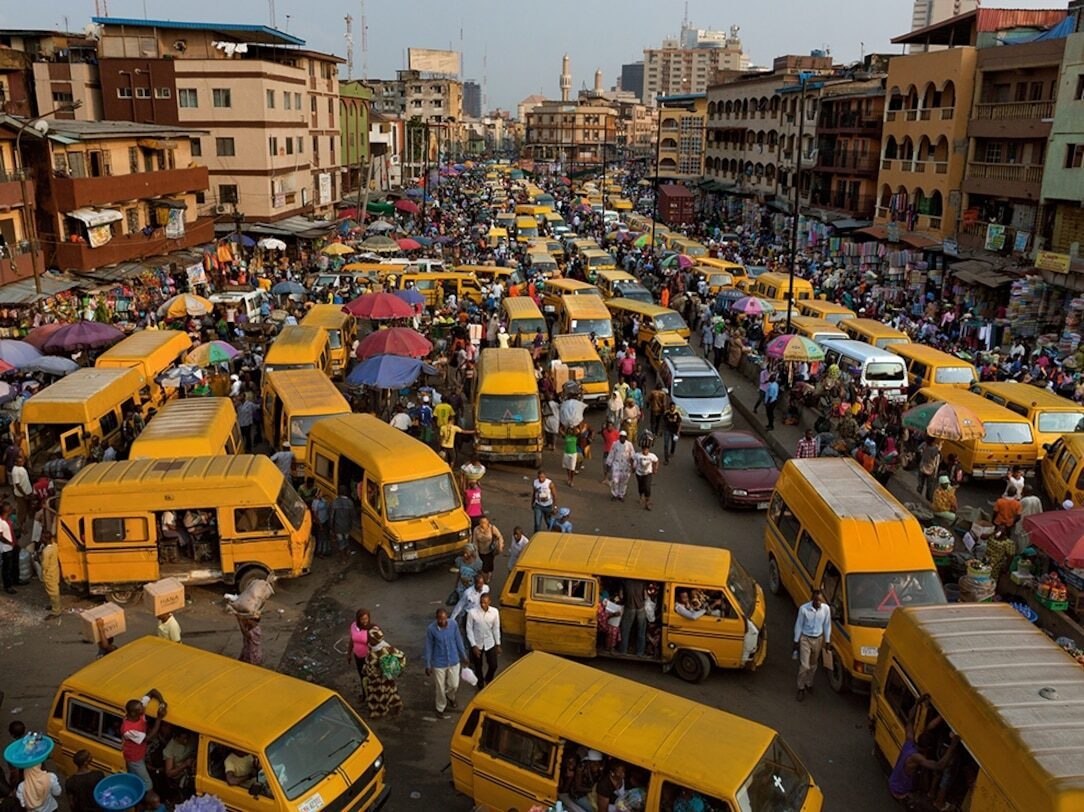
Domestic flights with Air Peace, Ibom Air, or Dana Air connect major cities - essential for avoiding road travel. Within cities, only use ride-hailing apps (Bolt, Uber where available) or trusted drivers. Avoid danfos (yellow buses) and okadas (motorcycle taxis). Interstate road travel has security risks.
Culture & Travel Tips
Best Time to Visit
November to February offers the most comfortable weather, with dry conditions and cooler temperatures averaging 25-30°C. This period avoids the intense humidity of the rainy season (April-October) and coincides with colorful festivals.
Cultural Notes
Nigeria is incredibly diverse with over 250 ethnic groups and rich cultural traditions. Greetings are important - take time to exchange pleasantries before business. Respect for elders is paramount. In the Muslim north, observe conservative dress and customs during Ramadan.
Insider Tips
Nigeria operates primarily on cash; carry enough Naira as card acceptance is limited outside major hotels. Traffic in Lagos is notorious - allow several hours for airport transfers. Dress modestly, especially in northern regions. Negotiate prices for taxis and markets before agreeing.
Dress Code
Modest dress, especially in northern regions. Traditional attire appreciated.
Current Travel Situation
United States to Nigeria: What You Need to Know
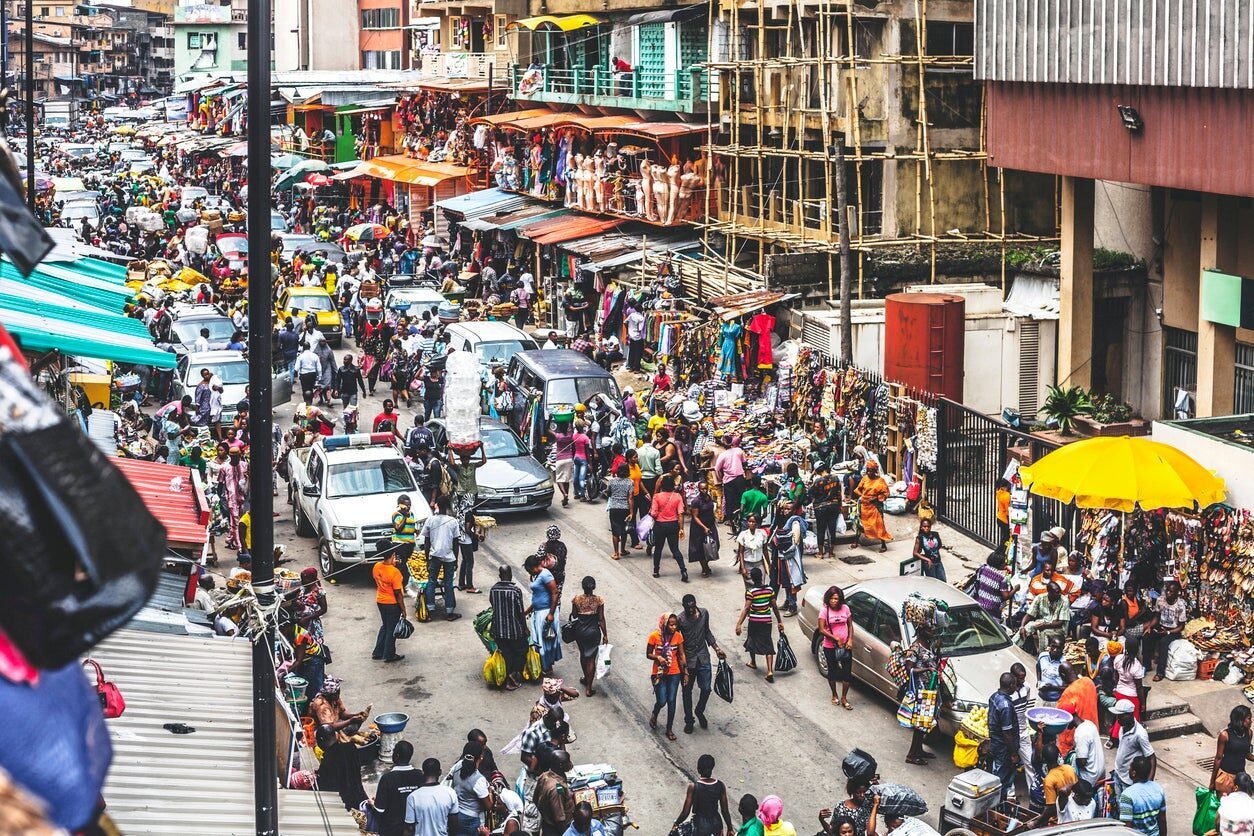
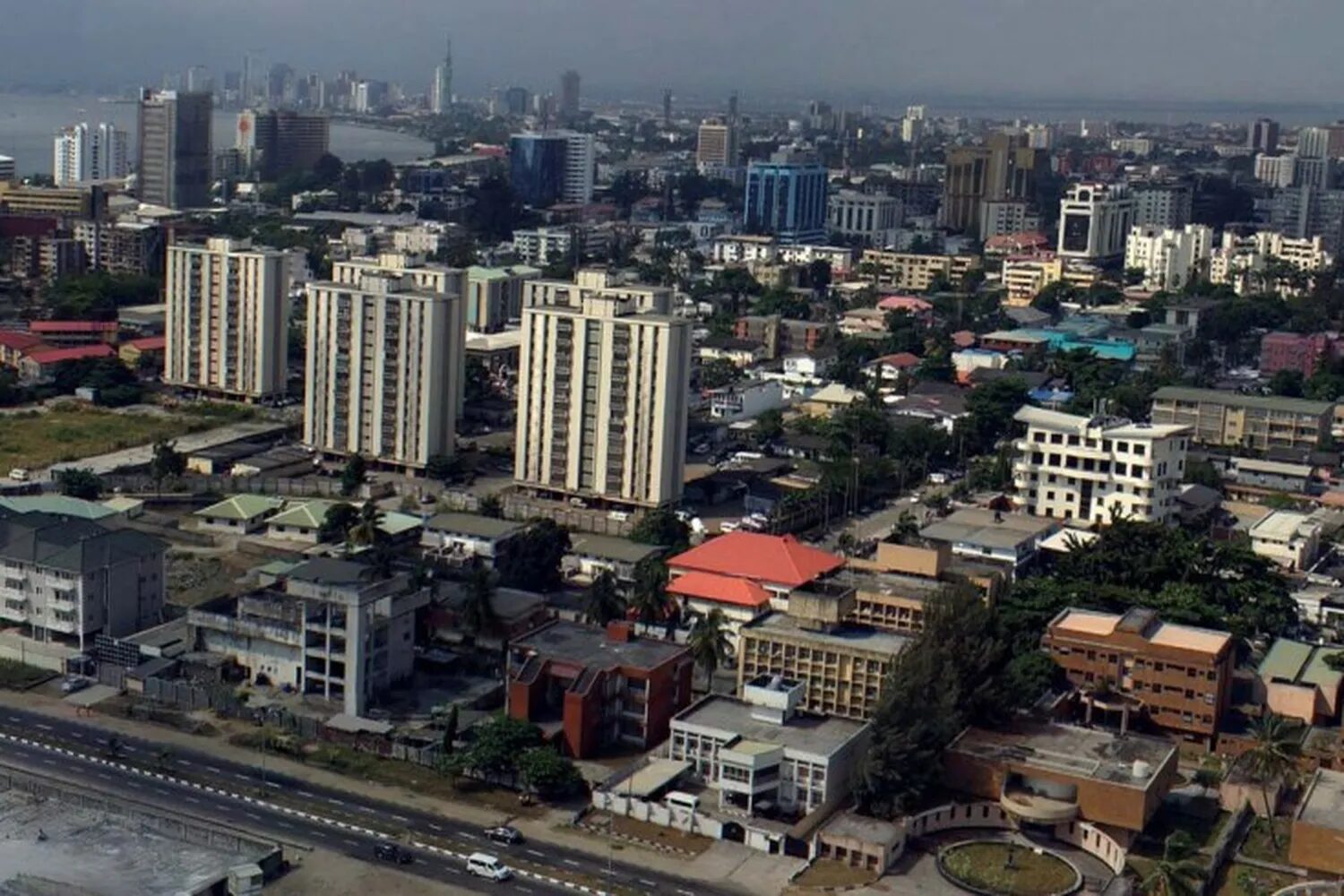
Nigeria and the United States have a complex but significant bilateral relationship: Nigeria is the largest African economy, Africa's most populous country (215+ million people), and produces approximately 2 million barrels of oil per day. The US has maintained strong commercial and diplomatic ties with Nigeria since independence in 1960. Nigeria introduced an eVisa system making it easier for Americans to apply online. For American visitors, Nigeria offers a uniquely intense urban experience in Lagos, one of the world's fastest-growing megacities with a population exceeding 20 million, and extraordinary cultural depth. Nigeria has produced some of the world's most celebrated literature (Chinua Achebe, Wole Soyinka), music (Afrobeats, Fela Kuti), and film (Nollywood is the world's second-largest film industry by output).
How to Get There
No direct US-Nigeria flights exists currently. Connect to Lagos (LOS - Murtala Muhammed) or Abuja (ABJ) via London (British Airways, Virgin Atlantic from New York), Amsterdam (KLM), Paris (Air France), Doha (Qatar Airways), or Dubai (Emirates). Ethiopian Airlines connects via Addis Ababa. Total journey from New York to Lagos is approximately 14-20 hours.
Money & Banking
Nigeria uses the Nigerian naira (NGN). Nigeria's naira has experienced significant depreciation; budget approximately $50-100 USD per day for mid-range travel in Lagos or Abuja, but use USD or international cards for the best rates. Lagos is expensive by African standards for international-standard accommodation and dining in the Ikoyi, Victoria Island, and Lekki districts. Street food (suya spiced grilled meat, jollof rice, puff puff doughnuts) is both excellent and cheap. USD is widely accepted in Lagos business and upmarket areas; exchange at banks or legitimate bureaux de change for naira.
Practical Tips
Lagos: the Lekki Conservation Centre (boardwalk through mangrove forest, zip-lining over a canopy), the Lekki Market (one of Lagos's largest markets), Nike Art Gallery (extraordinary collection of Nigerian contemporary art), Tarkwa Bay Island (accessible by speedboat from Bar Beach, clean beach), and the vibrant nightlife of Victoria Island and Lekki. Abuja: the Nigerian National Mosque, the Nigerian National Christian Centre, and Aso Rock (the Presidential Villa complex visible from the city). Kano: the ancient emir's palace, the Kurmi Market (one of Africa's oldest markets, 500+ years), and traditional indigo dye pits. Osogbo Sacred Grove (UNESCO): Yoruba sacred forest with extraordinary sculpture gardens.
Frequently Asked Questions
Do US citizens need a visa to visit Nigeria?
Yes, US citizens must obtain a visa before visiting Nigeria. The standard tourist visa (STB/Visa on Arrival) can be applied for online through the Nigeria Immigration Service portal. You'll receive an approval letter to present upon arrival. Alternatively, apply at a Nigerian embassy or consulate in the US for a stamp in your passport before travel. Tourist visas are typically valid for 90 days with single or multiple entry options. Processing can take several weeks, so apply well in advance of your planned trip.
Do US citizens need a visa for Nigeria?
Yes. Americans need a Nigeria eVisa, applied online at immigration.gov.ng. The fee is $160 USD and processing takes 3-5 business days. A yellow fever vaccination certificate is mandatory for entry.
What documents are required for a Nigeria visa application?
For a Nigerian tourist visa, you typically need: a valid passport with at least 6 months validity and blank pages; completed application form; passport-sized photographs meeting specifications; proof of accommodation (hotel booking or invitation letter from host); return flight itinerary; evidence of sufficient funds (bank statements); travel itinerary; and proof of employment or business in the US. Requirements can vary, so check the embassy website for current requirements. For the Visa on Arrival option, you'll also need a letter from your host in Nigeria.
Is Nigeria safe for American visitors?
Nigeria requires significant security awareness. Lagos and Abuja are the safest areas for business and tourist visitors, but petty crime, scams, and traffic conditions require alertness. The US State Department advises caution in many areas -- particularly the northeast (Borno, Yobe, Adamawa states due to Boko Haram activity) and Niger Delta region. Check the State Department travel advisory before travel.
Is Nigeria safe for American tourists?
Nigeria has significant security concerns that travelers must carefully consider. The US State Department advises against travel to many parts of the country due to crime, terrorism, civil unrest, and kidnapping. The north and northeast have terrorism risks (Boko Haram). The Niger Delta and Middle Belt have other security concerns. Lagos and Abuja's main tourist and business districts are relatively safer but require vigilance. If you must travel, use reputable security-conscious transportation, avoid displaying wealth, keep a low profile, and stay informed about current conditions. Consider professional security advice for business travel.
Do I need malaria prophylaxis for Nigeria?
Yes. Nigeria has a high risk of malaria throughout the country, including in Lagos and Abuja. Take antimalarial medication (consult your doctor for current recommendations), use insect repellent (DEET-based), sleep under mosquito nets, and wear long sleeves in the evening. Hepatitis A, hepatitis B, and typhoid vaccinations are also recommended.