Nicaragua Visa RequirementsFor United States passport holders
US citizens can enter Nicaragua without a visa and stay up to 90 days as part of the Central America-4 (CA-4) agreement. The US State Department advises reconsidering travel (Level 3) due to political repression and arbitrary detention risks.
Great news! United States passport holders can enter Nicaragua without a visa for tourism or business purposes. You can stay up to 90 days.
No visa fee or application is required. US citizens enter Nicaragua on a tourist card ($10-15 fee collected at the border or airport). The CA-4 agreement gives a shared 90-day period across Nicaragua, Honduras, Guatemala, and El Salvador; time spent in any of these four countries counts against the shared 90 days. Carry your valid US passport (6+ months validity), onward ticket, proof of accommodation, and $500+ in provable funds.
Entry Requirements
Passport Validity
6 months beyond date of entry
Blank Pages
2 blank pages required
Multiple Entry
Allowed
Work Permitted
No - requires work visa
Required Documents
Valid US Passport
Must be valid for at least 3-6 months beyond your planned departure date (varies by country)
Return or Onward Ticket
Proof of departure from the country, such as a return flight or onward travel booking
Proof of Accommodation Recommended
Hotel reservation, Airbnb booking, or address where you will be staying
Proof of Sufficient Funds Recommended
Credit cards, bank statements, or cash to cover expenses during your stay
Travel Insurance Recommended
Recommended for all international travel covering medical emergencies
Travel Essentials
Health & Safety
Safety Rating
Vaccinations
Hepatitis A and B, typhoid recommended. Dengue and Zika present - use mosquito repellent.
Tap Water
Bottled water recommended
Safety Tips
Nicaragua is generally safer than its northern neighbors. Tourist areas like Granada, León, and San Juan del Sur are relatively safe. Be cautious in Managua. Political protests can occur - check current conditions. Petty theft exists; take normal precautions.
Money & Costs
Currency
C$ Nicaraguan Córdoba (NIO)
Daily Budget (USD)
Budget: $25 · Mid: $60 · Luxury: $150+
Tipping
Tipping 10% is customary in restaurants. Tip tour guides and drivers.
Practical Info
Power
Type A, B, 120V
Driving
Right side
Emergency
118 (police), 115 (fire), 128 (Red Cross)
Getting There
Main Airports
Managua (MGA)
Culture & Travel Tips
Best Time to Visit
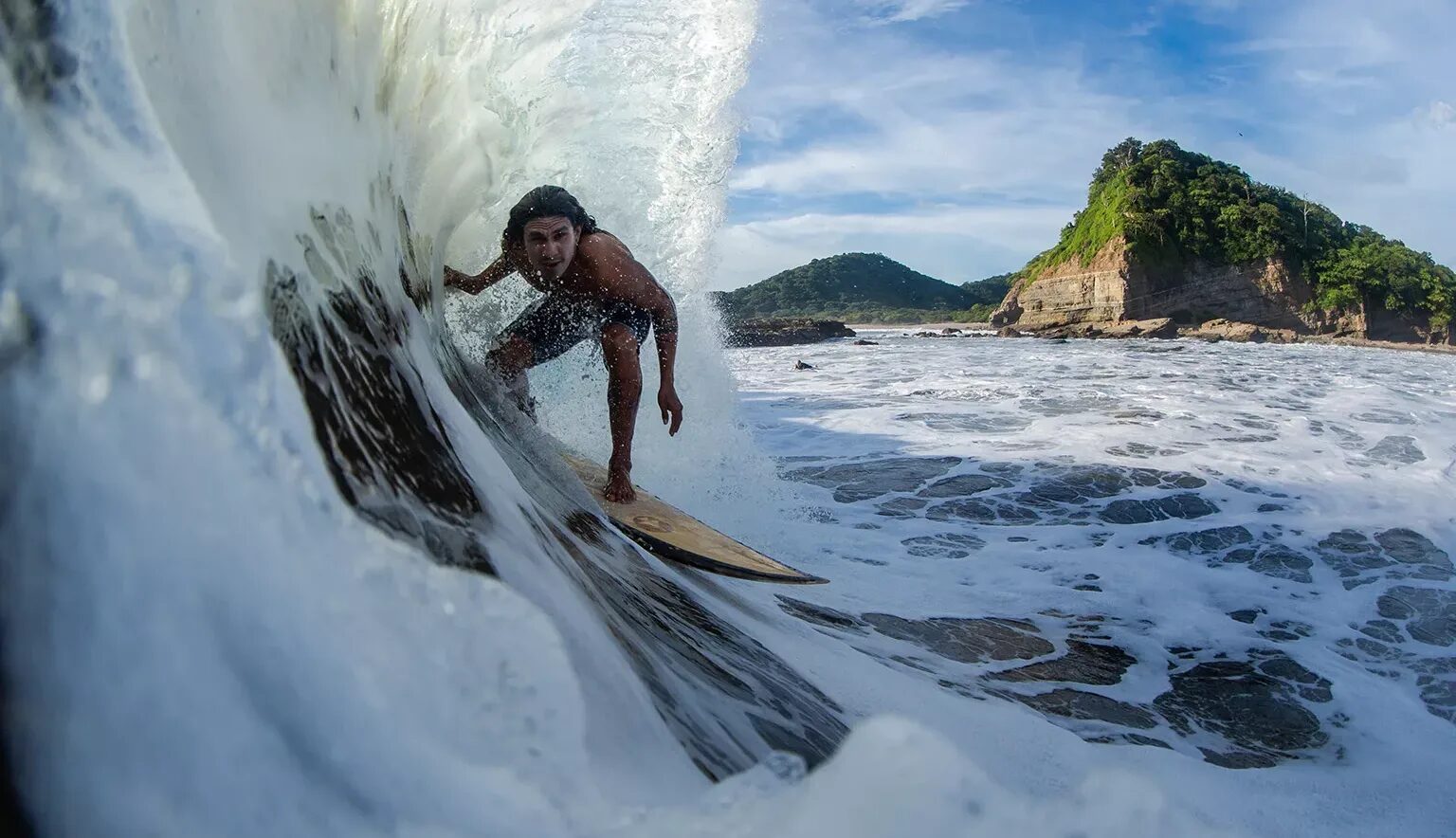
Nicaragua has a tropical climate with a dry season (November-April) and wet season (May-October). The dry season is ideal for most travel, with sunny skies and easier road conditions. December through February is peak tourist season with the best weather. The wet season brings daily afternoon thunderstorms but lush green landscapes and fewer tourists - mornings are often clear for activities. The Pacific coast is hotter and drier; the Caribbean coast receives more rainfall year-round. Volcano boarding on Cerro Negro and surfing conditions are good year-round. Semana Santa (Holy Week) is celebrated elaborately but everything closes.
Cultural Notes
Nicaragua is recovering from a turbulent political history - the Sandinista revolution (1979), Contra War (1980s), and recent protests against the Ortega government (2018) have shaped national identity. Nicaraguans are resilient and proud despite economic challenges. Catholicism and evangelical Christianity are influential. Poetry is taken seriously - Ruben Dario is a national hero. The Pacific side is predominantly mestizo (mixed Spanish-indigenous), while the Caribbean coast has Miskito, Creole, and Garifuna communities with distinct cultures and English-speaking traditions. The political situation under Daniel Ortega has become increasingly authoritarian, with some dissidents in exile and press freedom restricted. Travelers should stay informed about current conditions but will find warm welcomes from ordinary Nicaraguans.
Insider Tips
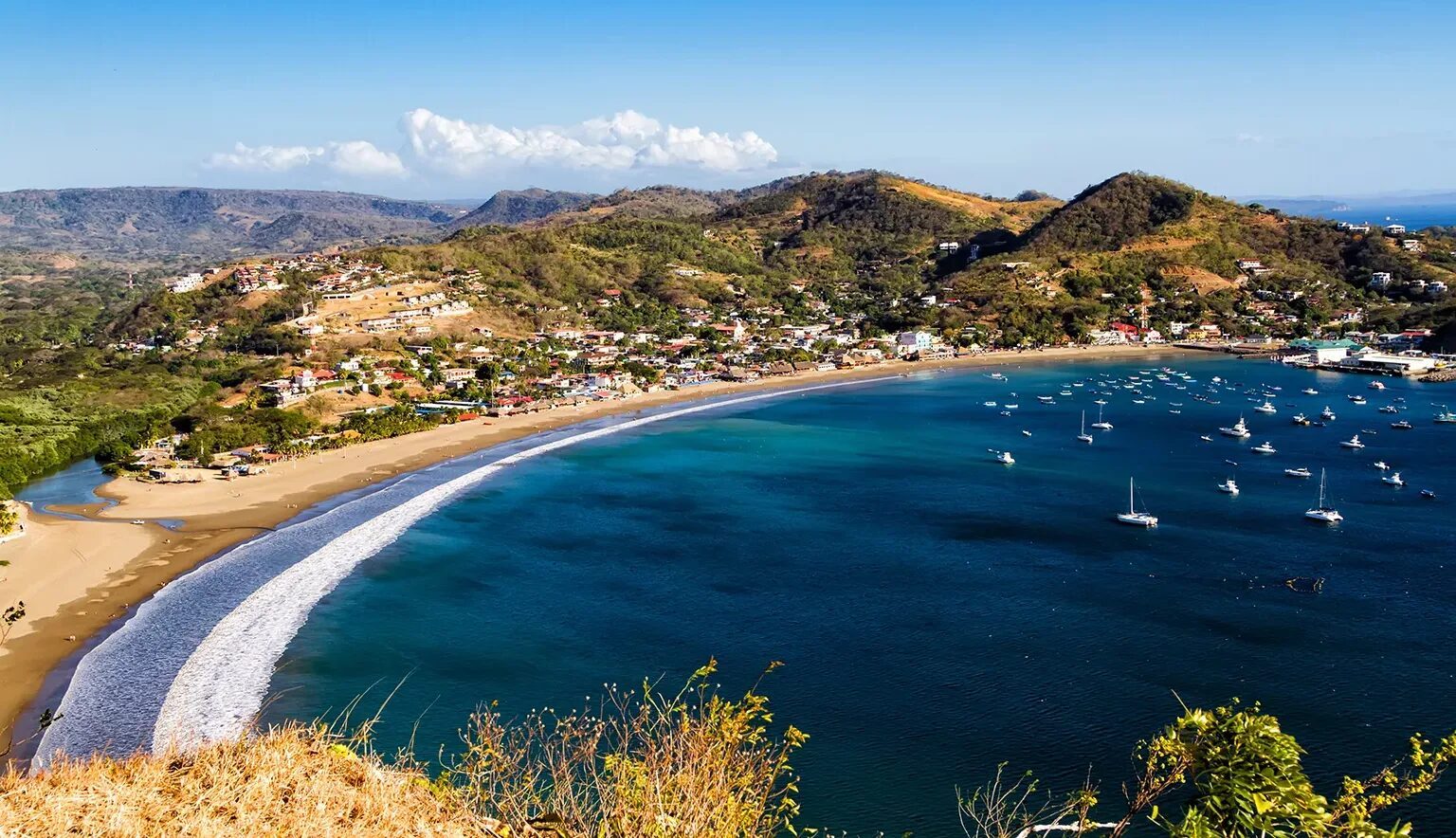
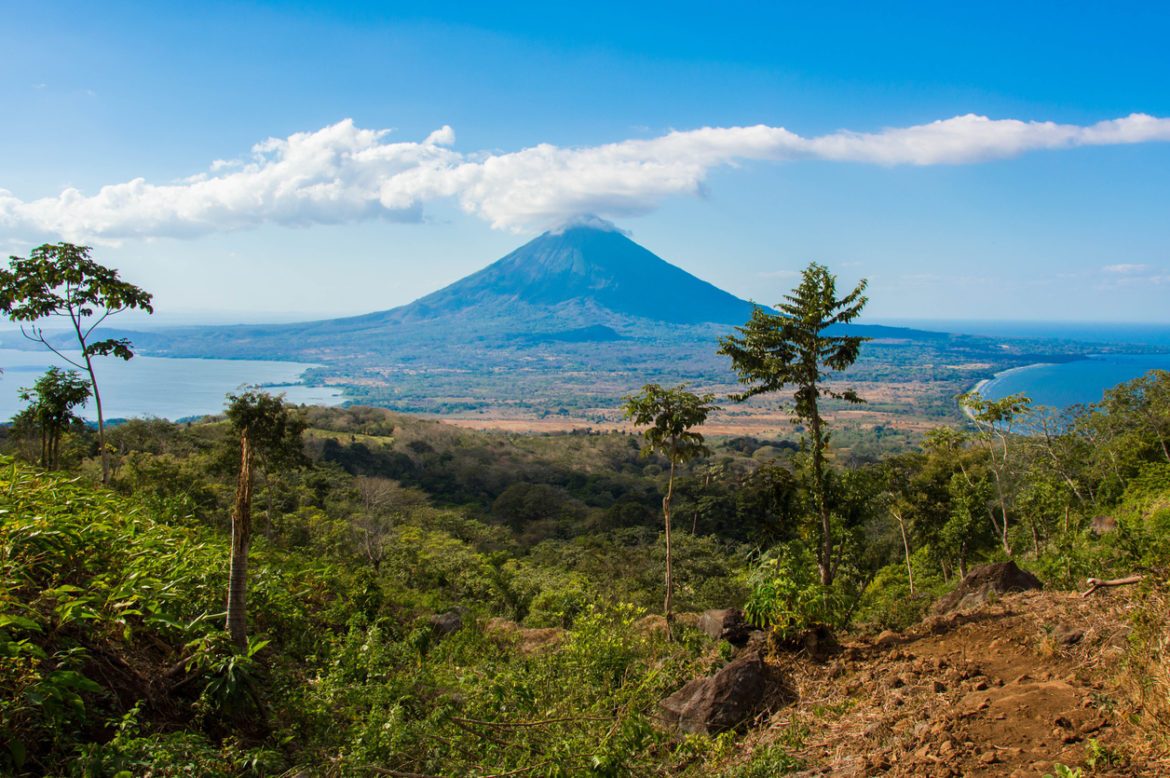
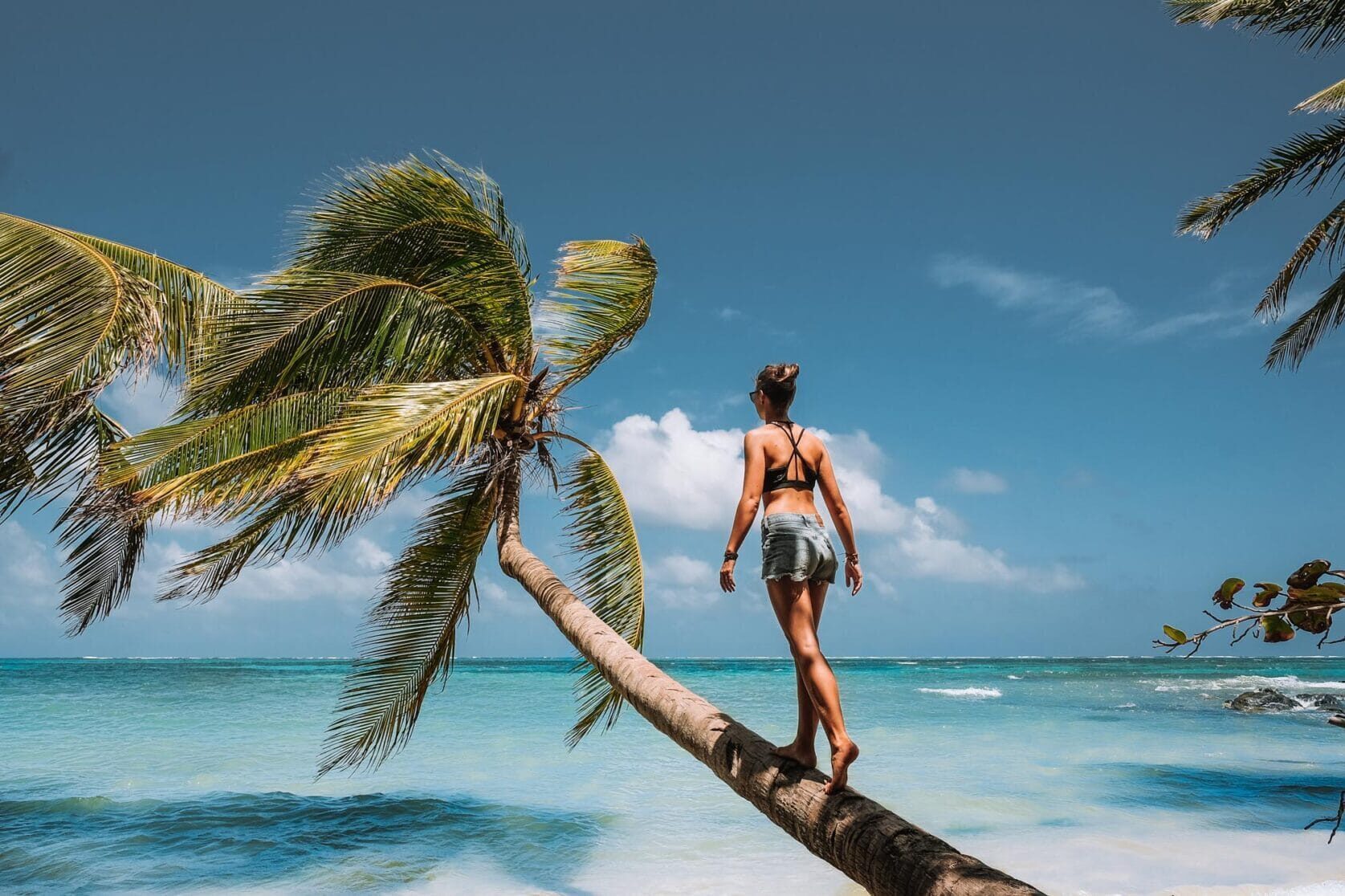
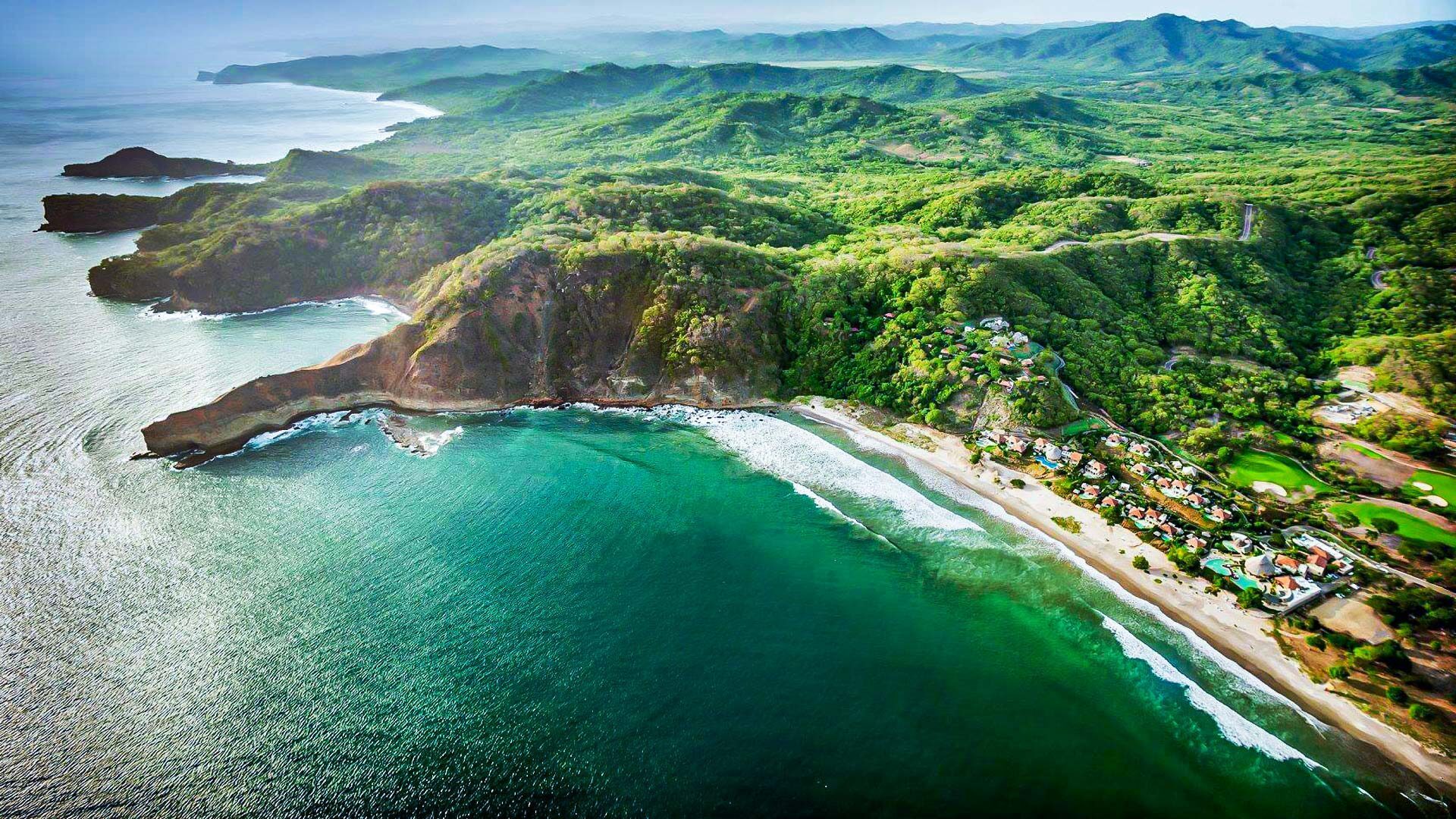
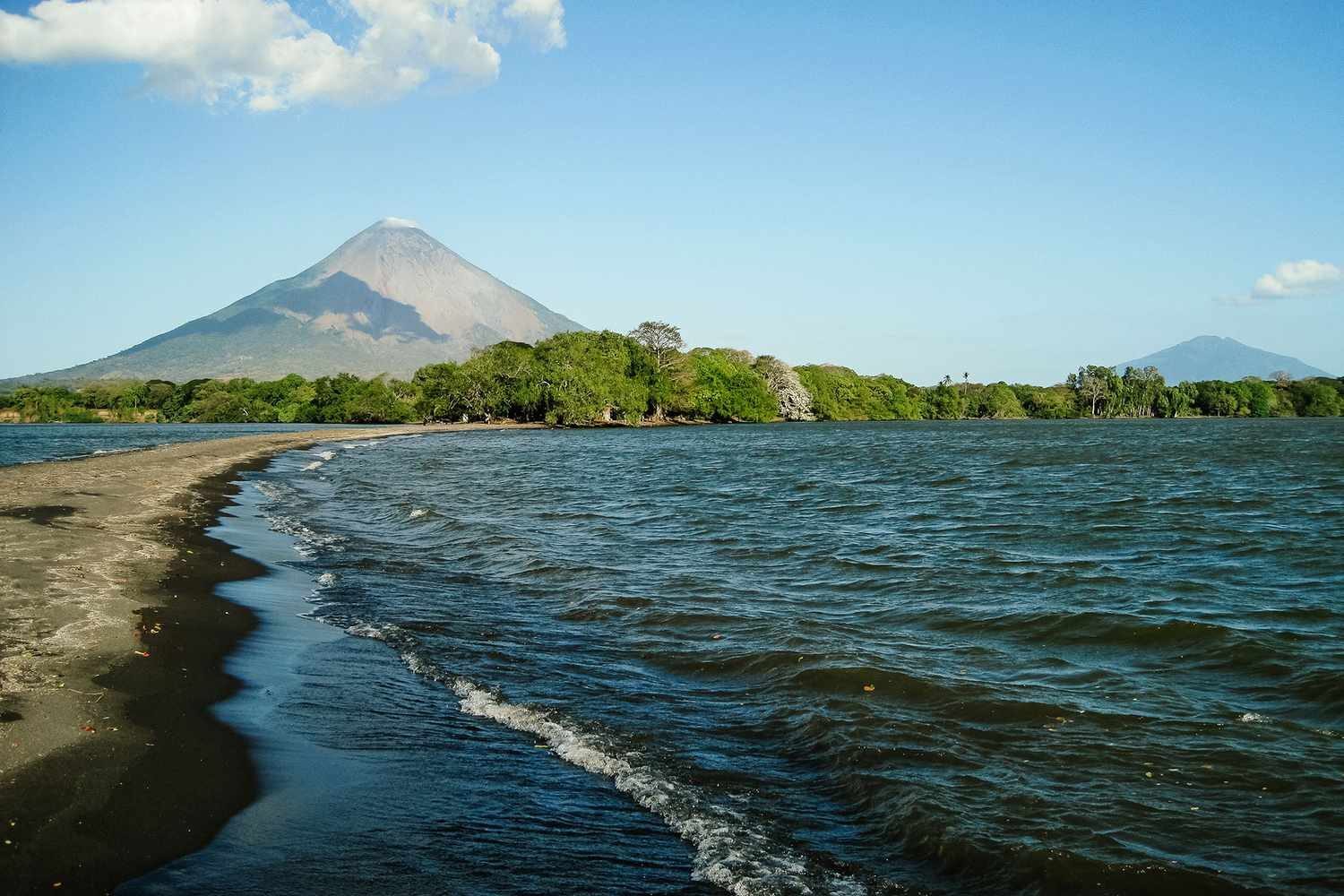
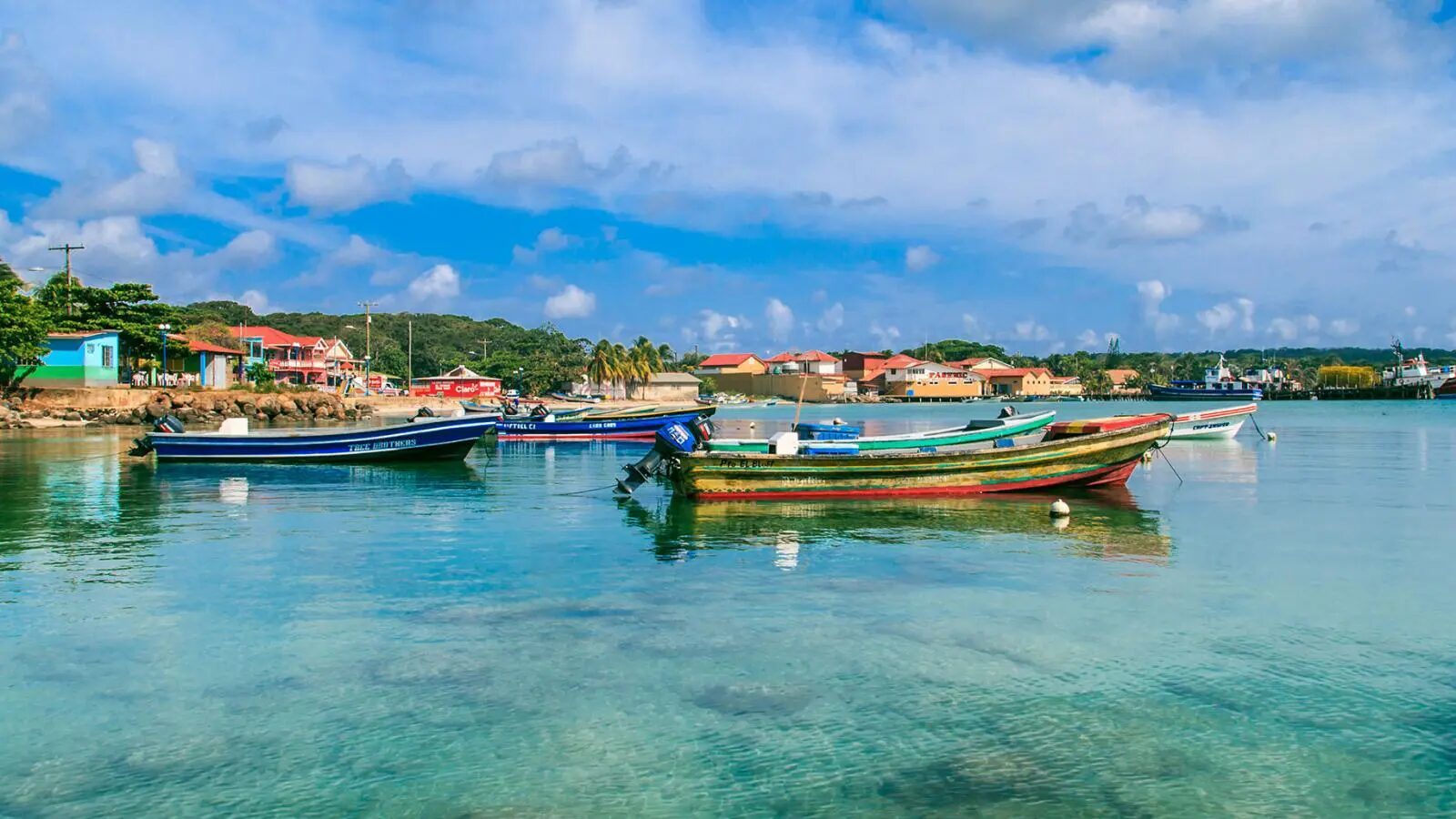
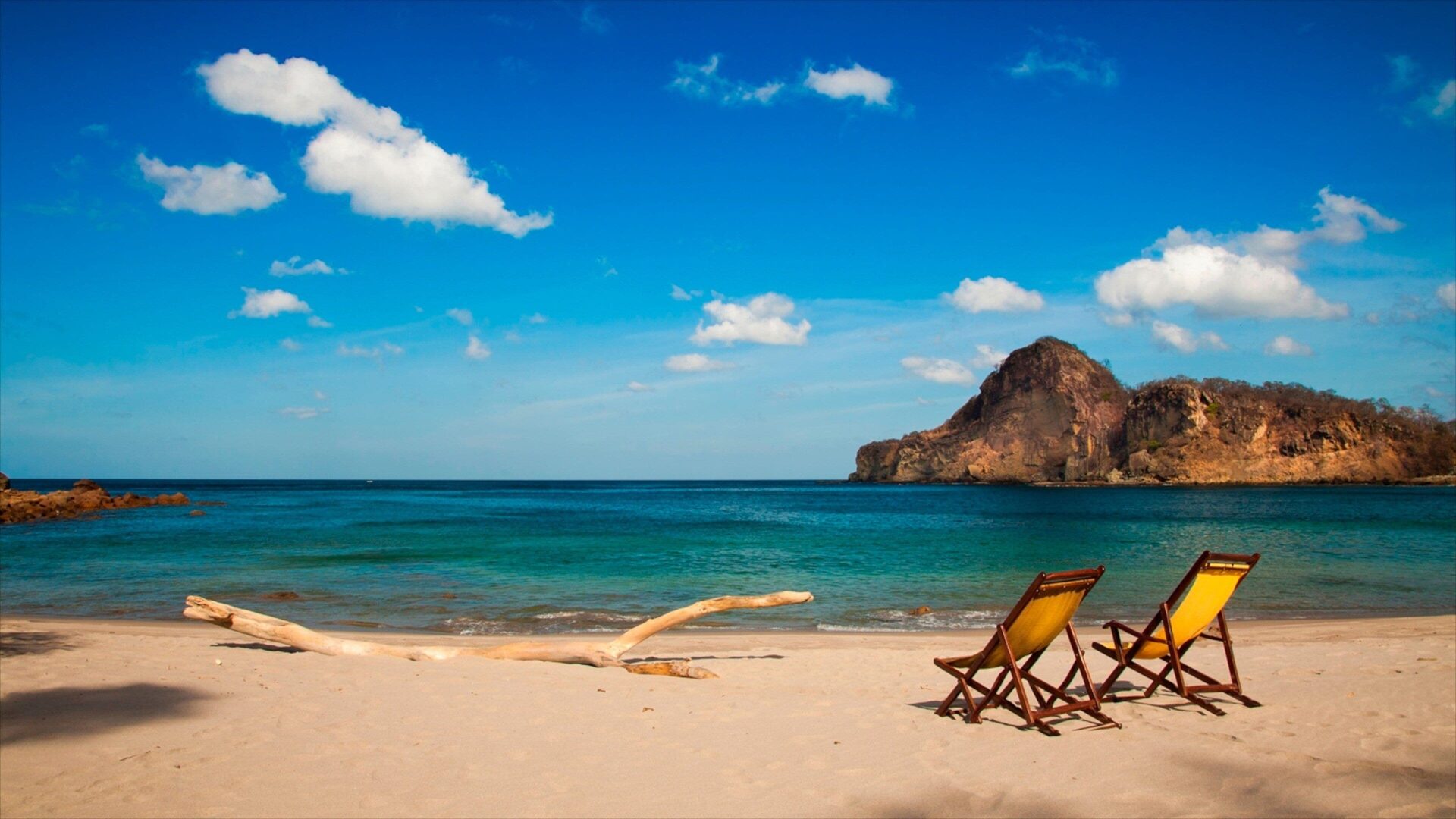
Nicaragua is Central America budget destination, offering colonial cities, volcanoes, Pacific beaches, and Caribbean vibes at lower prices than Costa Rica. Granada is the charming colonial city with easy access to Mombacho Volcano and the Isletas. Leon offers cathedral roof walks, political murals, and volcano boarding on Cerro Negro. Ometepe Island in Lake Nicaragua has twin volcanoes and a relaxed atmosphere. San Juan del Sur is the backpacker beach town with excellent surf breaks nearby. The Caribbean coast (Big Corn Island, Little Corn Island) offers a completely different culture - reggae, English-speaking Creoles, and laid-back vibes. The cordoba is the currency; US dollars are widely accepted. Spanish is essential outside tourist areas.
Current Travel Situation
United States to Nicaragua: What You Need to Know
Nicaragua's political situation deteriorated sharply after the 2018 crackdown on protests against President Daniel Ortega. Since then, the government has expelled Catholic clergy, shut down civil society organizations, expelled hundreds of NGOs including US ones, revoked citizenship of critics, and imprisoned political opponents including former presidential candidates. The US Embassy in Managua is open but operates with reduced staff. Americans, particularly journalists, activists, humanitarian workers, and dual nationals, face elevated risk of arbitrary detention. General tourists experience fewer issues but the risk environment has fundamentally changed since 2018.
How to Get There
Managua Augusto C. Sandino International Airport (MGA) is served by American Airlines, United, Copa, and other carriers from Miami, Houston, San Salvador, and Panama City. Regular bus and shuttle services connect Nicaragua to Costa Rica (south) and Honduras (north). Travelers coming from Costa Rica often use the Penas Blancas land border. The border between Nicaragua and Honduras at Las Manos or El Espino is used for the Honduran connection.
Money & Banking
Nicaragua uses the Nicaraguan Cordoba (NIO). USD is widely accepted throughout the country and at most businesses in tourist areas. ATMs in Managua and Granada dispense both Cordobas and USD. Nicaragua is one of Central America's most affordable destinations: a meal costs $3-7, budget accommodation $15-30/night. Granada, Leon, and San Juan del Sur are the main tourist towns.
Practical Tips
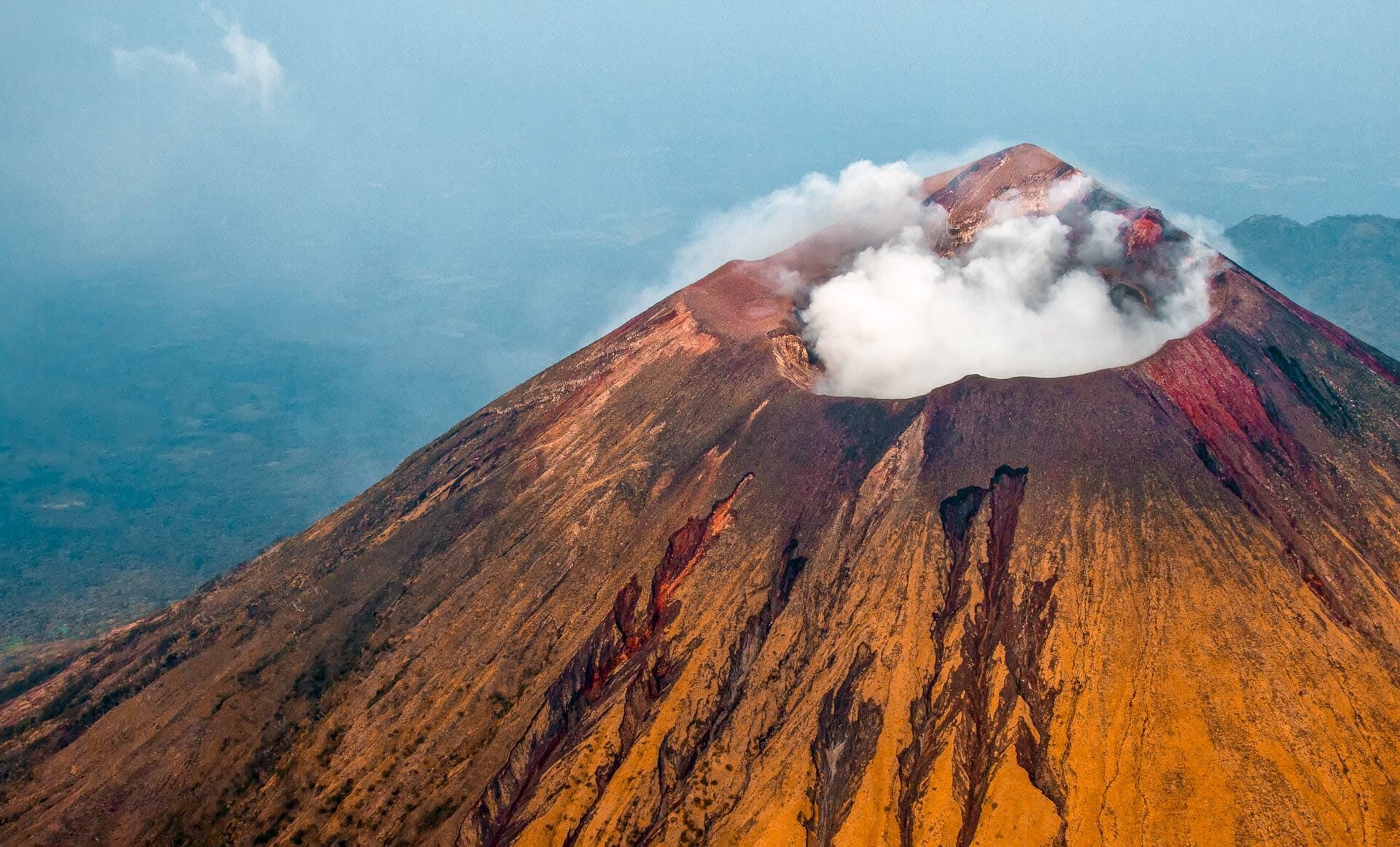
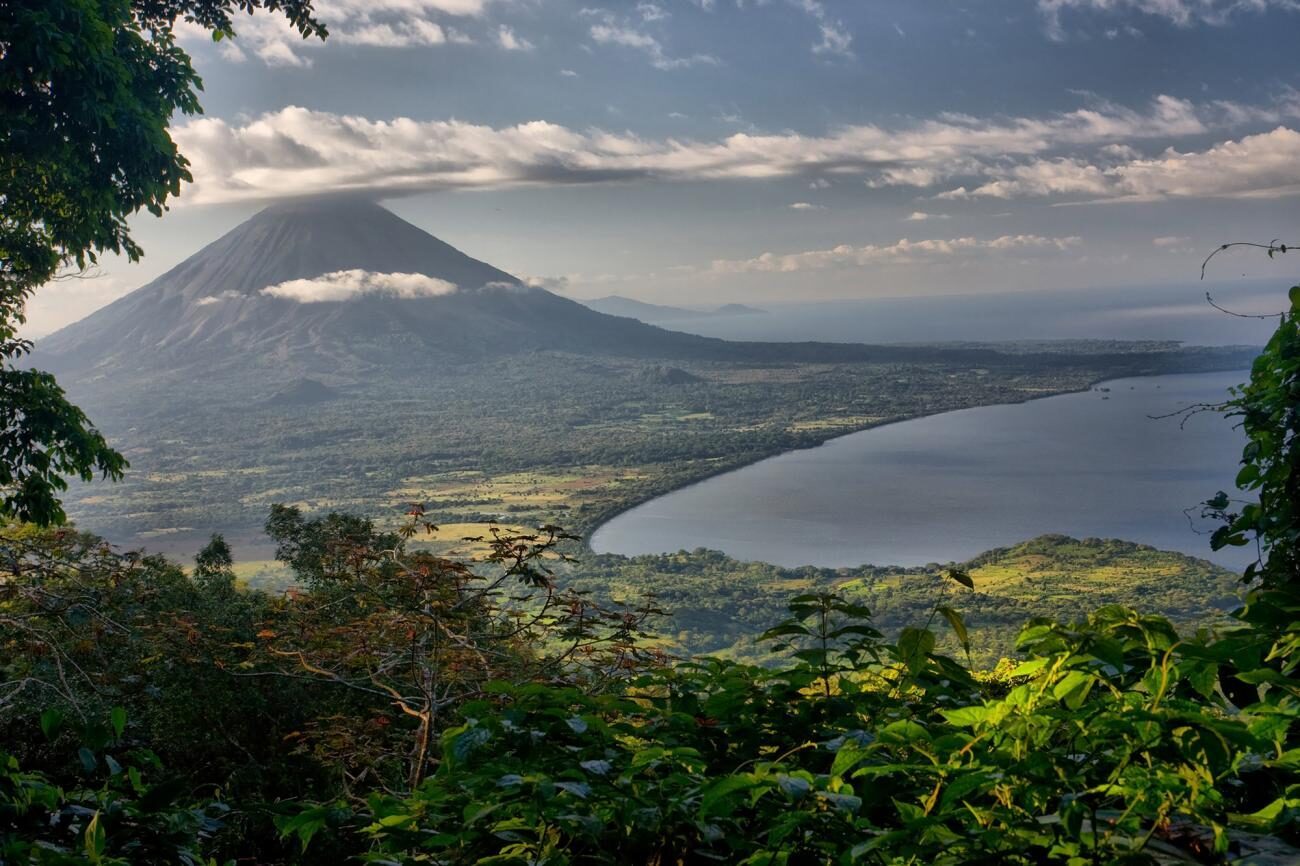
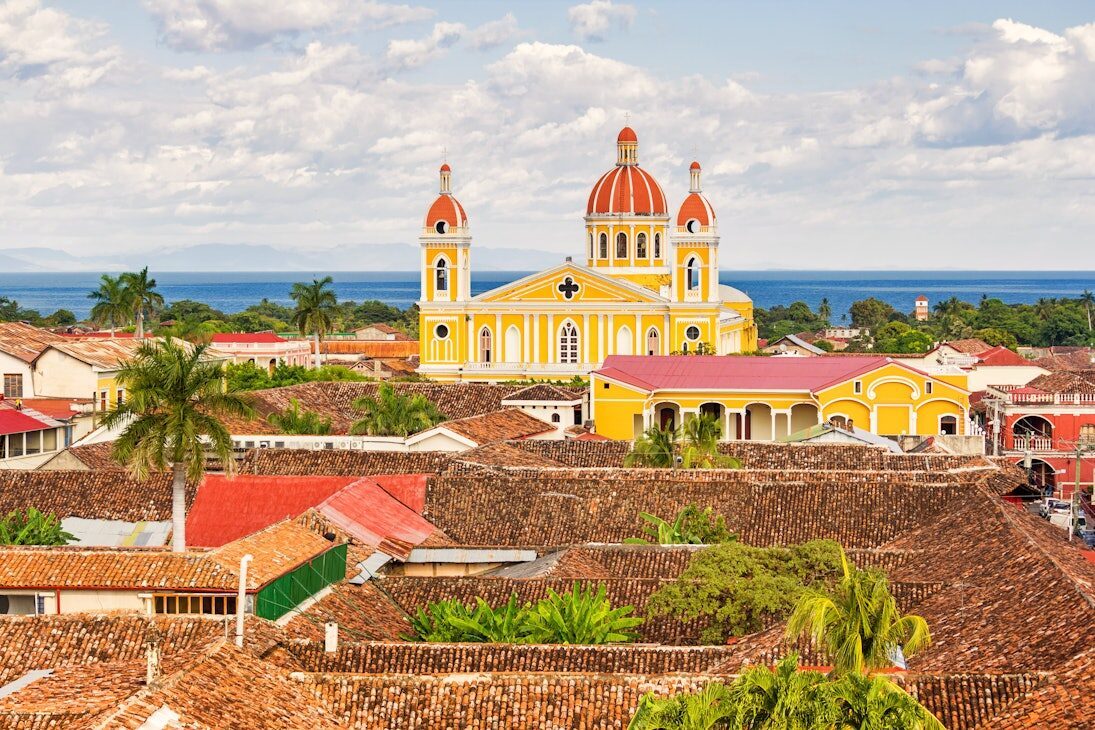
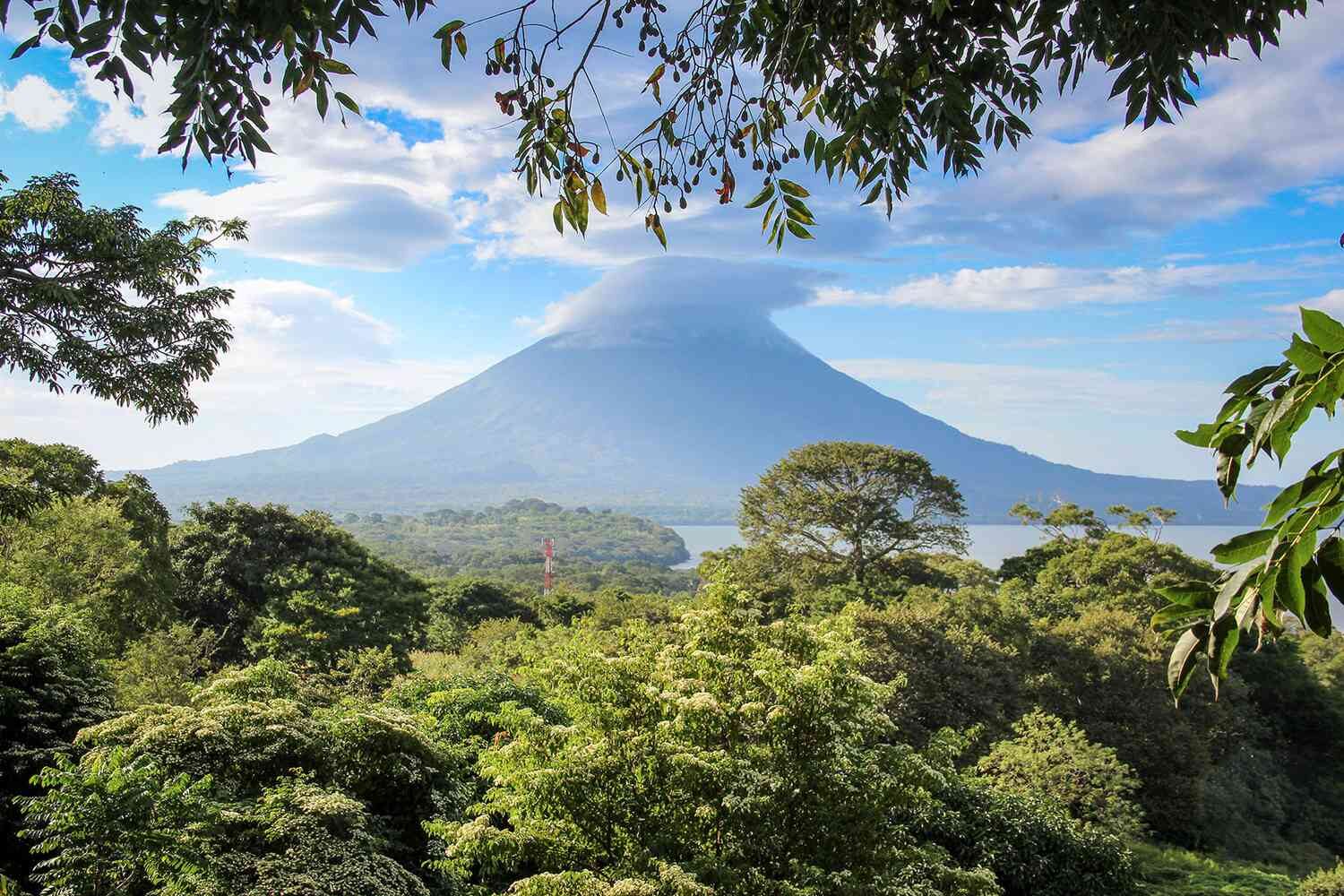
Granada on Lake Nicaragua is a beautifully preserved colonial city with Baroque churches and colorful facades, one of the oldest cities in the Americas. Leon's cathedral (UNESCO) is Central America's largest. Ometepe Island (two volcanoes rising from Lake Nicaragua) is extraordinary for hiking and kayaking. San Juan del Sur has become a surf and party beach town popular with backpackers. Masaya Volcano allows viewing an active lava lake at close range. Note the current Level 3 advisory; stay current on embassy advisories and avoid any political activity or commentary.
Frequently Asked Questions
Is Nicaragua safe for American tourists in 2024-2025?
The US State Department advises Level 3 (Reconsider Travel) for Nicaragua. The Ortega government has arbitrarily detained Americans and expelled foreign organizations. General tourists focused on sightseeing face lower risk, but avoid political activity, religious work, or journalistic activity. Register with the US Embassy via STEP and monitor the security situation.
What is the CA-4 and how does it affect my Nicaragua visit?
The CA-4 (Central America-4) is an agreement between Nicaragua, Honduras, Guatemala, and El Salvador sharing a single 90-day visa-free period. If you spend 30 days in Guatemala and then enter Nicaragua, you only have 60 days left in the shared CA-4 zone. Exiting to Costa Rica, Belize, or Mexico resets the clock.
What are the must-see destinations in Nicaragua?
Granada (beautiful colonial city on Lake Nicaragua), Leon (cathedral, revolutionary murals, volcano boarding at Cerro Negro), Ometepe Island (two volcanoes in Lake Nicaragua), Masaya Volcano (active lava lake visible at night), and San Juan del Sur (Pacific surf beach) are the classic highlights. Nicaragua has some of Central America's best ecotourism and colonial architecture.