Nepal Visa RequirementsFor United States passport holders
American citizens can obtain a visa for Nepal on arrival at Tribhuvan International Airport in Kathmandu. Visa fees vary by duration: $30 for 15 days, $50 for 30 days, or $125 for 90 days (multiple entry). Nepal is the world's premier destination for high-altitude trekking and mountaineering, home to eight of the world's ten highest mountains including Everest (8,849m), as well as the ancient temples of Kathmandu Valley.
United States passport holders can obtain a Visa on Arrival at Nepal ports of entry.
Americans can obtain a Nepal visa on arrival at Tribhuvan International Airport (KTM) in Kathmandu. Fees: $30 for 15 days, $50 for 30 days, $125 for 90 days (multiple entry). Payment accepted in USD, EUR, GBP, and other major currencies at the immigration counter (bring exact change or expect slow processing). You can also apply online in advance at nepalimmigration.gov.np to speed up airport processing. Ensure your US passport has at least 6 months validity. Trekking to restricted areas (Mustang, Dolpo, Humla, Tsum Valley) requires additional special permits beyond the standard tourist visa.
Entry Requirements
Passport Validity
6 months beyond date of entry
Blank Pages
1 blank page required
Multiple Entry
Allowed
Work Permitted
No - requires work visa
Entry Conditions
Passport valid for at least 6 months with at least one blank page. Must have visa fee in US dollars cash (exact amount recommended). One passport photo required. Return/onward ticket may be requested.
Overstaying incurs fines of $5 per day for the first 30 days and $10 per day thereafter. Overstay may result in detention and deportation with future entry bans.
Required Documents
Valid US Passport
Must be valid for at least 6 months beyond your arrival date with at least 2 blank pages
Valid US passport (minimum 6 months validity)
Passport-size Photos
Two recent color photos (2x2 inches or 35x45mm). Bring extra copies as requirements may vary
Passport photo (available at airport but bring one)
Completed Arrival Card
Immigration arrival/departure card provided on flight or at port of entry
Visa fee in USD or major currency ($50 for 30 days, $125 for 90 days)
Proof of Accommodation
Hotel reservation, booking confirmation, or address where you will be staying
Completed immigration form (available at airport)
Return or Onward Flight Ticket
Confirmed flight booking showing departure from the country within visa validity
Visa Fee (Cash)
Payment for visa on arrival fee - bring exact amount in USD or local currency
Proof of Sufficient Funds Recommended
Cash, credit cards, or bank statements showing adequate funds for your stay
Travel Insurance Recommended
Recommended coverage for medical emergencies during your trip
Travel Essentials
Health & Safety
Safety Rating
Vaccinations
Hepatitis A/B, typhoid, rabies, altitude sickness meds.
Tap Water
Bottled water recommended
Safety Tips
Nepal is safe for tourists. Trekking requires proper preparation and guides. Altitude sickness is a real risk. Political strikes occasionally occur.
Money & Costs
Currency
₨ Nepalese Rupee (NPR)
Daily Budget (USD)
Budget: $25 · Mid: $60 · Luxury: $200+
Tipping
Tip trekking guides and porters generously. 10% in restaurants.
Practical Info
Power
Type C, D, M, 230V
Driving
Left side
Emergency
100 (police), 101 (fire), 102 (ambulance)
Getting There
Main Airports
Kathmandu (KTM)
Culture & Travel Tips
Best Time to Visit
Nepal has three main seasons: pre-monsoon (March-May), monsoon (June-September), and post-monsoon/winter (October-February). October-November is prime trekking season with clear skies, stunning Himalayan views, and pleasant temperatures - this is peak tourist time. March-May brings warmer weather, rhododendron blooms, and fewer crowds than autumn but hazier mountain views. The monsoon makes trekking difficult but keeps rain-shadow areas like Upper Mustang accessible. Winter is cold at altitude but clear, with fewer trekkers and discounted prices. Everest Base Camp treks are best in April-May and October-November.
Cultural Notes
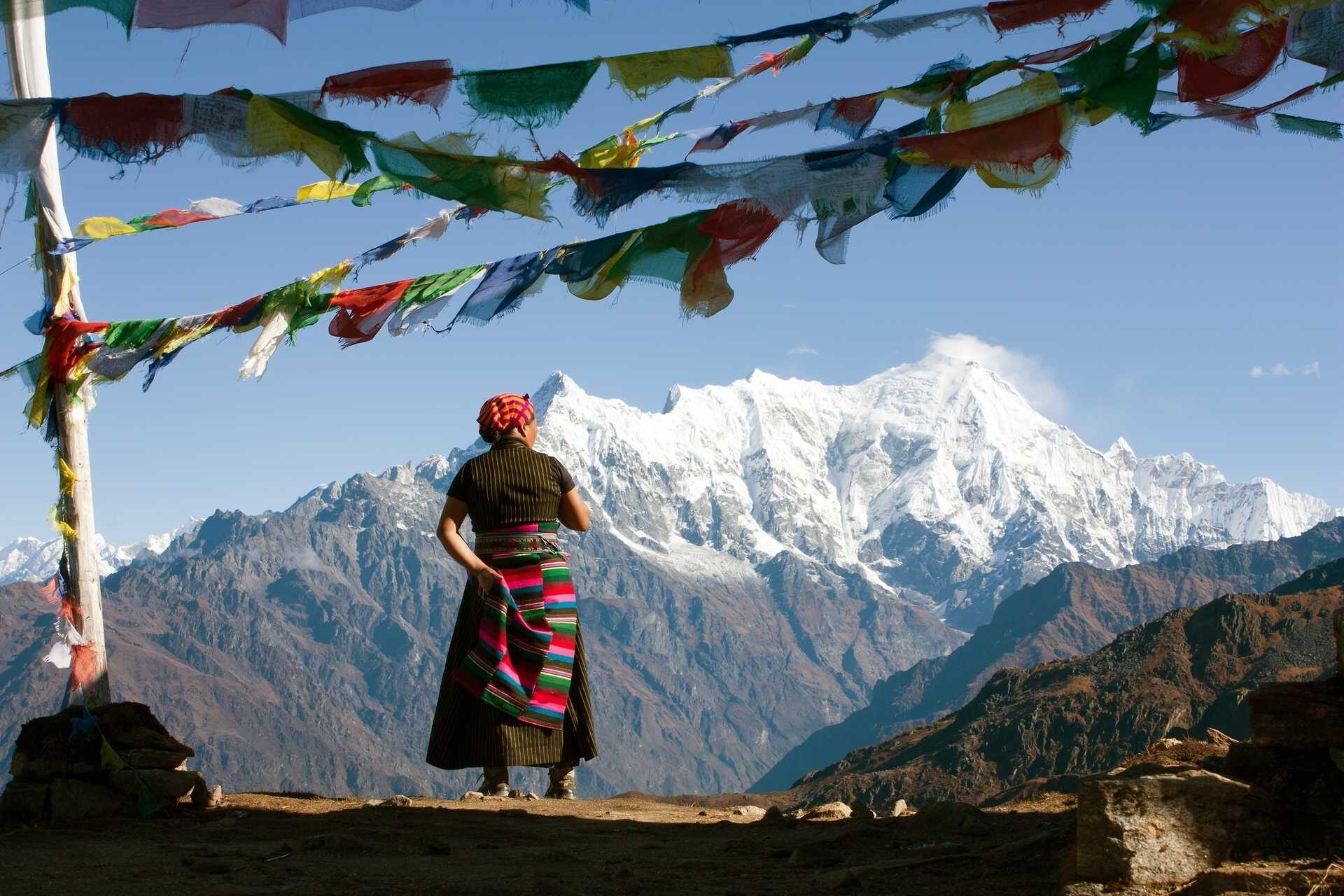
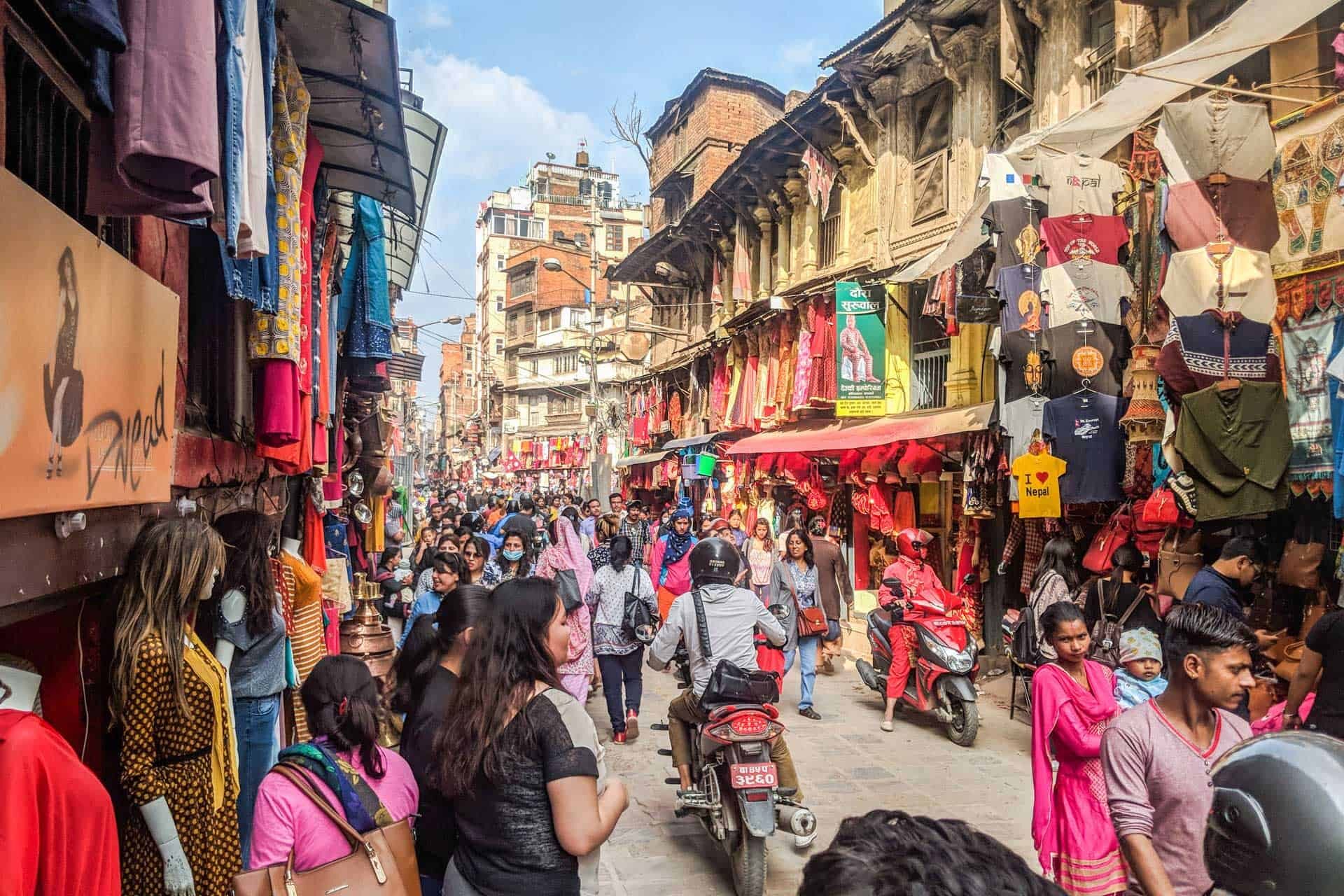
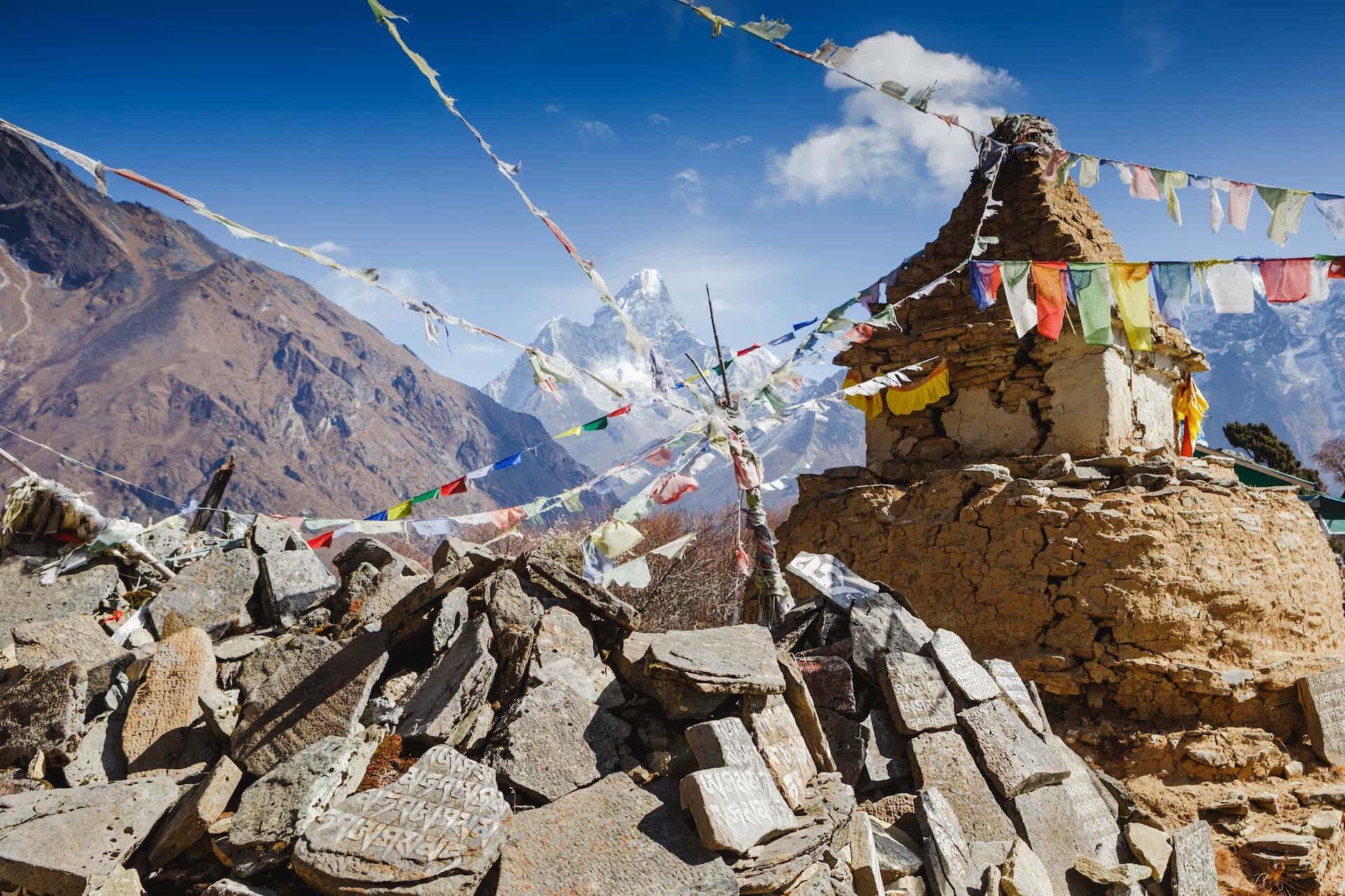
Nepal is a Hindu-majority country with significant Buddhist influence, particularly in mountain regions and the Sherpa communities of Solu Khumbu. The two religions blend harmoniously, with many sites sacred to both faiths. The caste system, though officially abolished, still influences society. The Nepali greeting "Namaste" (with palms together) is used universally. Nepal was closed to foreigners until 1951 and maintains a unique character untouched by colonialism. The devastating 2015 earthquakes killed thousands and damaged heritage sites, but recovery continues. Nepali people are famously hospitable and resilient. Sherpa culture and the guiding tradition have become central to Himalayan mountaineering. The Newari people of Kathmandu Valley have distinctive architecture, festivals, and cuisine.
Insider Tips
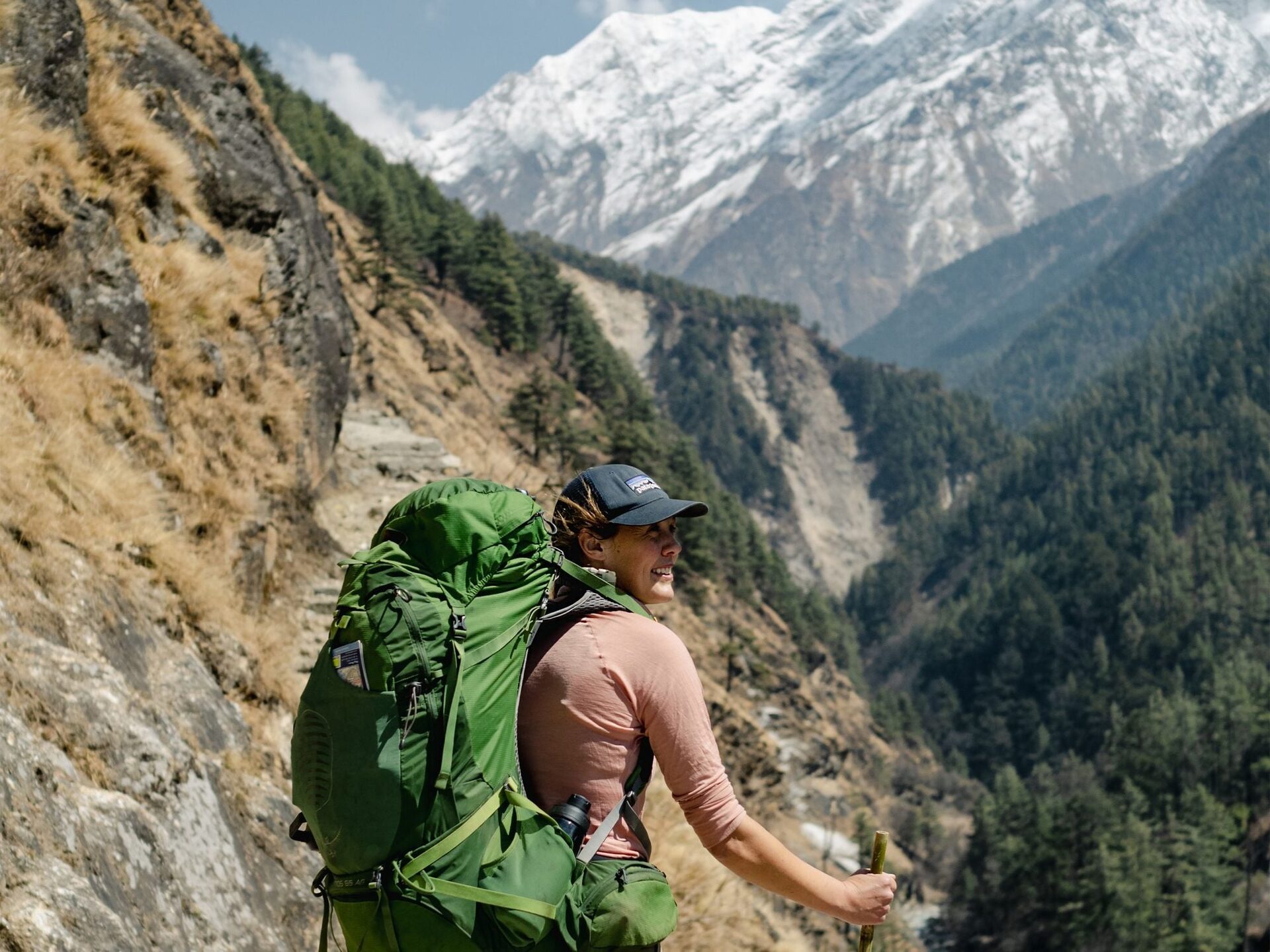
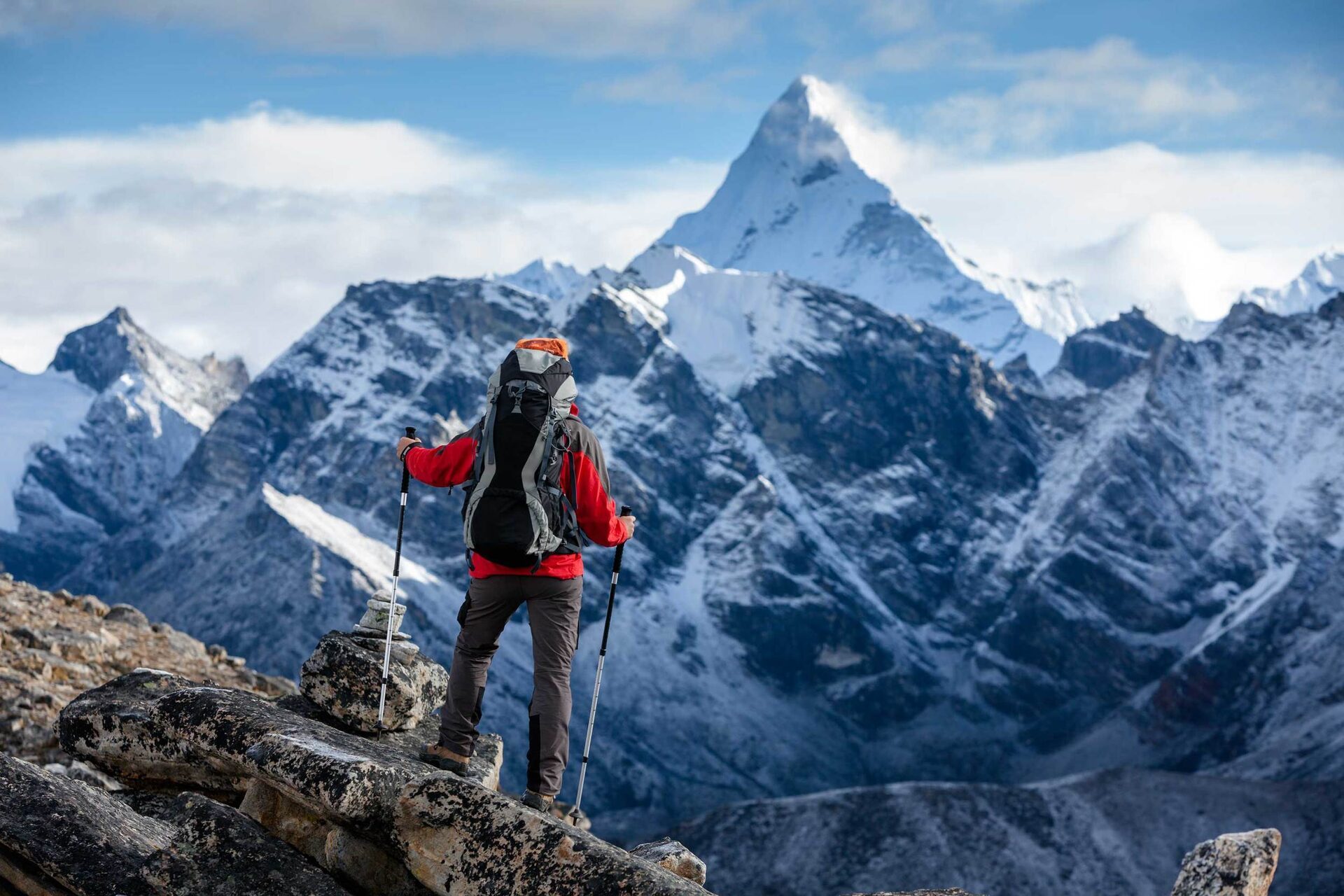
Nepal is synonymous with trekking, home to eight of the worlds fourteen 8,000-meter peaks including Everest. The Everest Base Camp trek, Annapurna Circuit, and Langtang Valley offer world-class hiking for various fitness levels. Permits (TIMS and conservation fees) are required; guides are recommended but not mandatory on popular routes. Kathmandu Durbar Square, Swayambhunath (Monkey Temple), and Boudhanath stupa are cultural highlights. Pokhara serves as the gateway to Annapurna with a relaxed lakeside scene. Domestic flights are unreliable due to weather and terrain. The Nepali rupee is the currency; carry cash for trekking. Altitude sickness is a real concern - acclimatize properly. Dal bhat (lentils and rice) fuels trekkers twice daily.
Current Travel Situation
United States to Nepal: What You Need to Know
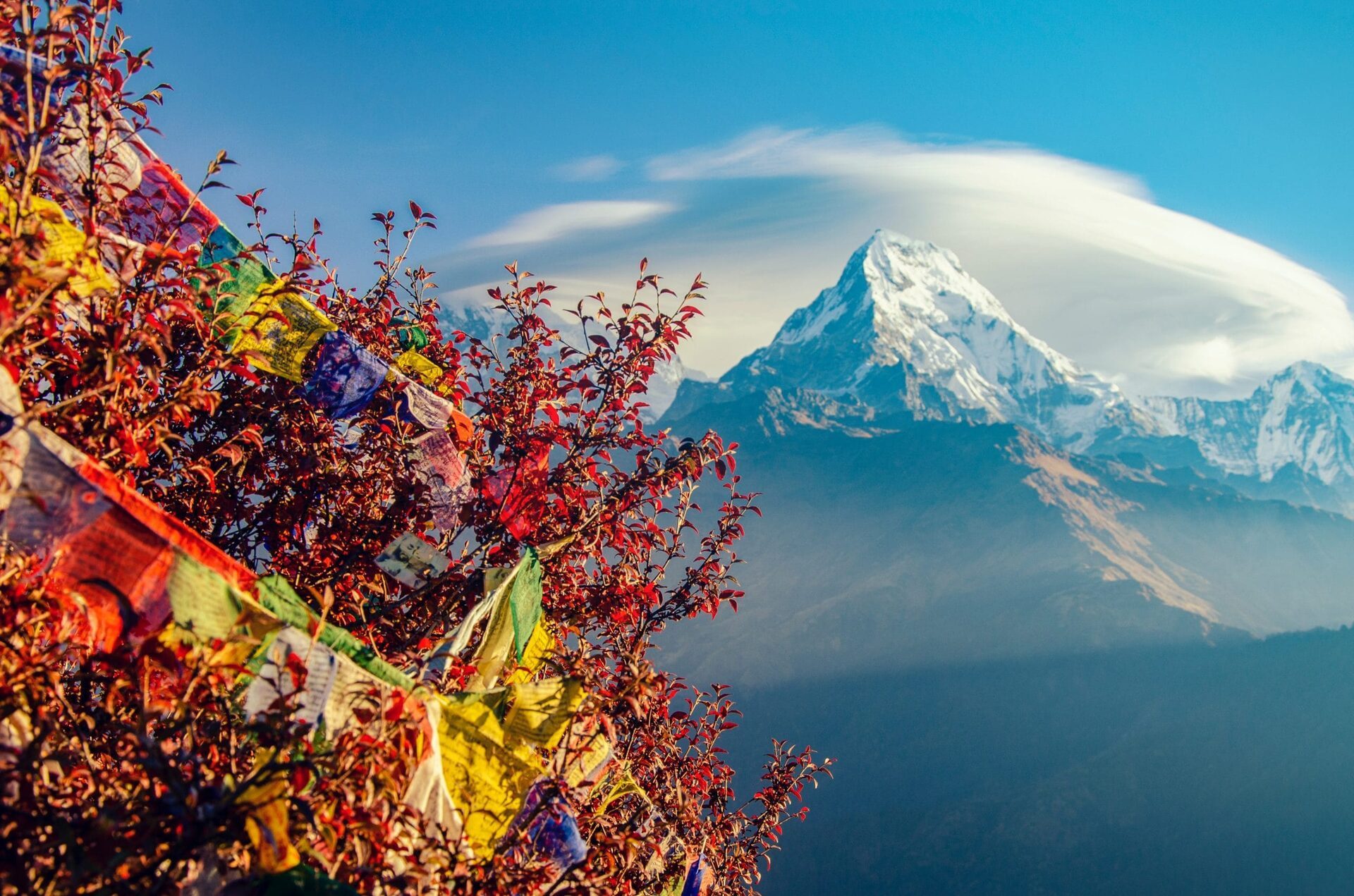
Nepal has welcomed American visitors for decades with a straightforward visa-on-arrival system. Nepal is home to eight of the world's ten highest mountains: Everest (8,849m), Kangchenjunga (8,586m), Lhotse (8,516m), Makalu (8,485m), Cho Oyu (8,188m), Dhaulagiri (8,167m), Manaslu (8,163m), and Annapurna (8,091m), making it the world's undisputed center of high-altitude adventure. Beyond the mountains, Nepal contains the Hindu-Buddhist religious heritage of Kathmandu Valley (seven UNESCO World Heritage sites), the birthplace of the Buddha at Lumbini, and the Chitwan and Bardia national parks (one-horned rhino, Bengal tigers, elephants). Nepal is one of the world's most spiritual destinations, with ancient temples in every valley.
How to Get There
No direct US-Nepal flights exist. Connect to Kathmandu (KTM) via Doha (Qatar Airways from New York, Washington, and other US cities), Dubai (Emirates/flydubai), Bangkok (Thai/Bangkok Airways), Delhi (Air India), or Singapore (Singapore Airlines). Qatar Airways and Emirates offer the best connections. Total journey from New York to Kathmandu is approximately 18-24 hours.
Money & Banking
Nepal uses the Nepalese rupee (NPR). Nepal is very affordable: budget $30-70 USD per day for comfortable guesthouse travel including teahouse accommodation on trekking routes. The classic Everest Base Camp trek accommodation and meals cost approximately $30-50 USD per day in teahouses (food, lodging, and tea). Kathmandu has excellent budget accommodation in the Thamel tourist district at $20-60 per night. International credit cards are accepted in Kathmandu and larger towns; bring NPR cash for trek teahouses.
Practical Tips
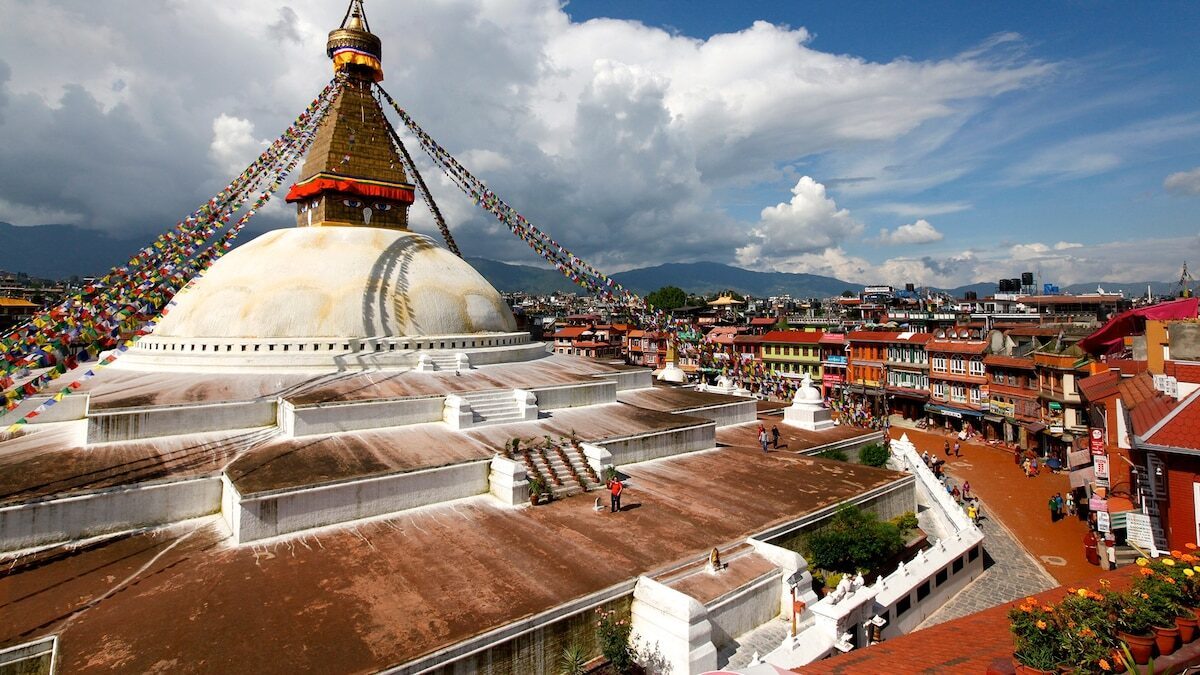
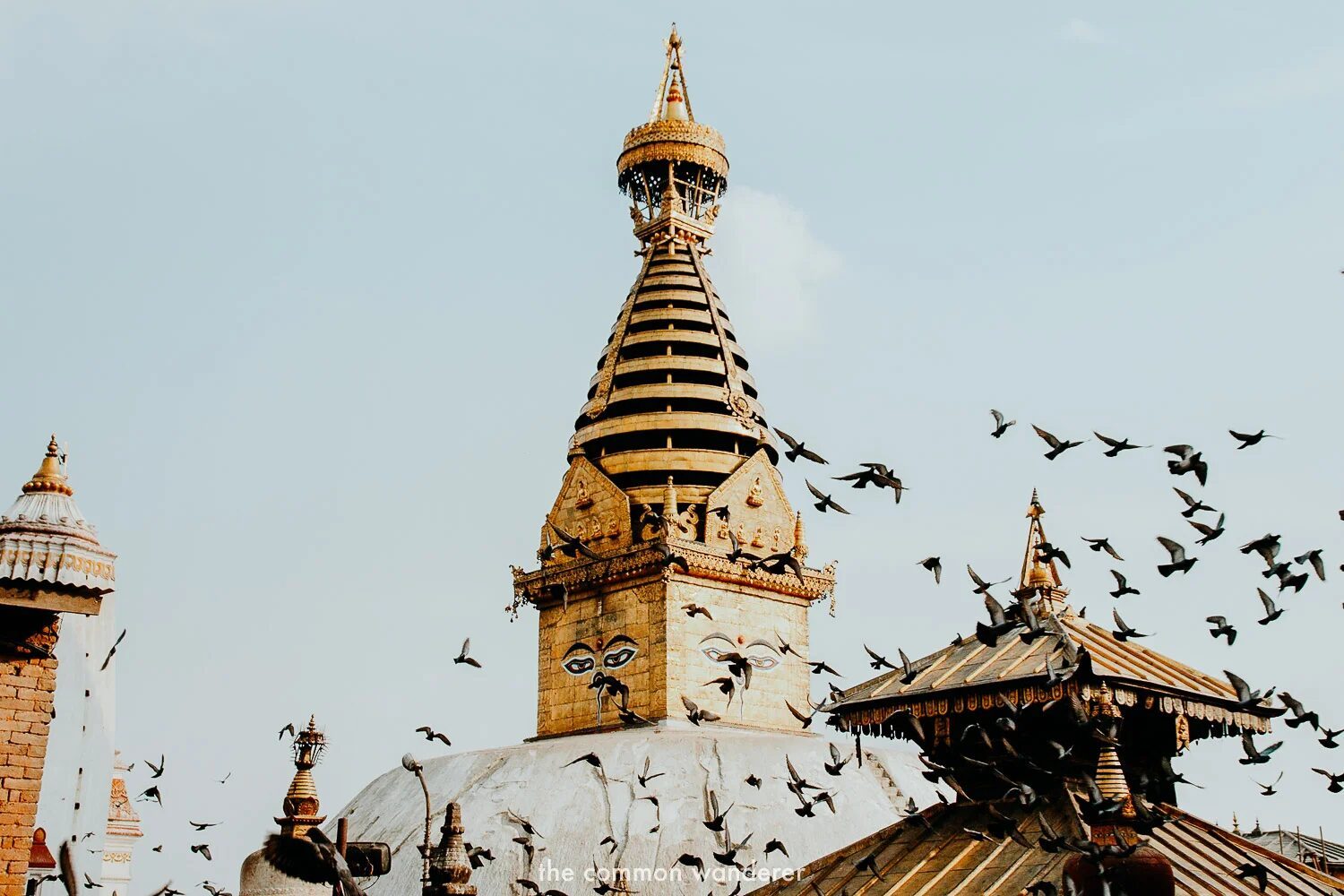
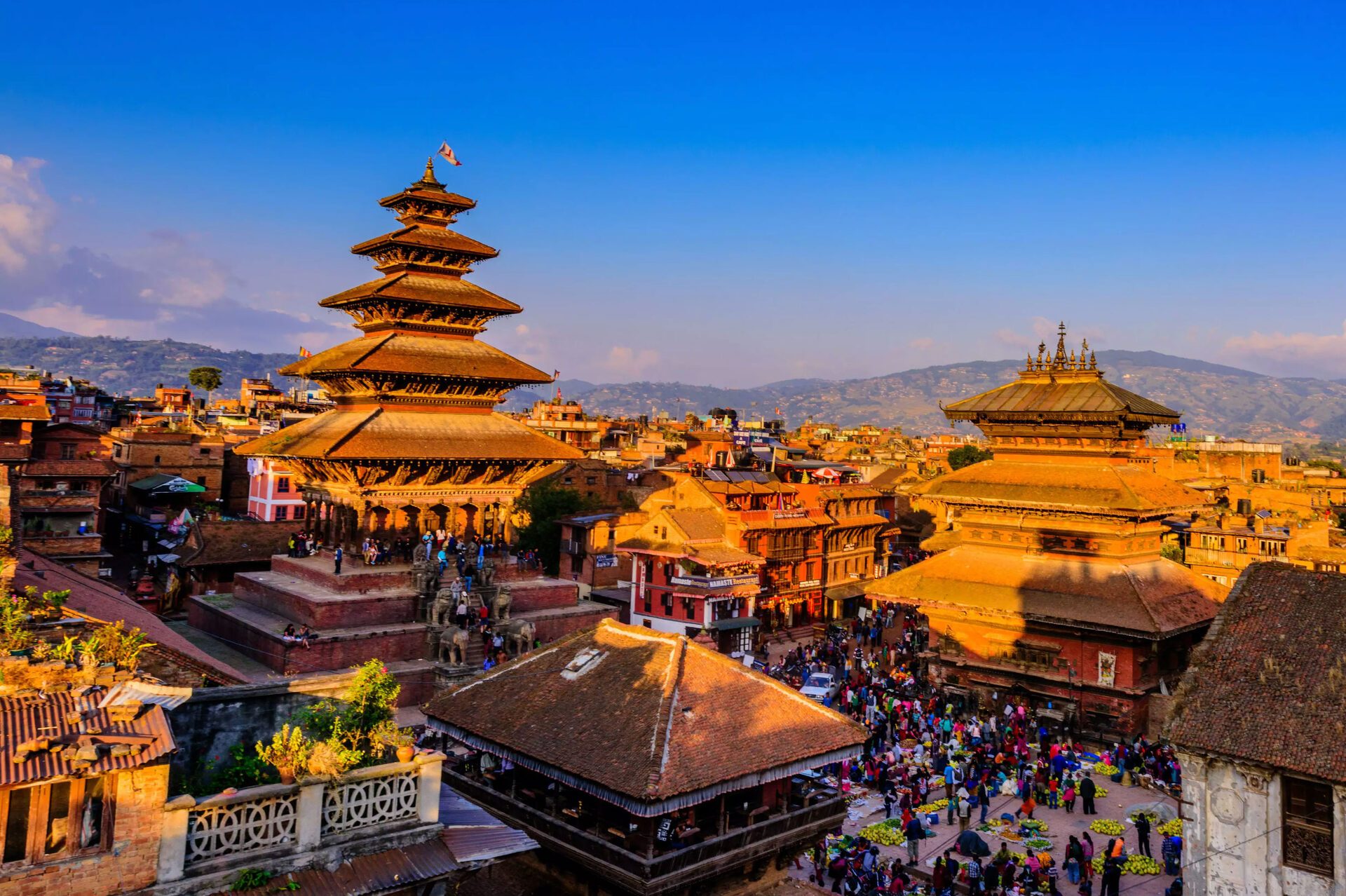
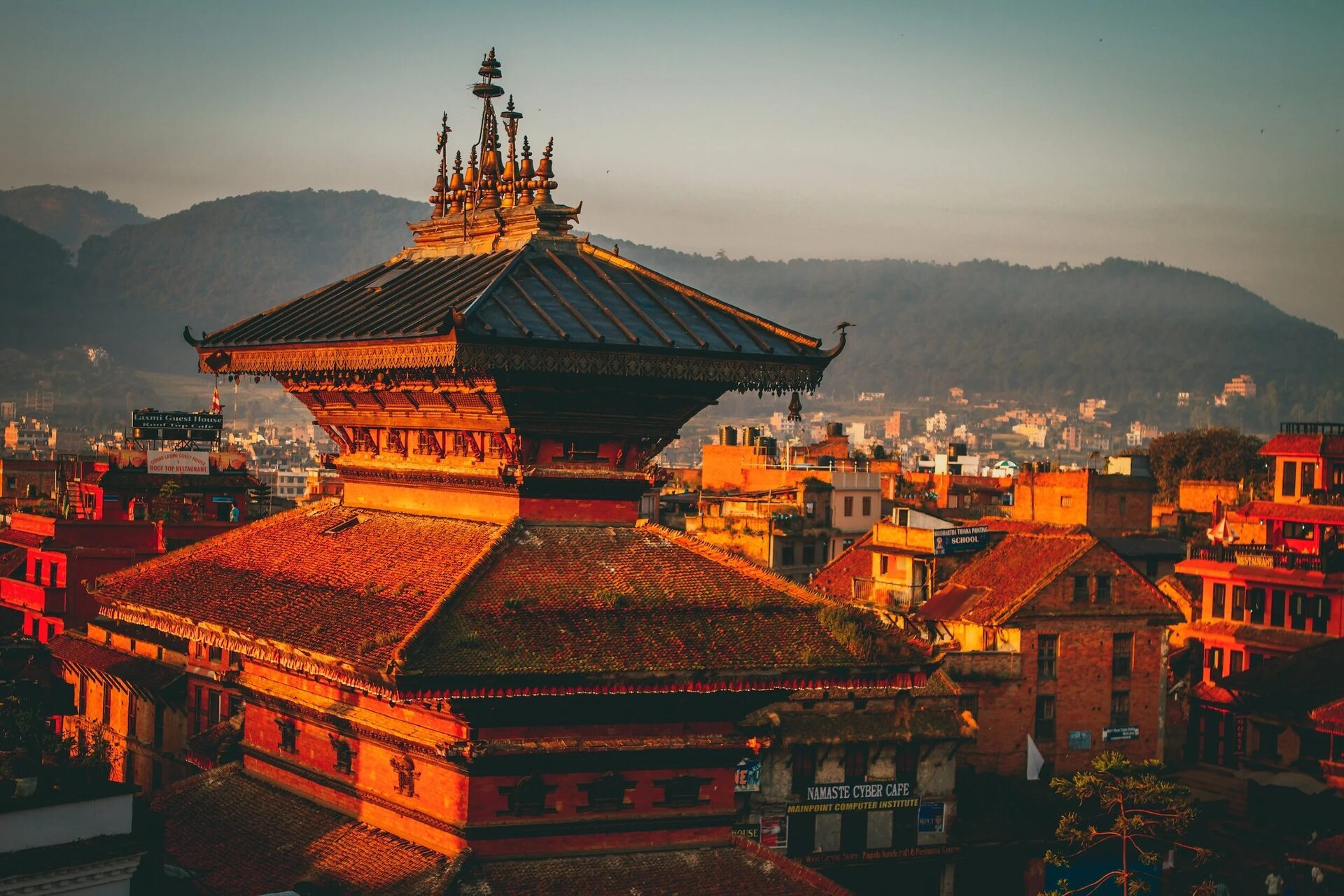
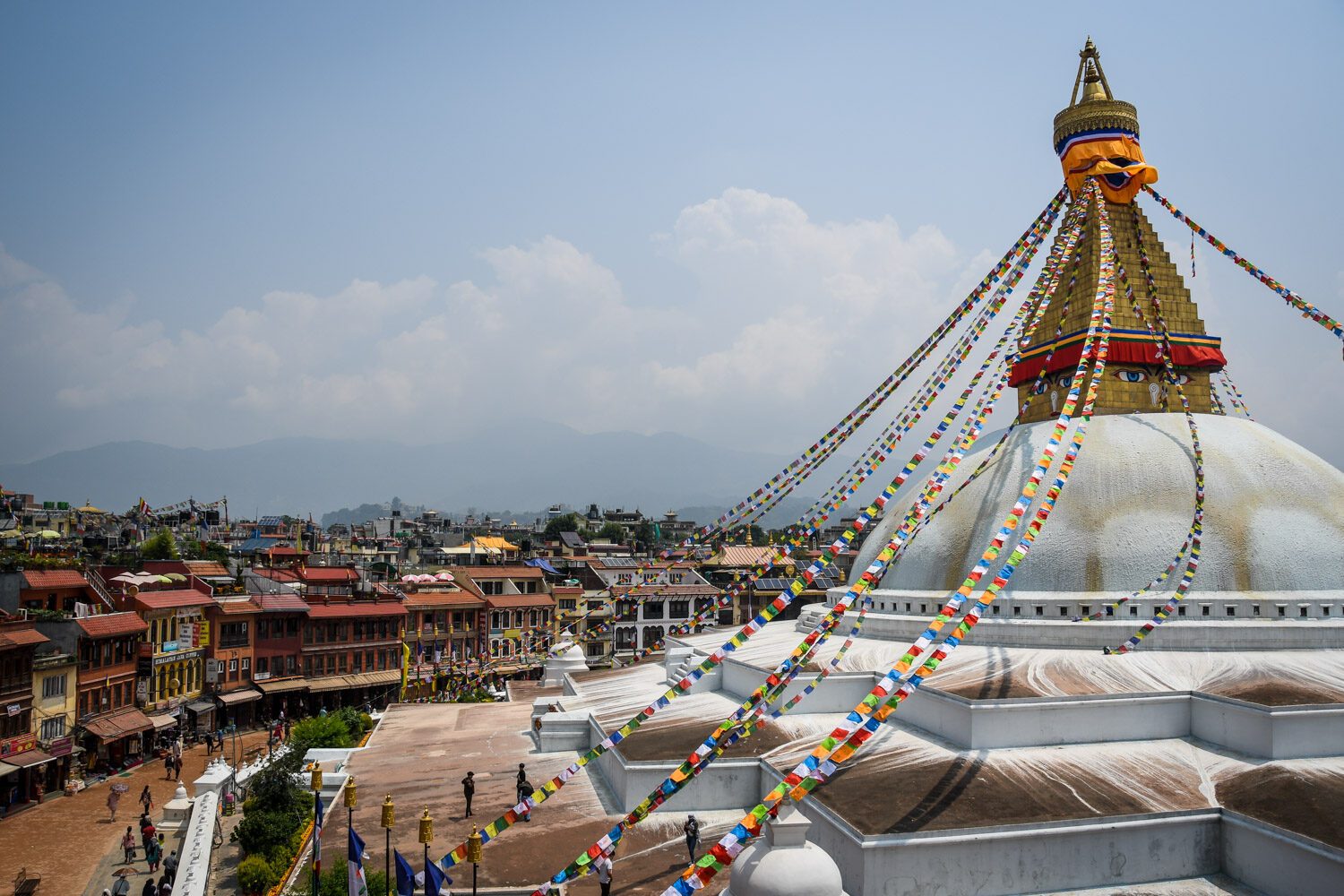
Kathmandu Valley: Pashupatinath Temple (the most sacred Hindu temple in the world outside India, best visited at dawn), Boudhanath Stupa (one of the world's largest Buddhist stupas, UNESCO), Swayambhunath Monkey Temple (hilltop Buddhist stupa with city views), Patan Durbar Square, and Bhaktapur (remarkably preserved medieval city, UNESCO). Trekking: Everest Base Camp Trek (12-14 days, maximum elevation 5,364m/17,598ft, no technical climbing required), Annapurna Circuit (14-21 days, one of the world's classic long-distance trails), Annapurna Base Camp Trek (10-12 days), Langtang Valley (6-10 days, easiest of the main trekking routes). Pokhara: lakeside city at the foot of the Annapurna range, for paragliding and as a trekking base. Chitwan National Park: one-horned rhinos and Bengal tigers, jungle safaris by jeep and dugout canoe.
Frequently Asked Questions
Do US citizens need a visa to visit Nepal?
Yes, but US citizens can easily obtain a tourist visa on arrival at Tribhuvan International Airport in Kathmandu or at land border crossings. Fees vary by duration: $30 for 15 days, $50 for 30 days, and $125 for 90 days. You'll need a passport valid for 6 months, one passport photo, and the visa fee in US dollars cash. You can complete the application online beforehand to speed up the arrival process, though this isn't required.
Do US citizens need a visa for Nepal?
Yes, but it is obtained on arrival at Kathmandu airport. Fees: $30 (15 days), $50 (30 days), $125 (90 days multiple entry). You can also pre-register online at nepalimmigration.gov.np to speed up the airport process.
What permits do I need for trekking in Nepal?
Most treks require a TIMS (Trekkers' Information Management System) card and often a conservation area or national park permit. Popular areas like Everest, Annapurna, and Langtang have their own permit requirements. Some restricted areas (Mustang, Dolpo, Manaslu) require special permits costing $500+ and mandatory guides. TIMS cards cost $20 for individual trekkers or $10 through an agency. Permits are available in Kathmandu at the Nepal Tourism Board and TAAN office, or in Pokhara for Annapurna treks.
Do I need special permits for trekking in Nepal?
Yes. All trekkers need a TIMS card ($20) and a National Park entry permit ($30-50 depending on the park). Some restricted areas like Upper Mustang and Dolpo require additional special permits ($500-700 for 10 days). Your trekking agency handles permits for their clients.
How do I avoid altitude sickness while trekking?
Altitude sickness is a serious concern above 2,500m/8,200ft. The key is ascending slowly: above 3,000m, don't increase your sleeping altitude by more than 300-500m per day, and include acclimatization days every 1,000m gained. Stay hydrated, avoid alcohol, eat carbohydrate-rich foods, and listen to your body. Know the symptoms: headache, nausea, fatigue, dizziness, and difficulty sleeping. If symptoms worsen, descend immediately. Consider taking Diamox (acetazolamide) after consulting a doctor. Never trek alone, and ensure your guide knows evacuation procedures.
What is the best time to trek in Nepal?
October-November is ideal: clear skies after the monsoon, excellent mountain views, and comfortable temperatures. March-May (spring) is the second best season -- rhododendrons bloom and Everest Base Camp sees many climbers. The monsoon (June-September) brings heavy rain and leeches to lower elevations but is the best time for Mustang (rain shadow area).
When is the best time to trek in Nepal?
The best trekking seasons are autumn (October-November) and spring (March-May). Autumn offers clear skies, stable weather, and stunning mountain views after the monsoon clears the air. Spring brings warmer temperatures, blooming rhododendrons, but slightly hazier skies. Winter (December-February) is possible at lower elevations but high passes are often snowbound and teahouses may close. Monsoon (June-September) brings heavy rain, leeches, and landslides, making most treks challenging, though areas like Mustang and Dolpo in the rain shadow are viable.
Is Nepal safe for tourists?
Nepal is generally very safe for tourists, with low violent crime rates. The main risks are related to trekking (altitude sickness, weather, trail conditions) rather than crime. In cities, be aware of pickpocketing in crowded areas. Political demonstrations occasionally occur; avoid large gatherings. Traffic is chaotic, especially in Kathmandu. Use licensed trekking agencies and guides. Natural disasters like earthquakes occur; know emergency procedures. Overall, Nepalis are welcoming and tourism is a major industry that locals work to protect.