Nauru Visa RequirementsFor United States passport holders
US citizens can obtain a visa on arrival in Nauru for $50, valid for up to 30 days. Nauru is the world's smallest island nation and third-smallest country overall, with a remarkable story of phosphate wealth and economic collapse.
United States passport holders can obtain a Visa on Arrival at Nauru ports of entry.
Visa on arrival is available at the airport for US citizens. Fee: $50 AUD or USD. Required: valid US passport (6+ months validity), return or onward ticket, accommodation confirmation, and sufficient funds. An advance visa can also be obtained through Nauru government contacts or the embassy (limited to a few countries). Check current entry requirements with the Nauru government before travel.
Entry Requirements
Passport Validity
6 months beyond date of entry
Blank Pages
2 blank pages required
Multiple Entry
Single entry only
Work Permitted
No - requires work visa
Entry Conditions
Valid passport, return ticket, hotel booking, and sufficient funds required.
Required Documents
Valid US Passport
Must be valid for at least 6 months beyond your arrival date with at least 2 blank pages
Passport-size Photos
Two recent color photos (2x2 inches or 35x45mm). Bring extra copies as requirements may vary
Completed Arrival Card
Immigration arrival/departure card provided on flight or at port of entry
Proof of Accommodation
Hotel reservation, booking confirmation, or address where you will be staying
Return or Onward Flight Ticket
Confirmed flight booking showing departure from the country within visa validity
Visa Fee (Cash)
Payment for visa on arrival fee - bring exact amount in USD or local currency
Proof of Sufficient Funds Recommended
Cash, credit cards, or bank statements showing adequate funds for your stay
Travel Insurance Recommended
Recommended coverage for medical emergencies during your trip
Travel Essentials
Health & Safety
Safety Rating
Vaccinations
Hepatitis A, Hepatitis B, Typhoid
Tap Water
Bottled water recommended
Safety Tips
Nauru is generally safe with low crime. The main challenges are environmental (sun, limited healthcare) and logistical (very limited facilities). The presence of Australian refugee detention centers creates some sensitivities. Drinking and social issues exist but rarely affect tourists.
Money & Costs
Currency
$ Australian Dollar (AUD)
Daily Budget (USD)
Budget: $80 · Mid: $150 · Luxury: $200+
Tipping
Tipping is not expected.
Practical Info
Power
Type I, 240V 50Hz
Driving
Left side
Emergency
110 (Police), 118 (Fire), 119 (Ambulance)
Getting There
Main Airports
Yaren (INU)
Culture & Travel Tips
Best Time to Visit
Nauru is a tiny Pacific island nation with a tropical climate and warm temperatures year-round (25-32°C/77-90°F). The dry season (May-October) generally offers more pleasant conditions, though the island receives rainfall throughout the year. The wet season (November-April) brings heavier rains and occasional tropical storms. Given Naurus extremely small size and limited tourism infrastructure, weather is less of a factor than the logistics of reaching this remote destination. There are no particular festivals or events that drive tourism timing.
Cultural Notes
Naurus history is a cautionary tale about resource dependence. Phosphate mining, controlled first by colonial powers then the independent nation, made Nauruans wealthy - at one point they had the highest per capita income in the world. But environmental devastation (80% of the island surface is mined out and barren) and poor investments left the country nearly bankrupt. The population of about 10,000 faces health challenges including some of the worlds highest diabetes and obesity rates. Traditional Nauruan culture has been heavily influenced by colonialism and modern life, though some customs persist. The country has found controversial income hosting Australian refugee processing centers. Despite challenges, Nauruans maintain their national identity on their tiny, remote island.
Insider Tips
Nauru is one of the worlds smallest and least-visited countries - a tiny phosphate island in the Pacific with minimal tourist infrastructure. The island can be circumnavigated by car in about 20 minutes. What little tourism exists focuses on the remnants of phosphate mining that once made Nauru the richest country per capita (and subsequently one of the poorest after reserves depleted), the Japanese WWII relics, and the experience of visiting such an unusual destination. Buada Lagoon is the main natural attraction. Accommodation is very limited; most visitors are government officials or contractors. Flights connect only through Brisbane (Our Airline). The Australian dollar is the currency. English and Nauruan are official languages. The country currently hosts controversial Australian refugee detention centers.
Current Travel Situation
United States to Nauru: What You Need to Know
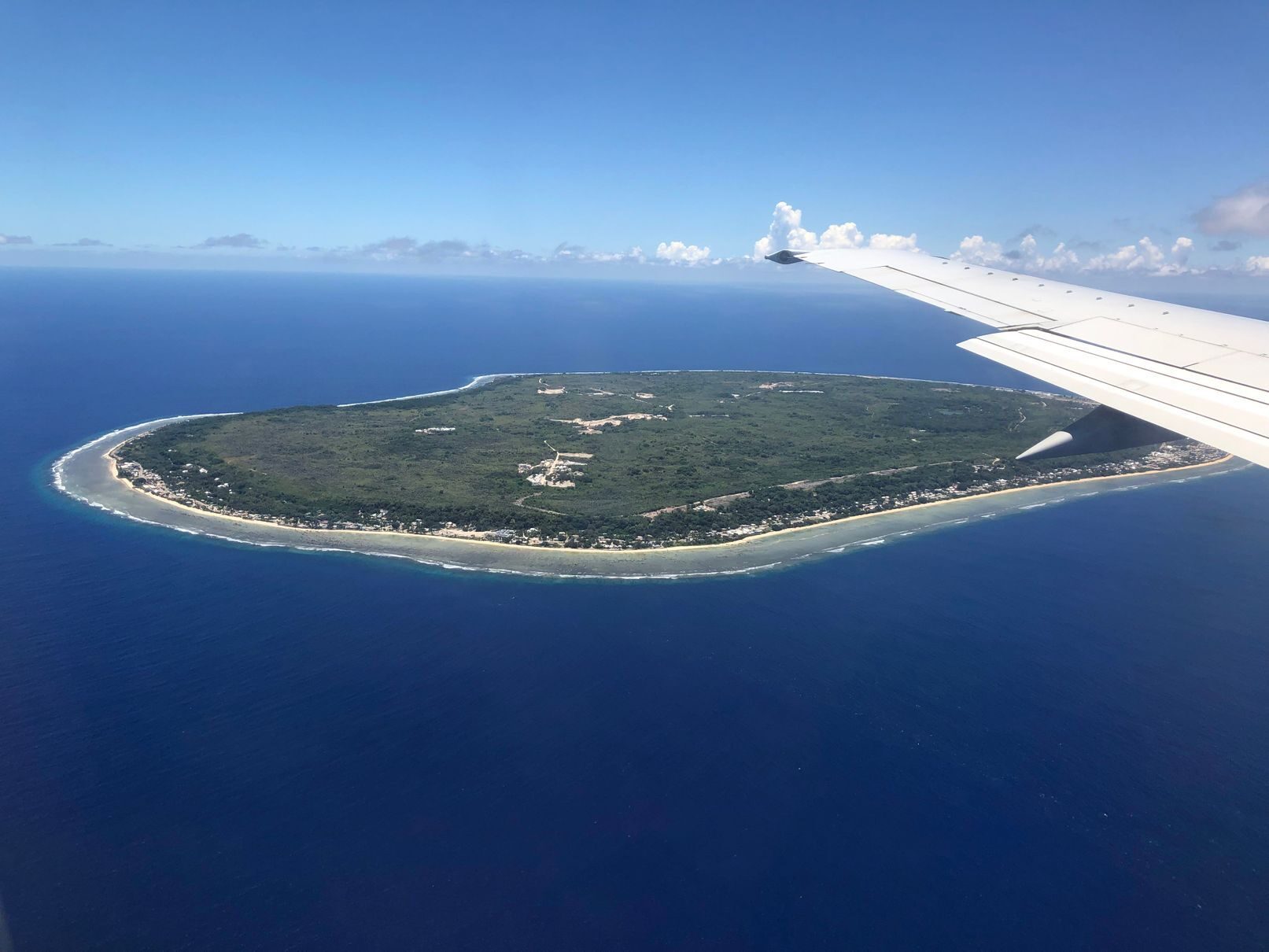
Nauru is a tiny coral atoll of 21 km2 in the central Pacific, northeast of Australia. Nauru International Airport (INU) has connections to Brisbane (Australia) and Fiji via Nauru Airlines. The island was once one of the world's wealthiest nations per capita during its phosphate mining boom (1960s-1980s), then experienced dramatic economic collapse when the phosphate ran out. Over 80% of Nauru's land is now a mined-out moonscape. The island has controversially hosted Australia's offshore immigration detention center since 2001 (closed and reopened multiple times). Nauru recognized the independence of Abkhazia and South Ossetia (disputed Georgian territories) in exchange for financial aid from Russia, demonstrating the country's diplomatic vulnerabilities.
How to Get There
Brisbane (BNE) in Australia is the main hub for Nauru connections via Nauru Airlines (Our Airline), with approximately 2-3 weekly flights. Fiji (NAN) also connects. From the US, routing via Honolulu and Brisbane is typical. Total travel time from the US is 20-26 hours.
Money & Banking
Nauru uses the Australian Dollar (AUD). USD can be exchanged. ATMs are limited; carry sufficient AUD or USD cash. Nauru is expensive for the Pacific: accommodation options are very limited (a few guesthouses and the Menen Hotel) and prices are high due to the island's isolated supply chains. A guesthouse room runs AUD 100-200/night.
Practical Tips
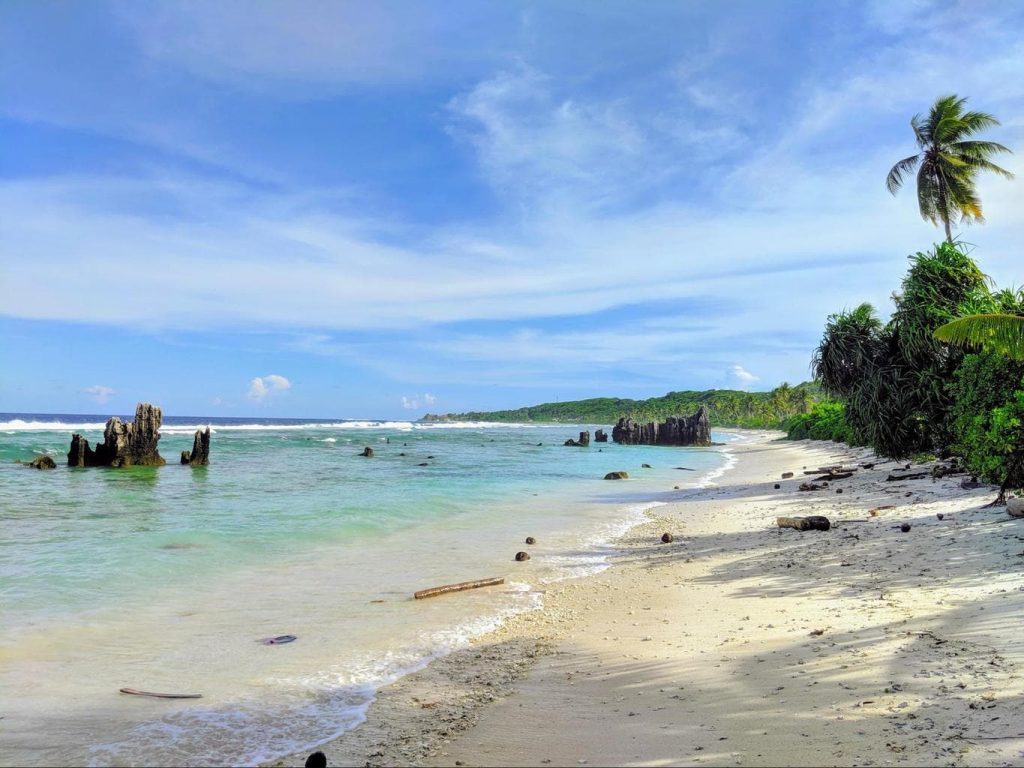
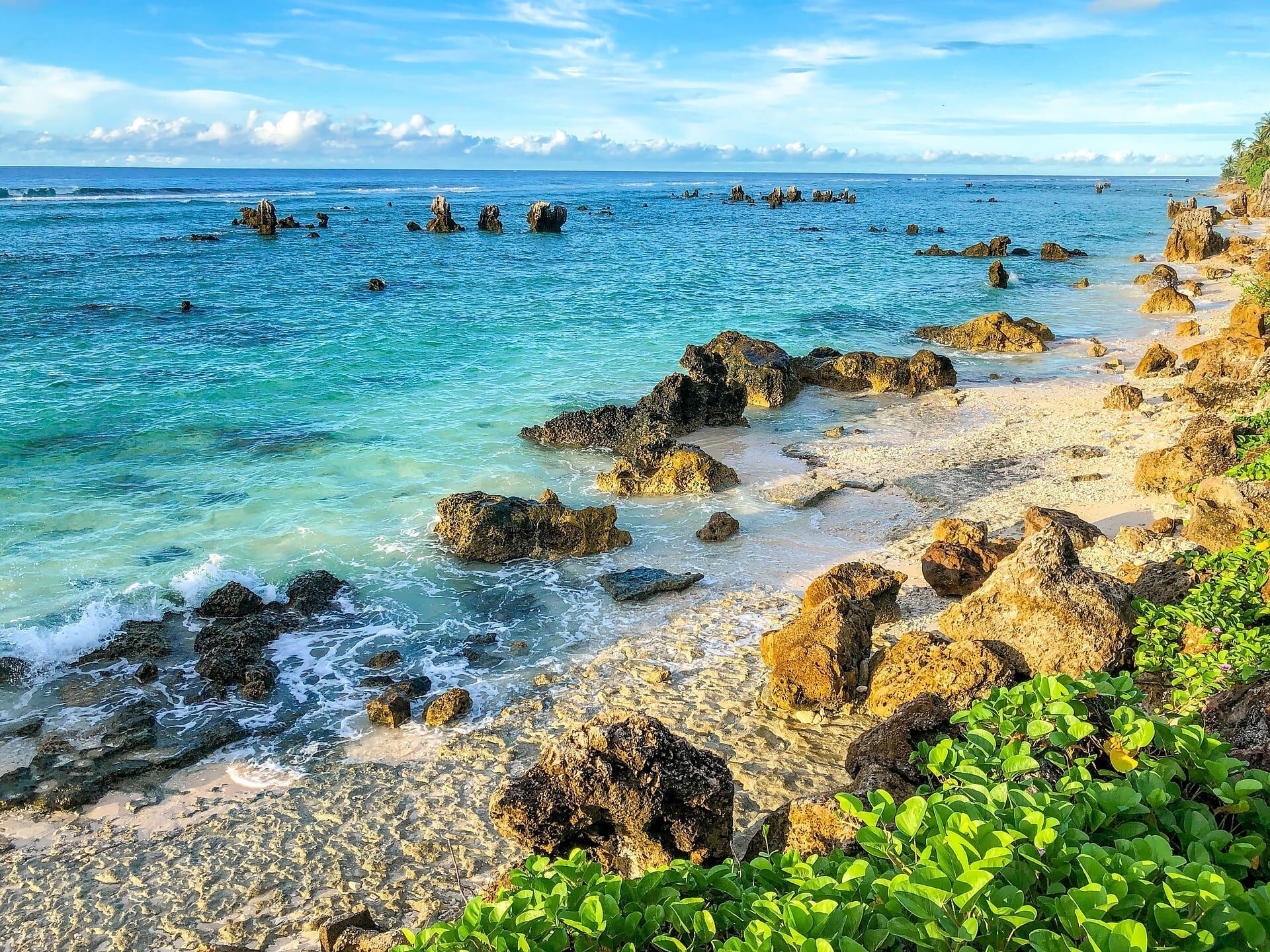
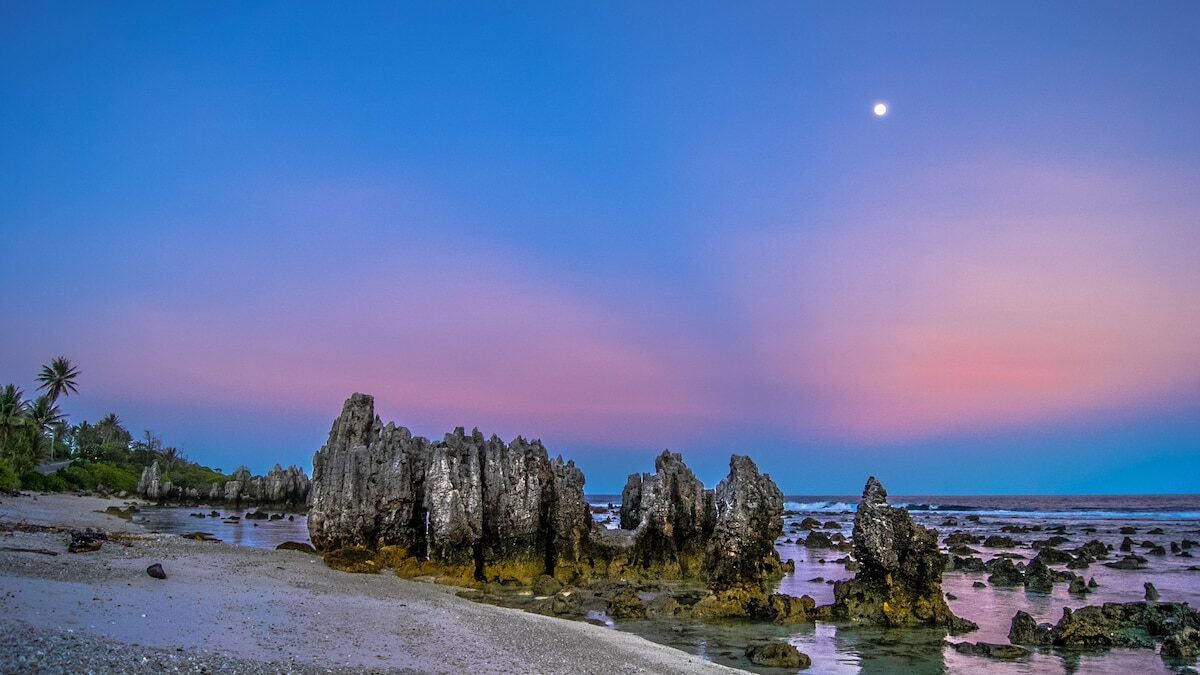
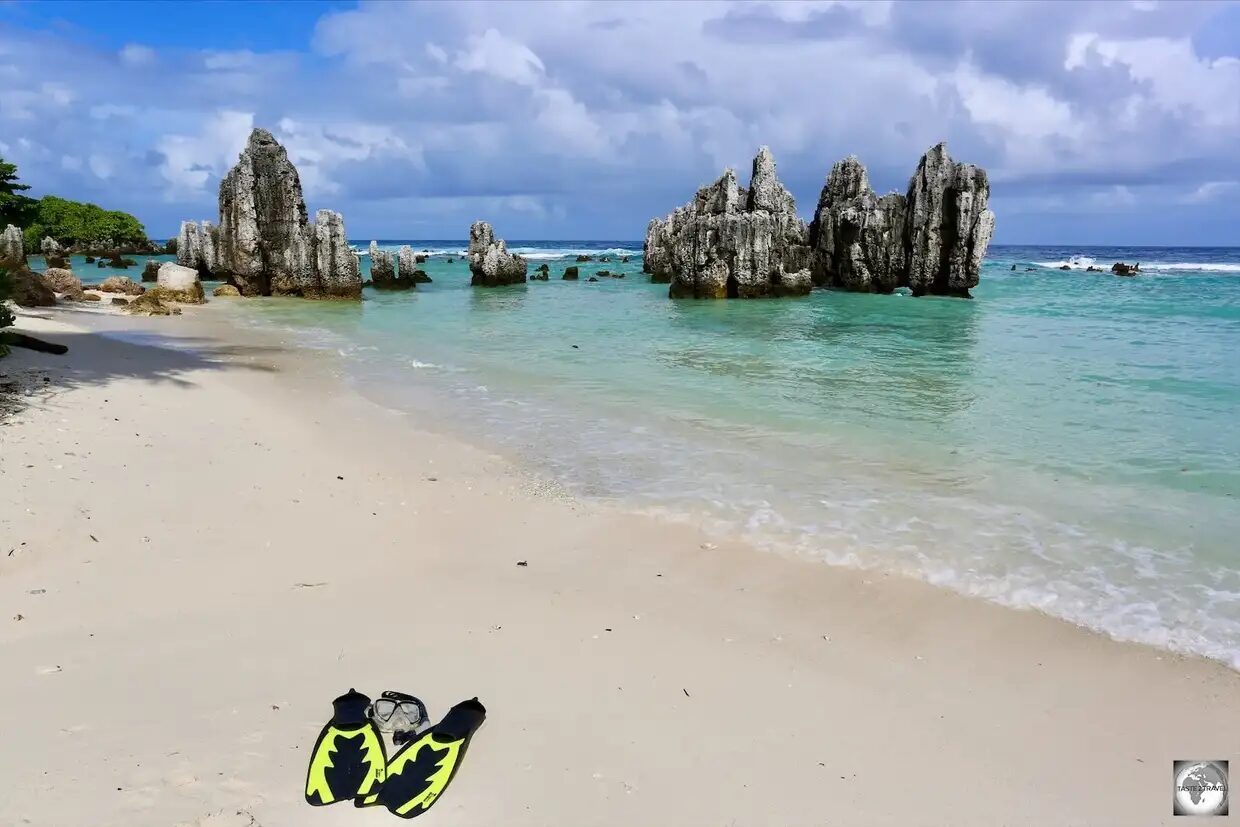
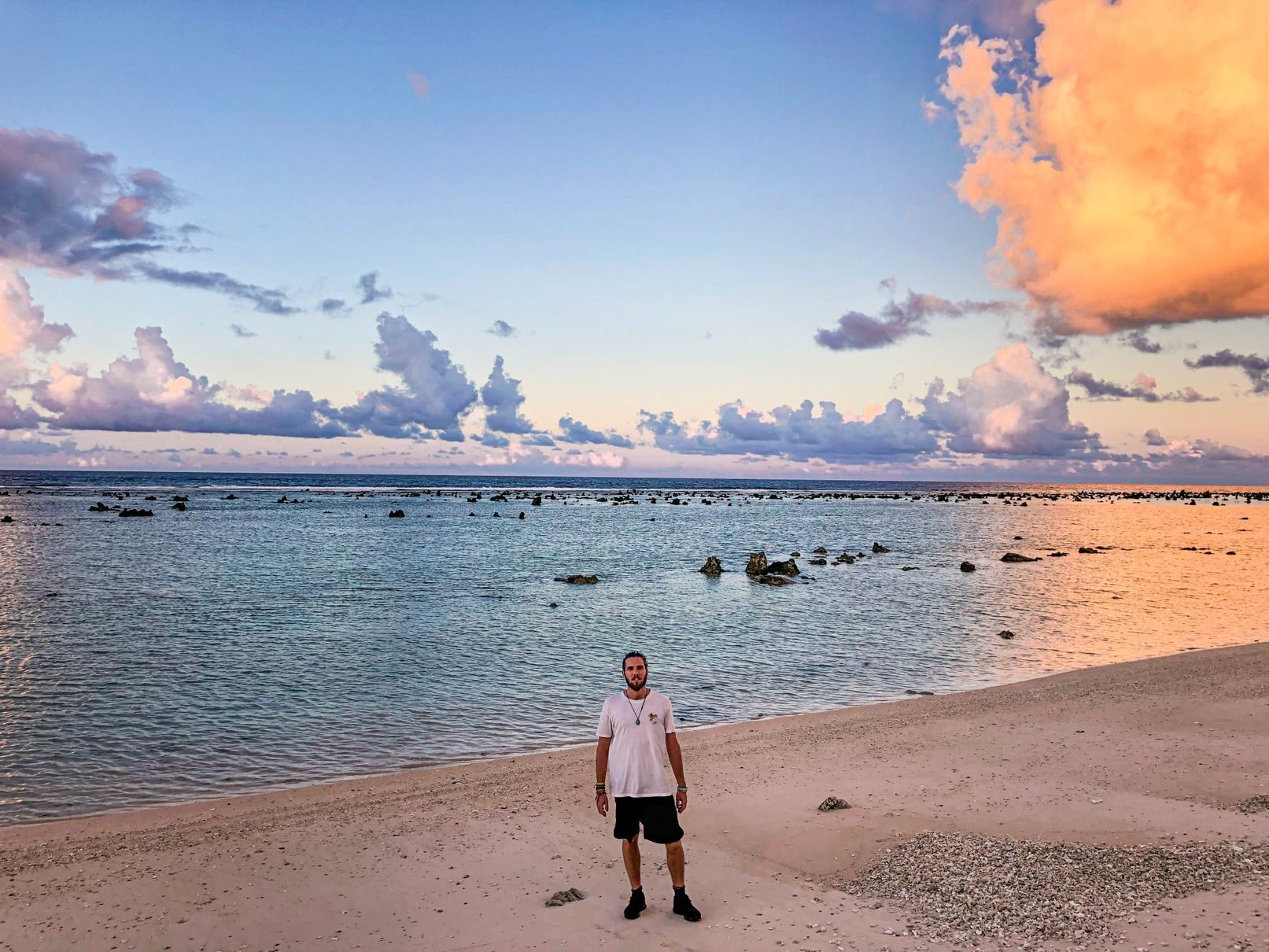
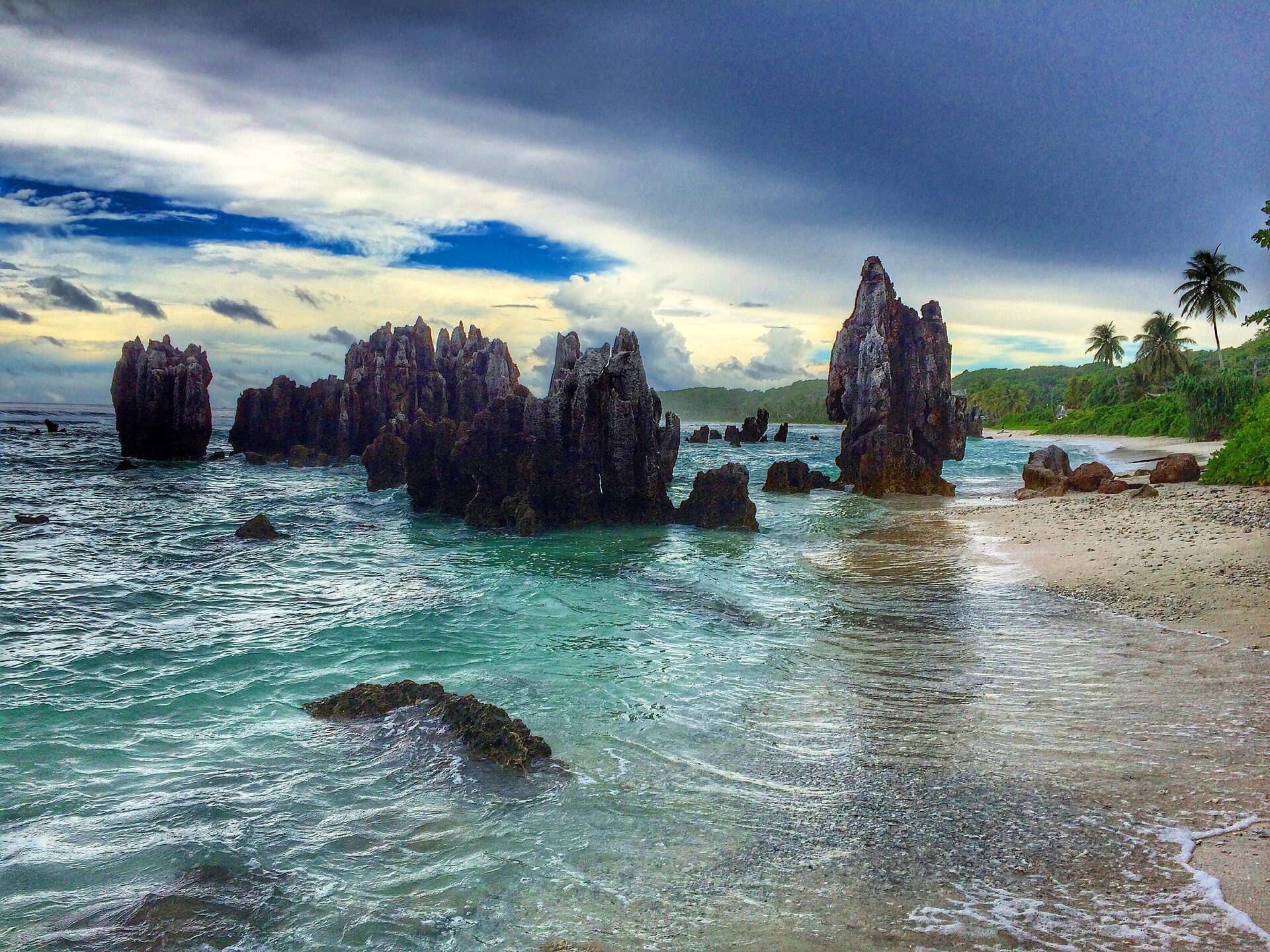
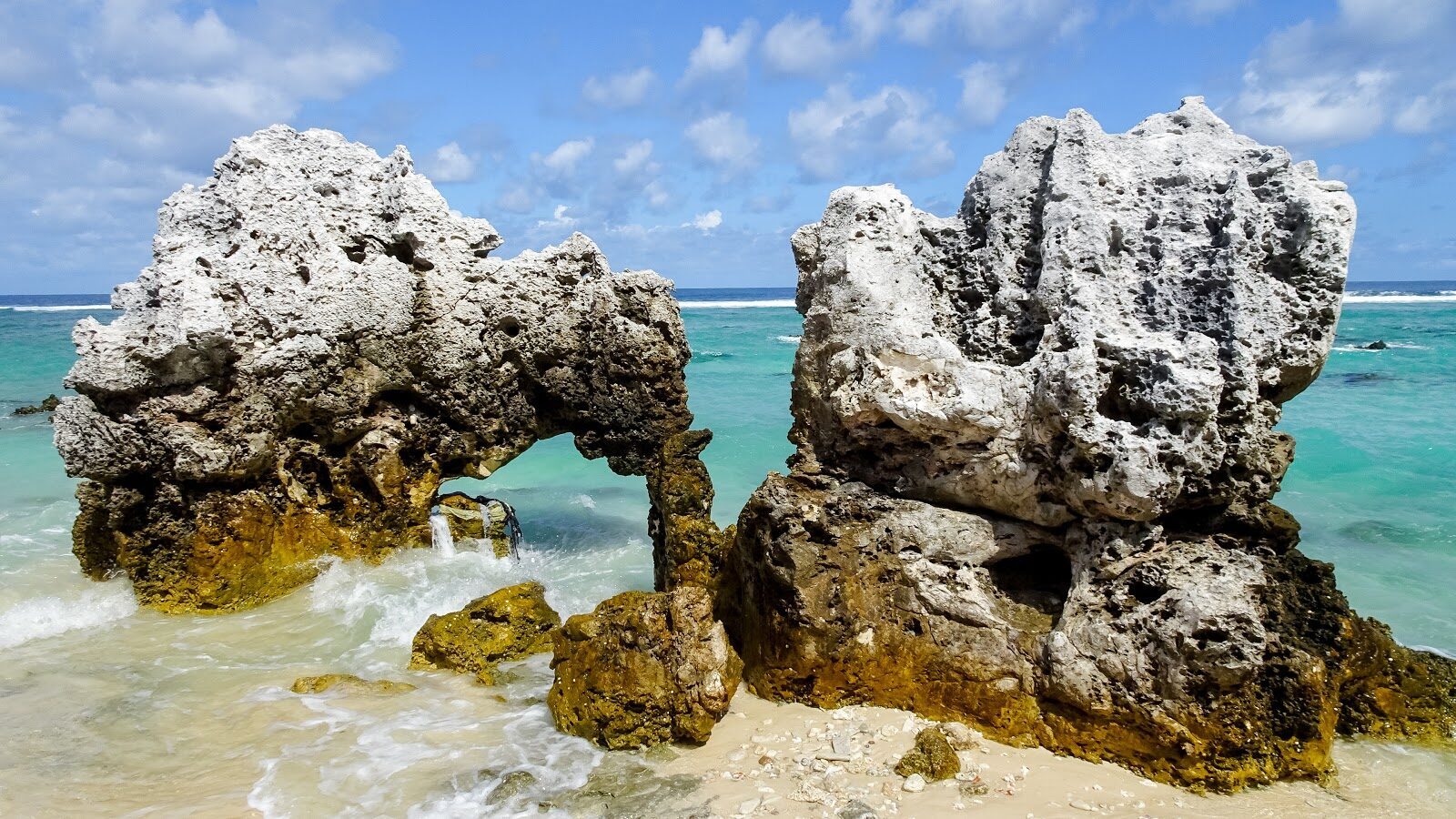
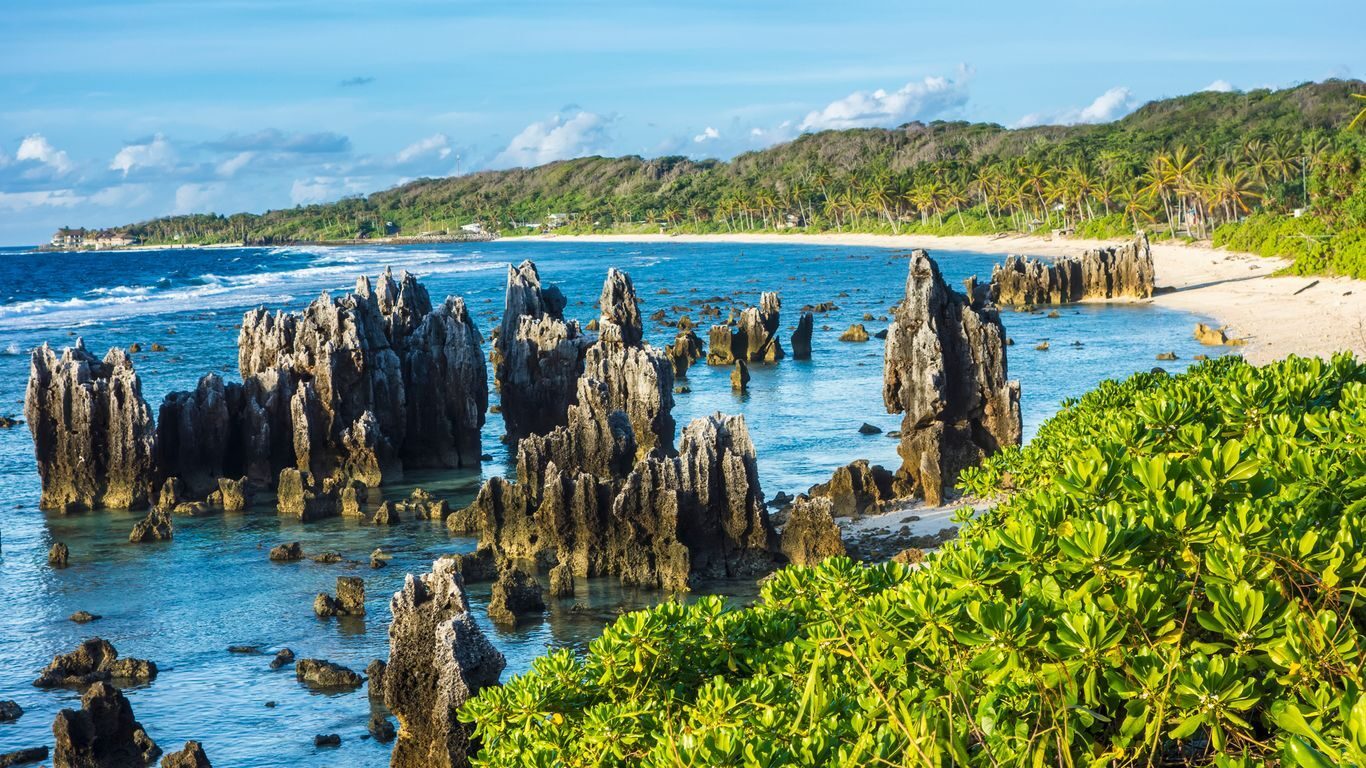
Nauru is one of the world's most unusual travel destinations. The mined-out phosphate plateau (Topside) covering 80% of the island is a post-apocalyptic landscape of jagged coral pinnacles: uniquely strange and haunting. The coastal strip has some pleasant beaches and traditional fishing. The Command Ridge WWII ruins (Japanese and Allied installations) are historically interesting. Nauru is visited mostly by curious travelers, phosphate industry researchers, and people attempting to visit every country in the world. Locals are generally welcoming to the rare tourists who arrive.
Frequently Asked Questions
What happened to Nauru's phosphate wealth?
Nauru's phosphate deposits (fossilized seabird droppings accumulated over millennia) were mined intensively from the early 20th century, making Nauruan citizens extremely wealthy in the 1970s-80s -- among the world's highest per-capita incomes. Poor financial management of the Nauru Phosphate Royalties Trust saw billions lost in failed investments. By the 1990s, the deposits were nearly exhausted, the trust was bankrupt, and Nauru went from paradise to near-failed state. About 80% of the island is now barren mined wasteland.
Is Nauru the world's smallest country?
Nauru is the world's smallest island nation and the third-smallest country overall by area (21 km2), after Vatican City (0.44 km2) and Monaco (2 km2). It has a population of approximately 10,000. Despite its tiny size, it has its own government, currency (Australian Dollar by adoption), international airport, and national airline.
What is the Australia-Nauru detention center controversy?
Australia has used Nauru as an offshore processing center for asylum seekers arriving by boat since 2001 (with periods of closure), paying Nauru significant fees in return. Asylum seekers (mainly from Afghanistan, Iran, and Myanmar) were held in detention while their claims were processed -- a process that took years for many. The policy has been widely criticized by human rights organizations for indefinite detention, poor conditions, and psychological harm to detainees.