Namibia Visa RequirementsFor United States passport holders
US passport holders can visit Namibia visa-free for up to 90 days. Namibia is one of Africa's top safari and adventure destinations.
Great news! United States passport holders can enter Namibia without a visa for tourism or business purposes. You can stay up to 90 days.
No visa is needed. Present your valid US passport on arrival. It is recommended that your passport has at least 6 months validity and several blank pages (Namibia immigration uses full pages for stamps). Carry proof of onward travel and accommodation. No advance registration required.
Entry Requirements
Passport Validity
6 months beyond date of entry
Blank Pages
2 blank pages required
Multiple Entry
Allowed
Work Permitted
No - requires work visa
Entry Conditions
Passport valid for at least 6 months with 2 blank pages. Return/onward ticket.
Fines and possible detention for overstaying.
Required Documents
Valid US Passport
Must be valid for at least 3-6 months beyond your planned departure date (varies by country)
Return or Onward Ticket
Proof of departure from the country, such as a return flight or onward travel booking
Proof of Accommodation Recommended
Hotel reservation, Airbnb booking, or address where you will be staying
Proof of Sufficient Funds Recommended
Credit cards, bank statements, or cash to cover expenses during your stay
Travel Insurance Recommended
Recommended for all international travel covering medical emergencies
Travel Essentials
Health & Safety
Safety Rating
Vaccinations
Hepatitis A/B, typhoid, rabies.
Tap Water
Safe to drink
Safety Tips
Namibia is one of Africa's safest countries. Windhoek has minimal crime. Wildlife encounters require standard safari precautions.
Money & Costs
Currency
N$ Namibian Dollar (NAD)
Daily Budget (USD)
Budget: $60 · Mid: $150 · Luxury: $500+
Tipping
Tip guides and lodge staff. 10-15% in restaurants.
Practical Info
Power
Type D, M, 220V
Driving
Left side
Emergency
10111 (police), 211111 (ambulance)
Getting There
Main Airports
Windhoek (WDH) · Walvis Bay (WVB)
Culture & Travel Tips
Best Time to Visit
Namibia has a desert climate with warm days and cool nights. The dry season (May-October) is best for wildlife viewing when animals congregate at waterholes in Etosha National Park and the landscape is easier to traverse. This is the cooler season with pleasant temperatures. November-April is the wet season with occasional thunderstorms, lush green landscapes, and migratory bird arrivals. The coastal areas around Swakopmund are cool year-round due to the cold Benguela current. The Namib Desert and Sossusvlei are spectacular year-round, with hot days and cold nights. Wildlife enthusiasts should prioritize September-October.
Cultural Notes
Namibia has a complex colonial history as former German South West Africa, then under South African control until independence in 1990. German heritage is visible in Windhoek and Swakopmund architecture, beer culture, and some towns names. The population includes diverse groups: Ovambo, Herero, Himba, San (Bushmen), and whites of German and Afrikaner descent. The Himba people of Kaokoland maintain traditional semi-nomadic lifestyles, famous for their red ochre body paint and elaborate hairstyles. San communities offer cultural experiences sharing ancient hunter-gatherer knowledge. Despite past tensions, Namibia is remarkably stable and harmonious. The vast empty landscapes create a sense of frontier freedom that defines the Namibian experience.
Insider Tips
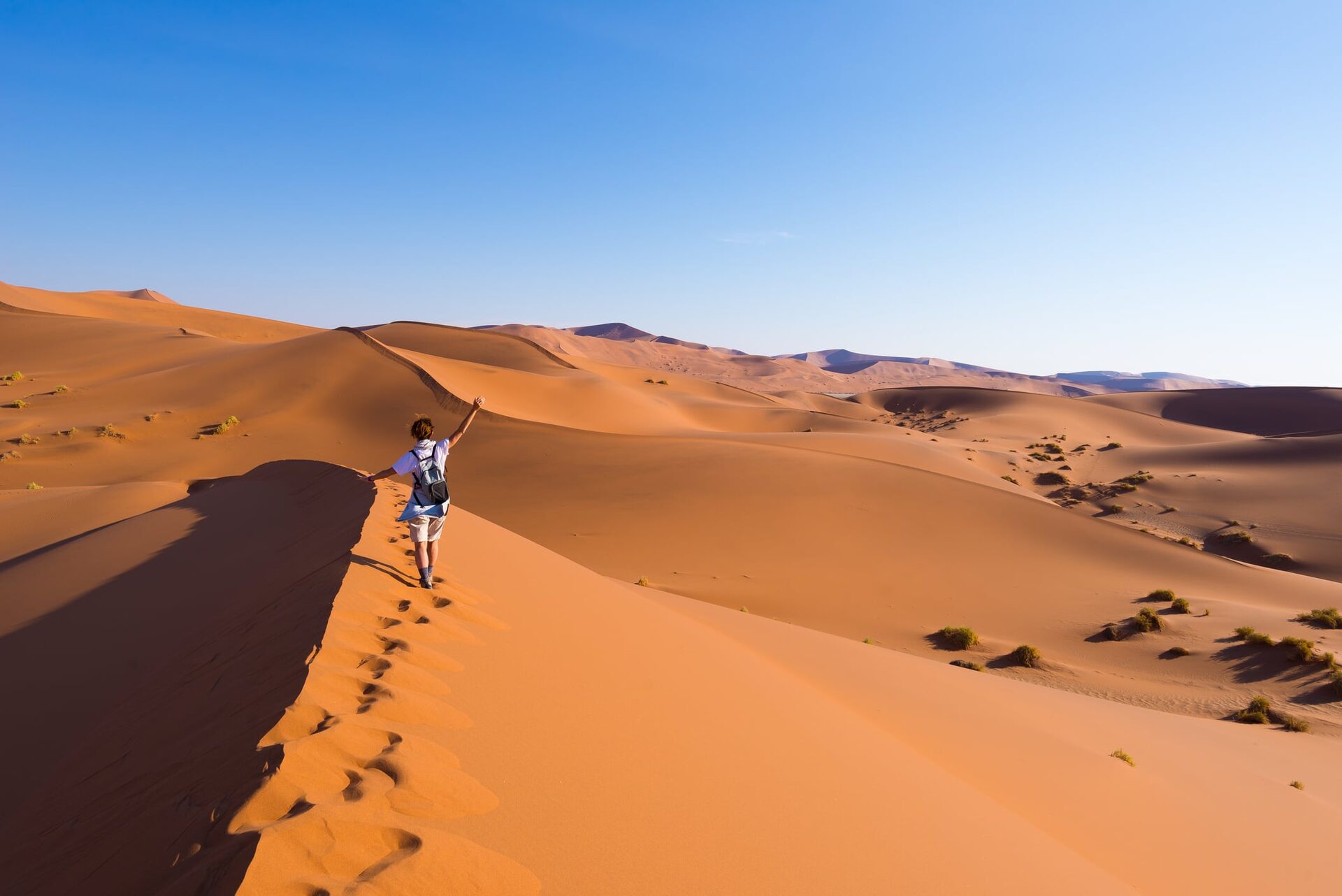
Namibia offers dramatic desert landscapes, excellent wildlife, and one of Africas safest, most traveler-friendly environments. Sossusvlei towering orange dunes are bucket-list sights, best photographed at sunrise. Etosha National Park allows self-drive safaris with excellent infrastructure - waterholes illuminate at night for viewing. Swakopmund combines German colonial architecture with adventure activities like sandboarding and quad biking. Fish River Canyon is among Africas most impressive. Self-driving is the best way to explore; roads are generally good but distances are vast - plan carefully. The Namibian dollar is pegged 1:1 to South African rand, both accepted. English is the official language. Camping and lodges range from basic to luxury.
Current Travel Situation
United States to Namibia: What You Need to Know
Namibia is a sparsely populated southern African country known for the Namib Desert (the world's oldest desert), extraordinary wildlife, and some of the darkest night skies on Earth. Hosea Kutako International Airport (WDH) near Windhoek is the main gateway with connections from Johannesburg (OR Tambo), Frankfurt (Condor/Eurowings), and a few other European cities. Many visitors connect through Johannesburg (South Africa). Namibia is safe, well-organized for self-drive safari travel, and has excellent infrastructure for southern Africa. The US State Department has a Level 1 advisory (Exercise Normal Precautions).
How to Get There
Johannesburg (JNB) is the main regional hub for Namibia; South African Airways, Airlink, and Cemair connect to Windhoek regularly. Frankfurt (FRA) has direct flights on Condor and Eurowings (seasonal). Cape Town (CPT, South Africa) is accessible by the B1 highway, an epic 1,500 km road trip through the Orange River region. Botswana (Chobe National Park) is accessible from northeastern Namibia for combined itineraries.
Money & Banking
Namibia uses the Namibian Dollar (NAD), pegged 1:1 to the South African Rand (ZAR). Rand is also accepted everywhere. Credit cards work at major hotels, lodges, and supermarkets in cities; remote areas are cash-only. Namibia is moderately priced: a mid-range lodge with meals costs $100-200/person/night, while self-catering campsites in national parks run $15-30/night. Petrol stations accept cards in most towns.
Practical Tips
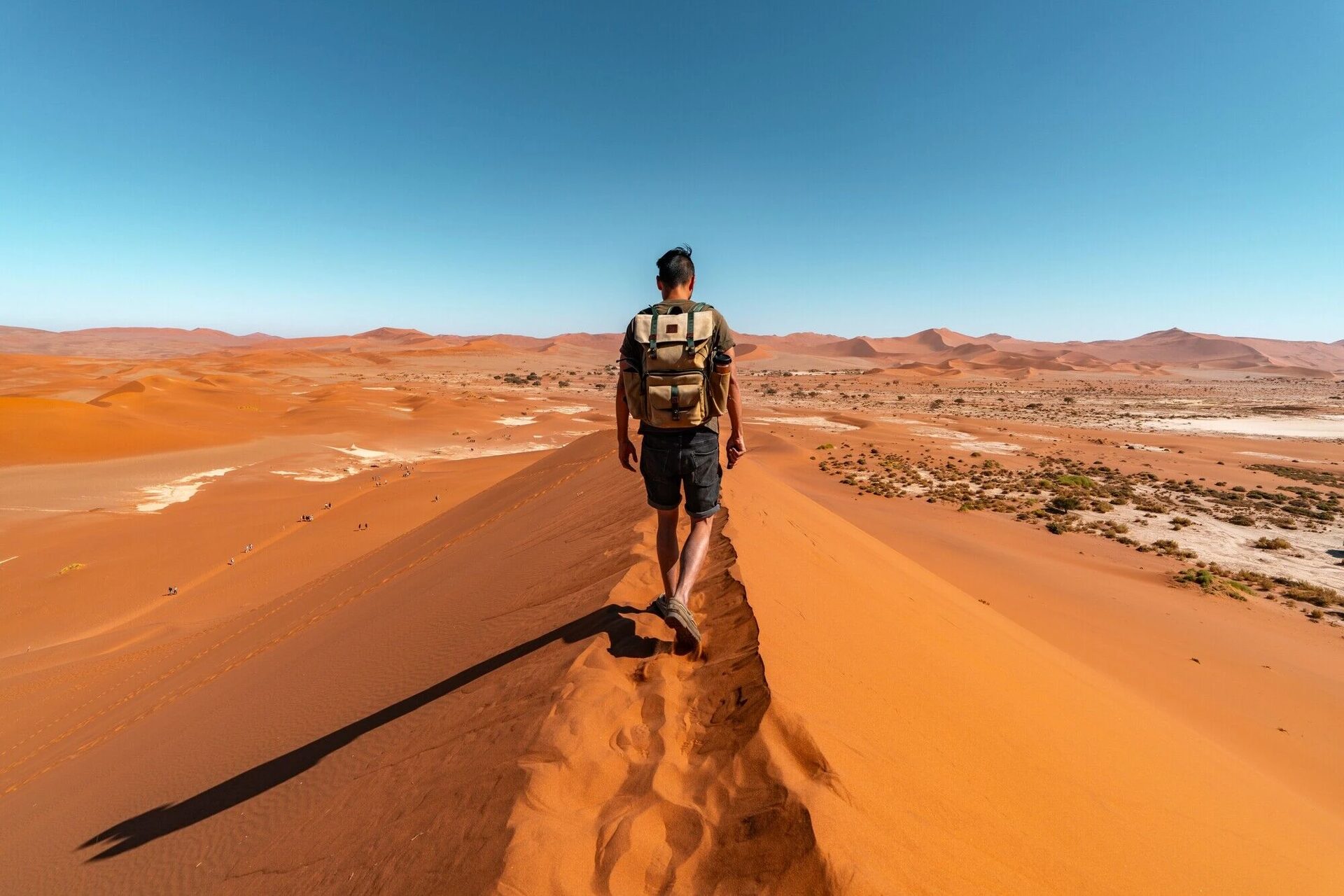
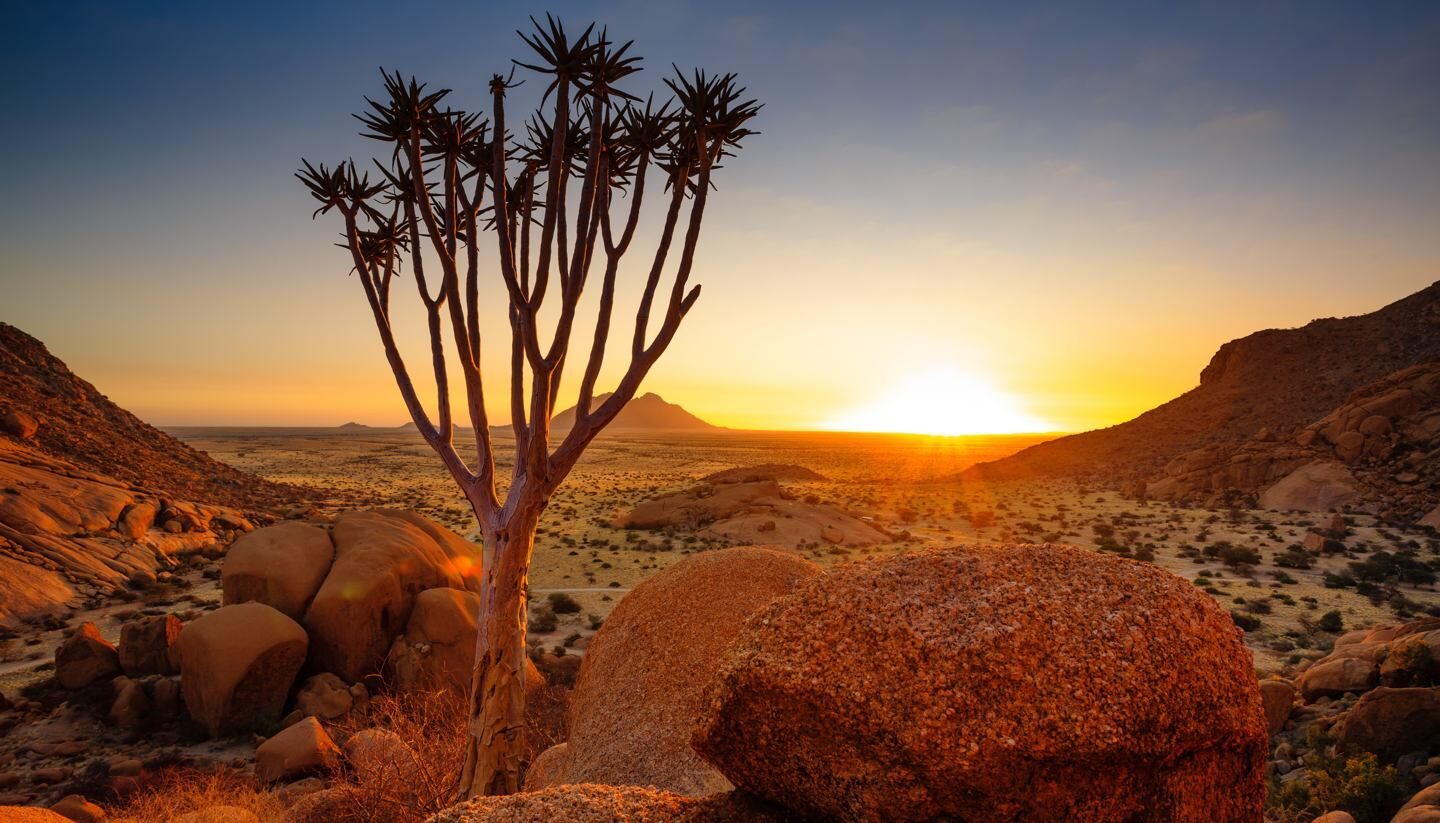
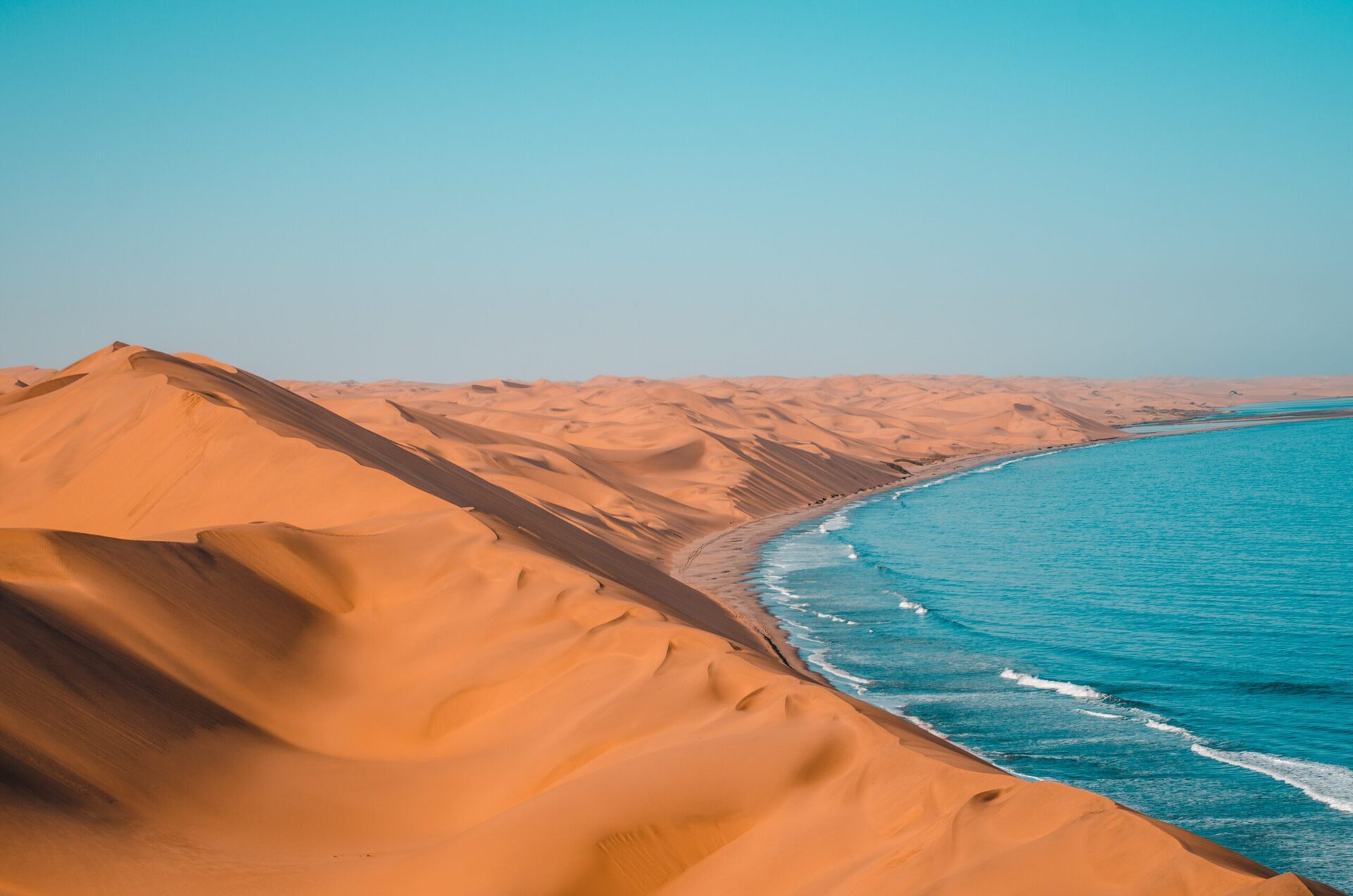
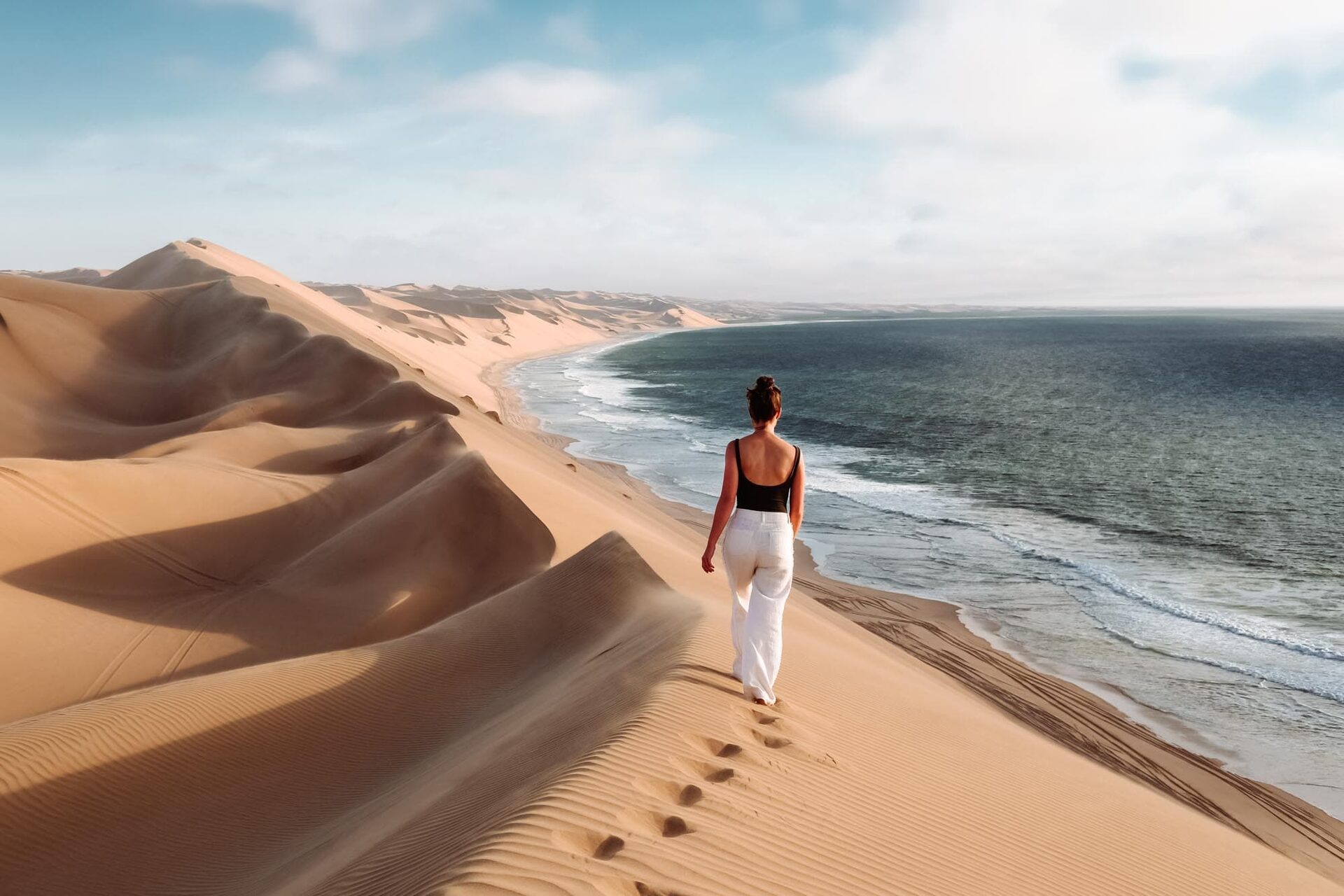
Sossusvlei's red sand dunes (Dune 45, Big Daddy) at sunrise are one of Africa's most iconic images. Etosha National Park is one of Africa's top wildlife parks: excellent lion, elephant, rhino, and cheetah sightings around the Etosha Pan. The Skeleton Coast (where the Namib desert meets the Atlantic Ocean) is hauntingly beautiful. Swakopmund is a charming German colonial coastal town with sandboarding, quad biking, and dolphin cruises. The Quivertree Forest and Giants Playground in the south are surreal landscapes. Self-drive safaris are very popular and roads are well-maintained.
Frequently Asked Questions
Is self-drive safari good in Namibia?
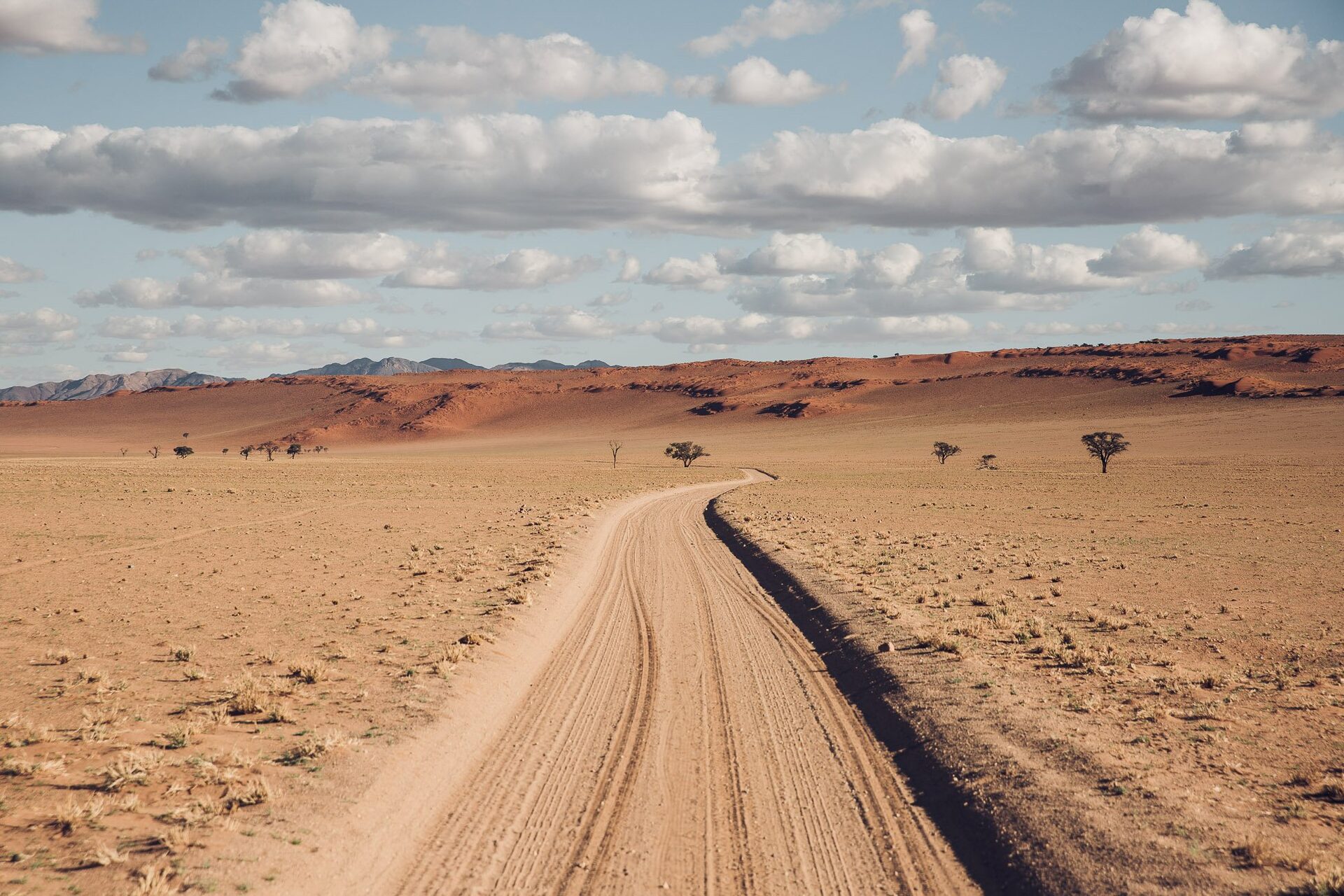
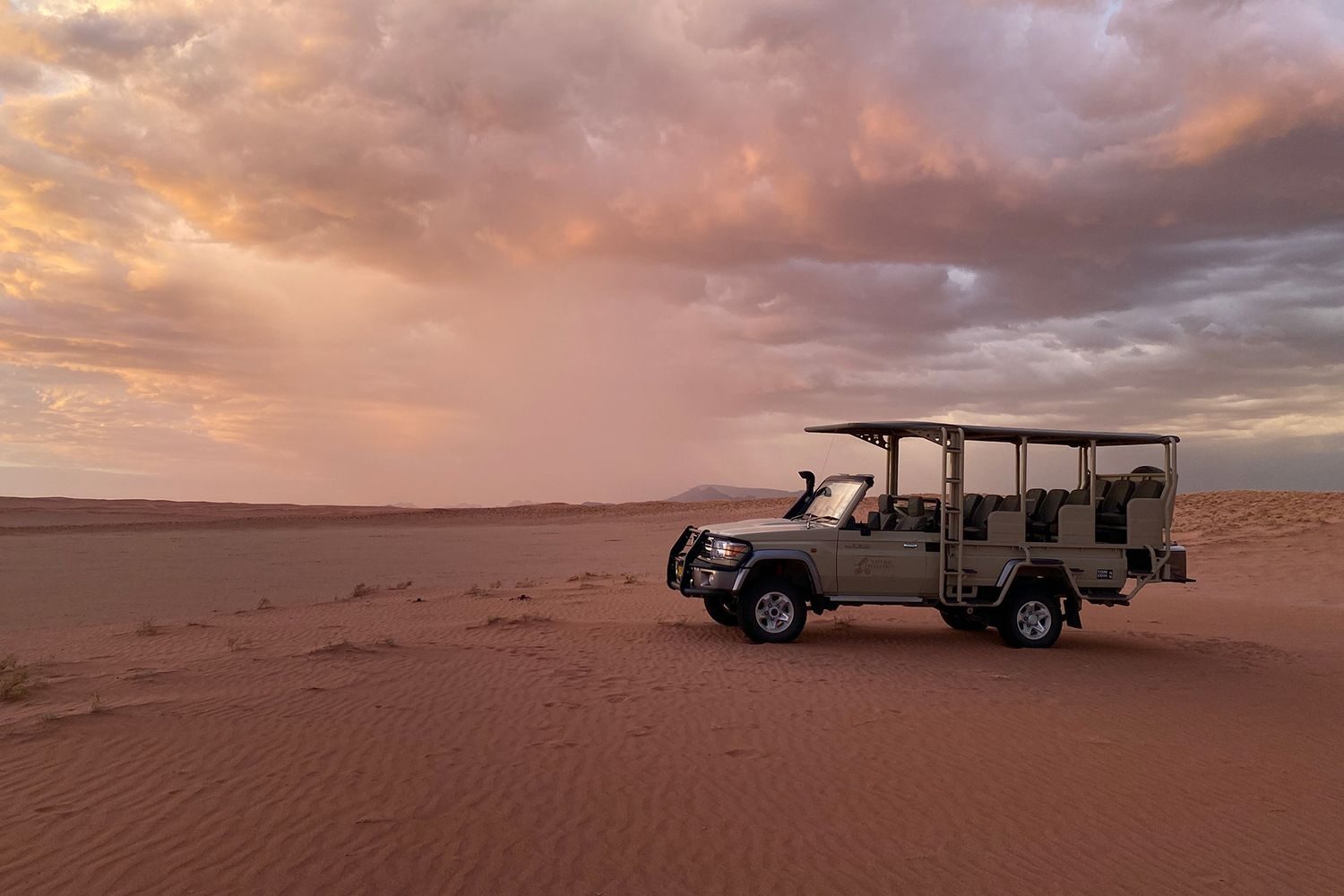
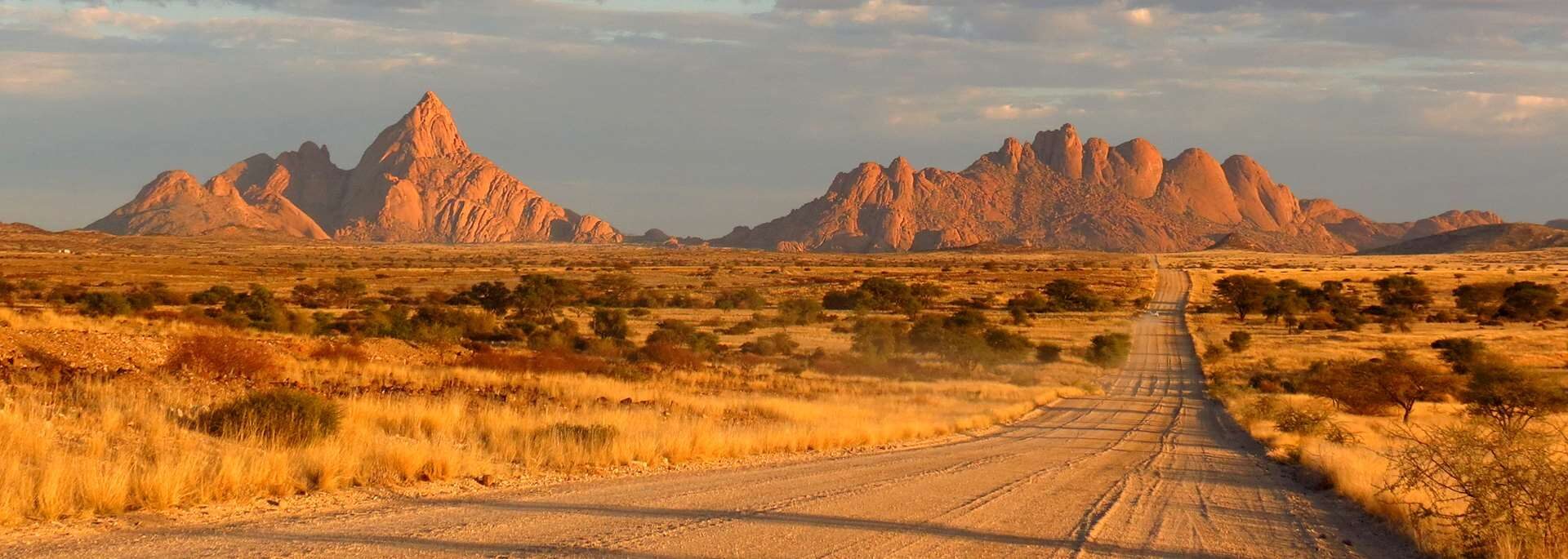
Namibia is one of Africa's best self-drive destinations. Roads between main parks and attractions are paved or well-graded gravel. A 4WD is recommended for some parks (Damaraland, Skeleton Coast). Etosha National Park has excellent self-drive wildlife viewing -- you drive between water holes and watch animals come to drink. Distances are vast so plan for long driving days.
How do I get to Namibia from the US?
There are no direct flights from the US to Namibia. The most common route is via Johannesburg (JNB) on South African Airways or connecting airlines. Frankfurt (FRA) has seasonal direct flights to Windhoek on Condor/Eurowings. The journey is approximately 18-24 hours from US East Coast cities.
What is the best time to visit Namibia?
The dry season (May-October) is best for wildlife viewing -- animals concentrate around water sources and vegetation is sparse, making them easier to spot. Etosha is excellent June-September. The Namib Desert can be visited year-round but summer (November-March) brings heat and occasional rain. The shoulder season (April, November) offers good conditions with fewer crowds.
Do US citizens need a visa to visit Namibia?
No, US citizens can visit Namibia for up to 90 days without a visa for tourism purposes. You'll need a passport valid for at least 6 months with two blank pages for entry stamps and proof of return/onward travel. Namibia is one of Africa's most accessible and safest destinations, popular for self-drive safaris through dramatic desert landscapes and excellent wildlife viewing.
Is self-drive safari in Namibia a good idea?
Yes, Namibia is one of the best countries in Africa for self-drive safari. The country is safe, well-organized, and has excellent road infrastructure by African standards. Most major routes are sealed tar roads, but many attractions require gravel roads, so a 4x4 or high-clearance vehicle is recommended. Key considerations: distances are long (plan your route carefully), driving is on the left, fuel stations can be far apart (fill up when you can), and wildlife on roads is a hazard especially at dawn and dusk. Book accommodations in advance for popular spots like Etosha, Sossusvlei, and the Skeleton Coast.
What are the must-see attractions in Namibia?
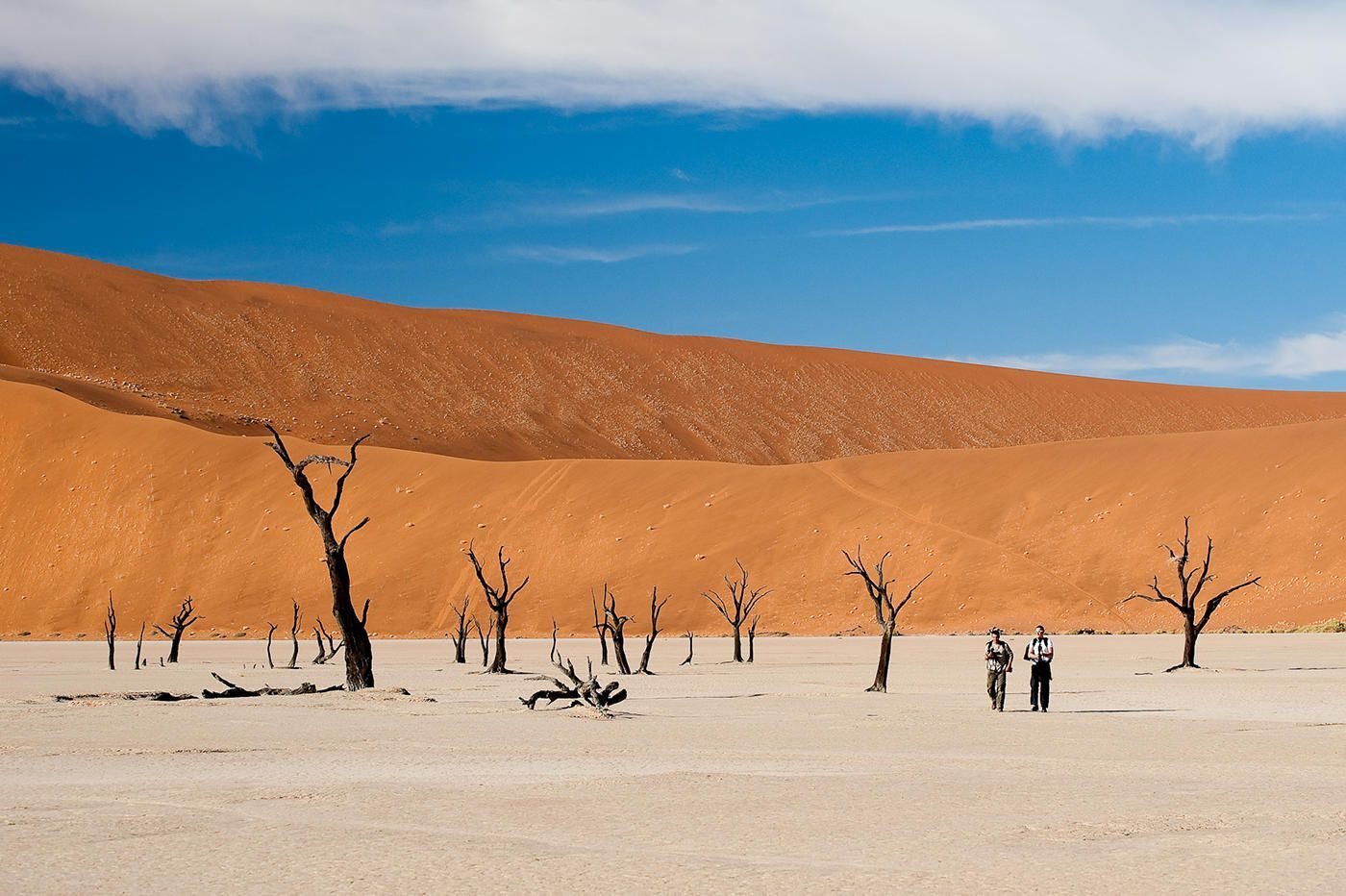
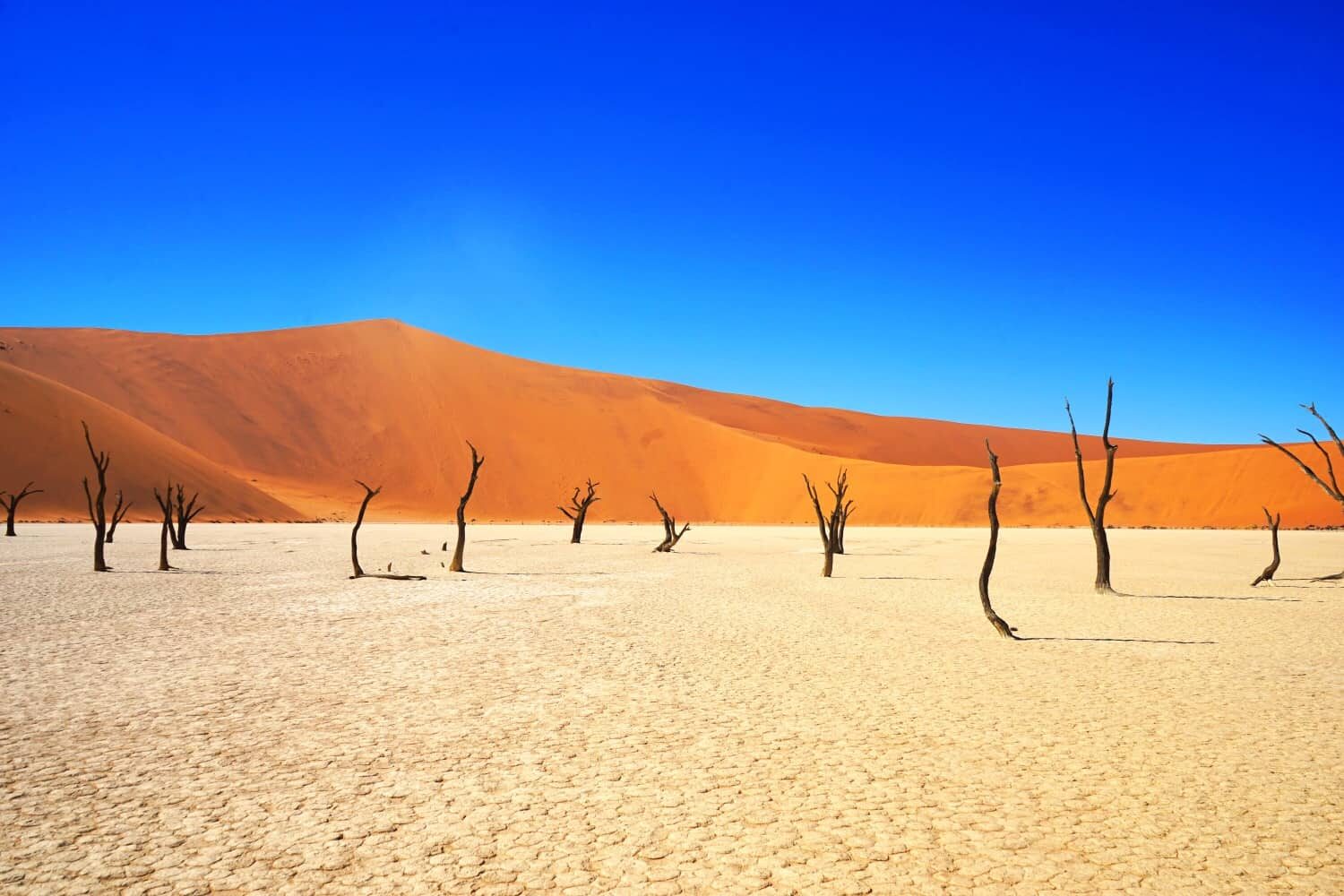
Namibia's highlights include: Sossusvlei and Deadvlei, with the world's highest sand dunes in stunning red-orange colors, best photographed at sunrise; Etosha National Park, one of Africa's premier wildlife parks with elephants, lions, rhinos, and more gathered at waterholes; the Skeleton Coast, a hauntingly beautiful stretch of shipwrecks and desert; Swakopmund, a quirky coastal town with German colonial architecture and adventure activities; Fish River Canyon, the world's second-largest canyon; and the Himba communities in Kaokoland, where you can visit traditional villages. Namibia is also one of the world's best locations for astrophotography due to dark skies.
When is the best time to visit Namibia?
The dry season (May-October) is best for wildlife viewing, as animals concentrate around water sources and vegetation is sparse, making spotting easier. July-August is peak season with cooler temperatures but also more tourists and higher prices. Etosha is particularly excellent in the dry season. The wet season (November-April) brings afternoon thunderstorms, green landscapes, and migratory birds. Sossusvlei's dunes are spectacular year-round. Temperatures can be extreme: hot days even in winter, cold nights in the desert. The coast (Swakopmund) is cool and foggy year-round.